Musicians Who Sued Politicians Over Songs
Political campaigns love using popular songs to pump up crowds and create energy at rallies. The problem starts when politicians pick songs without asking permission from the artists who created them.
Many musicians have watched their music get used to support causes they completely disagree with, leading to angry letters, public statements, and sometimes full-blown lawsuits. These legal battles reveal the complicated relationship between art, politics, and copyright law.
The clashes between musicians and politicians have become more common in recent years. Some cases settled quietly while others turned into public spectacles that grabbed headlines.
Neil Young versus Donald Trump
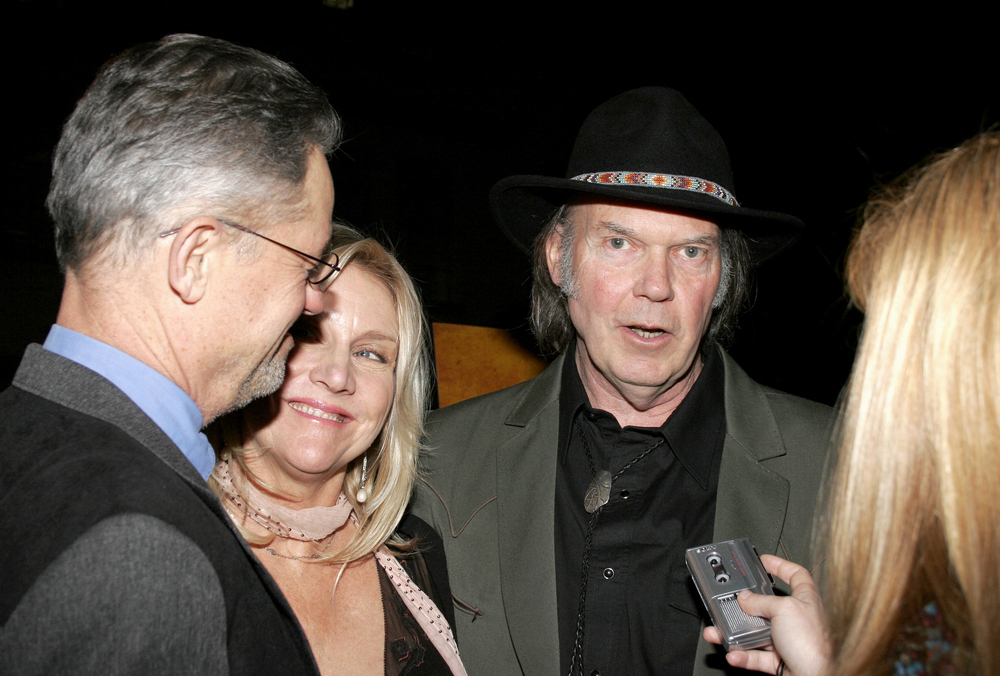
Neil Young sent a cease and desist letter to Donald Trump’s 2016 campaign after they used ‘Rockin’ in the Free World’ at rallies without permission. Young made it clear he didn’t support Trump’s presidential bid and wanted his music kept far away from the campaign.
The Canadian-American musician had been a longtime advocate for progressive causes, making the use of his song particularly frustrating. Trump’s campaign eventually stopped using the song, but Young continued speaking out against the unauthorized use.
The incident sparked broader conversations about how campaigns obtain music rights and whether artists can control how their work gets used politically.
Tom Petty’s estate versus George W. Bush
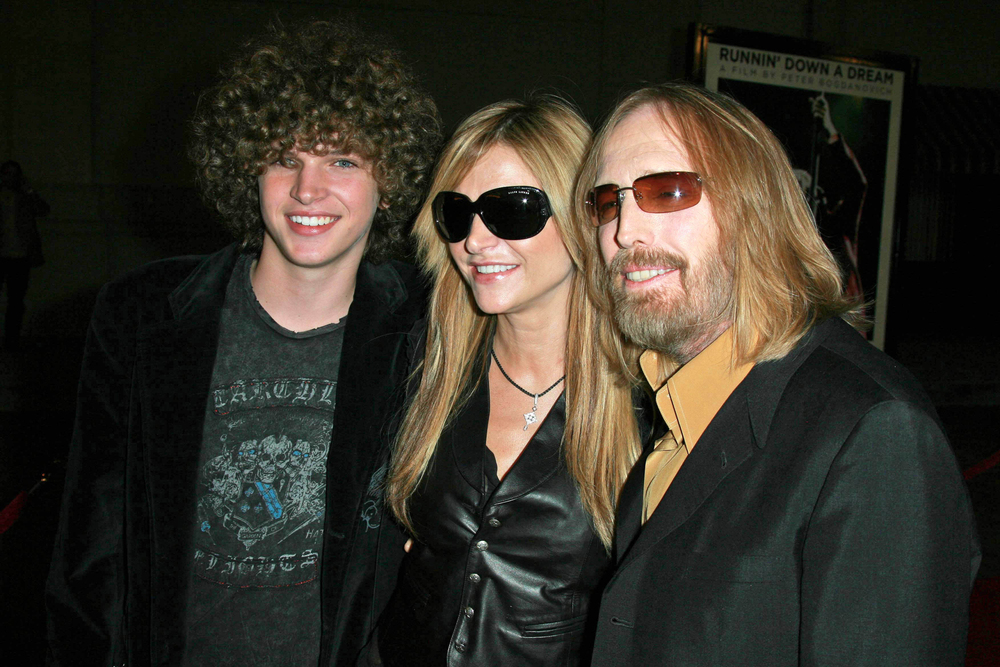
Tom Petty took issue when George W. Bush’s 2000 presidential campaign used ‘I Won’t Back Down’ at events without clearing it with the musician first. Petty sent a formal complaint demanding the campaign stop using his song immediately.
The rocker made it clear through his representatives that he didn’t want his music associated with any political campaign. Bush’s team complied and dropped the song from their playlist.
Petty later joked that he was more of a ‘Stevie Nicks Democrat’ than someone who’d support Bush’s policies.
The Rolling Stones versus Donald Trump
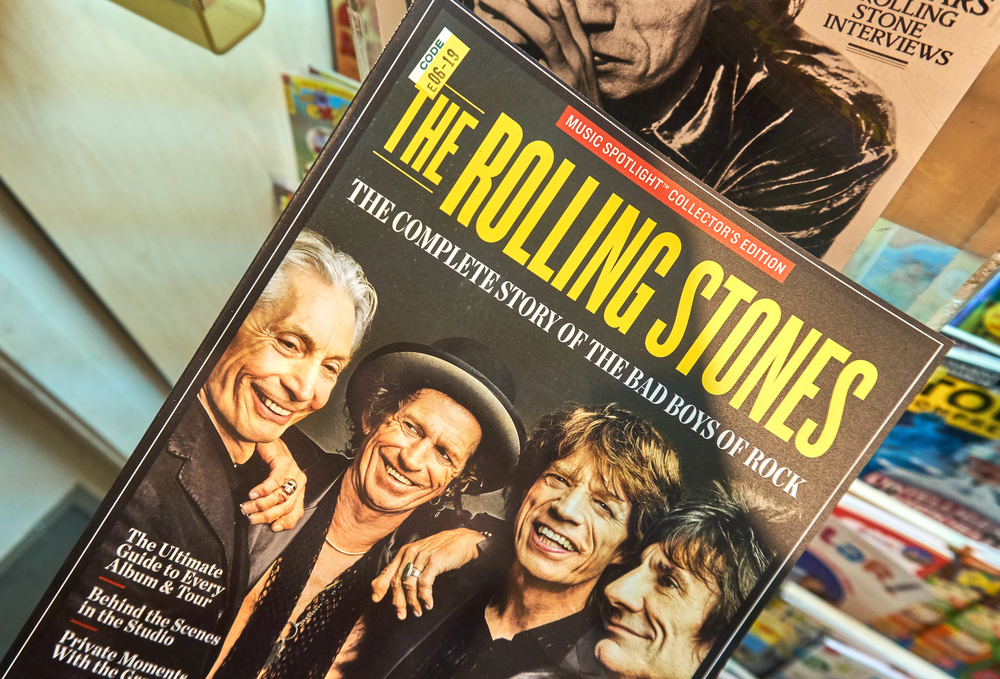
The Rolling Stones threatened legal action against Donald Trump’s campaign multiple times for using their songs at rallies without proper licensing. Trump played classics like ‘You Can’t Always Get What You Want’ and ‘Start Me Up’ at numerous events despite the band’s repeated objections.
The Stones worked with BMI, the performing rights organization, to exclude Trump’s campaign from using their catalog. Mick Jagger and Keith Richards made public statements expressing their frustration with the unauthorized use.
The band eventually pursued legal options after their requests to stop were ignored.
Prince’s estate versus Donald Trump
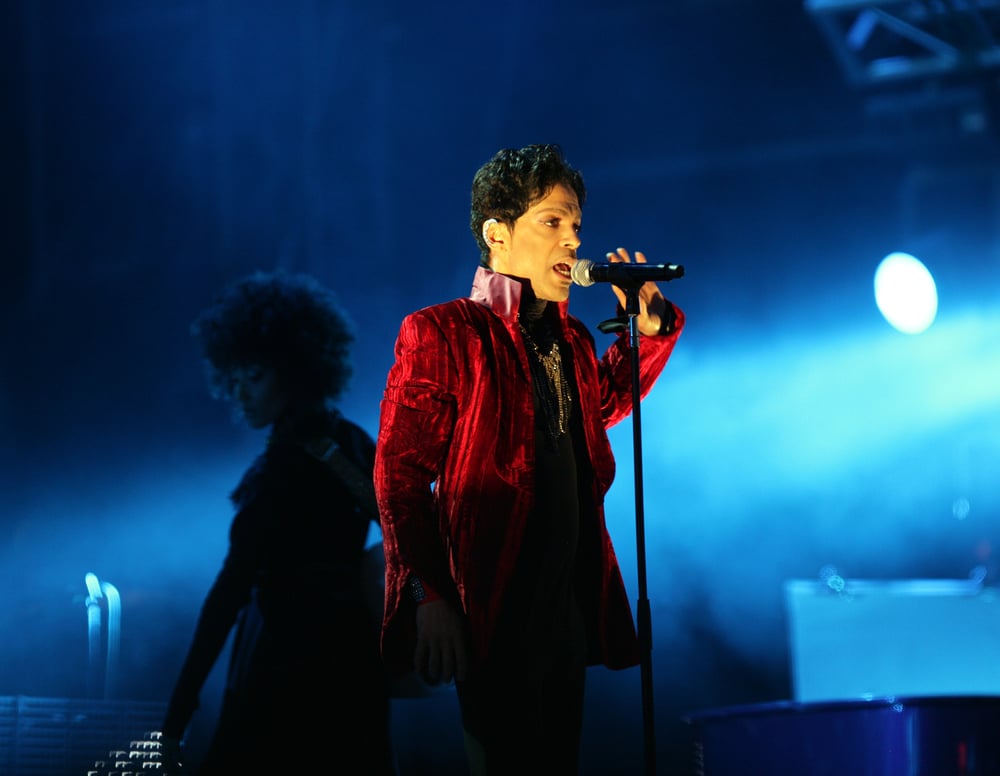
Prince’s estate sent a cease and desist letter to Donald Trump’s campaign in 2018 for using ‘Purple Rain’ at a rally in Minnesota. The late musician had been protective of his music during his lifetime and specifically didn’t want it used for political purposes.
Prince’s family and estate executors continued honoring his wishes after his death by going after unauthorized uses. The campaign complied with the request and stopped using the song.
Prince had maintained strict control over his catalog throughout his career, making this posthumous protection consistent with his values.
Rihanna versus Donald Trump

Rihanna called out Donald Trump on social media after discovering her music played at one of his rallies in Tennessee. The pop star made it clear she never authorized her songs for political use and definitely didn’t support Trump’s campaign.
Her team sent a cease and desist letter demanding the campaign stop using her catalog. Trump’s campaign had played ‘Don’t Stop the Music’ despite Rihanna’s well-known opposition to his policies.
The singer later tweeted directly about the incident, telling Trump to stop using her music.
Adele versus Donald Trump
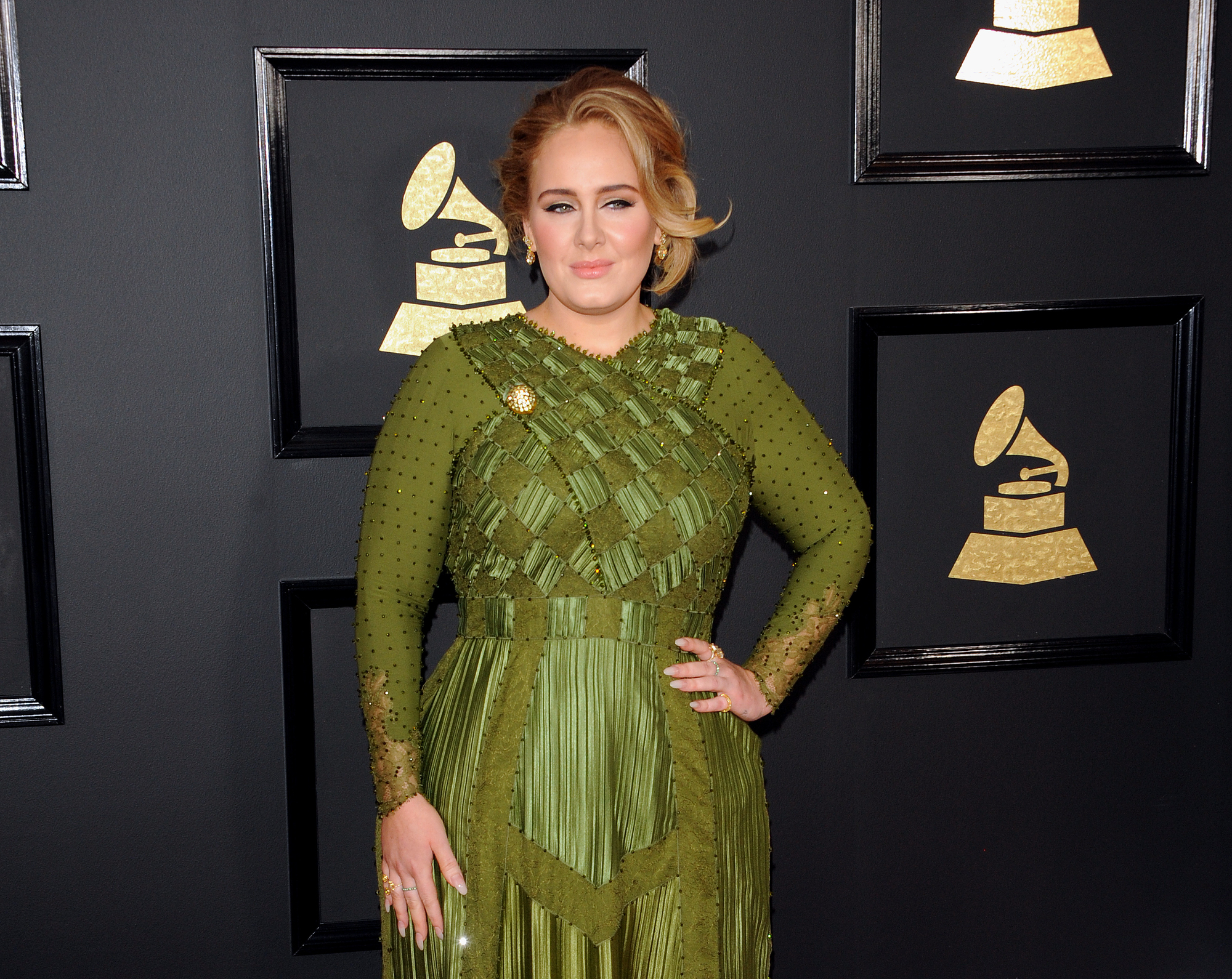
Adele’s representatives issued statements asking Donald Trump’s campaign to stop using her music at rallies during the 2016 election. Trump had played ‘Rolling in the Deep’ and ‘Skyfall’ at multiple events without getting permission from the British singer.
Adele’s team made it clear she hadn’t given authorization and didn’t endorse Trump’s candidacy. The campaign eventually stopped using her songs after the public backlash.
Adele joined a long list of British musicians who objected to American politicians using their work without consent.
Twisted Sister versus Paul Ryan
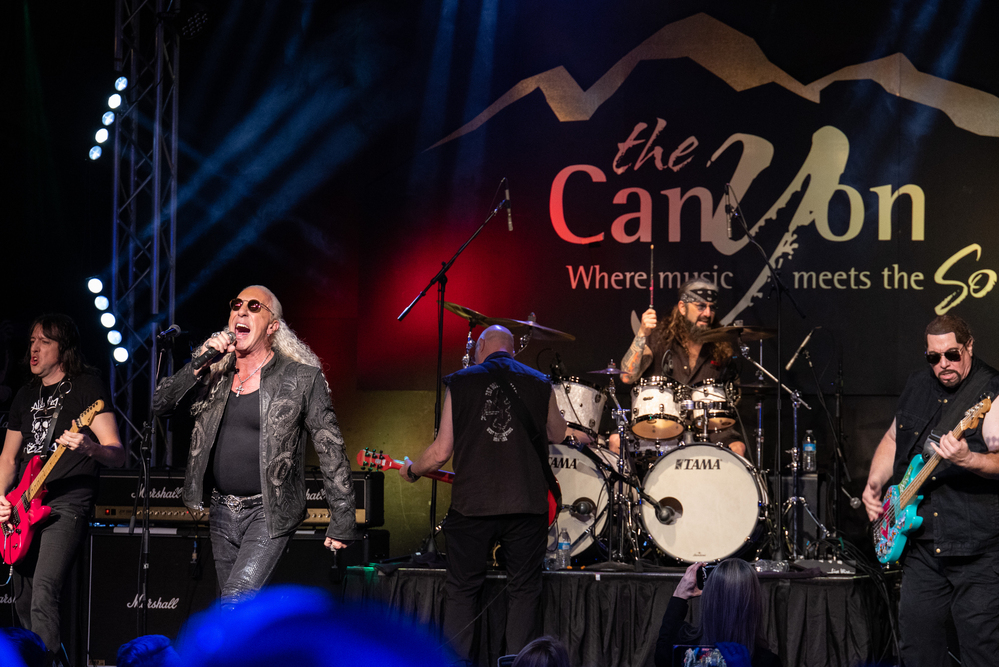
Twisted Sister frontman Dee Snider called out Republican congressman Paul Ryan for using ‘We’re Not Gonna Take It’ without permission. Ryan had used the 1980s anthem during his bid for various political offices over the years.
Snider publicly stated on social media that he didn’t support Ryan’s politics and never authorized the use. The musician found it particularly ironic since the song’s rebellious message didn’t align with establishment Republican values.
Snider later said he found it funny that conservative politicians kept missing the point of his protest anthem.
Bruce Springsteen versus Ronald Reagan
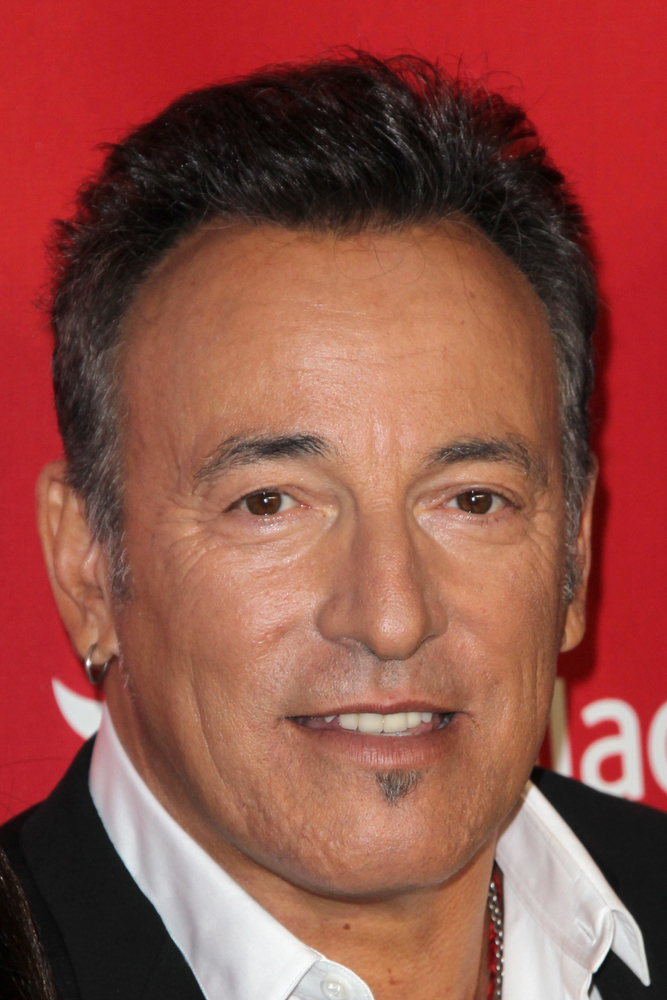
Ronald Reagan’s 1984 campaign tried to co-opt Bruce Springsteen’s ‘Born in the U.S.A.’ without understanding the song’s actual meaning. Reagan praised Springsteen at a campaign stop, trying to associate himself with the rock star’s working-class image.
Springsteen objected strongly since the song is actually a critique of how America treated Vietnam veterans, not a patriotic celebration. The Boss made his position clear through public statements and eventually Reagan stopped referencing the song.
This became one of the most famous examples of a politician completely misunderstanding a song’s message.
Jackson Browne versus John McCain
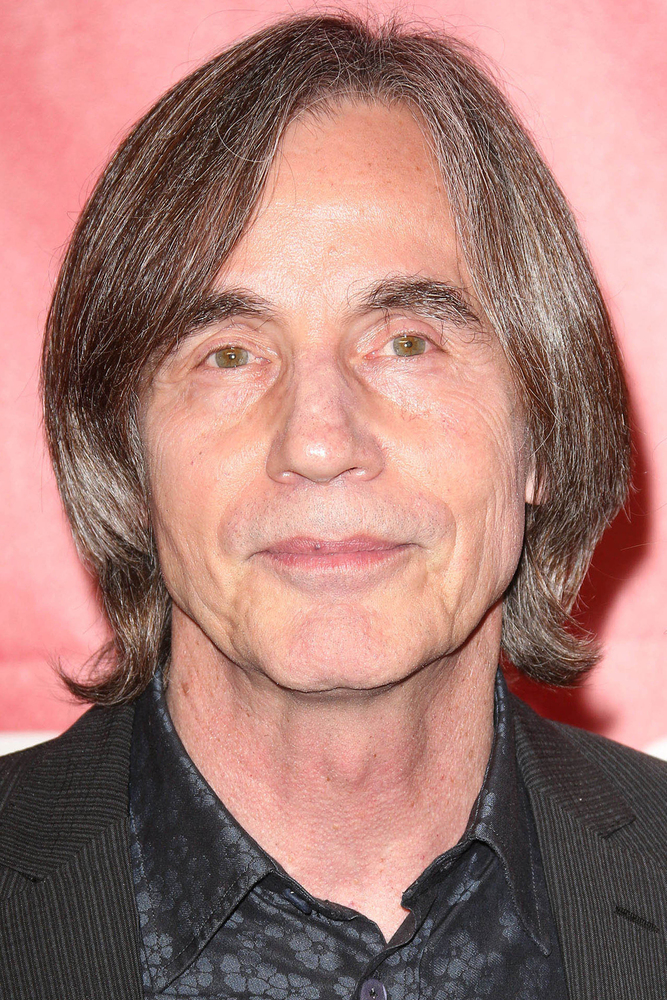
Jackson Browne filed an actual lawsuit against John McCain’s 2008 presidential campaign for using ‘Running on Empty’ in a campaign ad. The folk-rock musician claimed copyright infringement and false endorsement since he never gave permission and didn’t support McCain.
The case eventually settled out of court with McCain’s campaign apologizing and making a donation to charity. Browne had been a longtime liberal activist, making the use particularly offensive to him.
The settlement included the campaign admitting they should have obtained proper permission before using the song.
Heart versus Sarah Palin
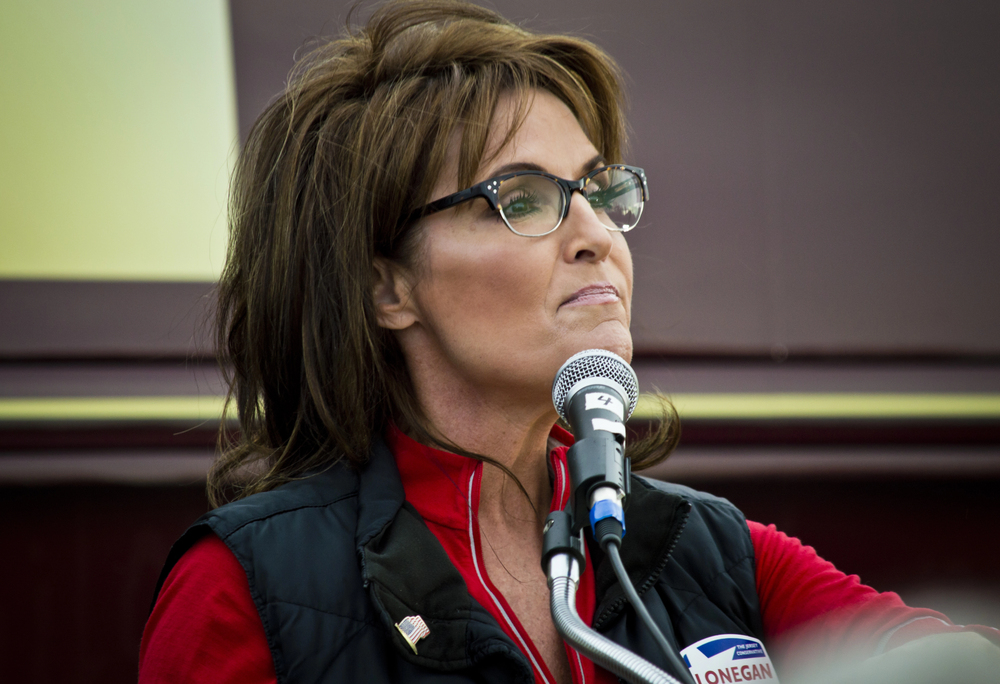
Heart’s Ann and Nancy Wilson sent a cease and desist letter to John McCain’s 2008 campaign for using ‘Barracuda’ to introduce vice presidential candidate Sarah Palin. The campaign latched onto the song because Palin’s high school basketball nickname had been ‘Barracuda.’
The Wilson sisters publicly stated they were Sarah Palin fans and found the unauthorized use offensive. The campaign continued using the song briefly before eventually stopping after pressure mounted.
Heart made their liberal political views clear in statements about the incident.
R.E.M. versus various Republican candidates
R.E.M. objected multiple times to Republican politicians using their songs without permission over the years. The band sent cease and desist letters to both George W. Bush and John McCain campaigns for playing their music at events.
Michael Stipe and his bandmates were outspoken liberals who didn’t want their music associated with conservative causes. The band even considered legal action at one point when their requests were ignored.
R.E.M. became known for aggressively protecting their catalog from political misuse.
Queen versus Donald Trump
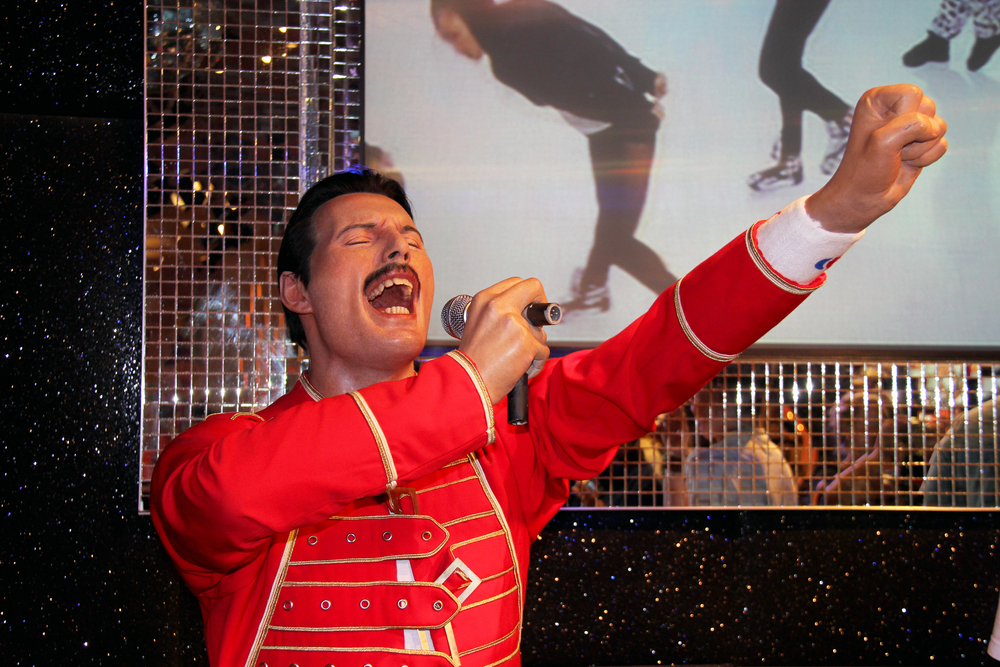
Queen threatened legal action after Donald Trump’s campaign used ‘We Are the Champions’ at the 2016 Republican National Convention. Brian May and Roger Taylor issued statements saying they hadn’t given permission and didn’t want their music used that way.
The situation got complicated since the band didn’t fully control their catalog rights in the United States. Trump’s campaign argued they had obtained proper licensing through the venue, but Queen disagreed about the scope.
The public dispute highlighted the confusing nature of music rights and political use.
Leonard Cohen’s estate versus the Republican National Committee
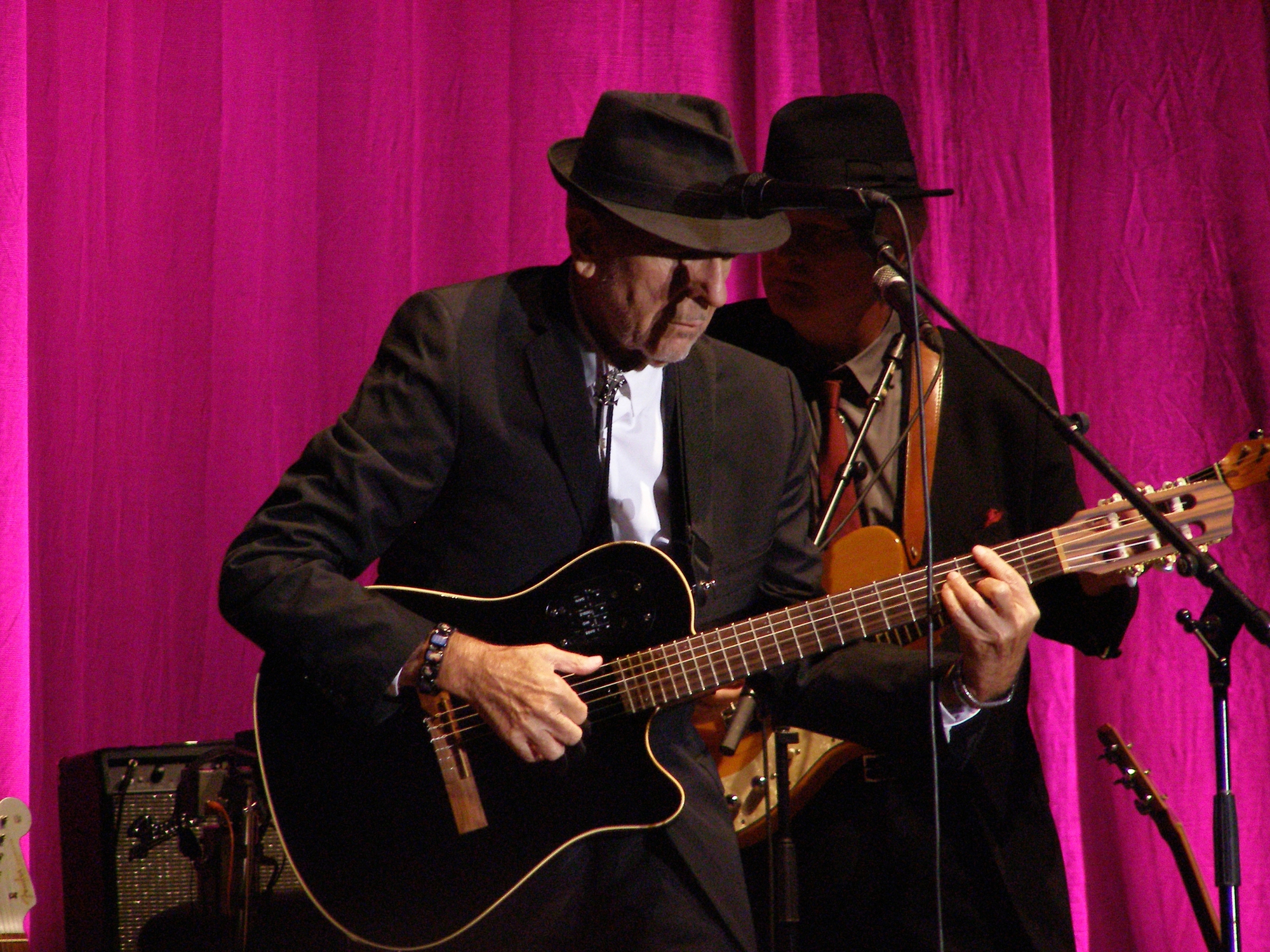
Leonard Cohen sent a strongly worded letter to the Republican National Committee in 2016 after they used ‘Hallelujah’ at their convention. The Canadian singer-songwriter called the use ‘self-serving’ and demanded they stop using his music.
Cohen was in his eighties at the time and still actively protecting his work from political misuse. The RNC complied with his request after the letter went public.
Cohen passed away later that year, but his estate continued monitoring unauthorized uses of his catalog.
Pharrell Williams versus Donald Trump
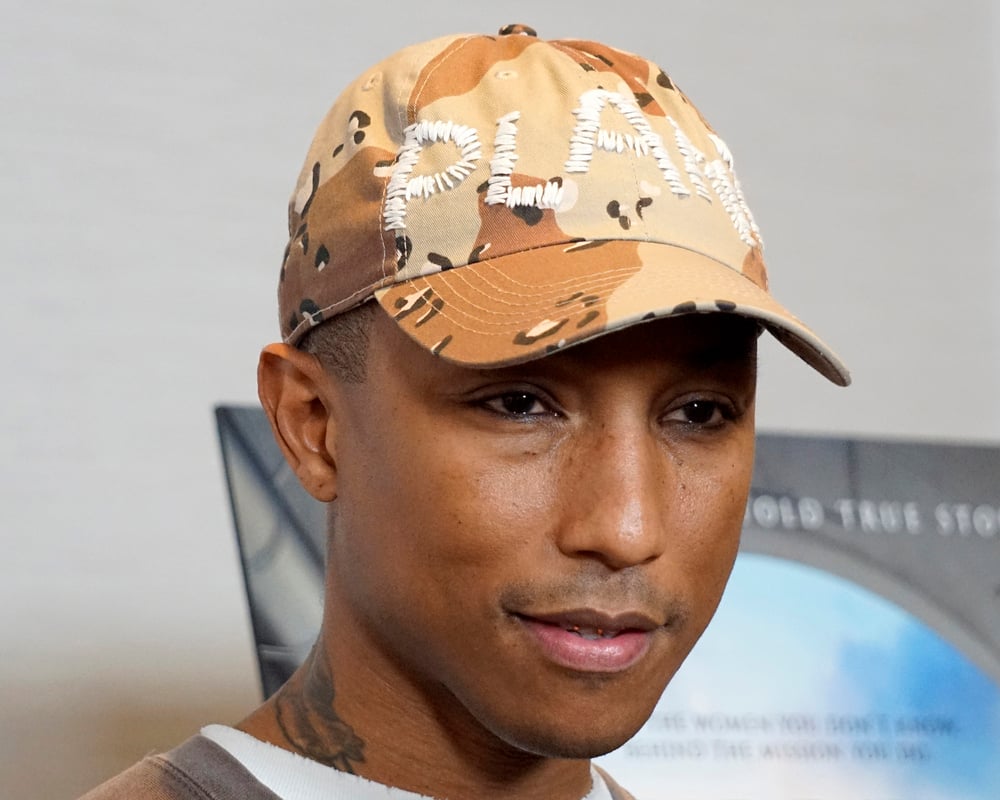
Pharrell Williams’ attorney sent Donald Trump’s campaign a cease and desist letter on the same day as the Pittsburgh synagogue shooting in 2018. Trump had played ‘Happy’ at a rally shortly after the tragedy, which Pharrell found particularly offensive given the circumstances.
The letter stated that Pharrell had not and would never grant permission for Trump to use his music. Trump’s campaign stopped using the song after receiving the legal notice.
Pharrell made additional public statements emphasizing his opposition to Trump’s policies and rhetoric.
Survivor versus Newt Gingrich
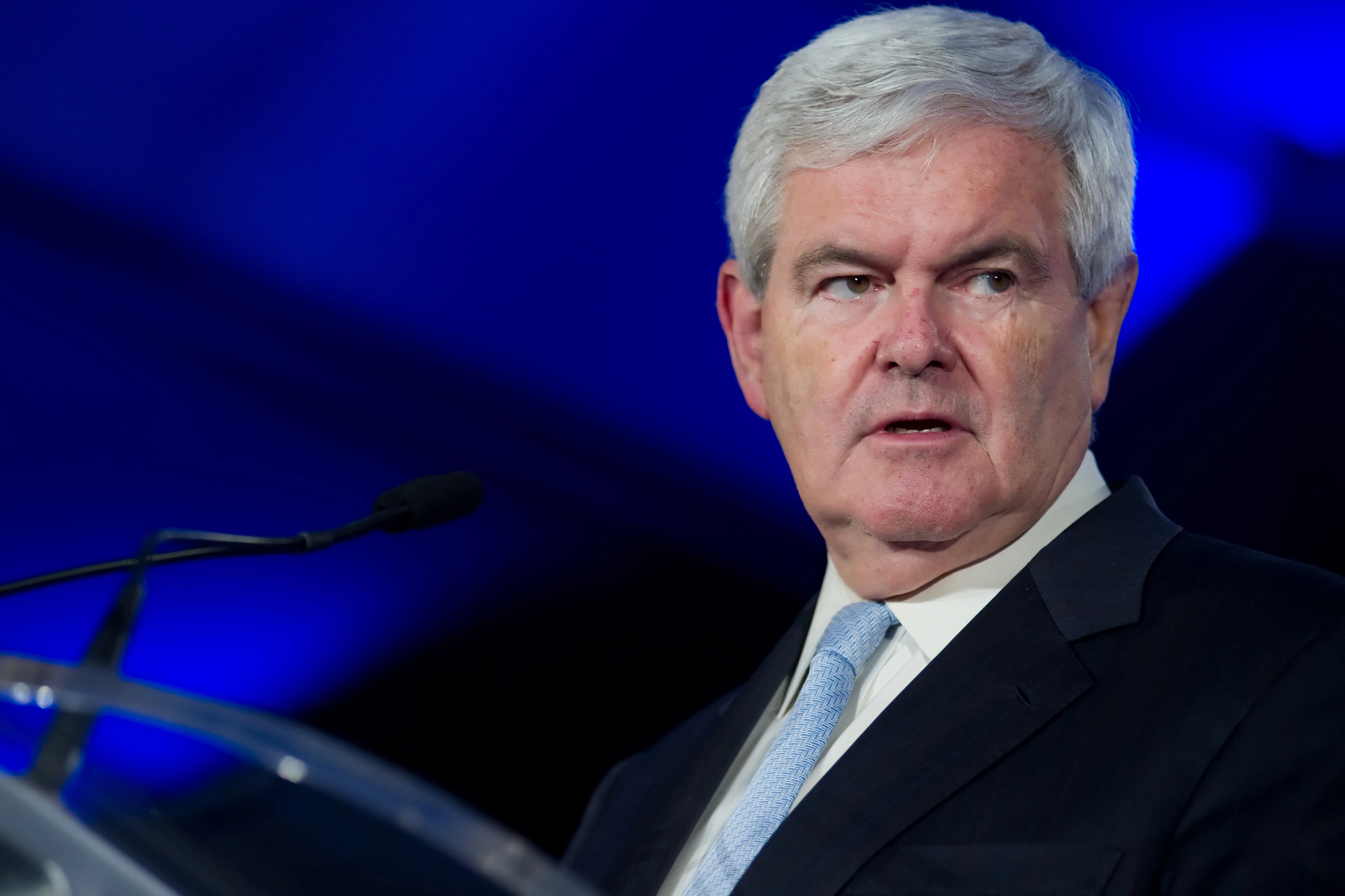
Survivor sued Newt Gingrich’s 2012 presidential campaign for repeatedly using ‘Eye of the Tiger’ despite multiple requests to stop. The band filed a copyright infringement lawsuit after Gingrich continued playing the Rocky theme at campaign events.
Gingrich had used the song to create an underdog fighter image for his candidacy. The case eventually settled with Gingrich agreeing to stop using the song and the terms remaining confidential.
The band’s co-founder Frankie Sullivan had been particularly vocal about the unauthorized use.
The Beatles’ catalog versus various campaigns
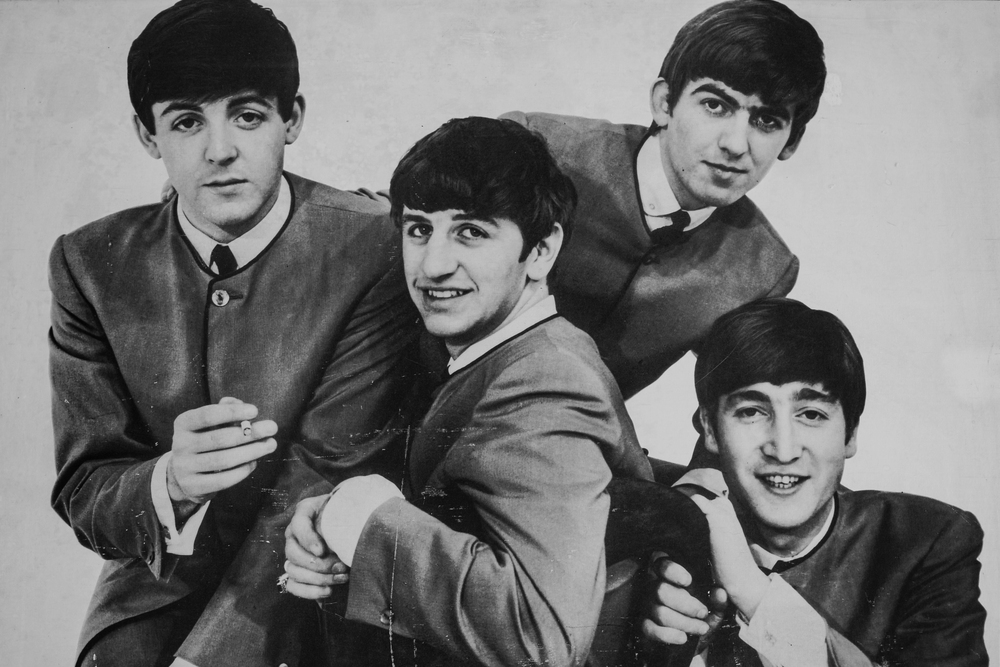
Beatles tunes rarely stay long in political ads. When candidates pick them up, takedowns follow fast.
Who owns what in the Beatles’ library shifts often – someone always has a reason to say no. Songs like “Revolution” or “Come Together”? Both McCartney and Starr have stepped forward when others misused them.
Big names want that sound because it rings familiar at rallies. Even so, most drop the idea once lawyers start talking.
Hardly anyone pushes through after getting warned.
When the music stops
Years pass while artists shape who they are, yet candidates act like that effort means nothing when grabbing tunes for rallies. It starts with a beat but ends in conflict – when a politician plays a track without consent, it ignores the person behind the sound.
Licenses bought by event spaces often do not allow campaign usage, though teams pretend otherwise. Now some creators add fine print: your party needs written OK to play my work.
Assumptions drive this clash – the belief that a catchy chorus earns trust even if the singer disagrees. Until that mindset shifts, disputes won’t fade.
More from Go2Tutors!

- The Romanov Crown Jewels and Their Tragic Fate
- 13 Historical Mysteries That Science Still Can’t Solve
- Famous Hoaxes That Fooled the World for Years
- 15 Child Stars with Tragic Adult Lives
- 16 Famous Jewelry Pieces in History
Like Go2Tutors’s content? Follow us on MSN.



