16 Rare Classic Cars From The 1970s Every Collector Should Know
Fuel shocks rattled the car world during the nineteen seventies. With fresh pollution rules tightening, manufacturers started trying odd ideas – things they’d never touched prior.
Taste changes added pressure too. Out of that mix came machines some now call icons.
Ford Torino Talladega
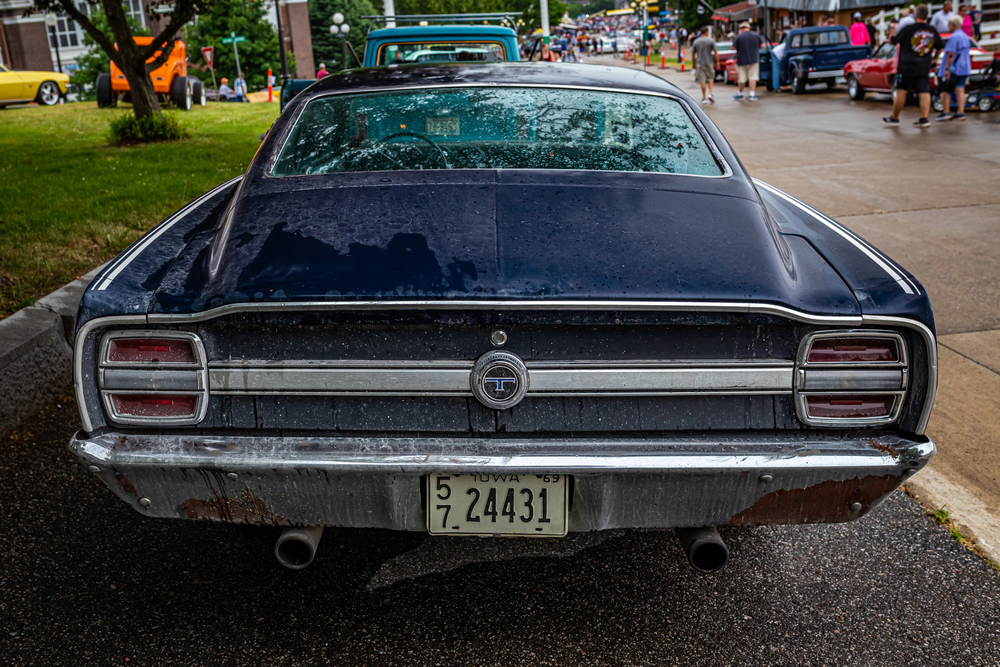
Winning at NASCAR’s fastest tracks – that’s what drove the creation of the Torino Talladega. Only 754 rolled off assembly lines in 1969, yet their speed legacy lasted years beyond.
Aerodynamics improved thanks to a longer, smoother nose job up front. Nowadays, spotting one untouched by time feels like uncovering buried treasure.
De Tomaso Pantera
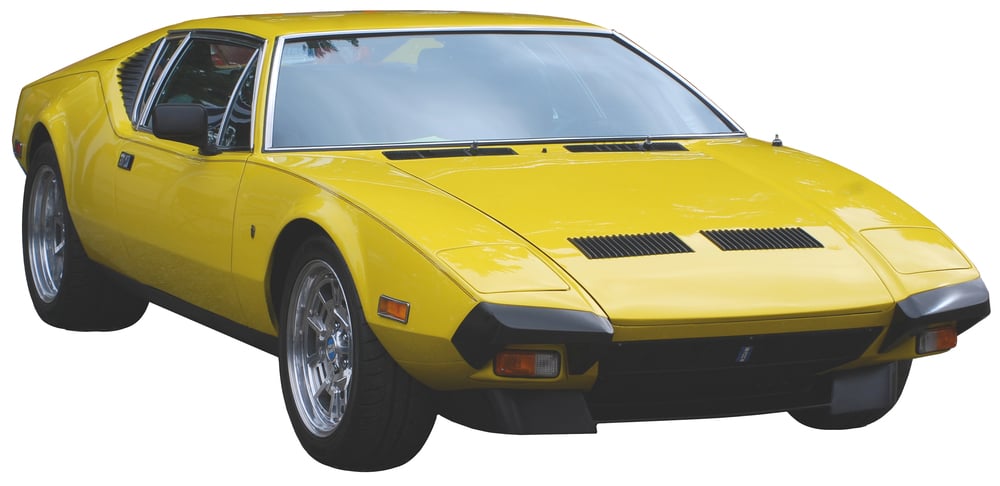
A splash of Italy met American muscle in a way few expected. With Ford powering things behind the scenes, De Tomaso shaped the shell and frame.
What emerged sat low, loud, yet oddly balanced – slipping onto showroom floors via Lincoln-Mercury outlets across America. Built between 1971 and nearly the nineties, its earliest years hold the strongest pull for collectors today.
Dodge Challenger T/A
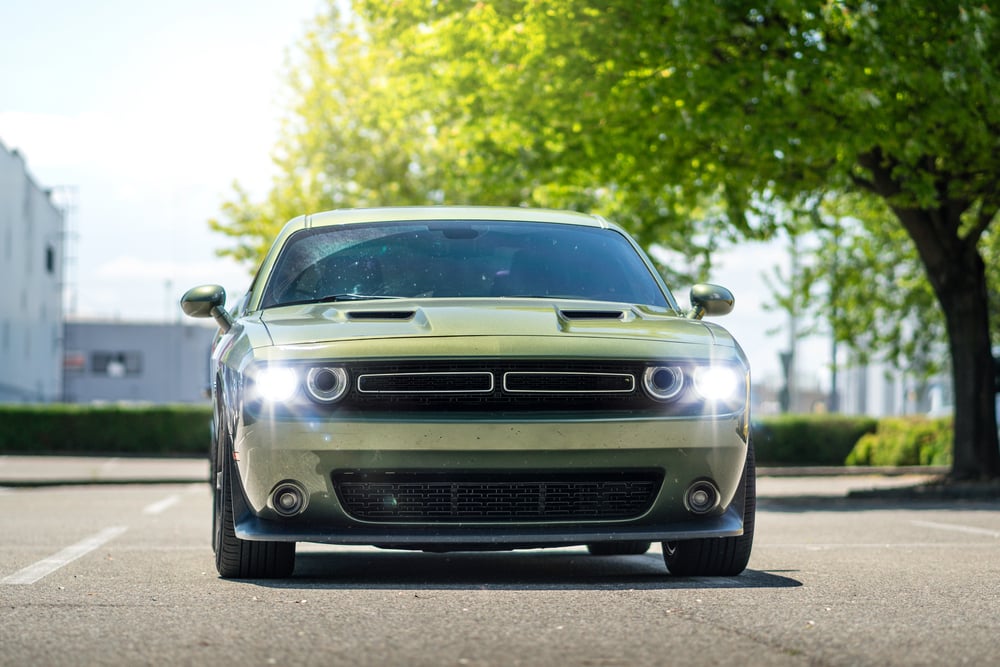
Under the hood, a 340 cubic inch engine ran on triple two-barrel carbs, stacked up like layers, giving the front view a wild stance. Known as T/A, short for Trans-Am, the name tied back to the race circuit Dodge joined to qualify this car for streets.
Only during 1970 did they build it, just that single stretch of time. Since then, talk about collectors keeps circling around its rarity, decade after decade.
Plymouth Barracuda Cuda AAR
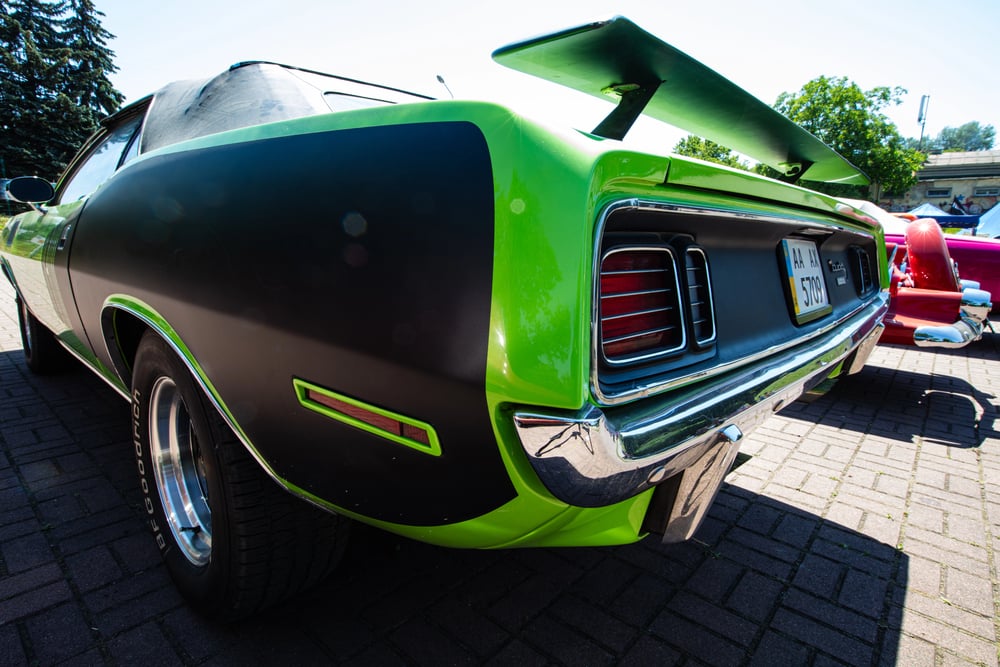
AAR meant All American Racers, the outfit running Plymouths in Trans-Am races. Just like the Challenger T/A, this one came with a three-carb 340 motor, available only during 1970.
What sets the ‘Cuda AAR apart? A lightweight fiberglass hood, complete with an active scoop, plus side-pipe exhausts delivering a growl folks remember vividly. Production stayed tight – fewer than 2,800 left the factory.
Lamborghini Urraco
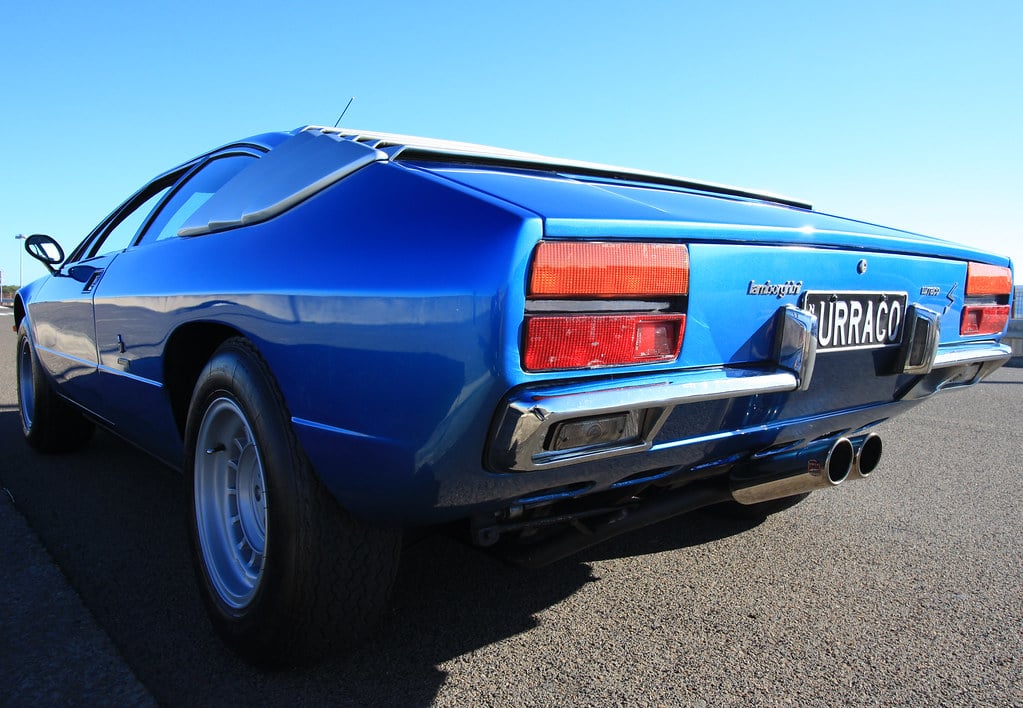
Most folks remember the Countach loud and clear – yet somehow the Urraco slips through the cracks. Not fair, really.
Lamborghini built it to offer something simpler than their roaring V12 beasts, slotting a V8 right into the center of the chassis. Sharp edges, crisp lines – that was Marcello Gandini’s handiwork again, the genius who shaped the bigger icon.
BMW 3.0 CSL
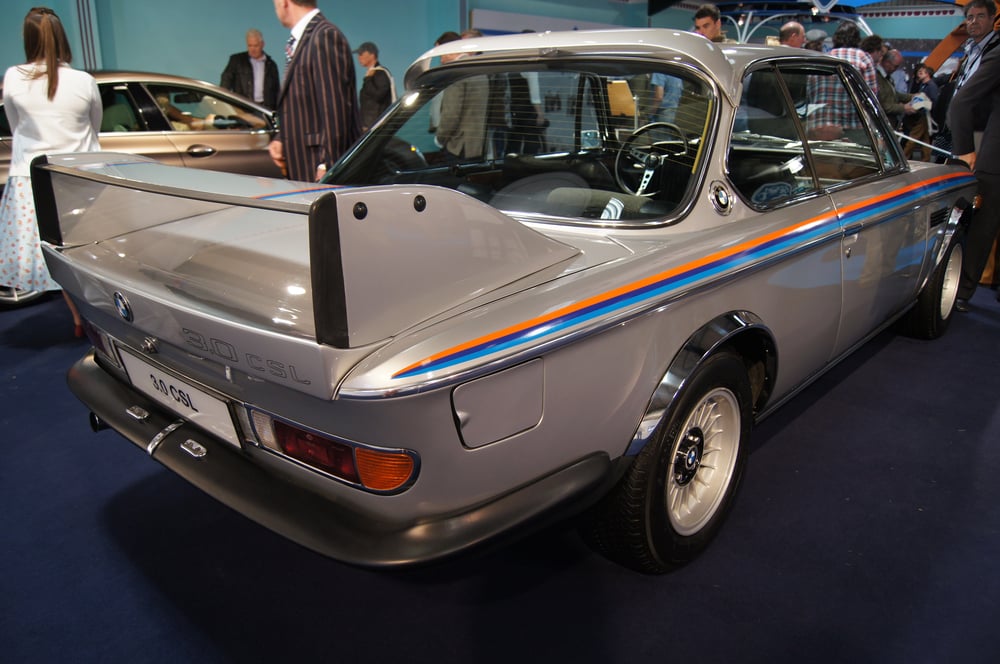
Lightweight meant everything here – that is what Coupe Sport Leichtbau spelled out. Thinner metal found its way into doors, while hoods and trunks turned to aluminum instead.
BMW cut mass at every turn, chasing one goal without saying it outright. Out on tracks across Europe, this version ruled the early Seventies like few others could.
Pontiac Firebird Formula 455 H.O.
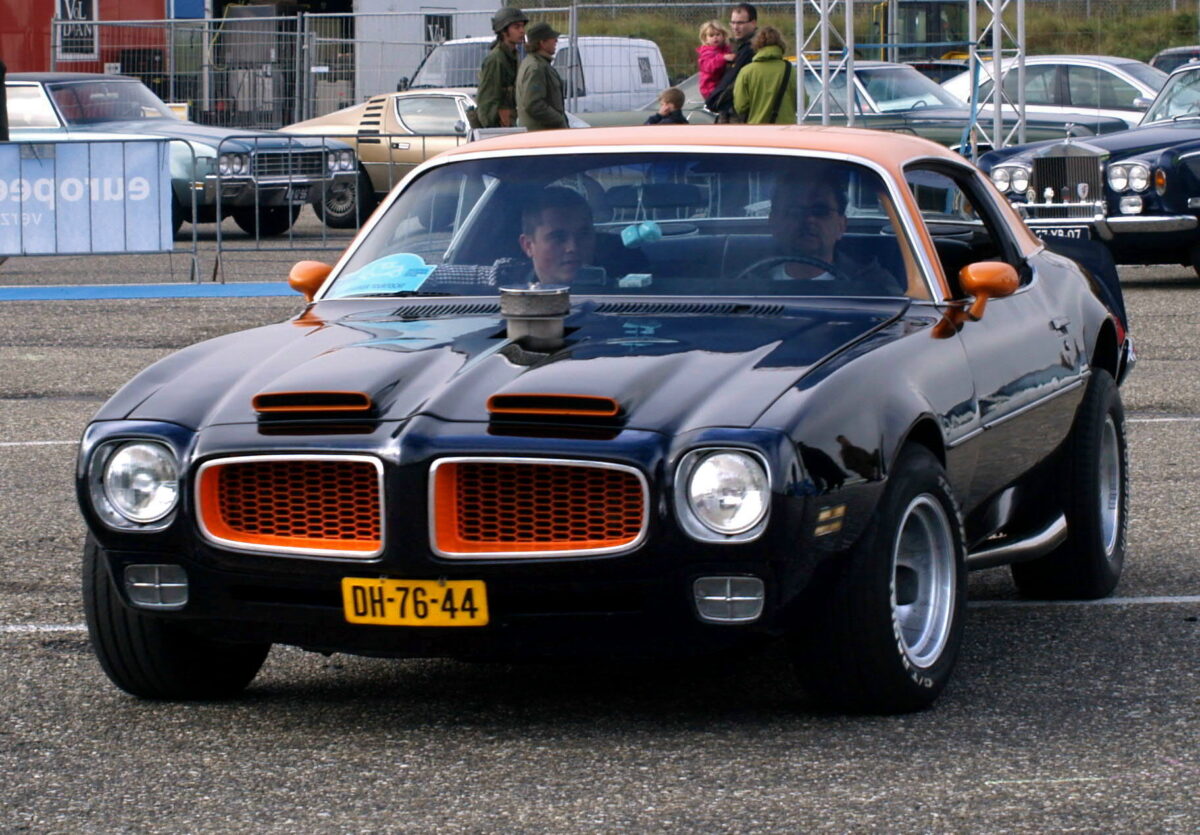
Truth is, the Trans Am grabs all the attention from the 70s Firebird lineup. Yet the Formula 455 H.O. stands apart in quiet strength.
Under the hood sat a beefy 455 cubic inch V8 tuned to deliver 335 horsepower – rare muscle during strict emission years. While flashier cousins turned heads, this one kept cool with subtle styling.
Monteverdi Hai 450 SS
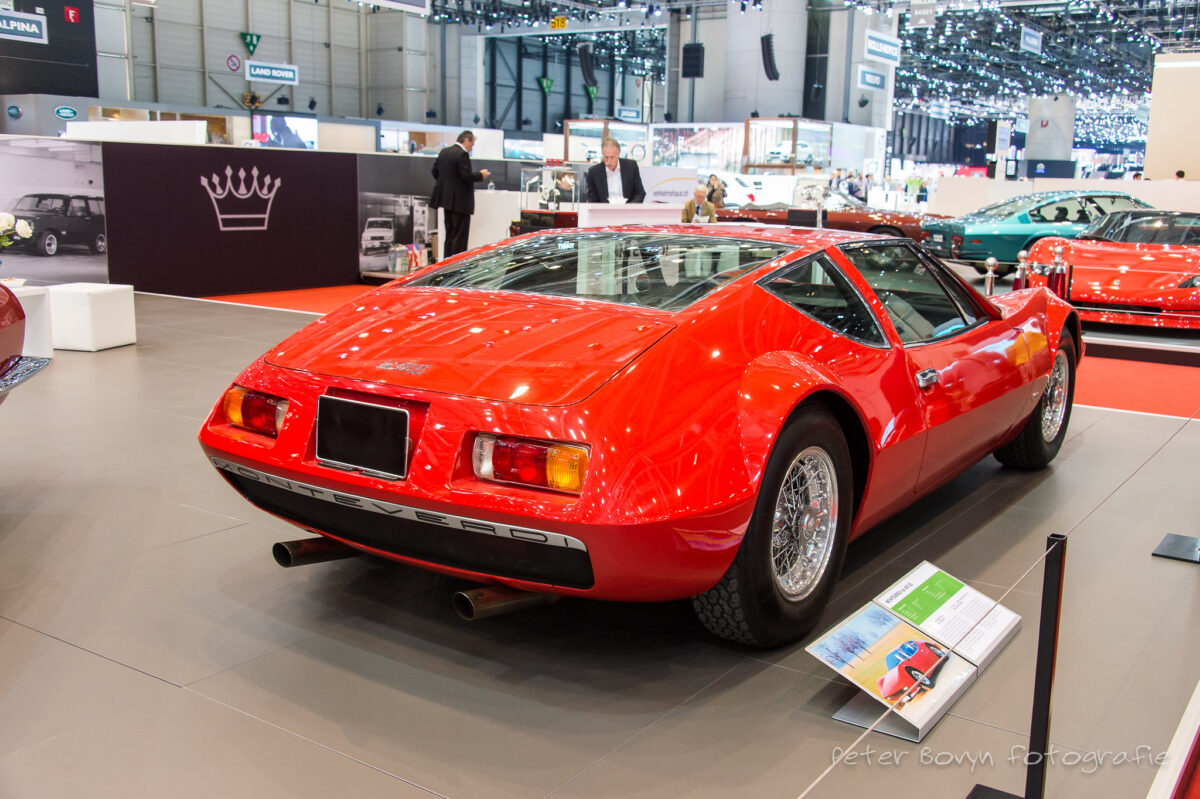
Few folks beyond collectors know about Monteverdi – yet it’s precisely that obscurity giving the vehicle its appeal. Built by a modest Swiss outfit bearing the same name, this mid-engine machine housed a Chrysler Hemi V8 positioned just behind the cockpit.
Its top speed? Roughly 180 mph, at least according to claims. Production numbers stayed extremely low, making any current hunt for one an exercise in patience and persistence.
Alfa Romeo Montreal
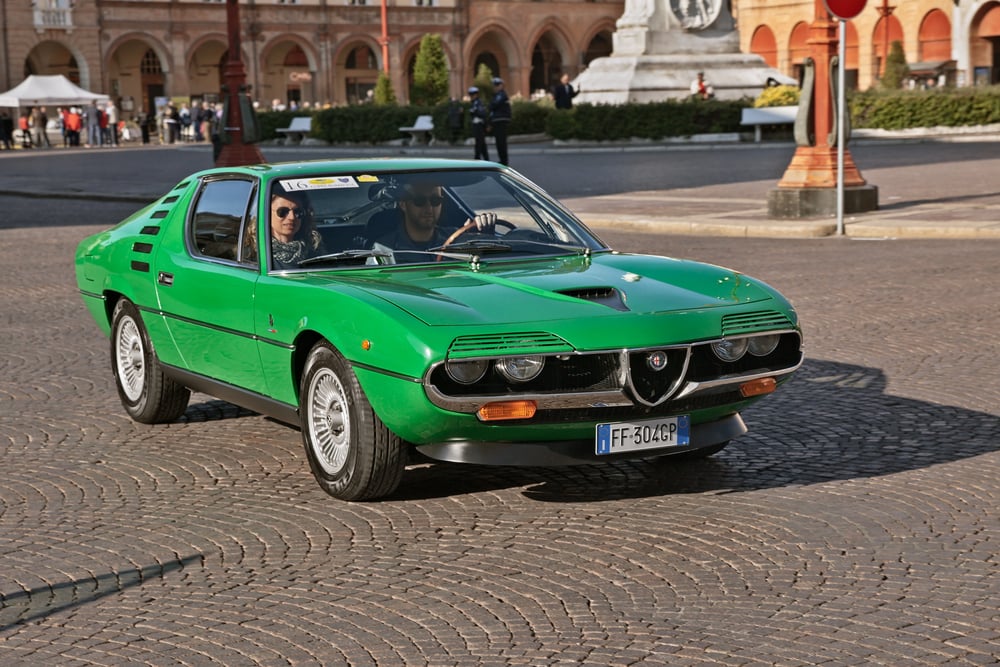
The Montreal started life as a concept car at the 1967 World’s Fair in Montreal, and by 1970 Alfa Romeo put it into limited production. Under the hood sat a dry-sump V8 engine borrowed from Alfa’s racing program.
The styling was aggressive for a road car of that era, with louvred headlight covers that gave it a distinctive look. Production ended in 1977, with fewer than 4,000 units ever made.
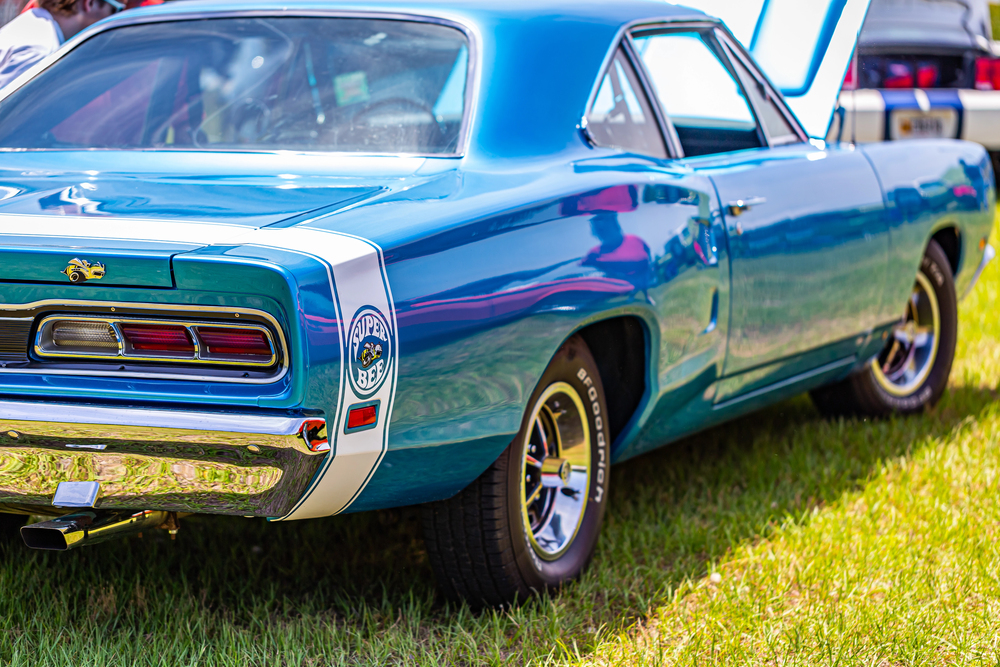
Dodge Coronet Super Bee
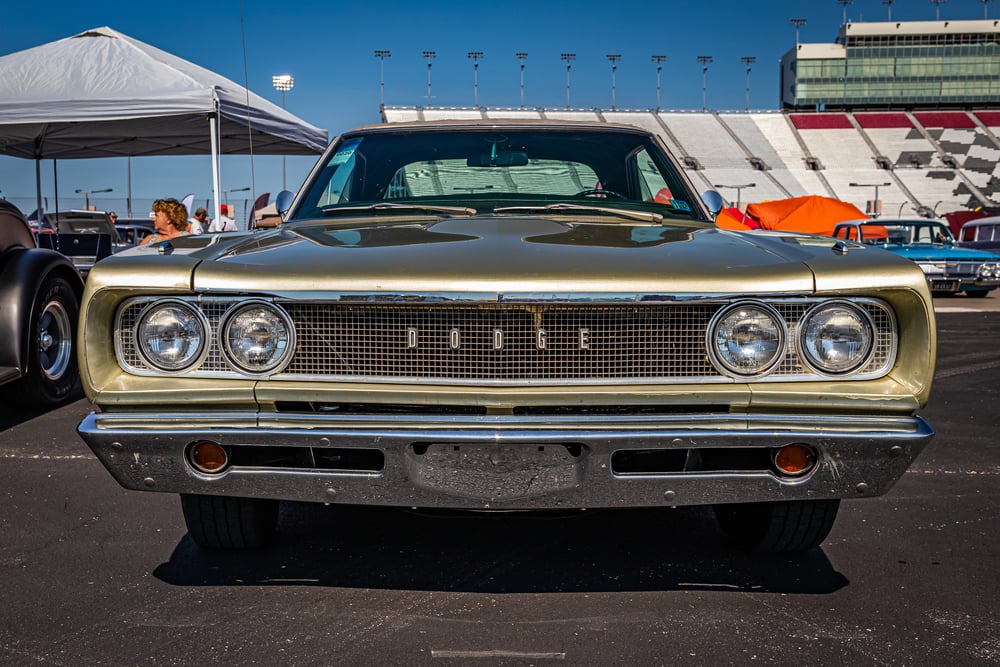
The Super Bee name carried over from the late 1960s, but the early 1970s versions came with some serious muscle still intact before emissions killed the fun. A 426 Hemi was available as an option, though very few buyers actually ticked that box.
The ones that did are now extraordinarily valuable. The Super Bee quietly ended production in 1971, which adds to its rarity today.
Stutz Blackhawk
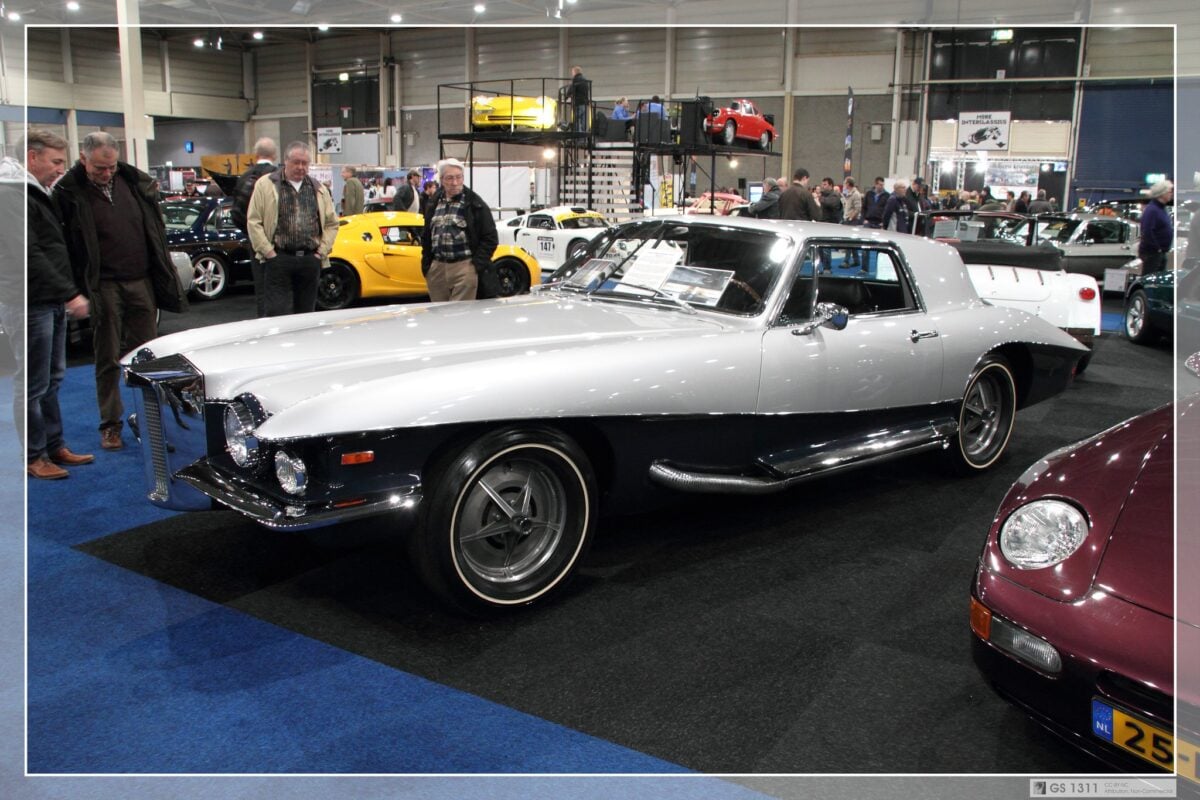
The Stutz Blackhawk was custom coachwork fitted onto a Pontiac Grand Prix platform, built in limited numbers for buyers who wanted something nobody else had. Each one was hand-finished and came with an interior that leaned heavily into luxury.
Elvis Presley famously owned one, which brought the car some unexpected publicity. Production was tiny throughout the 1970s, making any surviving example a legitimate rarity.
Citroën SM
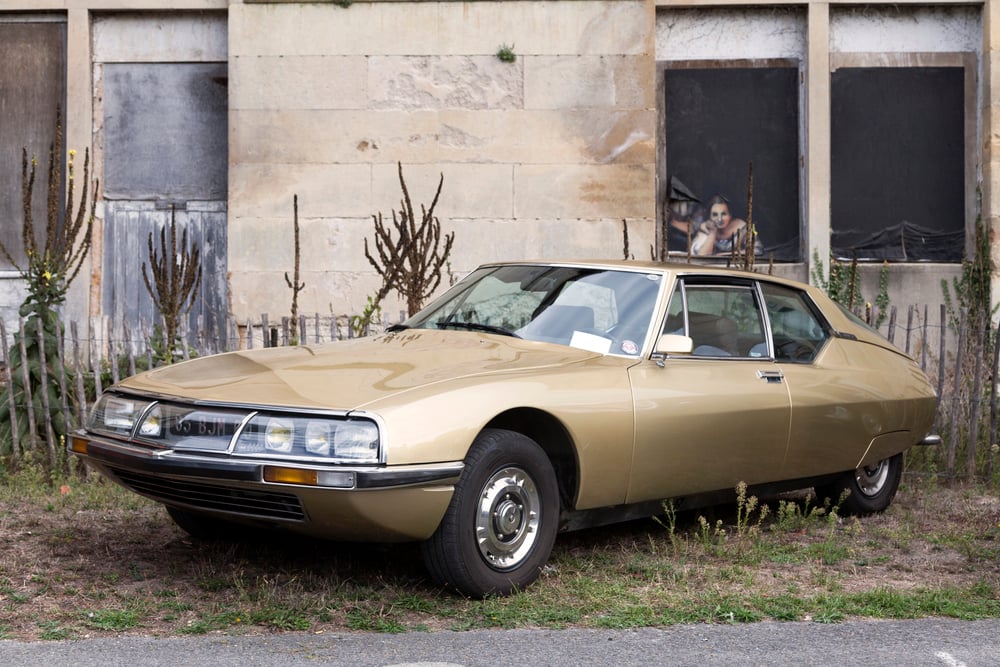
The SM combined a Citroën body with a Maserati V6 engine, which sounds like an experiment that should not have worked. It actually produced a car that was smooth, fast, and unlike anything else on the road.
The hydropneumatic suspension system made it float over bumps in a way that impressed journalists and confused mechanics. American buyers could get the SM for a few years before import complications ended that arrangement.
Jensen Interceptor Convertible
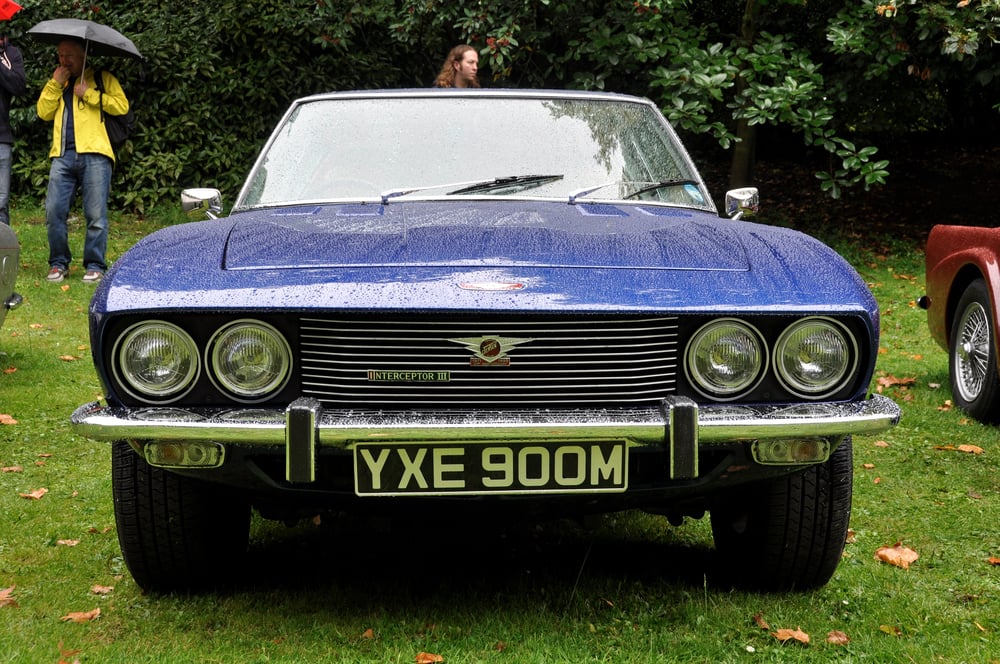
Jensen built the Interceptor as a coupe and later added a convertible version, and the open-top car is significantly rarer than its hardtop sibling. The body was designed by Vignale in Italy and powered by a big Chrysler V8.
The convertible version was only produced in small numbers between 1974 and 1976. Fewer than 500 were ever made, which makes spotting one a genuine event.
AMC AMX/3
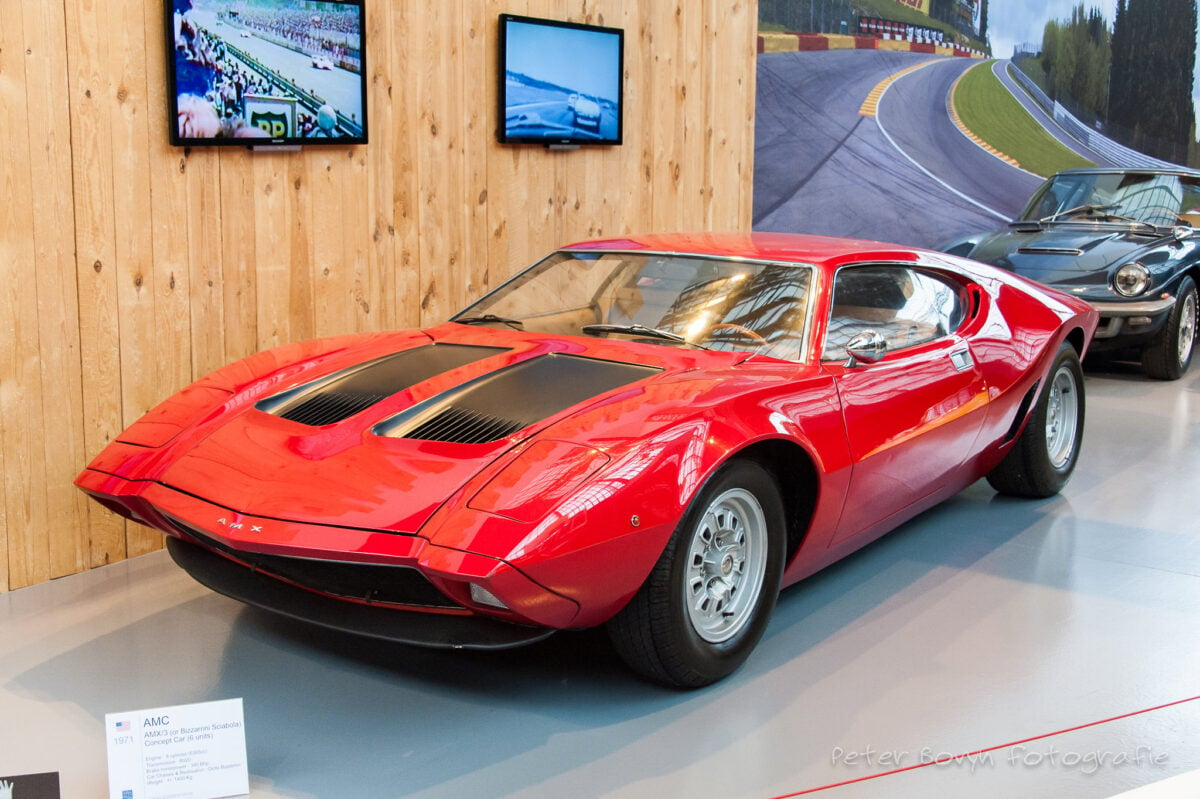
American Motors Corporation commissioned a mid-engine supercar prototype in 1970, which became one of the most unusual projects the company ever attempted. Six cars were built, and AMC planned a limited run, but the project was cancelled before it reached production.
The design came from Italian coachbuilder Giorgetto Giugiaro. The surviving examples have traded hands among serious collectors for decades.
Panhard 24
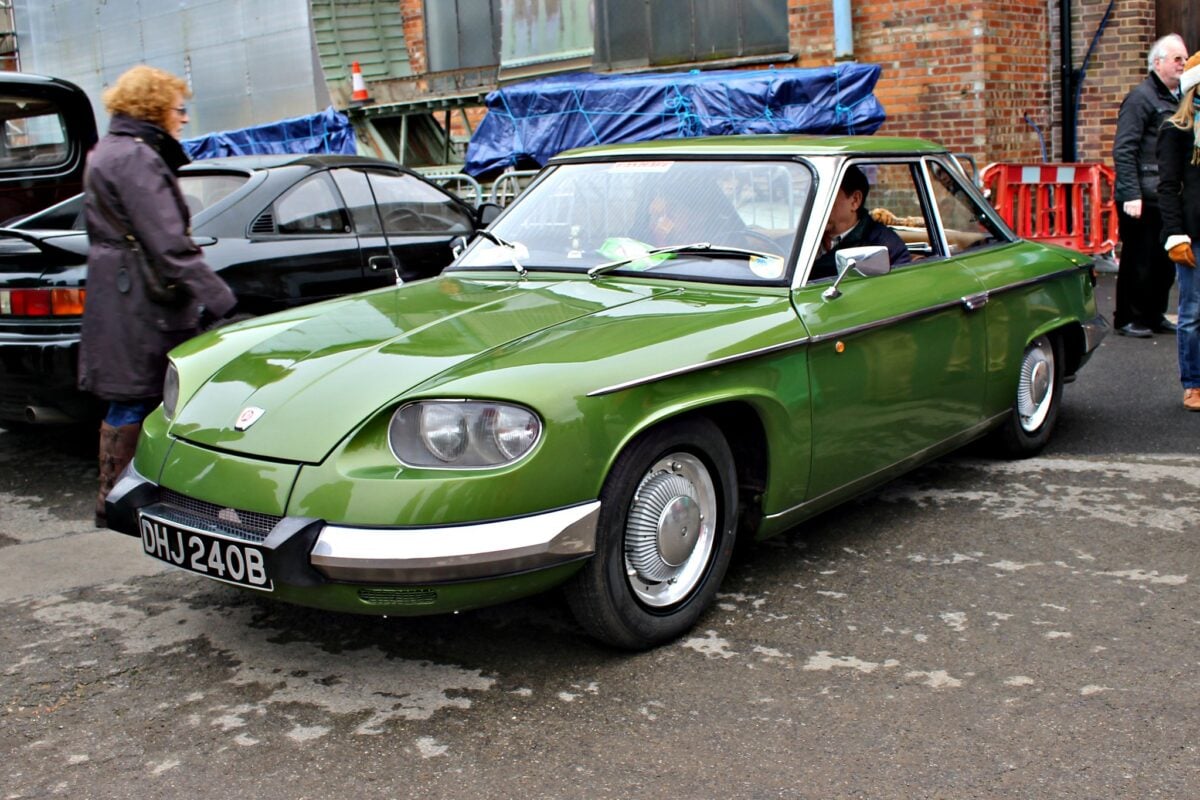
Panhard built the 24 series through the mid-1960s into the early 1970s, using an air-cooled twin-cylinder engine in a car that looked far more aerodynamic than anything it competed with. The design was ahead of its time, with a very low drag coefficient that Panhard used as a selling point.
Production ended in 1967 but examples stayed in use well into the 1970s, and collector interest has grown steadily. French cars from this era rarely get the recognition they deserve outside of Europe.
Maserati Bora
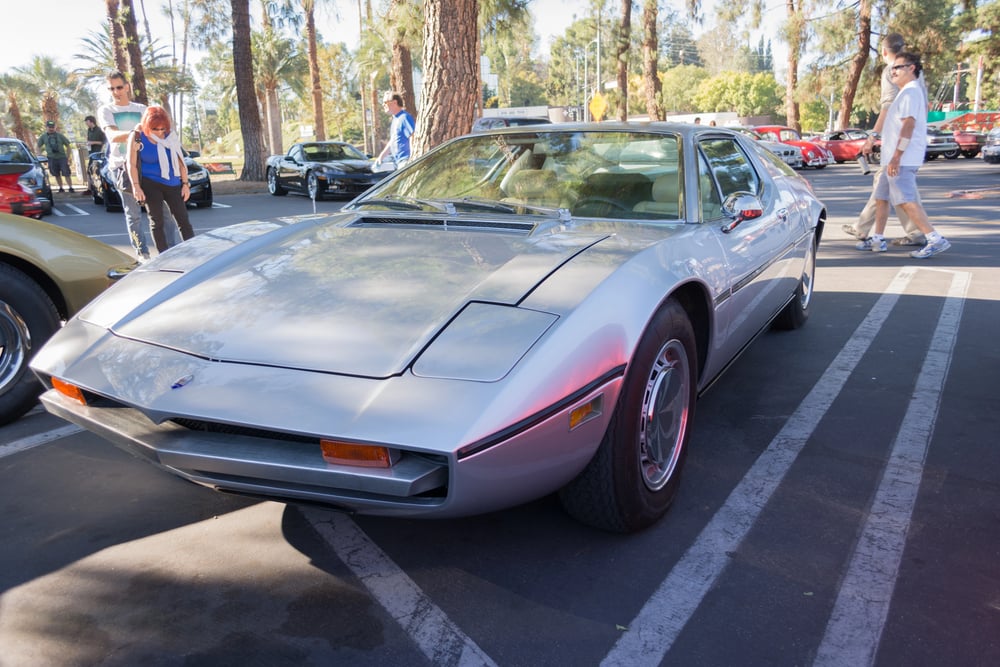
The Bora was Maserati’s first proper mid-engine road car, introduced in 1971 and built through 1978. It used a 4.7-litre V8 and came with Citroën’s hydraulic system to operate the brakes and pop-up headlights.
The cabin was unusually quiet for a mid-engine car, thanks to serious insulation around the engine bay. Around 570 were ever produced, making it rare even by supercar standards.
Where These Cars Really Belong
The 1970s did not kill performance, it just forced engineers to get creative. These 16 cars prove that the decade produced some genuinely interesting machines that collectors are only now starting to fully appreciate.
Prices on many of them have climbed in recent years as buyers look beyond the usual suspects. The rarest ones reward the people who did the homework early, and that knowledge is exactly what separates a great collection from a forgettable one.
More from Go2Tutors!

- The Romanov Crown Jewels and Their Tragic Fate
- 13 Historical Mysteries That Science Still Can’t Solve
- Famous Hoaxes That Fooled the World for Years
- 15 Child Stars with Tragic Adult Lives
- 16 Famous Jewelry Pieces in History
Like Go2Tutors’s content? Follow us on MSN.