16 TV Shows That Disappeared Without A Finale
There’s something uniquely frustrating about investing hours, sometimes years, of your life following characters and storylines only to have everything cut short without warning. Television networks have a long history of pulling the plug on shows mid-story, leaving viewers with unanswered questions and unresolved plot threads.
Some of these cancellations happened so abruptly that writers never got the chance to wrap things up, while others were casualties of behind-the-scenes drama or shifting network priorities.
Freaks And Geeks
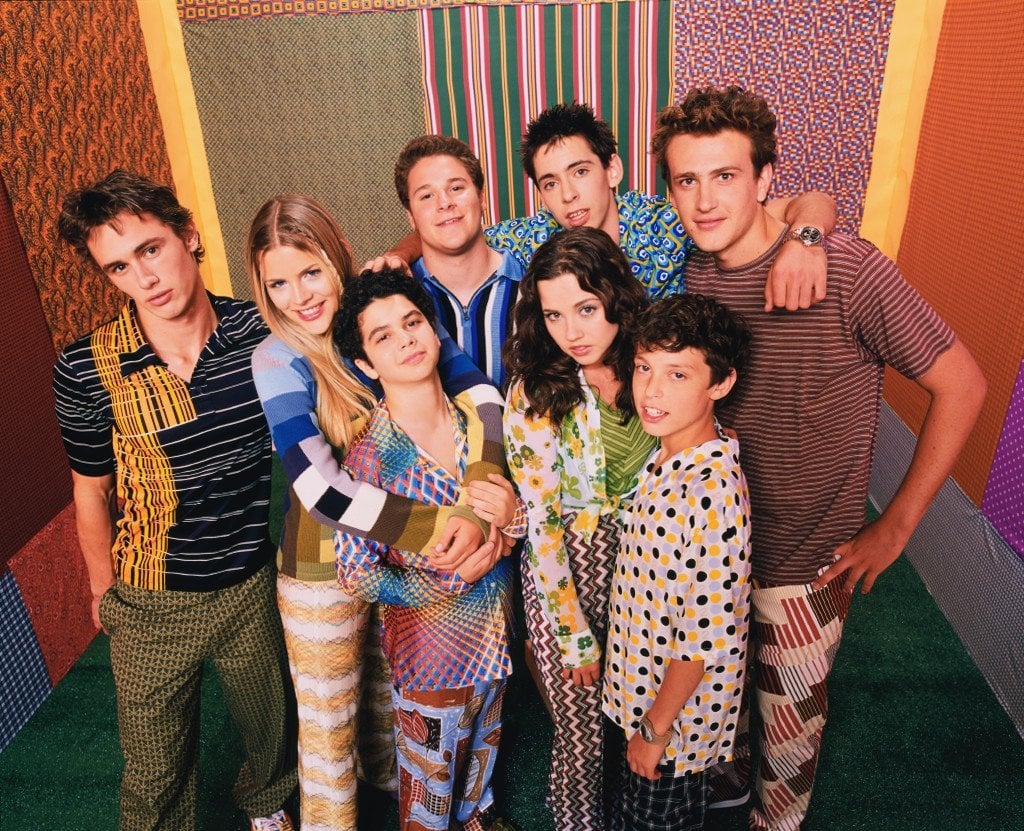
The show lasted exactly one season. Eighteen episodes of teenage awkwardness in 1980s Michigan, then nothing.
NBC killed it despite critical acclaim and a cult following that would only grow larger in the years after cancellation. The final episode wasn’t designed to be final at all.
Lindsay Weir had just decided to follow the Grateful Dead instead of attending academic camp. We never learned what happened next.
My So-Called Life

Angela Chase’s internal monologue stopped mid-thought after nineteen episodes. ABC canceled the show despite its Golden Globe win and the breakout performance of Claire Danes.
The final episode left Angela standing in a hallway, having just gotten into Jordan Catalano’s car. Viewers never found out if the relationship worked.
They never saw Angela grow beyond her fifteen-year-old confusion. The show captured adolescence so perfectly that its abrupt ending felt like being pulled out of school before graduation.
Carnivàle

Here was HBO betting on something genuinely strange: a Depression-era fantasy about carnival workers and an epic battle between good and evil that spanned generations. The mythology ran deep (maybe too deep for its own good), with creators planning a six-season arc that would trace the conflict through multiple time periods and characters whose fates were intertwined in ways that took two seasons just to start revealing themselves.
But HBO pulled the plug after the second season. So Ben Hawkins’ journey as a reluctant healer remained incomplete, Brother Justin’s transformation into something darker was left hanging, and the larger cosmic battle that had been building never reached its intended climax.
The show had been asking big questions about destiny and free will. It never got to answer them.
Firefly
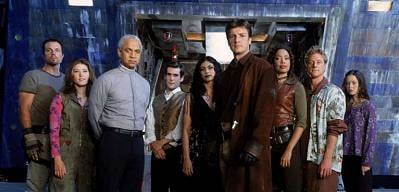
Fourteen episodes of space cowboys, then silence. Fox aired them out of order, moved the time slot around, and canceled the show before the first season finished.
Joss Whedon had built a universe with nine characters whose relationships were just starting to deepen. The movie Serenity provided some closure years later, but it couldn’t recreate what the series might have become.
Television allows for the slow burn. Movies demand resolution in two hours.
The OA

Netflix loved to experiment, and The OA was their strangest gamble yet – a supernatural thriller about near-death experiences, alternate dimensions, and interpretive dance that somehow made sense within its own bizarre logic. Prairie Johnson’s story stretched across realities, with each season peeling back another layer of mystery about her identity, her visions, and the movements that could supposedly open doorways between worlds.
After two seasons, Netflix decided they’d had enough of the experiment. The second season had ended with Prairie literally jumping into another dimension, leaving viewers (and the characters) in a completely different reality with new rules and new questions.
Part III was planned. Part III never happened. Prairie’s journey across the multiverse stopped mid-leap, and all those mysteries about the movements, the angels, and the nature of consciousness itself remained unsolved.
Pushing Daisies
Ned could bring the dead back to life with a touch. Touch them again, they died permanently.
The rules were simple and the consequences absolute – which made the show’s own death particularly cruel, since there was no bringing it back. ABC canceled it during the second season.
The final episode tried to provide some closure through narration, but major storylines remained unfinished. Chuck’s father’s murder went unsolved.
The love story between Ned and Chuck never reached its resolution.
Deadwood
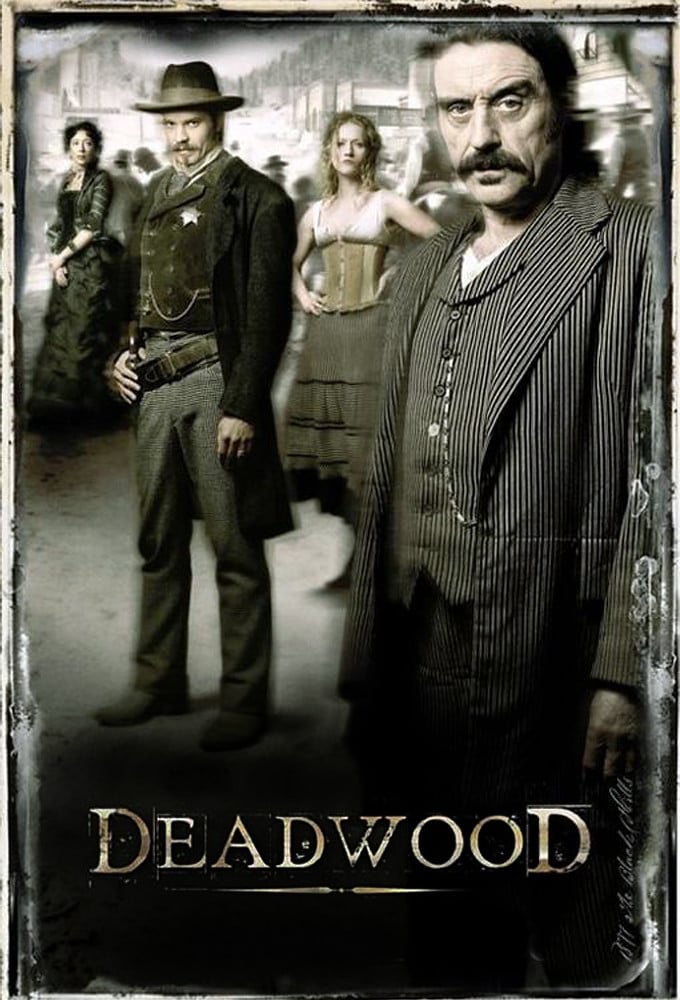
Three seasons of profanity-laced poetry in a South Dakota mining camp, then HBO decided they were done with the experiment. The show had been building toward the incorporation of Deadwood as a legitimate town, a transition that would have changed everything about the power dynamics and relationships that made the series so compelling.
Instead, viewers got a rushed conclusion that tied up some loose ends but left the larger story incomplete. Al Swearengen’s battle with the mining interests, the fate of the camp itself, the evolving relationship between civilization and chaos – all of it stopped before reaching its natural endpoint.
(The movie that came years later helped, but it couldn’t recapture the momentum that had been lost.)
Twin Peaks
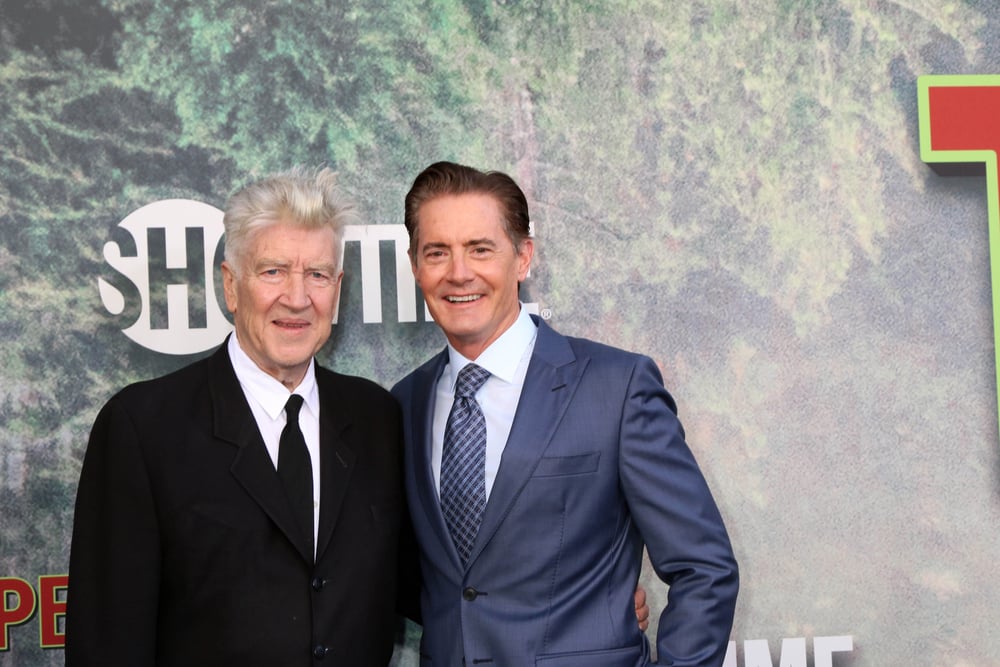
Laura Palmer’s murder got solved, then the show lost its way, then ABC lost interest, and the whole thing collapsed in its second season without any real resolution to the larger mysteries that had been building. Agent Cooper was left trapped in the Black Lodge while his evil doppelganger walked free in the real world.
Twenty-five years later, David Lynch returned to finish what he’d started, but for most of those years, Twin Peaks existed as a story cut off at its strangest moment. The revival provided closure, but it was closure that arrived a generation too late.
Hannibal

NBC gave Bryan Fuller three seasons to explore the relationship between Hannibal Lecter and Will Graham, and Fuller used every episode to push the boundaries of what network television could show and say. The final season had been building toward the Red Dragon storyline, setting up what should have been a natural continuation of the series into the events that Thomas Harris had already mapped out in his novels.
But the ratings never matched the critical acclaim. The final episode ended with Hannibal and Will Graham falling off a cliff together, locked in an embrace that was equal parts violent and intimate.
It was a perfect ending if it was meant to be an ending. It wasn’t meant to be an ending. Fuller had plans for more seasons, more exploration of their twisted dynamic, more elaborate psychological games.
Instead, viewers got a literal cliffhanger that was never resolved.
Rome

HBO spent a fortune recreating ancient Rome, and the result was spectacular – political intrigue, historical drama, and character development that felt both authentic to its time period and relevant to modern viewers. The plan was to trace Roman history through multiple seasons, following the rise and fall of emperors, the transformation of republic into empire, the expansion and eventual decline of Roman power.
Two seasons in, HBO looked at the budget and decided they were done. The second season compressed what should have been several seasons worth of story into a rushed conclusion.
Octavian’s rise to power, the death of Mark Antony and Cleopatra, the establishment of the Roman Empire – all of it happened too quickly, leaving character arcs incomplete and historical events feeling rushed rather than inevitable.
The Dark Crystal: Age Of Resistance

Netflix brought Jim Henson’s world back to life with puppetry that improved on the original movie and storytelling that expanded the mythology in interesting directions. The series was a prequel, showing how the resistance against the Skeksis began, how the Gelfling clans united, and how the events that led to the original movie’s timeline unfolded.
One season later, Netflix canceled it. The story was nowhere near complete.
The Gelfling resistance had just begun to organize. The larger war against the Skeksis was still in its early stages.
Viewers never got to see how the hopeful rebellion of the series transformed into the desperate situation of the original movie.
Mindhunter
David Fincher’s exploration of criminal psychology and the early days of FBI profiling felt like it could run for years – there were decades of real cases to explore, plenty of historical serial killers to profile, and the evolution of criminal investigation techniques provided a natural framework for ongoing storytelling. The second season had expanded the scope to include the Atlanta child murders, showing how the techniques developed in the first season applied to more complex cases.
Then Netflix put the series on indefinite hold. Not canceled exactly, but effectively ended when Fincher moved on to other projects and the cast was released from their contracts.
The Atlanta case reached a resolution of sorts, but the larger story about how criminal profiling developed and changed law enforcement was left unfinished. Holden Ford’s journey from academic observer to someone genuinely changed by exposure to criminal minds stopped before reaching its natural conclusion.
Terriers

FX aired this private detective show for one season in 2010. The problem wasn’t quality – critics loved it and viewers who found it were devoted.
The problem was that not enough people found it. The marketing was unclear, the title didn’t suggest what the show was about, and the network never figured out how to sell a series that mixed noir detective work with buddy comedy.
The final episode ended with the two main characters facing serious consequences for their actions throughout the season. Their detective agency was in ruins, their personal lives were falling apart, and the corruption they’d been fighting had only gotten more complex.
The show had been building toward a reckoning that viewers never got to see.
American Dreams

NBC’s family drama about the 1960s ran for three seasons, following the Pryor family through the cultural changes of the decade. The show used American Bandstand as a backdrop, incorporating real musical performances and historical events into the family’s story.
By the third season, the characters were dealing with Vietnam, civil rights, and the generation gap that defined the era. The cancellation came without warning.
The final episode wasn’t designed to conclude anything. Meg Pryor’s relationship with her family remained strained, her brother’s military service was unresolved, and the larger questions about how the family would navigate the changing world were left hanging.
The show had been asking what happens when traditional American values collide with cultural revolution. The answer never came.
Santa Clarita Diet

Netflix’s zombie comedy found the perfect balance between gore and humor, following a suburban family whose life changed completely when the mother became undead. Drew Barrymore’s Sheila Hammond adapted to her new dietary requirements while trying to maintain her real estate career and marriage, creating situations that were simultaneously disgusting and hilarious.
Three seasons in, the show was hitting its stride. The mythology around Sheila’s condition was expanding, other characters were getting infected, and the family was dealing with increasingly complicated situations.
Then Netflix canceled it, leaving multiple cliffhangers unresolved. Viewers never found out what caused the zombie outbreak, whether there was a cure, or how the family’s situation would ultimately be resolved.
Marco Polo

Netflix wanted their own Game of Thrones, so they created an epic historical drama about the famous explorer’s time in Kublai Khan’s court. The production values were massive – elaborate sets, costume design, battle sequences, and a cast that brought 13th-century Mongolia and China to life with impressive attention to historical detail.
Two seasons later, Netflix looked at the viewership numbers and decided the investment wasn’t worth it. The series had been building toward Marco Polo’s eventual departure from Khan’s court and return to Venice, but viewers never got to see that journey.
The political intrigue of the Mongol court, the relationship between East and West, the larger questions about cultural exchange and empire – all of it stopped before reaching any natural conclusion.
When Stories End Mid-Sentence

These shows remind you that television is a business first and an art form second. Writers create multi-season arcs with the hope that they’ll get to complete them, but renewal depends on ratings, budgets, and network priorities that have nothing to do with storytelling.
The result is a landscape littered with half-told stories and unanswered questions. Some of these series found second lives through passionate fan campaigns or streaming resurrections.
Others remain frozen at their moment of cancellation, preserved like insects in amber. Either way, they serve as reminders of what gets lost when commerce and creativity collide.
More from Go2Tutors!

- The Romanov Crown Jewels and Their Tragic Fate
- 13 Historical Mysteries That Science Still Can’t Solve
- Famous Hoaxes That Fooled the World for Years
- 15 Child Stars with Tragic Adult Lives
- 16 Famous Jewelry Pieces in History
Like Go2Tutors’s content? Follow us on MSN.