20 Strange But True Stories from the Wild West
The American frontier conjures images of gunfights and gold rushes, but the historical reality often proves stranger than Hollywood fiction. Behind the mythologized West lie peculiar true stories that reveal the bizarre, innovative, and often darkly humorous aspects of frontier life that rarely make it into traditional narratives.
Here is a list of genuinely strange but historically documented stories from the Wild West that demonstrate just how unusual this chapter of American history truly was.
The Camel Corps Experiment
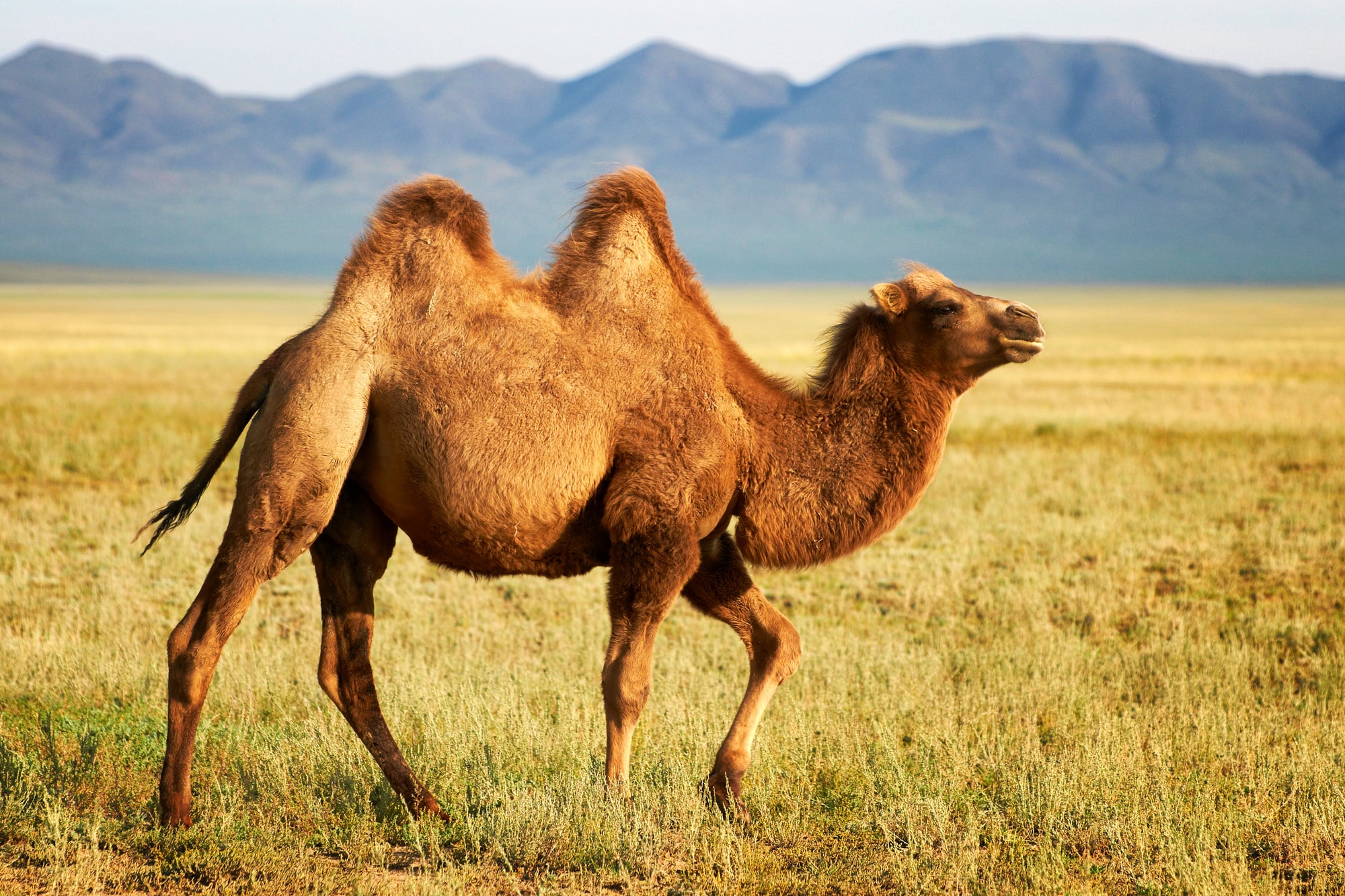
The U.S. Army imported camels from the Middle East in 1856 to create a desert-ready military transportation unit for the southwestern territories. Secretary of War Jefferson Davis championed this innovative adaptation to harsh conditions, bringing camels and their handlers to Texas for frontier patrol.
The experiment proved surprisingly effective as camels easily carried heavier loads than horses while requiring less water in desert conditions. The outbreak of the Civil War eventually ended the program, leaving released camels roaming the Southwest for decades afterward.
Emperor Norton of San Francisco
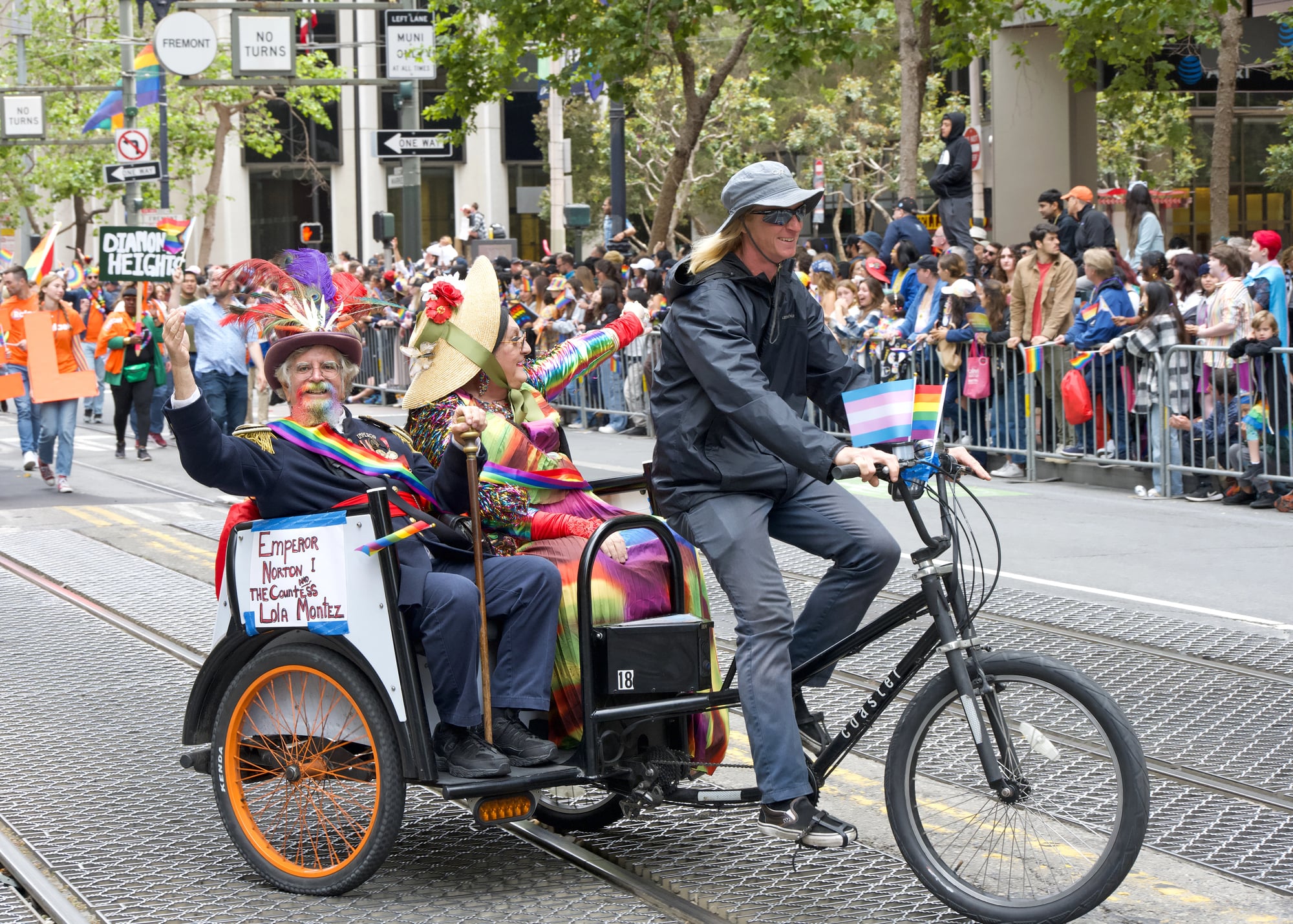
A failed businessman named Joshua Norton declared himself ‘Emperor of the United States and Protector of Mexico’ in 1859—and San Francisco residents happily played along for 21 years. Norton issued his own currency, wore an elaborate uniform with brass buttons, and regularly inspected the city’s streets and infrastructure.
Local restaurants honored his self-created imperial banknotes, newspapers printed his proclamations, and police officers saluted him on the streets. When Norton died in 1880, over 30,000 people attended his funeral, demonstrating the unusual frontier acceptance of his harmless eccentricity.
The Year It Rained Meat

Citizens of Olympian Springs, Kentucky witnessed chunks of fresh meat falling from a clear sky for several minutes in 1876—a phenomenon witnessed by multiple reliable sources. Locals described pieces ranging from small flakes to chunks measuring four inches square, with some brave souls reporting it tasted like venison or mutton.
Scientists later theorized that a flock of vultures had probably disgorged recently eaten meat while flying overhead, though locals preferred supernatural explanations. This bizarre incident represented just one of several strange meteorological events recorded in frontier communities where scientific understanding remained limited.
The Town That Moved Overnight
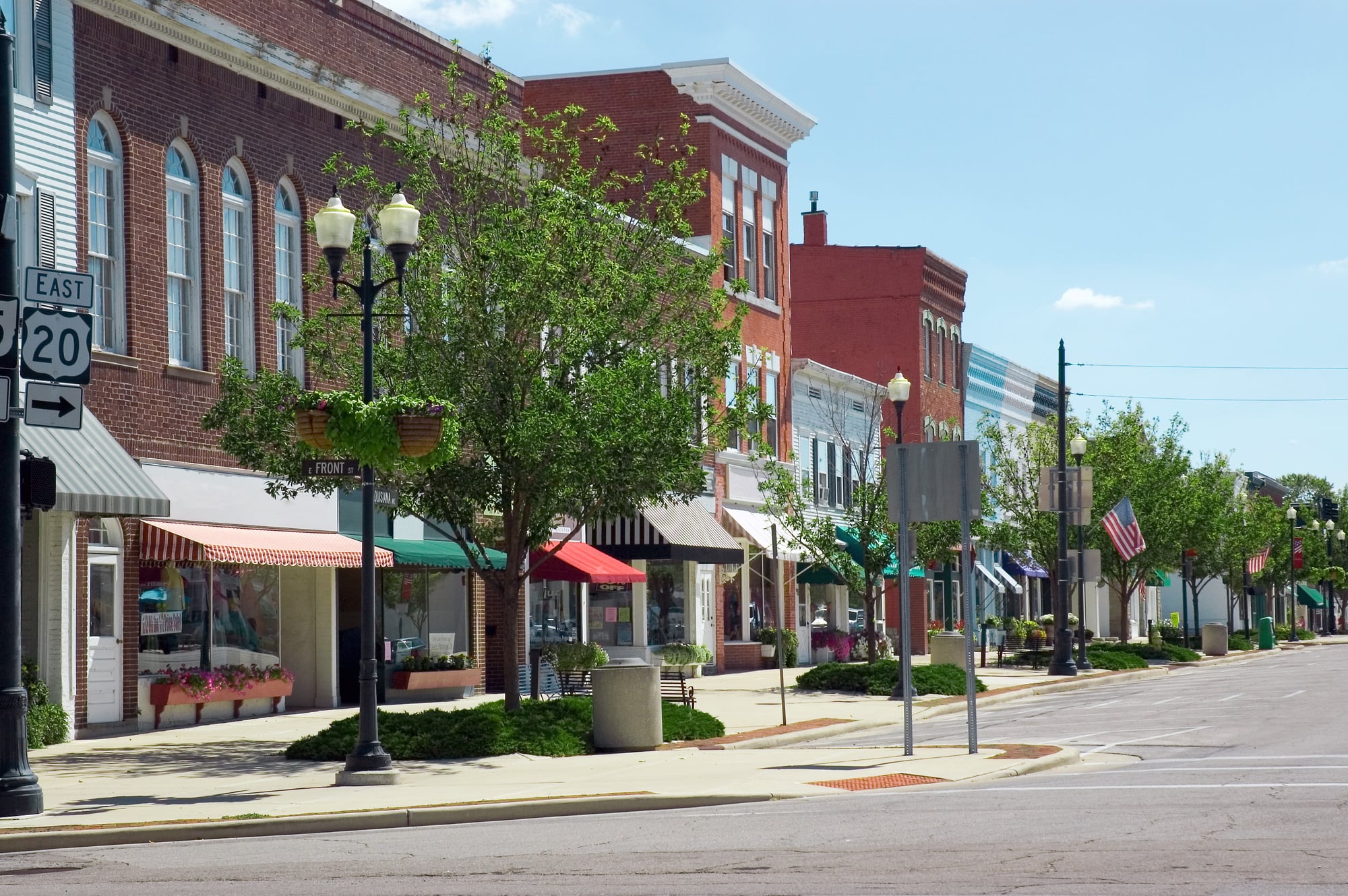
Inhabitants of Thurber, Texas woke one morning in 1888 to discover enterprising residents had physically moved buildings three miles overnight to establish a new settlement near newly placed railroad tracks. When railroad surveyors bypassed their original town location, determined citizens attached skids to structures and used teams of horses to drag them to the new location.
This astonishing display of frontier pragmatism saved the community from economic collapse while demonstrating the extraordinary measures westerners sometimes employed to adapt to changing circumstances.
Annie Oakley’s Marksmanship Challenge

Legendary sharpshooter Annie Oakley performed an incredible feat in 1887 when she shot the ash off Austrian Archduke Franz Ferdinand’s cigarette—the same man whose assassination later triggered World War I. During a European tour with Buffalo Bill’s Wild West Show, Oakley routinely invited dignitaries to hold playing cards for her to shoot.
The future archduke volunteered, but Oakley later remarked that had she known the catastrophic war he would inadvertently trigger, she “might have missed” that day, altering world history through marksmanship.
The Transcontinental Turtle Race

Railroad tycoons launched an utterly peculiar promotional contest in 1897—a transcontinental race between three tortoises representing competing railroad companies. Each turtle carried its sponsoring railroad’s name painted on its shell, with updates on their excruciatingly slow progress appearing in newspapers nationwide.
The competition took seven months to complete as the reptiles crawled along special miniature tracks built alongside actual railroads. This bizarre publicity stunt generated substantial newspaper coverage and paid passengers curious to witness the turtles’ progress at various stations across the country.
The Great Diamond Hoax

Two crafty con men salted a worthless piece of Wyoming land with uncut diamonds, then convinced prominent financiers, including founders of Tiffany & Co., to invest millions in 1872. Clarence King, a government geologist, eventually exposed the elaborate fraud by identifying the diamonds as already-cut South African gems deliberately roughened to appear natural.
This spectacular swindle temporarily shook national financial markets and delayed western mining development while highlighting the speculative fever that characterized frontier investment opportunities.
The Professional Rainmaker

Desperate farmers in drought-stricken regions hired Charles Hatfield, the self-proclaimed “Moisture Accelerator,” who used secret chemical mixtures atop tall towers to allegedly produce rainfall throughout the West. Hatfield’s most famous engagement came in 1915 when San Diego paid him $10,000 to fill their empty reservoir.
Shortly afterward, unprecedented downpours caused flooding that killed more than 20 people, destroyed multiple bridges, and isolated the city for weeks. The city refused payment, claiming the disaster exceeded their requested rainfall, while Hatfield insisted he had merely fulfilled his contract terms.
The Pie Town Community
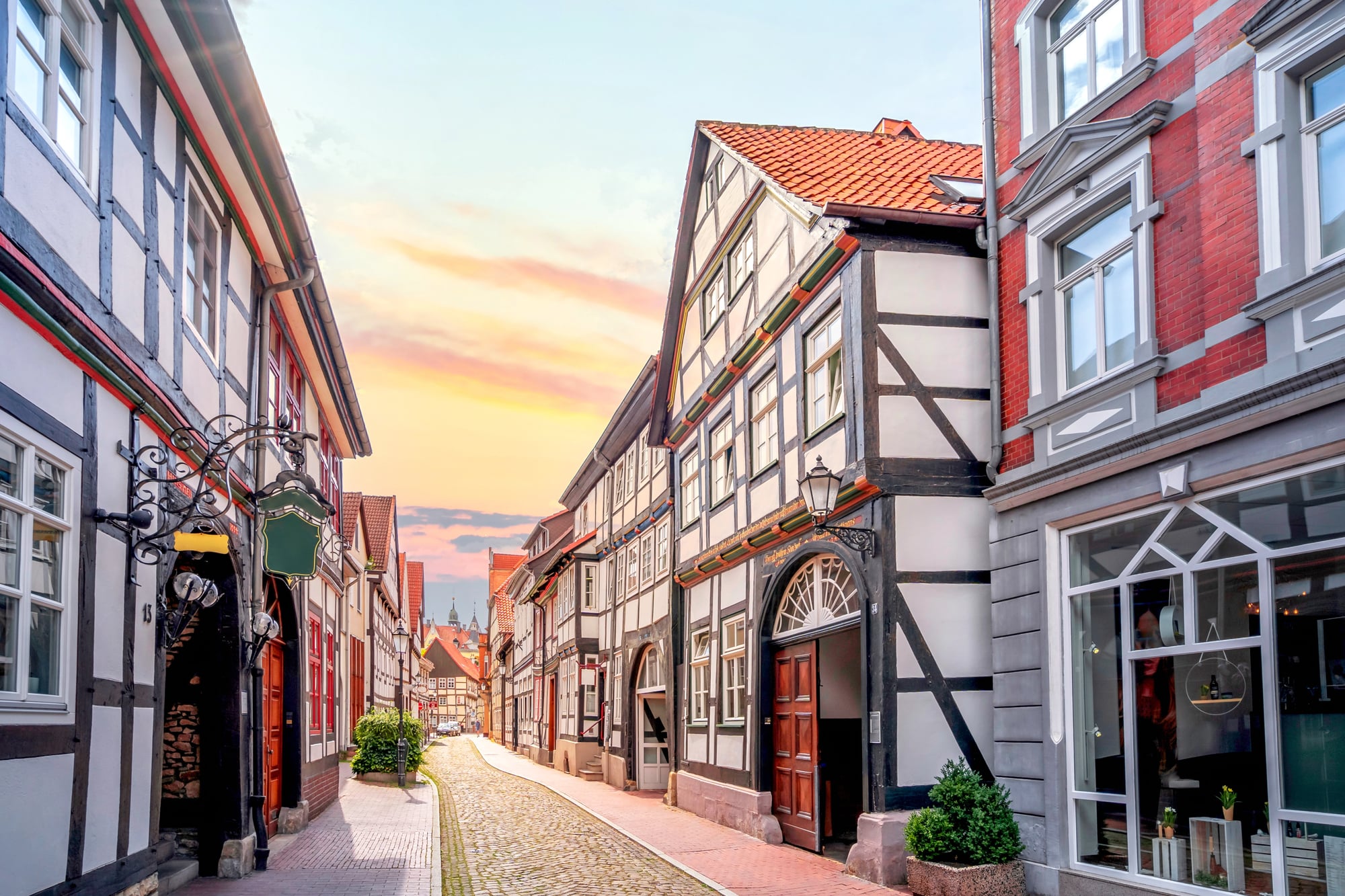
New Mexico settlers established a remote community in the 1920s that named itself “Pie Town” because a local store made exceptional dried-apple pies that became famous among travelers. This whimsical name stuck as the tiny settlement grew into a proper town with its own post office, attracting nationwide attention during the Great Depression.
The settlement’s unusual origin and name drew documentary photographers, including Russell Lee, who extensively photographed daily life there for the Farm Security Administration, preserving this quirky frontier community’s visual history.
The Portland Underground

Portland, Oregon, operated a complex system of underground tunnels and basements where unsuspecting men were kidnapped through trapdoors in saloon floors during the late 1800s. These unfortunate victims would wake aboard ships headed to Asia, having been “shanghaied” into years of maritime servitude.
The elaborate network became known as the “Portland Underground” or “Shanghai Tunnels,” with some bar owners receiving up to $50 per able-bodied man delivered to short-handed ships. This criminal enterprise flourished for decades before stronger maritime regulations finally ended the practice.
The Egyptian Theater Camels

A theater owner in Delta, Colorado, maintained live camels in 1883 that carried patrons from a nearby hotel to his Egyptian-themed entertainment venue. These domesticated dromedaries, remnants of the abandoned Army Camel Corps, provided both practical transportation and exotic promotional appeal for the frontier theater.
Surviving photographs show well-dressed theatergoers perched atop elaborately decorated camels for their short journey between establishments. This peculiar transportation service operated for nearly five years before the theater eventually closed during an economic downturn.
The Snake Oil Salesman’s Redemption

Clark Stanley, the infamous “Rattlesnake King,” performed theatrical demonstrations where he sliced open live rattlesnakes to create his supposedly medicinal “Snake Oil Liniment” before horrified crowds. Federal investigators later analyzed his product in 1917, discovering it contained no actual snake products but rather mineral oil, beef fat, and harmful amounts of turpentine.
After paying a modest fine for misbranding, Stanley surprisingly established a legitimate pharmaceutical company producing properly labeled pain relievers, effectively transforming from a notorious charlatan to a respectable businessman in his later years.
The Town With Two Time Zones
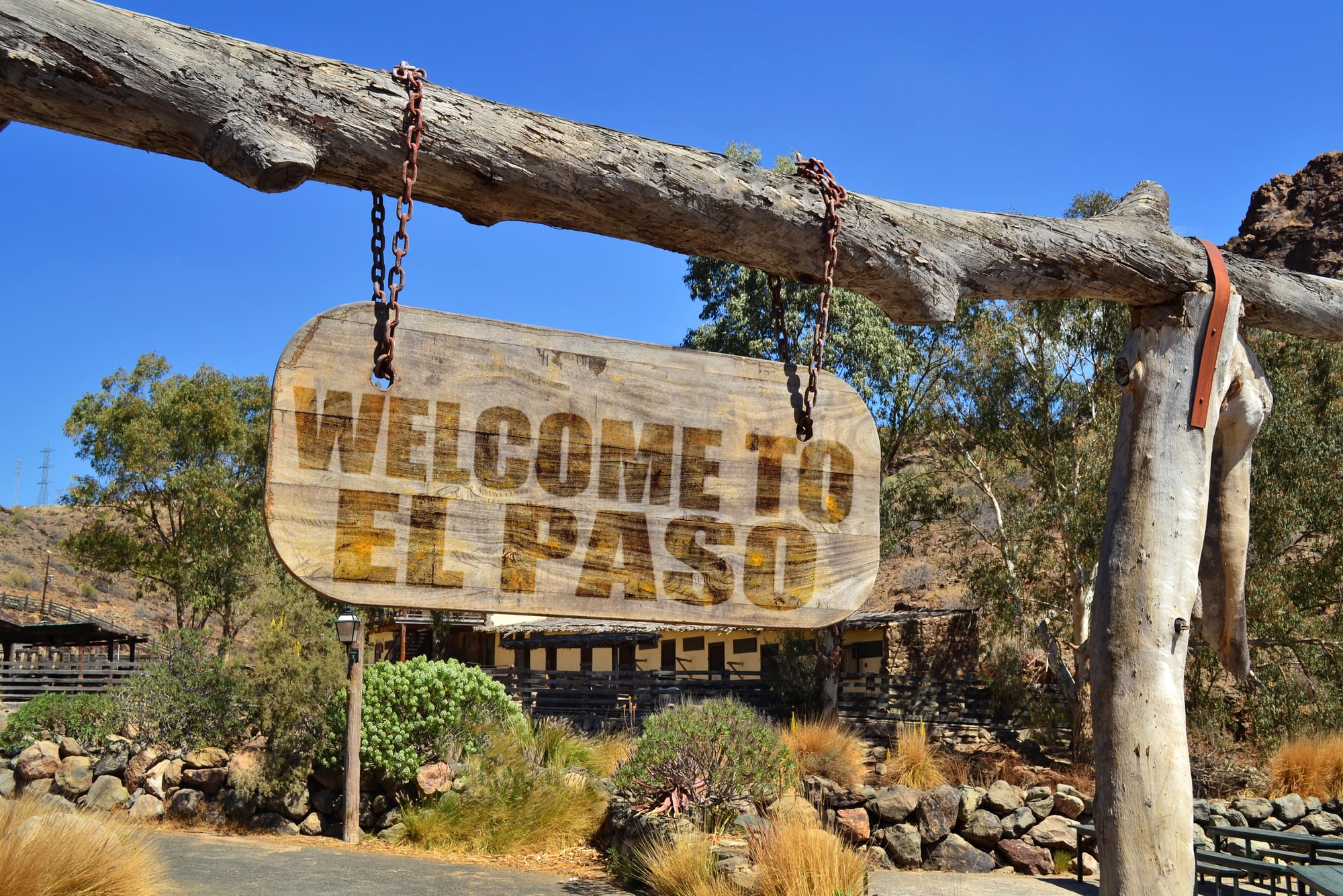
The border town of El Paso operated with two official time zones simultaneously in the 1880s—with businesses observing Mountain Time while the railroad and post office functioned on Central Time. This peculiar arrangement meant that residents literally experienced different official times depending on which establishment they visited.
The resulting confusion was so extensive that many residents carried two pocket watches to navigate daily appointments. This chronological confusion persisted for nearly two decades before standardized time zone enforcement finally resolved the situation.
The Traveling Executioner

The western territories shared a single professional hangman named George Maledon, who traveled thousands of miles between executions with his portable gallows apparatus. Known as the “Prince of Hangmen,” Maledon executed 60 men for Judge Isaac Parker’s court between 1875 and 1891, maintaining meticulous records and developing scientific approaches to ensure quick deaths.
His custom-designed collapsible gallows could be transported by wagon and assembled within hours, bringing capital punishment to remote areas lacking permanent execution facilities. Maledon later toured with his execution equipment, giving public lectures about his unusual profession.
The Water-Witch Swindle

Unscrupulous “water witches” charged desperate homesteaders substantial fees to locate underground water sources using supposedly magical divining rods throughout the drought-prone West. One particularly successful practitioner, Lillian Molter, claimed her special sensitivity allowed her to detect underground streams by feeling vibrations through a forked willow branch.
Geological surveys later revealed she had secretly obtained government mapping information showing likely aquifer locations before visiting properties. Despite this fraudulent method, her chosen drilling sites proved correct often enough to maintain her reputation for decades.
The Town That Banned Death

The isolated mining community of Leadville, Colorado, effectively “outlawed dying” during winter months when the ground was too frozen for grave-digging in the 1880s. Town officials announced that seriously ill residents must either recover or leave town before the first hard freeze made burials impossible.
Those who inconveniently died anyway had their bodies stored in snowbanks or unheated sheds until spring thaws permitted proper burial. This macabre but practical policy reflected the harsh realities of high-altitude frontier life where pragmatism frequently overcame more conventional sensibilities.
The Beer Bottle Battle

German immigrant Adolph Coors engaged in extraordinary measures to recover his reusable beer bottles during persistent shortages, hiring teams of children to collect empties from trash heaps throughout Colorado in the 1880s. The brewery paid two cents per recovered bottle at a time when new glass containers cost substantially more to produce.
This early recycling program evolved into formalized “bottle wars” between competing breweries, with some companies allegedly stealing competitors’ bottles and grinding their embossed names off before reusing them with different labels.
The Two-Story Outhouse

The mining boomtown of Virginia City, Nevada, constructed a remarkable two-story public outhouse built into a hillside to serve residents at different elevations of the steeply graded settlement. This architectural oddity allowed pedestrians to use the space simultaneously at both street levels without requiring separate facilities or additional plumbing.
Contemporary newspaper accounts describe this unusual structure as a marvel of frontier engineering that solved multiple practical problems while conserving limited space in the densely built community. Tourists reportedly visited specifically to witness this peculiar sanitation solution during the 1870s mining boom.
The Calamity Jane Imposters

At least seven different women simultaneously claimed to be the famous frontier figure Calamity Jane during the 1890s, touring Western saloons with contradictory stories about their alleged adventures. The actual Martha Jane Cannary confronted several imposters personally, though her own fondness for exaggeration complicated authentication efforts.
This strange phenomenon of multiple concurrent “Calamity Janes” demonstrated both the public’s fascination with frontier celebrities and the ease with which identities could be appropriated in an era before photography became widespread enough to verify claims easily.
The Cowboy Who Lassoed a Locomotive
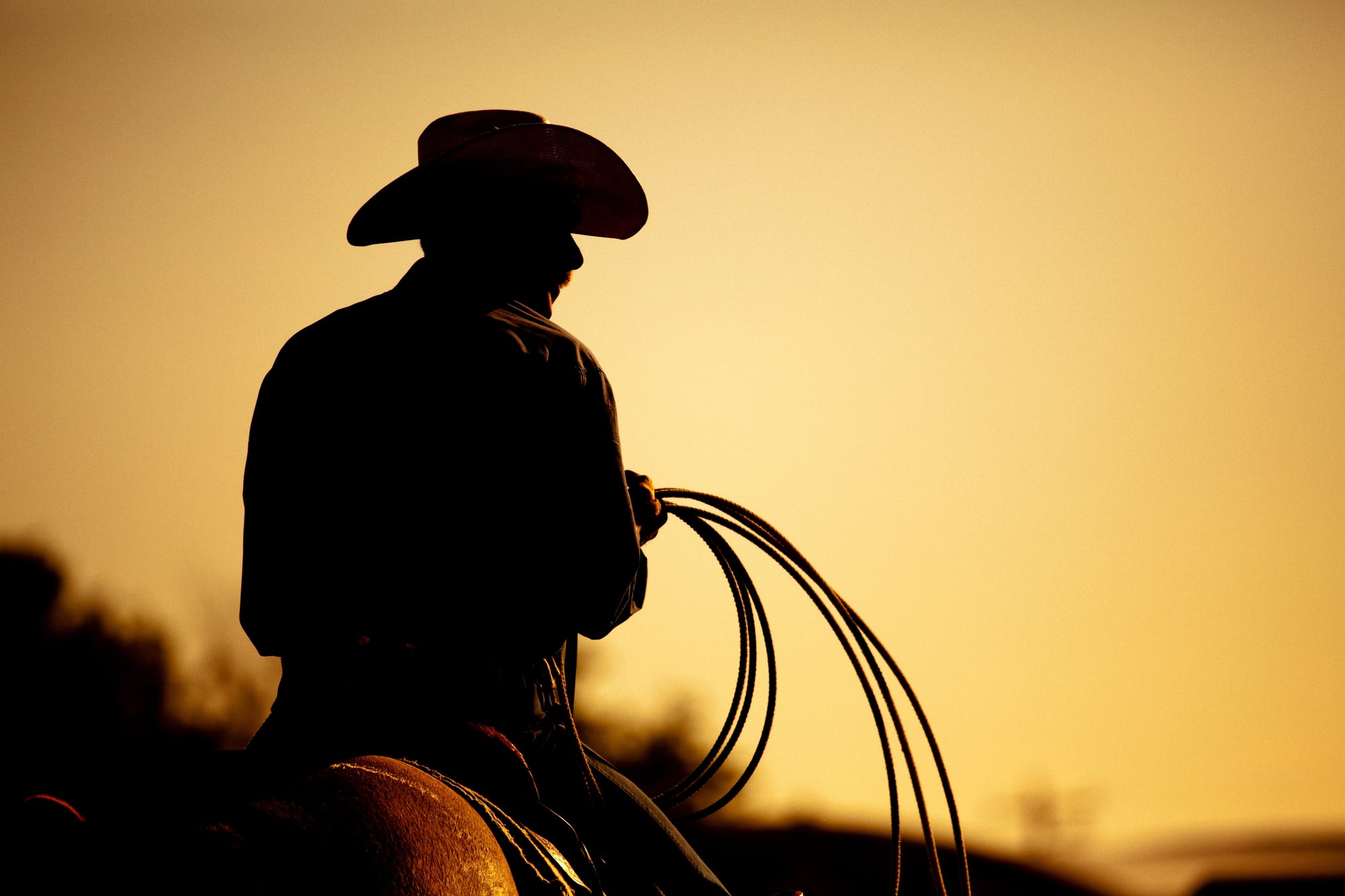
Oklahoma cowboy Bill Pickett achieved brief national fame in 1905 when newspapers reported he had successfully lassoed a moving locomotive during an impromptu demonstration of roping skills. After several failed attempts amidst the cheers of onlookers, Pickett managed to catch his rope around the train’s smokestack, though the powerful engine dragged him several hundred feet before stopping.
Union Pacific officials supposedly offered him a job demonstrating his technique at company events, though Pickett declined, preferring to return to his regular cowboy duties with considerably more stationary cattle.
The Persistence of Western Peculiarity

These strange-but-true frontier tales reveal aspects of Western history that formal textbooks often overlook. The unusual combination of harsh conditions, limited oversight, cultural experimentation, and practical innovation created circumstances where the bizarre became surprisingly commonplace.
Rather than diminishing the historical significance of Western expansion, these peculiar incidents provide valuable insights into how ordinary people navigated extraordinary circumstances through creativity, adaptability, and occasional eccentricity.
More from Go2Tutors!

- The Romanov Crown Jewels and Their Tragic Fate
- 13 Historical Mysteries That Science Still Can’t Solve
- Famous Hoaxes That Fooled the World for Years
- 15 Child Stars with Tragic Adult Lives
- 16 Famous Jewelry Pieces in History
Like Go2Tutors’s content? Follow us on MSN.