16 Ancient Structures Humans Still Can’t Explain
Long before machines, long before written plans, humans stacked stone on stone in ways we cannot explain. Not simply ancient – these works show a sharp accuracy, huge scale, odd alignment.
Some rise so perfectly matched to stars or seasons that their creation feels impossible back then. Experts stare now at how tightly they fit, how far materials traveled, what forces held them up.
Time after time, the methods vanish into silence, leaving only shapes too smart for their age. Built without records, yet standing stronger than logic allows.
What lies behind these strange old structures? Folks still can’t agree on how they came to be.
Each site holds secrets that stump experts today. Some ideas float around, though none fit perfectly.
Answers slip away, like sand through fingers. Even with tools we have now, puzzles remain.
Time has worn down clues, leaving only guesses. Every theory misses something vital.
So the silence of stone stays unbroken.
The Great Pyramid of Giza

One thing people keep asking: How did anyone build the Great Pyramid of Giza? It’s examined more than nearly any other ruin on Earth.
Still, experts argue over exactly what methods were used. More than two million blocks make it up – each massive, many tipping scales at eighty thousand kilograms.
Their placement shows accuracy we’d find hard to match even with today’s machines. Facing true north, south, east, west – those edges sit incredibly close to perfect alignment.
That kind of orientation feels impossible without tech like satellite systems. Yet somehow, it stands.
Stonehenge
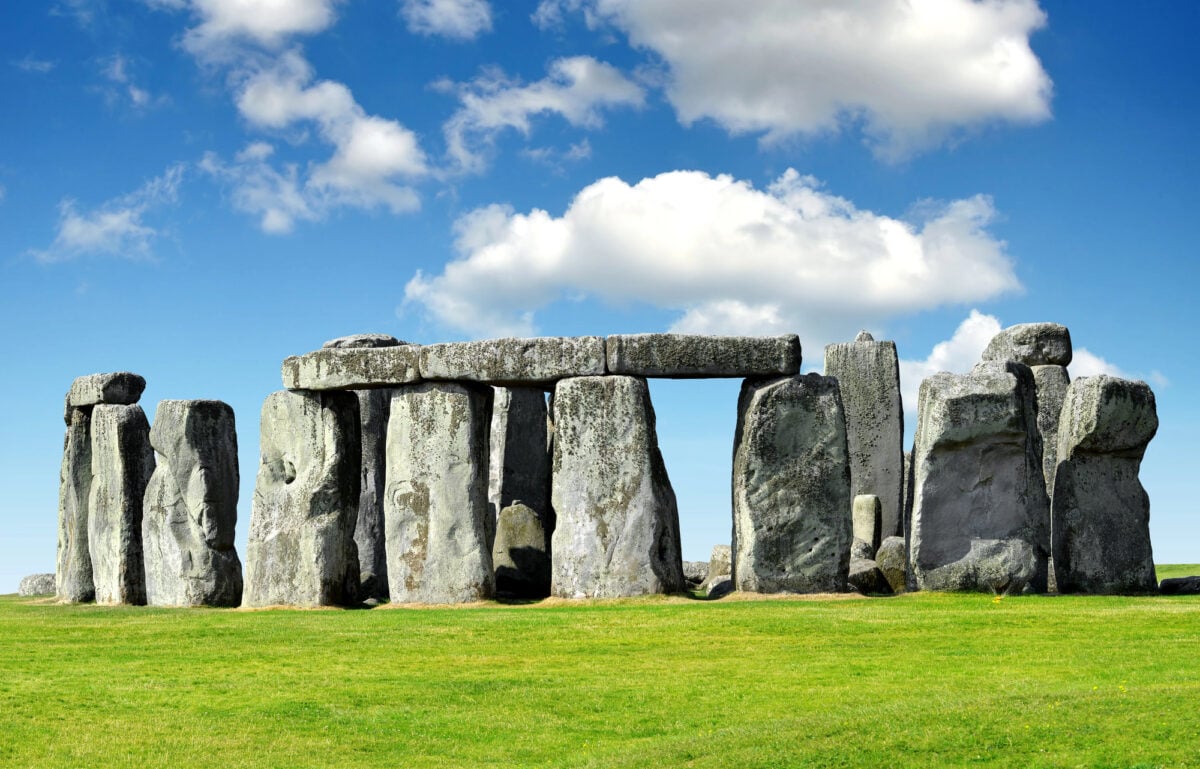
High above the flat stretch of Salisbury Plain stands Stonehenge, its ring of towering rocks rising into the open sky. Moving some of these blocks meant hauling them from distant rock beds hundreds of kilometers off, a feat modern minds still struggle to picture clearly.
Over years, guesses have piled up – wooden runners dragged over logs, river floats guided by hand, crowds of workers shifting stone by steady push. Each idea holds weight until someone points out what it misses, so none claim victory yet.
Puma Punku
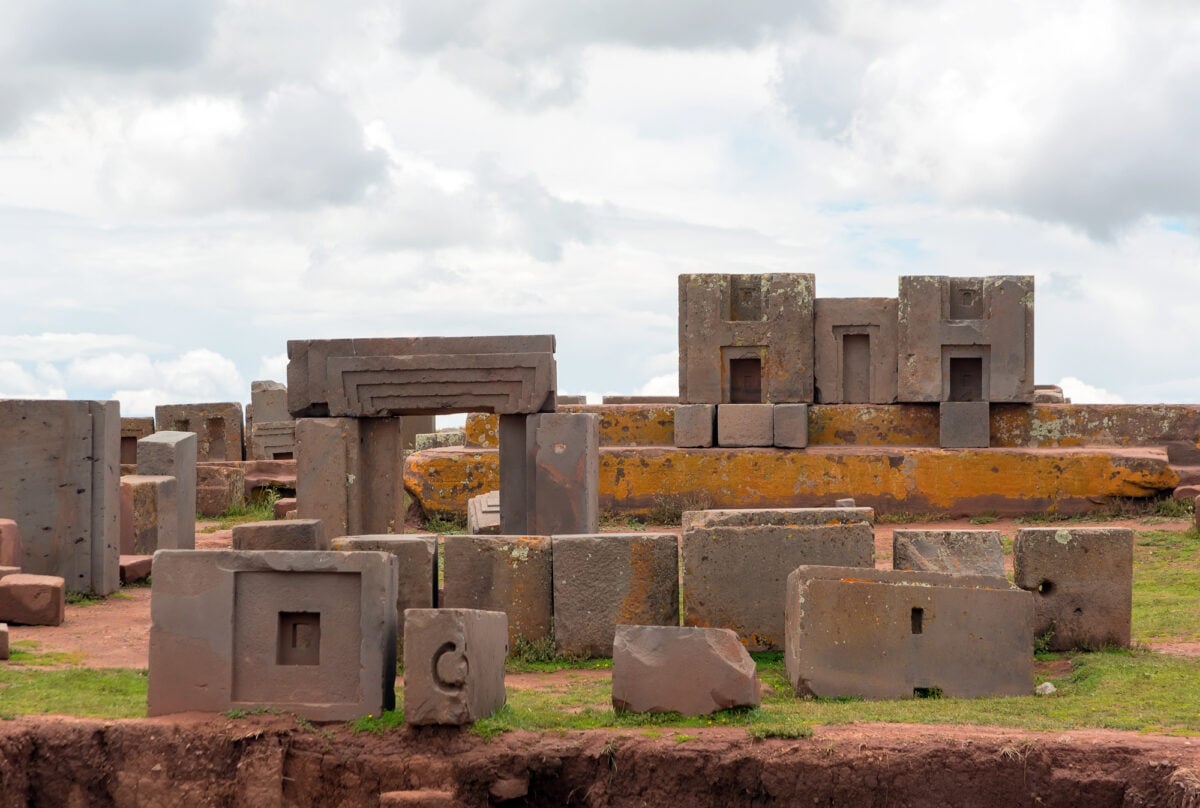
High up in Bolivia, near 12,500 feet above sea level, sits Puma Punku – its stone pieces shaped so precisely they seem machine-made. Though the Tiwanaku people left no writing behind, their work shows skill usually linked to complex planning.
H-shaped blocks fit together tightly, almost as if snapped into place by something beyond handcrafting. Yet these builders supposedly lacked advanced instruments, making the precision puzzling.
Despite limited technology on record, the site reveals techniques hard to match today.
The Nazca Lines
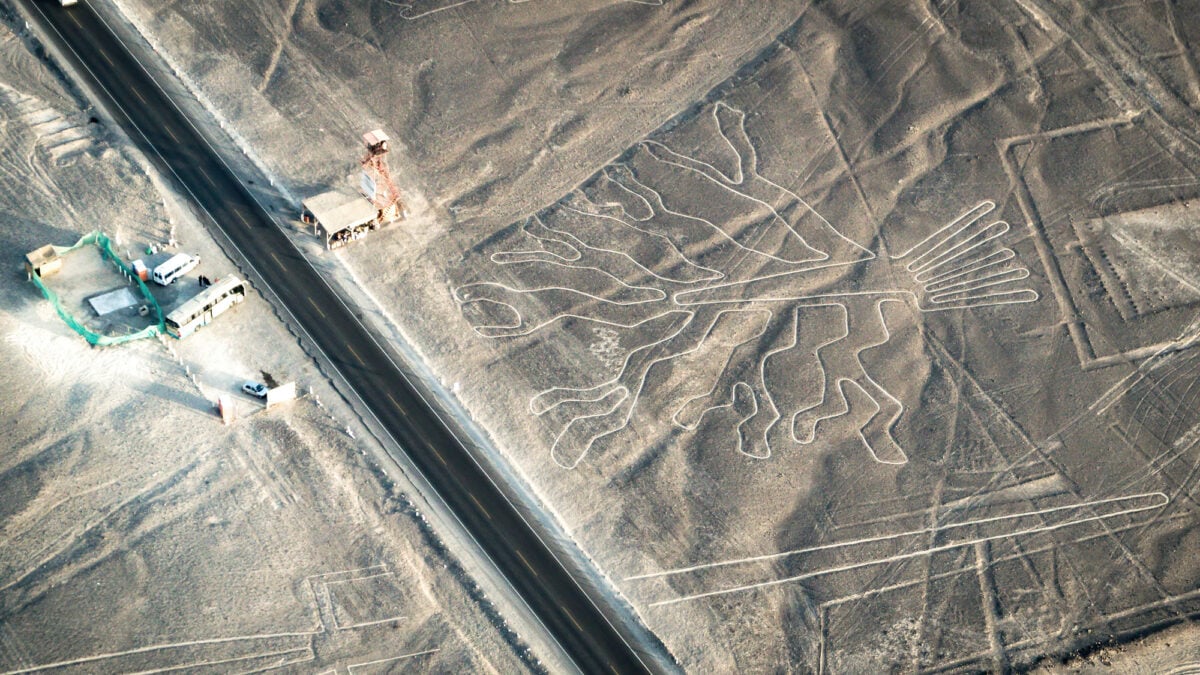
Across a barren stretch of land in southern Peru lie the Nazca Lines – vast figures carved into the ground, many longer than 1,200 feet. These images show creatures, plants, and patterns visible best when viewed from above.
Why they exist remains unclear, just like the identity of those who planned them. Despite rough landscapes spanning miles, the creators managed perfectly straight edges throughout.
Still, how they did it is unknown.
Sacsayhuaman
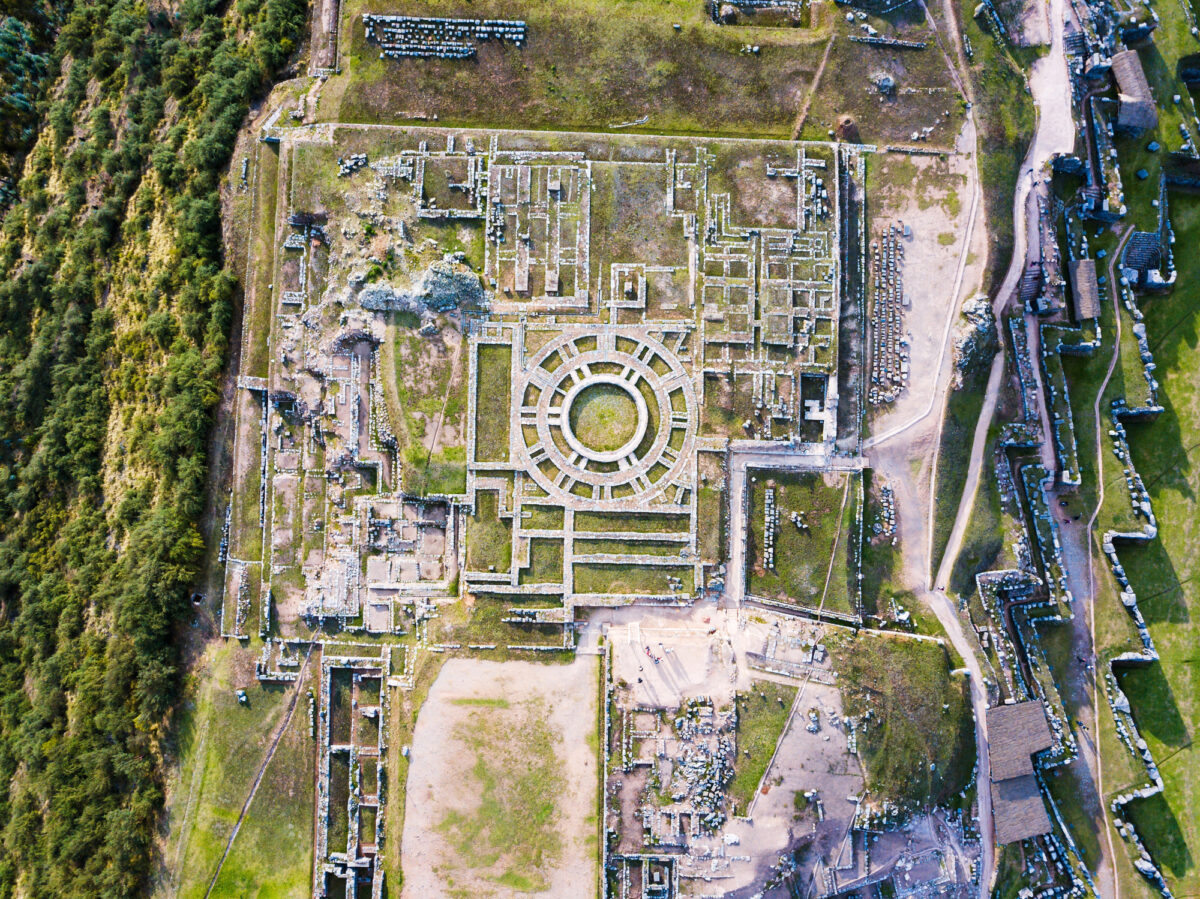
Near Cusco in Peru stands Sacsayhuamen, an ancient fortress made by the Inca using massive stone blocks – some heavier than 100 tons. Though centuries have passed, those stones still meet so closely that not even a sheet of paper slips through.
Wheels were unknown to the builders, which makes how they shifted such weight all the more unclear. Despite knowing who constructed it, experts remain puzzled about exactly how these giant pieces got into place.
The Underwater Ruins of Yonaguni
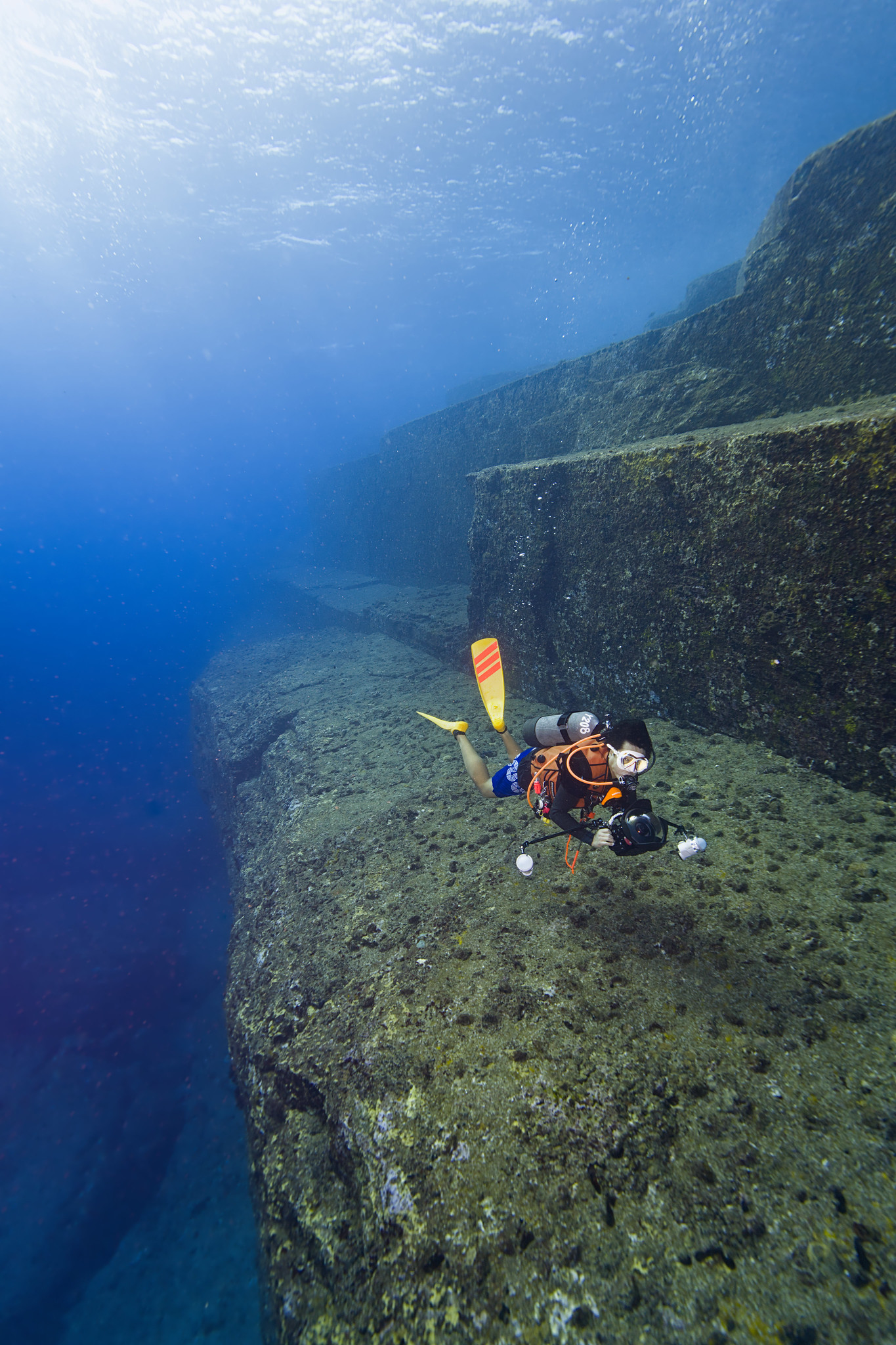
Below the waves near Japan rests a hidden structure called the Yonaguni Monument, lying roughly 80 feet underwater. Its shape shows clean lines, wide planes, sometimes even stair-like tiers.
Experts disagree – some say nature shaped it, others insist human hands did. If people built it, then its age might stretch past ten thousand years, shaking up everything we think we know about early civilizations.
Gobekli Tepe
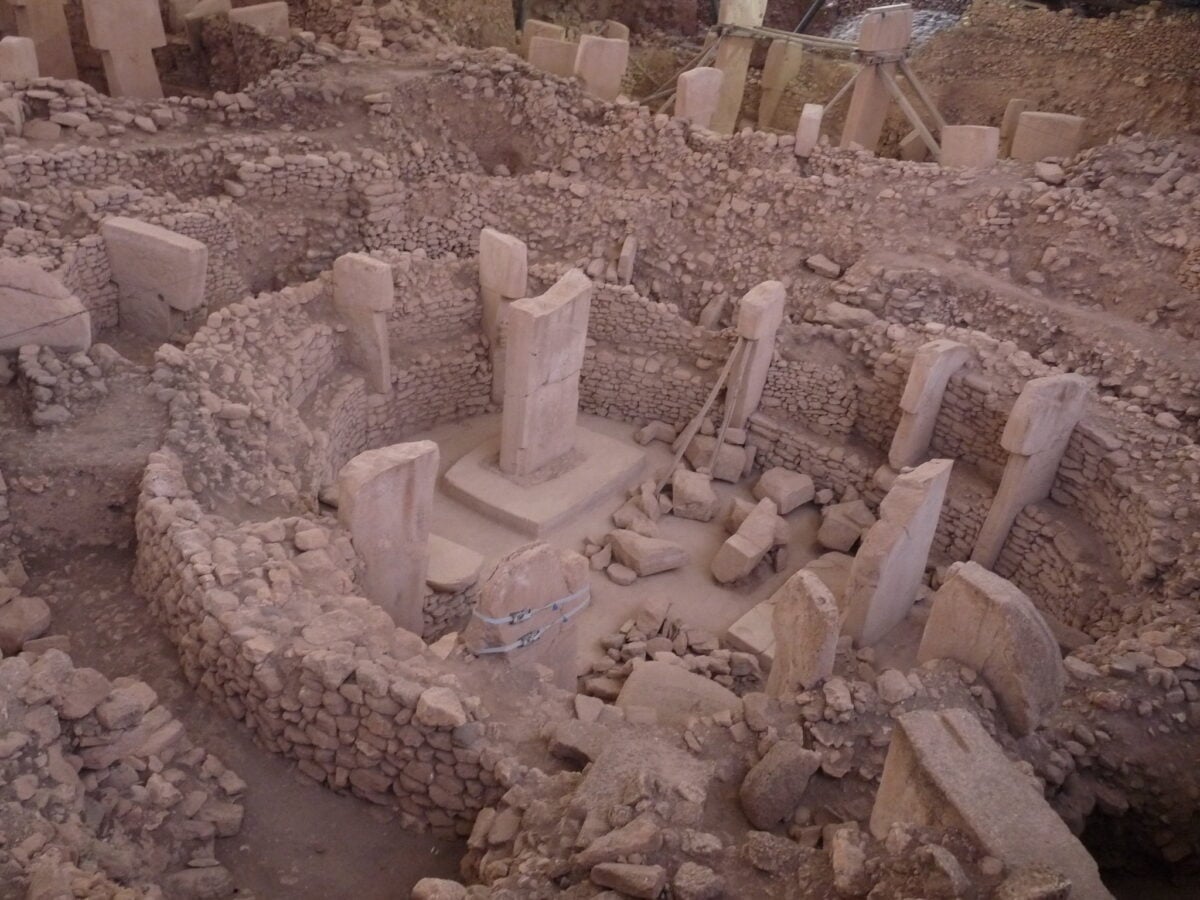
Standing in Turkey, Gobekli Tepe might just be Earth’s most ancient temple, dating back roughly 11,500 years. Back then, people still lived by hunting and gathering – yet somehow they managed to build something huge without expected societal structures.
Huge stones shaped with care form circular patterns across the area. While experts see carvings on these pillars, the full reason behind their placement remains unclear.
The Easter Island Statues
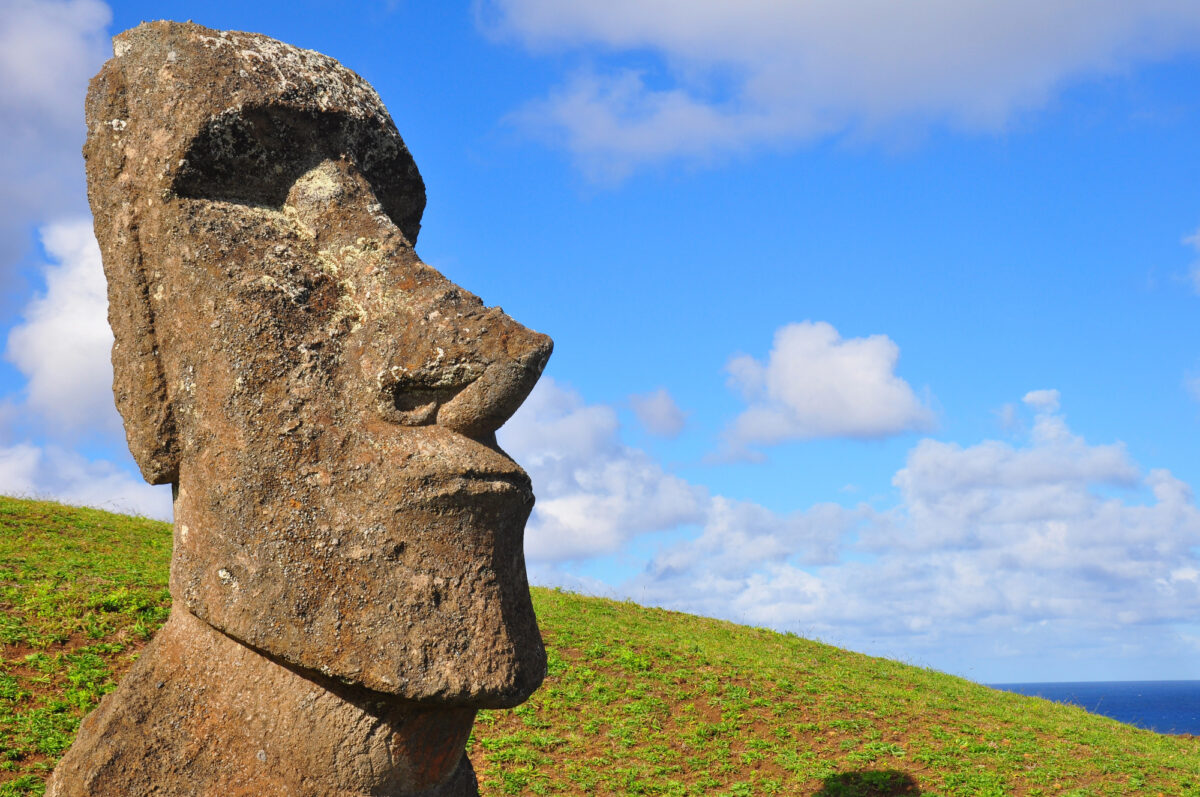
High up on a far-off stretch of ocean sits an island where huge stone heads watch the shore. These carvings, known as Moai, were shaped long ago by the Rapa Nui using only what they had at hand.
Almost one thousand stand like silent guards, each different in size and gaze. Some rise more than thirty feet into the air, heavy beyond imagining.
Moving them seemed impossible – no big beasts pulled, no wheels turned. Still, somehow, they traveled great distances from quarry to coast.
Set along the edge of land and sea, they face inward, as if keeping sight of those who made them.
The Longyou Caves
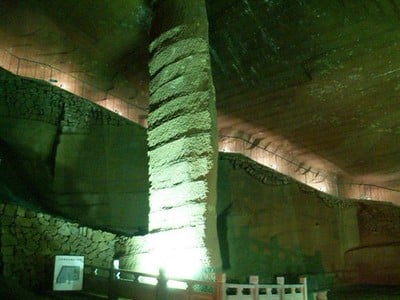
Discovered in China in 1992, the Longyou Caves are a series of massive hand-carved caverns covering over 30,000 square feet. Every wall inside shows the same careful, parallel tool marks, suggesting a level of organized work that is hard to explain.
No historical record, no legend, and no mention in any ancient Chinese text references their construction.
Teotihuacan
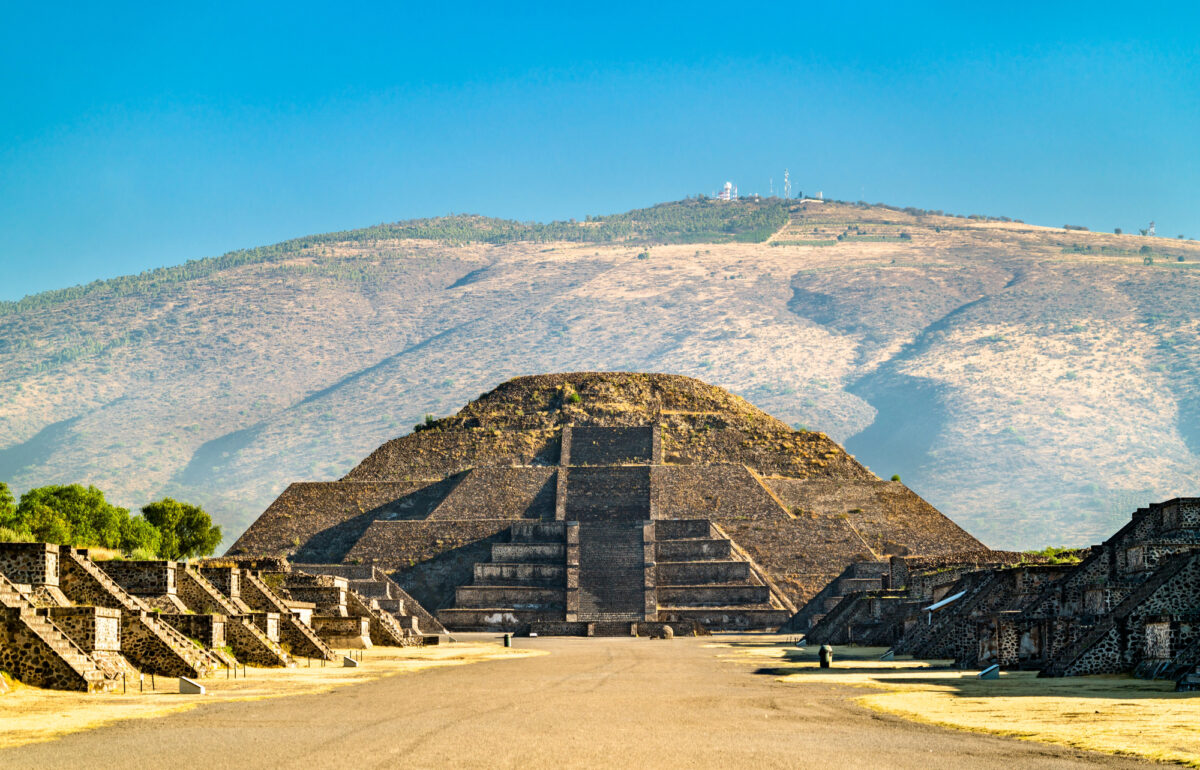
Teotihuacan is an ancient city near modern-day Mexico City, home to some of the largest pyramids ever built. The Avenue of the Dead, its main road, stretches nearly 1.5 miles and aligns with surrounding mountains in a way that appears intentional.
The people who built it are unknown, the city was already abandoned when the Aztecs found it, and even the Aztecs had no idea who constructed it.
The Trilithon Stones of Baalbek
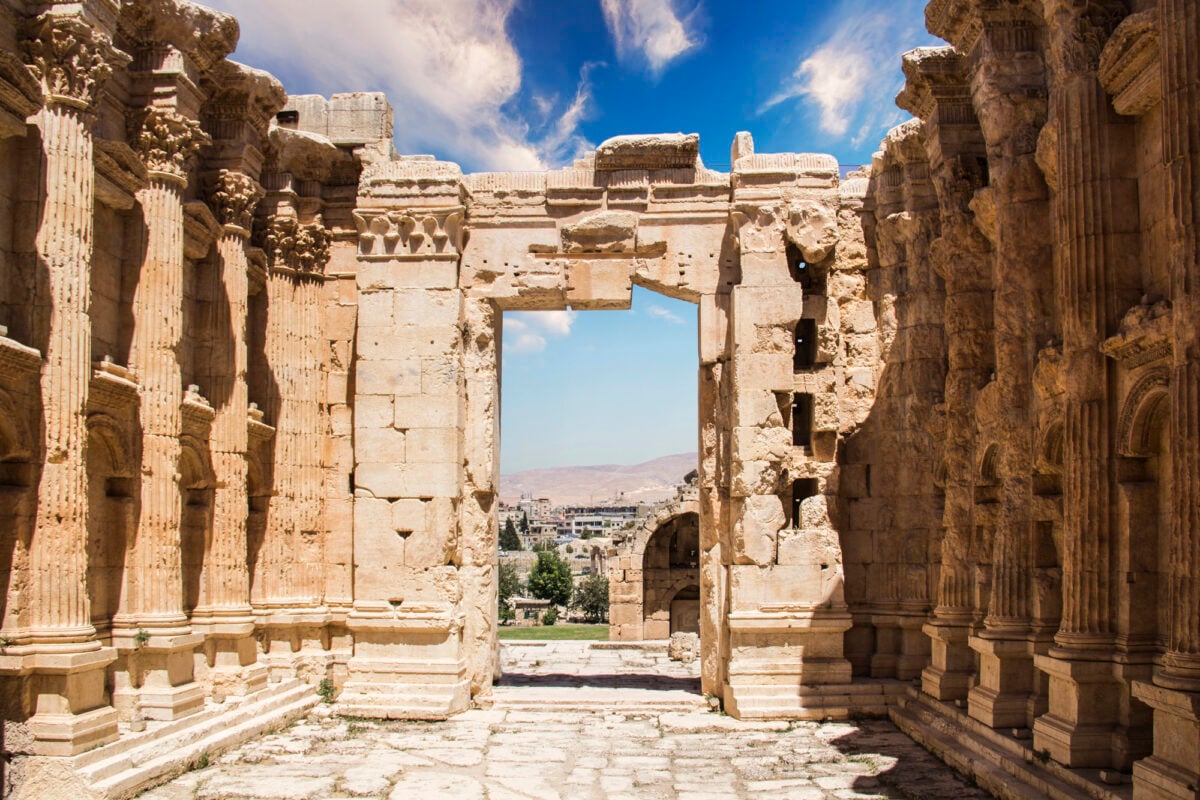
In Baalbek, Lebanon, there are three stone blocks in a retaining wall, each weighing around 800 tons. These are among the largest stones ever used in construction anywhere in the world.
Even modern cranes would struggle to lift them, and how ancient builders moved and placed them with such accuracy is something engineers and archaeologists still cannot agree on.
The Hypogeum of Hal Saflieni
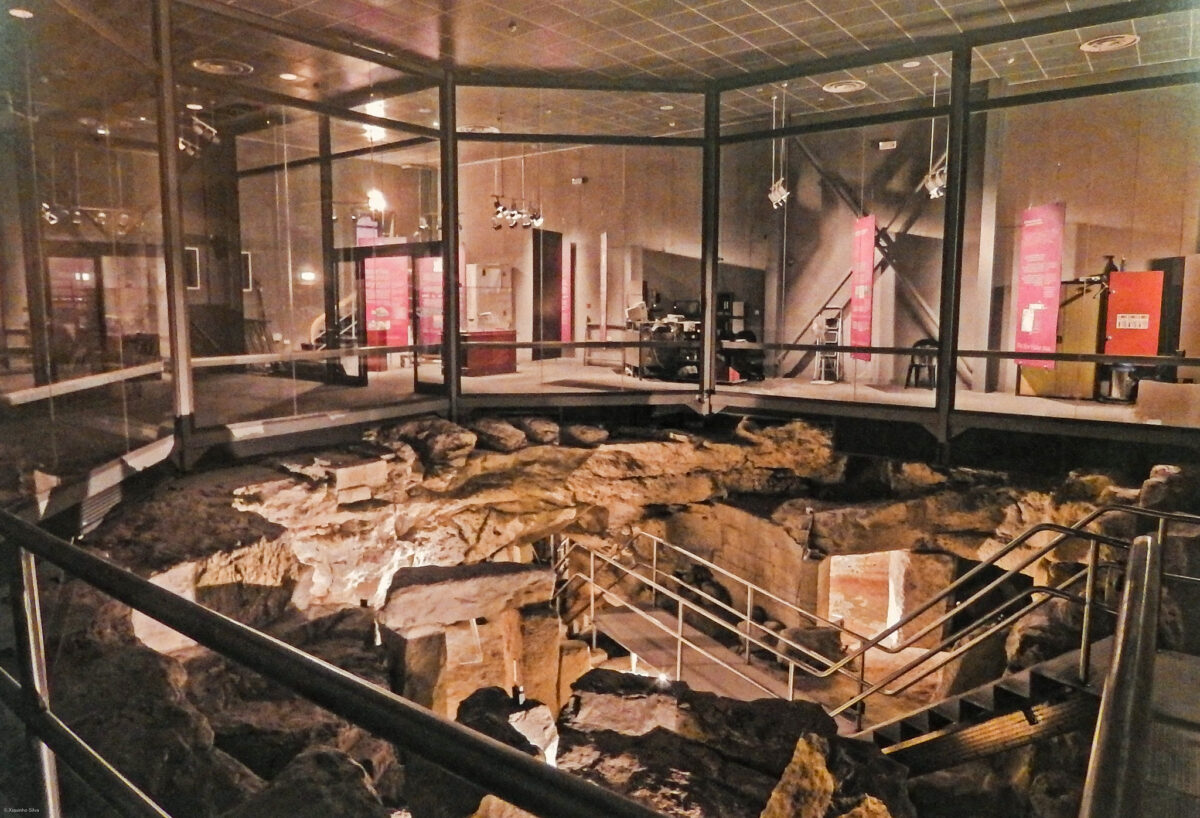
Built around 3,600 BC on the island of Malta, the Hypogeum is a vast underground structure carved entirely out of solid rock. It has multiple levels, curved ceilings, and a room known as the ‘Oracle Room’ where sound echoes in a deeply unusual way.
Researchers believe it was used for rituals, but who designed it with such acoustic precision, and why, remains unanswered.
Great Zimbabwe
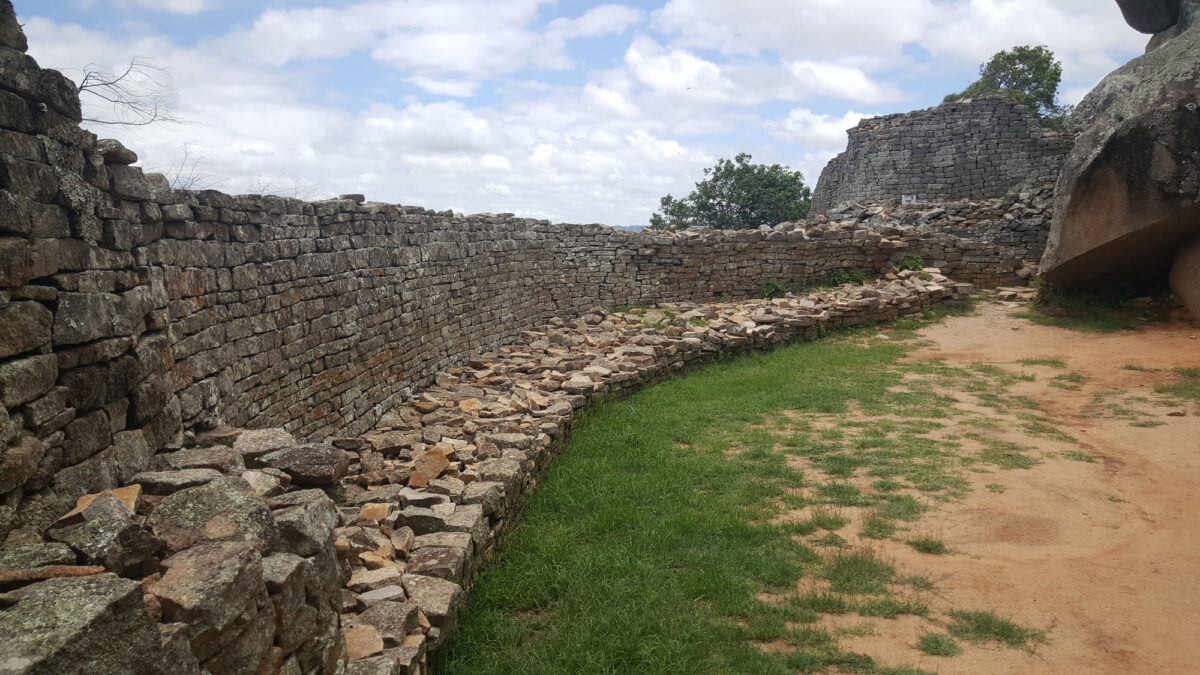
Great Zimbabwe is a massive stone city in southern Africa, built without mortar, yet its walls have stood for nearly 900 years. The name ‘Zimbabwe’ itself comes from a Shona phrase meaning ‘great stone houses.’
Archaeologists have confirmed it was built by the ancestors of the Shona people, but the construction methods, the city’s full purpose, and how it sustained such a large population are still being studied.
The Antikythera Mechanism’s Origin Site
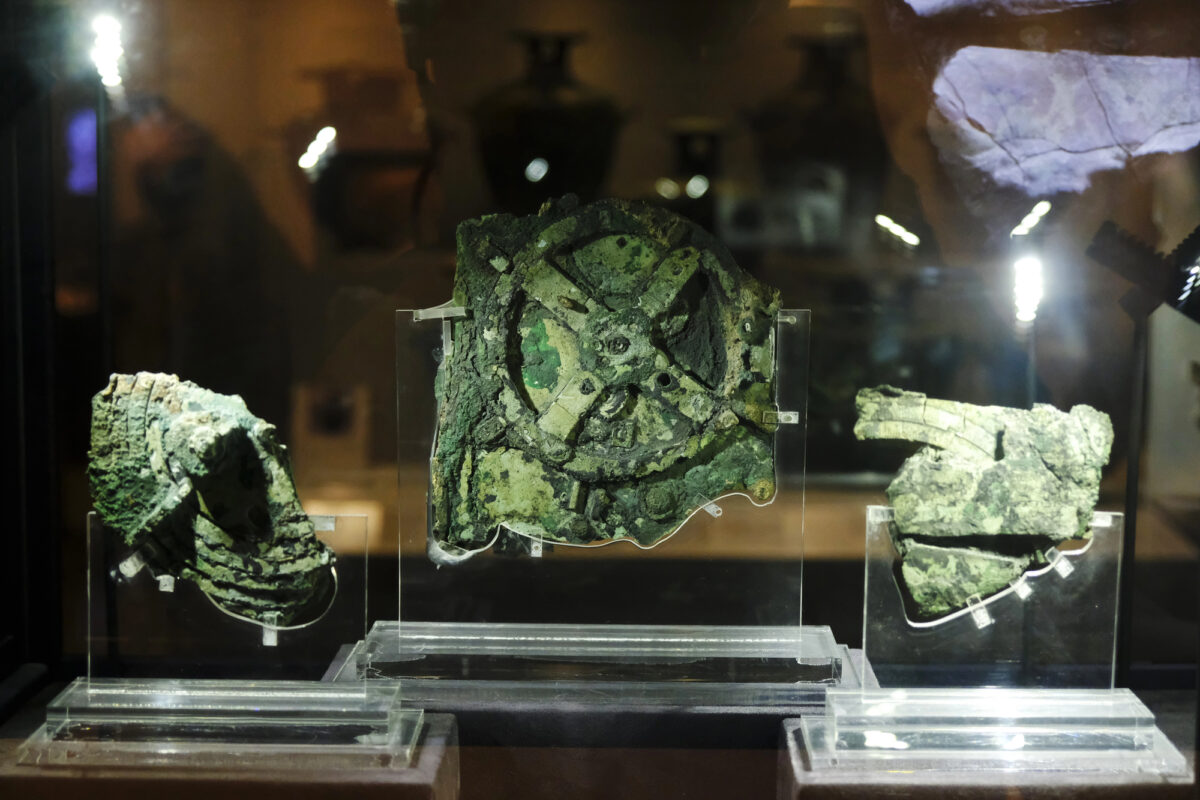
The island of Antikythera sits between Greece and Crete, and it is where one of the most advanced ancient objects ever found was recovered from a shipwreck. The Antikythera Mechanism is a 2,000-year-old device that tracked astronomical events with gear-based precision, centuries before similar technology appeared elsewhere.
The fact that this device existed at all raises the question of what other advanced tools or structures existed from that era and were simply never found.
The Dolmens of Korea
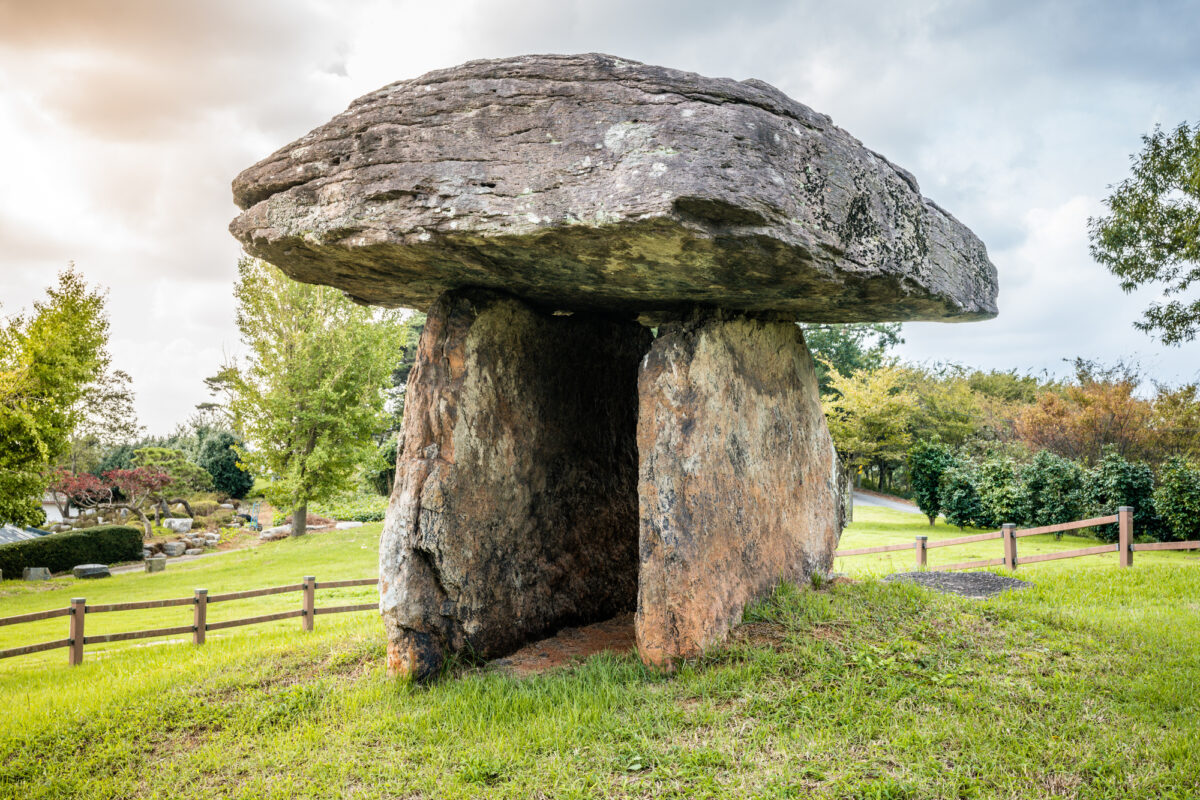
Korea has thousands of ancient dolmens, which are large stone structures made of a flat rock placed on top of upright stones like a table. South Korea alone holds about 35,000 of them, which is more than any other country in the world.
The sheer number, spread across the landscape, suggests a massive coordinated effort, but the culture behind them, their specific purpose, and how communities moved such heavy stones with early tools is still not fully clear.
The Circular Walls of Al-Ula
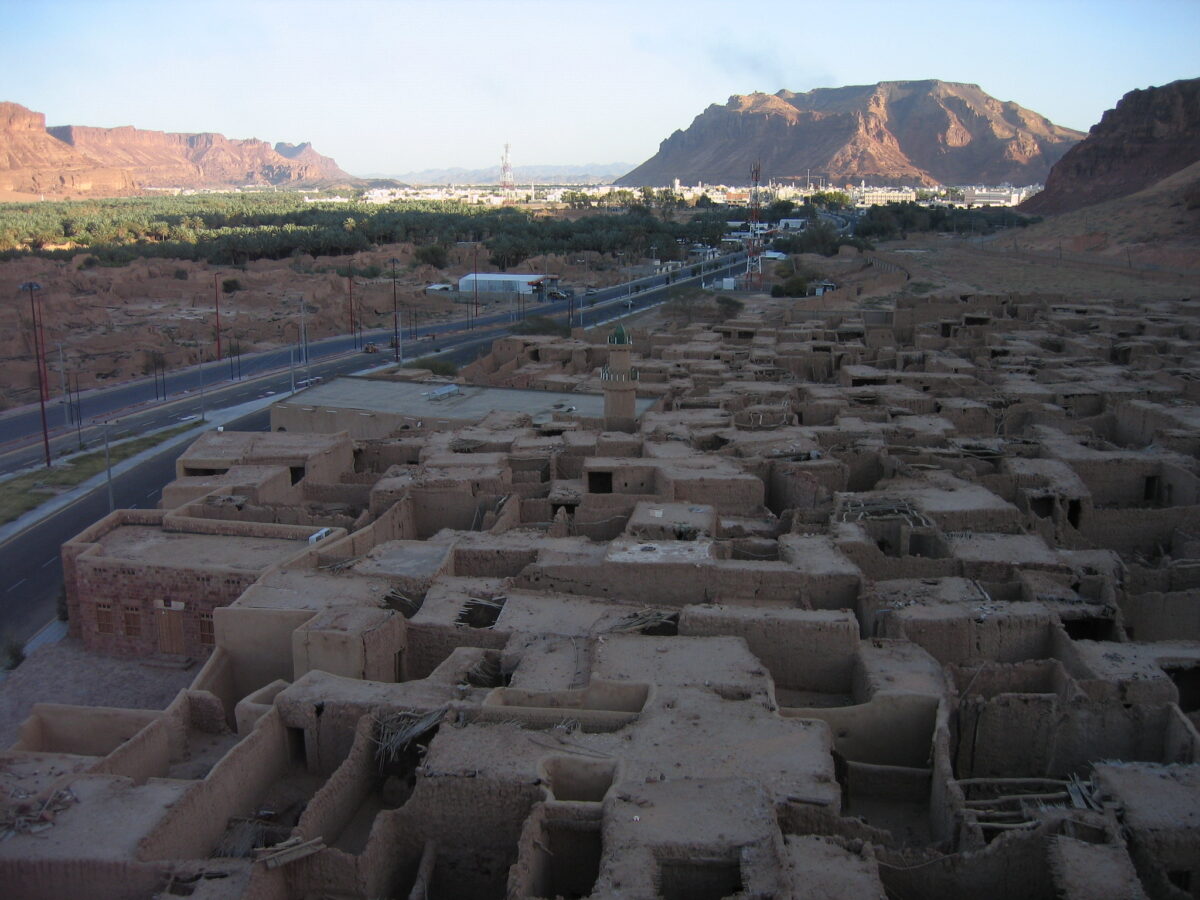
In northwestern Saudi Arabia, thousands of ancient stone structures sit in the desert, including massive circular walls and platforms that date back thousands of years. Many were only recently discovered through satellite imaging, meaning they had been hiding in plain sight for centuries.
Researchers are still in the early stages of studying them, and questions about who built them, how they were used, and why they are arranged the way they are have barely begun to be answered.
Still Standing, Still Silent
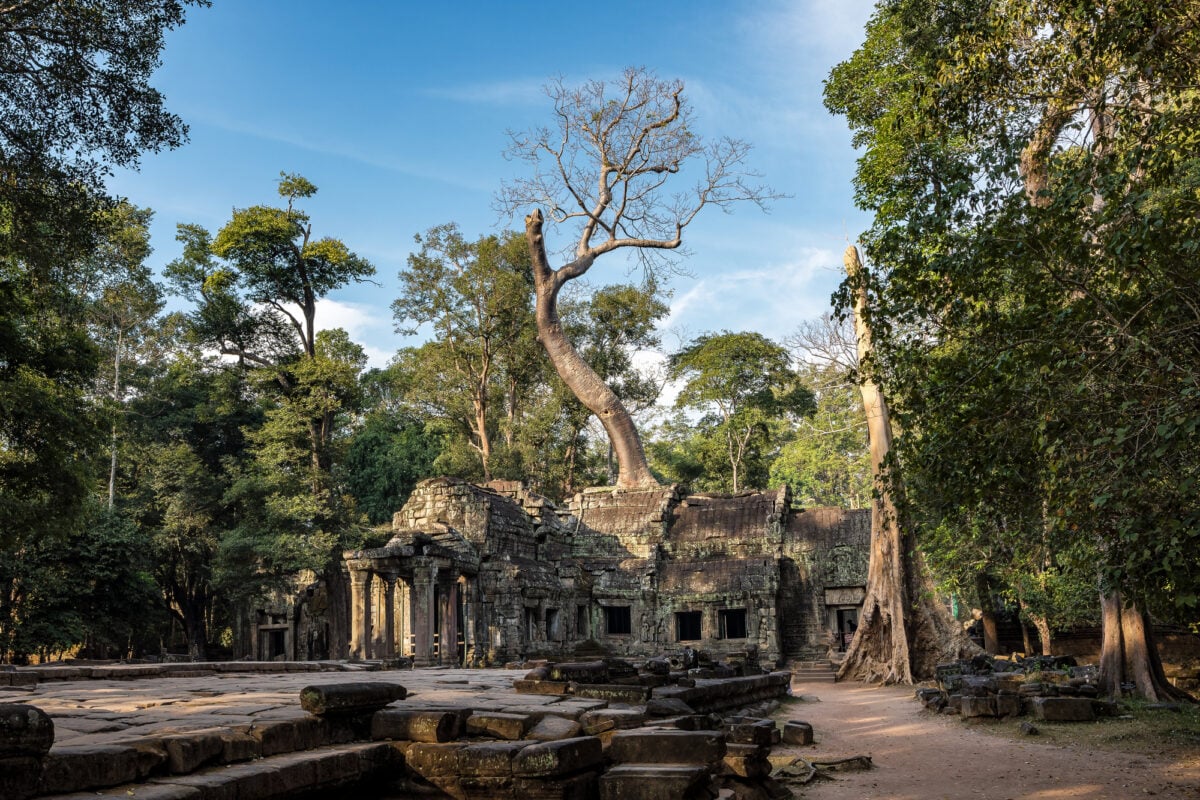
These structures have outlasted the civilizations that built them, and in many cases, they have outlasted the explanations too. Researchers keep digging, scanning, and testing, yet the answers remain just out of reach.
What is clear is that the people who came before were far more capable than they are usually given credit for. The real story of human history may be even older, and far more impressive, than the textbooks currently suggest.
More from Go2Tutors!

- The Romanov Crown Jewels and Their Tragic Fate
- 13 Historical Mysteries That Science Still Can’t Solve
- Famous Hoaxes That Fooled the World for Years
- 15 Child Stars with Tragic Adult Lives
- 16 Famous Jewelry Pieces in History
Like Go2Tutors’s content? Follow us on MSN.