15 Egg Facts That Will Crack You Up
You think you know eggs. After all, they’re in your fridge right now, probably sitting in that little door compartment where they’ve lived since grocery stores convinced everyone that’s where eggs belong.
But eggs have been quietly harboring secrets that range from the bizarre to the downright mind-bending. These aren’t your typical “eggs are a good source of protein” facts — these are the weird, wonderful, and sometimes unsettling truths that make you look at your morning omelet a little differently.
The Chicken Or The Egg Debate Actually Has An Answer
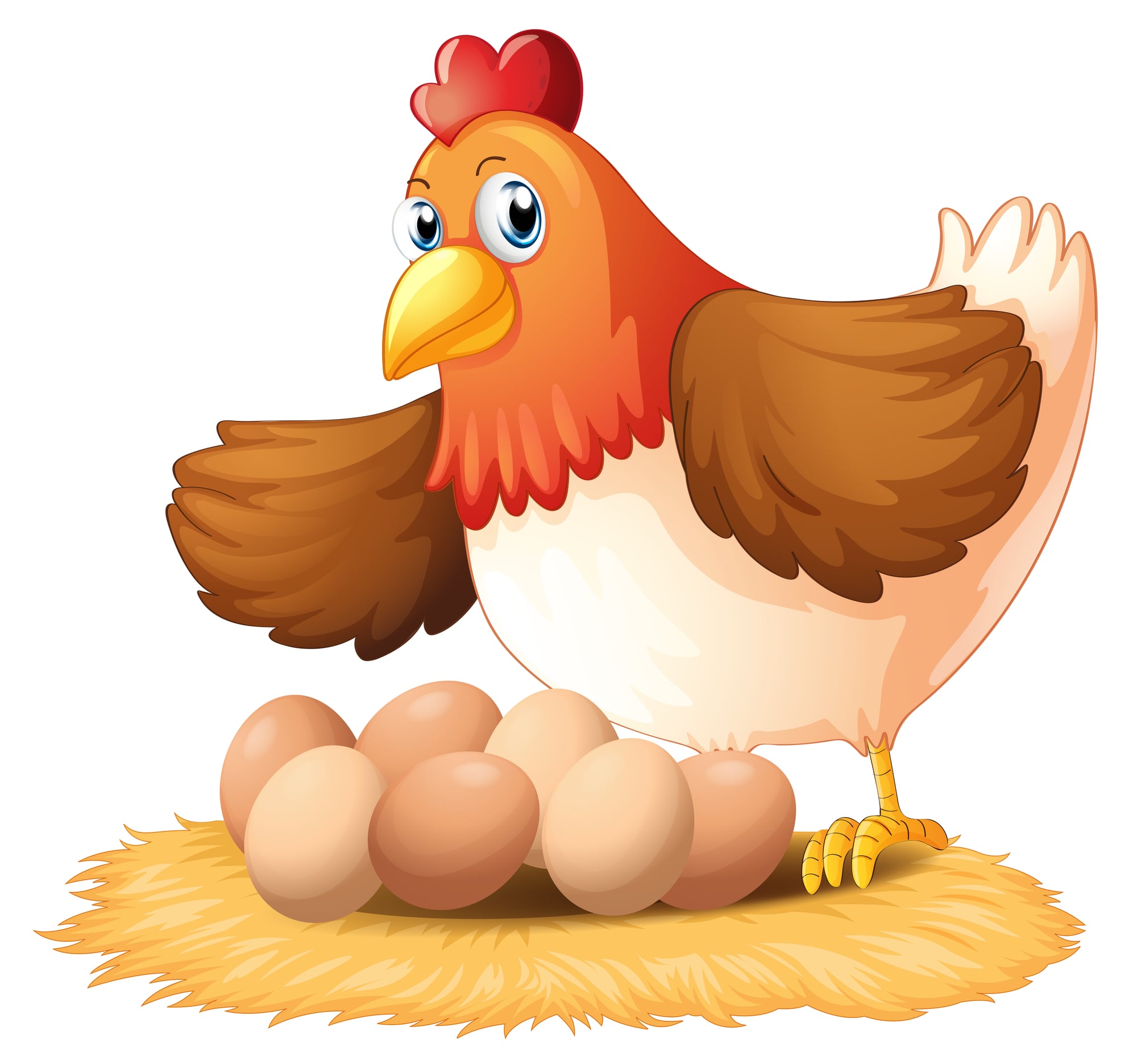
Scientists settled this one. The egg came first — by about 300 million years.
Reptiles were laying eggs long before chickens figured out how to exist, which makes the whole philosophical debate feel a bit silly in hindsight.
Brown Eggs Aren’t Healthier Than White Ones
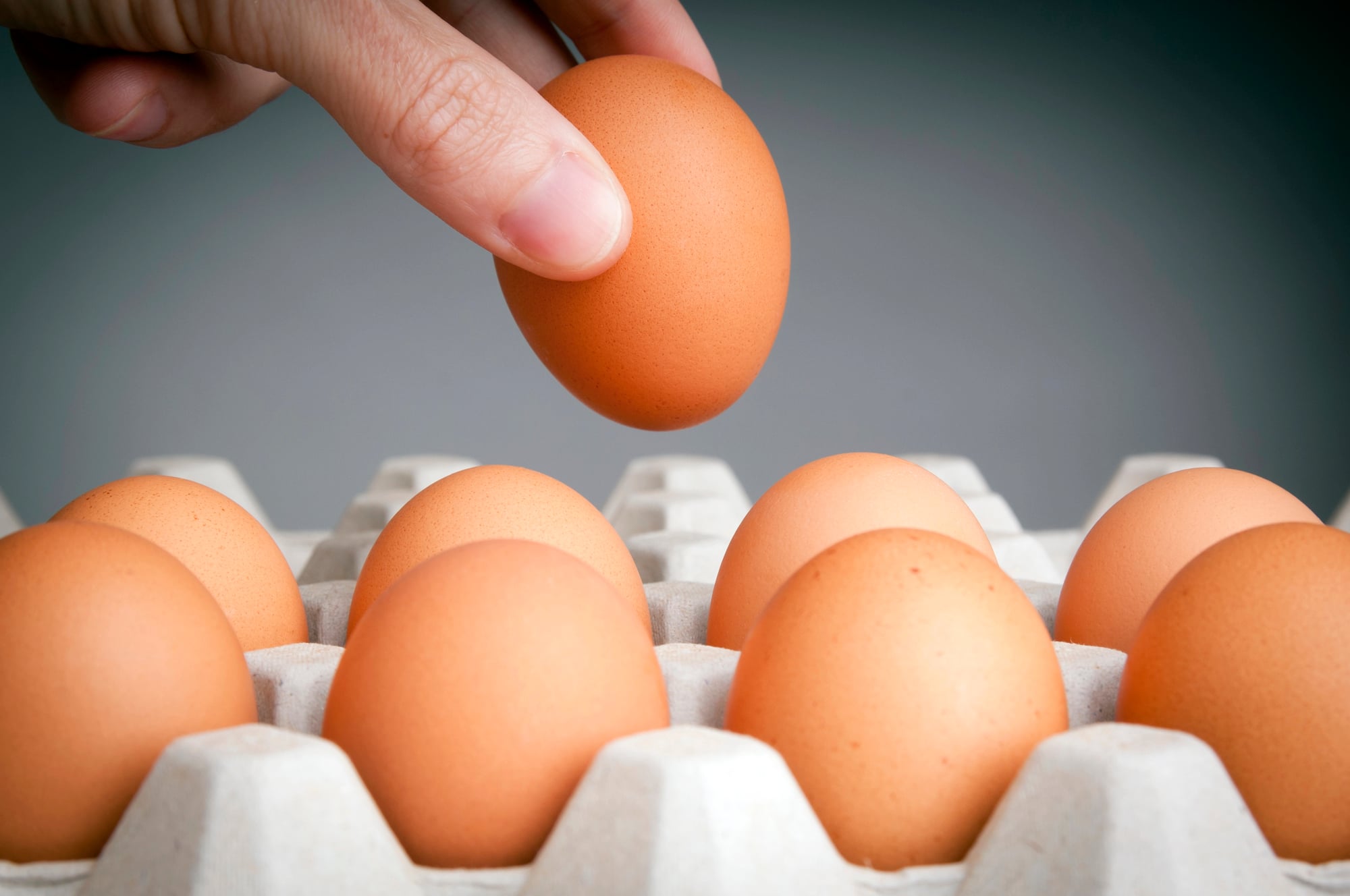
This myth refuses to die, probably because brown eggs cost more and people assume expensive means better. The shell color comes from the hen’s breed, nothing else.
A brown egg from a stressed-out factory farm hen is no healthier than a white egg from a happy backyard chicken — though neither of those scenarios sounds particularly appetizing.
Egg Shells Are Living Architecture
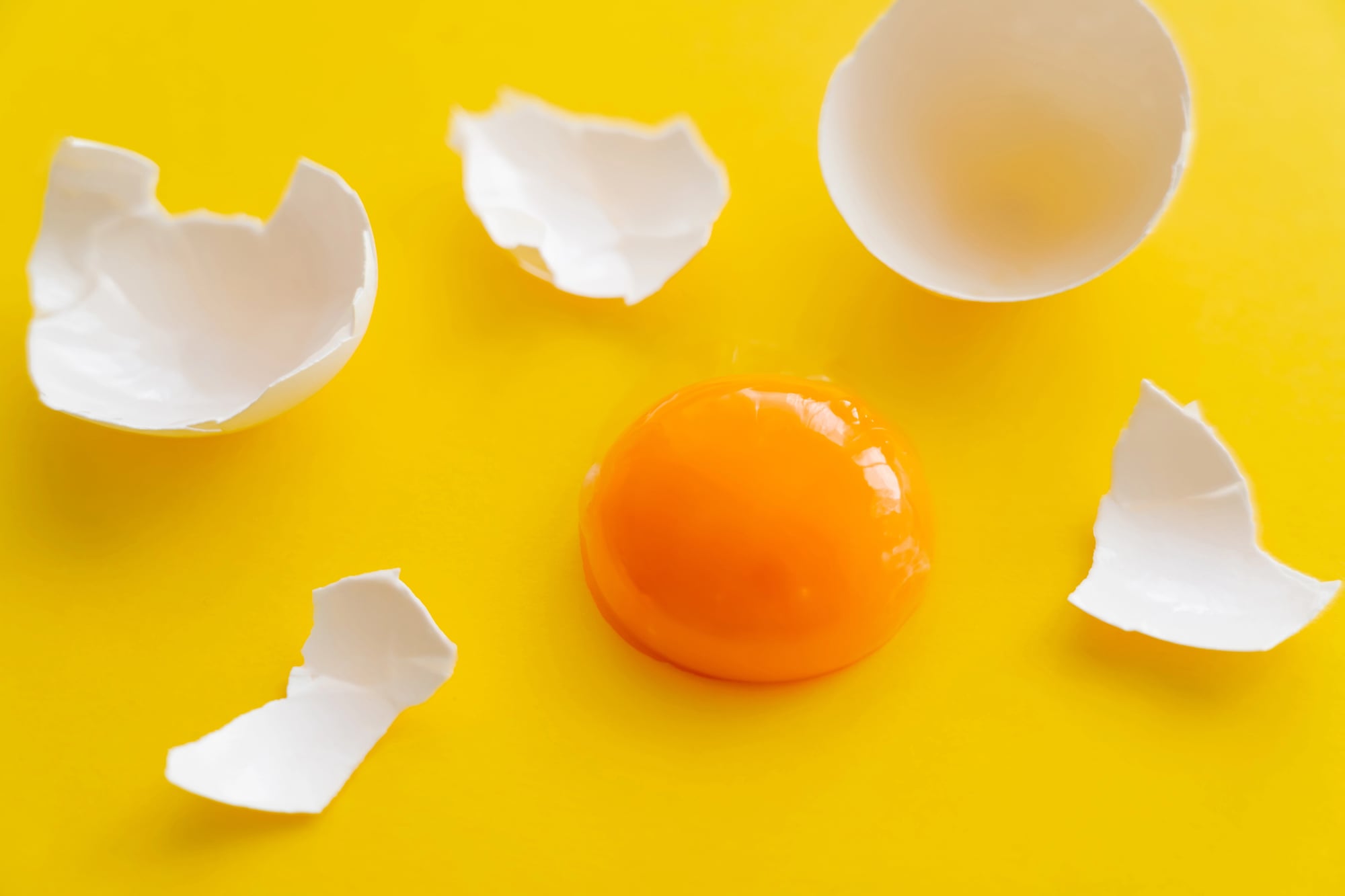
Think of an eggshell as a city you can eat (though you probably shouldn’t). It breathes through thousands of microscopic pores — around 7,500 to 17,000 per shell — that let air and moisture pass through while keeping bacteria out, most of the time anyway.
And here’s where it gets interesting: the shell continues changing throughout incubation, becoming thinner as the chick inside pulls calcium from it to build its bones, which means the very thing protecting the developing bird is also being slowly consumed by it (nature’s version of eating the house while you’re still living in it), and by the time the chick is ready to hatch, the shell has become just fragile enough to break from the inside but — and this is the part that feels almost planned — still strong enough that it won’t collapse from outside pressure.
So the shell is essentially a self-timing mechanism. Remarkable, really.
Double-Yolk Eggs Come From Young Hens
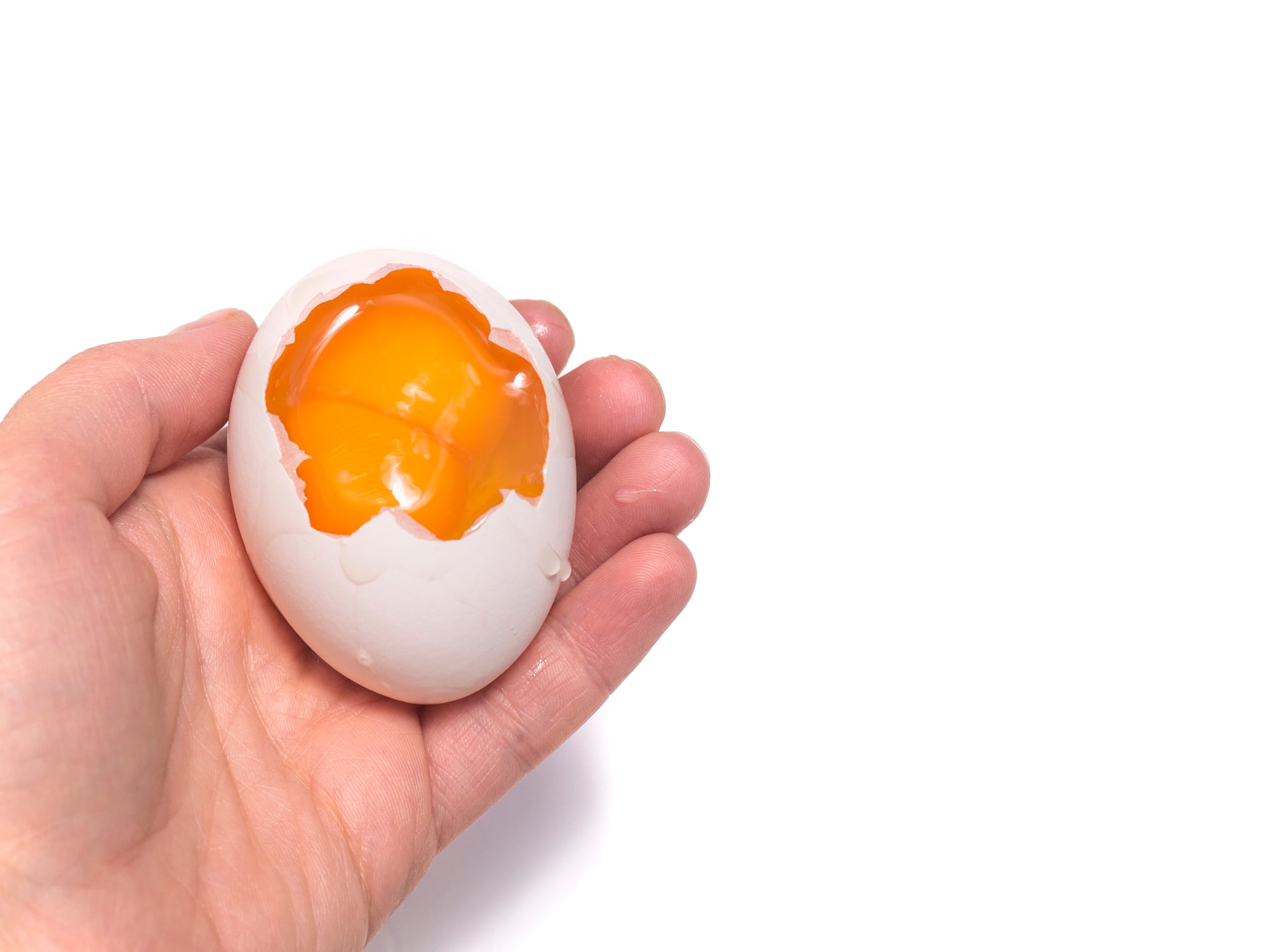
Double-yolk eggs happen when a hen’s reproductive system hiccups and releases two yolks into the same shell. Young hens do this more often because their egg-laying machinery is still figuring itself out.
It’s like a printer that occasionally spits out two pages stuck together — not broken, just inconsistent.
You Can Tell How Fresh An Egg Is By Dropping It In Water
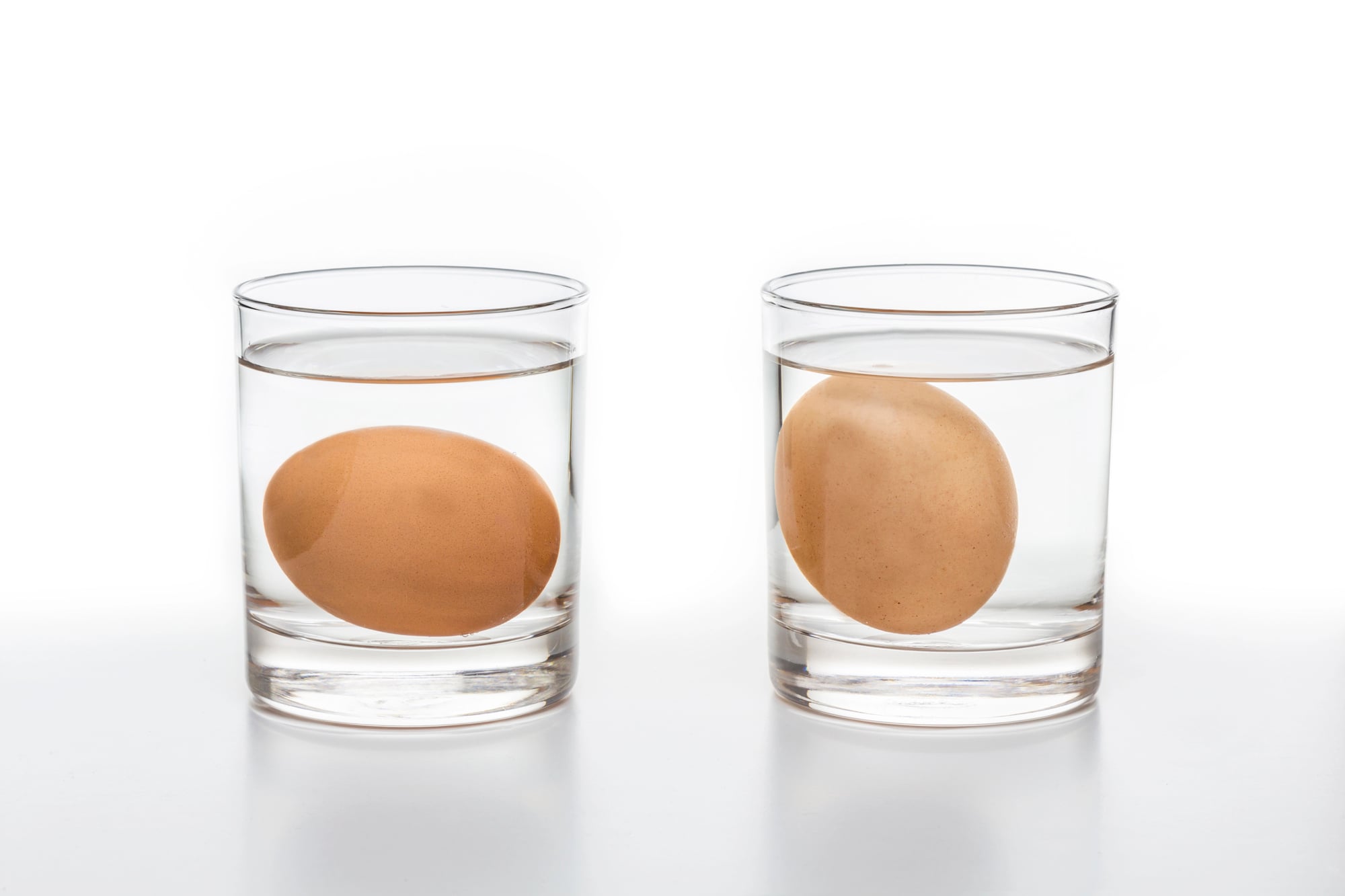
Fresh eggs sink and lie flat on their sides because the air pocket inside is tiny. Old eggs stand upright or float because that air pocket has grown as moisture escapes through the shell over time.
The egg isn’t necessarily bad if it floats, but it’s been around long enough to develop opinions about things, and those opinions probably don’t align with your breakfast plans.
Egg Yolk Color Depends On What The Hen Eats
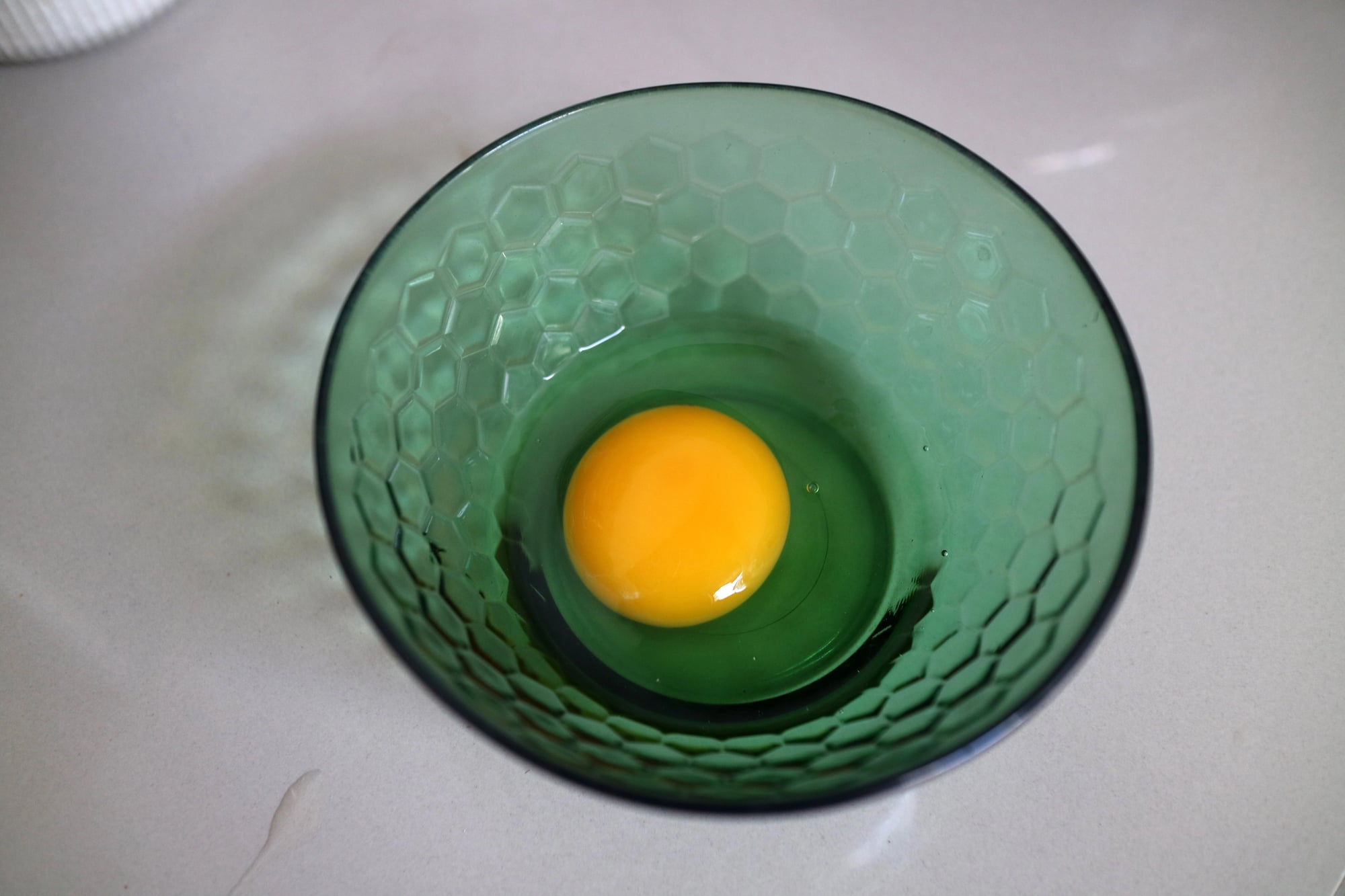
That bright orange yolk from the farmers market isn’t just for show — it reflects a diet rich in carotenoids from things like marigold petals, red peppers, or leafy greens. Factory-farmed hens eating mostly corn and soy produce pale yellow yolks that look anemic by comparison.
Some commercial producers add artificial colorants to make their yolks more appealing, which is like putting makeup on nutritional deficiency and calling it beautiful.
Cold Eggs Don’t Whip Into Meringue
Cold egg whites actually separate and whip more quickly than room temperature ones, which is why professional bakers separate eggs straight from the fridge. However, room temperature egg whites whip into greater volume and create more stable peaks because the proteins have more flexibility when warm.
So the ideal method is to separate eggs while cold (easier separation), then allow the whites to come to room temperature before whipping for maximum volume and stability.
The Egg Industry Has Been Lying About Refrigeration
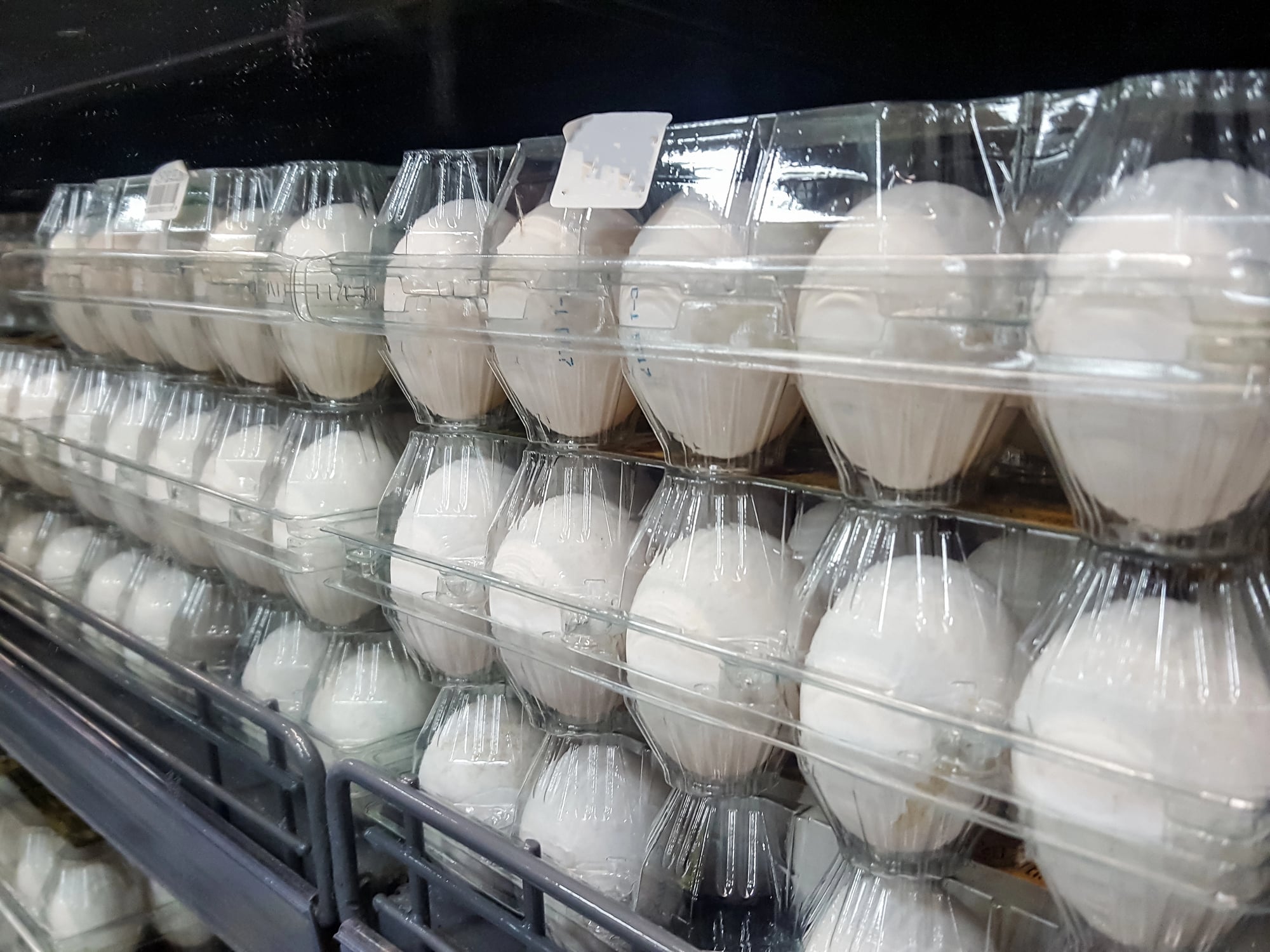
Most of the world doesn’t refrigerate eggs, and they’re fine (the eggs survive this treatment better than most people’s assumptions about food safety do, which says something about how effectively the American food industry has convinced everyone that room temperature eggs are basically poison waiting to happen, when in reality the United States is one of the few countries that washes eggs so aggressively that it removes the natural protective coating, making refrigeration necessary in the first place — so we created a problem and then solved it with cold storage, which is peak American food policy).
And yet Europeans buy eggs off unrefrigerated shelves and somehow avoid mass food poisoning. The difference comes down to vaccination programs and processing methods, not superior refrigeration technology.
Fertilized Eggs Taste The Same As Unfertilized Ones
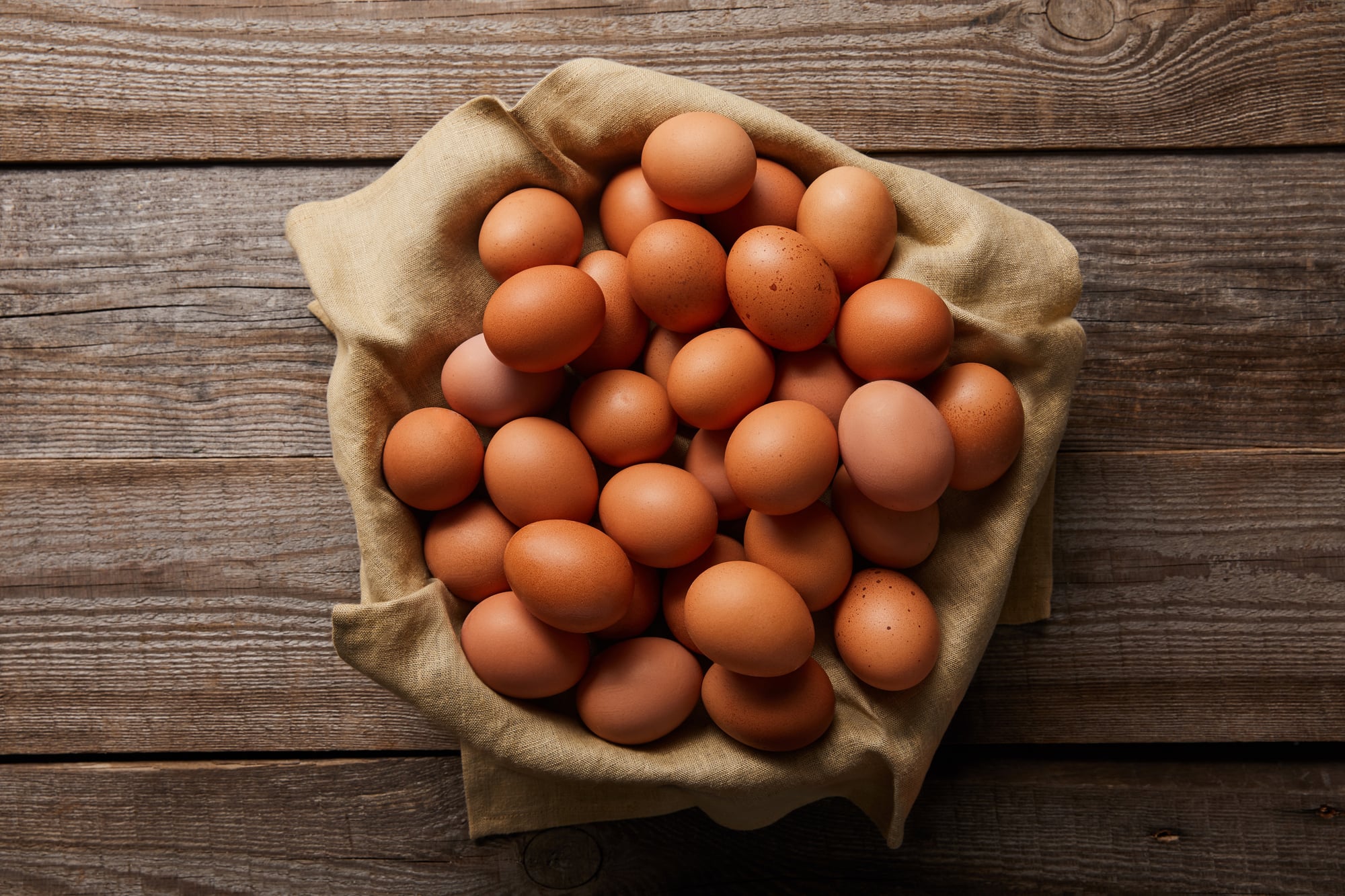
That little white spot (the blastodisc) you sometimes see on a yolk doesn’t change the flavor at all. Unless the egg has been incubated for days — in which case you have bigger problems than taste — a fertilized egg is just an unfertilized egg with potential.
The rooster’s contribution is purely genetic, not culinary.
Eggs Age Faster At Room Temperature
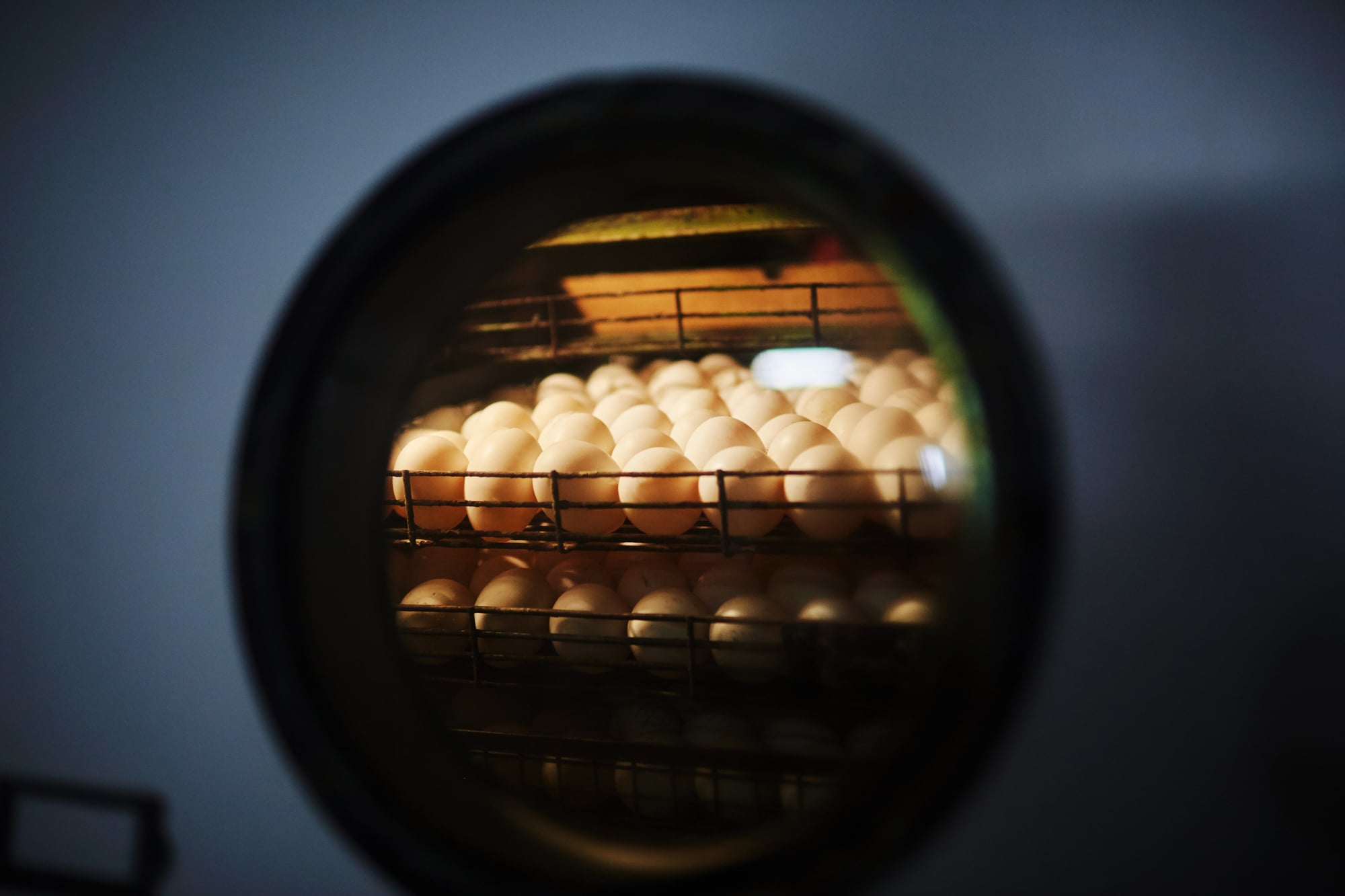
Time moves differently for eggs depending on where they live. An egg left on the counter for one day ages the equivalent of a week in the refrigerator.
This isn’t opinion or rough estimate — it’s measurable deterioration happening in fast-forward, like watching a time-lapse video of something wilting.
Green Eggs Are Real And They’re Spectacular
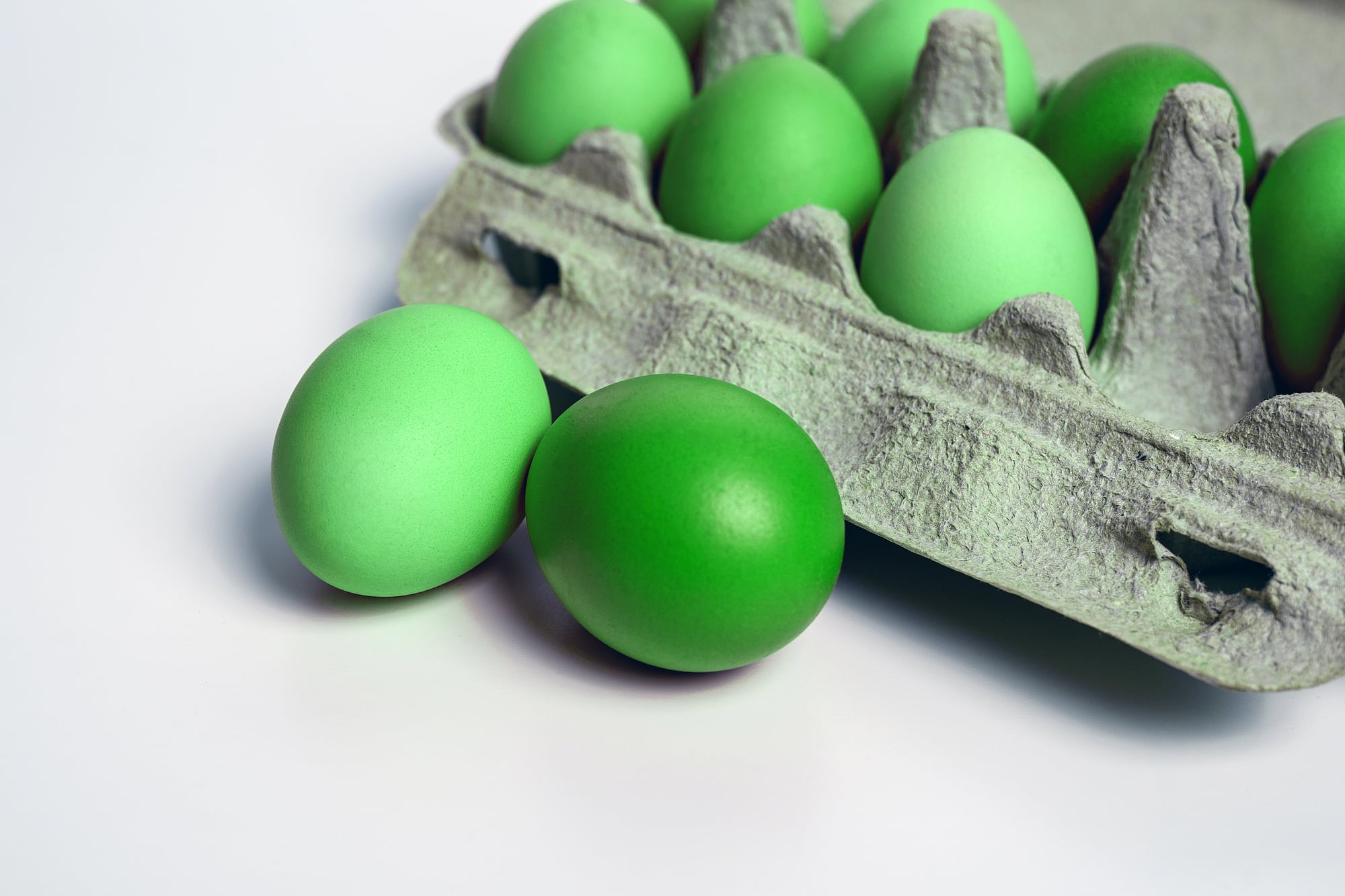
Certain chicken breeds lay eggs with blue or green shells, thanks to a genetic quirk that deposits biliverdin pigment during shell formation. The Araucana and Ameraucana breeds are famous for this, producing eggs that look like they belong in a Dr. Seuss book but taste exactly like regular eggs.
Nature occasionally decides to be whimsical, and green eggs are proof.
Egg Whites Were Once Used As Mortar
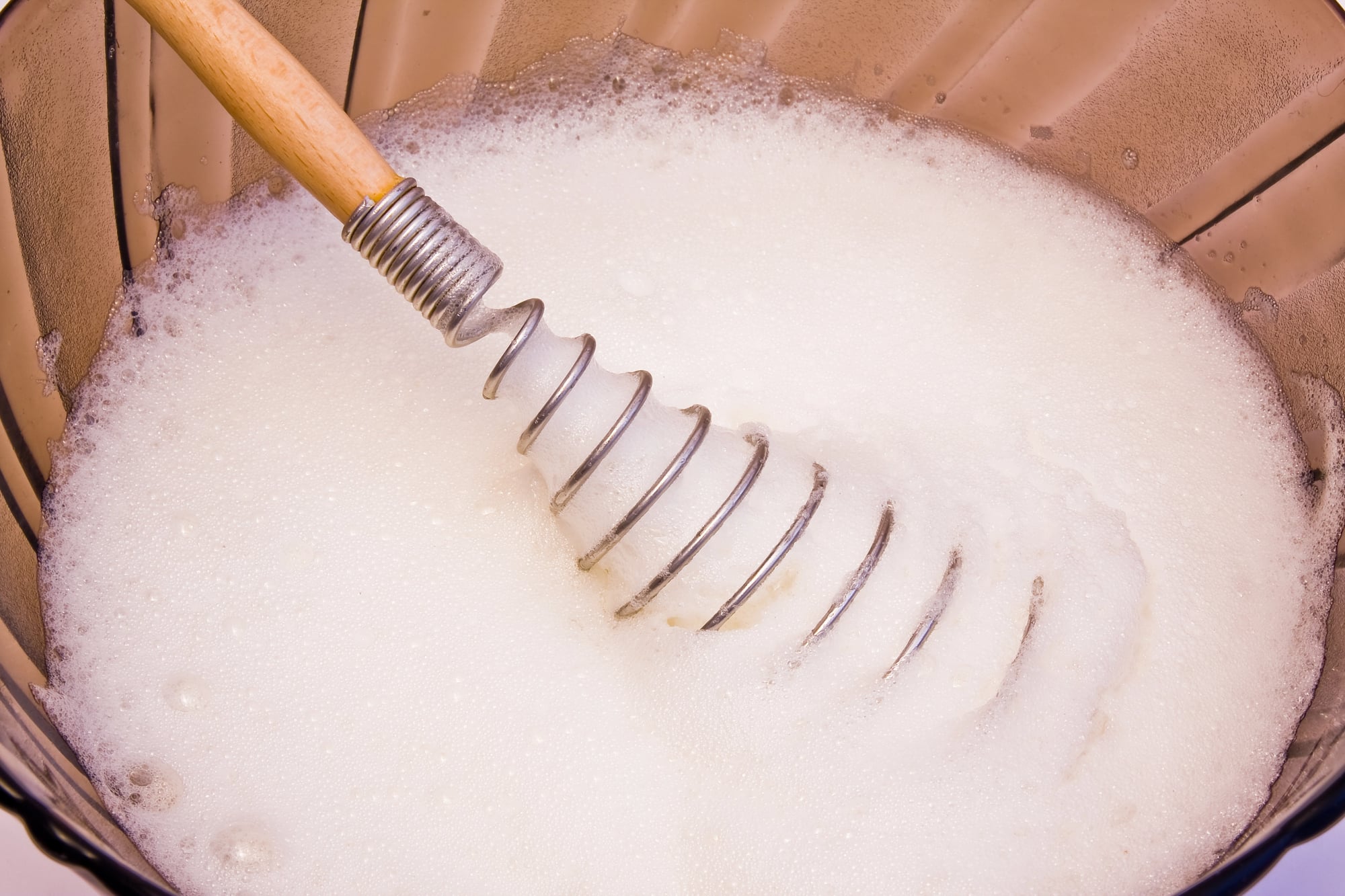
Before modern construction adhesives, egg whites mixed with lime created a surprisingly durable mortar that could last centuries. Some historical buildings in Asia still stand today held together partly by eggs, which means countless chickens unknowingly contributed to architecture that outlasted entire civilizations.
The proteins in egg whites create strong bonds when they dry — strong enough to stick bricks together indefinitely.
Duck Eggs Are Superior For Baking
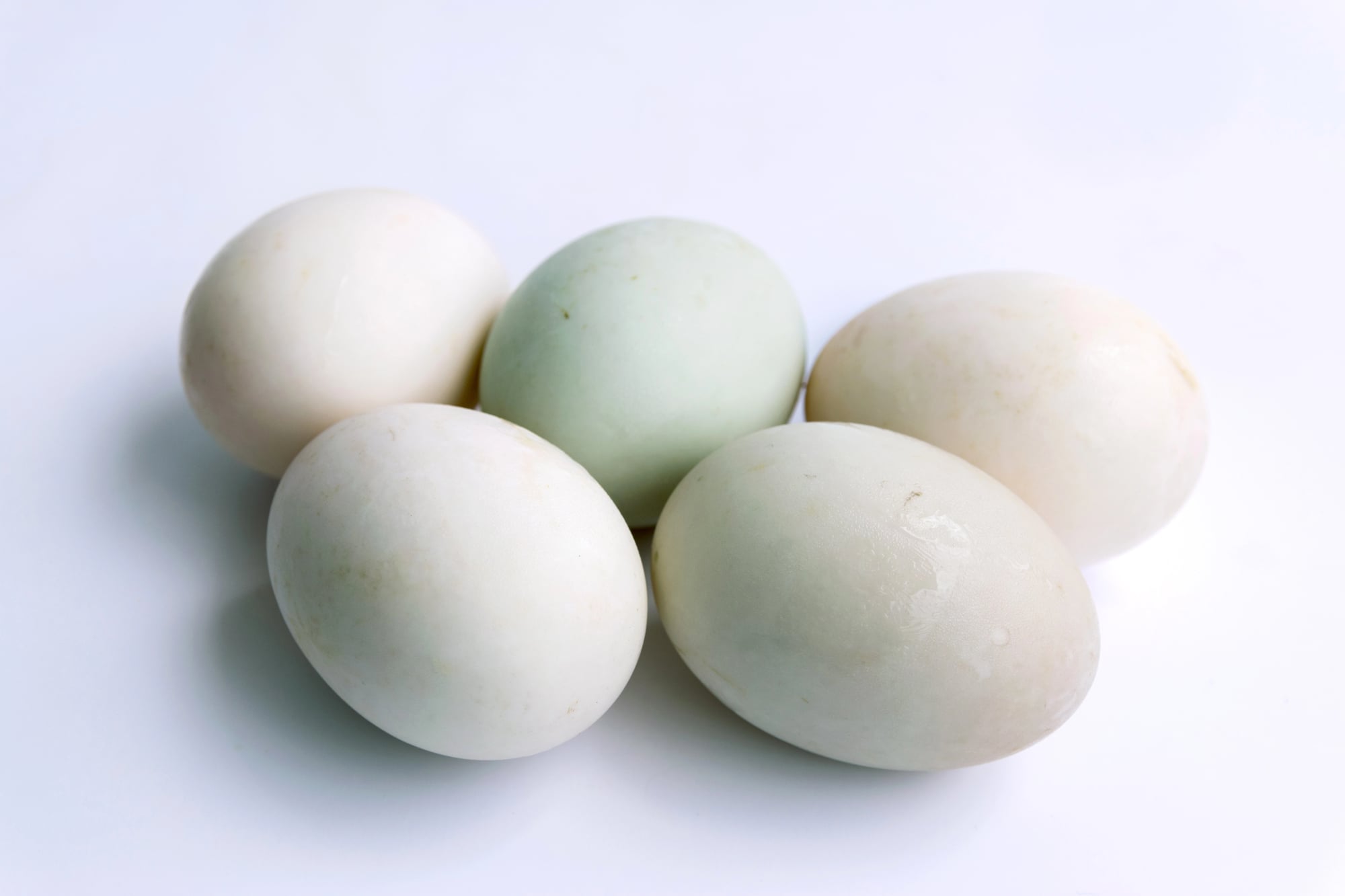
Pastry chefs often prefer duck eggs because they have larger yolks with more fat, which creates richer, more tender baked goods. The shells are also thicker and less porous, so duck eggs stay fresh longer than chicken eggs.
They taste slightly richer too, though not dramatically different — imagine chicken eggs that went to finishing school and learned better manners.
You Can Preserve Eggs In Lime Water For Months
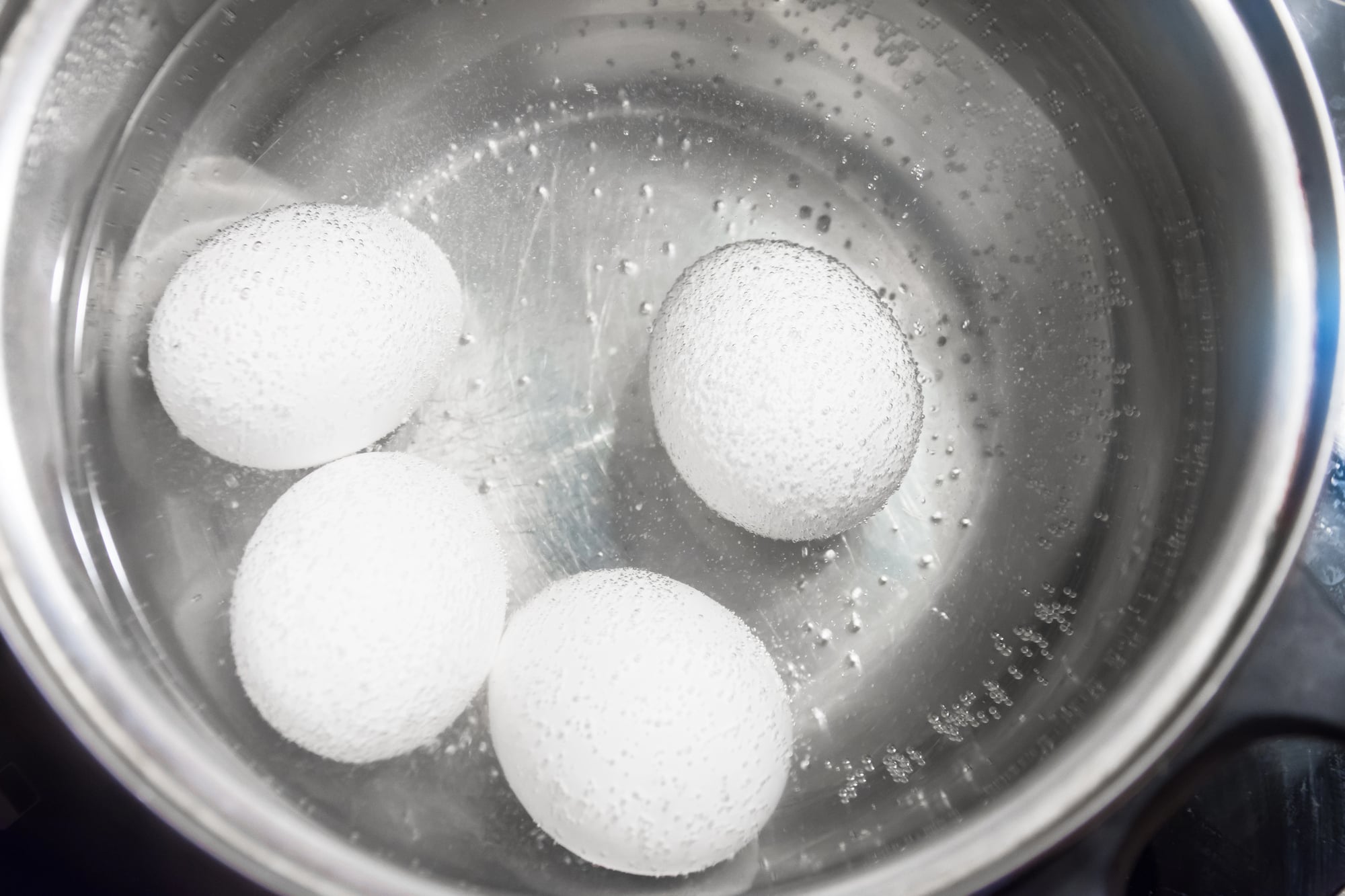
Before refrigeration, people stored eggs in a solution of lime (calcium hydroxide) and water that sealed the pores in the shell and kept eggs fresh for up to eight months. The lime water creates an alkaline environment that prevents bacteria growth while keeping the eggs perfectly edible.
This method still works today, though explaining to dinner guests why you keep eggs in a bucket might require some social maneuvering.
Eggs Have Been Spinning Since Ancient Times
The earliest documented egg recipes date back to ancient Egypt and China, as well as ancient Rome, where eggs served multiple culinary purposes as both appetizers and desserts, sometimes mixed with honey and pepper in combinations that sound questionable by modern standards. These ancient civilizations recognized eggs as valuable food sources.
The symbolic meaning of eggs as representations of new life and rebirth appears across many ancient cultures, and eventually contributed to various cultural traditions involving decorated eggs, though the direct connection between ancient decorative practices and modern Easter eggs represents a complex historical evolution rather than a simple lineage.
The Perfect Scramble Takes Patience
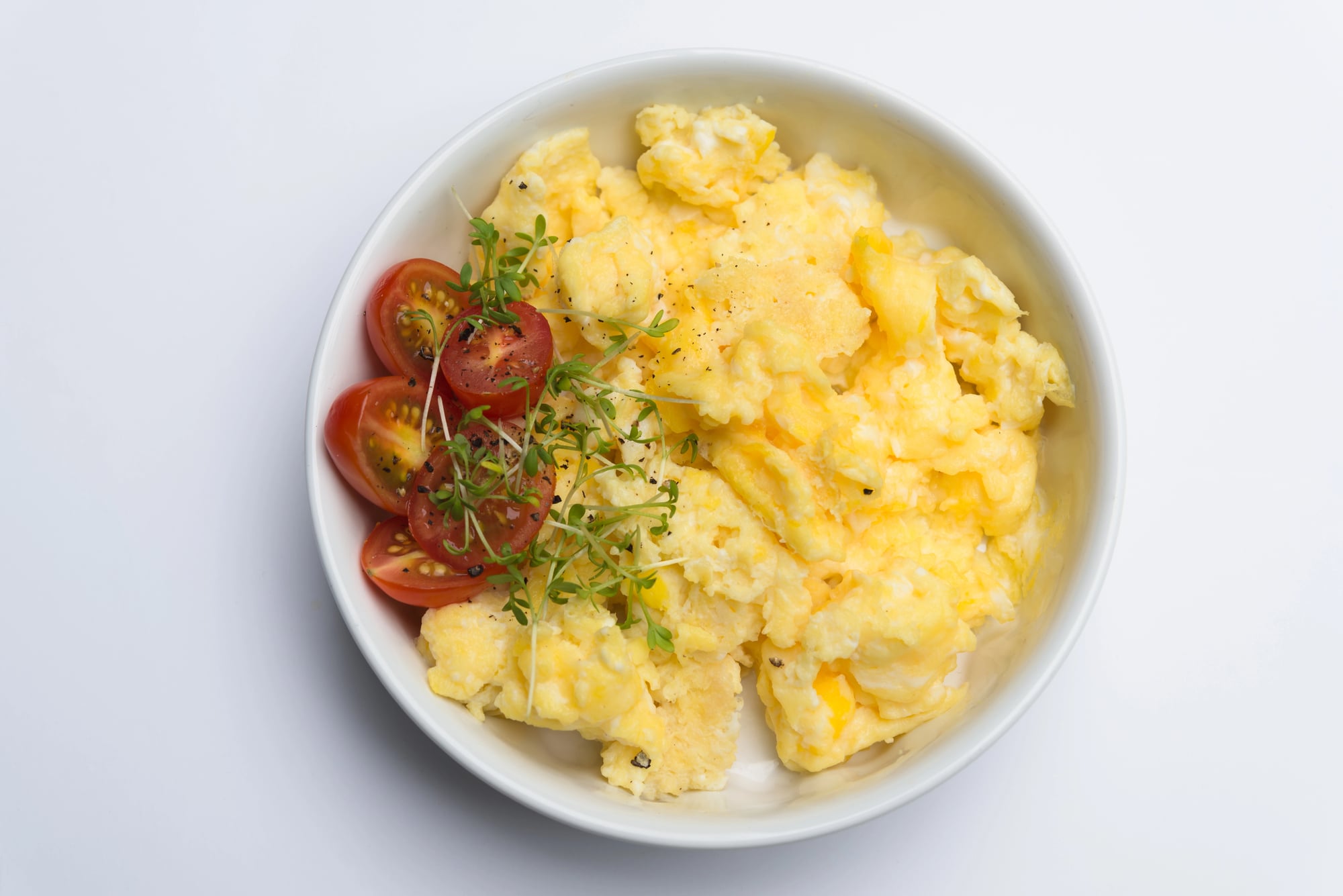
Great scrambled eggs aren’t about technique as much as they are about time. Low heat, constant stirring, and the willingness to stand there for longer than feels reasonable produces eggs that are creamy rather than rubbery.
Most people cook eggs too fast because waiting feels unnecessary, but eggs reward patience the way few other foods do — they transform from liquid to silk rather than liquid to rubber, and that transformation happens slowly or not at all.
More from Go2Tutors!

- The Romanov Crown Jewels and Their Tragic Fate
- 13 Historical Mysteries That Science Still Can’t Solve
- Famous Hoaxes That Fooled the World for Years
- 15 Child Stars with Tragic Adult Lives
- 16 Famous Jewelry Pieces in History
Like Go2Tutors’s content? Follow us on MSN.