Music Genres with Unexpected Origins
Music pops up in weird spots when you’re not looking. A tune that feels fresh might actually stitch together old beats from far-off corners.
Plenty of hits we hear now began in side streets, homesick communities – or just lucky mistakes no one saw coming. Check out the wild tales behind a few styles that totally shifted how folks enjoy tunes.
Heavy metal came from the blues
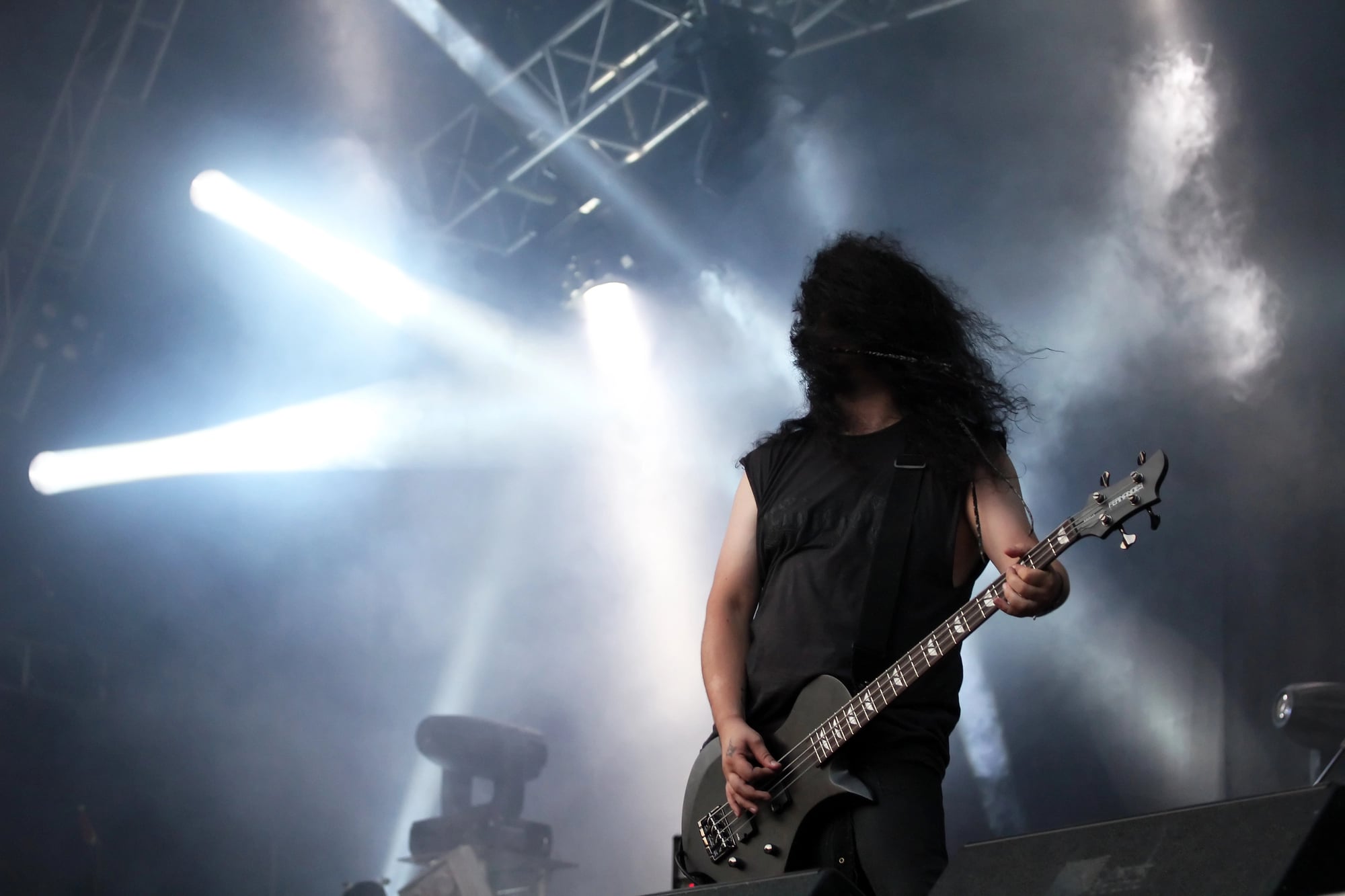
Heavy metal feels raw, explosive – truth is, its roots trace back to the blues. Acts such as Black Sabbath or Led Zeppelin borrowed deep, feeling-laden riffs from Southern blues artists, then turned the amps way up.
Distortion came in; sounds got heavier, grittier. That sorrow once sung about struggle shifted into furious energy with time.
If it weren’t for vintage blues vinyls spinning across the Deep South, this whole genre wouldn’t even be around.
Hip hop began during a celebration for someone’s birth
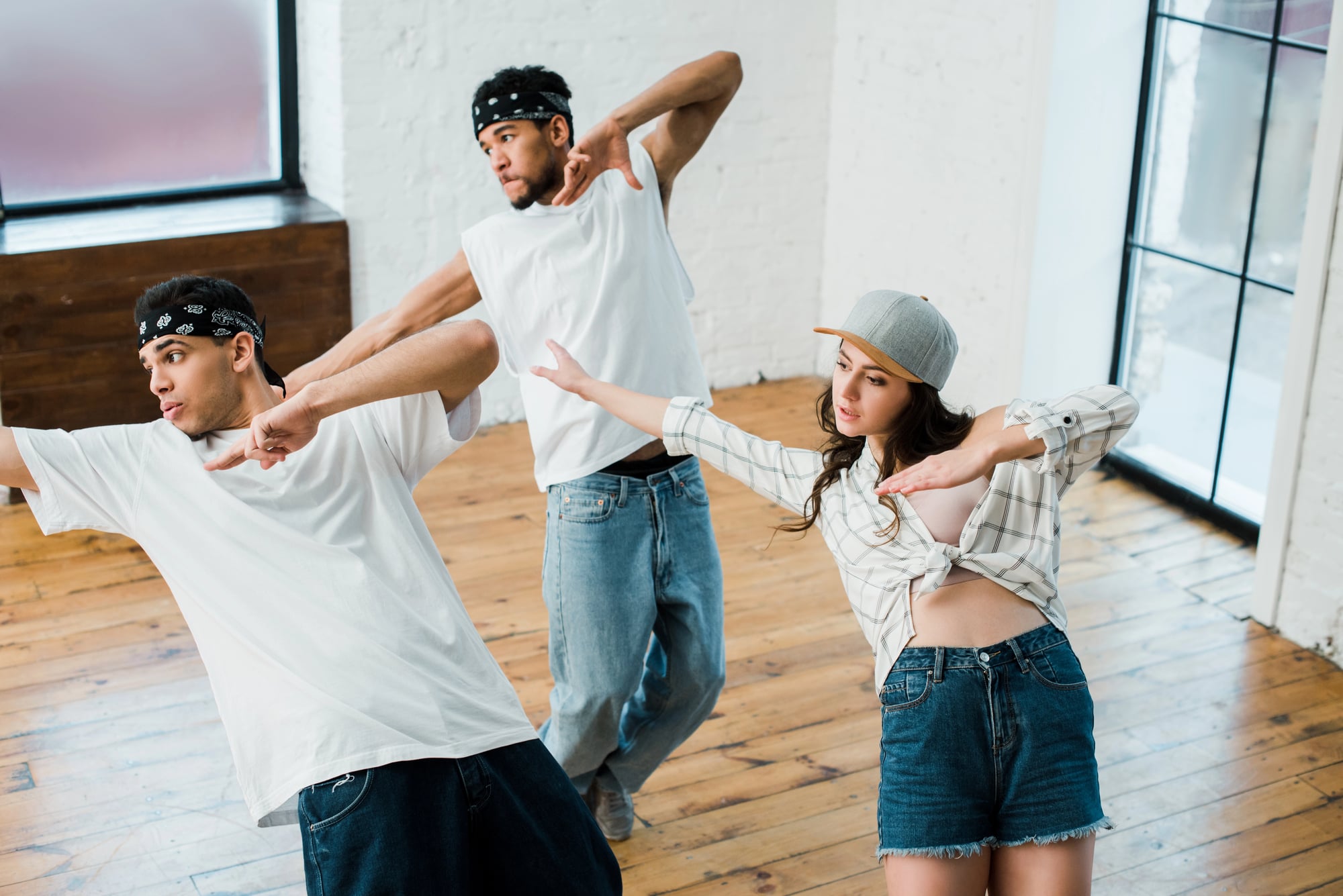
Hip hop wasn’t born in some fancy studio or big stage show. Nope – it kicked off at a casual school-bash throwdown in the Bronx, way back in ’73.
Over at his sister’s birthday jam, DJ Kool Herc was on the decks when he stumbled onto a slick move – repeating those hot instrumentals folks went wild for; by switching between two record players, he stretched the groove out further. This basic hack during a neighborhood get-together snowballed into a full-blown global scene ruling today’s playlists.
Just one kid aiming to pump up the vibe rewired sound history.
Country music has Caribbean roots

Country tunes feel like classic Americana, yet roots trace back to Caribbean newcomers. That twanging banjo – the heart of old-time sounds – originated in West Africa, carried by enslaved souls through the Caribbean.
Once those beats drifted into Appalachian hollows, they blended with European fiddle styles brought overseas. The sharp drawl and groove tied to hillbilly ballads? Actually grew from island rhythms far across the sea.
Turns out, those highland harmonies carry a hidden island pulse most never notice.
Reggae evolved from American radio broadcasts
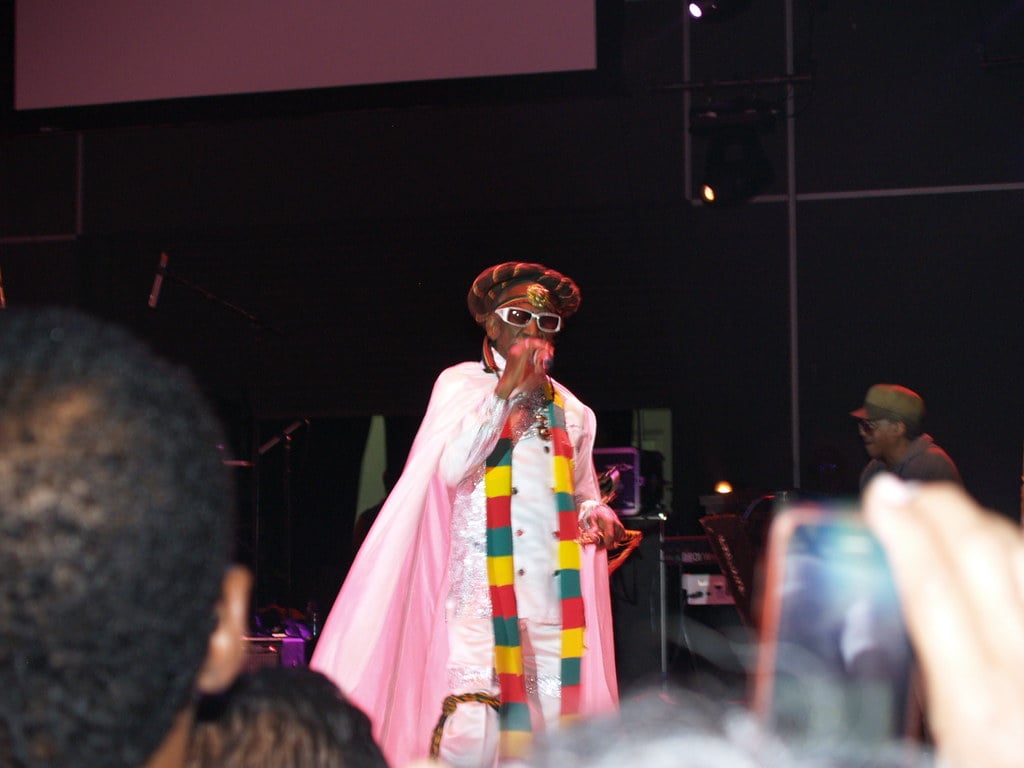
Reggae sounds totally rooted in Jamaica. Yet its beginnings trace back to Kingston players trying to mimic R&B picked up from U.S. radio waves.
Signals from New Orleans floated over the sea after dark. Local musicians were hooked by the groove but struggled to match it using their own gear – what emerged was deeper, laid-back, marked by that sharp off-rhythm guitar stab now linked to the genre.
An imperfect copy turned into a global sonic signature.
Punk rock took cues from gritty garage groups

Punk’s seen as wild and defiant, but its noise came right out of scrappy 1960s garage acts. Bands such as The Sonics or The Kingsmen blasted quick, basic tunes since they couldn’t pull off slick stuff.
Come the ’70s, punk outfits dug up those scratchy tracks, spotting how messy playing felt real – so they made roughness cool on purpose. What began with teens clanging around in home garages morphed into a revolt against anything fussy.
Electronic dance music rose after disco faded out
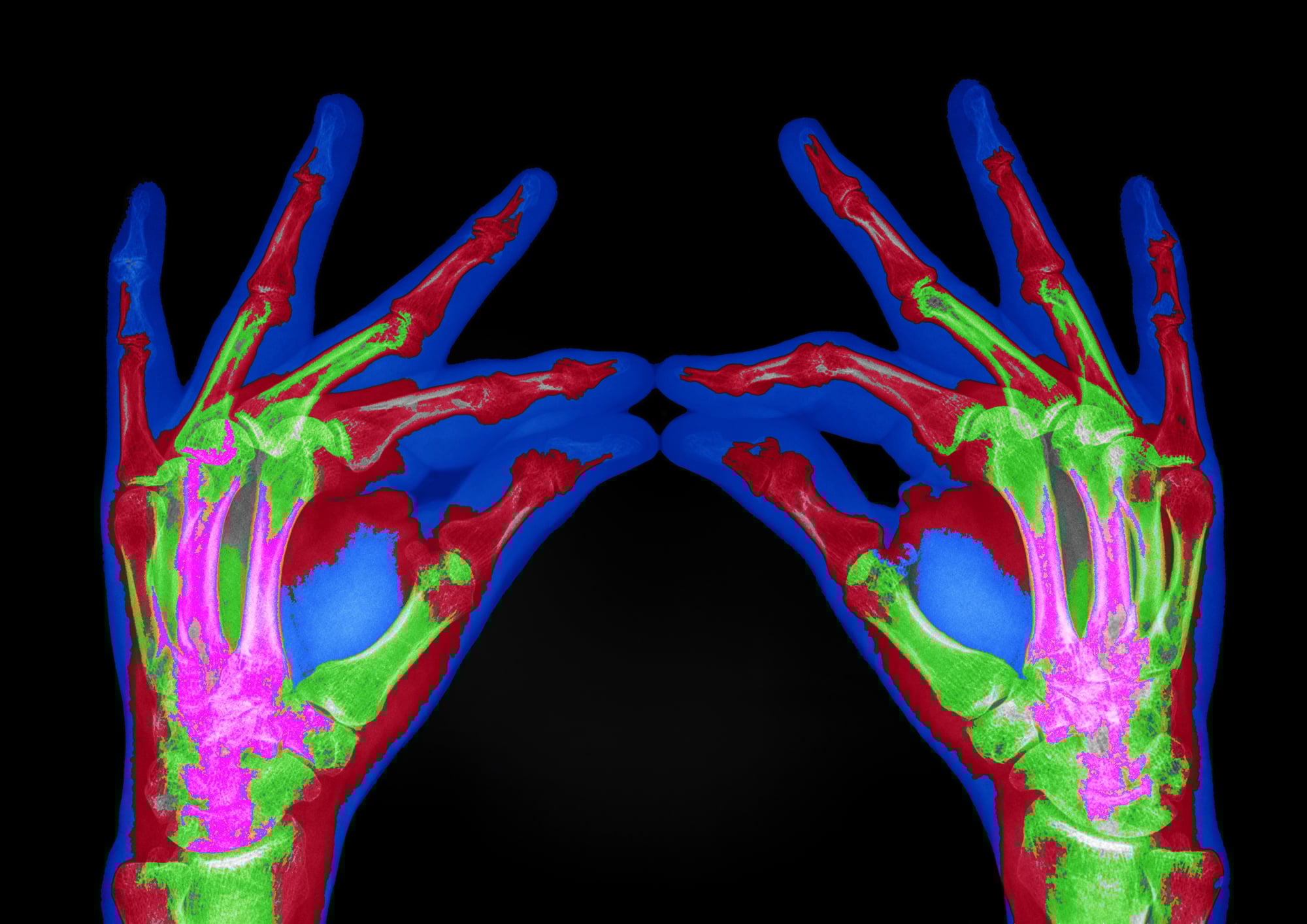
After disco faded in the early ’80s, Chicago’s DJs didn’t walk away – they pulled it apart, keeping only the core rhythms. Instead of live drums or traditional instruments, they turned to machines, programming synthetic pulses that felt fresh.
Out of sweaty basement parties, a sound emerged – house music – kept alive by Black and Latino dancers who refused to stop, long after pop culture had moved on. From there, those mechanical grooves slipped north to Detroit, mutating into colder, futuristic waves known as techno.
Then across the Atlantic, landing in European cities where local scenes twisted them further, spawning endless offshoots. One era ending opened doors to whole worlds of rhythm nobody saw coming.
Jazz began down where streetlights flickered late at night
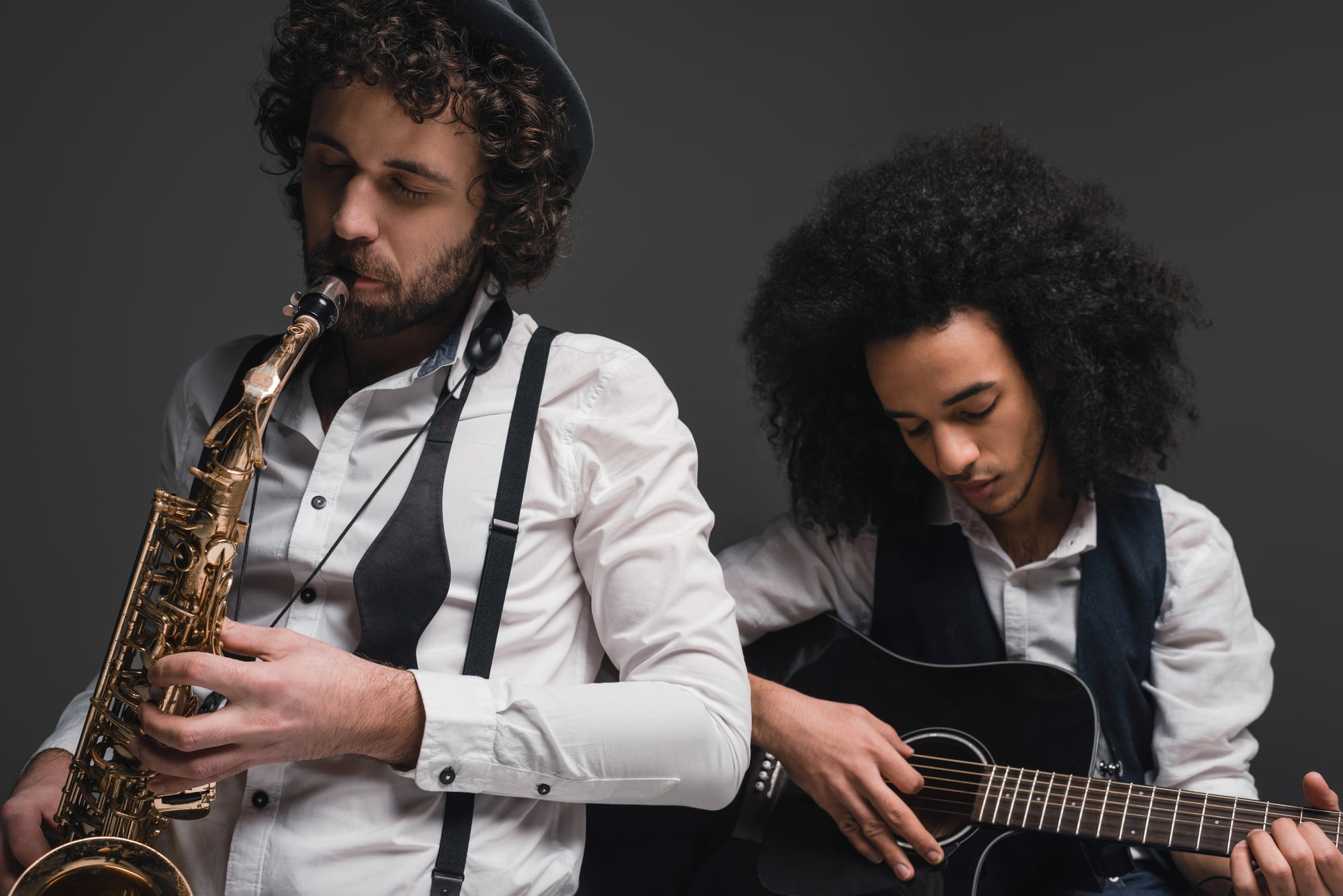
Jazz wasn’t born in fancy theaters or music schools. Instead, it sprouted up in smoky bars and shady spots across New Orleans near 1900.
Players performed where respectable folks wouldn’t go – stitching together ragtime, blues, and marching band tunes into a fresh sound. What makes jazz loose and spontaneous came from artists grinding in tough areas, needing to hold rowdy audiences’ attention for hours on end.
A style now picked apart by scholars began in corners of the city everyone else ignored.
Rock ‘n’ roll mixed gospel with blues
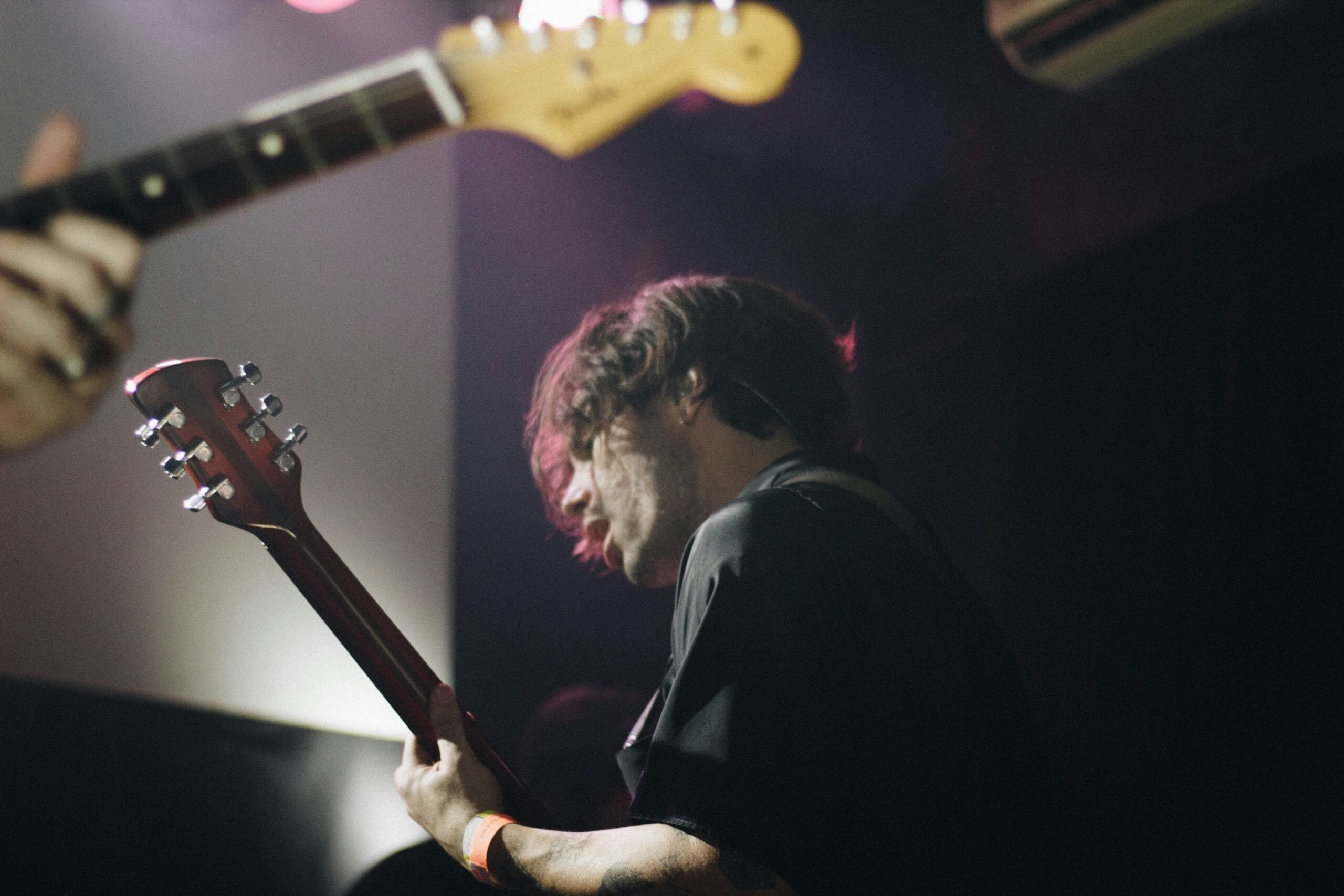
Rock ‘n’ roll grabbed the fire from gospel and fused it with raw blues vibes. Figures such as Little Richard or Sister Rosetta Tharpe channeled their church-trained power into tunes about love and wild moments – those pounding keys and strummed guitars once used for worship now roared in joy for everyday thrills.
Adults freaked out since they spotted familiar hymns turned into beats for shaking hips at parties.
Techno was invented in suburban Detroit
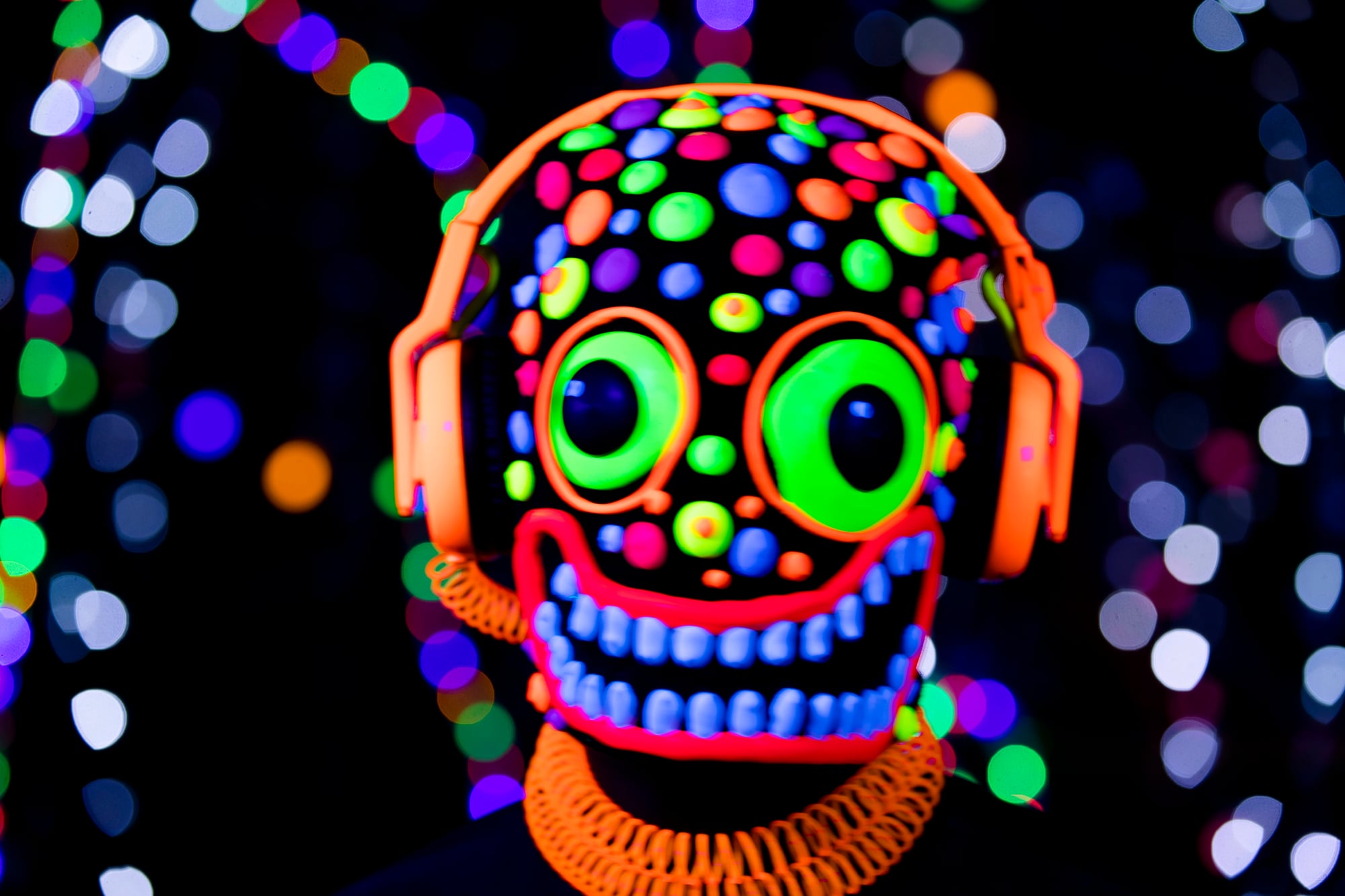
Techno feels like something from the future, tied to Europe in people’s minds. Yet it was actually dreamed up by three high schoolers in Belleville, Michigan – just outside Detroit.
Juan Atkins, Derrick May, and Kevin Saunderson loved German electronic tunes, but shaped them around life close to auto plants. Their sound? Repetitive, machine-like rhythms that mirrored the clang and grind of factory towns.
They created tunes that echoed tomorrow, yet lived somewhere frozen in yesterday. Across Europe, nightspots erupted over beats born in US neighborhood garages.
Bluegrass mixed Scottish and African music
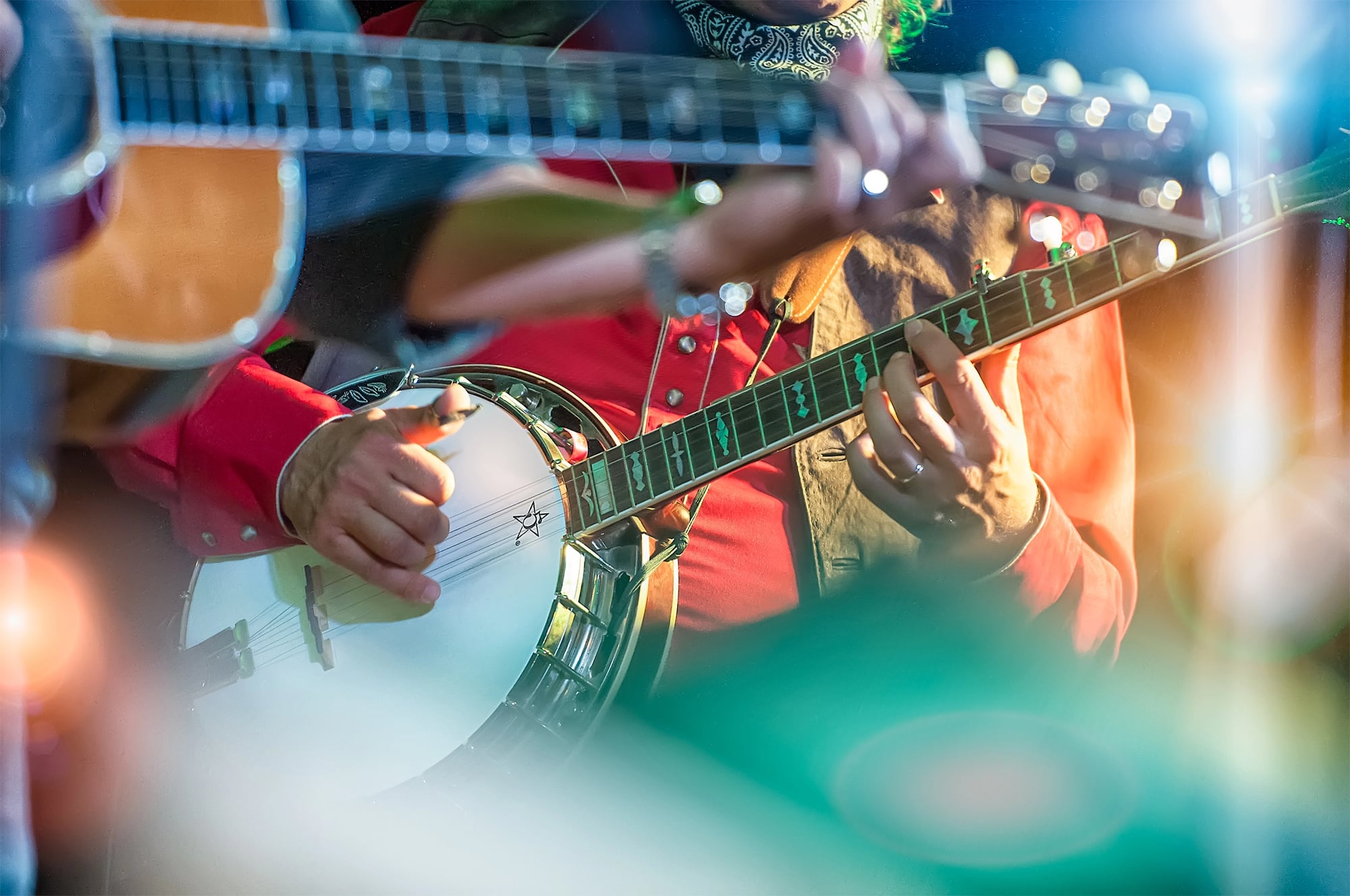
Bluegrass feels like old mountain heritage at first listen. Still, it’s really a mix of Scottish fiddle tunes blended with African-rooted banjo styles.
Scots settlers carried their quick, detailed playing into the hills – meanwhile, Black musicians passed down the banjo along with its driving grooves. By the 1940s, Bill Monroe stitched those pieces into something new that somehow felt timeless.
Out of two worlds and several traditions came a sound now seen as deeply American.
Grunge came from boredom in Seattle

Grunge popped up when teens in Seattle got fed up with slick rock clogging the radio by the end of the ’80s. Rain-soaked and stuck in a gritty urban zone, they didn’t vibe with L.A.’s shiny, wild music scene.
Bands such as Nirvana along with Soundgarden cranked out sludgy, raw takes on punk fused with metal – darker, weightier stuff. Those plaid tops and secondhand threads? Not some trend – they just wore what was around.
People dressed how they liked, in a place where no one stressed over appearances. Thanks to its remote location along with steady climate shifts, a unique music vibe emerged – later going global.
Salsa was invented in New York

Salsa doesn’t come from Latin America directly – it started in NYC. Back in the ’60s and ’70s, folks from Puerto Rico and Cuba brought beats from home, blending them with jazz plus local vibes.
A record company called Fania, based uptown in Manhattan, turned into its hub. Artists fed off city life – the rush, the mix of cultures – instead of island scenes.
This global dance hit grew outta apartments across the Bronx and parts of Manhattan.
Folk rock came about without planning
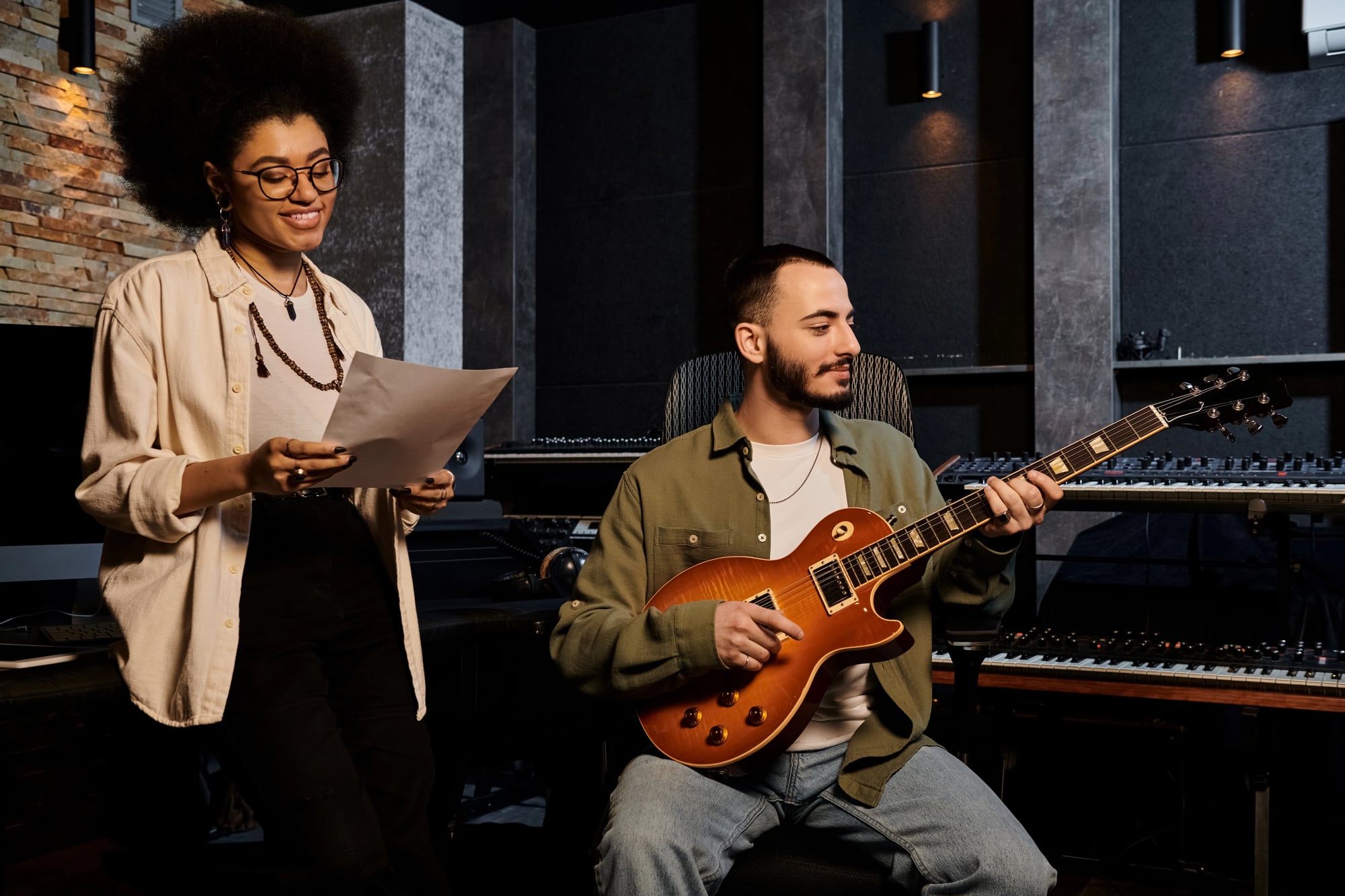
Bob Dylan stunned the crowd by grabbing an electric guitar at the 1965 Newport Folk Festival. Still, fans who loved old-school tunes jeered until he left the stage.
Yet – this clash sparked folk rock, mixing raw stories with loud amps and drums. Soon after, musicians jumped on board, seeing how deep words could pair with punchy rhythms.
Defying the past wound up building something fresh, almost without meaning to.
Funk emerged when jazz players started playing slower
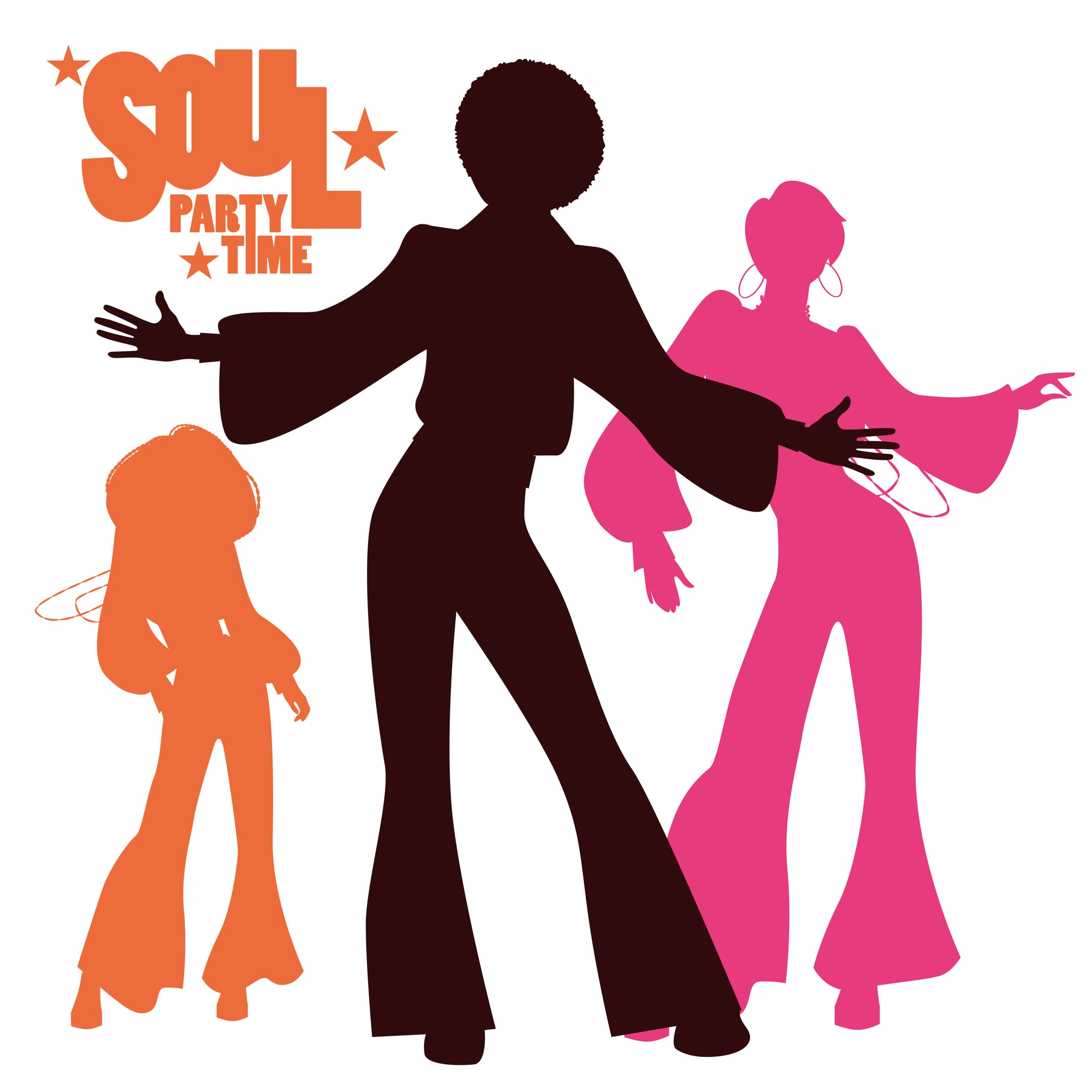
Funk came about after jazz players in the ’60s shifted attention from tricky tunes to solid beats. James Brown’s group cut out extras, letting drums and bass shine through.
Instead of aiming for deep ideas, they used jazz’s free-form energy to get folks moving. Each part of the music started serving the beat somehow.
Jazz intricacy didn’t vanish – it turned into a precise hunt for tight timing and feel.
Disco started in LGBTQ+ clubs at night

Back in the ’70s, New York’s hidden gay spots gave birth to disco – DJs spun soul, funk, alongside Latin grooves just to keep bodies moving nonstop. Those venues? Real sanctuaries for folks pushed aside elsewhere.
With its steady kick drum plus sweeping strings, the sound built a bubble far from everyday struggles. Once it hit the big time, hardly anyone noticed they were vibing to tunes made by sidelined groups.
Hottest dances of the era kicked off somewhere nobody was looking.
Death metal evolved in Florida swamps
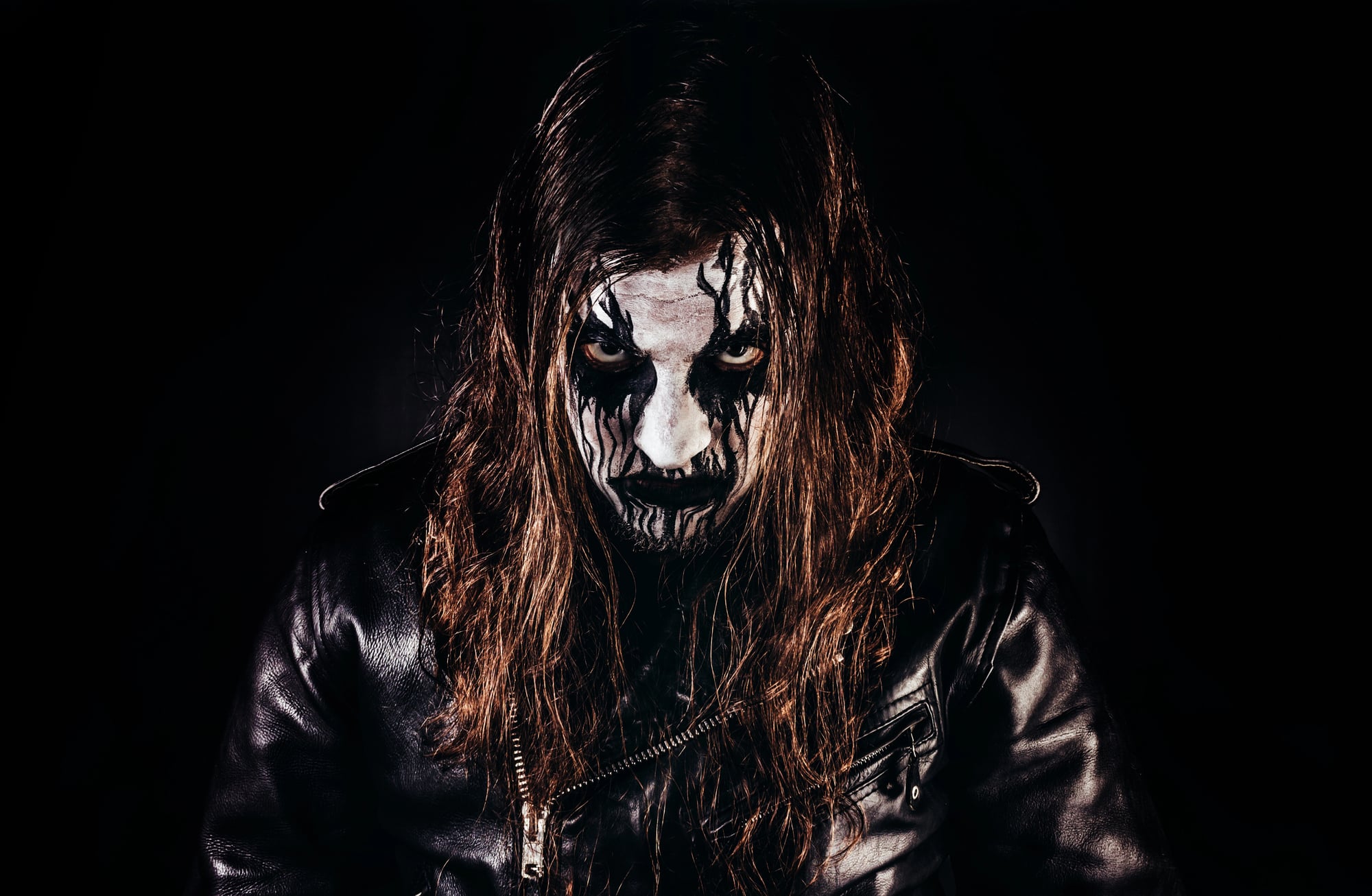
Death metal feels like it oughta rise from icy shadows – but nope, its biggest impact hit through Tampa, Florida. Groups such as Death and Morbid Angel dropped key records there, way out in a place famous for roller coasters and sand.
The sticky heat, the cut-off vibe of inland Florida somehow cooked up the harshest sound around. Rundown studios tucked into shopping plazas turned iconic for headbangers everywhere.
Sunshine city ended up sheltering sonic dread.
Synthwave emerged out of film scores

Synthwave feels old-school but it’s actually new, built around tunes from 80s sci-fi flicks. Back in the 2000s, musicians got hooked on synth-heavy tracks from movies such as Blade Runner or The Terminator instead.
They started crafting fresh beats copying those vintage styles – same drum boxes, same keys, down to the last tone. Out of this came a sound soaked in longing for a time many creators never lived through.
Old films, long since faded, still shape today’s tracks designed to mirror them note for note.
K-pop trained under American producers
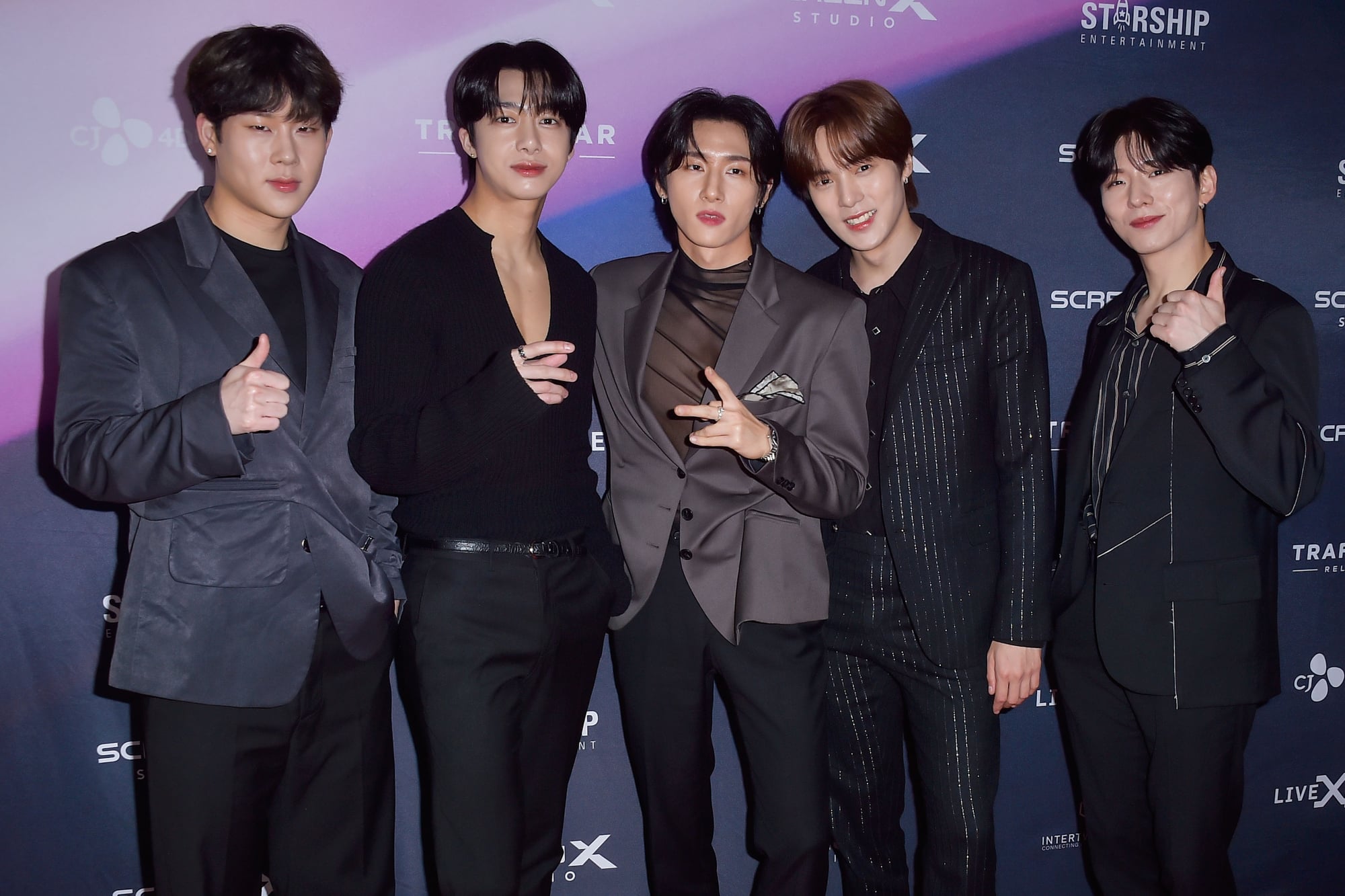
K-pop feels totally Korean at first glance – yet its current shape came from U.S.-based writers and music makers. Seoul labels brought in folks with credits next to names like Britney Spears or NSYNC to copy that factory-style setup overseas.
Instead of just copying, they cranked up the energy – longer prep phases, sharper dance moves, everything dialed higher. The result? A fresh-sounding genre rooted deep in old-school Western pop mechanics.
Local flavor reshaped foreign blueprints until fans everywhere started mirroring what Korea put out.
From what spot noises start, yet also where they end up heading

Music doesn’t care about lines on a map or what’s supposed to happen. One rhythm kicks off in a distant land, moves across oceans, then morphs into a whole new thing far away.
What folks assume is familiar? It’s likely born from hidden scenes and cultures most forget ever existed. Today’s hit tunes are simply fresh pages in tales rooted where you’d least expect.
Chances are, the future wave is already bubbling up in some garage or block no exec has noticed.
More from Go2Tutors!

- The Romanov Crown Jewels and Their Tragic Fate
- 13 Historical Mysteries That Science Still Can’t Solve
- Famous Hoaxes That Fooled the World for Years
- 15 Child Stars with Tragic Adult Lives
- 16 Famous Jewelry Pieces in History
Like Go2Tutors’s content? Follow us on MSN.