16 Facts About the Kennedy Dynasty
Power shaped the Kennedys, just as much as fame did, though luck played its part too. From Boston boardrooms to presidential campaigns, their path twisted through moments that changed how people saw leadership.
One generation built wealth; another chased laws and votes instead. Cameras followed them, yes, but so did questions – always lingering behind smiles.
Office doors opened wide, yet shadows stretched longer with each step forward. It’s the open book of their days that grips us most about the Kennedys, not merely influence – joy mixed with glare, events that bent time.
Not one towering name holds up what they stand for, instead it’s a chain of distinct souls shaping paths apart. Peeking behind the curtain reveals what truly shapes the Kennedys’ story.
A mix of public triumphs plus private struggles paints their path through history. Power often walked hand in hand with tragedy across generations.
Fame brought attention – yet not always kindness – from the spotlight. Choices made in quiet rooms echoed loudly beyond them.
Joseph P. Kennedy Sr.

At the center of the family’s rise was Joseph P. Kennedy Sr., a businessman with a sharp instinct for opportunity and influence. He built significant wealth through investments in banking, film, and other industries, creating a financial foundation that allowed his children to pursue public careers.
His tenure as U.S. Ambassador to the United Kingdom brought international exposure, though his views during that period drew criticism. Even so, his long-term vision for the family’s political future never wavered.
A Family Built for Politics

The Kennedy household was not a typical one, even by the standards of wealthy American families. Joseph Sr. and his wife, Rose Kennedy, raised nine children with a strong emphasis on discipline, education, and public service.
Dinner table conversations often revolved around current events and leadership, setting expectations early. The idea of entering politics wasn’t presented as a possibility but as a natural progression.
That environment helped shape a generation comfortable with scrutiny and responsibility.
John F. Kennedy’s Presidency

The election of John F. Kennedy in 1960 marked a turning point not just for the family, but for the country. As the youngest elected president at the time, he brought a sense of energy and modernity to the role.
His administration oversaw major events, including the Cuban Missile Crisis, which brought the world to the brink of nuclear conflict. His leadership during that tense period is still widely studied.
A Televised Era of Leadership

Kennedy’s presidency coincided with the rise of television, transforming how political figures were perceived. His debates and public appearances reached audiences in a more immediate and personal way than ever before.
This visibility helped craft an image of composure and confidence that resonated with viewers. At the same time, it set a new standard for how leaders communicated with the public.
The Influence of Jacqueline Kennedy

Behind the scenes, Jacqueline Kennedy Onassis played a significant role in shaping the administration’s cultural identity. Her focus on the arts, history, and preservation elevated the White House’s image both domestically and abroad.
She approached her role with a sense of purpose that extended beyond ceremonial duties. That influence helped define an era often associated with style as much as policy.
Robert F. Kennedy’s Political Rise

Robert F. Kennedy emerged as a powerful figure in his own right, serving as Attorney General during his brother’s presidency. Known for his intensity and commitment to civil rights, he became a central voice during a period of social change.
His later campaign for the presidency reflected a broader vision focused on unity and reform. His impact extended well beyond his official roles.
The Assassination of John F. Kennedy
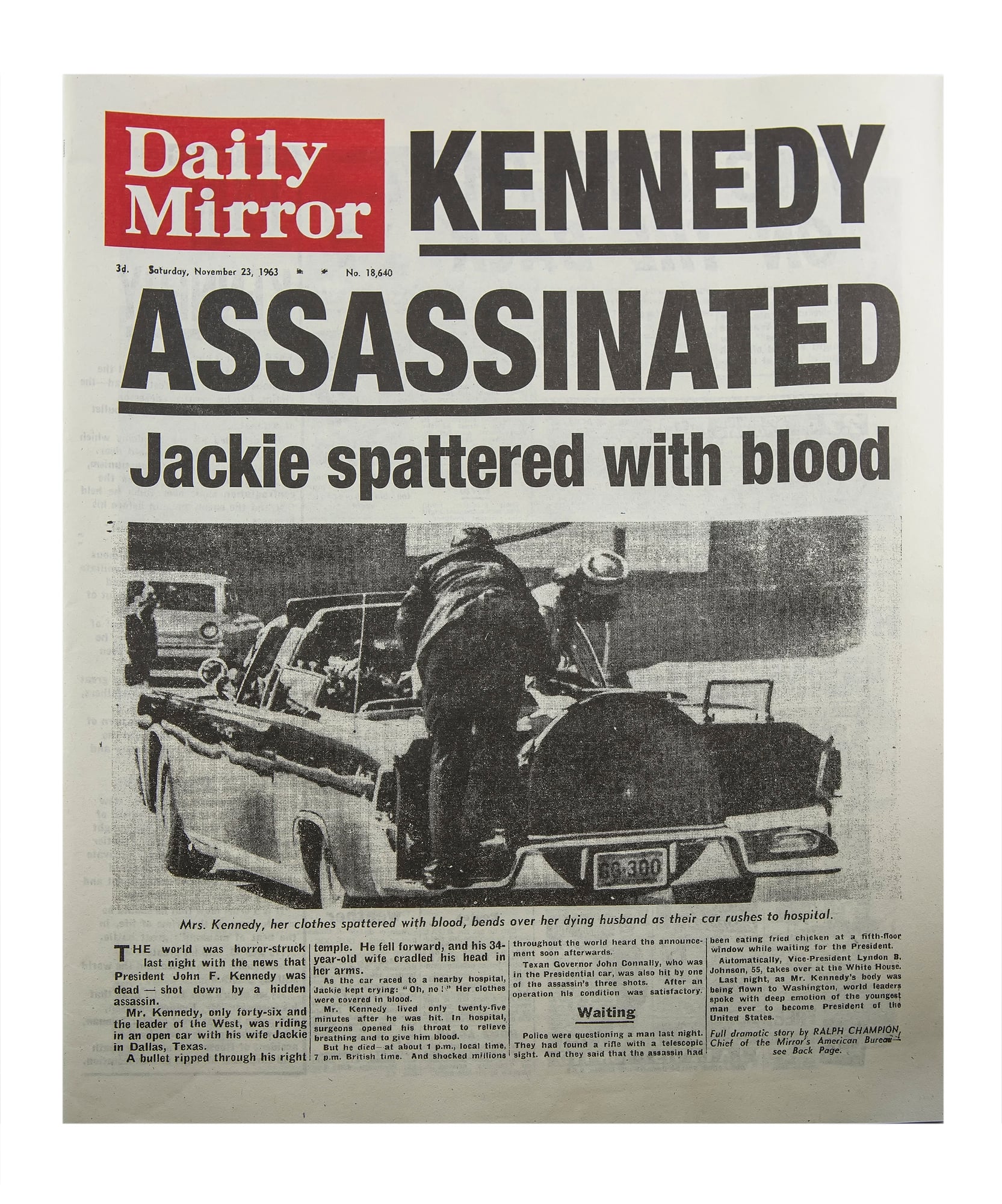
The Assassination of John F. Kennedy remains one of the most defining moments in modern American history. It not only ended a presidency but altered the trajectory of the Kennedy family itself.
The event was witnessed by millions through news coverage, creating a shared national moment of shock and grief. Its effects are still felt in discussions about leadership and security.
A Pattern of Public Tragedy

Over time, the family became associated with a series of high-profile losses that contributed to a narrative often described as a ‘curse.’ While that label simplifies a complex reality, the frequency of these events is notable.
From accidents to untimely deaths, the Kennedys faced challenges that unfolded under intense public attention. This pattern added a layer of mythology to their already prominent status.
Ted Kennedy’s Long Senate Career
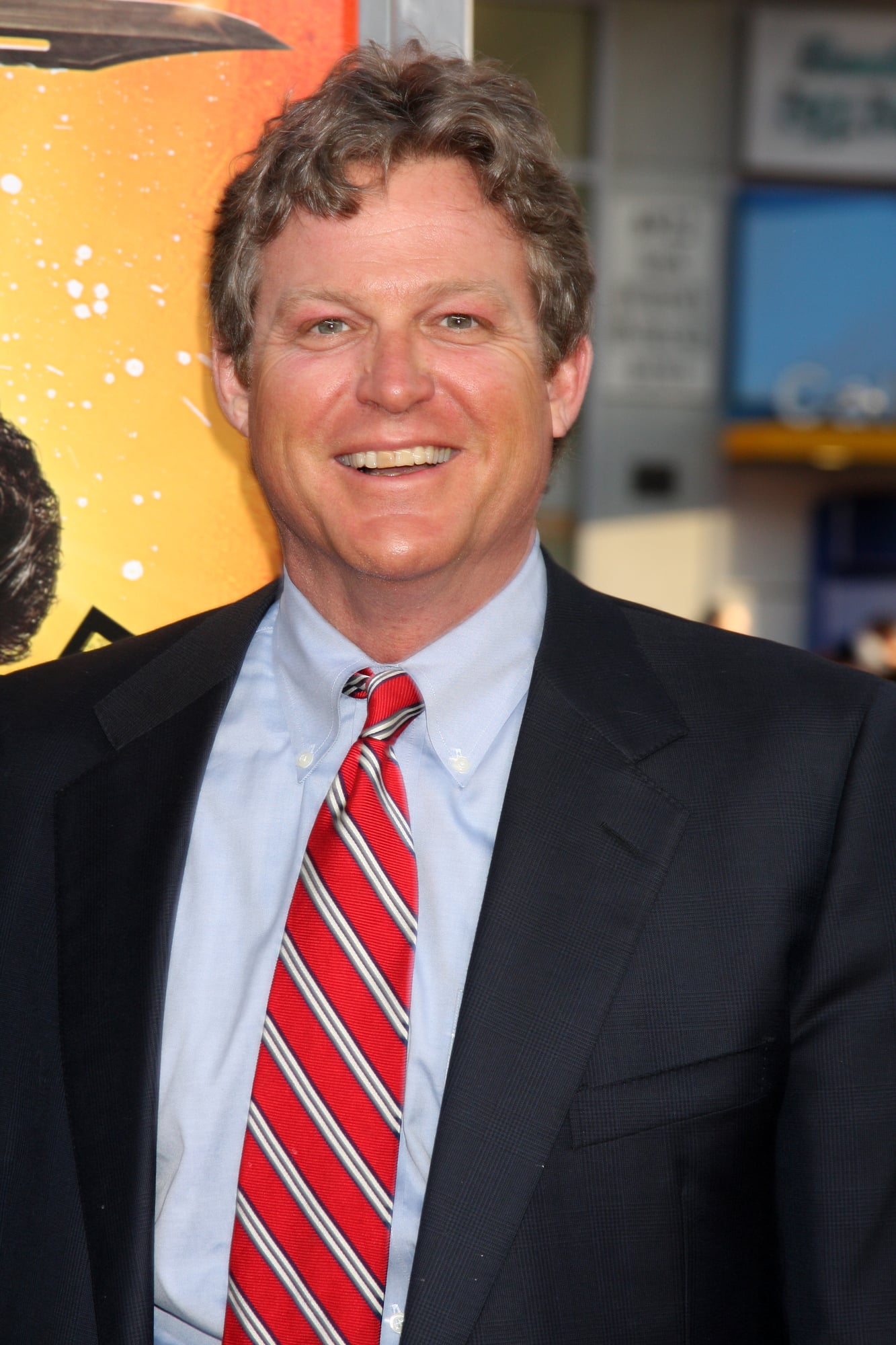
Ted Kennedy, the youngest of the Kennedy brothers, carried the family’s political presence forward for decades. His work in the Senate focused on healthcare, education, and civil rights, making him one of the most influential legislators of his time.
Despite controversies, his ability to navigate the political landscape remained strong. His career demonstrated resilience and longevity.
The Family’s Irish-American Roots

The Kennedy story is deeply tied to Irish-American identity, reflecting a broader narrative of immigration and upward mobility. Their success symbolized new opportunities for communities that had previously faced barriers in American society.
This connection helped build a strong base of support, particularly in urban areas. It also shaped how the family presented itself to the public.
A Reputation for Ambition

Ambition runs as a consistent thread through the Kennedy lineage, often described as both a strength and a source of pressure. Expectations within the family were high, with each generation encouraged to pursue leadership roles.
This drive contributed to their achievements but also created an environment where personal choices were closely examined. It’s a dynamic that continues to define their legacy.
Media Fascination and Public Image

Few families have been as closely followed by the media as the Kennedys. Their lives have been documented in newspapers, books, and documentaries for decades.
This level of attention has shaped public perception, sometimes blurring the line between fact and narrative. Even so, their ability to maintain relevance speaks to a carefully managed image.
The Next Generation

Members of the Kennedy family continue to appear in public life, though often in different capacities than their predecessors. Some have pursued political careers, while others have focused on advocacy, law, or environmental work.
This shift reflects broader changes in what influence looks like in modern society. The name still carries weight, but its expression has evolved.
A Legacy of Public Service

Despite the complexities surrounding the family, a commitment to public service remains a defining characteristic. From local initiatives to national leadership, the Kennedys have consistently engaged with issues affecting the wider community.
This focus has helped sustain their relevance across generations. It also reinforces the original vision set by Joseph Sr.
Cultural Impact Beyond Politics

The Kennedy dynasty has influenced American culture in ways that extend beyond policy and governance. Their style, relationships, and public appearances have all contributed to a broader cultural narrative.
References to the family appear in literature, film, and popular discourse. This reach highlights their role as both political figures and cultural icons.
The Enduring Name Recognition

Even decades after their peak political influence, the Kennedy name remains widely recognized. It carries associations of leadership, resilience, and complexity, all shaped by a long and public history.
That recognition ensures that each new development involving the family attracts attention. In many ways, their story continues to unfold in real time.
Why the Legacy Still Resonates

What keeps drawing people to the Kennedys is how their lives mix influence, hope, and raw fragility. Rising up, they carried drive along with chance.
When things went wrong, though, you saw what it costs to live under constant eyes. Because of this blend, their past seems far away at first – then suddenly close.
What holds things steady is why people still mention the Kennedys now. Not because power fits neatly into boxes, yet because big names bend under pressures they can’t steer.
What sticks around comes less from wins, instead from doubts their history drags forward – about duty, pressure, how much being watched takes from you.
More from Go2Tutors!

- The Romanov Crown Jewels and Their Tragic Fate
- 13 Historical Mysteries That Science Still Can’t Solve
- Famous Hoaxes That Fooled the World for Years
- 15 Child Stars with Tragic Adult Lives
- 16 Famous Jewelry Pieces in History
Like Go2Tutors’s content? Follow us on MSN.