16 Children’s Books That Had Hidden Adult Messages
Many beloved children’s books contain layers of meaning that completely escaped young readers but were clearly intended for the adults reading along. These authors cleverly embedded commentary about politics, society, relationships, and human nature within seemingly innocent stories about animals, adventures, and fairy tales. The dual-level storytelling allowed parents to enjoy sophisticated themes while children focused on colorful characters and simple plots.
These hidden messages often become apparent only when revisiting childhood favorites as adults, revealing just how much subtlety was packed into those bedtime stories. Here is a list of 16 children’s books that had hidden adult messages.
The Giving Tree
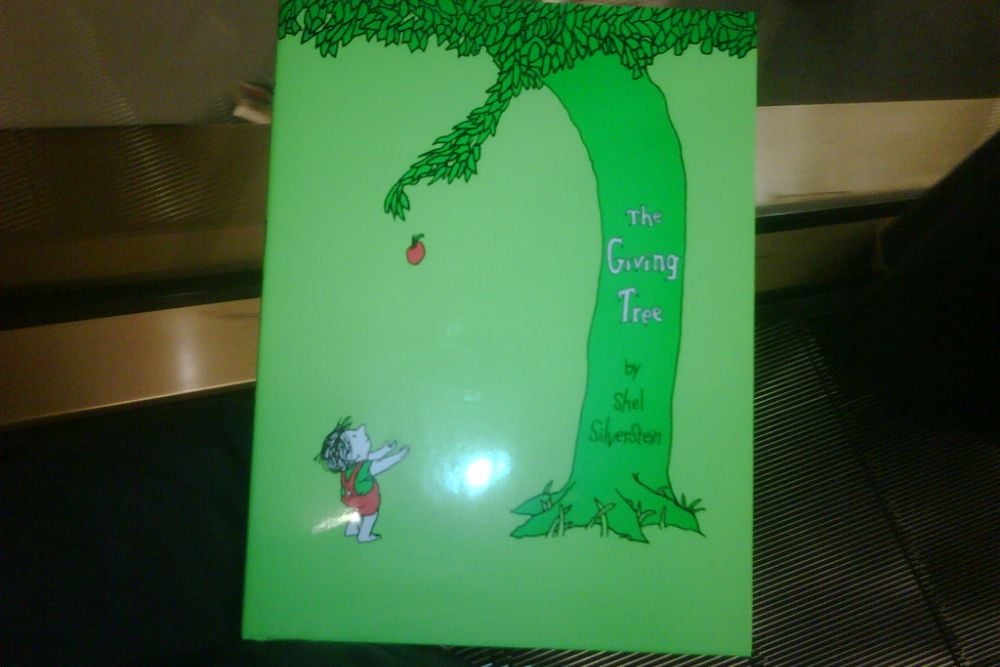
Shel Silverstein’s classic tale appears to be about unconditional love between a tree and a boy, but adults recognize it as a complex examination of parasitic relationships and self-sacrifice. The tree gives everything to the boy throughout his life, receiving nothing in return except his occasional presence.
The story raises uncomfortable questions about healthy boundaries and whether endless giving actually helps or enables destructive behavior in relationships.
Where the Wild Things Are
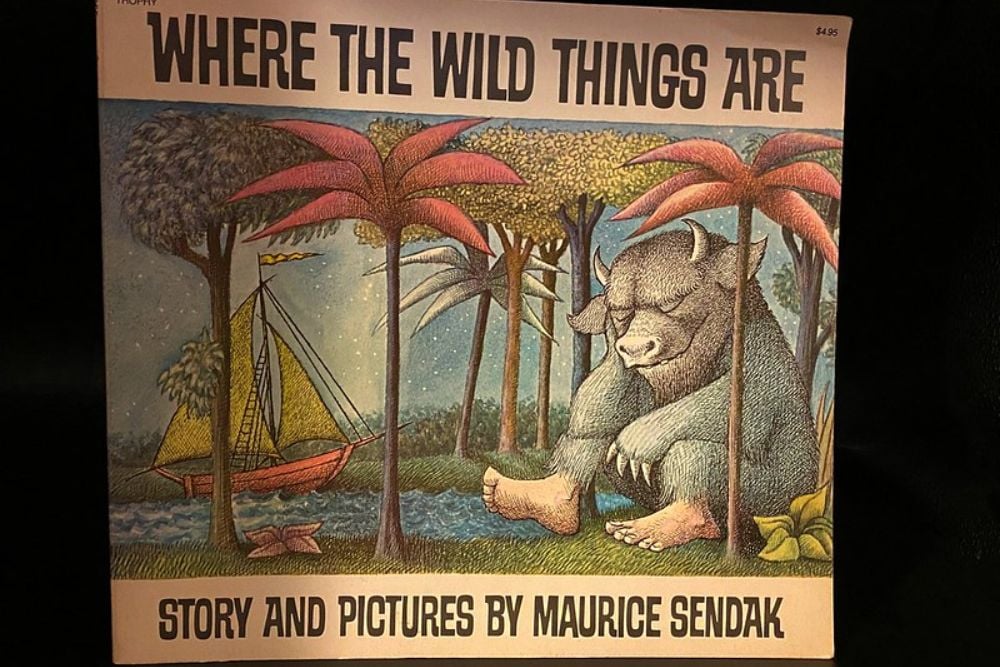
Maurice Sendak’s adventure story about Max’s journey to an island of monsters serves as a sophisticated exploration of childhood anger and parental authority. The wild things represent Max’s own uncontrolled emotions, and his eventual return home suggests that children need structure and boundaries to feel secure.
The book addresses how parents must balance allowing children to express feelings while maintaining necessary limits.
The Cat in the Hat
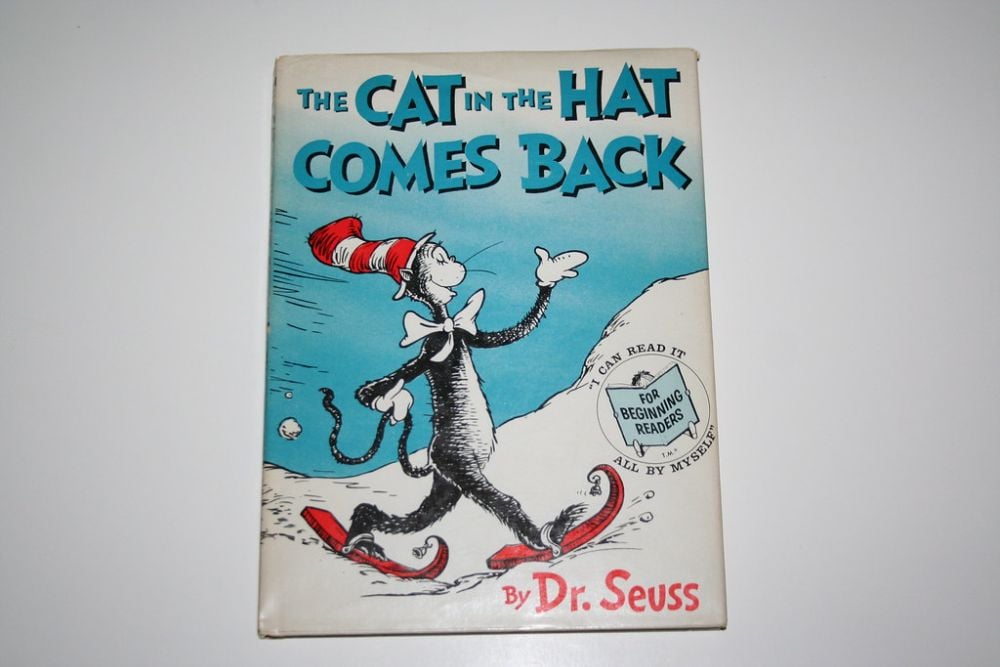
Dr. Seuss created what seems like a fun story about a mischievous cat, but actually crafted a commentary on childhood temptation and parental absence. The cat appears when the children are home alone, representing the allure of breaking rules when authority figures aren’t watching.
The story explores how children navigate moral choices and the consequences of giving in to immediate gratification versus long-term responsibility.
Charlotte’s Web

E.B. White’s barnyard tale goes far beyond friendship between a pig and spider to examine mortality, purpose, and the cycle of life. Charlotte’s death after ensuring Wilbur’s survival introduces children to loss while showing adults how legacy and meaning can transcend individual existence.
The book deals with how we find significance in our limited time and how relationships give life purpose.
The Little Prince

Antoine de Saint-Exupéry’s story about a boy from another planet serves as a critique of adult priorities and the loss of imagination that comes with age. Each planet the prince visits represents different ways adults lose touch with what truly matters, focusing on power, vanity, or routine instead of relationships and wonder.
The book suggests that growing up often means abandoning the curiosity and emotional honesty that make life meaningful.
James and the Giant Peach
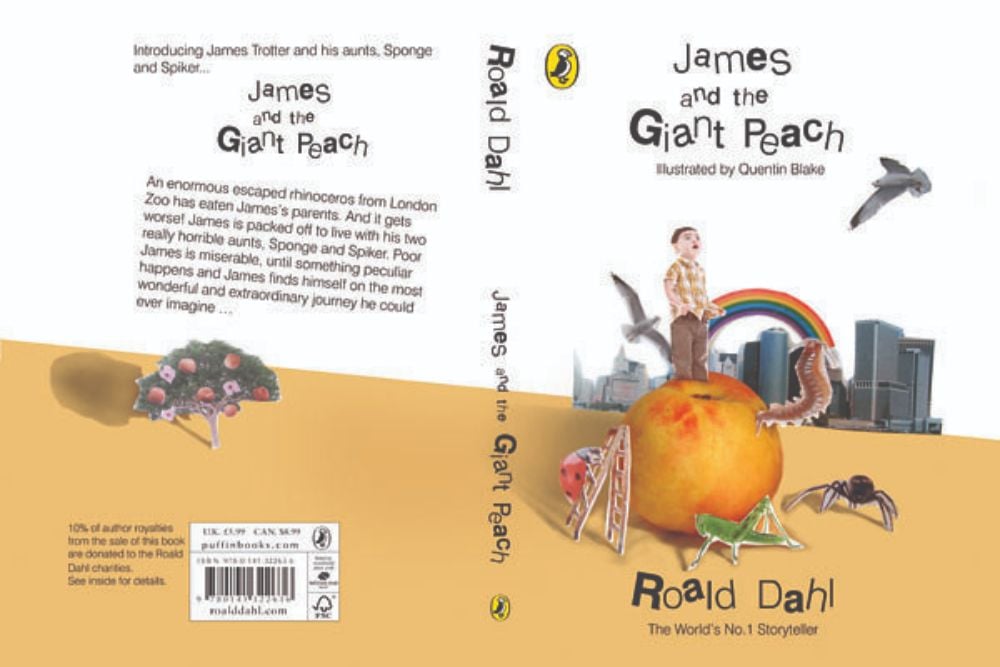
Roald Dahl’s fantasy about a boy escaping his terrible aunts inside a magical peach addresses childhood trauma and resilience in ways that adults recognize but children simply experience as adventure. James’s journey represents how children cope with abuse and neglect by creating alternate realities where they have control and agency.
The story shows how imagination and friendship can provide healing from difficult family situations.
The Phantom Tollbooth

Norton Juster’s wordplay-filled adventure through the Lands Beyond serves as a commentary on education, curiosity, and intellectual engagement. Milo’s boredom at the beginning reflects how standardized learning can kill natural wonder, while his adventures represent the joy of discovering connections between ideas.
The book critiques educational systems that separate subjects artificially instead of showing how knowledge interconnects.
Harold and the Purple Crayon

Crockett Johnson’s simple story about a boy drawing his way through adventures represents the power of creativity to shape reality and overcome obstacles. Harold’s ability to create solutions with his crayon suggests that imagination and problem-solving skills are more valuable than passive consumption of entertainment.
The book addresses how children can take agency in their own lives rather than waiting for adults to provide everything.
The Velveteen Rabbit
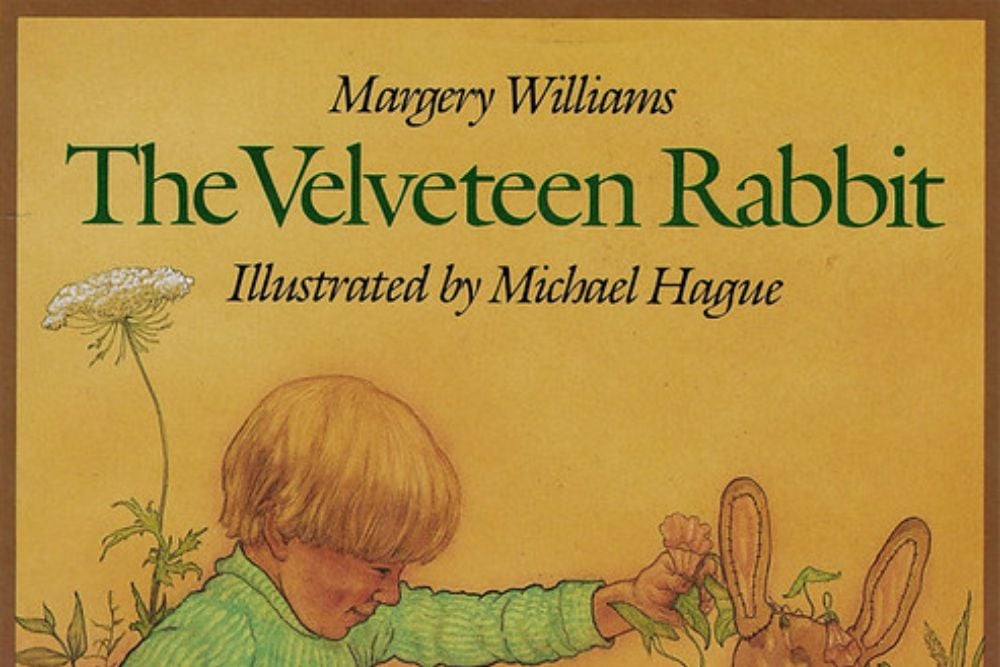
Margery Williams’ story about a toy becoming real through love explores themes of authenticity, transformation, and what makes relationships meaningful. The rabbit’s journey from new toy to beloved companion to living creature mirrors how genuine connections require vulnerability and mutual investment.
Adults recognize the parallels to human relationships and the courage required to be truly known by others.
The Butter Battle Book
Dr. Seuss created what appears to be a silly story about which side of bread should be buttered, but actually delivered a pointed critique of the Cold War arms race. The escalating conflict between the Yooks and Zooks mirrors how minor differences can lead to massive military buildups and mutual destruction.
The book’s ambiguous ending reflects the real uncertainty about nuclear conflict during the 1980s.
The Lion, the Witch and the Wardrobe

C.S. Lewis embedded Christian allegory throughout his Narnia adventure, with Aslan’s sacrifice and resurrection clearly paralleling the crucifixion and resurrection of Christ. The story addresses themes of redemption, forgiveness, and good versus evil in ways that work on multiple levels.
Children enjoy the fantasy adventure while adults recognize the deeper spiritual and moral framework underlying the plot.
A Wrinkle in Time

Madeleine L’Engle’s science fiction adventure tackles conformity, intellectual freedom, and the dangers of totalitarian thinking through Meg’s journey to rescue her father. The planet Camazotz represents societies that prioritize sameness and control over individual thought and creativity.
The book celebrates differences and intellectual curiosity while warning against systems that demand uniformity.
The Sneetches

Dr. Seuss used star-bellied creatures to address prejudice, social hierarchy, and the arbitrary nature of discrimination. The story shows how external differences become the basis for exclusion and how quickly social positions can change when those differences are manipulated.
Adults recognize the commentary on racism and classism, while children focus on the colorful characters and their changing appearances.
Bridge to Terabithia

Katherine Paterson’s story about childhood friendship and imagination deals with loss, grief, and how relationships shape our understanding of ourselves. Leslie’s death forces Jesse to confront mortality and find ways to honor their friendship while moving forward with his own life.
The book addresses how children process trauma and loss while maintaining hope and connection to others.
The Giver

Lois Lowry’s dystopian tale about a seemingly perfect society explores themes of freedom, memory, and the cost of eliminating pain from human experience. Jonas’s community has achieved safety and predictability by removing choice, emotion, and individual differences.
The story questions whether protecting people from suffering is worth sacrificing the full range of human experience.
Matilda
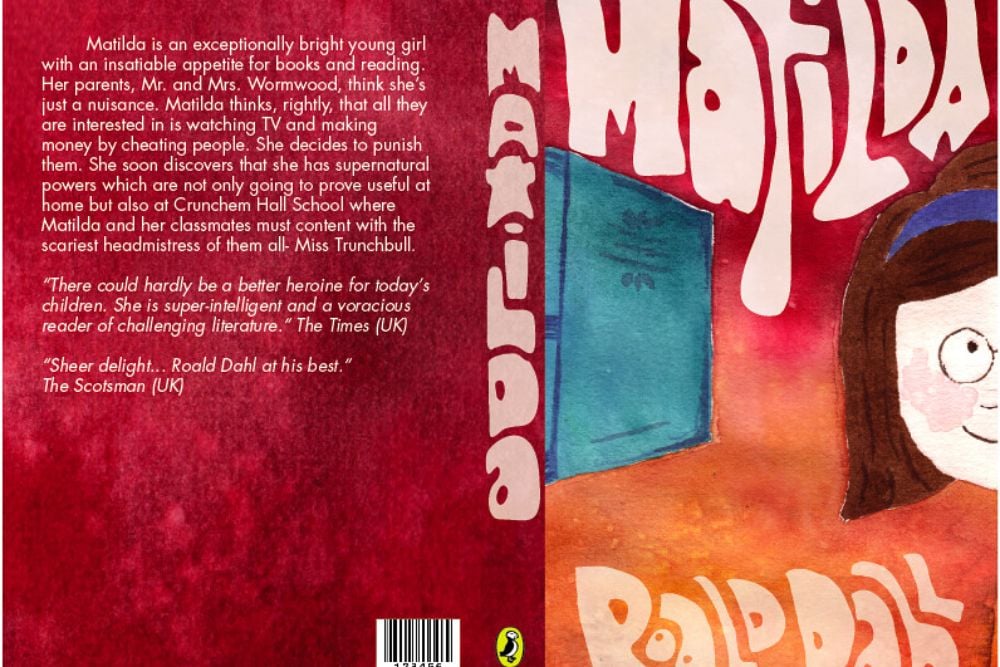
Roald Dahl’s story about a gifted girl with terrible parents and a tyrannical headmistress addresses childhood powerlessness and the importance of finding supportive adults outside dysfunctional families. Matilda’s telekinetic powers represent every child’s wish to fight back against unfair treatment from authority figures.
The book validates children’s feelings about injustice while showing how education and kind mentors can provide an escape from difficult circumstances.
When Stories Grow Up With Us

These layered children’s books prove that the best stories work on multiple levels, offering something valuable to readers at every stage of life. Authors who understood both child psychology and adult concerns created works that could entertain young audiences while providing deeper meaning for mature readers.
The hidden messages don’t diminish the books’ value for children—instead, they ensure that these stories remain relevant and meaningful as readers grow older. These books remind us that the line between children’s and adult literature isn’t as clear as we might think, and the most enduring stories speak to universal human experiences regardless of age.
More from Go2Tutors!

- The Romanov Crown Jewels and Their Tragic Fate
- 13 Historical Mysteries That Science Still Can’t Solve
- Famous Hoaxes That Fooled the World for Years
- 15 Child Stars with Tragic Adult Lives
- 16 Famous Jewelry Pieces in History
Like Go2Tutors’s content? Follow us on MSN.



