Iconic Fashion Trends Inspired by the Circus
There’s something about the circus that fashion keeps coming back to. The big top has always been a place of spectacle — exaggerated proportions, clashing colours, costumes built to be seen from a distance.
Over the decades, designers have borrowed freely from that world, and many of those borrowed ideas ended up defining entire eras of style. Some of the most recognisable looks in fashion history have a little sawdust in their DNA.
The Bold Stripe

Few patterns carry as much visual weight as a strong horizontal or vertical stripe. It’s everywhere in circus imagery — tent canopies, ringmaster coats, acrobat leotards — and fashion has never stopped reaching for it.
Think of the wide candy stripe on a blazer or a pair of trousers. It commands attention without needing embellishment.
Vivienne Westwood built entire collections around the idea of the stripe as disruption. Moschino turned it into comedy.
Saint Laurent made it look expensive. But the root of the stripe’s power in fashion is the same as its power in the ring: it stops the eye.
Sequins and the Art of Being Seen
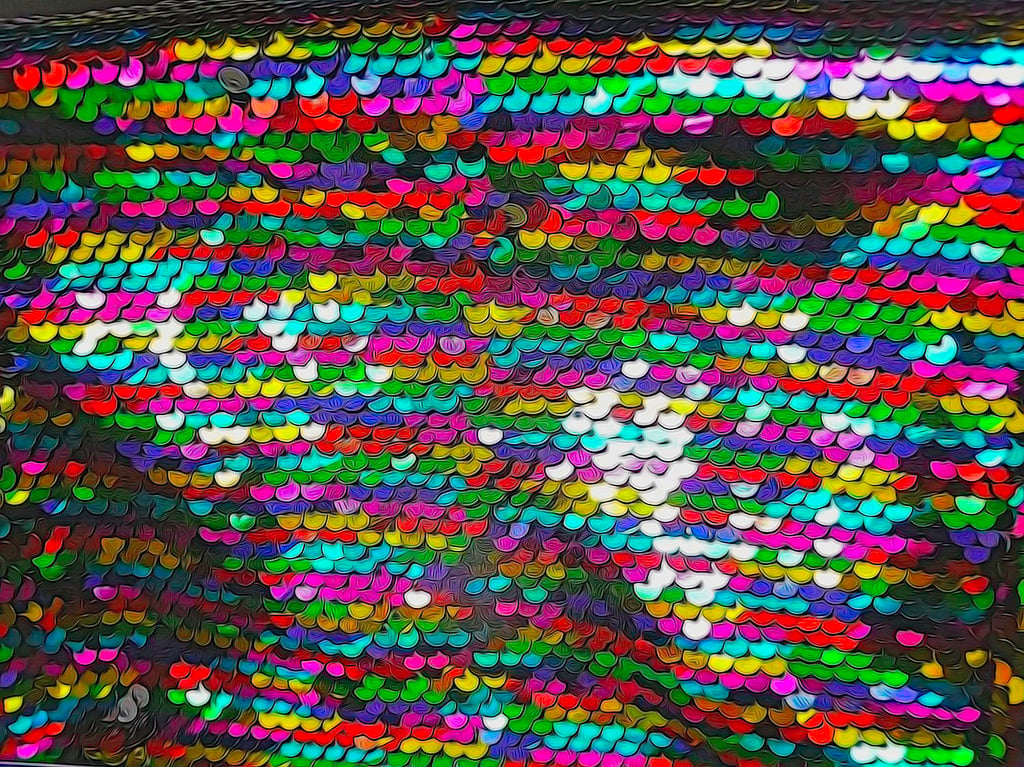
Circus performers understood early on that under bright lights, flat fabric disappears. Sequins catch the light and throw it back.
That logic moved from the tent to the dance floor to the red carpet, and it never really left. The sequin dress is one of fashion’s most enduring garments.
It appears in every decade, in every silhouette, in every colour. What makes it circus-adjacent isn’t the glamour — it’s the practicality. Sequins were a performance tool first.
The Ruffled Collar
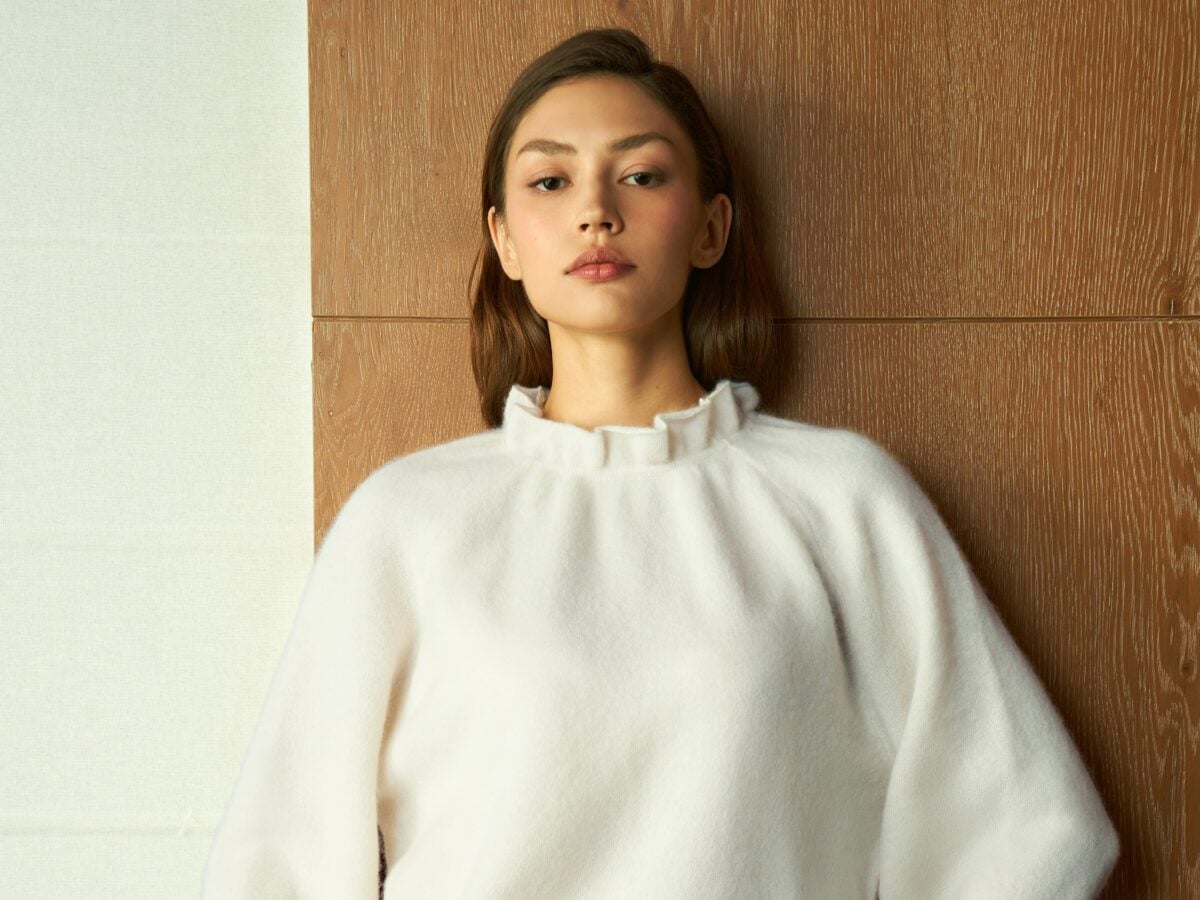
The clown collar started as comedy. Oversized, white, and absurd, it was a costume choice designed to exaggerate and amuse.
Fashion got hold of it and did something different — it kept the volume but stripped out the joke. High neck ruffles, Elizabethan-inspired collars, and layered frills at the throat appeared throughout the 1970s and again in the 2010s.
Designers like Comme des Garçons took the idea of the theatrical collar and made it architectural. The circus connection is unmistakable if you know where to look.
Colour Blocking at Full Volume
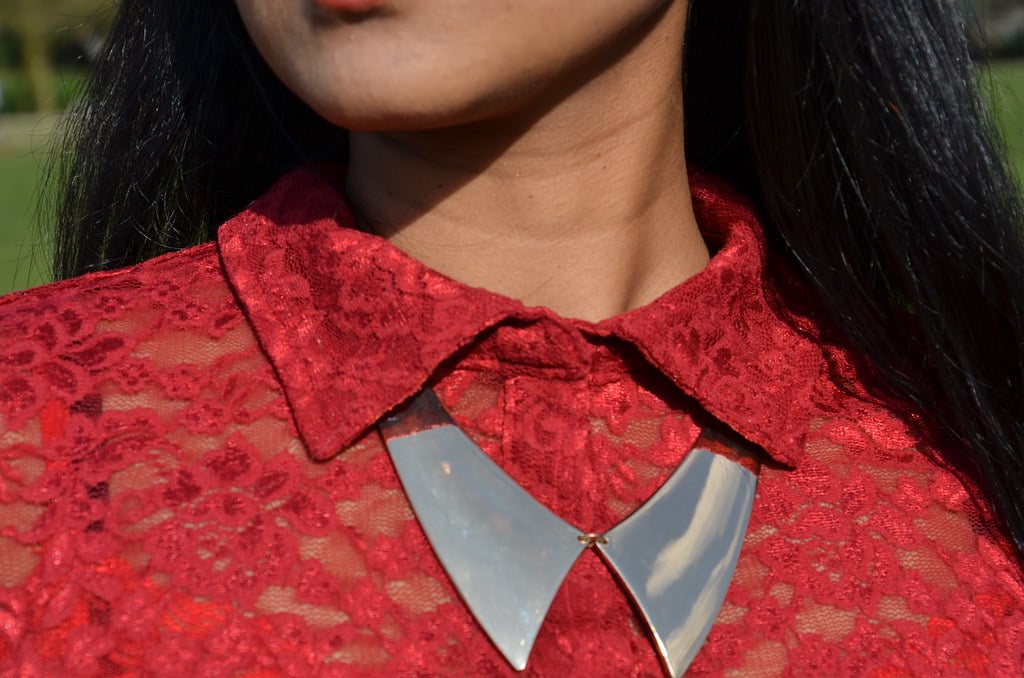
The circus never did subtle things. A ringmaster in red and gold, acrobats in primary colours, the whole visual vocabulary of the big top was built on contrast that reads from fifty metres away.
Fashion borrowed that instinct for colour collision and turned it into a legitimate movement. The colour blocking trend of the early 2010s owed something to this.
So did the bold separates of the 1960s Mod era. Mixing a cobalt top with orange trousers isn’t a neutral choice — it’s a statement that the circus understood before fashion ever did.
Corsetry and Structural Dressing
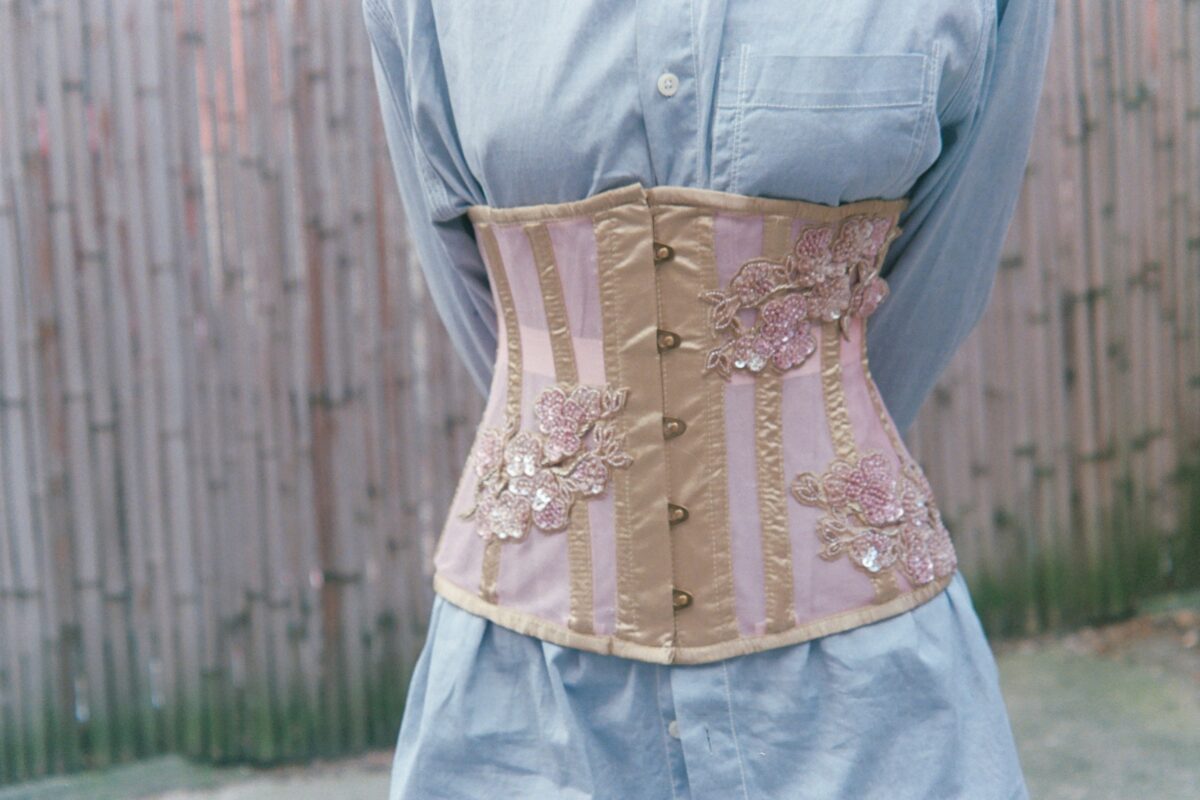
Circus performers needed costumes that moved, supported, and stayed put under physical strain. The corset-style bodice was a practical answer to that problem.
It showed the waist, held everything in place, and looked dramatic from every angle. Fashion has cycled through the corset countless times, but the circus version — boned, structured, and worn as outerwear — has had particular staying power.
Jean Paul Gaultier’s cone bra for Madonna in 1990 is the obvious reference point, but the lineage goes back much further and runs much wider.
Feathered Headpieces
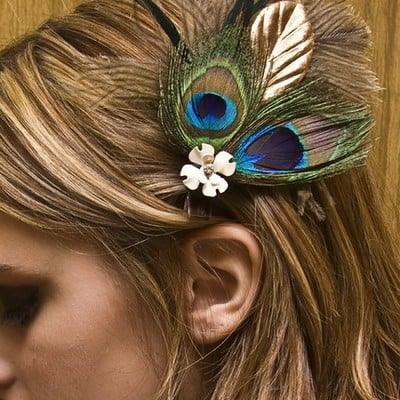
Showgirls and circus performers wore feathers on their heads for a simple reason: height. A tall feathered headdress makes a figure look bigger, more commanding, and impossible to miss in a crowd.
Millinery borrowed this idea enthusiastically. Philip Treacy’s sculptural hats, the fascinators at Ascot, the feathered turbans of the 1920s — all of them share that same circus logic.
Height equals presence. And presence is the whole point.
Theatrical Makeup as a Fashion Statement
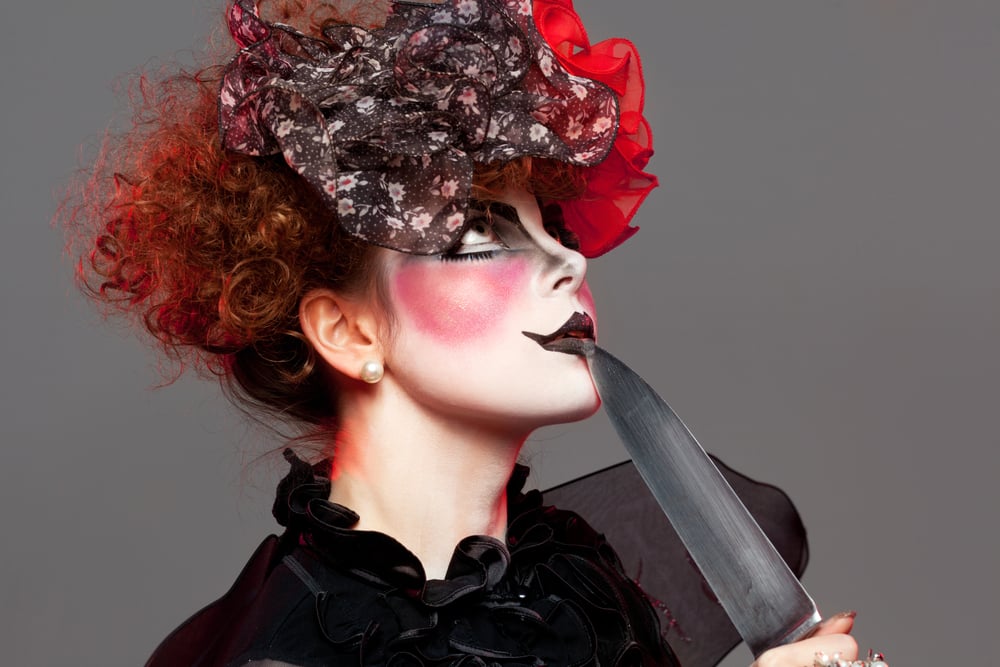
In the circus, makeup is a mask. It defines character from a distance and tells the audience who they’re looking at before anyone speaks.
Kabuki-white foundation, exaggerated eye shapes, and painted-on expressions are functional tools for performers. Fashion took those tools and turned them into editorial choices.
The graphic eyeliner of the 1960s, the exaggerated blush of the 1980s, the painted-on eyebrows that became a defining look of the 2010s — all of these pulled from the circus tradition of using the face as a canvas for performance.
Statement Boots
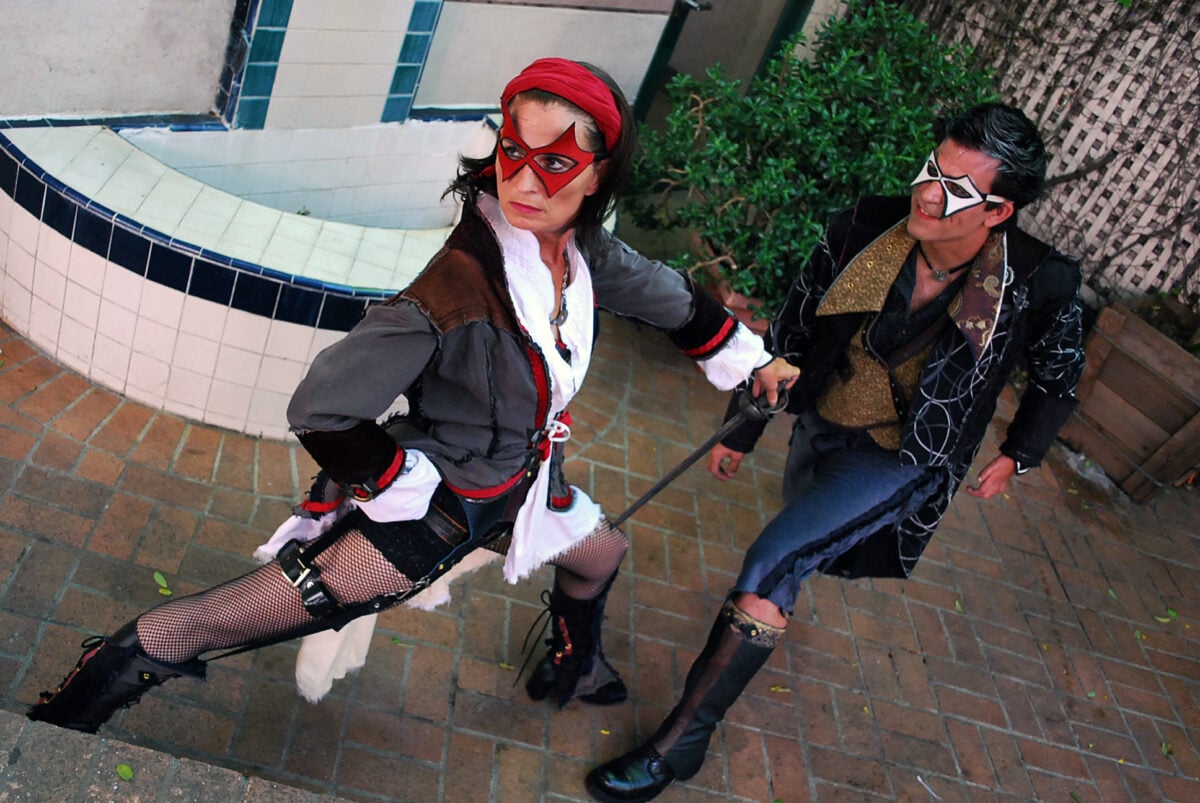
The ringmaster boot — knee-high, heeled, polished to a shine — is one of the most copied silhouettes in fashion history. It reads as authoritative and theatrical at the same time, which is a combination that fashion finds irresistible.
The boot as a statement piece has appeared in almost every decade. From Nancy Sinatra’s go-go boots to the thigh-high styles of the 1990s to the block-heeled knee-boots that dominated recent seasons, the circus origin of the look is there in the proportions.
It’s a boot built for a stage.
Oversized Silhouettes
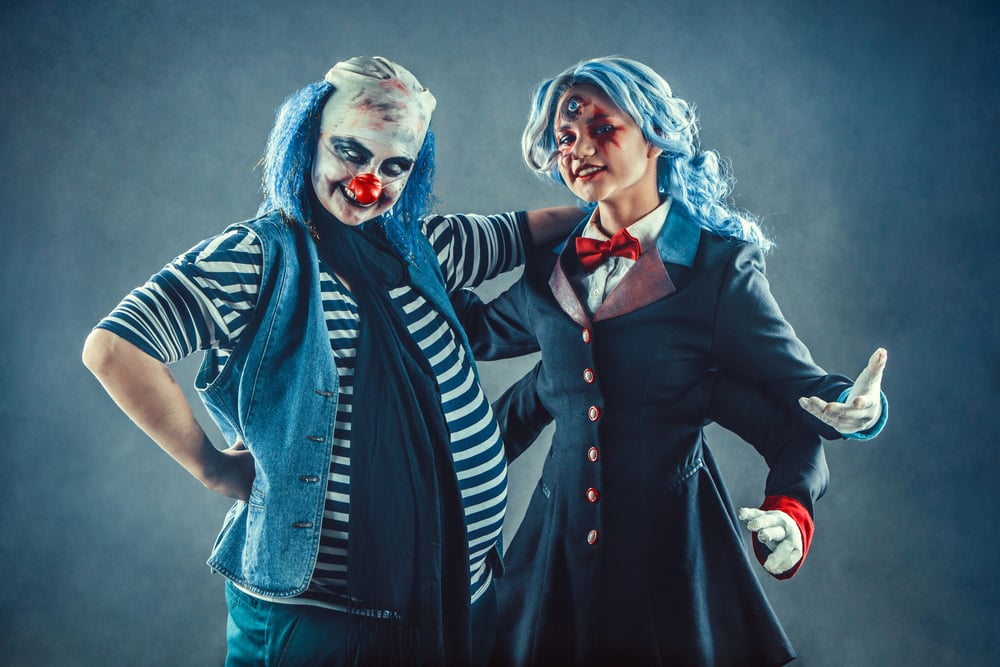
Clown clothing works by breaking proportion. Trousers too wide, jackets too long, sleeves that swallow the hands.
This deliberate exaggeration of the human silhouette is supposed to be funny, but fashion designers noticed something else in it — freedom. The oversized blazer, the dropped-shoulder coat, the deliberately too-long trouser hem — these all echo the circus understanding that clothing doesn’t have to follow the body’s natural lines.
The body can disappear into the garment. Or the garment can become the thing people look at.
Metallics and Shine
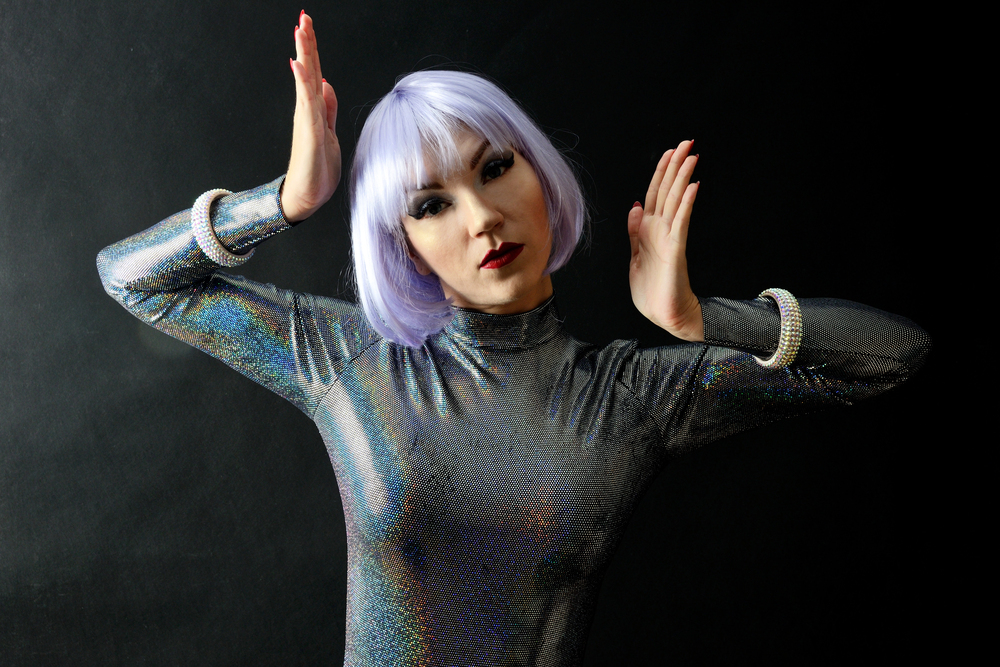
Acrobats and tightrope walkers traditionally wore metallic costumes. Under circus lighting, the shimmer made their bodies look almost supernatural — more than human, moving in ways that regular fabric wouldn’t allow the eye to track.
Metallic fabric moved through fashion in waves. The space age 1960s embraced it fully.
The disco era wrapped it around everything. More recently, silver and gold have shown up in ready-to-wear in ways that feel less costume-y and more considered.
But the impulse is the same — to catch light, to look like you’re moving even when you’re standing still.
The Bodysuit as Foundation Garment
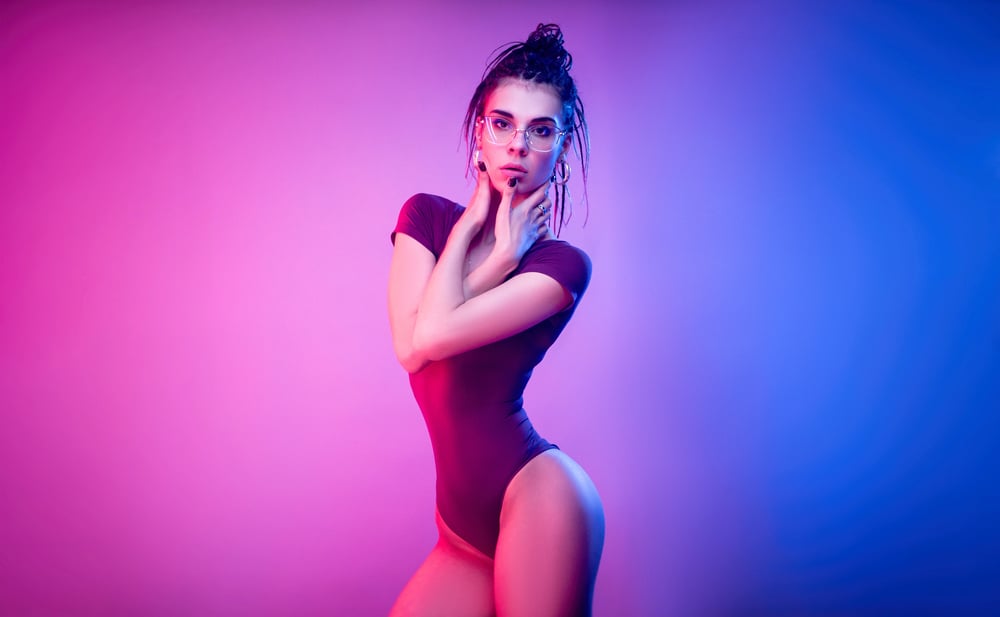
Starting with acrobats, they wanted something underneath that stayed put while moving. Not slipping, not gathering – just smooth through every flip and spin.
Enter the close-fitting one-piece: snaps at the crotch, zero loose cloth anywhere. Built only to help motion stay clear, nothing hidden beneath layers.
Every detail existed because bodies twist fast midair. Out of pure function came something people now wear every day.
When fitness crazes hit hard in the eighties, leotards slipped right into street clothes rotations. Soon enough, creators displayed them on runways without anything layered underneath – dripping in sequins or cutouts.
Through all shifts in scene and purpose, that single stretchy tube shape – from collarbone down past thighs – never broke its original rule.
Tulle and Net Skirts
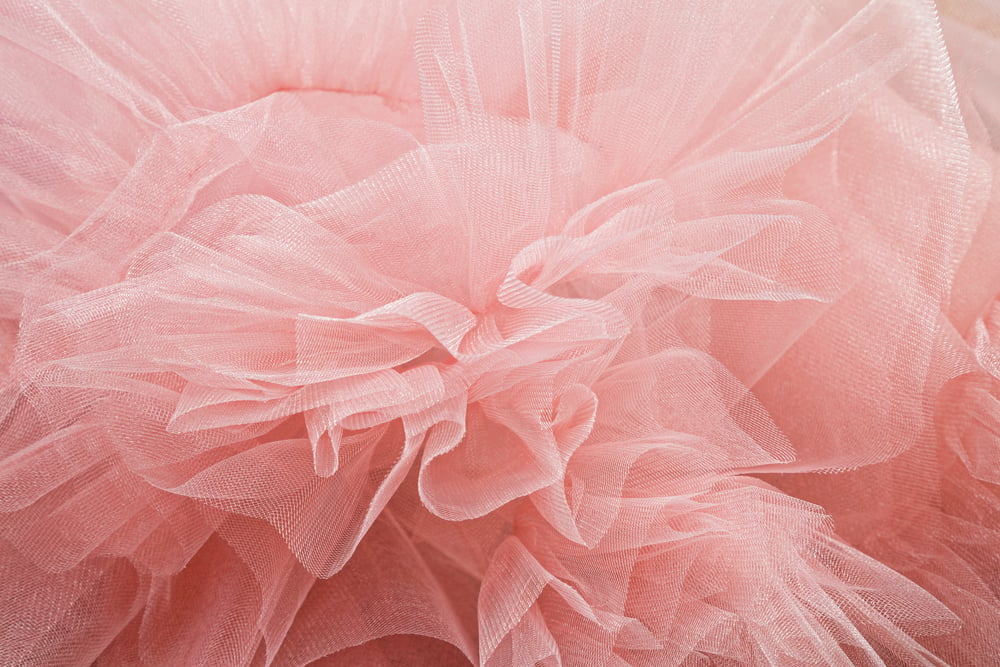
Light on their feet, ballerinas twirled in layers of tulle that floated like mist. Circus performers high above the ground found netting easy to move in, almost weightless.
Drifting fabric caught the glow of spotlights, turning bodies into soft halos. Volume came alive without dragging down motion.
What looked delicate actually worked hard behind the scenes. A cloud of tulle first caught everyone’s eye in the 1950s, then quietly stayed around.
Carrie Bradshaw brought it roaring back when the calendar flipped to 2000. Wedding dresses have held onto its frills through every decade since.
Whenever it reappears, there’s something theatrical humming beneath – tulle doesn’t just hang, it performs.
Printed Tights and Patterned Hosiery
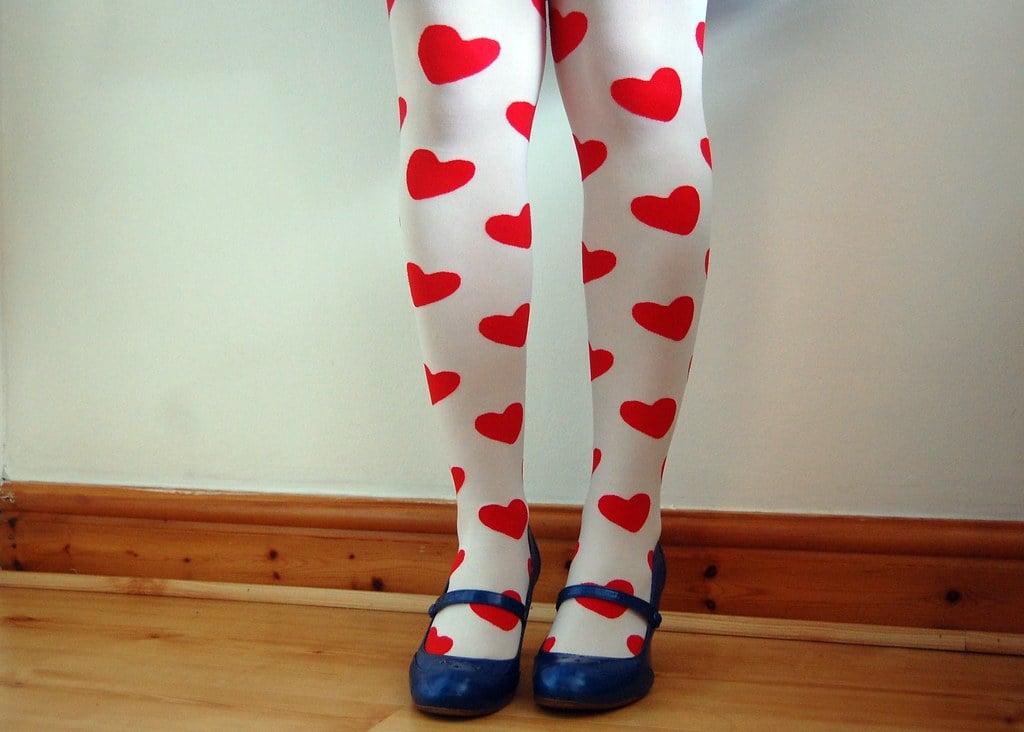
Funny how bright socks helped circus folks stand out under hot lights. Dots or lines on tights let crowds spot each leap and spin without squinting.
These patterns weren’t just fun to look at – they guided eyes right where needed. Simple trick, really, born from needing clarity in motion.
Flying loose from tradition, fashion grabbed hold fast. Stripes and swirls on legs became code for young rebellion during the sixties.
Flash forward – eighties energy cranked it up, louder, busier, bolder. Lately, these bold stockings reappear, paired with longish skirts, wide coats, like costumes meant to be noticed.
Theater? Absolutely.
After the Show Ends the Mask Remains
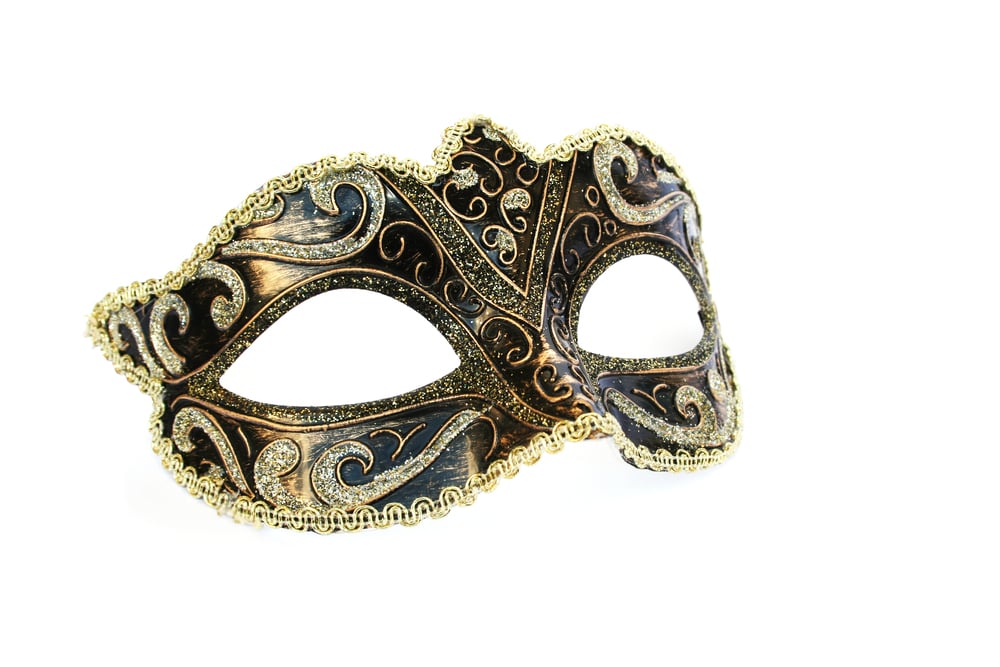
No memory keeps circus style alive. Function does.
Long before runway talk showed up, the big top already cracked codes – ways to stand out, grab eyes, project identity fast. Its solutions? Sharp choices. Loud clarity.
Made strong on purpose. Fashion grabs a sequin, then a stripe, sometimes a feather, maybe even a corset – always chasing one thing.
What makes eyes turn? Not ideas. Reactions. Long before runways, sawdust rings had the answer. Bright isn’t enough.
You need motion, surprise, shape. Circus tents held that secret first.
More from Go2Tutors!

- The Romanov Crown Jewels and Their Tragic Fate
- 13 Historical Mysteries That Science Still Can’t Solve
- Famous Hoaxes That Fooled the World for Years
- 15 Child Stars with Tragic Adult Lives
- 16 Famous Jewelry Pieces in History
Like Go2Tutors’s content? Follow us on MSN.