16 Longest Bridges You Can Walk Across
There’s something magical about walking across a bridge that stretches beyond the horizon, feeling the wind whip around you while the world spreads out below. Whether you’re crossing ancient stone spans or modern engineering marvels, these massive structures offer experiences that cars simply can’t match.
From the gentle sway of suspension cables to the solid reassurance of concrete beneath your feet, pedestrian-friendly bridges connect not just places, but moments in time. The longest walkable bridges around the world showcase humanity’s incredible ability to span impossible distances.
Here is a list of 16 bridges that invite you to slow down, take in the views, and experience crossing water, valleys, and urban landscapes on foot.
Akashi Kaikyo Bridge

Japan’s Akashi Kaikyo Bridge holds the record as the world’s longest suspension bridge at 12,831 feet — though pedestrian access requires joining special tours. The bridge connects Honshu and Awaji Island, spanning the often-turbulent Akashi Strait where strong currents once made ferry crossings treacherous.
During construction, the 1995 Great Hanshin earthquake actually stretched the bridge’s length by three feet. Even finished engineering projects can surprise their creators.
Danyang-Kunshan Grand Bridge
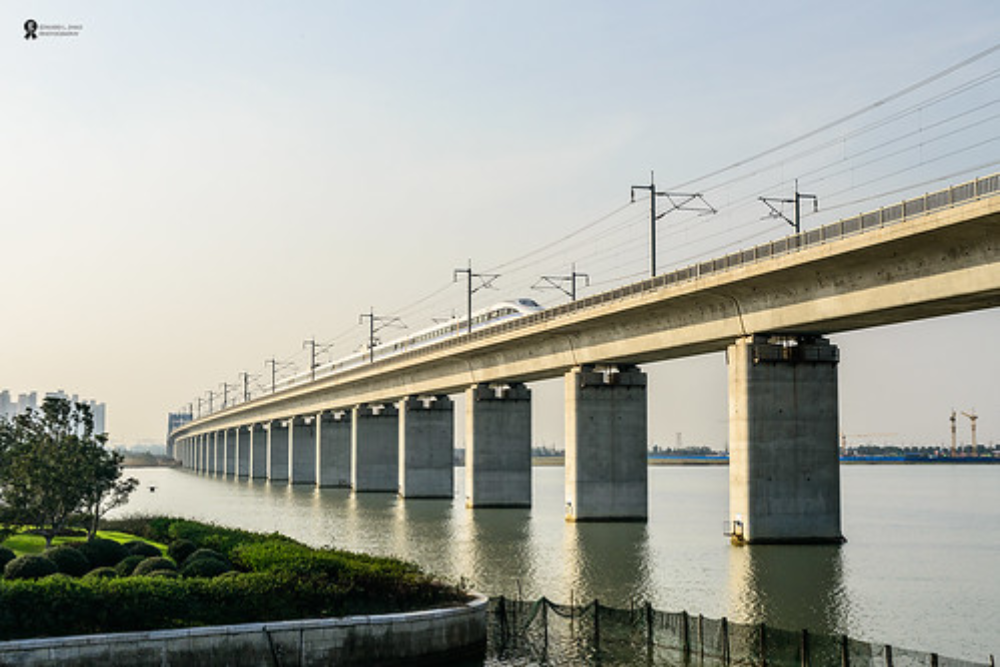
China’s Danyang-Kunshan Grand Bridge stretches an almost incomprehensible 540,700 feet, making it the longest bridge in the world by total length. While primarily designed for high-speed rail, sections include pedestrian walkways that offer views across the Yangtze River Delta’s rice paddies and urban developments.
Walking even a small portion of this engineering marvel gives you a sense of scale — most other bridges feel like stepping stones afterward.
Like Go2Tutors’s content? Follow us on MSN.
Verrazano-Narrows Bridge
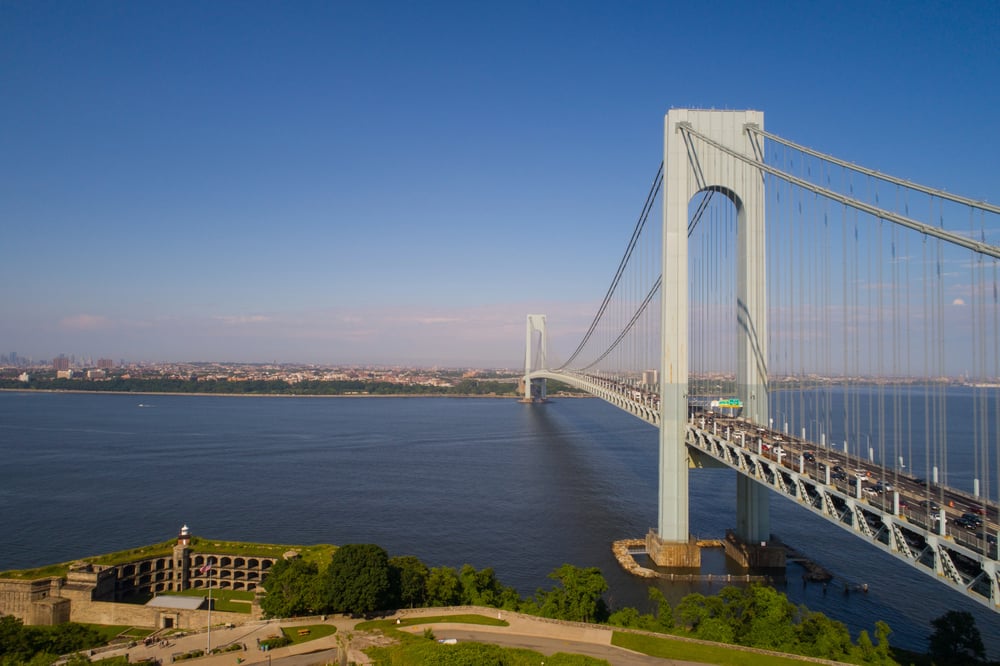
New York’s Verrazano-Narrows Bridge spans 13,700 feet between Staten Island and Brooklyn. Pedestrian access happens during special events like the New York City Marathon.
The bridge’s towers are so tall that they actually lean away from each other by 1.6 inches due to the Earth’s curvature. When you’re walking across during the marathon, you’re literally running on a bridge that acknowledges the planet’s roundness in its very structure.
Golden Gate Bridge
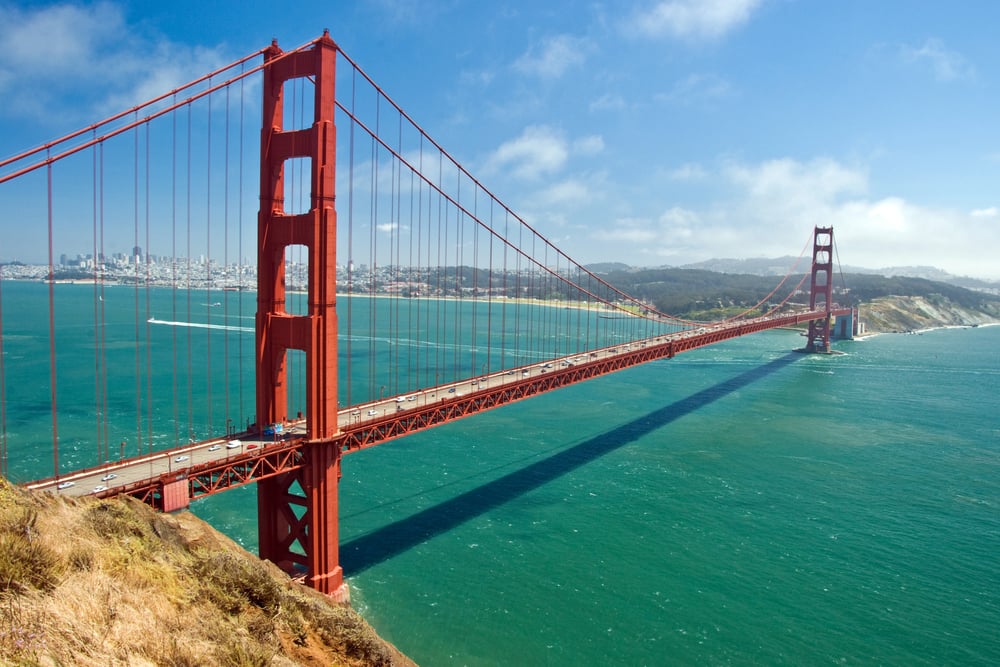
San Francisco’s Golden Gate Bridge stretches 8,980 feet and welcomes pedestrians year-round on its eastern sidewalk. The bridge’s famous International Orange color was chosen partly because it enhances visibility in San Francisco’s frequent fog.
Yet walkers often find themselves above the cloud line looking down at the mist. The steady Pacific winds can make walking feel like you’re leaning into an invisible wall — especially near the towers where the wind tunnel effect intensifies.
Mackinac Bridge

Michigan’s Mackinac Bridge spans 26,372 feet across the Straits of Mackinac, connecting the state’s Upper and Lower peninsulas. Cars typically cross this ‘Big Mac,’ though the bridge opens to pedestrians one day each year during the annual Bridge Walk.
The experience involves walking nearly five miles while Lake Huron and Lake Michigan stretch endlessly on either side. It’s like crossing between two different worlds.
Like Go2Tutors’s content? Follow us on MSN.
Millau Viaduct
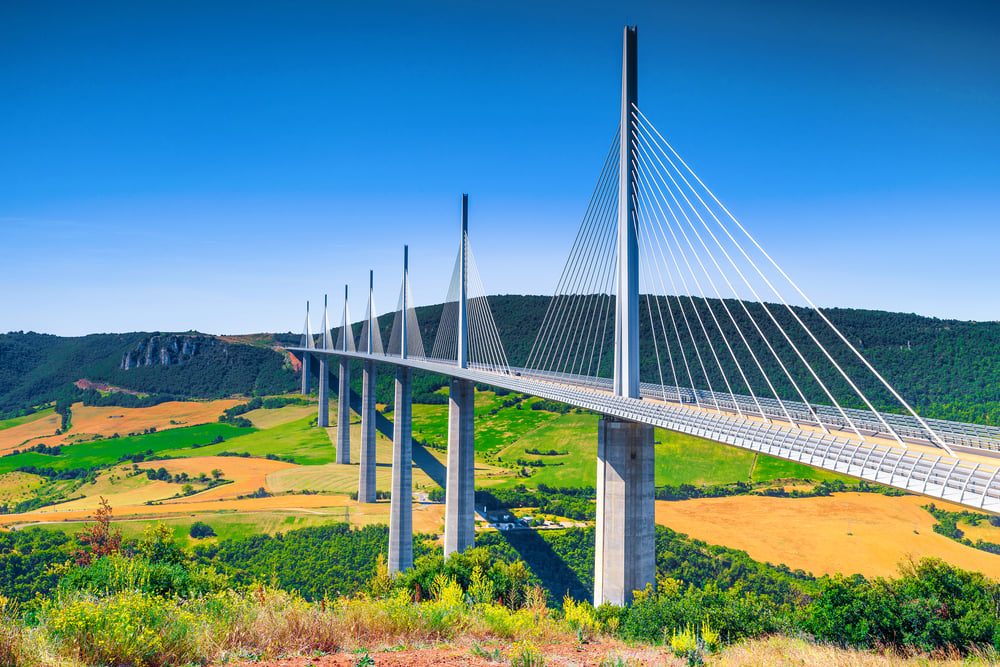
France’s Millau Viaduct soars 1,125 feet above the Tarn Valley — one of the world’s tallest bridges. The cable-stayed design creates a walking experience that feels like floating through clouds, especially during morning fog when the valley floor disappears completely.
The bridge’s seven concrete pillars rise through the mist like ancient monuments, creating a surreal landscape that changes with every step.
Confederation Bridge
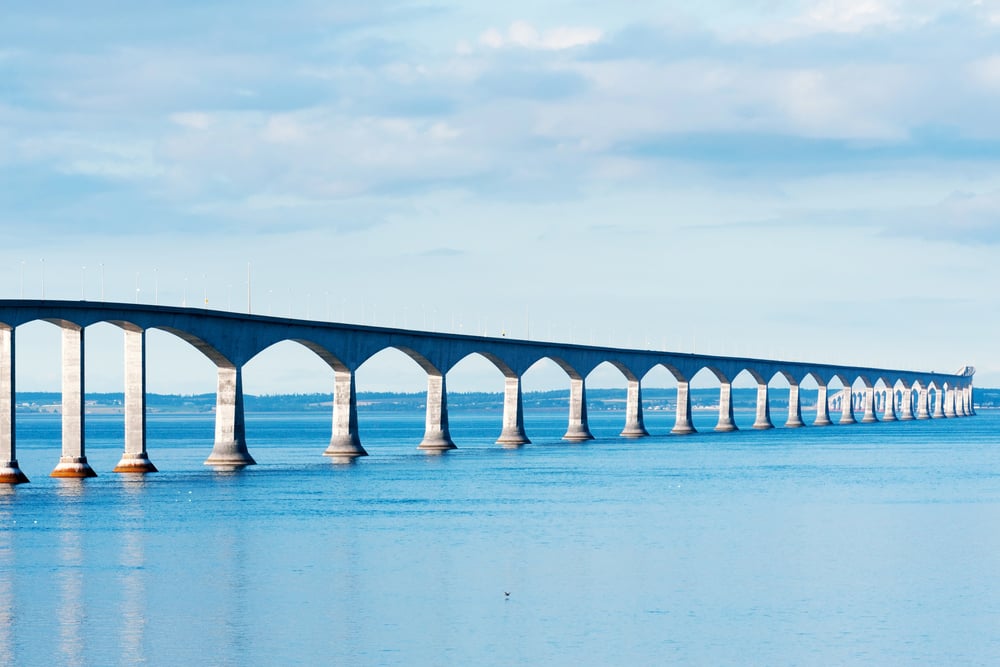
Canada’s Confederation Bridge stretches 41,440 feet across the Northumberland Strait, connecting Prince Edward Island to mainland New Brunswick. While primarily a vehicle bridge, the structure includes maintenance walkways that offer breathtaking views during special tours.
The bridge’s curved design helps it withstand ice flows and 90-mph winds — creating a walking surface that feels remarkably stable despite spanning eight miles of often-rough waters.
Øresund Bridge
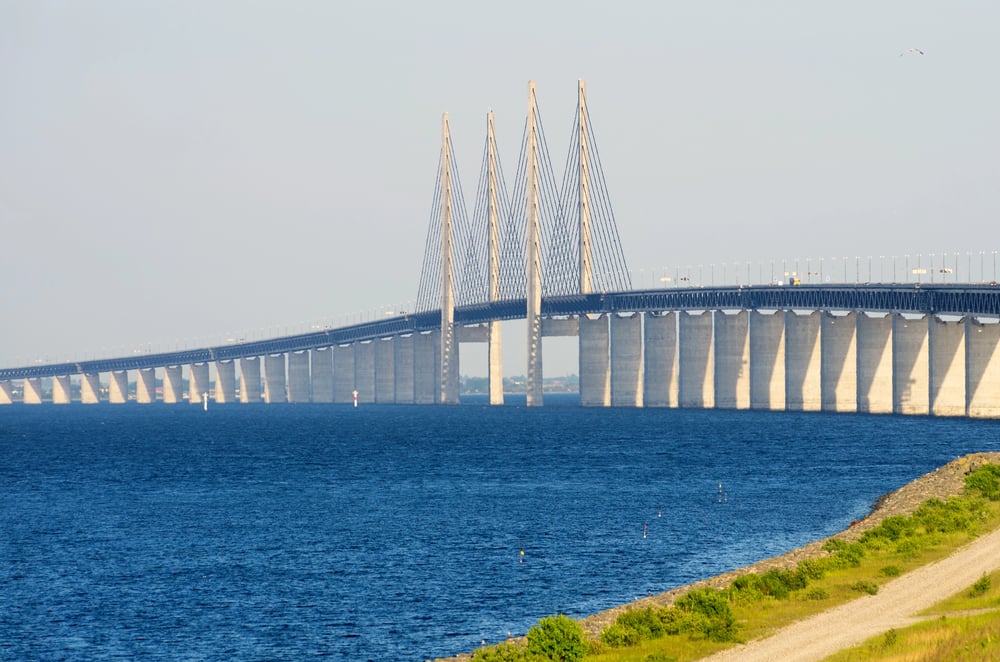
The Øresund Bridge connects Denmark and Sweden across 16,400 feet of the Baltic Sea, though pedestrian access is limited to organized tours. The bridge’s unique design includes both a bridge section and an underwater tunnel — creating a walking experience that literally transitions from sky to sea level.
When you’re on the bridge portion, you can actually see the point where the structure disappears into the water, heading toward the tunnel that completes the connection.
Like Go2Tutors’s content? Follow us on MSN.
Chesapeake Bay Bridge
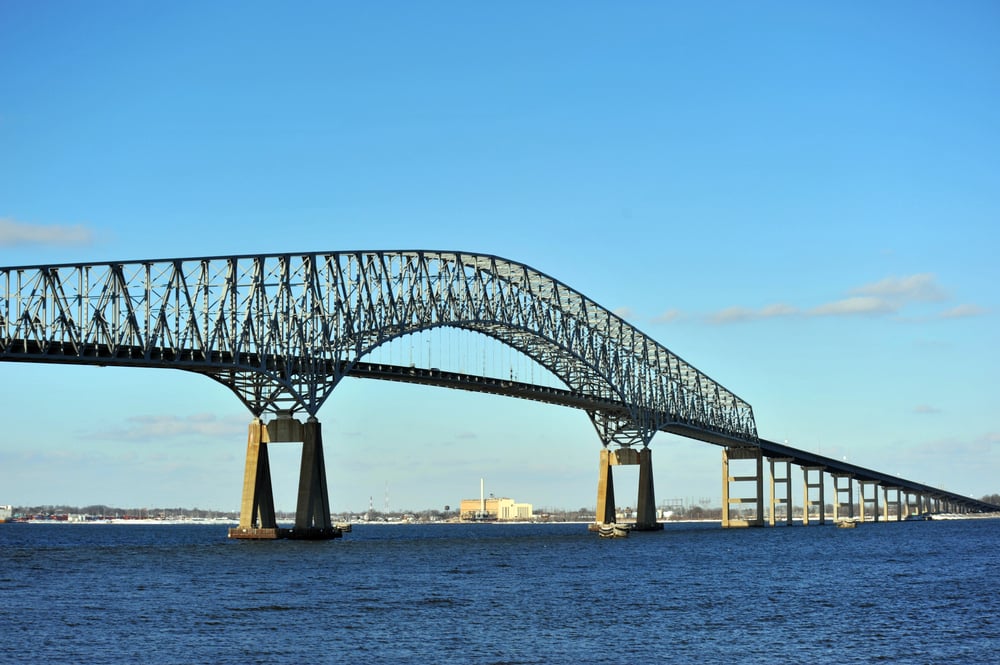
Maryland’s Chesapeake Bay Bridge spans 23,360 feet across one of America’s largest estuaries. It connects the state’s Eastern and Western shores.
The bridge offers special pedestrian events, including an annual walk that attracts thousands of participants. Walking across gives you a unique perspective on the Chesapeake’s ecological importance — with views of cargo ships, fishing boats, and the endless expanse of water that defines this region.
Rio-Antirrio Bridge
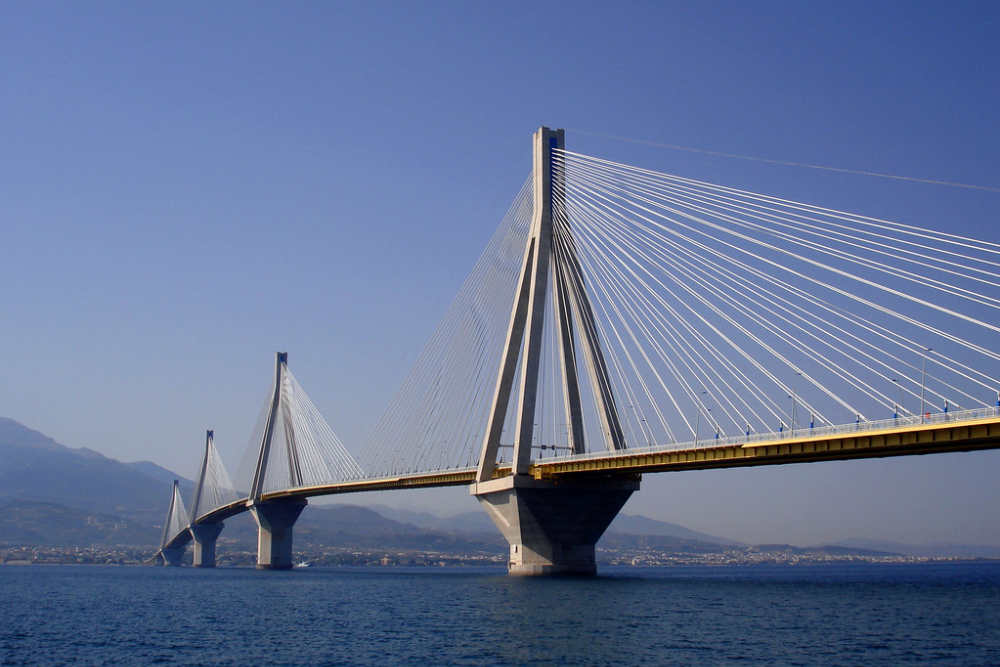
Greece’s Rio-Antirrio Bridge stretches 9,449 feet across the Gulf of Corinth. It connects the Peloponnese to mainland Greece.
The cable-stayed design creates a walking experience with constantly changing views of ancient landscapes and modern engineering. The bridge crosses waters that have been traveled for thousands of years — making every step feel like you’re walking through layers of history.
Tsing Ma Bridge

Hong Kong’s Tsing Ma Bridge spans 7,365 feet and includes pedestrian walkways within its lower deck structure. The bridge connects to Hong Kong International Airport, so walkers often have the surreal experience of watching massive aircraft pass both above and below them.
The enclosed walkways protect pedestrians from typhoon-force winds while offering panoramic views of Victoria Harbour and the South China Sea.
Like Go2Tutors’s content? Follow us on MSN.
Vasco da Gama Bridge

Portugal’s Vasco da Gama Bridge stretches 55,000 feet across the Tagus River. It’s one of Europe’s longest bridges.
While primarily designed for vehicles, the bridge includes pedestrian areas that offer stunning views of Lisbon and the Atlantic Ocean. The bridge’s length means that walking across takes you through multiple weather systems, with conditions often changing dramatically from one end to the other.
Tatara Bridge
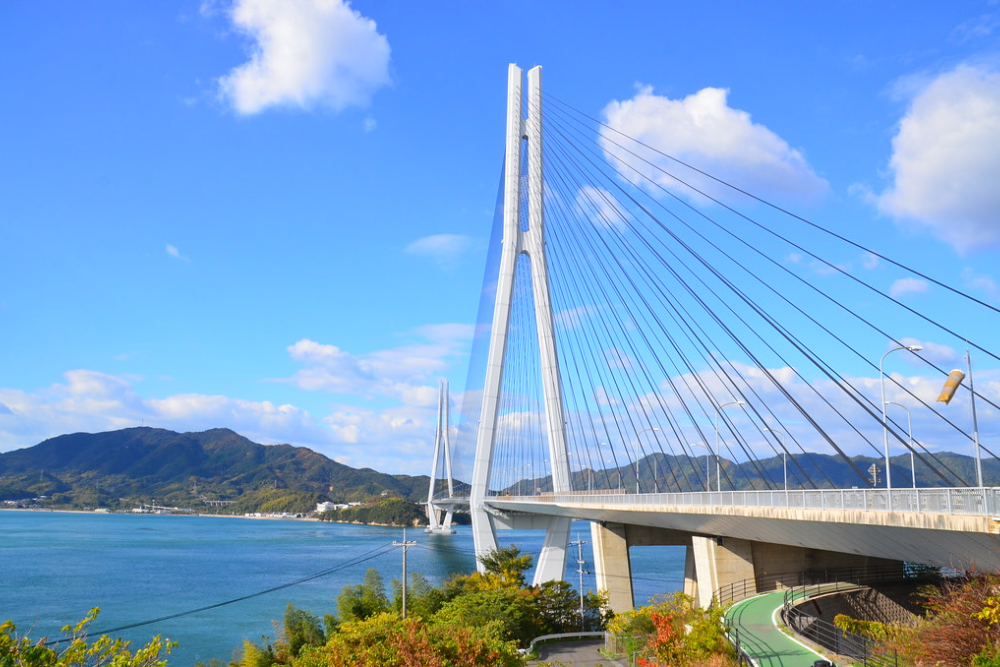
Japan’s Tatara Bridge spans 5,413 feet across the Seto Inland Sea, connecting Honshu and Shikoku islands. The cable-stayed design creates a walking experience with unobstructed views of the island-dotted seascape below.
The bridge’s pedestrian walkways offer some of the most spectacular sunset views in Japan. The ancient islands create silhouettes against the evening sky that seem almost painted.
Arthur Ravenel Jr. Bridge

South Carolina’s Arthur Ravenel Jr. Bridge stretches 13,200 feet across the Cooper River, connecting Charleston to Mount Pleasant. The bridge features a dedicated pedestrian and bicycle path that rises 186 feet above the water, offering spectacular views of Charleston’s historic skyline.
Walking across during sunrise or sunset transforms the harbor into a golden expanse that makes the colonial city look like it’s floating on liquid light.
Like Go2Tutors’s content? Follow us on MSN.
Tower Bridge

London’s Tower Bridge spans 800 feet across the Thames River, though its walkable length includes the approaches and high-level walkways. The Victorian Gothic design creates a walking experience that feels like traveling through architectural history.
The glass floor sections in the high-level walkways let you look straight down at the river traffic 138 feet below. It’s a thrilling perspective on one of the world’s busiest waterways.
Sydney Harbour Bridge
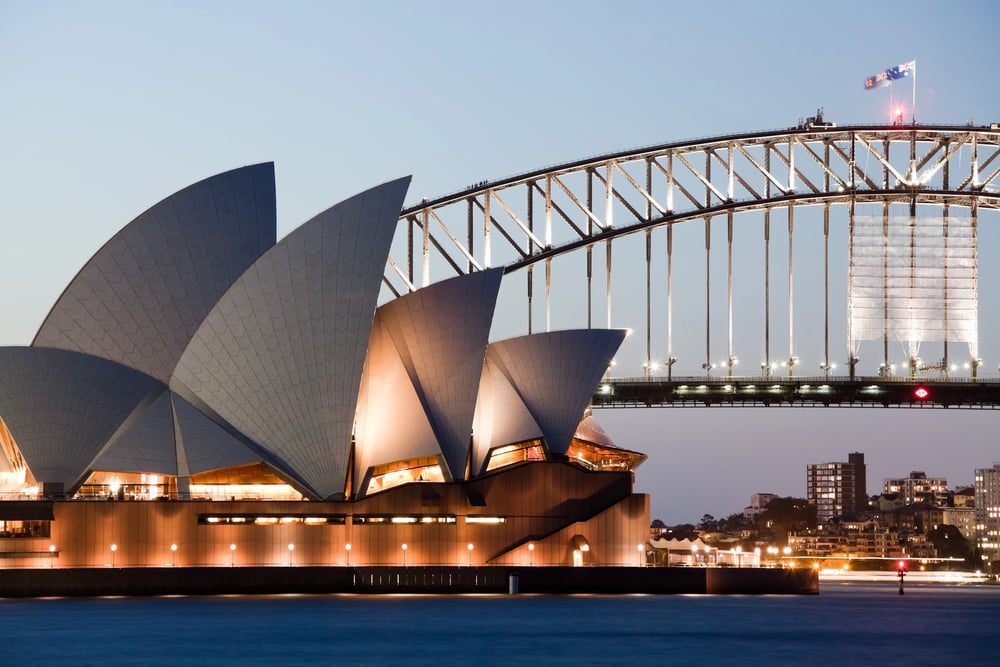
Australia’s Sydney Harbour Bridge spans 3,770 feet across Sydney Harbour, with pedestrian walkways offering iconic views of the Opera House and city skyline. The bridge’s arch design creates a walking experience that gradually climbs to spectacular heights before descending into the bustling North Shore.
The steel structure expands and contracts with temperature changes, sometimes creating audible groans and clicks that remind you you’re walking on a living piece of engineering.
Engineering Marvels Connect More Than Places
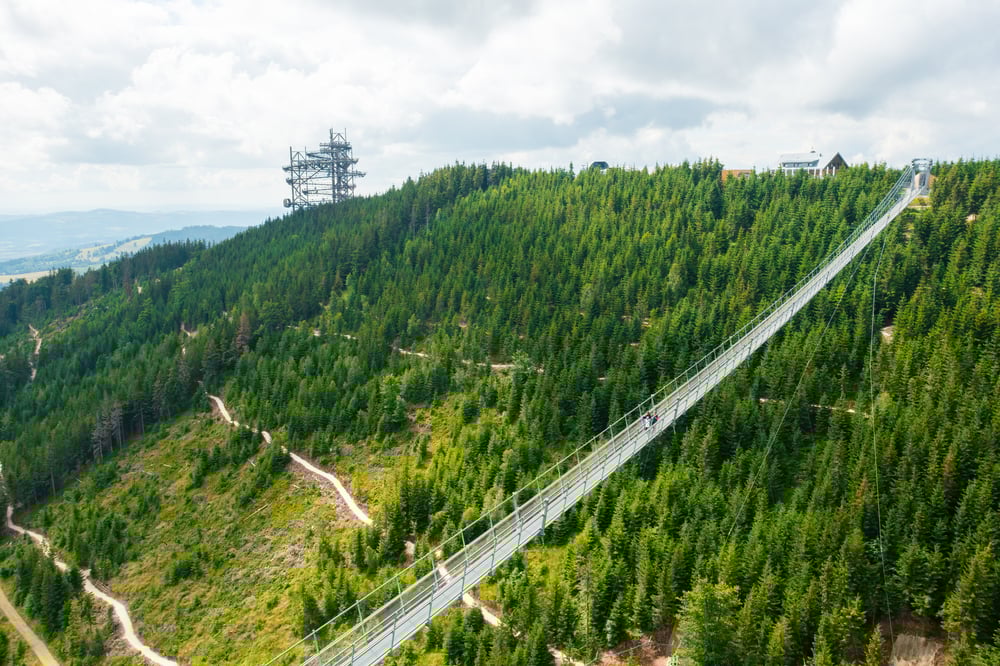
These massive walkable bridges represent more than just transportation infrastructure. They’re monuments to human ambition and engineering evolution. Each crossing offers a unique perspective on the landscapes they span, from ancient valleys carved by glaciers to modern harbors shaped by commerce.
Walking across these spans connects us to the countless people who dreamed of easier ways to cross impossible distances, transforming barriers into pathways that bring distant shores within reach of our own two feet.
Like Go2Tutors’s content? Follow us on MSN.
More from Go2Tutors!

- 16 Historical Figures Who Were Nothing Like You Think
- 12 Things Sold in the 80s That Are Now Illegal
- 15 VHS Tapes That Could Be Worth Thousands
- 17 Historical “What Ifs” That Would Have Changed Everything
- 18 TV Shows That Vanished Without a Finale
Like Go2Tutors’s content? Follow us on MSN.