15 Unbelievable Real Estate Purchases Made in the Metaverse
The metaverse real estate market has exploded into something nobody quite expected. Digital land parcels that exist only as pixels and code are selling for millions of dollars, creating a new frontier where location, location, location takes on an entirely different meaning.
These aren’t just speculative investments from tech enthusiasts with money to burn—major corporations, celebrities, and serious investors are staking claims in virtual worlds, betting that our digital future will be as valuable as our physical present.
Snoop Dogg’s Sandbox Estate

Snoop Dogg dropped $450,000 on a mansion in The Sandbox metaverse. The virtual estate mirrors his real-world love for luxury.
Someone then paid $450,000 just to be his neighbor in the digital realm.
Republic Realm’s Fantasy Islands

This real estate investment firm spent $4.3 million on 792 islands in The Sandbox, making it one of the largest metaverse land purchases ever recorded. They’re building virtual resorts and entertainment complexes that don’t need building permits or weather considerations—though they still need to worry about server crashes and platform updates (which might be worse than hurricanes when you think about it).
The company sees these digital islands as prime real estate for hosting concerts, games, and social events, betting that people will pay real money to attend virtual experiences. And here’s the thing that gets overlooked in all the excitement about digital ownership: someone still has to moderate these spaces, handle disputes between virtual neighbors, and figure out what happens when the platform decides to update its terms of service.
So the traditional real estate headaches haven’t disappeared—they’ve just gotten more complicated. But Republic Realm isn’t treating this as a tech experiment: they’re approaching virtual land development with the same seriousness as physical real estate, complete with architects, event planners, and community managers.
Metaverse Group’s Decentraland Plot
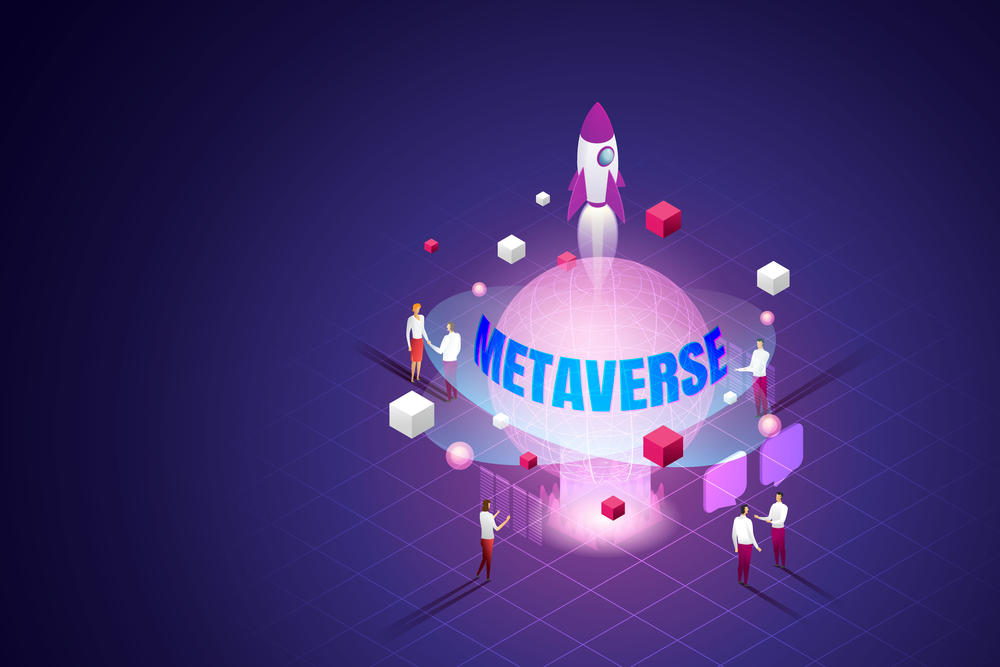
There’s something almost poetic about spending $2.4 million on land that exists entirely in collective imagination, yet functions with all the seriousness of a Manhattan real estate deal. The Metaverse Group’s purchase in Decentraland’s Fashion Street district wasn’t just buying pixels—it was buying into the idea that human gathering spaces will eventually matter as much in virtual worlds as they do in physical ones.
The plot sits in what developers hope will become the digital equivalent of Fifth Avenue, where luxury brands will showcase collections to avatars wearing designer clothing that costs real money but offers no warmth. What strikes you about this purchase isn’t the price tag, but the leap of faith it represents.
Someone looked at a coordinate on a digital map and saw foot traffic, brand recognition, prestige—all the intangible qualities that make physical real estate valuable, projected onto a world that exists only when servers are running and internet connections hold steady.
Paris Hilton’s Virtual Mansion

Paris Hilton built a digital replica of her Beverly Hills mansion on Roblox, complete with virtual parties and NFT art galleries. The purchase price remains undisclosed, but the elaborate virtual estate features everything from a pink-themed interior to exclusive events for avatar visitors.
Hilton treats her virtual real estate as seriously as her physical properties—which makes sense when you consider she’s been building a personal brand around lifestyle and luxury for decades. Her metaverse mansion isn’t just a novelty; it’s a business venture where fans can interact with her brand in ways that physical real estate never allowed.
Tokens.com’s Decentraland Investment

Tokens.com purchased multiple parcels in Decentraland for $2.5 million, focusing on high-traffic areas near the virtual world’s center plaza. The investment firm specifically targeted locations they believe will become commercial hubs as the platform grows.
Boson Protocol’s Digital Mall Space
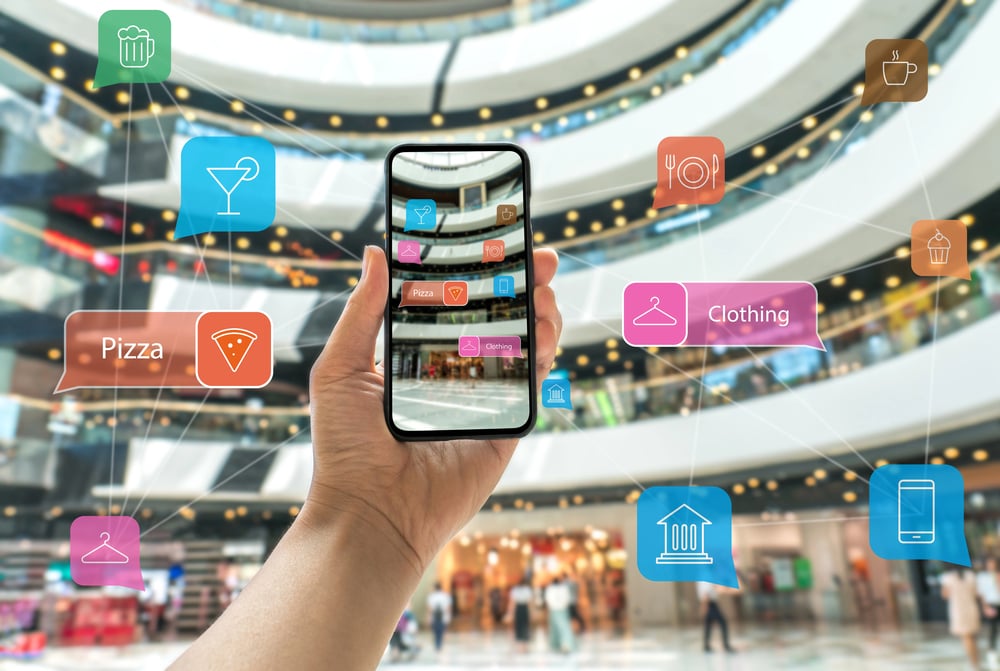
The thing about building shopping centers in worlds where nobody needs to eat, sleep, or stay warm is that you’re essentially betting on humanity’s relationship with stuff transcending physical necessity entirely—and maybe that bet isn’t as crazy as it sounds. Boson Protocol spent $704,000 on land in Decentraland to create a virtual mall where people can browse, purchase, and have real products delivered to their physical addresses while their avatars shop in digital storefronts.
The concept bridges virtual browsing with physical commerce, turning shopping into a social experience that doesn’t require leaving home. The psychology here is fascinating: creating retail spaces designed purely for the experience of shopping rather than the necessity of acquiring goods.
In a virtual world where you could theoretically just click a button and have items appear in your cart, someone decided the ritual of walking through stores and browsing displays was worth preserving—and worth paying hundreds of thousands of dollars to host.
Atari’s Vegas City Investment
Atari acquired land in Decentraland’s Vegas City district to build virtual casinos and gaming experiences. The gaming company paid an undisclosed amount for prime real estate in what’s designed to be the metaverse’s entertainment capital.
Their virtual casinos feature classic Atari games alongside modern gambling experiences, creating a nostalgic yet futuristic gaming environment.
Metaverse Architect’s Somnium Space Purchase
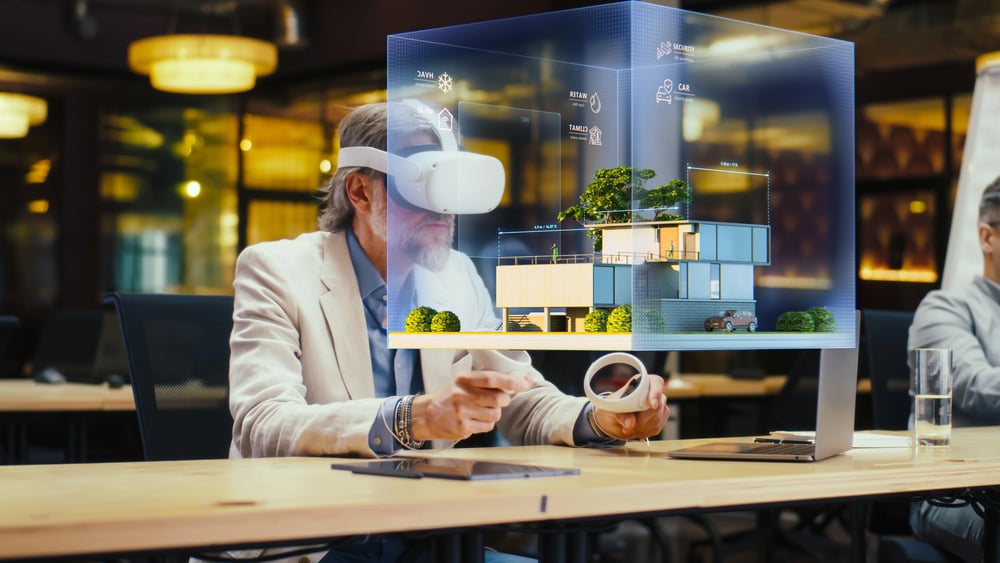
$500,000 bought a sprawling estate in Somnium Space where the buyer is constructing elaborate virtual buildings that defy physical laws. Floating staircases and impossible geometries are the whole point here.
The architectural freedom makes the price tag almost reasonable.
Samsung’s Flagship Virtual Store
Samsung opened a replica of its New York flagship store in Decentraland, purchasing premium metaverse real estate for an undisclosed amount to showcase products in a virtual environment. The space functions as both a showroom and an experience center, where visitors can interact with digital versions of Samsung’s latest technology.
What’s particularly clever about Samsung’s approach is how they’ve recreated the tactile experience of trying out electronics in a medium where you can’t actually touch anything—using visual and audio cues to simulate the experience of testing phones, headphones, and other devices. The virtual store serves multiple purposes: brand visibility, customer engagement, and data collection on how people interact with products in virtual spaces, providing insights that traditional retail analytics might miss.
Barbados Embassy in Decentraland

Barbados became the first country to establish a virtual embassy in the metaverse, purchasing land in Decentraland for diplomatic purposes. The embassy offers consular services and cultural events in a virtual space that’s accessible to anyone with an internet connection.
This governmental purchase represents something unprecedented: official diplomatic recognition of virtual worlds as legitimate spaces for international relations. The embassy handles real passport applications, provides travel information, and hosts cultural events that promote Barbados tourism and business opportunities.
JPMorgan’s Onyx Lounge
JPMorgan entered the metaverse real estate market by opening a lounge in Decentraland’s Metajuku district, making them the first major bank to establish a virtual presence. The space, called the Onyx Lounge, serves as both a customer service center and a research facility for understanding how financial services might operate in virtual worlds (though the irony of needing real money to buy virtual property in a space owned by a bank probably isn’t lost on anyone paying attention).
The lounge hosts educational seminars about cryptocurrency, NFTs, and digital assets—essentially teaching people about the technologies that make metaverse real estate possible. But what’s really happening here is that JPMorgan is positioning itself at the intersection of traditional banking and digital ownership, betting that virtual real estate transactions will eventually need the same financial services as physical ones: loans, insurance, escrow services, and investment management.
And honestly, given that people are spending millions on digital land, those services don’t seem far-fetched—they seem inevitable.
PwC’s Sandbox Office
PwC purchased virtual office space in The Sandbox for their Hong Kong operations, creating a workspace where employees can meet as avatars and clients can visit for consultations. The accounting firm views metaverse real estate as the future of remote work and client engagement.
Their virtual office includes conference rooms, presentation spaces, and social areas designed to replicate the collaborative aspects of physical office environments.
Miller Lite’s Virtual Bar
Miller Lite bought space in Decentraland to create a virtual bar called the Meta Lite Bar, where visitors can socialize and participate in branded experiences. The beer company’s metaverse investment focuses on reaching younger consumers who spend significant time in virtual worlds.
The bar features games, events, and social spaces designed around Miller Lite’s brand identity. The purchase represents a shift in advertising strategy—instead of interrupting virtual experiences with ads, brands are creating destinations within virtual worlds.
Pranksy’s NFT Gallery Space
The anonymous NFT collector known as Pranksy spent over $200,000 on multiple metaverse properties to display their extensive digital art collection. Their galleries in various virtual worlds showcase rare NFTs and host virtual art events.
The Hundreds’ Flagship Experience

Streetwear brand The Hundreds invested in Decentraland real estate to create an immersive brand experience that combines fashion, culture, and community. Their virtual space functions as both a retail location and a cultural hub, hosting events that blend physical and digital fashion trends.
The brand treats their metaverse real estate as an extension of their physical retail presence, offering exclusive virtual merchandise alongside traditional clothing lines. The space regularly hosts virtual fashion shows, artist collaborations, and community events that attract both longtime fans and newcomers to the brand.
The Land Rush That Nobody Saw Coming
These purchases reveal something unexpected about human nature: our need for place, community, and status translates seamlessly into entirely artificial environments. The money is real, the ownership is blockchain-verified, and the social dynamics mirror physical real estate markets with surprising precision.
Whether these virtual properties will retain their value as new platforms emerge and technologies evolve remains the billion-dollar question, but the early investors are betting that our digital lives will become just as important as our physical ones.
More from Go2Tutors!

- The Romanov Crown Jewels and Their Tragic Fate
- 13 Historical Mysteries That Science Still Can’t Solve
- Famous Hoaxes That Fooled the World for Years
- 15 Child Stars with Tragic Adult Lives
- 16 Famous Jewelry Pieces in History
Like Go2Tutors’s content? Follow us on MSN.