15 Candy Bars That Had Secret Ingredients
The candy industry has always been shrouded in mystery, with manufacturers guarding their recipes like state secrets. But sometimes, the truth about what really went into our favorite treats becomes public knowledge, revealing ingredients that would surprise even the most devoted sweet tooth.
From unexpected additives to downright bizarre components, these revelations have shaped how we think about mass-produced confections. Here is a list of 15 candy bars that contained secret ingredients that most consumers never knew about.
Snickers
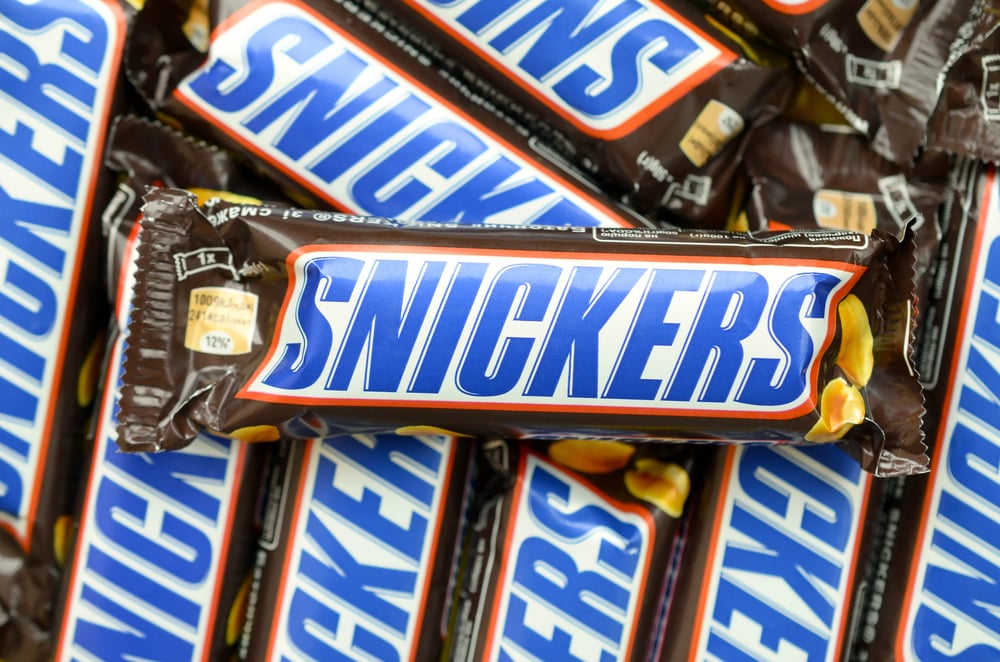
The world’s most popular candy bar once contained an ingredient that would make health-conscious consumers cringe today. Early versions of Snickers included beef fat as a binding agent, helping to create that perfect chewy texture that made the bar so addictive.
Mars eventually phased out this ingredient in favor of plant-based alternatives, but for decades, vegetarians unknowingly consumed animal products with every bite.
Kit Kat
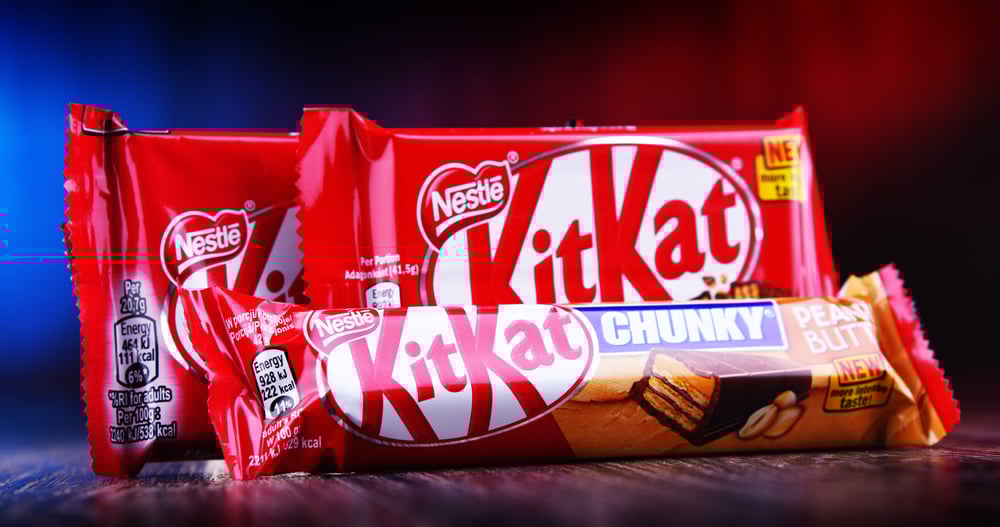
Nestlé’s famous wafer bar has long used its own crushed Kit Kat pieces as a secret ingredient in the wafer layers. When Kit Kat bars break during production or don’t meet quality standards, they’re ground up and mixed back into the wafer batter for new bars.
This recycling process creates a unique texture and ensures that no chocolate goes to waste, though it means every Kit Kat contains traces of previous Kit Kats.
Like Go2Tutors’s content? Follow us on MSN.
Butterfinger
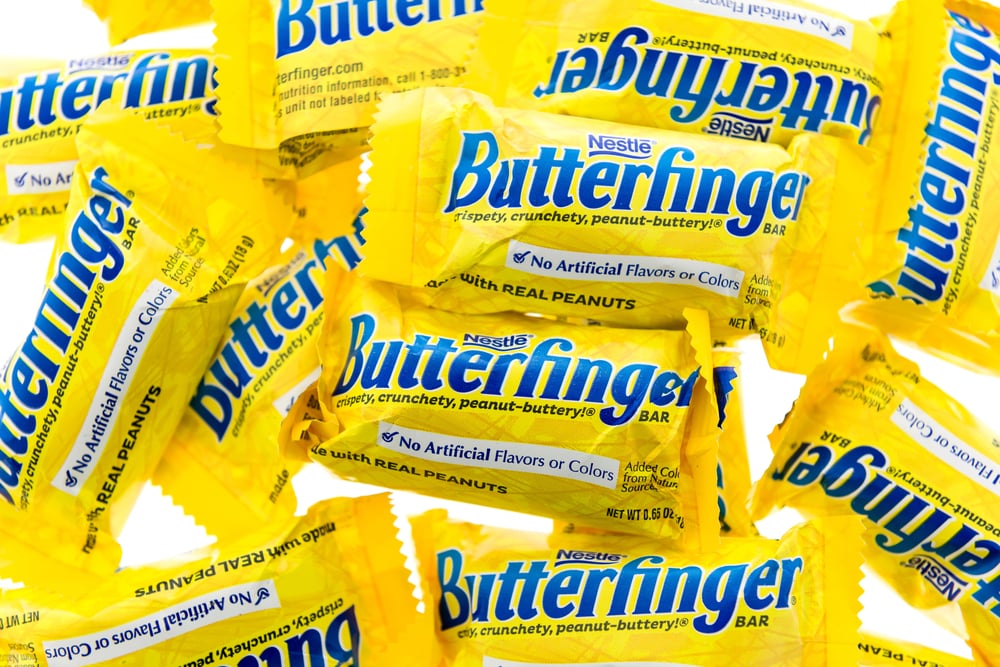
The distinctive crunch of Butterfinger comes from an unexpected source: candy corn. Ferrara Candy Company uses crushed candy corn as a key component in the peanut butter center, which explains why Butterfinger has that particular brittle texture that’s different from other peanut butter bars.
The corn syrup and fondant base of candy corn provides the perfect structural foundation for the bar’s signature crunch.
Charleston Chew
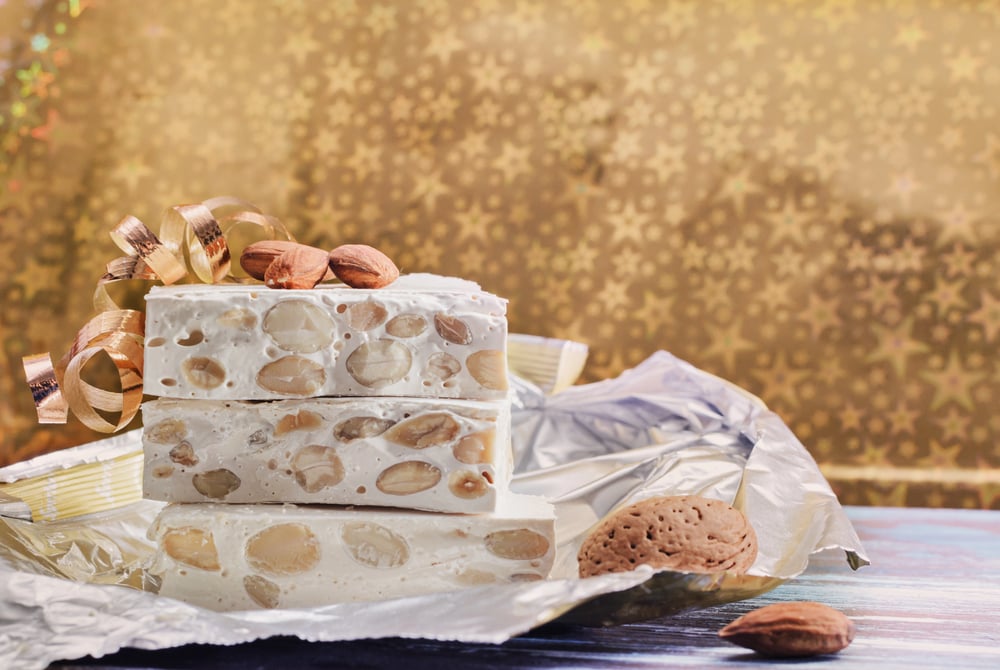
This chewy nougat bar contained fish gelatin for most of its production history, making it unsuitable for vegetarians despite appearing to be a simple chocolate and nougat confection. The gelatin helped create that distinctive stretchy, taffy-like consistency that made Charleston Chews so memorable.
Modern versions have switched to plant-based gelling agents, but older formulations relied heavily on this animal-derived ingredient.
Three Musketeers
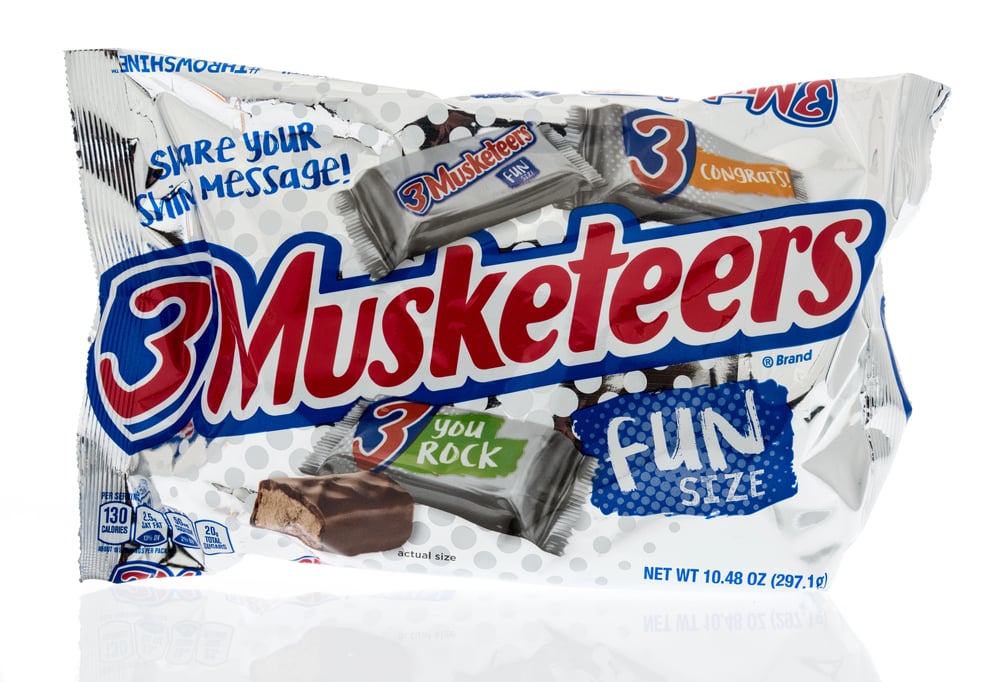
Mars originally included egg whites in the Three Musketeers nougat center, which contributed to its light, fluffy texture. The egg whites were whipped with sugar and corn syrup to create the airy consistency that distinguished it from denser candy bars.
While the modern formula has been reformulated to be egg-free, the original recipe relied on this protein-rich ingredient for decades.
Like Go2Tutors’s content? Follow us on MSN.
Almond Joy
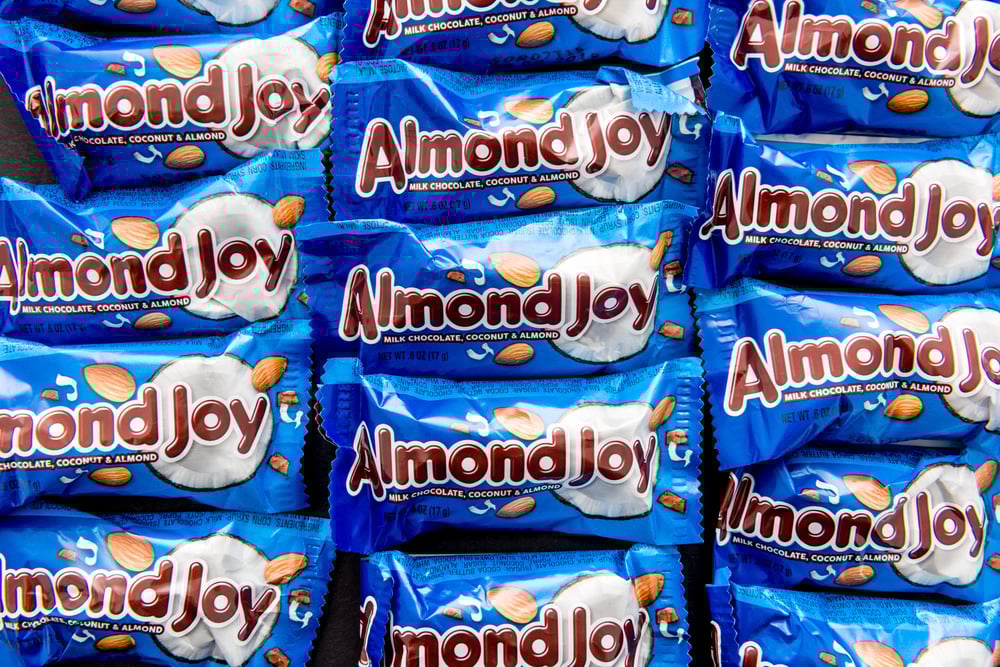
Beyond the obvious coconut and almonds, Almond Joy contained cottonseed oil as a primary ingredient for many years. This oil helped bind the coconut shreds together and gave the bar its distinctive moist texture.
Cottonseed oil was eventually replaced with other vegetable oils, but it was a crucial component that most consumers never realized was keeping their favorite tropical treat intact.
Zero Bar
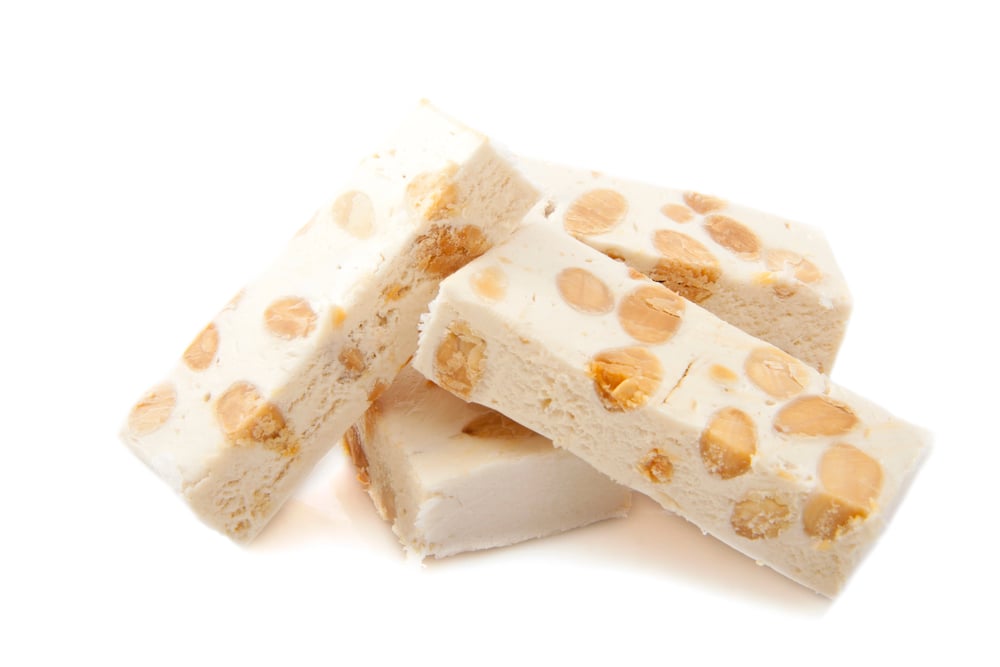
The white nougat center of Zero bars contained titanium dioxide, a whitening agent also used in paint and sunscreen. This chemical compound gave the bar its distinctive bright white appearance that made it stand out from other candy bars.
While titanium dioxide is considered safe for food use, many consumers were unaware they were eating an ingredient commonly found in industrial products.
PayDay
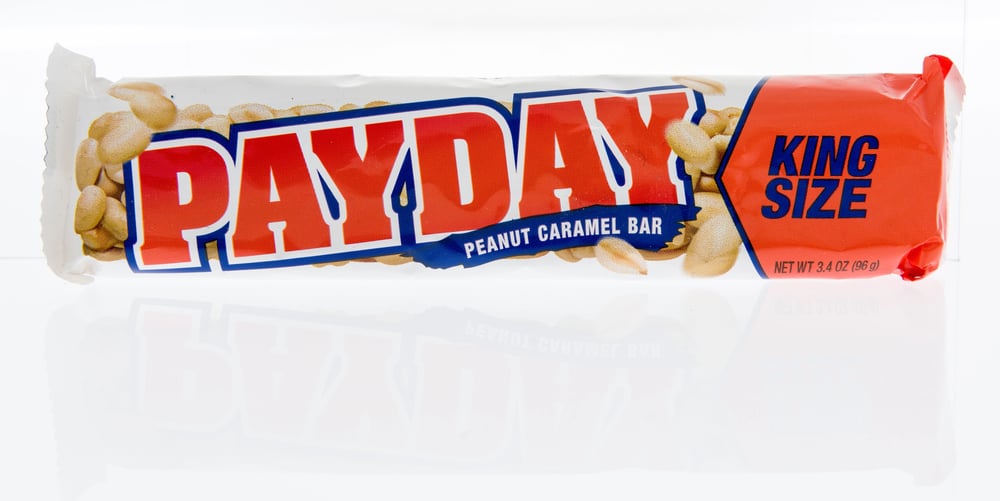
This nut-covered bar used to contain pork gelatin as a binding agent to help the caramel stick to the peanuts. The gelatin created a stronger bond between the caramel and nuts, preventing the bar from falling apart during shipping and handling.
Modern PayDay bars use alternative binding agents, but the original formula relied on this animal-derived ingredient for structural integrity.
Like Go2Tutors’s content? Follow us on MSN.
Milk Duds
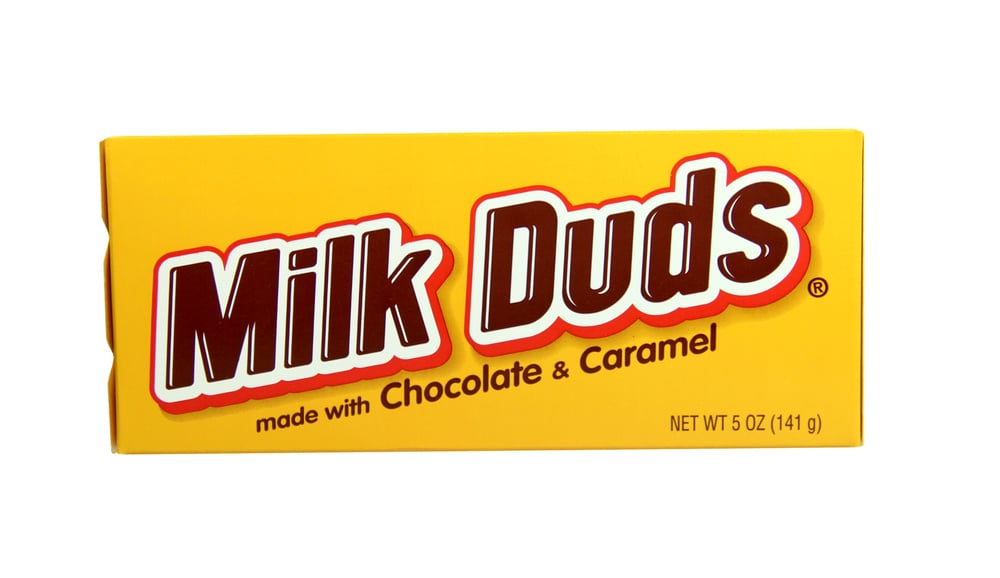
The chewy caramel centers originally contained paraffin wax, the same substance used to make candles. This food-grade wax helped create the distinctive chewy texture and prevented the caramel from becoming too sticky.
While perfectly safe for consumption, the idea of eating candle wax certainly wasn’t part of Milk Duds’ marketing strategy.
Baby Ruth
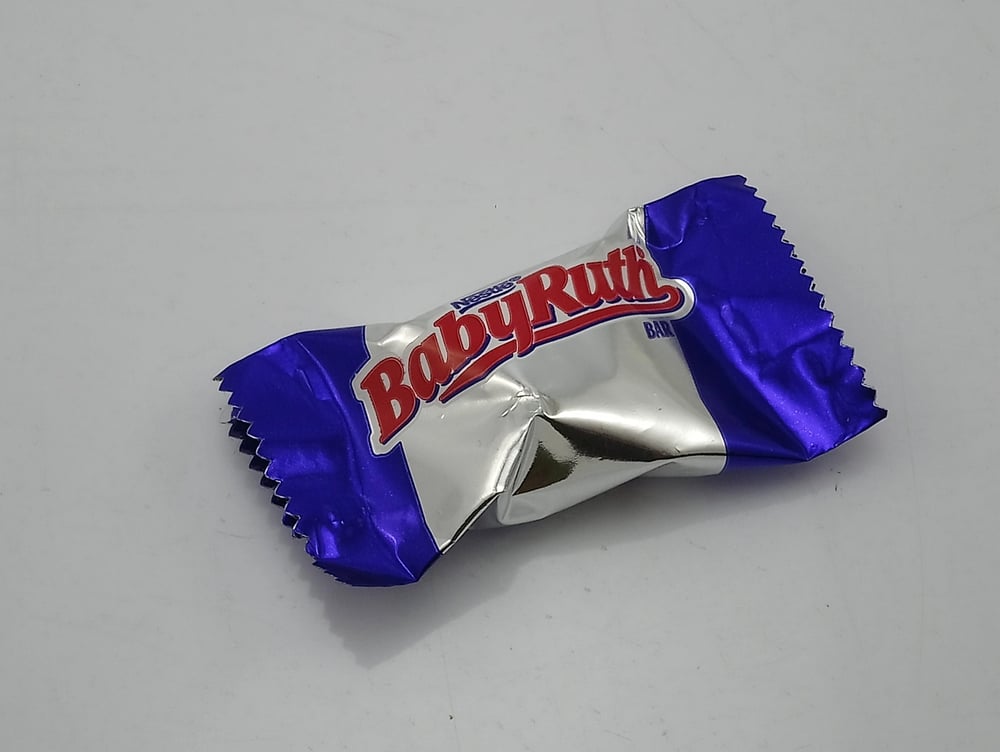
Curtiss Candy Company’s famous bar contained hydrolyzed vegetable protein, a flavor enhancer that intensified the nutty taste without adding actual nuts. This ingredient helped create a more robust peanut flavor while keeping production costs down.
The protein also acted as a natural preservative, extending the bar’s shelf life significantly.
Bit-O-Honey
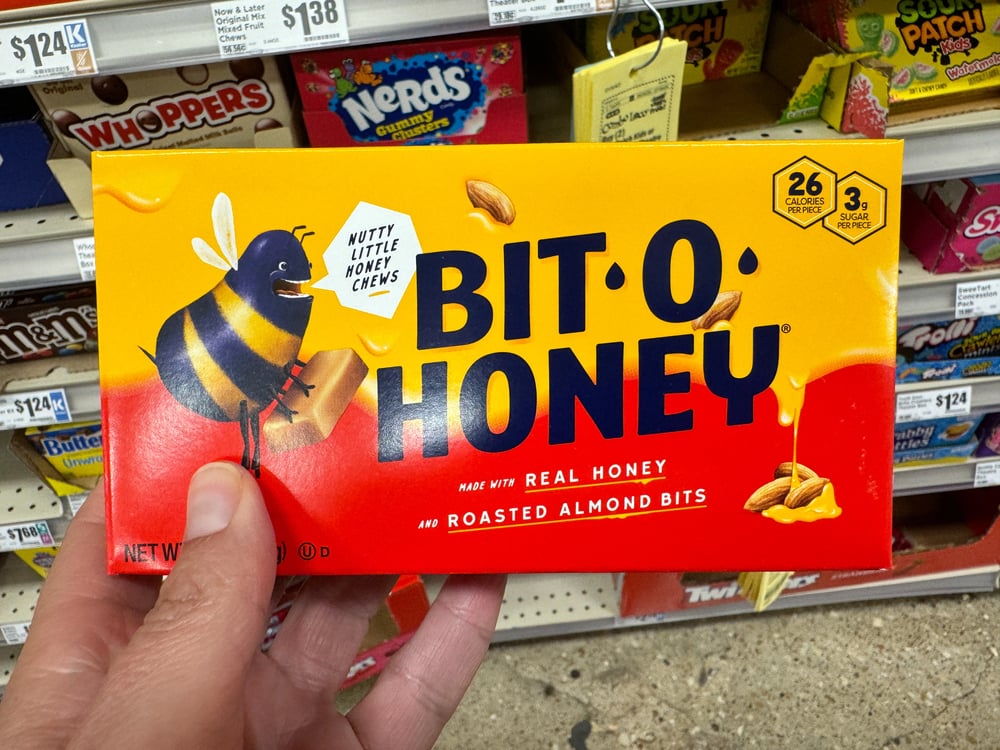
This chewy honey-flavored bar contained actual bee pollen as a secret ingredient, which enhanced the honey flavor and added nutritional value. The pollen was processed and incorporated into the honey taffy base, creating a more authentic honey taste than artificial flavoring alone could provide.
However, this ingredient also made the bar problematic for people with bee allergies.
Like Go2Tutors’s content? Follow us on MSN.
Zagnut
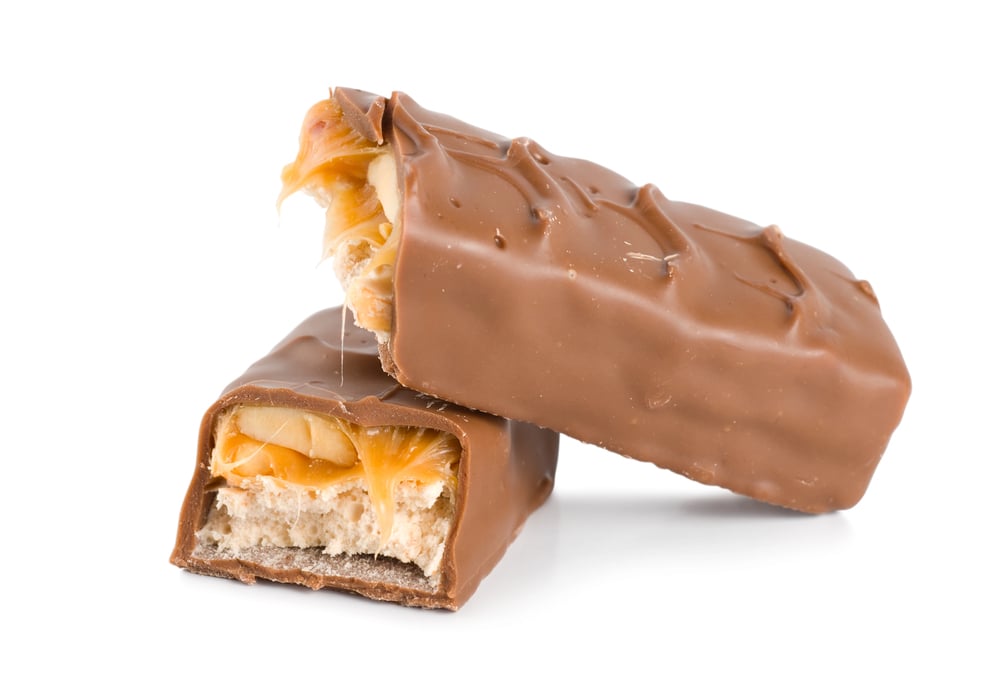
The coconut-covered peanut butter bar included carnauba wax, the same substance used to polish cars and furniture. This natural wax, derived from palm leaves, gave the coconut coating its glossy appearance and helped it adhere to the peanut butter center.
While safe for consumption, carnauba wax wasn’t exactly what consumers expected to find in their candy.
5th Avenue
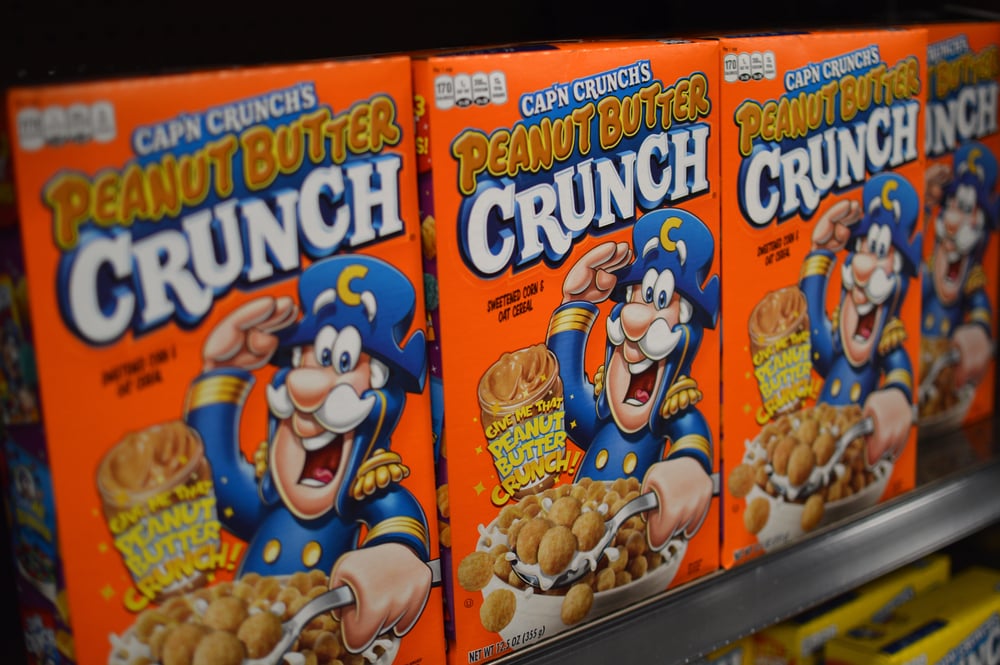
This peanut butter crunch bar contained ammonium bicarbonate, a leavening agent that created tiny air bubbles in the peanut butter center. The chemical reaction helped achieve that distinctive light, crunchy texture that sets 5th Avenue apart from denser peanut butter bars.
Most people associate this ingredient with baking rather than candy production.
Clark Bar
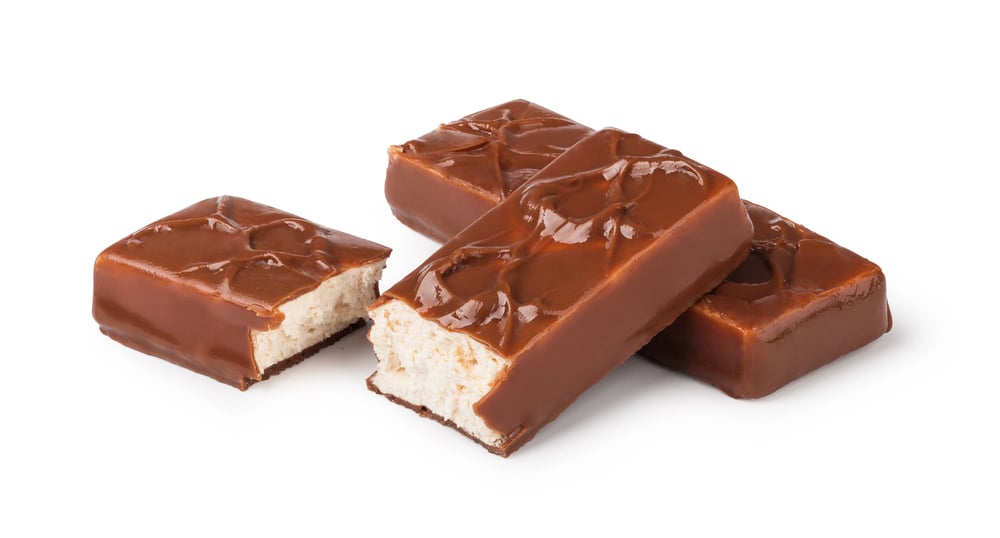
The original Clark Bar formula included lecithin derived from egg yolks, which acted as an emulsifier to blend the chocolate coating smoothly. This ingredient helped create the bar’s glossy chocolate exterior and prevented the coating from separating or developing white bloom.
Modern versions typically use soy lecithin instead of the egg-derived variety.
Like Go2Tutors’s content? Follow us on MSN.
Whatchamacallit
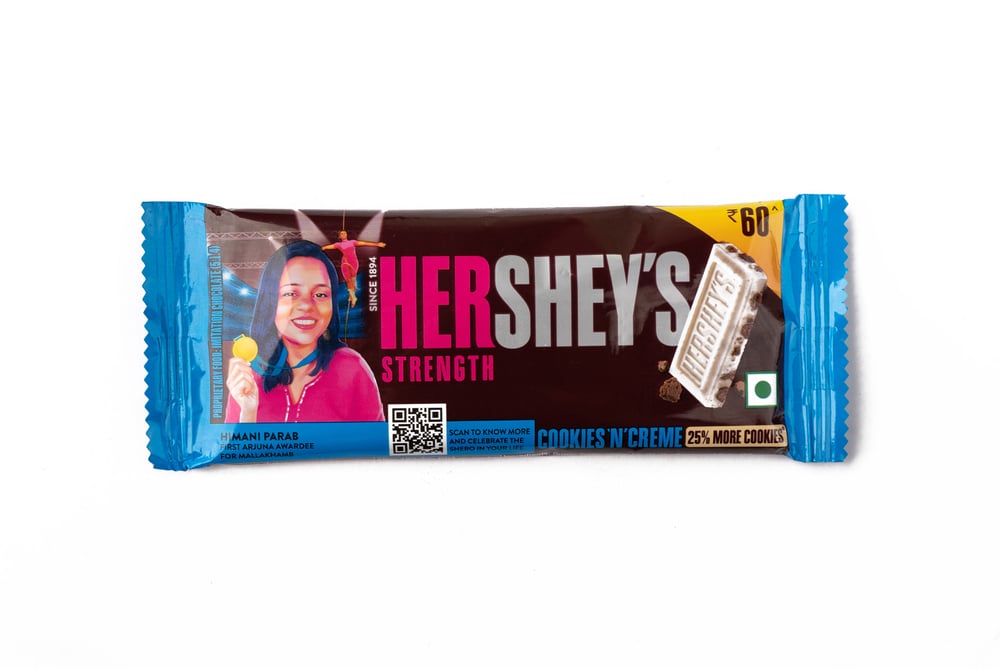
Hershey’s quirky bar contained modified food starch made from potatoes, which helped bind the caramel and create the chewy texture. The potato starch also acted as a thickening agent, giving the caramel layer more body and preventing it from being too runny.
This unexpected vegetable ingredient was crucial to the bar’s unique texture profile.
Sweet Secrets Behind the Wrapper
These hidden ingredients reveal how candy manufacturers have long used creative solutions to achieve the perfect taste, texture, and shelf life for their products. While many of these formulations have changed over the years due to dietary restrictions, cost considerations, and consumer preferences, they remind us that our favorite treats often contain more complexity than their simple marketing suggests.
The next time you unwrap a candy bar, remember that there might be more to that sweet treat than meets the eye.
More from Go2Tutors!

- 16 Restaurant Chains That Went Too Fast
- 12 Things Sold in the 80s That Are Now Illegal
- 15 Strange Things People Have Tried to Ban (And Failed)
- 16 Collectibles People Tossed Out Too Soon
- 17 Myths from Your Childhood That Were Actually Based on Real Things
Like Go2Tutors’s content? Follow us on MSN.



