Beaches That Glow at Night
Darkness wraps the shore, yet it still seems known. The sea keeps moving, night swallows the edge of sky, shadows blur where land meets water.
Suddenly, a surprise. Footprints begin to glow – blue trails appear with each stride.
Water crashes down, sparking as if charged from within. Light spills across some shorelines like liquid stars, yet none of it comes from lamps or illusions.
Alive, these sands shift under forces older than cities – driven by tiny sea creatures, moon cycles, and water that holds its breath at certain temperatures. Look closely, and the pattern reveals itself: a dance between salt, dark, and motion found in only a few spots on Earth.
Where waves meet stillness just so, you might see it too.
The Science Behind the Glow

The glow seen along certain coastlines comes from bioluminescence, a natural process where living organisms produce light. In most beach settings, the effect is caused by microscopic plankton called dinoflagellates drifting near the surface of the water.
When disturbed by movement, waves, or footsteps, they emit a brief flash of blue-green light. This reaction is believed to be a defense mechanism.
The sudden glow can startle predators or draw attention to them, increasing the chance they are spotted by something larger. While the chemistry behind it involves enzymes and light-producing compounds, the visual result feels almost magical.
Still, it is entirely dependent on environmental balance, including water temperature, nutrient levels, and calm conditions. Even so, not every beach with dinoflagellates will glow on demand.
Timing matters, and so does restraint. Too much disturbance or artificial light can dull the effect or make it disappear entirely.
Vaadhoo Island, Maldives

Vaadhoo Island is often described as the textbook example of a glowing shoreline. Located in the Raa Atoll, this beach becomes luminous on calm nights when bioluminescent plankton gather close to shore.
The effect is most visible when waves gently lap the sand, creating glowing outlines that fade almost as quickly as they appear. That said, the glow here is not constant.
It tends to show up during warmer months when plankton populations increase, and only when the water remains relatively still. Resorts nearby often discourage nighttime swimming during strong blooms, as excessive movement can disrupt the delicate balance that makes the phenomenon possible.
What makes Vaadhoo notable is how clearly the glow contrasts against the dark ocean. With minimal light pollution, the effect feels immersive rather than decorative, as if the shoreline itself is breathing light in and out.
Mosquito Bay, Puerto Rico

On the island of Vieques, Mosquito Bay is considered one of the brightest bioluminescent bays in the world. The enclosed shape of the bay helps trap and sustain dense populations of dinoflagellates, creating consistent glow conditions throughout much of the year.
When kayaks glide across the water, their paths light up in swirling patterns that linger just long enough to be noticed. Fish dart beneath the surface, leaving glowing trails behind them.
The effect is so reliable that the bay has become a protected natural reserve, with strict rules limiting boat traffic and artificial lighting. Still, the glow is sensitive.
Heavy rain can dilute salinity levels, reducing brightness for weeks at a time. On the other hand, clear nights with little moonlight offer the strongest displays, turning quiet paddling into something that feels almost unreal.
Jervis Bay, Australia

Jervis Bay, located along the coast of New South Wales, is better known for its white sand and clear water. Yet under the right conditions, parts of the bay light up after dark with electric-blue flashes caused by bioluminescent algae.
Unlike enclosed bays, Jervis relies on offshore blooms that are carried toward the coast by currents. This makes the glow less predictable, but no less striking when it appears.
Surfers and swimmers have reported glowing outlines around their boards and limbs, creating fleeting halos in the water. On the other hand, this unpredictability also highlights how closely tied the phenomenon is to ocean health.
Blooms are influenced by temperature shifts and nutrient runoff, making Jervis Bay a visible indicator of broader environmental changes happening offshore.
San Diego Coast, California

Southern California might not seem like an obvious candidate for glowing beaches, yet stretches of coastline near San Diego periodically come alive with neon-blue waves. These events are caused by large blooms of dinoflagellates that spread across miles of shoreline.
When waves break, they ignite in bright flashes, creating a strobe-like effect that draws crowds after sunset. During peak events, even footprints along the wet sand glow faintly before fading away.
The glow can extend for several miles, making it one of the more expansive displays anywhere. That said, these blooms are often linked to warmer water temperatures and nutrient changes.
Scientists monitor them closely, as unusually large or frequent events may signal shifting ocean conditions. The spectacle is stunning, but it also carries important ecological context beneath the surface.
Luminous Lagoon, Jamaica
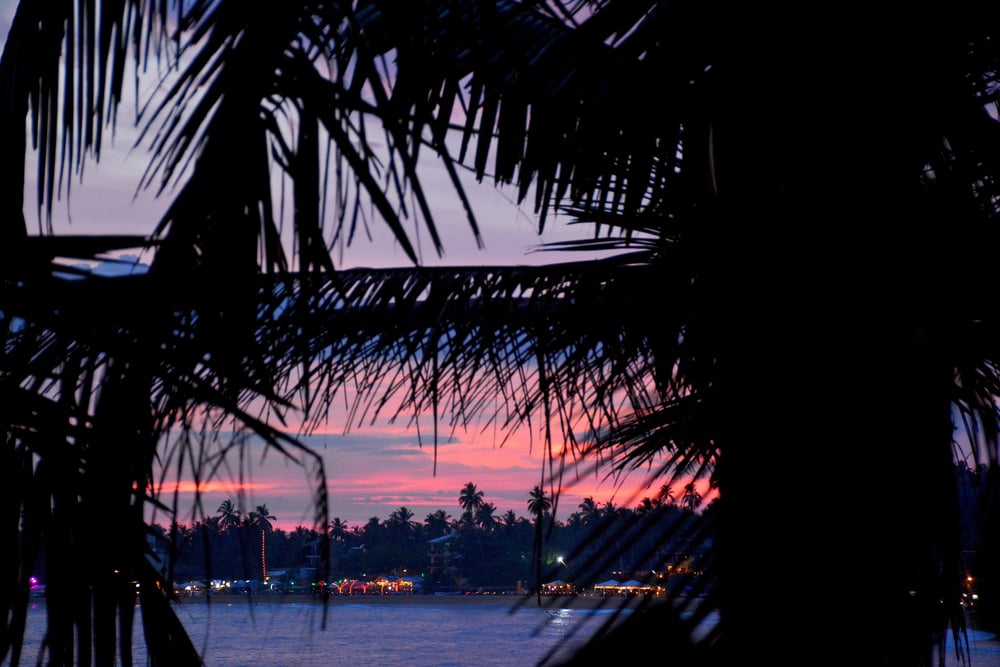
Near the town of Falmouth lies Luminous Lagoon, a shallow body of water fed by freshwater streams and the open sea. This mix creates ideal conditions for bioluminescent organisms to thrive, resulting in a steady glow when the water is disturbed.
Boats moving through the lagoon leave glowing wakes, and swimmers often find their movements outlined in soft blue light. The shallow depth helps concentrate the organisms near the surface, making the glow especially visible even with minimal motion.
Still, the lagoon’s brightness has declined over the years due to development and increased light pollution. Conservation efforts now focus on limiting artificial lighting and preserving the surrounding mangroves, which help maintain the delicate balance needed for the glow to persist.
Toyama Bay, Japan

Toyama Bay offers a slightly different take on nighttime illumination. Here, the glow comes not from plankton, but from firefly squid that migrate closer to shore during spawning season.
These small creatures emit a vivid blue light, turning sections of the bay into something resembling a star-filled sky reflected on water. The event typically occurs in spring and lasts only a few hours each night.
Fishermen have long been aware of the phenomenon, timing their activities around the squid’s appearance. Today, observation platforms allow visitors to witness the glow without interfering directly.
Even so, the display is brief and highly seasonal. Its rarity adds to its appeal, serving as a reminder that not all glowing beaches follow the same biological script.
The Role of Darkness and Timing

Across all glowing beaches, darkness plays a crucial role. Moonlight, city lights, and even nearby resorts can wash out the glow, making it difficult to see.
This is why many protected sites enforce strict lighting rules and limit nighttime access. Timing also matters more than most people expect.
Tides, water temperature, and recent weather all influence whether a glow appears on a given night. A beach that dazzles one evening may look entirely ordinary the next.
That said, patience is often rewarded. Observers who approach quietly and allow their eyes to adjust tend to notice subtle flashes that others miss.
The glow is rarely loud or dramatic. Instead, it reveals itself slowly, almost shyly, to those paying attention.
Why It Still Matters

Far from just pretty sights, some shorelines light up at night. These bright sands act like messengers from the sea, showing how water warmth, food levels, and people’s actions shift over time.
A dimming sparkle, or one that flickers without rhythm, usually hints at unseen changes stirring below. Bathed in moonlight instead of streetlamps, some shores stay wild despite the hum of distant cities.
Not staged for visitors, they simply are – unhurried, unbothered. What keeps them alive is care that doesn’t demand control.
Stillness matters here more than spectacle ever could. Even when the light vanishes, something stays behind.
It wasn’t about how strong it burned, just that it passed so quickly – thin as breath, true as stone.
More from Go2Tutors!

- The Romanov Crown Jewels and Their Tragic Fate
- 13 Historical Mysteries That Science Still Can’t Solve
- Famous Hoaxes That Fooled the World for Years
- 15 Child Stars with Tragic Adult Lives
- 16 Famous Jewelry Pieces in History
Like Go2Tutors’s content? Follow us on MSN.