15 Discontinued Stores That Defined the ’70s and ’80s
Retail in the ’70s and ’80s was different. Shopping malls were social hubs, department stores had personality, and certain chains occupied space in your life that went beyond just selling stuff.
These weren’t just places to buy things — they were destinations, meeting spots, and for many, a defining part of growing up.
The stores that closed their doors during or after this era didn’t just disappear quietly. They took entire experiences with them.
Walking through a mall today feels hollow compared to the energy these places generated. The sounds, the smells, the way certain stores made you feel like you were stepping into something special — all of that vanished when the last lights went out.
Woolworth’s
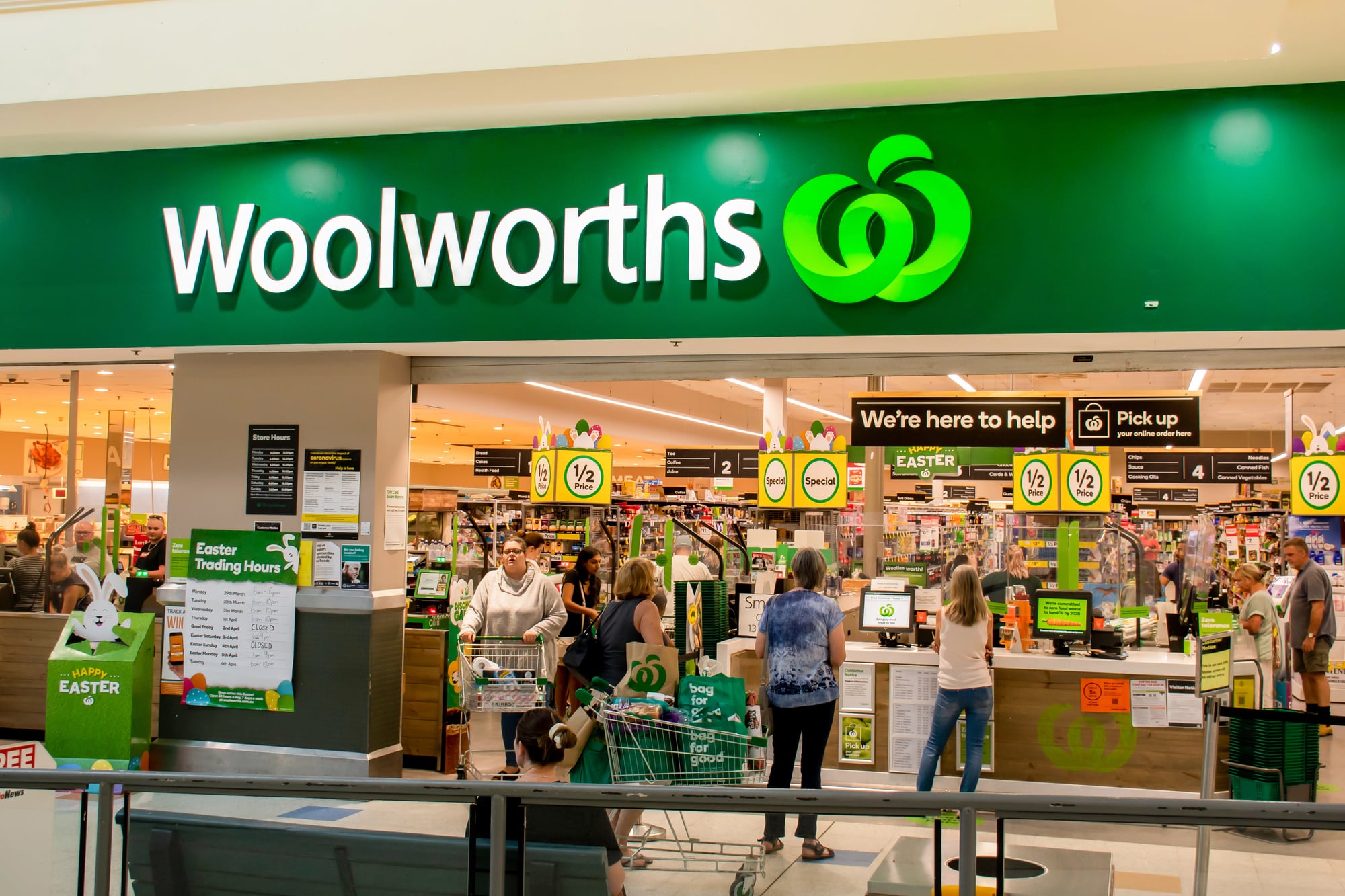
Woolworth’s was the five-and-dime that anchored downtowns across America. Red vinyl stools at the lunch counter, rows of merchandise that somehow made sense together even when they didn’t.
You could buy school supplies, grab a grilled cheese, and pick up a goldfish on the same trip.
The lunch counters were where small-town social life happened. Coffee was cheap, the pie was decent, and everyone knew your order.
When Woolworth’s started closing locations in the ’90s, it wasn’t just retail space that disappeared — it was gathering places that had held communities together for decades.
Gimbels
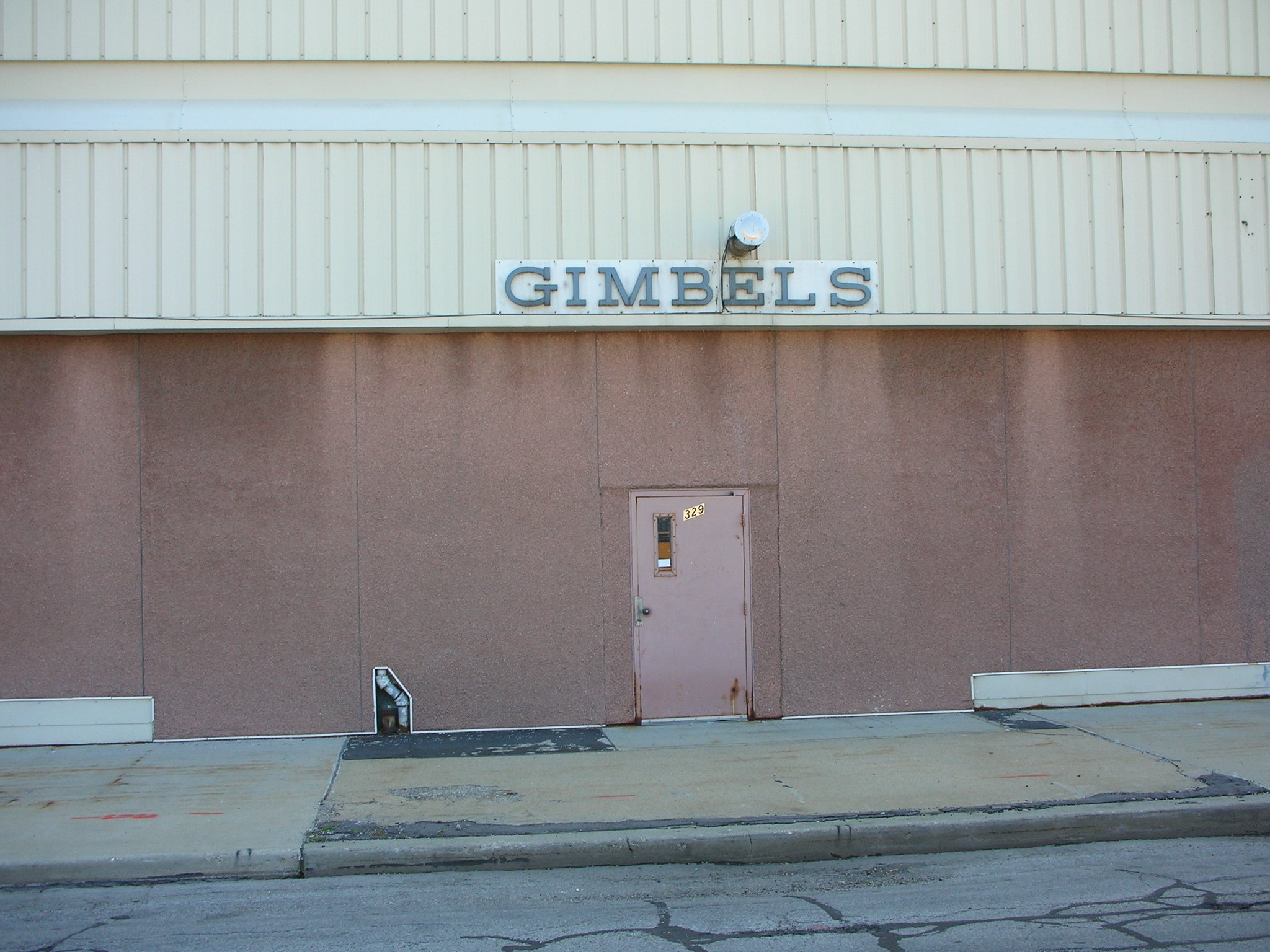
The rivalry between Gimbels and Macy’s wasn’t just marketing (though their Thanksgiving Day parade competition certainly didn’t hurt the drama) — it represented something larger about how department stores operated back then, when each one had to carve out its own identity rather than defaulting to the same bland corporate playbook that dominates retail today.
Gimbels positioned itself as the scrappy alternative to Macy’s stuffiness, and for decades, that actually mattered to shoppers who saw their choice of department store as a reflection of who they were, or at least who they wanted to be.
The Philadelphia flagship alone was massive enough to get lost in for hours, and people did exactly that — not because they were indecisive, but because wandering through Gimbels felt like exploring rather than shopping.
So when the chain finally folded in 1987, it wasn’t just another retail casualty.
And yet the real loss wasn’t the competition — it was the particular way Gimbels made shopping feel like an event worth dressing up for.
Zayre
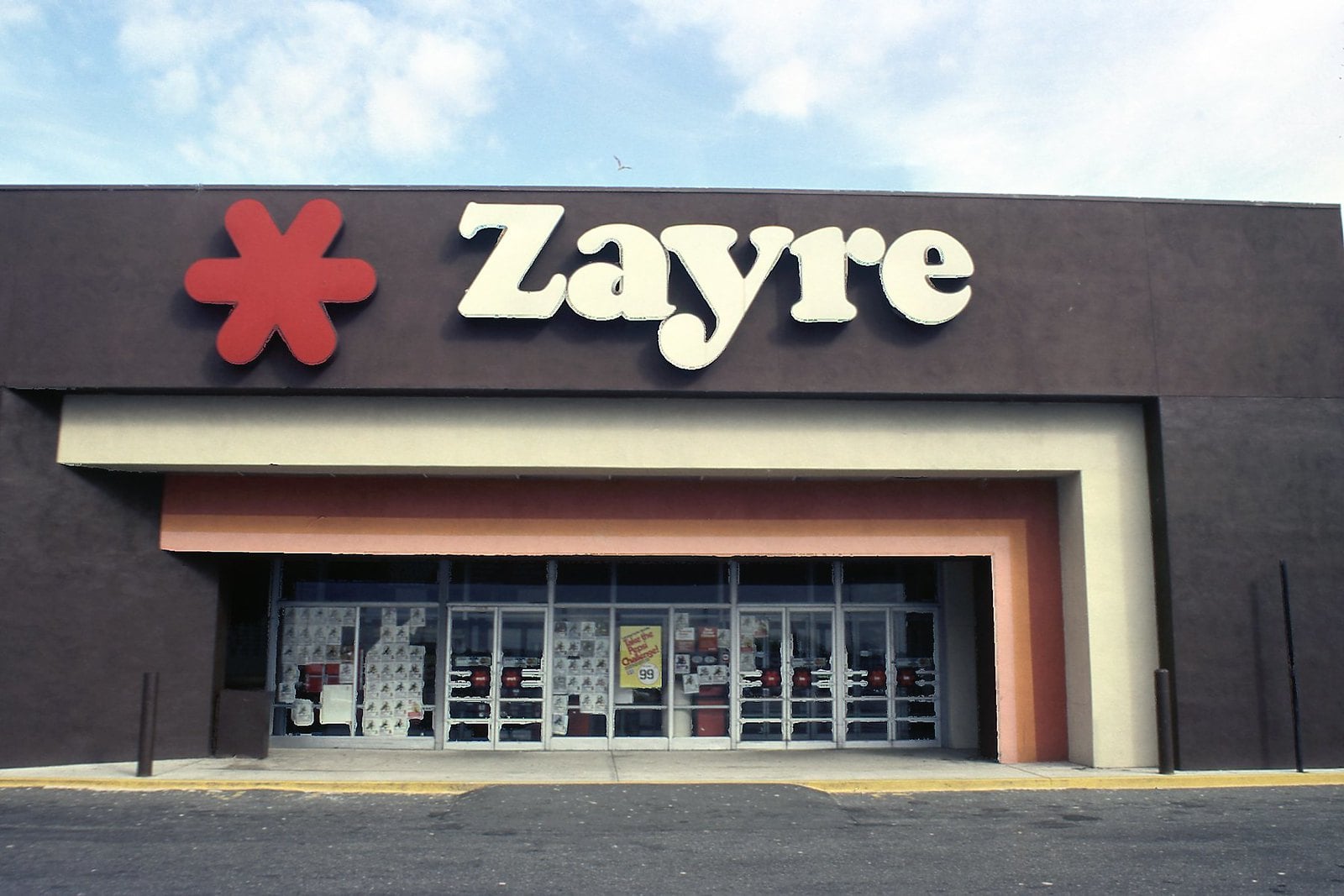
Discount retail before Walmart perfected the formula. Zayre occupied that sweet spot between true department stores and the bare-bones discounters that would eventually dominate.
The stores had enough style to feel legitimate but kept prices low enough that families could actually afford to shop there regularly.
The clothing selection was surprisingly decent for a discount chain. Not fashionable exactly, but solid basics that lasted.
Kids got their school clothes at Zayre, parents grabbed household necessities, and somehow the whole experience felt more dignified than the warehouse-style shopping that replaced it.
Two Guys

Two Guys was chaos in the best possible way — a discount department store that seemed to stock everything without any particular system, where you might find a decent winter coat hanging next to automotive supplies and a display of lawn furniture that made no seasonal sense whatsoever.
The aisles were cramped, the lighting was harsh fluorescent that made everyone look slightly ill, and the checkout lines moved with all the efficiency of a municipal office on the day before a three-day weekend.
But somehow, none of that mattered because Two Guys had this stubborn ability to carry exactly what you needed at a price that didn’t make you wince, even if finding it required the patience of someone genuinely committed to the hunt.
Shopping there felt like treasure hunting — not because the merchandise was particularly special, but because the store’s complete lack of organization meant every trip held the possibility of stumbling across something useful you hadn’t thought to look for.
Which, when you think about it, used to be half the point of shopping.
S.S. Kresge
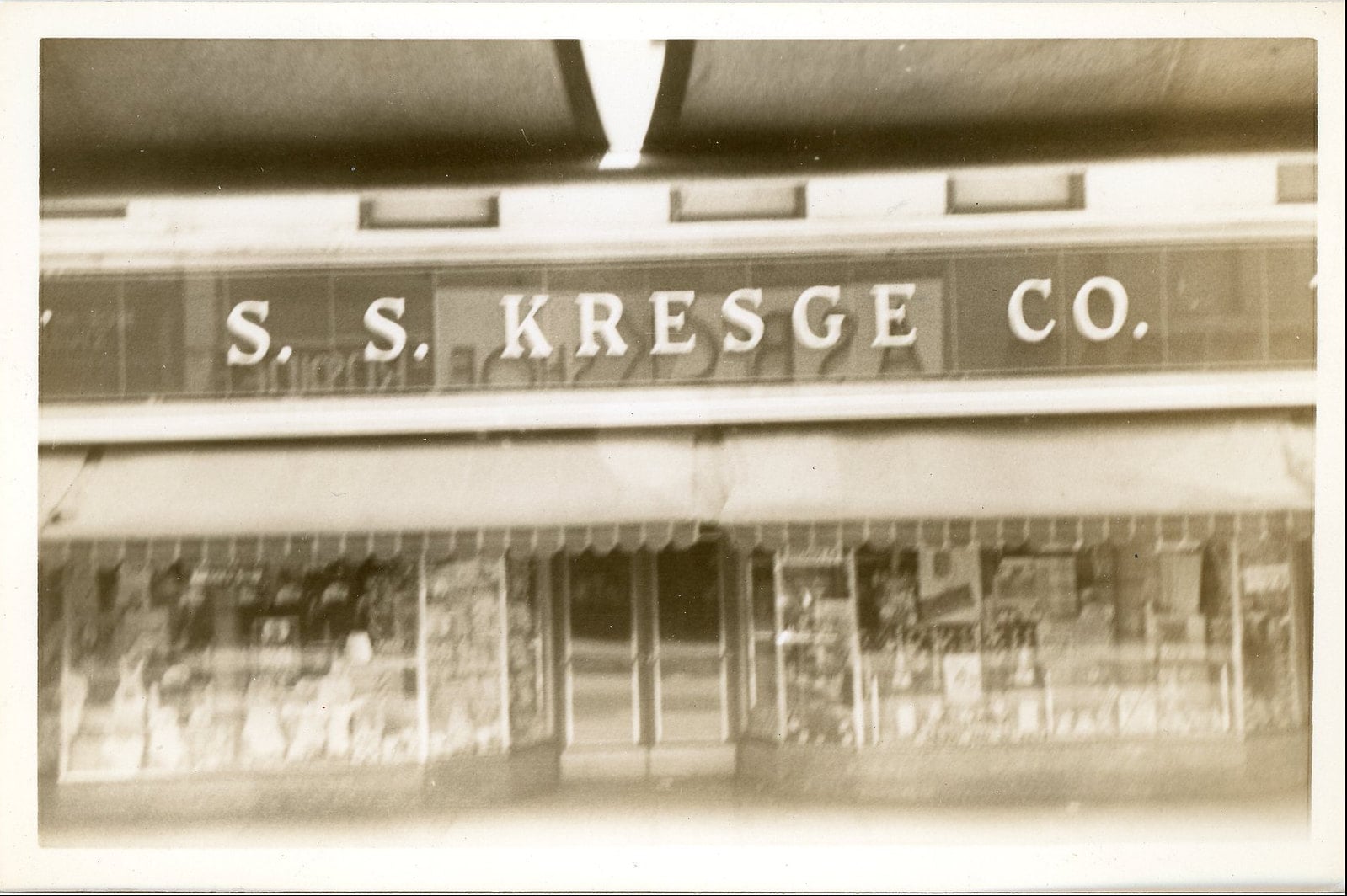
Before Kmart consumed everything, S.S. Kresge was the variety store that somehow managed to be both predictable and surprising. Every location felt familiar — the same layout, the same mix of household goods and personal items — but the specific inventory shifted just enough to keep things interesting.
The lunch counters at Kresge were particularly good. Better than Woolworth’s, if you want the truth.
The coffee was stronger, the sandwiches were bigger, and the staff seemed less interested in small talk, which some people preferred.
Shopping there felt efficient without being impersonal.
Korvettes
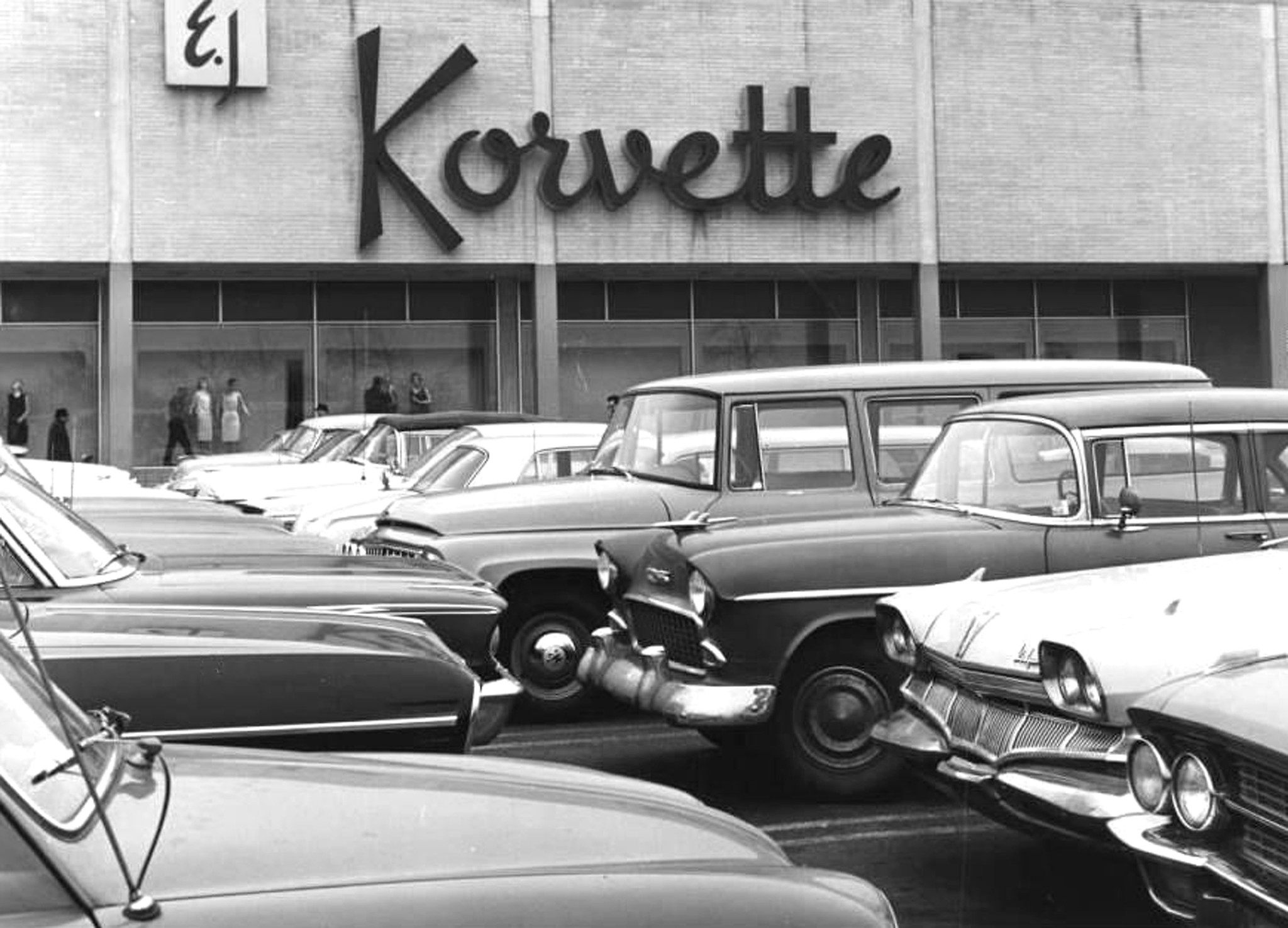
Korvettes understood something about retail psychology that most chains missed entirely: shopping should feel slightly exclusive even when the prices are accessible, which is a much trickier balance to strike than it sounds.
The stores were laid out more like upscale department stores than typical discount retailers, with carpeted floors and decent lighting and displays that actually made an effort to present merchandise attractively rather than just stacking it efficiently.
You could buy a television or a winter coat or a set of dishes at Korvettes and feel like you were making a reasonable choice rather than settling for whatever was cheapest, which mattered more to shoppers in the ’60s and ’70s than retailers today seem to understand.
The electronics section was particularly impressive — back when buying a stereo was a significant household purchase that required actual consideration rather than an impulse click.
But the real genius of Korvettes was how it made discount shopping feel deliberate rather than desperate, which is saying something for a chain that built its reputation on competitive pricing.
Bradlees
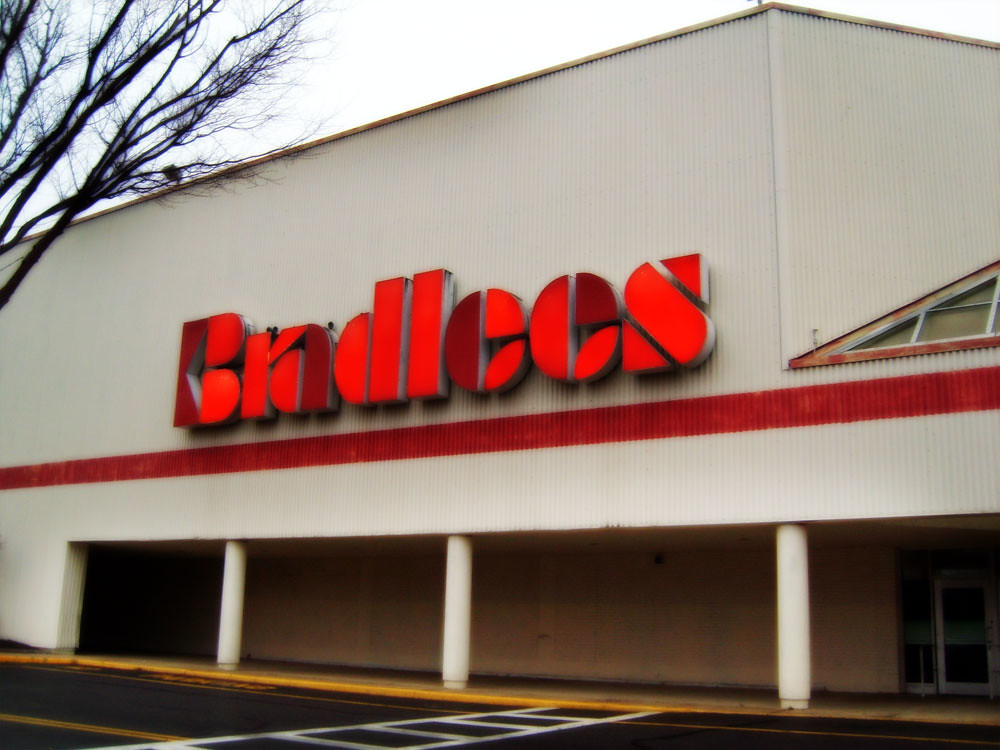
Department store shopping with a regional accent. Bradlees felt distinctly New England — practical, unpretentious, focused on value without making a big show about it.
The stores were clean and well-organized, but never fancy enough to make you feel underdressed for a quick shopping trip.
Their toy section during the holidays was genuinely impressive. Not just the selection, but the way it was presented.
Kids could actually see what they were looking at, parents could compare prices easily, and the checkout process didn’t turn into an endurance test.
Simple competence that’s surprisingly rare in retail.
Ames
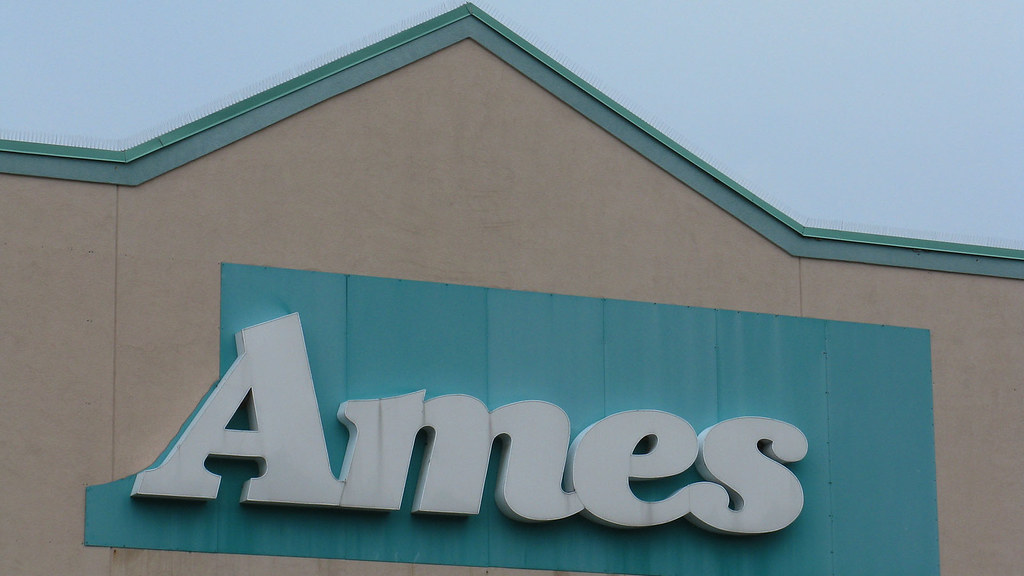
Ames was the discount chain that never quite figured out what it wanted to be, and in the context of retail history, that uncertainty becomes almost endearing — like watching someone try on different personalities until they find one that fits, except Ames never quite got there before running out of time.
The stores themselves reflected this identity crisis: sometimes they felt like proper department stores with organized sections and decent displays, other times they looked more like warehouses where merchandise had been placed with the same care you’d use to stack firewood.
The clothing sections could be surprisingly good or disappointingly cheap depending on which location you visited and apparently which buyer was making decisions that season, and the housewares sections had this habit of carrying either exactly what you needed or nothing remotely close to it.
Shopping at Ames required a certain willingness to adapt your expectations to whatever version of the store you encountered that day.
But when it worked, it really worked — decent quality at fair prices without the pretension.
Caldor
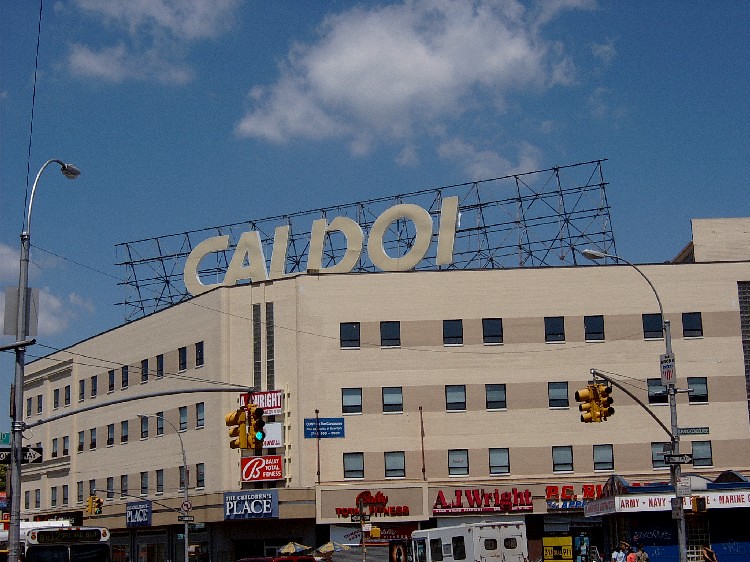
Caldor occupied this specific space in retail that doesn’t really exist anymore — upscale enough to feel respectable, affordable enough for middle-class families to shop there regularly, regional enough that it felt like part of the community rather than some corporate invasion from distant headquarters.
The stores were genuinely pleasant places to spend time, with wide aisles and natural lighting and a clothing section that carried brands people actually wanted to wear.
The pharmacy sections were particularly well-run. Knowledgeable staff, reasonable prices, and none of the corporate policies that make getting a prescription filled feel like negotiating a hostage situation.
When Caldor closed, a lot of small New England communities lost their primary shopping option along with a genuine gathering place.
Montgomery Ward
The catalog was everything. Before the internet, before same-day delivery, Montgomery Ward’s catalog was how rural America shopped for anything beyond basic necessities.
Thick as a phone book, organized with the precision of a reference manual, filled with everything from work clothes to major appliances to Christmas toys.
The retail stores never quite matched the catalog’s influence, but they served their purpose.
Solid merchandise, reasonable prices, and the kind of customer service that came from employees who expected to work there for years rather than months.
When Ward’s finally closed, it felt like the end of an era that had lasted more than a century.
Newberry’s
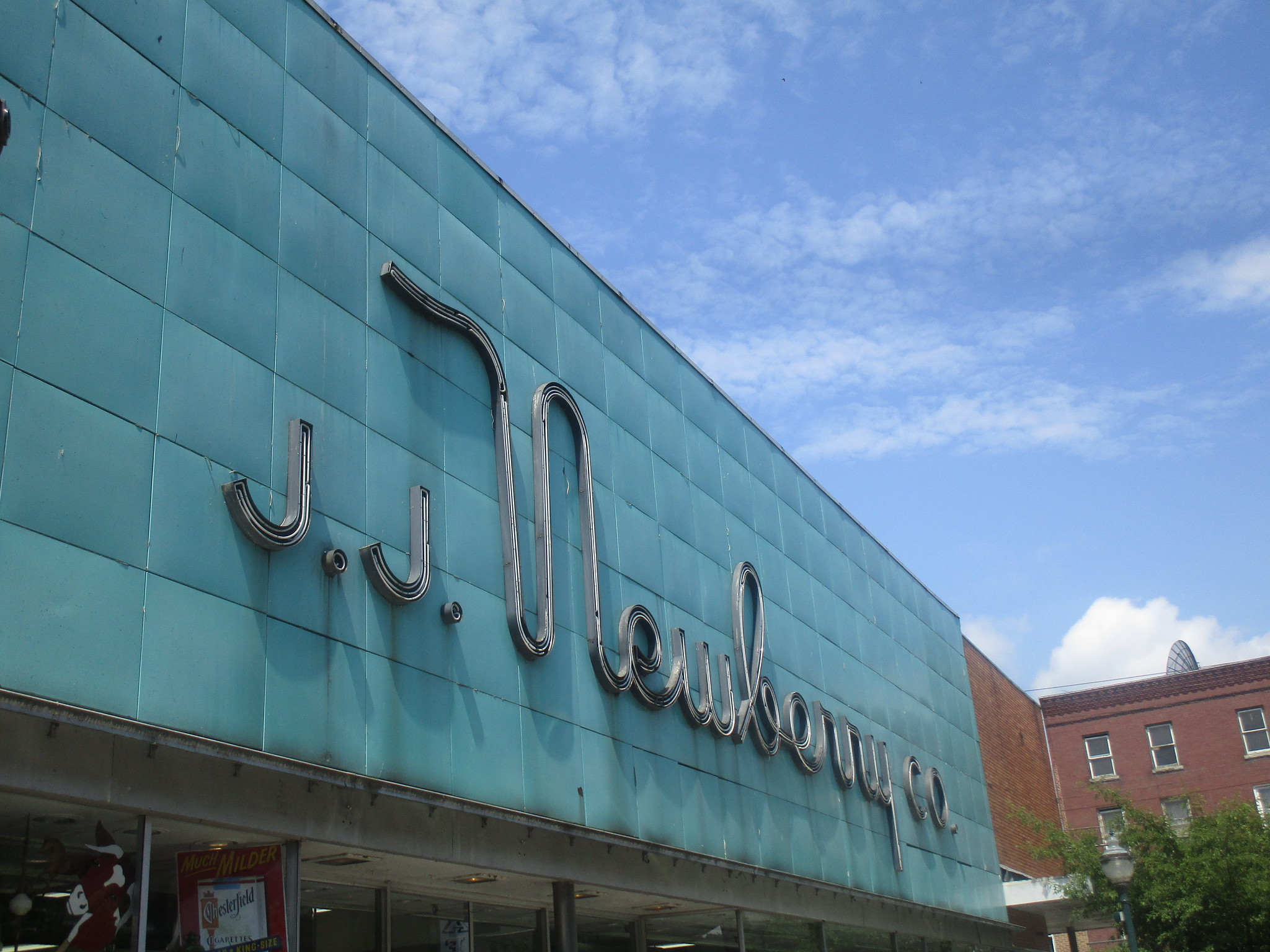
Newberry’s was the five-and-dime that somehow felt more refined than its competitors without actually being more expensive, which was a neat trick that probably had more to do with store layout and lighting choices than any fundamental difference in merchandise quality.
The lunch counters served better coffee than most, the variety sections were organized logically enough that you could find what you needed without wandering aimlessly, and the staff generally seemed to know where things were located rather than offering the blank stares that became standard customer service at so many retail chains.
The stores themselves were smaller than Woolworth’s typically, but that actually worked in their favor — browsing felt purposeful rather than overwhelming, and the checkout lines moved quickly because there simply wasn’t room for them to back up into the merchandise aisles.
But the real difference was in the details: better lighting, cleaner floors, merchandise that was displayed rather than just stocked.
Small things that added up to a shopping experience that felt respectful of your time.
W.T. Grant
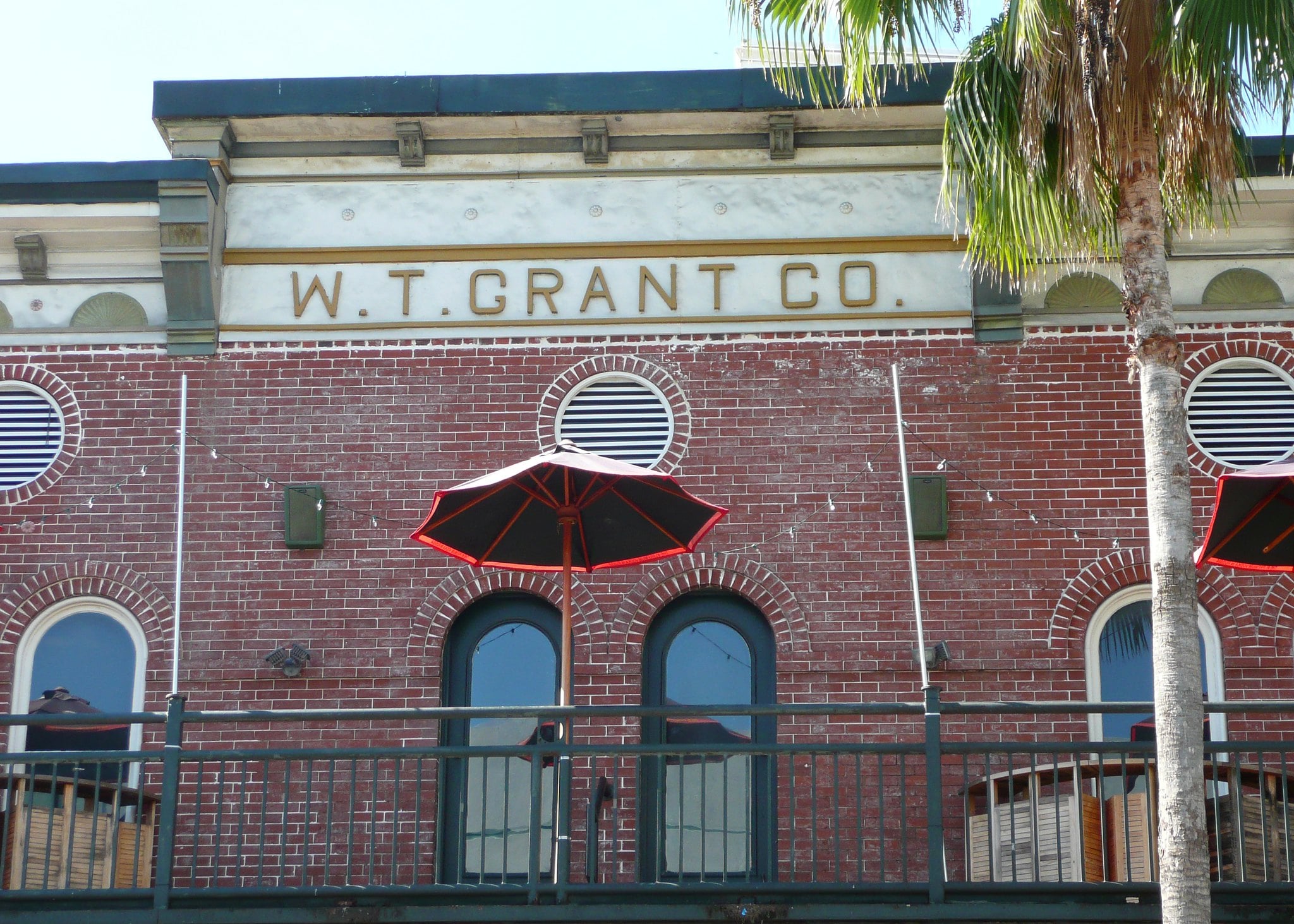
Grant’s was ambitious in ways that probably doomed it from the start. The company kept expanding into bigger stores and broader merchandise categories without quite mastering any of them, which created this strange shopping experience where you could find almost anything but couldn’t count on finding it well-presented or competitively priced.
The lunch counters were decent though. Better than average coffee, solid sandwiches, and the kind of no-nonsense service that came from staff who’d been working the same stations for years.
When Grant’s went bankrupt in 1976, it was one of the largest retail failures in American history up to that point.
Murphy’s
Murphy’s five-and-dime stores understood their role perfectly — small-town retail that focused on necessities without trying to be everything to everyone.
The stores were compact, well-organized, and staffed by people who lived in the communities they served.
The variety sections were particularly good. School and office supplies, basic housewares, personal care items — all the mundane stuff that people actually needed on a regular basis, priced fairly and presented clearly.
No frills, but no frustration either.
Ben Franklin
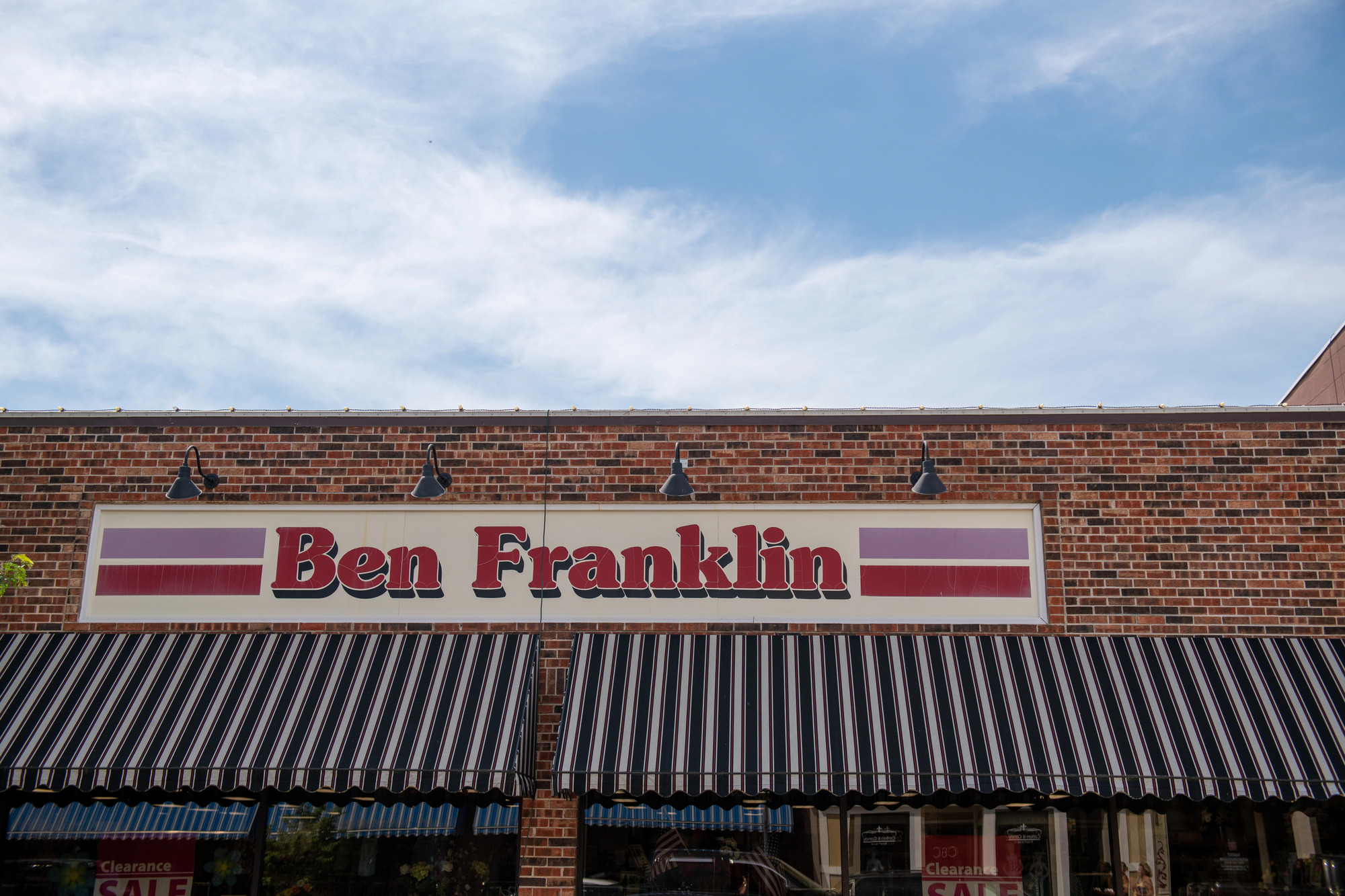
Ben Franklin stores were the five-and-dimes that survived longest by staying truest to the original concept. Small stores, limited inventory, focus on basics.
They served communities too small to support larger retailers and did it well enough that many locations lasted into the 1990s.
The craft sections were their secret weapon. Before big-box stores started carrying hobby supplies, Ben Franklin was where you went for yarn, fabric, art supplies, and project materials.
The staff actually knew about the products they were selling, which made all the difference when you were trying to figure out what you needed for whatever you were making.
When The Lights Went Out For Good

These stores didn’t just close — they took entire ways of shopping and socializing with them. The five-and-dimes anchored downtowns, the department stores made shopping feel like an occasion, and the regional discounters served their communities with a level of personal attention that feels almost quaint now.
What replaced them was more efficient, certainly more profitable, and probably more convenient in most measurable ways. But efficiency isn’t everything.
Sometimes the longer route through a store you knew well, served by people who recognized you, in a building that had been part of the community for decades, was worth the extra time it took.
More from Go2Tutors!

- The Romanov Crown Jewels and Their Tragic Fate
- 13 Historical Mysteries That Science Still Can’t Solve
- Famous Hoaxes That Fooled the World for Years
- 15 Child Stars with Tragic Adult Lives
- 16 Famous Jewelry Pieces in History
Like Go2Tutors’s content? Follow us on MSN.