20 Sports That Were Created for the Most Unexpected Reasons
Human creativity, a spirit of competition, and a desire for physical challenge are frequently the driving forces behind sports. But not all sports had such ambitious beginnings.
In reality, a lot of the well-known sports we love now began for quite different purposes, such as resolving conflicts or killing boredom during the long winter months. This list of 20 sports has surprising roots and demonstrates how human ingenuity can turn everyday events into global competitive events.
Basketball

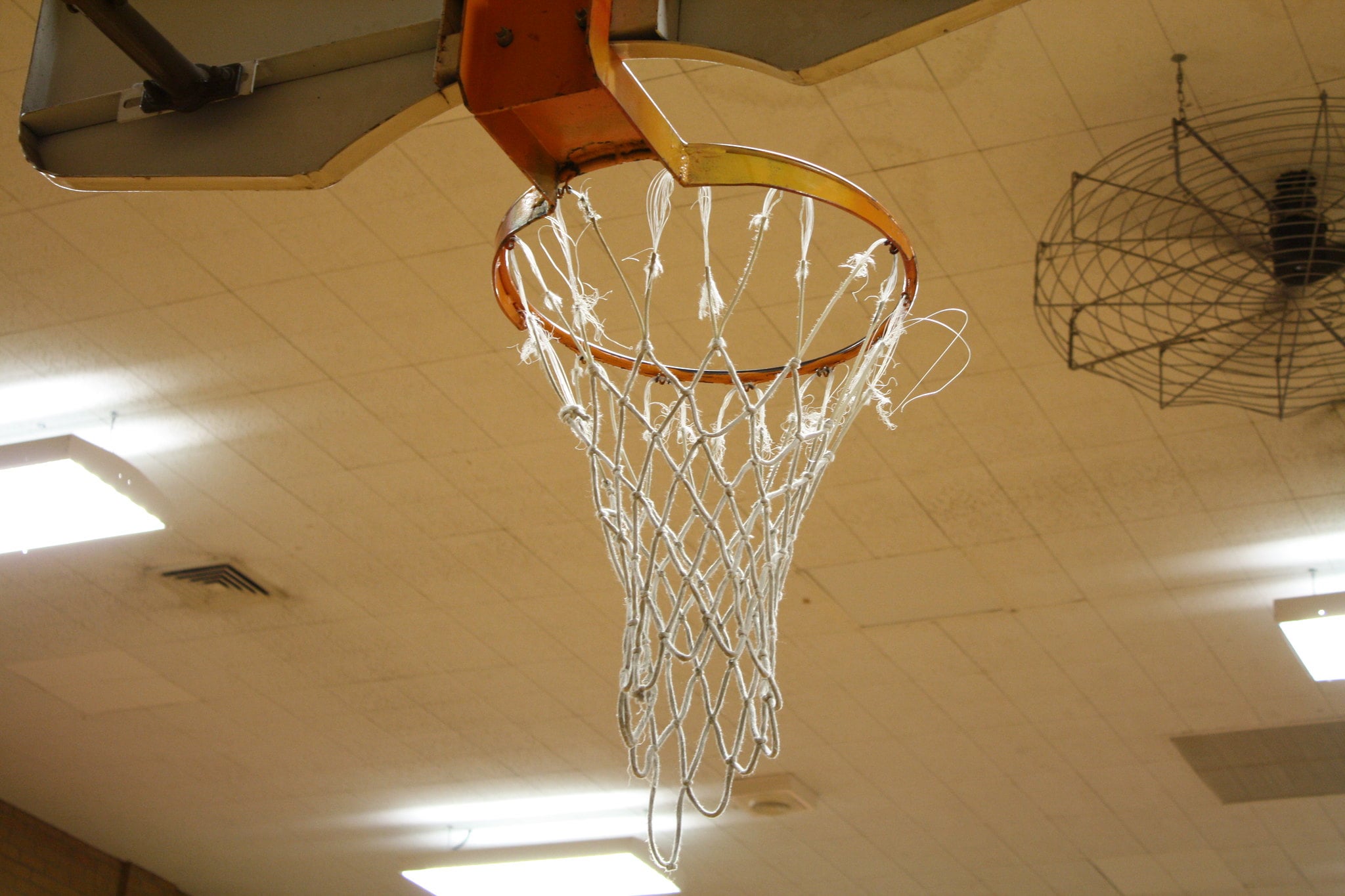
Basketball was invented in 1891 by Dr. James Naismith, a physical education instructor who needed an indoor activity for his students during the harsh Massachusetts winter. The first game used a peach basket nailed to the gymnasium wall and a soccer-style leather ball.
Naismith created the game in just 14 days after his supervisor demanded a new activity that would keep young men occupied between football and baseball seasons.
Volleyball

William G. Morgan created volleyball in 1895 as a less physically demanding alternative to basketball for older members of his YMCA. He called it ‘mintonette’ initially, combining elements of basketball, tennis, and handball to create a game that required less physical contact.
The sport got its current name when someone noticed that players were volleying the ball back and forth over the net, much like tennis without the rackets.
Badminton

British military officers stationed in India during the 1860s adapted a local game called ‘poona’ to create what we now know as badminton. They brought it back to England where it gained popularity at a party hosted at the Duke of Beaufort’s country estate called ‘Badminton House.’
The sport spread quickly among the British upper class who enjoyed it as a social activity that both men and women could play together.
Ultimate Frisbee
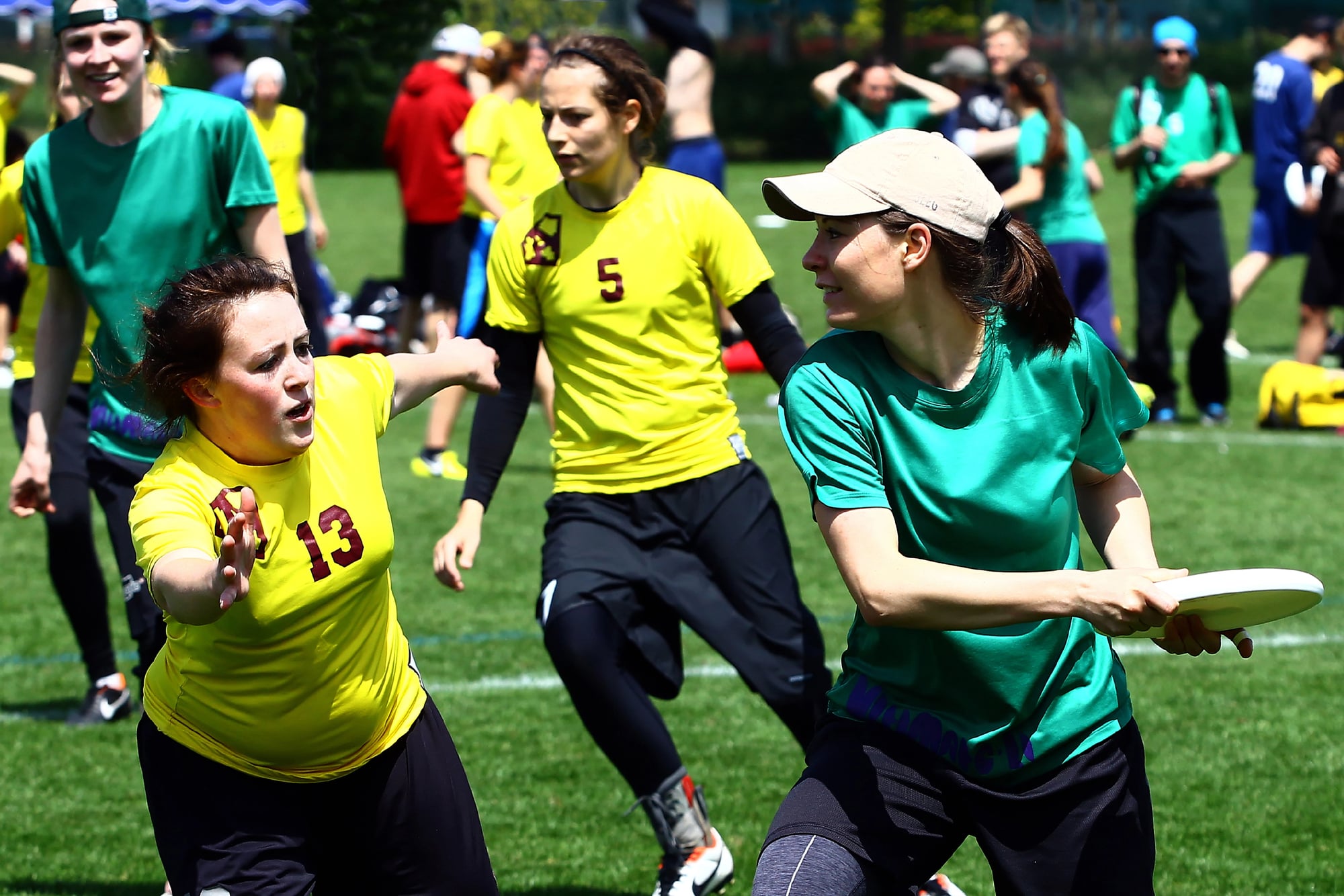
A group of high school students in Maplewood, New Jersey created Ultimate Frisbee in 1968 while joking about the ‘ultimate’ game that combined elements of their favorite sports. Joel Silver, who later became a famous Hollywood producer, proposed the idea during a student council meeting.
The students based many of the rules on a free-flowing children’s game called ‘Frisbee Football,’ transforming a casual toy into a legitimate athletic competition.
Pickleball
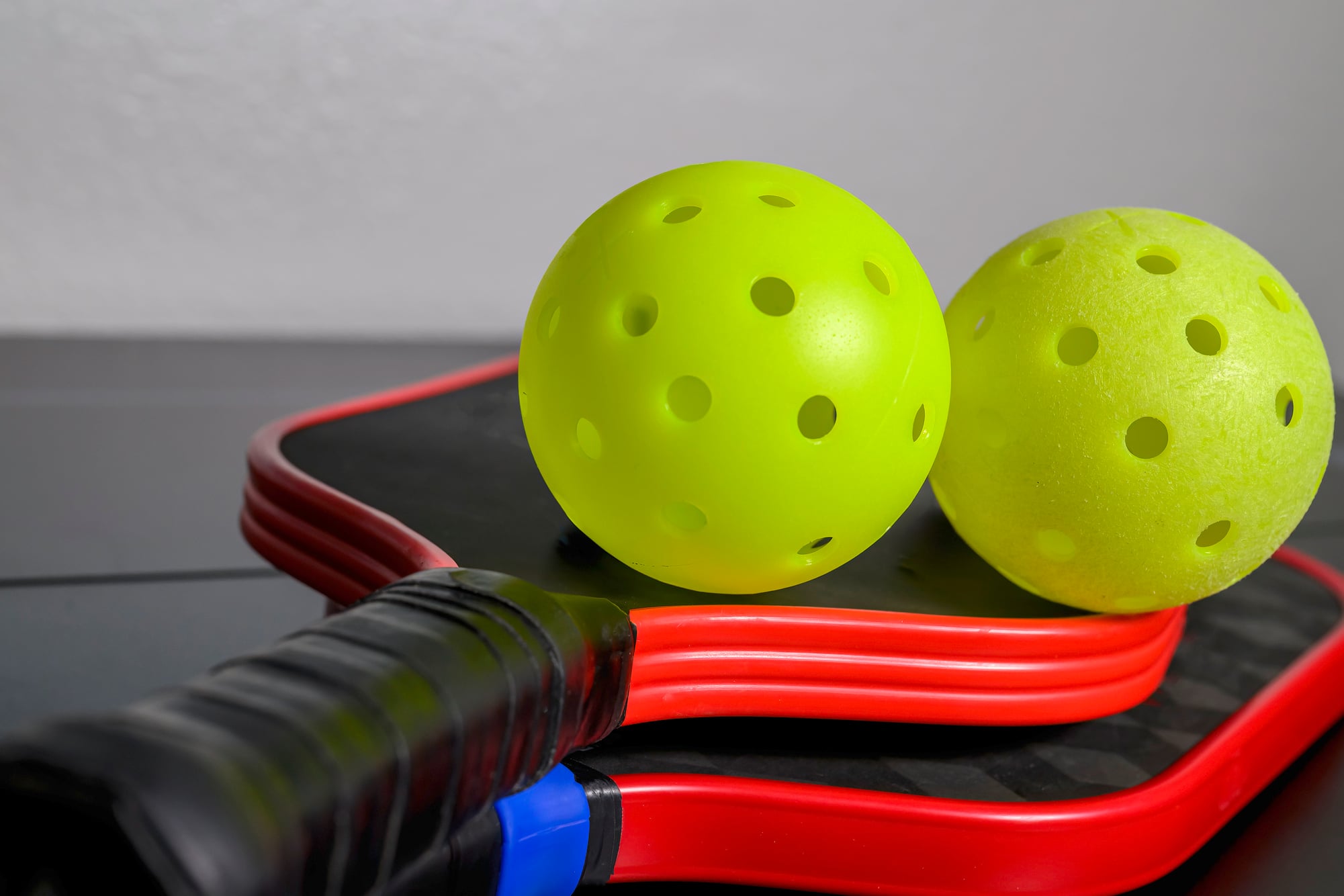
Three dads on Bainbridge Island, Washington invented pickleball in 1965 to entertain their bored children during summer vacation. Using ping-pong paddles, a perforated plastic ball, and a badminton court, they created a game the whole family could enjoy regardless of athletic ability.
The name allegedly came from the family dog ‘Pickles’ who would chase after stray balls—though some dispute this, claiming the name refers to ‘pickle boats’ in rowing where crews are mixed together.
Rugby

Rugby originated in 1823 when William Webb Ellis, a student at Rugby School in England, allegedly picked up the ball during a soccer match and ran with it. This spontaneous rule-breaking moment supposedly gave birth to an entirely new sport.
Whether the story is true or apocryphal, Rugby School embraced the tale, and the sport’s top international tournament trophy is named the Webb Ellis Cup in honor of this impulsive act.
Parkour

Parkour developed from military obstacle course training thanks to Raymond Belle, a French firefighter who learned the techniques as a child in Vietnam. His son David later refined these movements into an urban discipline in the suburbs of Paris during the 1980s.
The sport evolved as a method to efficiently overcome obstacles in emergency situations, not as a recreational activity, but soon captured worldwide attention through viral videos and action films.
Curling
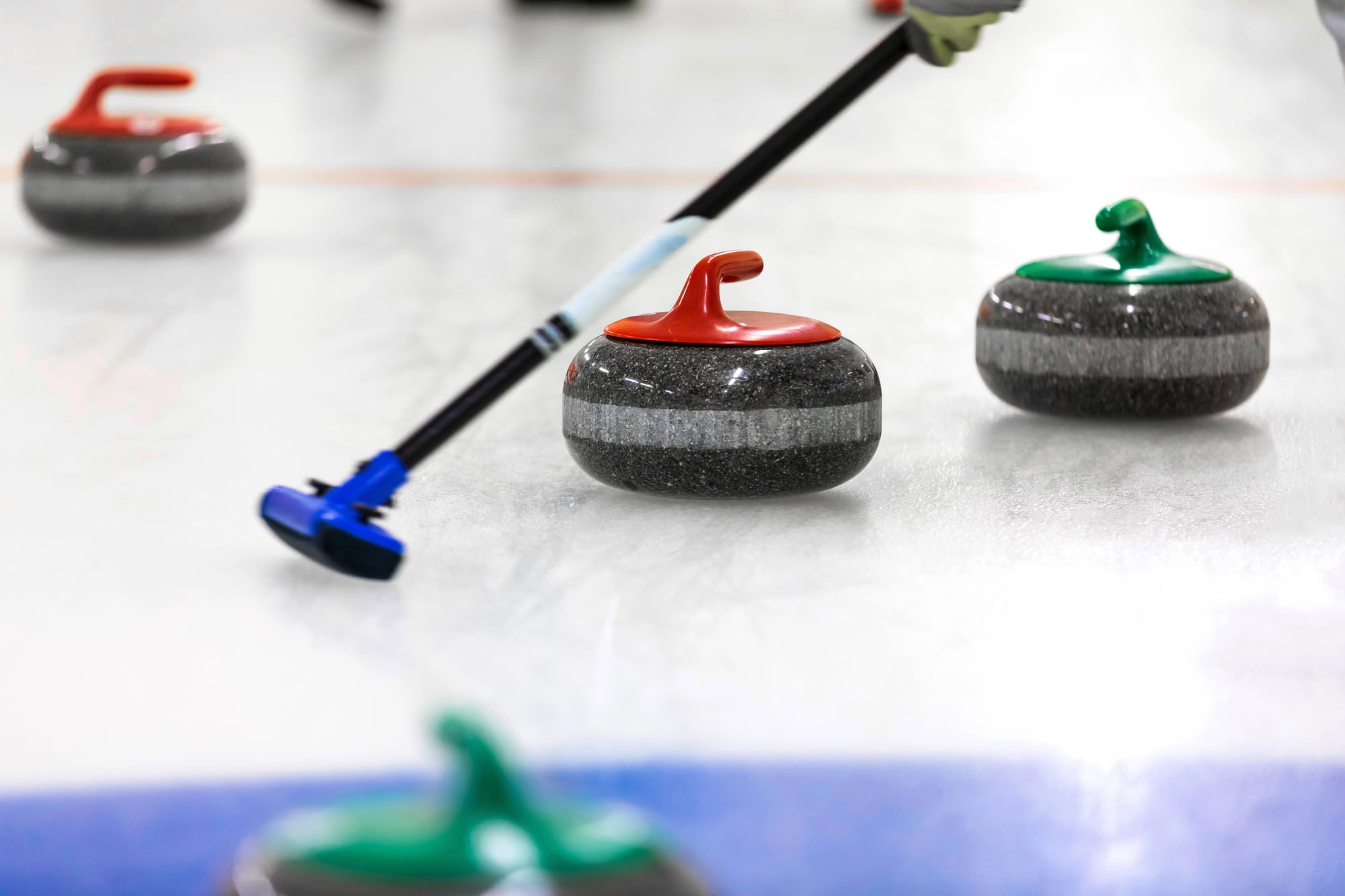
Scottish farmers in the 16th century created curling as a winter pastime using frozen stones on icy ponds. They would slide granite rocks across frozen marshes when it was too cold to work the fields, using household brooms to influence the stone’s path.
The sport started as a simple way to pass the time during long northern winters but evolved into a precise Olympic discipline often described as ‘chess on ice.’
Golf

Scottish shepherds created an early version of golf by hitting rocks into rabbit holes using their crooks during downtime while watching their flocks. The modern game took shape in the 15th century along Scotland’s eastern coastline where the sandy soil and natural terrain created ideal conditions for the sport.
Early players used primitive clubs carved from wood and balls made of leather stuffed with feathers.
Squash
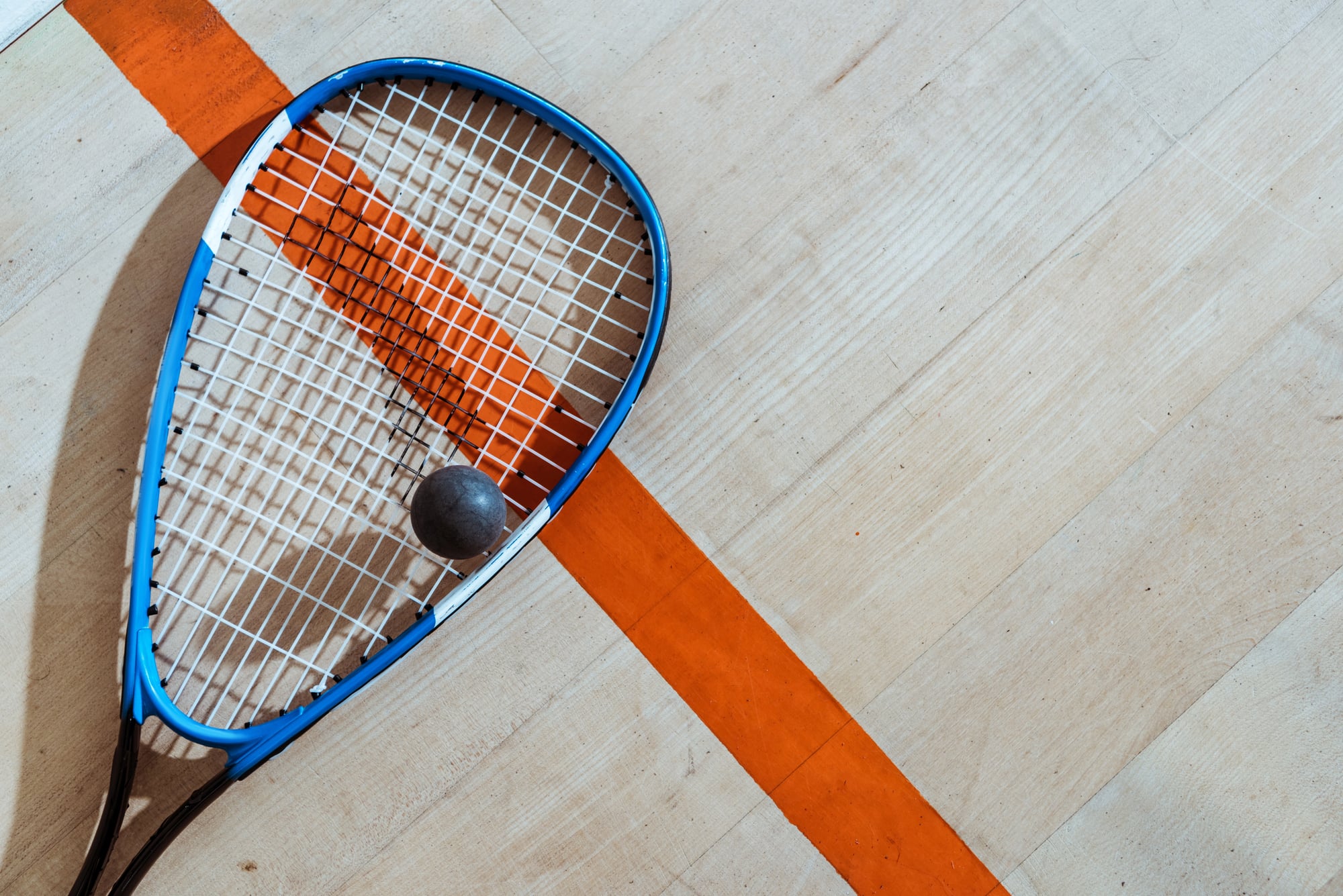
Students at Harrow School in England invented squash around 1830 when they discovered that a punctured racquetball produced a game with more variety and skill. They played in enclosed courts originally built for a different game called ‘rackets,’ finding that the softer ‘squashable’ ball allowed for more strategic play in smaller spaces.
The confined area transformed what was essentially a warm-up activity into an entirely distinct sport.
Skateboarding

Surfers in California created skateboarding in the 1950s as a way to ‘surf the sidewalks’ when ocean waves were flat. The first skateboards were homemade contraptions consisting of wooden boxes or boards with roller skate wheels attached to the bottom.
What began as a makeshift activity during poor surfing conditions evolved into a global phenomenon with its own distinct culture, professional competitions, and Olympic status.
Handball

German physical education instructor Max Heiser developed modern handball in 1917 as a training exercise for female factory workers. He created the sport as an alternative to soccer that women could play in smaller spaces while still developing coordination and fitness.
The game spread quickly through Europe, becoming especially popular in Scandinavian countries before expanding worldwide.
Pole Vaulting

Ancient warriors in Europe used pole vaulting as a practical way to cross wetlands and vault over enemy walls during combat. Dutch canal jumpers later used poles to leap across waterways in the lowlands, turning a utilitarian skill into a competitive activity.
The sport moved from practical application to athletic competition when it was included in the early Irish Tailteann Games and later became a staple of track and field competitions.
Cornhole

German-American farmers in 14th-century Cincinnati created cornhole as a way to pass the time between harvests. They filled bags with corn kernels and tossed them at holes cut in wooden platforms, creating a simple game that required minimal equipment.
The activity remained a regional pastime for centuries before experiencing a nationwide surge in popularity during the early 2000s through tailgate parties and backyard gatherings.
Sepak Takraw
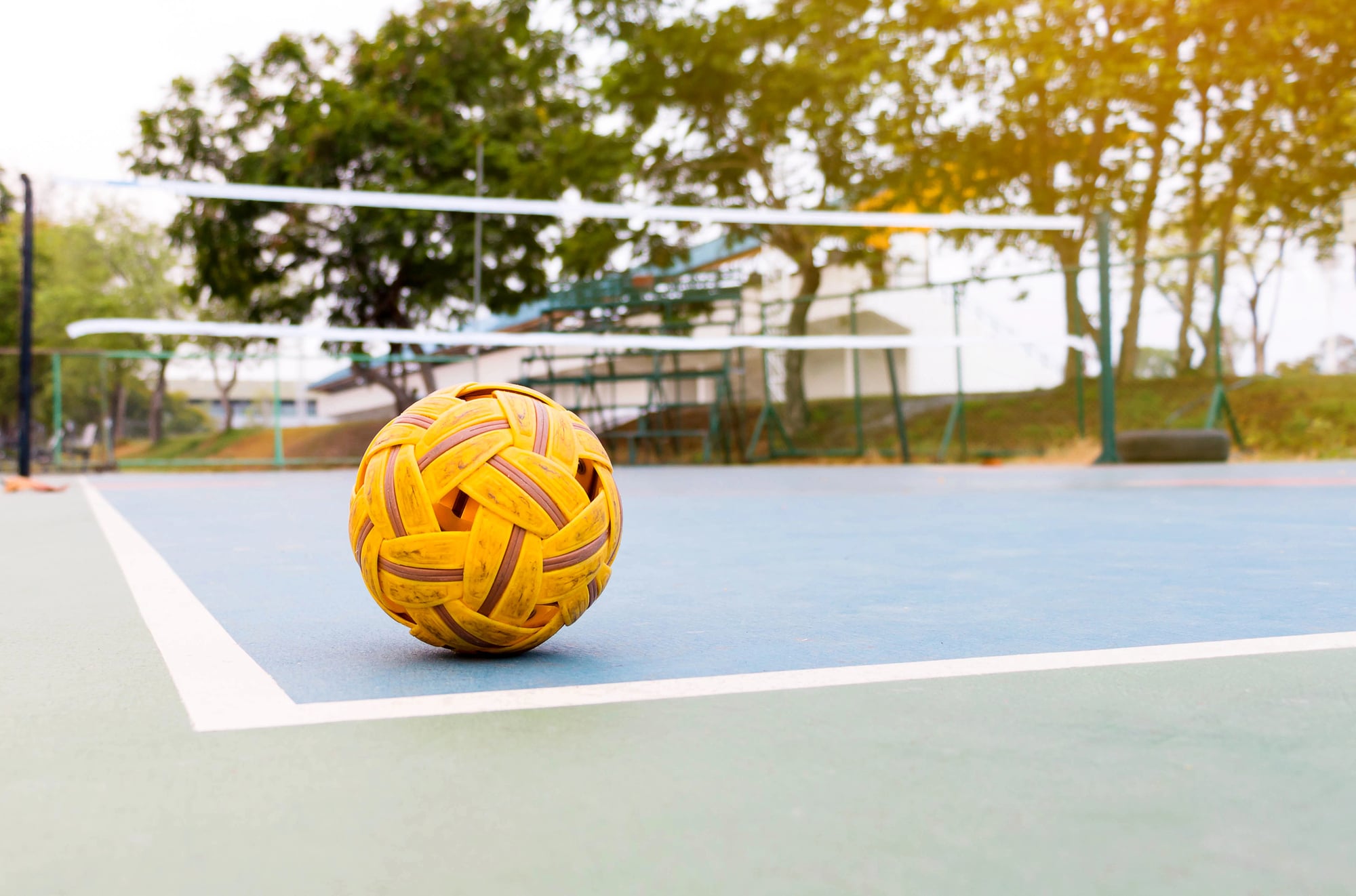
Southeast Asian farmers developed Sepak Takraw (kick volleyball) over 500 years ago to improve their dexterity and coordination during agricultural off-seasons. They wove a ball from rattan strips and practiced kicking it back and forth without using their hands, gradually adding a net and competitive elements.
What began as a simple exercise evolved into a jaw-dropping sport that combines the acrobatics of gymnastics with the precision of volleyball.
Lacrosse

Indigenous North American peoples created lacrosse as a ceremonial activity to resolve tribal disputes and prepare warriors for battle. Games sometimes involved hundreds of players and spanned several miles, lasting from sunrise to sunset.
European colonists later modified the sport, standardizing rules and equipment while preserving the basic concept of using netted sticks to handle the ball. The name comes from French missionaries who thought the stick resembled a bishop’s crosier (la crosse).
Jai Alai
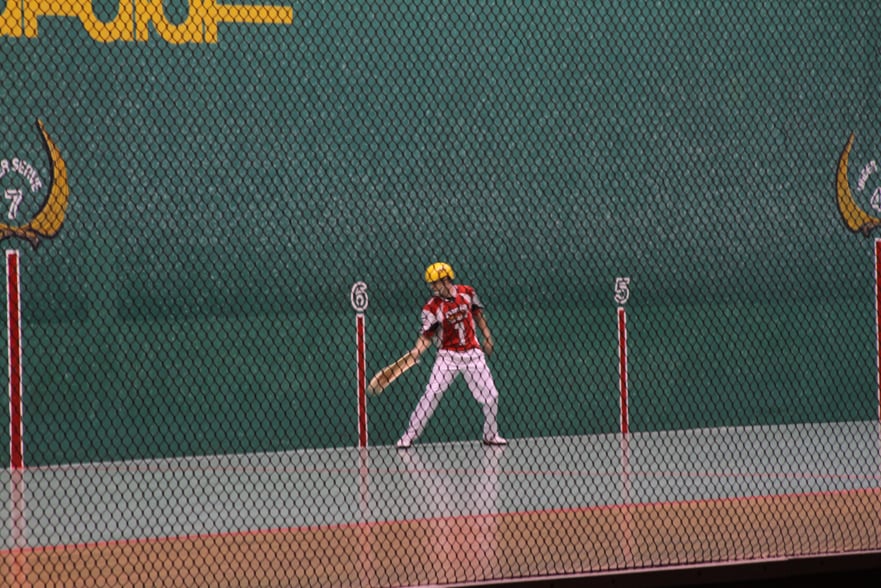
Basque farmers and laborers developed Jai Alai from traditional handball games played against church walls during religious festivals. They discovered that using a curved wicker basket (cesta) attached to the hand dramatically increased the ball’s speed, creating what is now considered the fastest sport in the world.
This agricultural pastime evolved into a professional betting sport particularly popular in Florida, the Philippines, and parts of Latin America.
Dodgeball
Ancient Egyptian physicians around 2000 BCE recommended a form of dodgeball for developing quick reflexes and spatial awareness in young patients. They would throw objects for children to avoid, believing the activity improved neurological function.
Later civilizations transformed this therapeutic exercise into a competitive team sport, maintaining the core concept of evading thrown objects while developing the strategic team elements we recognize today.
Table Tennis
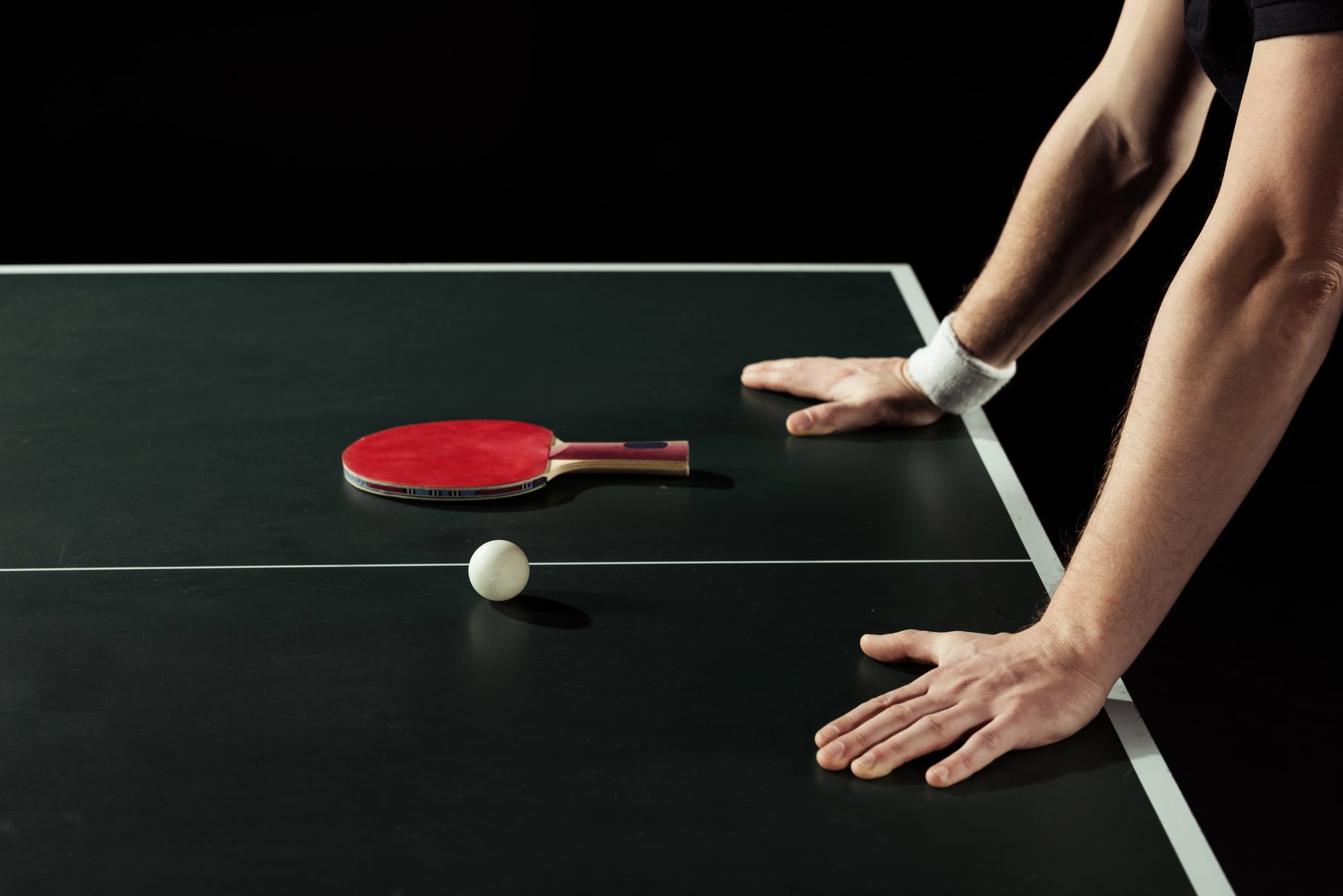
British military officers stationed in India created table tennis in the 1880s as an indoor alternative to lawn tennis during monsoon season. They used books as nets, cigar box lids as paddles, and champagne corks as balls on dining room tables.
This improvised rainy-day diversion eventually standardized into a precise sport playing a significant role in international diplomacy during the ‘ping pong diplomacy’ that helped thaw US-China relations in the 1970s.
Snowboarding

Sherman Poppen invented the first snowboard in 1965 by binding two skis together for his daughter to slide down hills near their Michigan home. He called his invention the ‘Snurfer’ (combining snow and surfer) and licensed it to a manufacturer who sold nearly a million units as toys.
What began as a father’s creative solution for winter entertainment evolved into a worldwide phenomenon that revolutionized winter sports and created an entirely new athletic subculture.
The Evolution of Competition
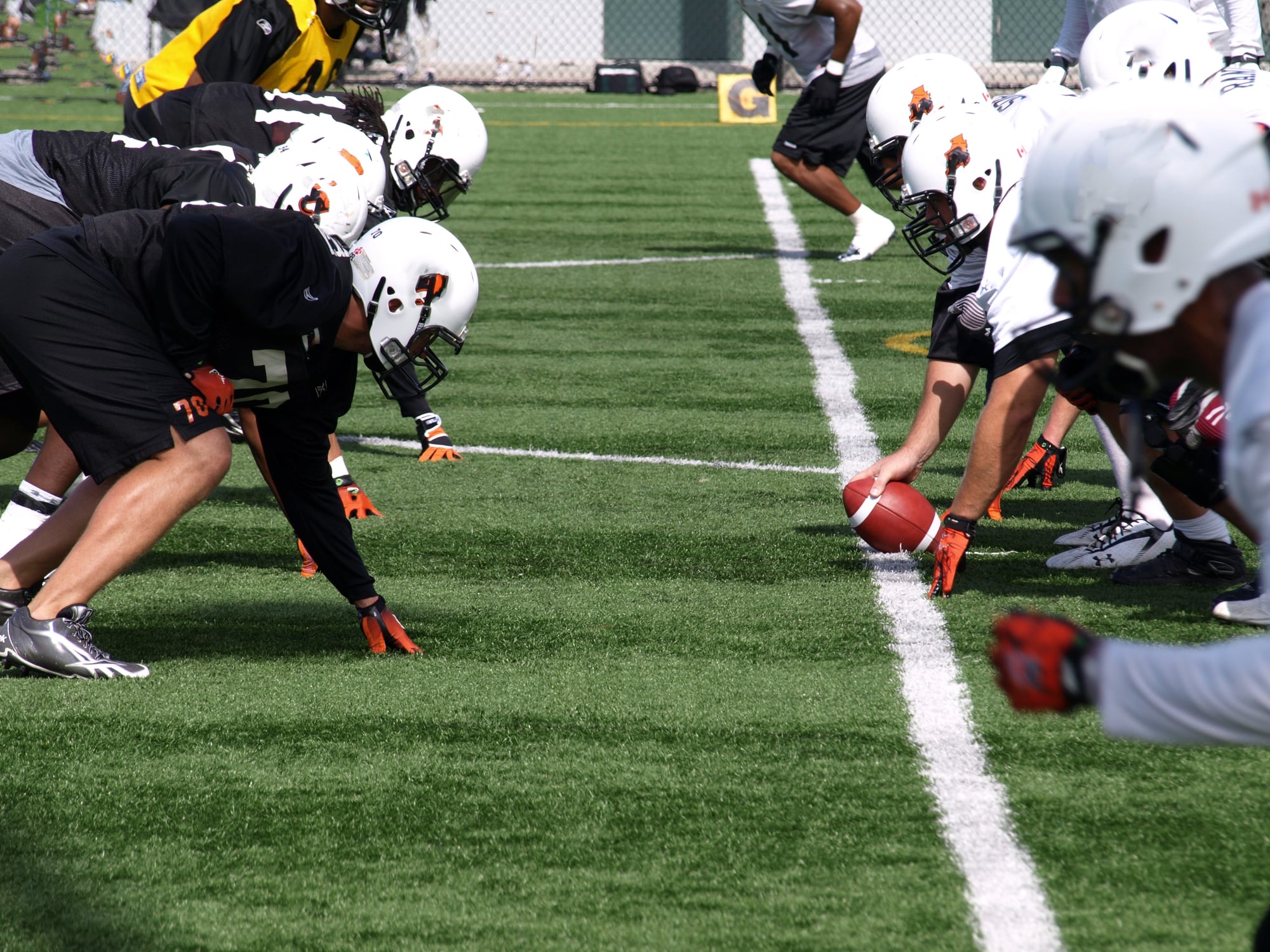
These peculiar origin stories reveal how human ingenuity transforms ordinary situations into structured competitions that captivate millions. Sports rarely emerge from deliberate planning but instead evolve organically from necessity, boredom, or chance discoveries.
What makes these activities endure isn’t just their competitive element but their ability to connect people across cultures and generations through shared physical experience.
From backyard games created to entertain bored children to ancient practices with ceremonial significance, these sports remind us that play is a fundamental human drive. The unexpected beginnings of these popular activities demonstrate how the most influential cultural phenomena often arise from the simplest human desires: to move, to play, and to connect with others.
More from Go2Tutors!

- The Romanov Crown Jewels and Their Tragic Fate
- 13 Historical Mysteries That Science Still Can’t Solve
- Famous Hoaxes That Fooled the World for Years
- 15 Child Stars with Tragic Adult Lives
- 16 Famous Jewelry Pieces in History
Like Go2Tutors’s content? Follow us on MSN.



