Inventions That Transformed Communication
Not always neat, human talk jumps ahead when some tool breaks an old silence. A fresh idea cuts through what folks just lived with, no complaints.
Far-off places matter less once messages fly fast. Time stops being a wall.
Who gets heard shifts overnight. Power bends when voices pile up.
One crack in control sends waves through everything else. Small upgrades? They twist into big changes without warning.
From ancient times on, some tools didn’t just speed up talking or clean up messages. Power shifted – suddenly new voices rose, fresh ears tuned in, ways thoughts traveled bent and grew.
Seeing those turns reveals roots of modern exchange. The shape of speech now traces back to those leaps.
Peering into tools that reshaped human ties – ways we swap stories, pass on thoughts, reach mutual ground. A shift sparked by creations altering conversation forever.
The Printing Press
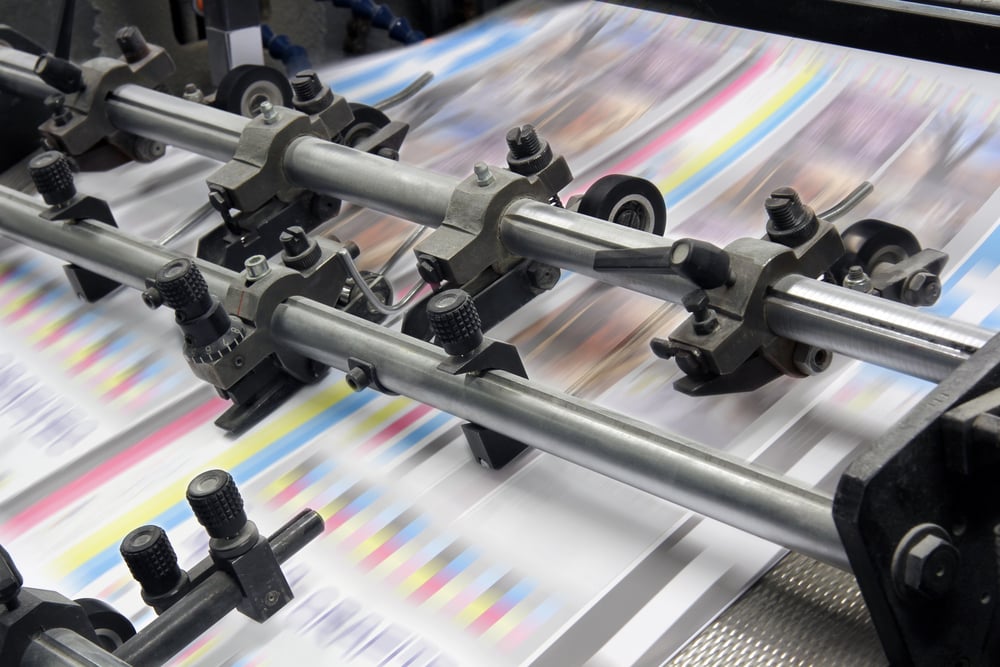
Before the printing press, written communication was slow, fragile, and exclusive. Books were copied by hand, a process that took months and introduced errors along the way.
As a result, written knowledge remained concentrated among religious institutions, scholars, and the wealthy. Communication through text existed, but it was limited in both reach and influence.
The printing press changed that balance. Once words could be reproduced accurately and in large numbers, ideas gained mobility.
Texts could circulate beyond their place of origin, reaching readers who had never met the author. Literacy gradually expanded, and written communication became a tool for education, debate, and reform rather than preservation alone.
Over time, the press reshaped how societies recorded knowledge. Ideas could now outlast individuals, travel independently, and challenge authority.
Communication through print laid the foundation for public discourse as a shared experience rather than a controlled exchange.
The Telegraph

For most of human history, messages moved at the speed of physical travel. Horses, ships, and later trains defined how quickly information could spread.
The telegraph disrupted that reality by separating communication from transportation entirely. Messages became electrical signals, able to cross vast distances almost instantly.
This shift altered how people understood time and relevance. News no longer arrived long after events had passed.
Market information could influence decisions while conditions were still changing. Governments gained the ability to coordinate across regions without waiting for messengers to arrive.
Even so, the telegraph did more than speed things up. It introduced the idea that communication could be abstracted, encoded, and transmitted without physical presence.
That conceptual leap shaped every electronic communication system that followed.
The Telephone

While the telegraph transmitted information efficiently, it lacked emotional texture. The telephone restored that missing layer by carrying the human voice itself.
Tone, pacing, and inflection re-entered long-distance communication, making conversations feel immediate and personal again.
This invention softened distance rather than simply eliminating it. Hearing another person speak created intimacy across miles, allowing conversations to unfold naturally rather than through carefully composed messages.
Communication became spontaneous, conversational, and emotionally nuanced.Over time, the telephone changed social expectations. Reaching someone quickly became normal, not remarkable.
The act of calling reshaped relationships, work routines, and decision-making, embedding voice communication into everyday life.
Radio
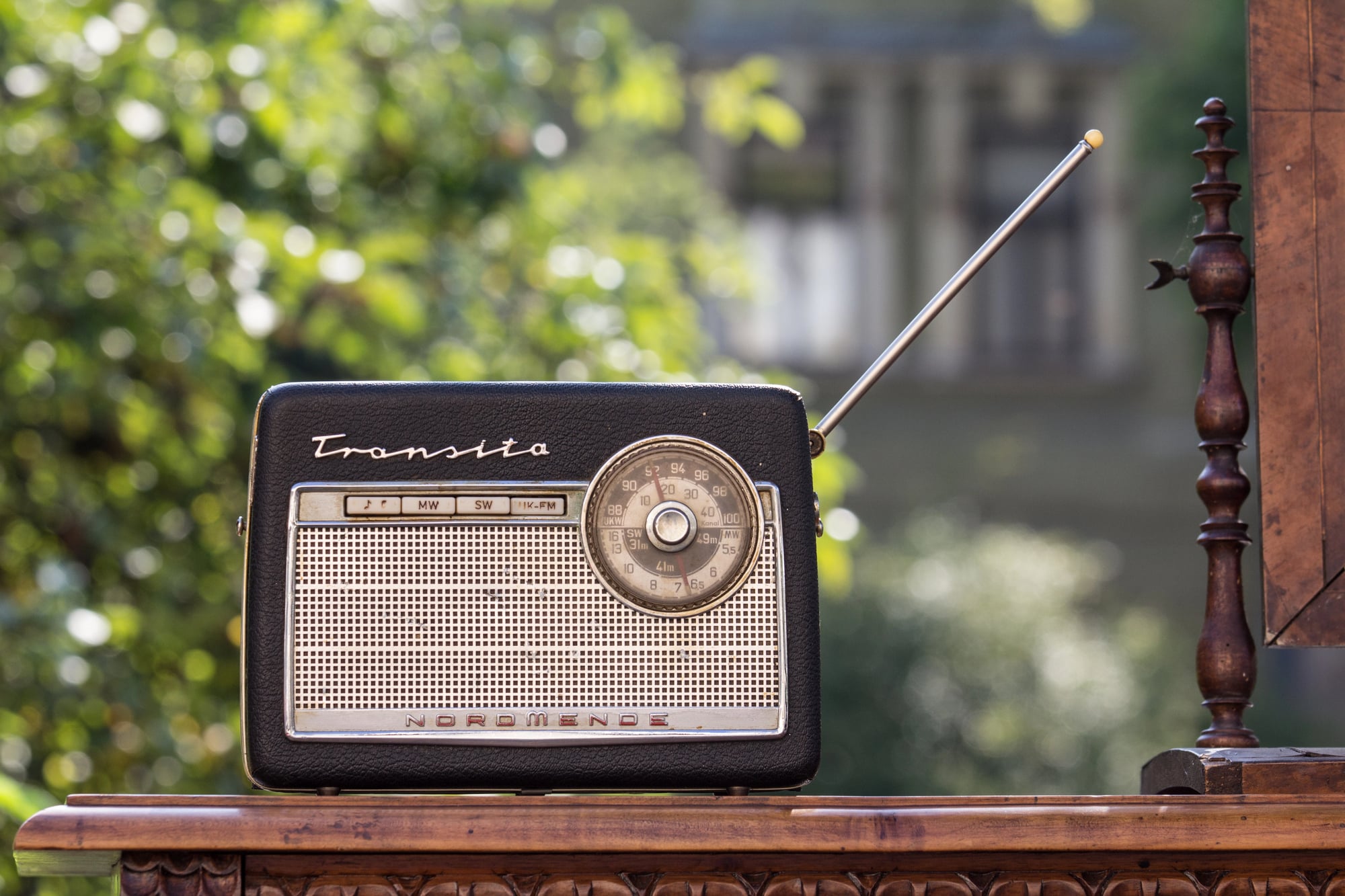
Radio introduced scale into communication in an entirely new way. Instead of connecting one person to another, it connected one voice to many listeners at once.
News, music, and storytelling could reach entire populations simultaneously, creating shared moments across distance.
This collective experience reshaped public awareness. Events were no longer learned individually or secondhand.
They were heard together, often as they unfolded. Radio fostered a sense of immediacy and participation, even when listeners were physically separated.
Still, radio also demonstrated that mass communication could feel personal. Voices became familiar companions in homes, establishing trust and emotional connection.
That balance between reach and intimacy influenced every mass medium that followed.
Television

Television added a visual dimension that changed communication’s emotional weight. Seeing events, rather than only hearing about them, created a stronger sense of presence.
Images carried meaning alongside words, shaping perception in powerful ways.This transformation affected more than entertainment.
News broadcasts gained urgency, public figures were judged by appearance and delivery, and shared viewing experiences became cultural touchstones.Communication through television felt immersive, blending narrative, sound, and image into a single experience.
That said, television also shifted authority. Visual framing influenced interpretation, and what appeared on screen carried an implied legitimacy.
Communication became not just about information, but about presentation and perception.
The Internet

The internet restructured communication rather than simply improving it. Instead of information flowing outward from a few central sources, it became networked and interactive.
Anyone with access could share ideas, respond publicly, or build communities around shared interests.This shift changed the relationship between sender and receiver.
Communication became participatory, fluid, and continuous.Messages no longer ended conversations; they invited replies, revisions, and reinterpretation.
Over time, the internet blurred boundaries between private and public communication. Personal messages, news, and commentary coexisted in shared digital spaces.
Communication became faster, broader, and more interconnected than ever before.

Email refined digital communication by making written exchange fast and dependable. It replaced long delays with near-instant delivery, allowing conversations to unfold over hours rather than days.
Written communication became more frequent and less formal.This convenience altered professional norms.
Decisions accelerated, documentation increased, and expectations around availability shifted.Email became a quiet backbone of modern communication, supporting collaboration without demanding constant attention to its presence.
At the same time, the volume of communication expanded dramatically. Written messages multiplied, changing how people prioritised, filtered, and responded to information throughout the day.
Mobile Phones
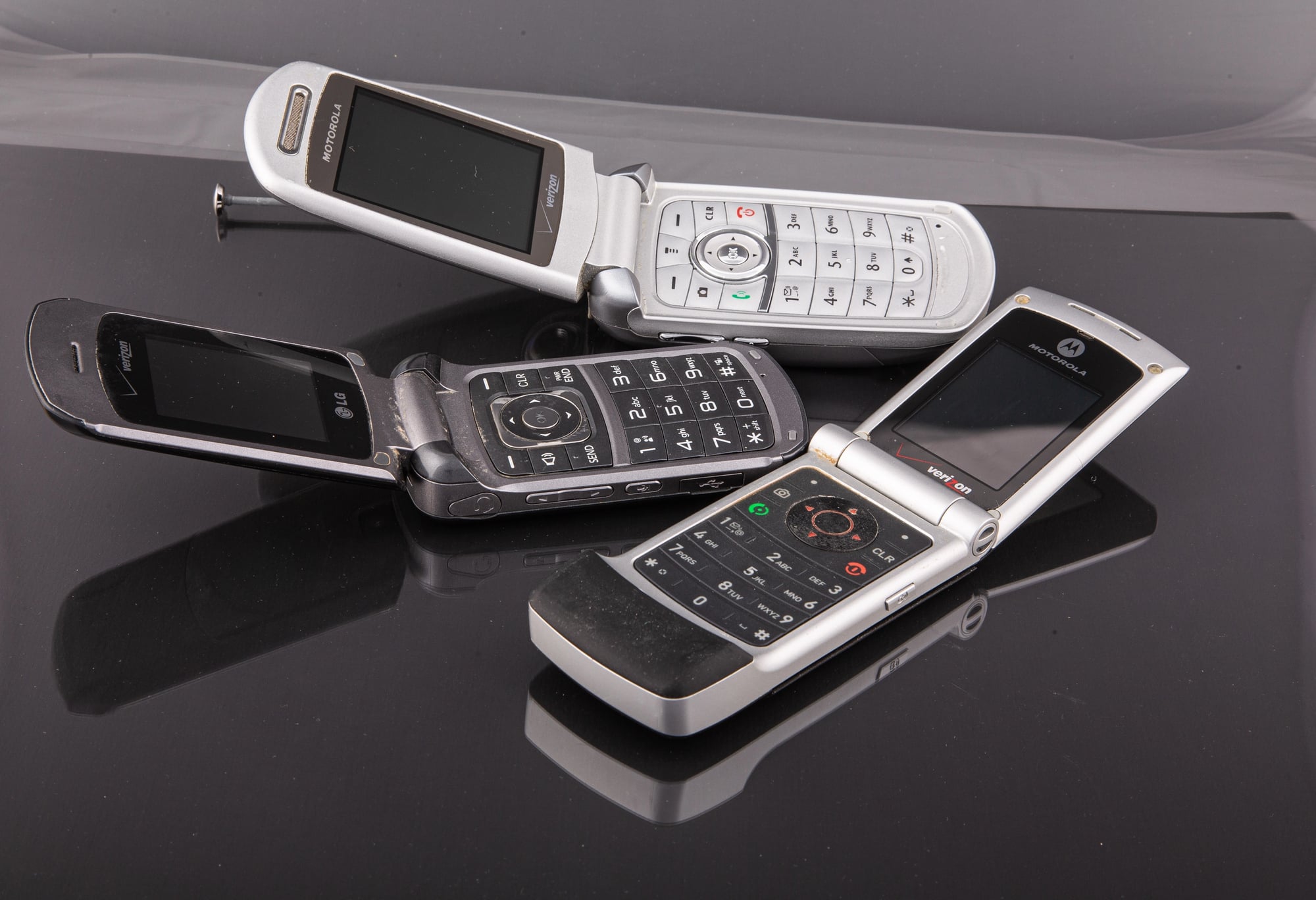
Mobile phones removed the final constraint: location. Communication no longer waited for people to arrive somewhere specific.
Calls and messages followed individuals wherever they went, making connection constant rather than situational.This portability reshaped social behaviour.
Plans became flexible, coordination became ongoing, and silence often carried meaning.Communication slipped into the background of daily life, always available yet rarely acknowledged as remarkable.
On the other hand, constant access also reshaped boundaries. Availability became assumed, and response time gained social significance.
Communication was no longer an event; it became an ambient condition.
Social Media Platforms
Social media shifted communication into shared, visible spaces. Messages were no longer simply exchanged but displayed, reacted to, and amplified.
Communication became performative as well as expressive, shaped by audience awareness.This visibility changed how ideas spread.
Information moved rapidly through networks, influenced by engagement and repetition.Personal expression merged with public commentary, blurring distinctions between private thought and shared narrative.
Even so, social media also redefined connection. Relationships extended beyond physical proximity, and communication became layered, combining text, images, and interaction into evolving conversations.
Video Conferencing
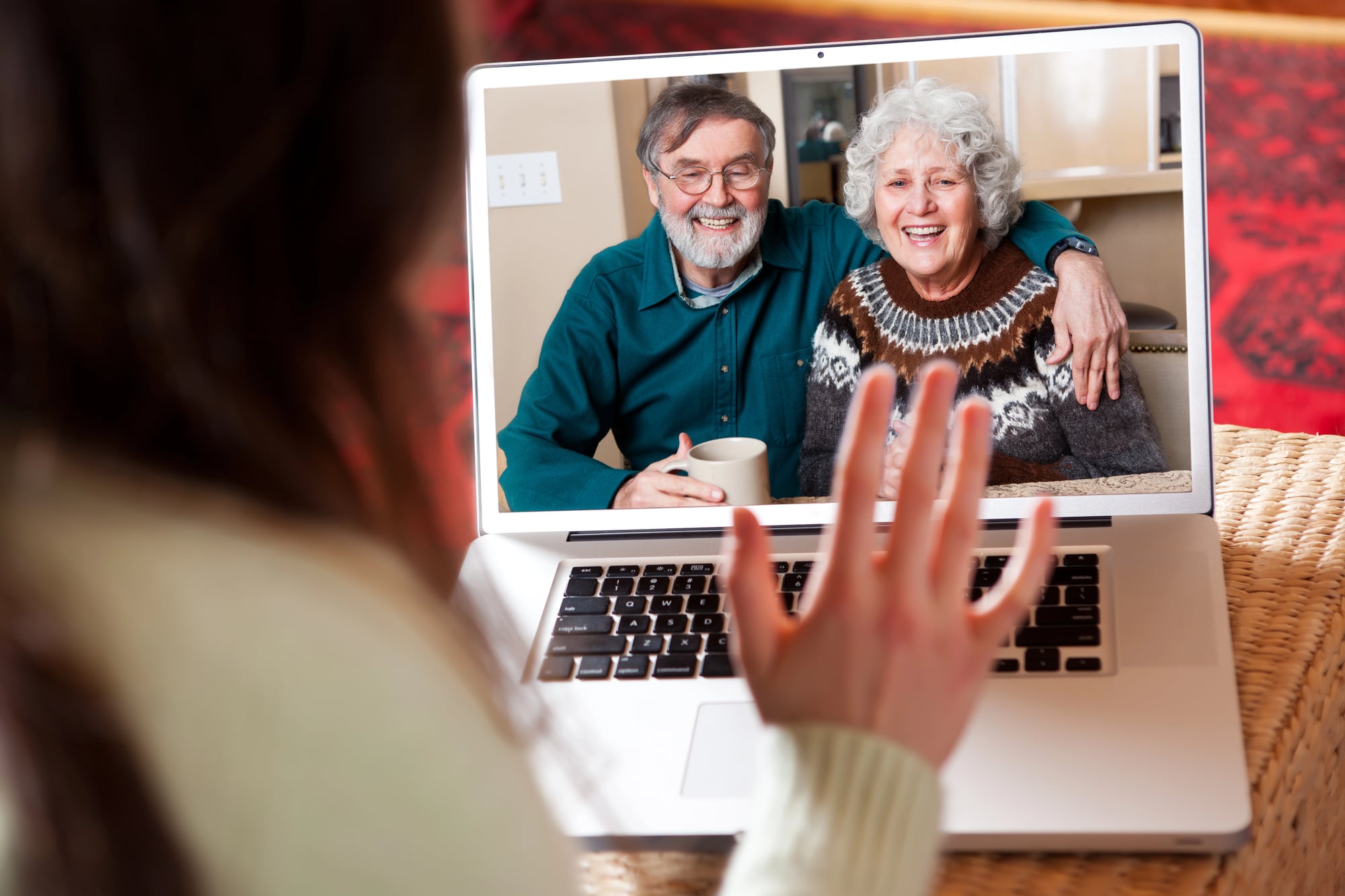
Video conferencing restored visual presence to digital communication. Facial expressions, gestures, and timing returned, enriching interactions that text and audio alone could not fully support.
Collaboration adapted quickly to this format.This technology altered expectations of proximity.
Meetings, learning, and personal connections no longer required physical travel.Communication became flexible, allowing participation across distances without sacrificing immediacy.
Still, video calls highlighted the difference between presence and connection. While they bridged gaps effectively, they also revealed how much communication depends on shared physical space.
How These Inventions Continue To Shape Connection
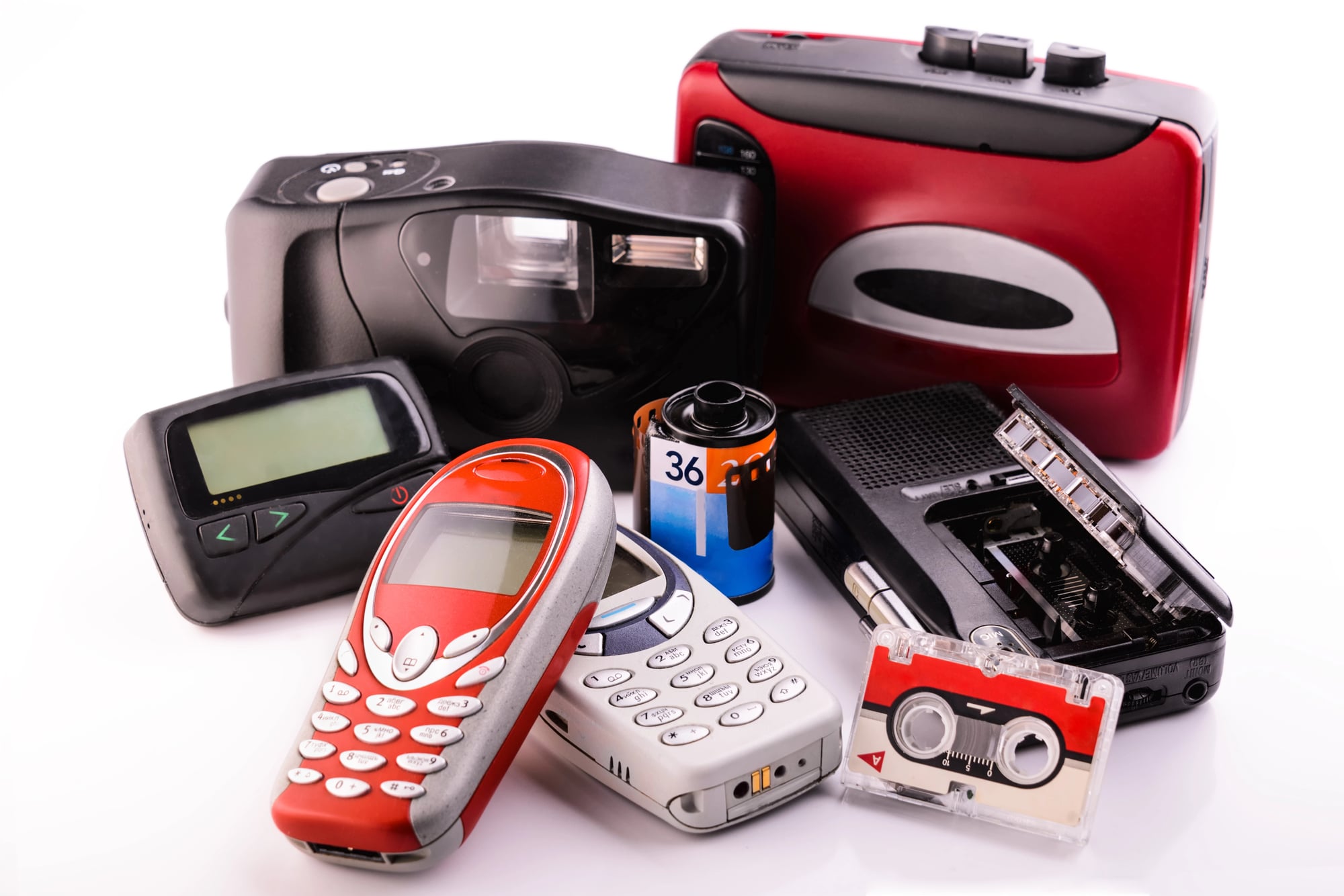
A single problem sparked each invention, though their combined effect changed how people connect. Faster messages traveled farther, while more voices joined in.
Things that seemed impossible long ago now feel routine – part of daily life without question.
What we see today carries traces of a long, tangled past. Shaped not just by chance but by how tools changed across generations, our ways of talking stick around longer than expected.
Each device ever built whispers that nothing about sharing words stays fixed forever. People shift their habits slowly, often without noticing – pushing limits while trying to feel close amid constant change.
More from Go2Tutors!

- The Romanov Crown Jewels and Their Tragic Fate
- 13 Historical Mysteries That Science Still Can’t Solve
- Famous Hoaxes That Fooled the World for Years
- 15 Child Stars with Tragic Adult Lives
- 16 Famous Jewelry Pieces in History
Like Go2Tutors’s content? Follow us on MSN.