15 Surprising Facts About Pygmy Hippos
Most people think they know hippos. The massive, territorial river giants that spend their days submerged and their nights grazing.
But tucked away in the dense rainforests of West Africa lives a completely different story — one that challenges everything you thought you knew about these ancient creatures. The pygmy hippopotamus is nature’s quiet revision of the hippopotamus blueprint, trading size and aggression for something far more intriguing.
They’re Basically Miniature Giants
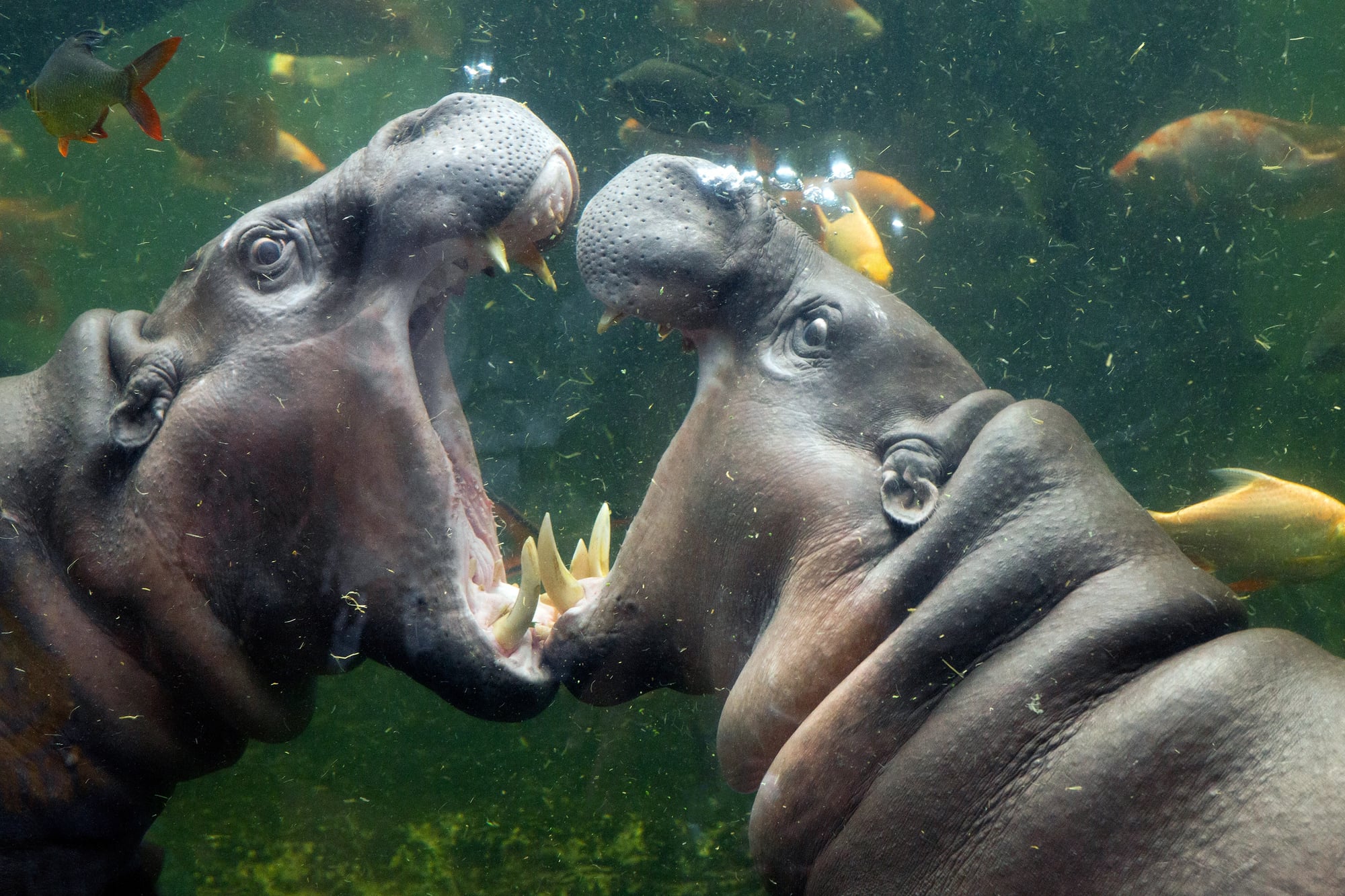
A pygmy hippo weighs about as much as a large motorcycle — roughly 400 to 600 pounds. That sounds substantial until you realize their full-sized cousins tip the scales at 8,000 pounds.
It’s the difference between a housecat and a tiger.
Forest Dwellers, Not River Loungers
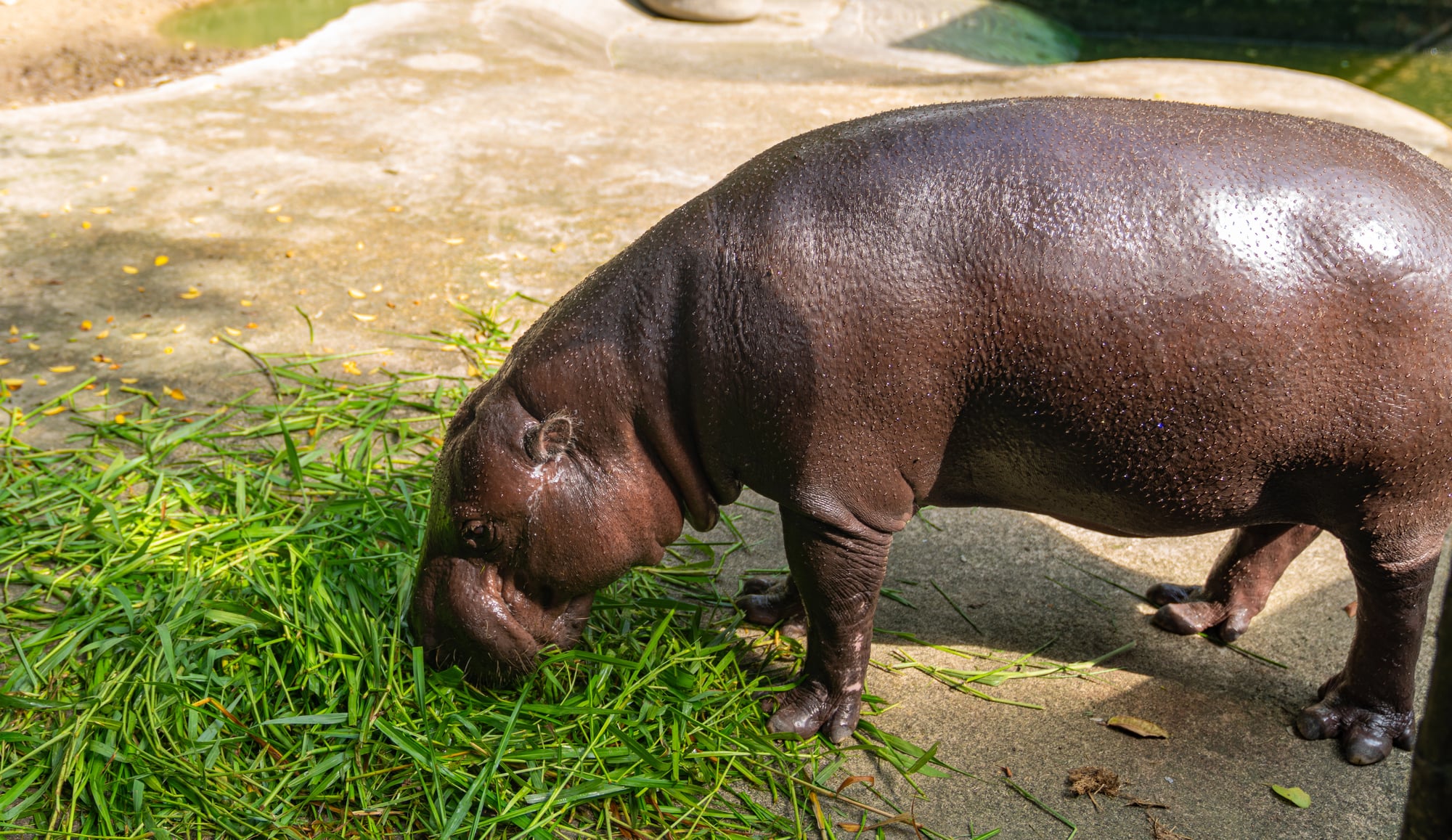
While common hippos spend most of their time wallowing in rivers and lakes, pygmy hippos have ditched the aquatic lifestyle almost entirely. They live in dense rainforests, following well-worn paths between fruit trees and water sources like forest spirits that happen to weigh half a ton.
The transition feels deliberate — as if somewhere along the evolutionary timeline, they decided rivers were overrated and wandered into the woods to see what all the fuss was about. And then they stayed.
Their feet tell the story: less webbed than their massive relatives, better suited for navigating fallen logs than pushing through river currents.
They’re Terrible Swimmers
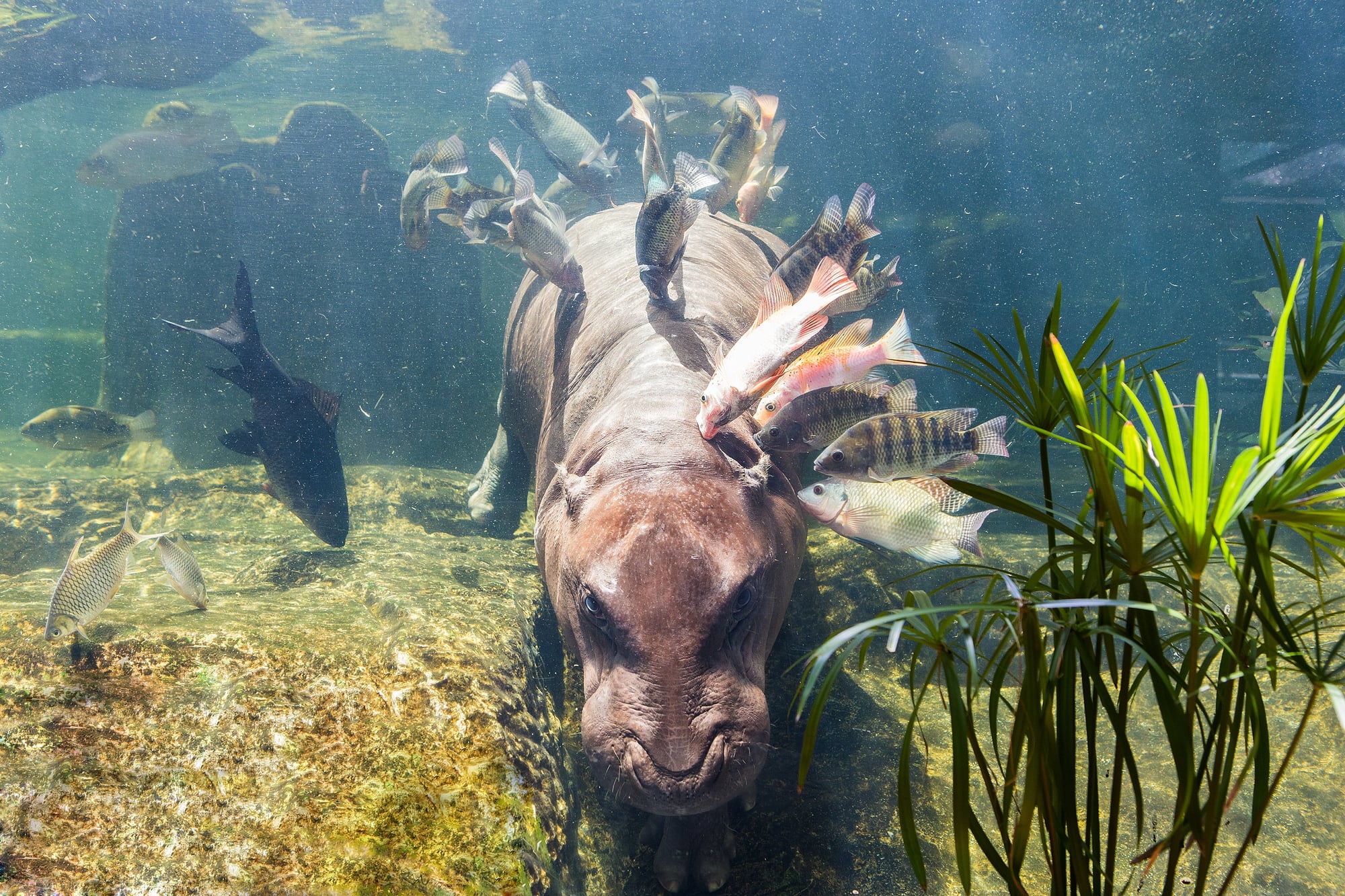
Here’s what nobody expects: a hippo that can barely swim. Pygmy hippos can manage a decent dog paddle when necessary, but they’re not winning any aquatic competitions.
They prefer to wade rather than dive, keeping their feet firmly planted on the bottom of shallow streams.
Nocturnal Fruit Hunters
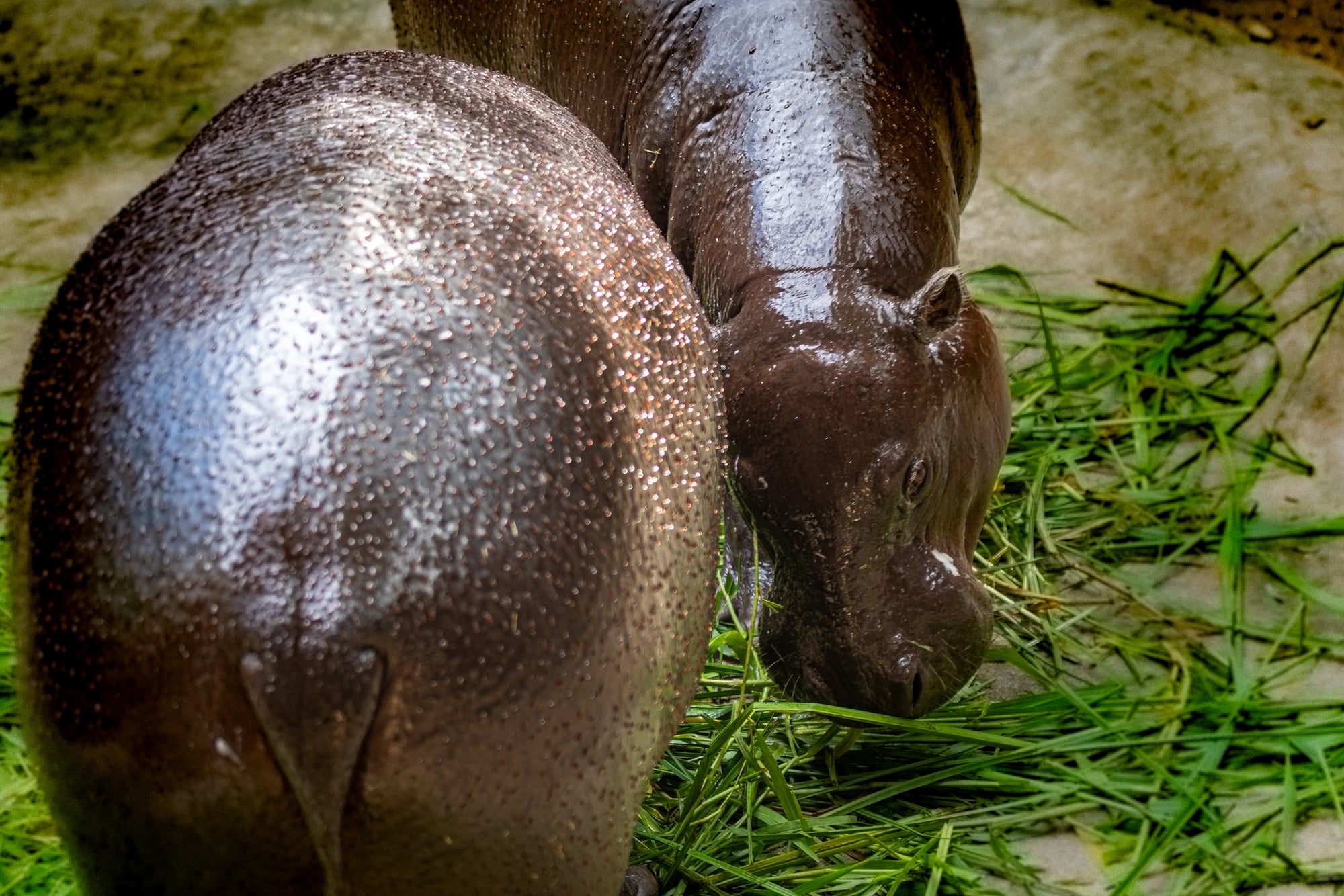
Most people picture hippos as grass-munching machines, but pygmy hippos are pickier eaters with better timing. They emerge at dusk to hunt for fallen fruit, tender shoots, and the occasional root — all under cover of darkness where their excellent night vision gives them an edge over the competition.
The forest floor becomes their private buffet, and they know exactly where the best restaurants are located. So they follow the same routes night after night, creating highways through the underbrush that other animals eventually adopt.
But the pygmy hippos were there first, mapping the territory one meal at a time.
Baby Hippos Are Born on Land
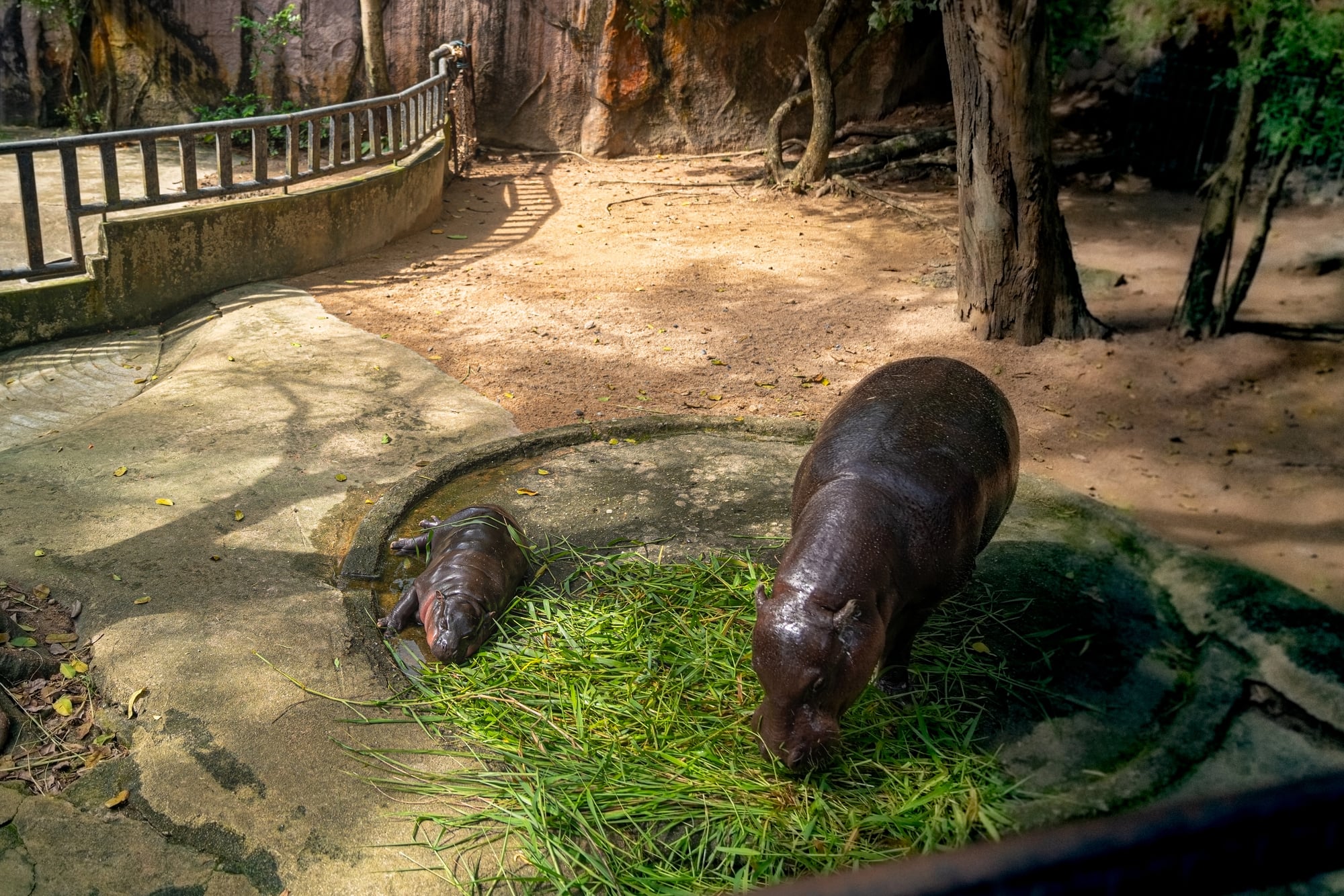
Common hippos give birth underwater, but pygmy hippo mothers have abandoned that tradition completely. They find a secluded spot in dense vegetation and deliver their babies on solid ground.
The newborn weighs about 13 pounds and can walk within hours — no swimming lessons required.
They Have Their Own Secret Language

Pygmy hippos communicate through a series of grunts, squeaks, and clicks that sound like a conversation between a pig and a dolphin (and the conversation is probably more interesting than it should be, given that most of it revolves around fruit locations and territorial boundaries). Each sound carries specific meaning — a short grunt means “back off,” while a longer whine translates roughly to “where did you find those mangoes.”
The clicks are reserved for mothers calling their babies, a sound that carries surprisingly far through dense forest. To be fair, when you’re built like a walking ottoman and live in a jungle, subtlety in communication becomes essential.
Their Skin Secretes Pink Sunscreen

This might be the strangest adaptation in the animal kingdom. Pygmy hippos produce a reddish, oily secretion that acts as natural sunscreen and antibiotic rolled into one.
The substance was once thought to be blood, which gave rise to the myth that hippos sweat blood. Turns out they just have better skincare routines than most humans.
Extremely Territorial Despite Their Size
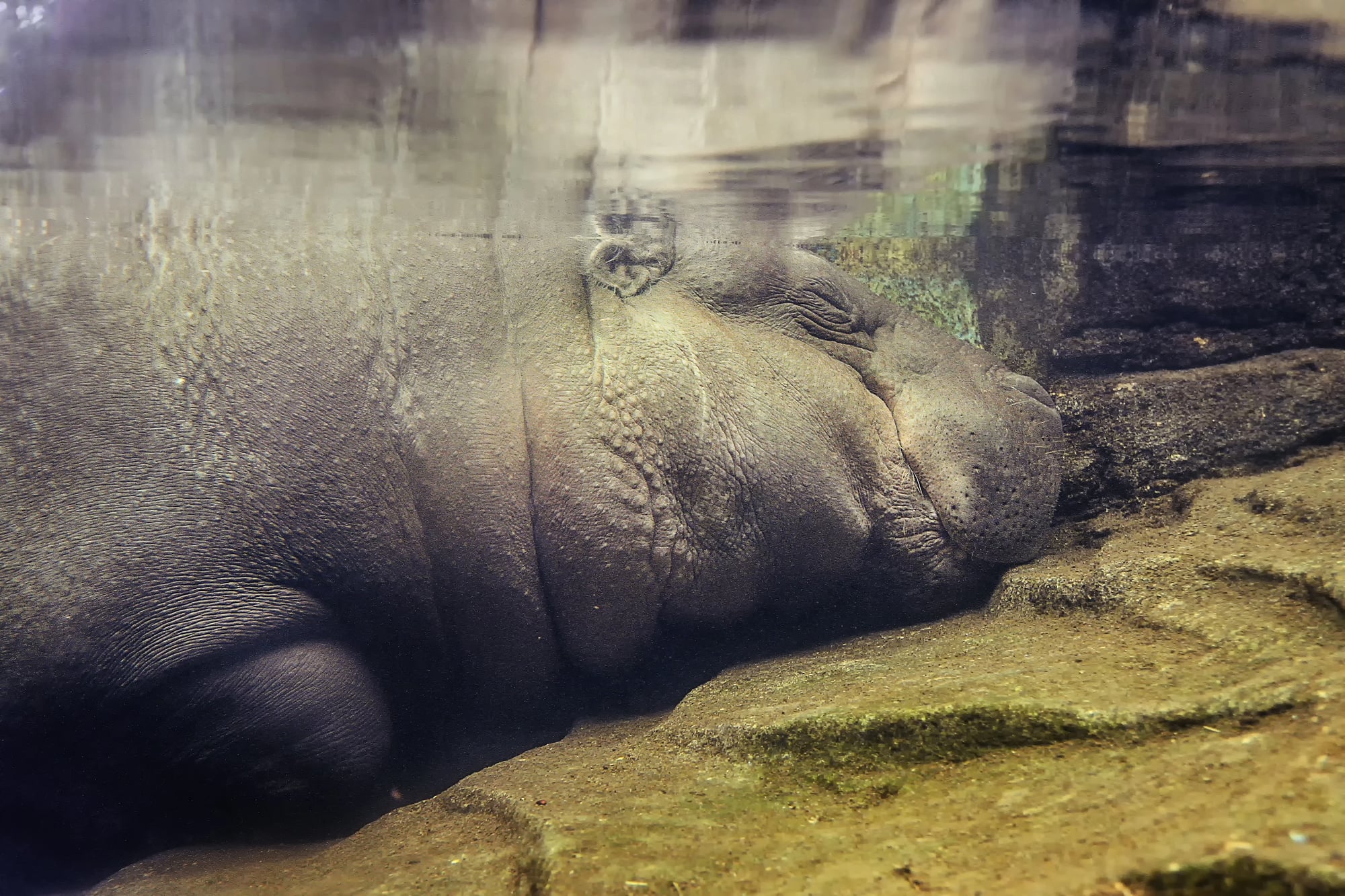
Don’t let the “pygmy” label fool you into thinking these animals are pushovers. They’re fiercely territorial and will charge anything that crosses into their space uninvited.
A 500-pound hippo moving at full speed through dense forest makes a sound like a freight train with anger management issues. Their territories can span several miles, marked by scent trails that other pygmy hippos recognize and respect.
Even elephants give them space, which says something about the kind of reputation you build when you’re willing to fight anything regardless of size differences.
Nearly Extinct in the Wild
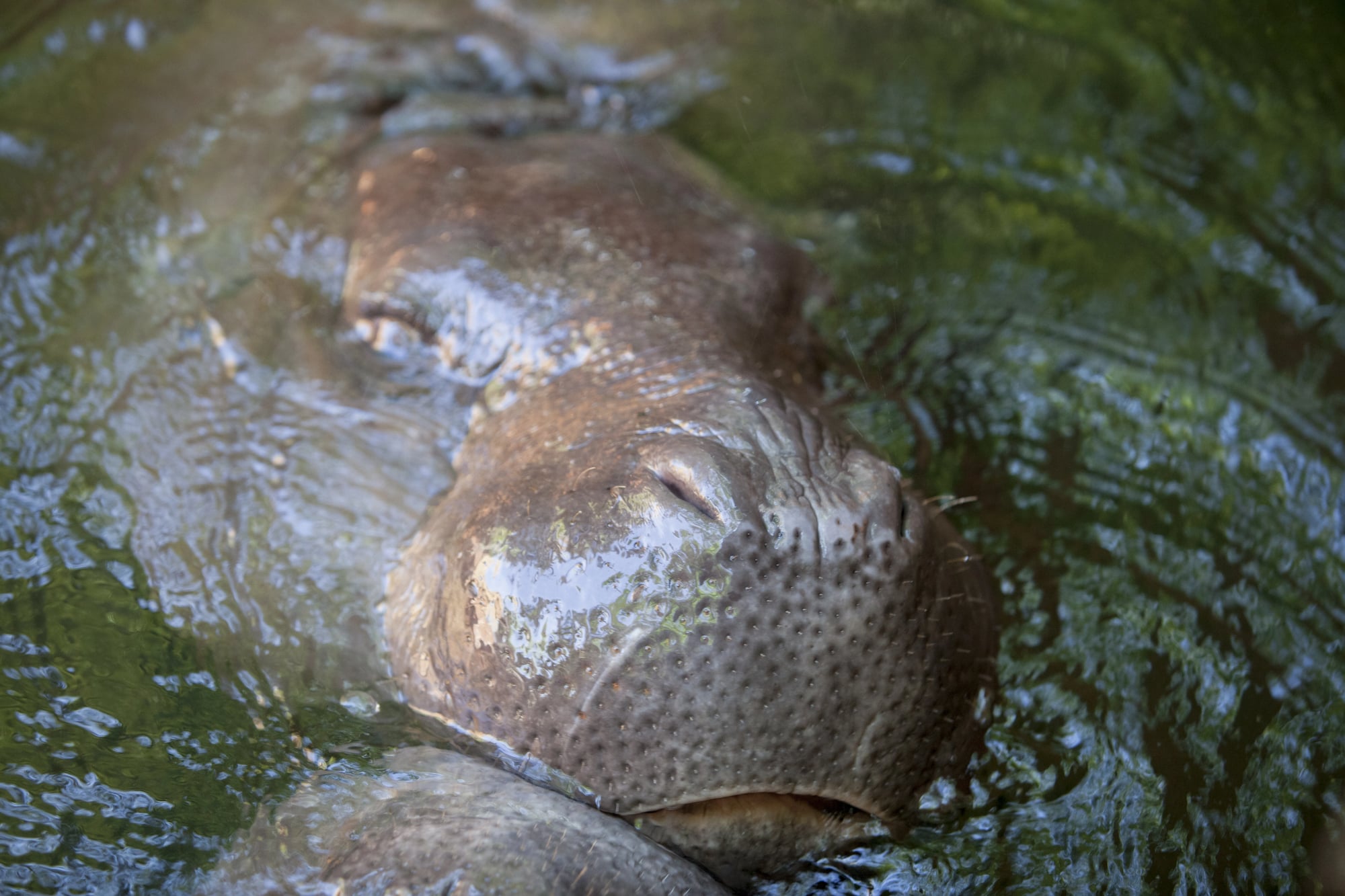
Fewer than 2,500 pygmy hippos remain in their natural habitat, scattered across four West African countries. Deforestation and hunting have pushed them to the edge of extinction.
They’re more endangered than giant pandas, but they don’t have the same marketing appeal.
They Can Live 50 Years
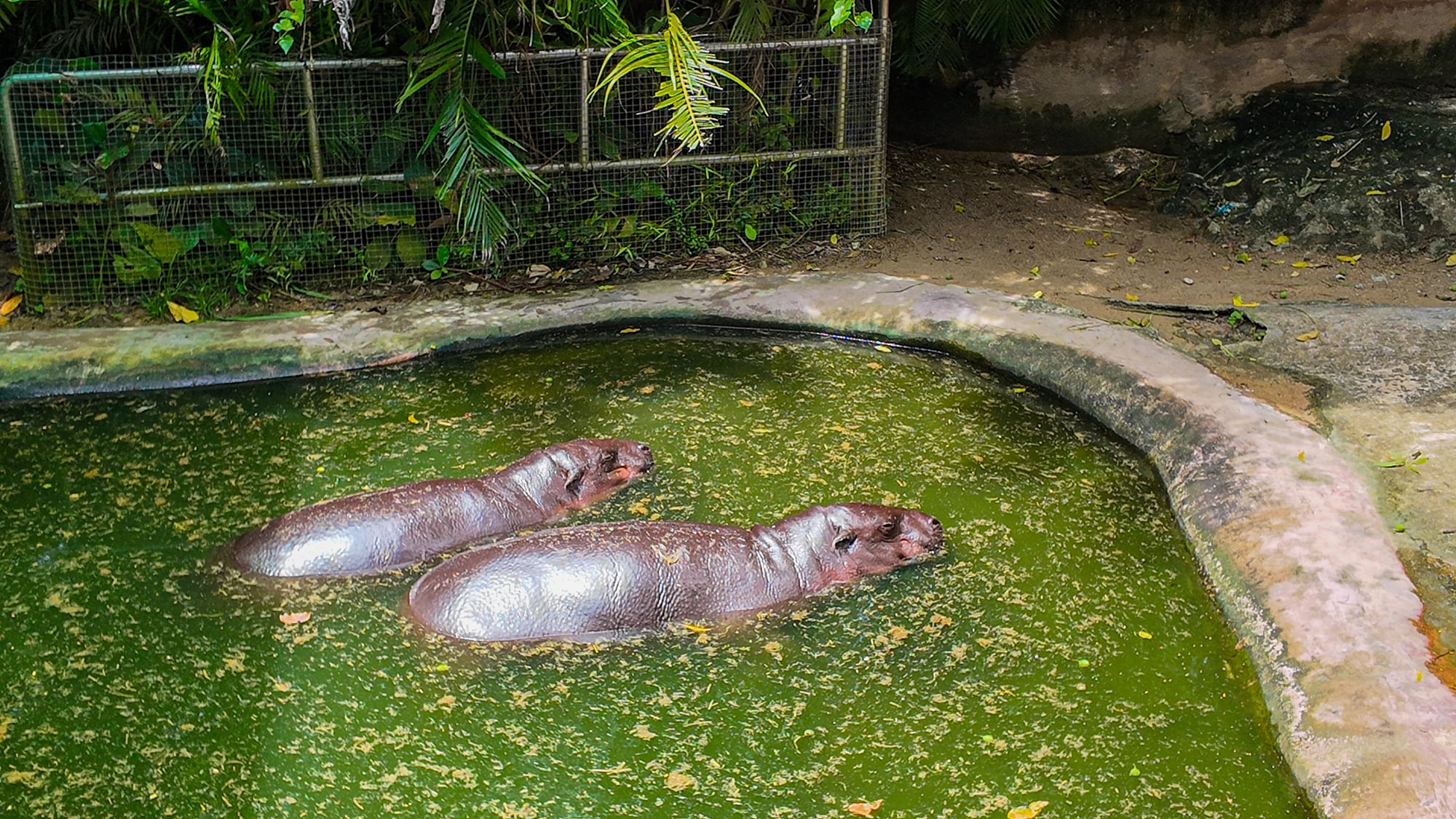
Pygmy hippos are in it for the long haul, with lifespans that can stretch five decades or more in captivity. In the wild, they typically live 30 to 35 years, assuming they avoid the various threats that come with sharing space with humans.
That’s a lot of time to perfect those forest pathways and fruit-finding skills.
Masters of Camouflage

For an animal that looks like a walking boulder, pygmy hippos are surprisingly good at disappearing into forest shadows. Their dark, brownish-gray skin blends perfectly with muddy riverbanks and leaf litter.
They can stand motionless for hours, and you’d walk right past them without knowing they were there (which, frankly, is probably better for everyone involved, given their territorial nature and the surprise factor).
They Don’t Form Herds
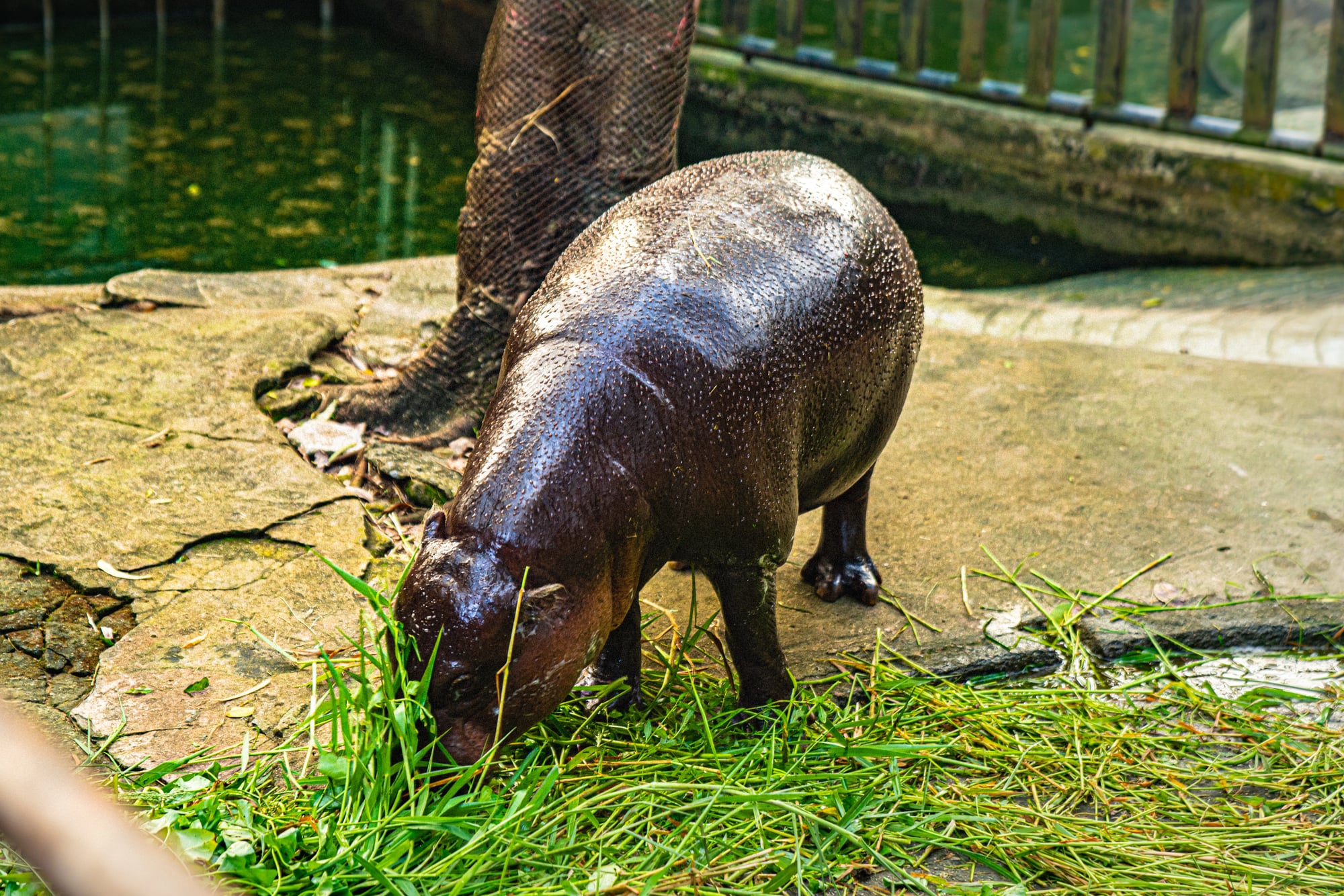
Common hippos live in groups called bloats, but pygmy hippos are confirmed loners. They meet up to mate and mothers stay with their young for about a year, but otherwise they prefer solitude.
It’s a lifestyle choice that makes sense when your entire species numbers fewer than most small towns.
Webbed Toes Tell Their Story
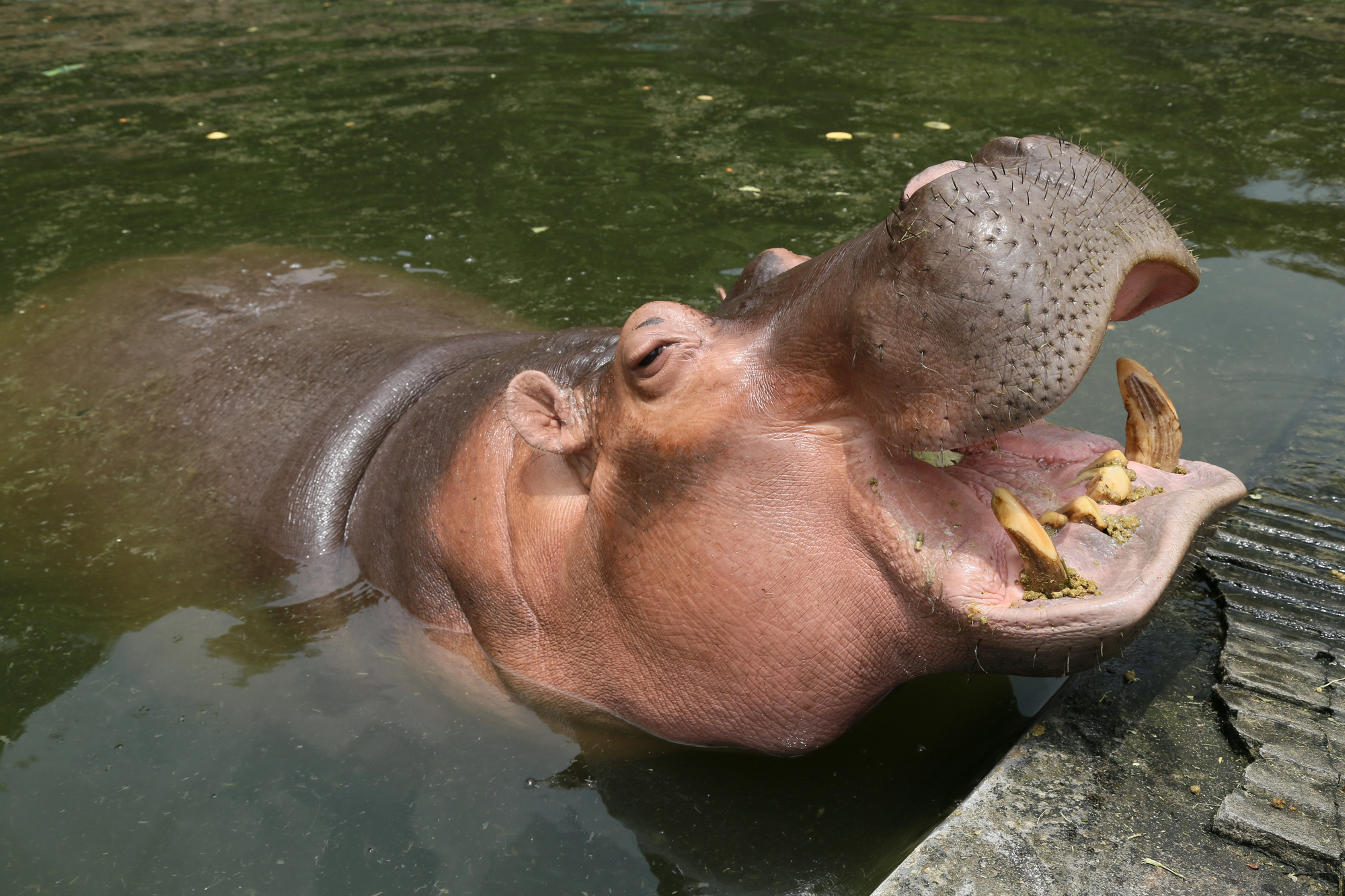
Pygmy hippos have less webbing between their toes than common hippos, but more than most land mammals. It’s evolution caught in the act — species in transition between fully aquatic and fully terrestrial lifestyles.
Their feet work fine in water and on land, making them the Swiss Army knives of the hippo world.
Zoo Breeding Programs Keep Them Alive
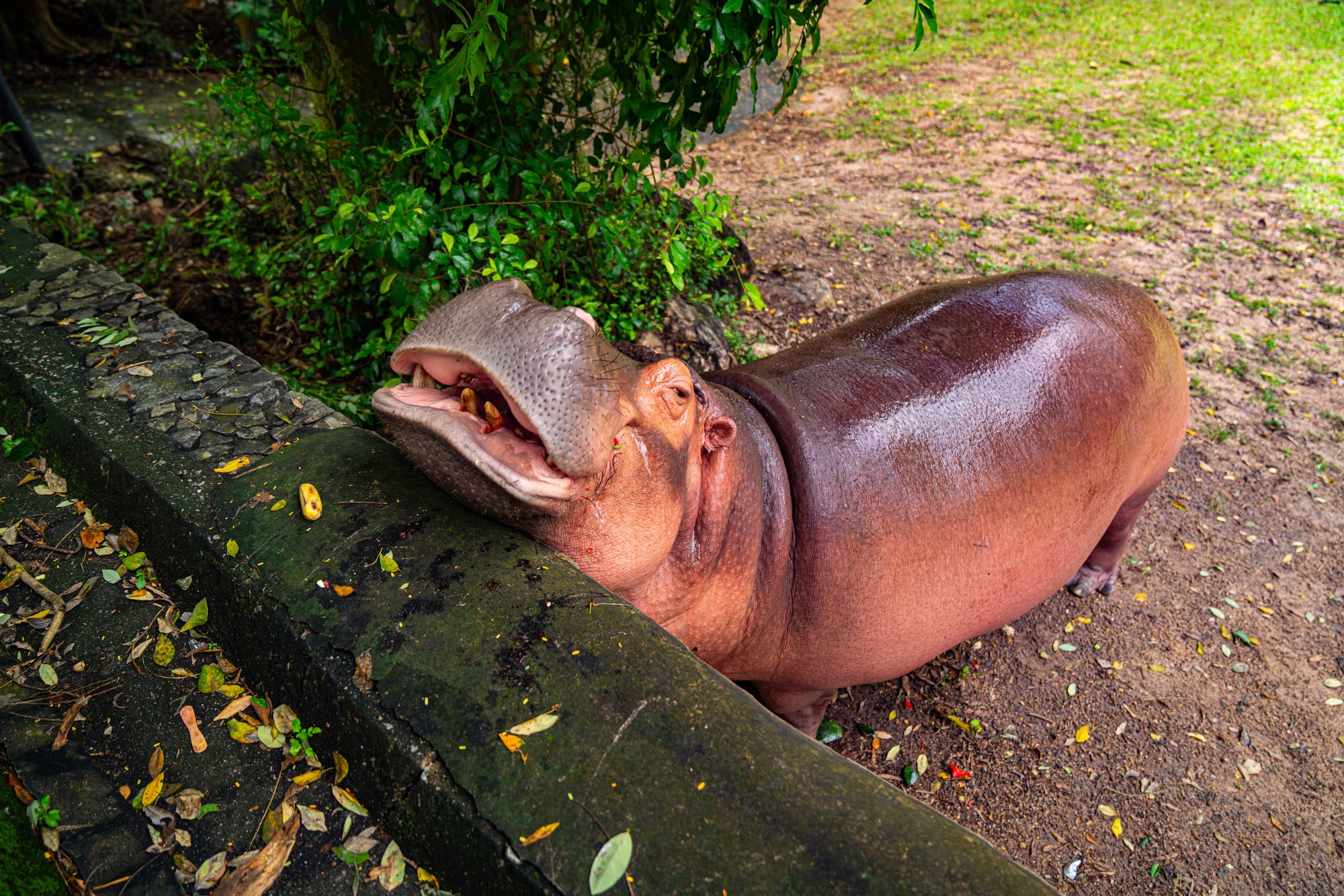
Most people will only ever see a pygmy hippo in a zoo, and that’s not necessarily tragic. Captive breeding programs have been remarkably successful at maintaining genetic diversity and stable populations.
Some zoo-born pygmy hippos have even been successfully released back into protected wild areas in West Africa.
They’re Living Links to Ancient History
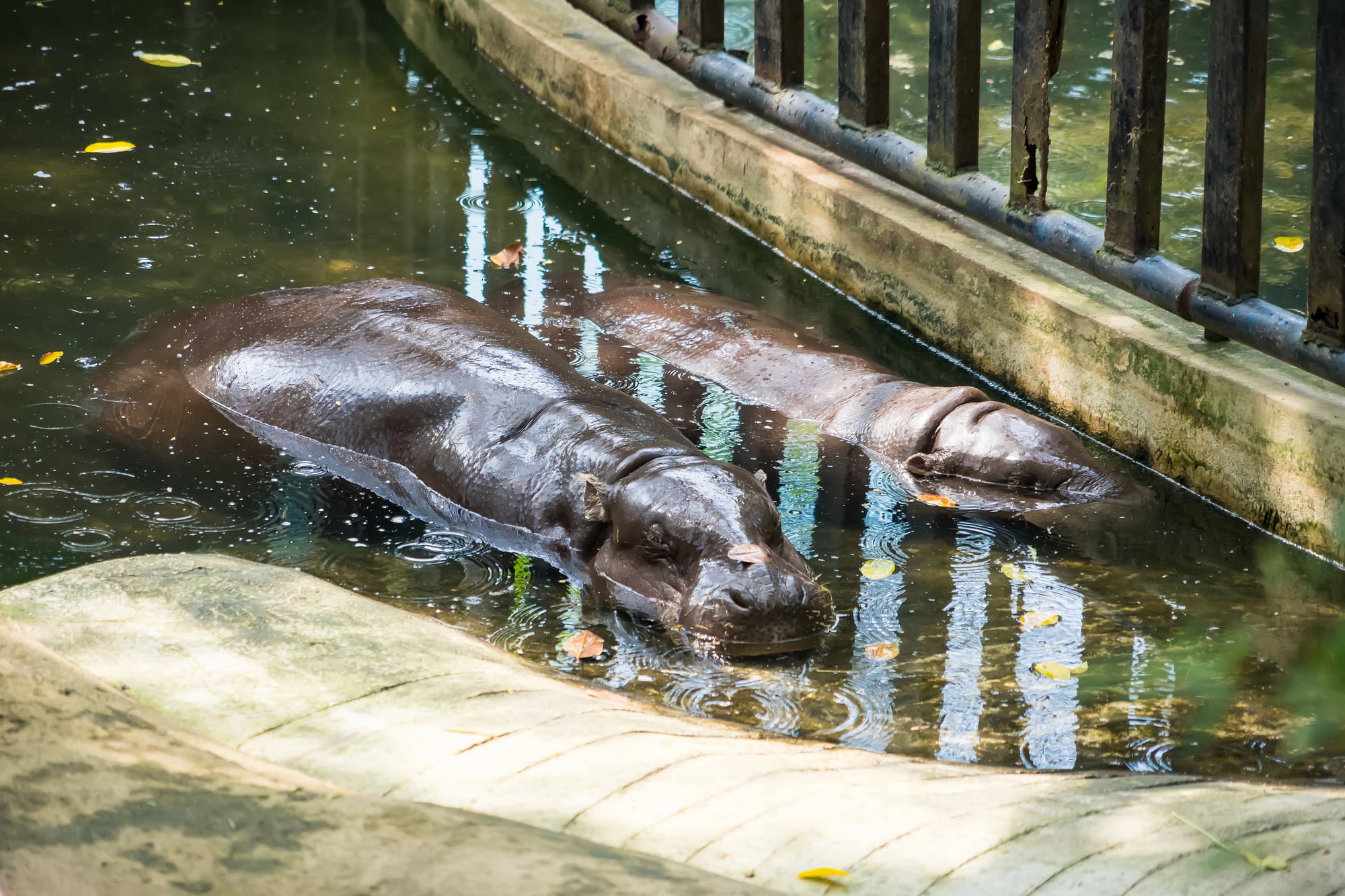
Pygmy hippos represent what many scientists believe hippos looked like millions of years ago, before some populations grew enormous and claimed rivers as their territory. They’re walking museums, showing us a path not taken in hippo evolution.
Their forest lifestyle and smaller size might actually be the original hippo template, making the massive river hippos the evolutionary newcomers. Which means everything we thought we knew about hippos might be backwards — the “common” hippo is actually the specialized one, and the “pygmy” hippo is the classic model that never needed an upgrade.
Small Wonders in a Shrinking World
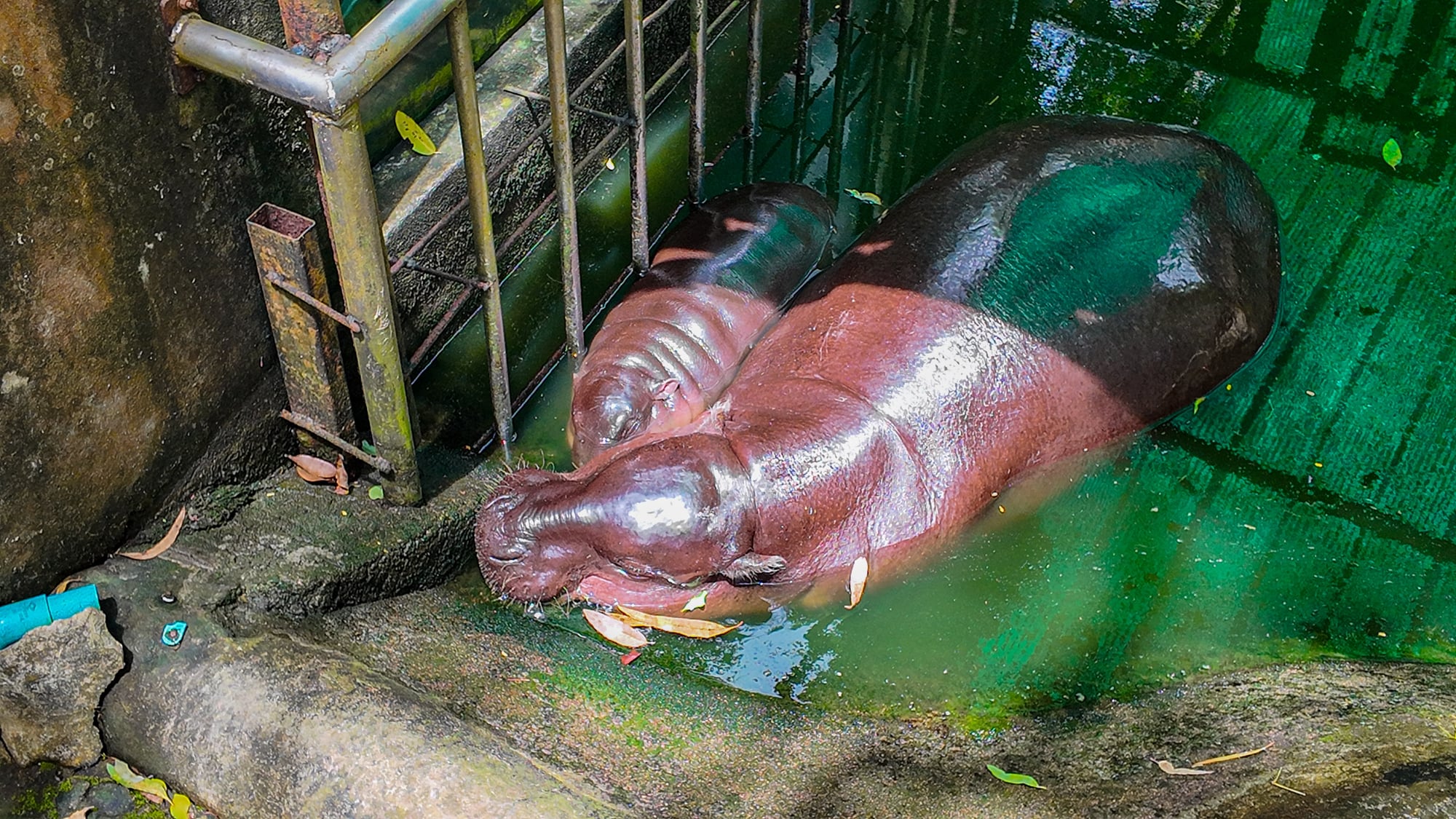
The pygmy hippo reminds us that evolution doesn’t always trend toward bigger, louder, or more aggressive. Sometimes it heads in the opposite direction, toward discretion and efficiency.
These forest wanderers have carved out a life that’s both ancient and perfectly modern — solitary creatures who’ve mastered their environment without dominating it. In a world where their giant cousins make headlines for their aggression, pygmy hippos have chosen a quieter path through the trees.
More from Go2Tutors!

- The Romanov Crown Jewels and Their Tragic Fate
- 13 Historical Mysteries That Science Still Can’t Solve
- Famous Hoaxes That Fooled the World for Years
- 15 Child Stars with Tragic Adult Lives
- 16 Famous Jewelry Pieces in History
Like Go2Tutors’s content? Follow us on MSN.