16 Wholesome Hobbies People Picked Up in the 1990s
The 1990s weren’t just about flannel shirts and dial-up internet. Behind all the pop culture noise, people were quietly discovering ways to slow down and create something with their hands.
Maybe it was a reaction to the decade’s increasing digitization, or maybe folks just needed something real to hold onto while the world shifted around them.
Either way, the hobbies that took root in that decade had a particular quality to them — they were patient, tactile, and surprisingly enduring.
Scrapbooking
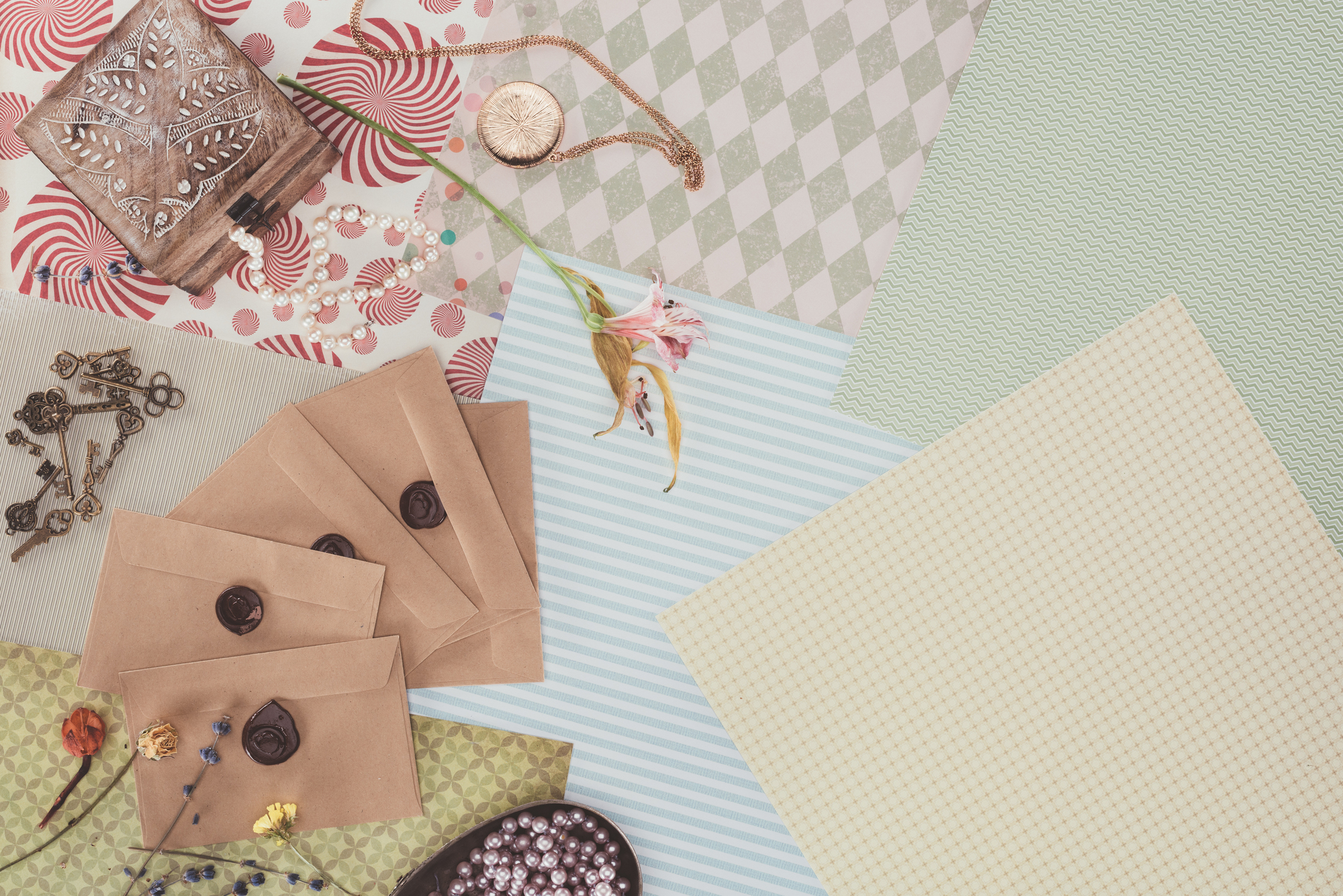
Scrapbooking exploded in the ’90s. Every craft store suddenly had entire aisles dedicated to decorative scissors and acid-free paper.
People weren’t just throwing photos into albums anymore — they were creating stories.
The hobby offered something digital photos couldn’t: permanence with personality. Each page took hours to arrange, and that time showed.
Beanie Baby Collecting
The secondary market for small stuffed animals shouldn’t have made sense. Yet people lined up at McDonald’s for Teenie Beanie Babies and drove across state lines hunting for Princess the Bear.
Looking back, the phenomenon feels almost quaint — a time when artificial scarcity worked because the internet couldn’t instantly fact-check every “rare” claim. Most collections ended up in closets, but the thrill of the hunt was real while it lasted.
Cross-Stitching
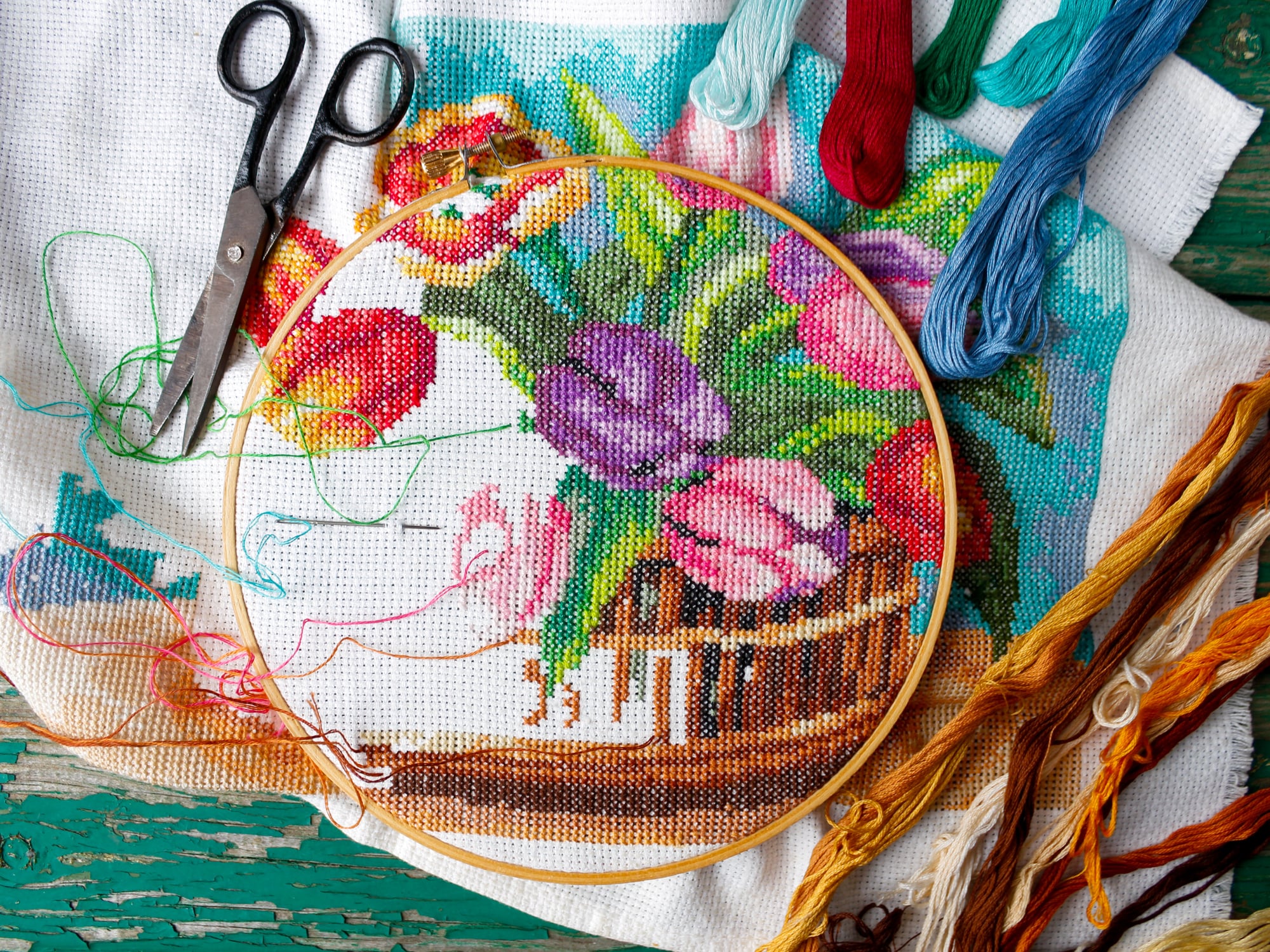
Cross-stitch became the meditation practice people didn’t realize they needed. Each tiny X was a small decision made and committed to — choose the wrong color thread, and the whole piece shifts slightly off course.
The craft demanded sustained attention that television and increasingly busy schedules were making rare. The finished samplers weren’t really the point; the rhythm of needle through fabric was.
Home Brewing

Home brewing stopped being the domain of eccentric uncles and became a legitimate weekend pursuit. The process was part chemistry experiment, part leap of faith.
You could control every variable and still end up with something undrinkable. That uncertainty kept people coming back. When a batch worked, it felt earned in a way store-bought beer never could.
Genealogy Research
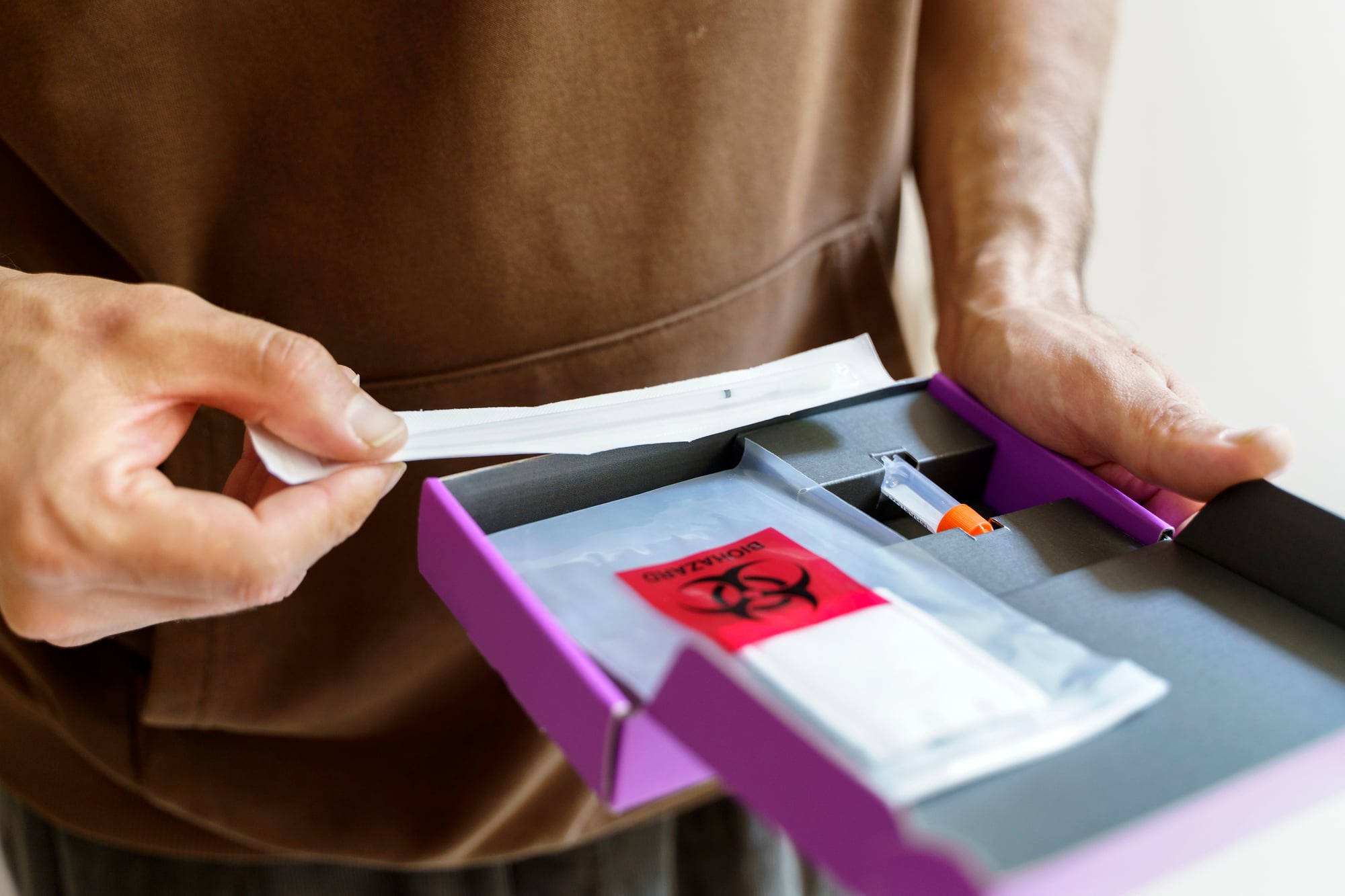
Before Ancestry.com, genealogy meant libraries, phone calls, and letters to distant relatives who might or might not respond.
The research took months, sometimes years. Dead ends were common. Breakthroughs felt monumental.
The hobby attracted people who understood that the best stories aren’t always the easiest to uncover. Patience wasn’t just helpful — it was required.
Model Train Building
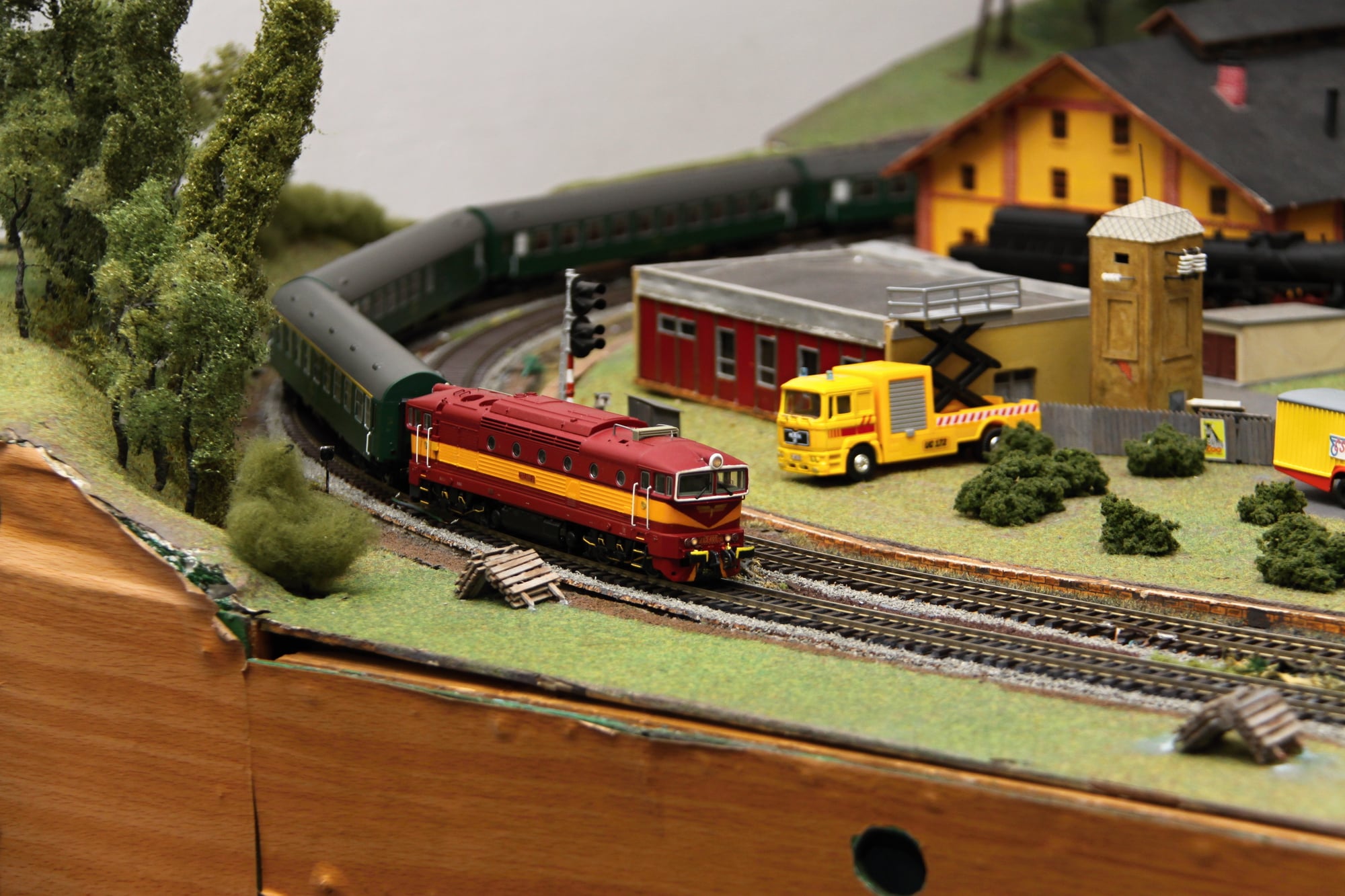
Model trains in the ’90s occupied basement corners and spare bedrooms, growing slowly over years as budgets allowed.
The hobby was less about the trains themselves and more about constructing entire miniature worlds where every detail could be controlled and perfected.
Each tiny building and hand-painted figure represented hours of focused work. Finished layouts became alternate realities where schedules ran on time and problems never grew larger than a derailed locomotive. Escapism? Absolutely—and that was the point.
Rubber Stamping
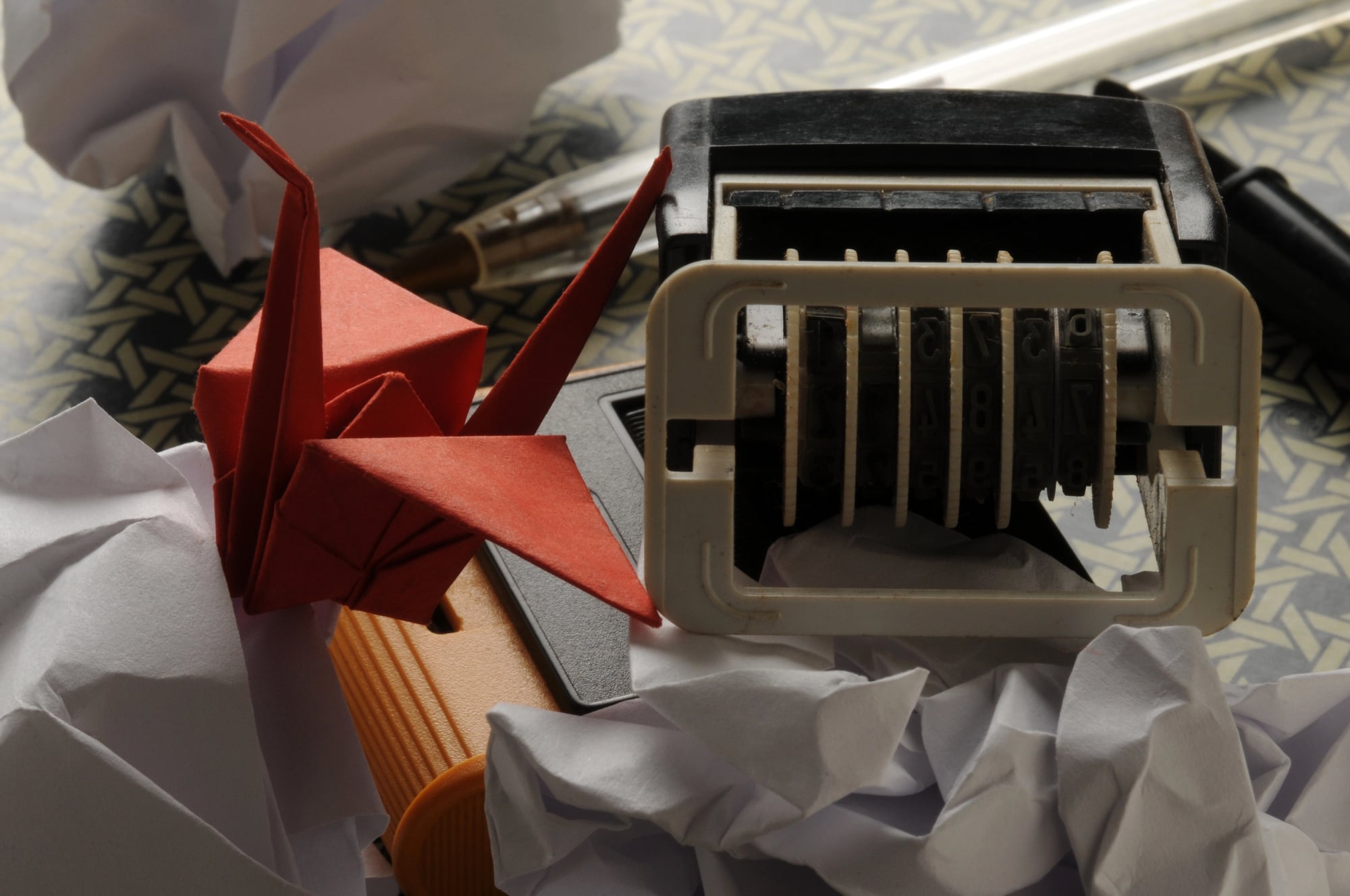
Rubber stamping transformed kitchen tables into small-scale printing operations. The hobby attracted people who wanted their handwriting to look intentional but couldn’t quite master calligraphy.
Each stamp was a small creative decision. Ink colors, paper textures, placement angles — the variables were endless but manageable. Finished cards and invitations had a homemade quality that felt personal without looking amateur.
Bread Making
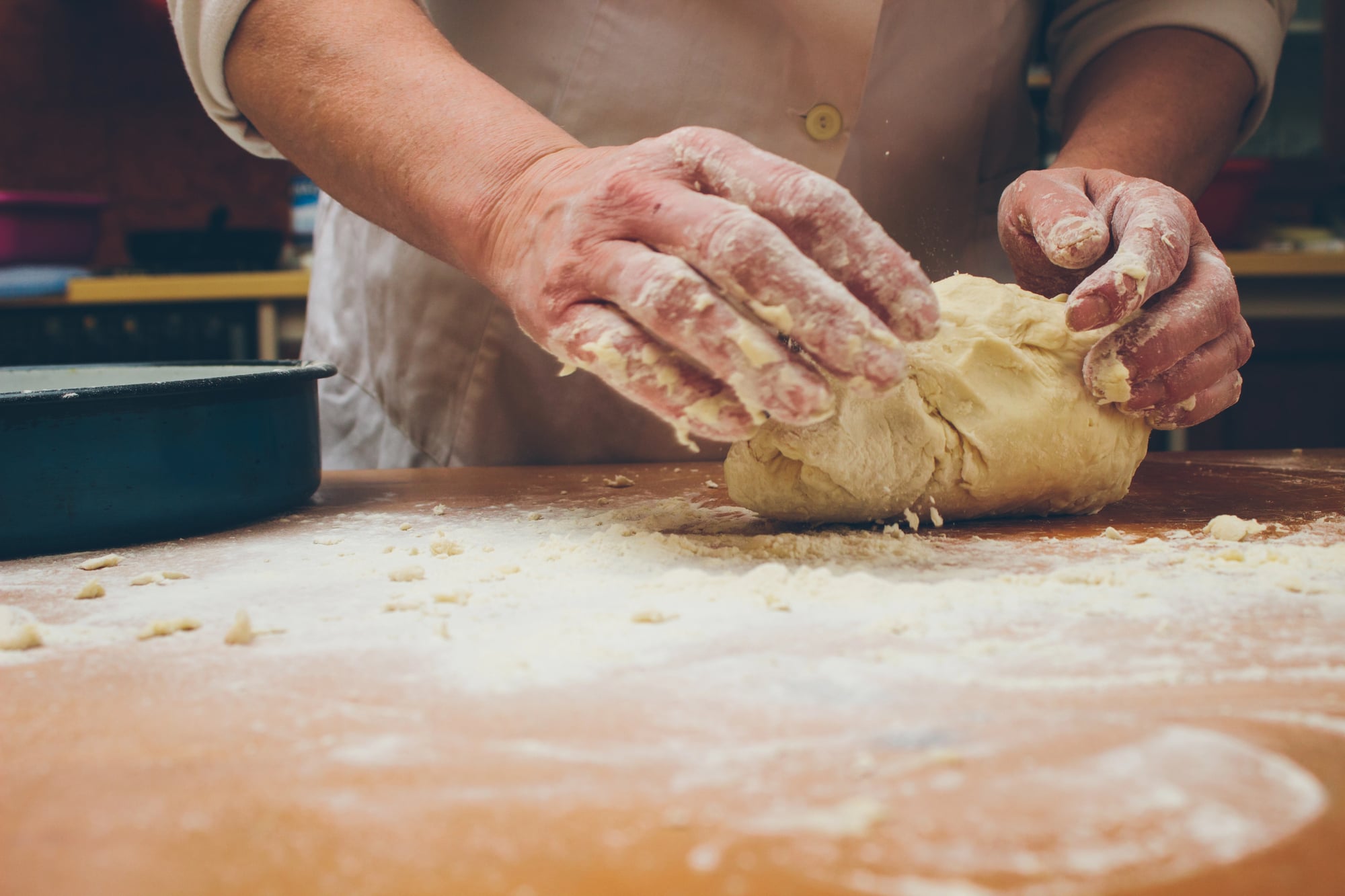
Bread making experienced a quiet renaissance as people rediscovered the satisfaction of working with their hands.
The process required genuine patience — no shortcuts, no rushing the rise, no negotiating with stubborn yeast. Failed loaves taught lessons about temperature and timing that cookbooks couldn’t capture. Successful ones created moments of domestic triumph.
Quilting
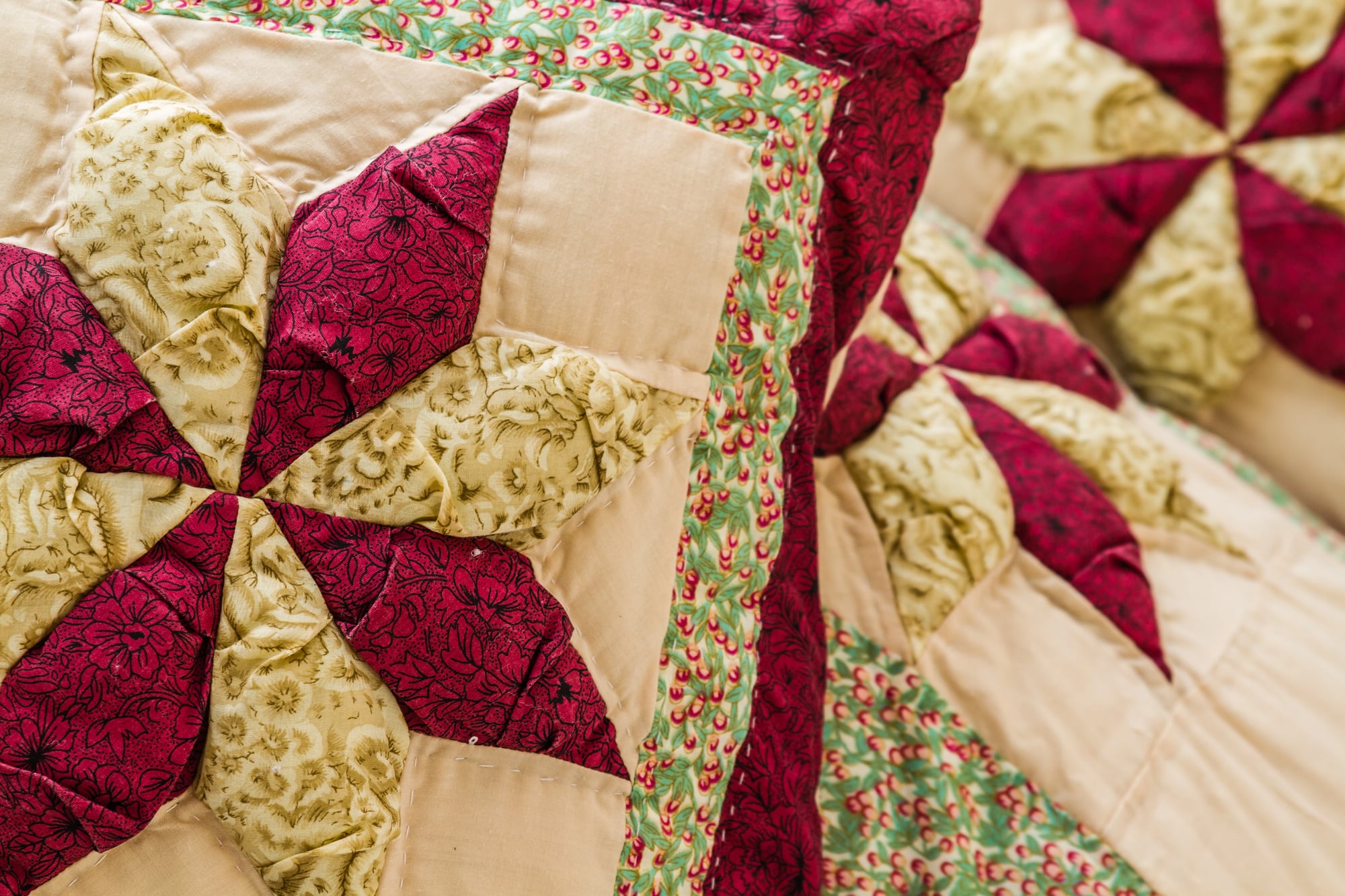
Quilting circles became social networks before anyone used that term.
The craft brought generations together around shared tables, passing down family stories between stitches. Each quilt represented months of evening work. Patterns carried meaning — wedding rings for newlyweds, log cabins for new homes. Finished pieces were meant to last decades.
Candle Making
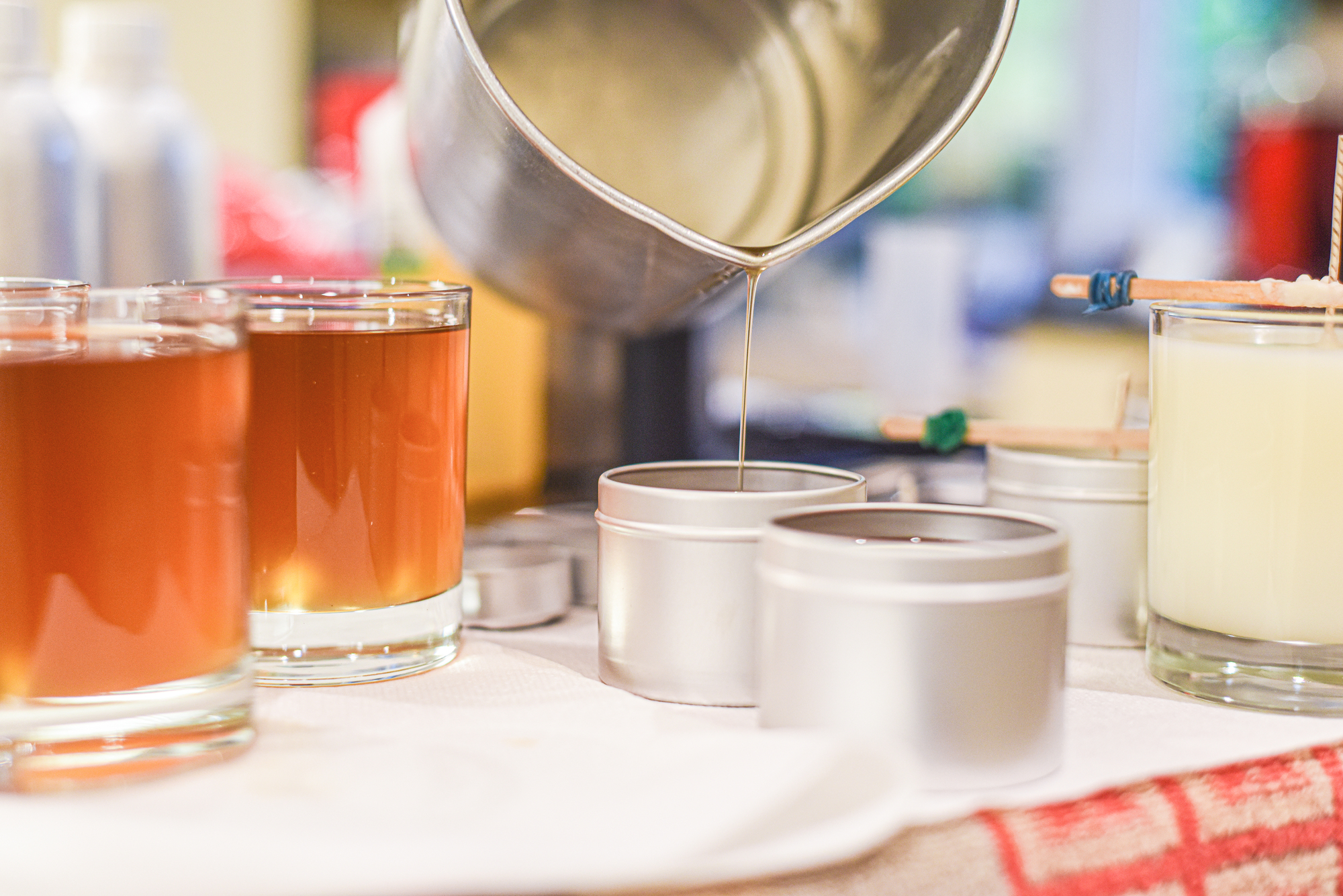
Candle making let people create ambiance on a budget while avoiding mystery ingredients in store-bought versions.
The process was simple enough for beginners but offered endless experimentation with colors, scents, and container shapes. Hand-poured candles became gifts that felt thoughtful without requiring advanced artistic skills. Watching a candle burn down to nothing brought a quiet satisfaction.
Herb Gardening

Windowsill herb gardens transformed kitchens into miniature farms. Herbs grew quickly enough to provide encouragement but slowly enough to require consistent attention.
Fresh basil, once an expensive grocery luxury, became as common as table salt in homes with even minimal natural light. The gardening itself was secondary to the quiet pride of seasoning dinner with something cultivated by your own hands.
Card Making
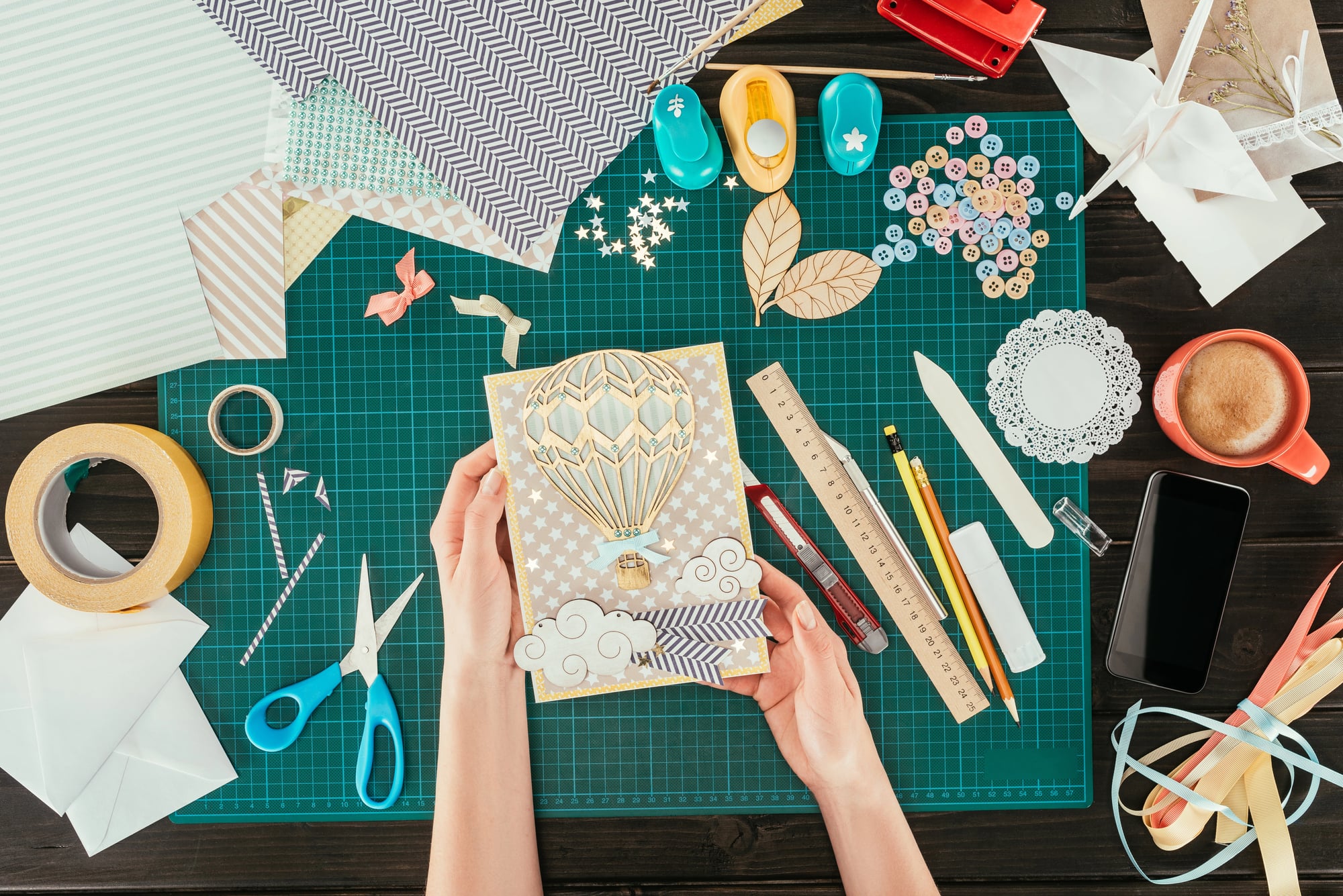
Card making filled the gap between Hallmark sentiments and blank stares at empty greeting cards.
The hobby let people create something specific for each occasion without requiring art school training. Each card was a small creative project with a definite deadline and recipient. Receiving a handmade card felt significant in a way that store-bought versions couldn’t match.
Calligraphy
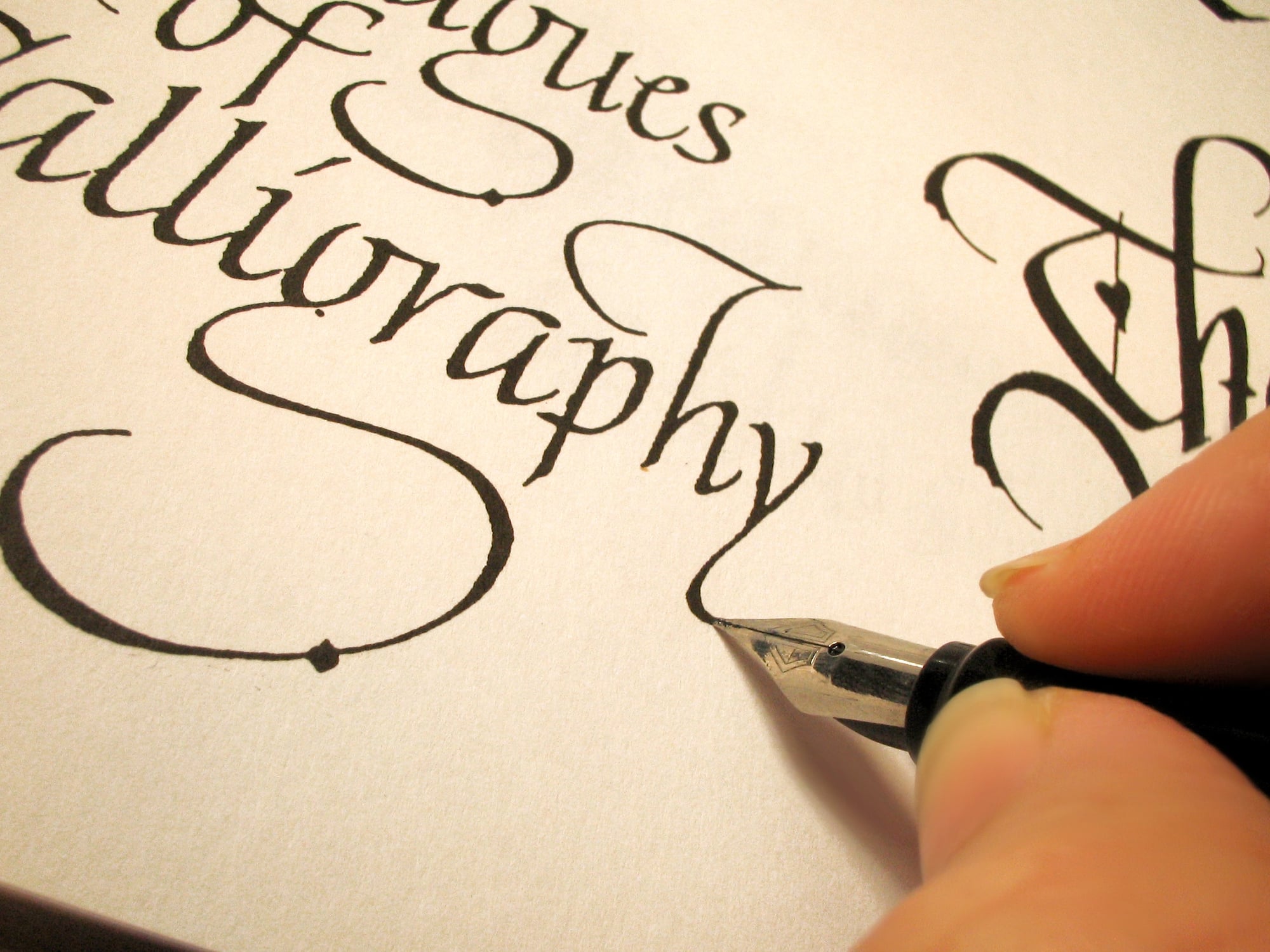
Calligraphy attracted people who appreciated beautiful handwriting during a time when cursive education was inconsistent.
Each letter was a small meditation on form and pressure. Special pens, quality paper, and proper angles elevated everyday writing into something approaching art. Wedding invitations became a primary showcase, but the real reward was rediscovering the satisfaction of writing something beautiful by hand.
Woodworking
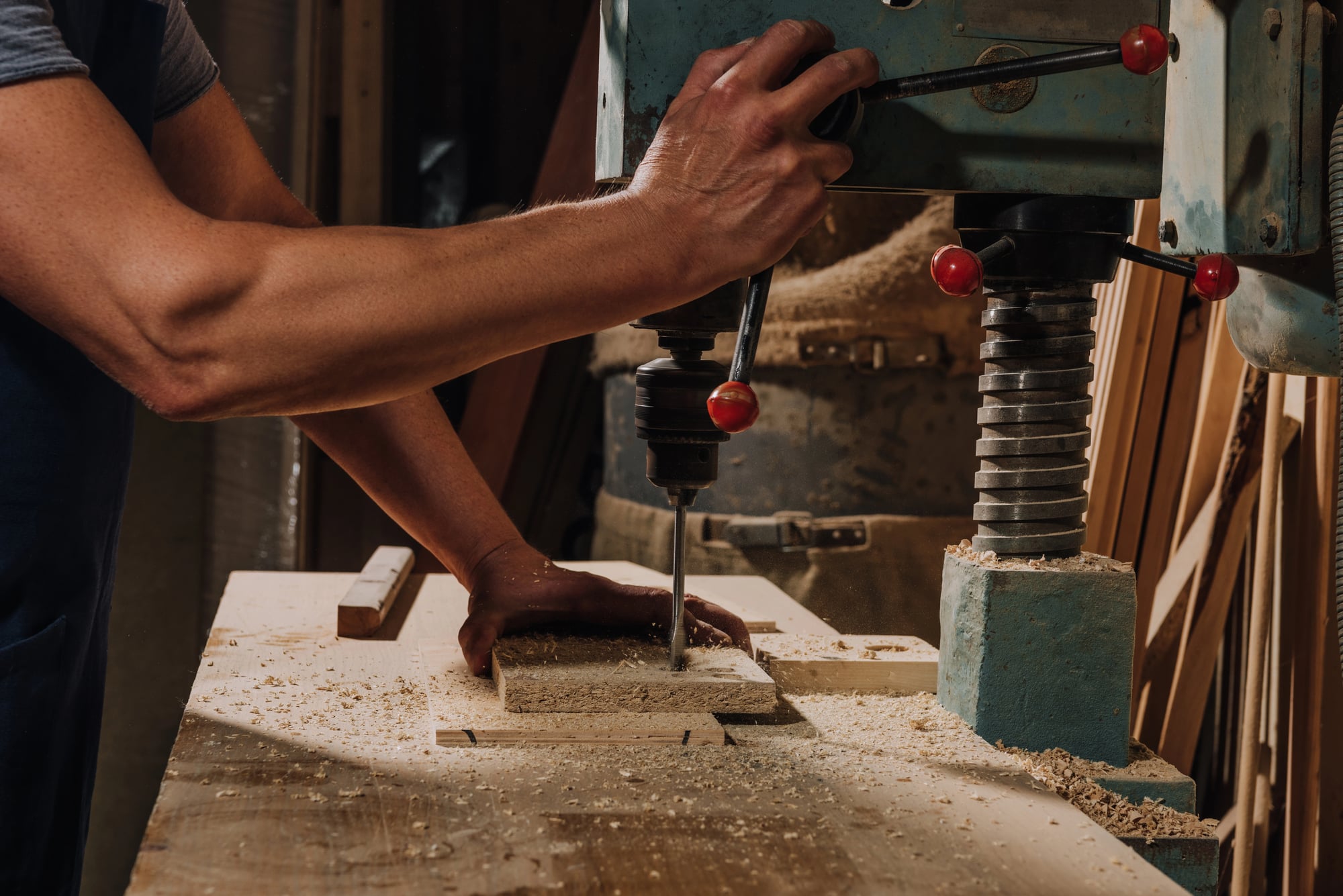
Garage workshops and basement corners became refuges where people could work with materials that responded predictably to careful attention.
Each project taught lessons about planning and patience that carried over into other areas of life. Mistakes were fixable or at least educational. Finished pieces—shelves, boxes, furniture—served practical purposes while proving competence with tools more substantial than keyboards.
Photography (Film)

Film photography meant commitment to each shot before knowing if it worked.
Limited exposures, development costs, and no instant feedback forced careful consideration of each frame. When photos turned out well, they felt earned. Albums became curated collections rather than repositories for every captured moment.
Cooking From Scratch
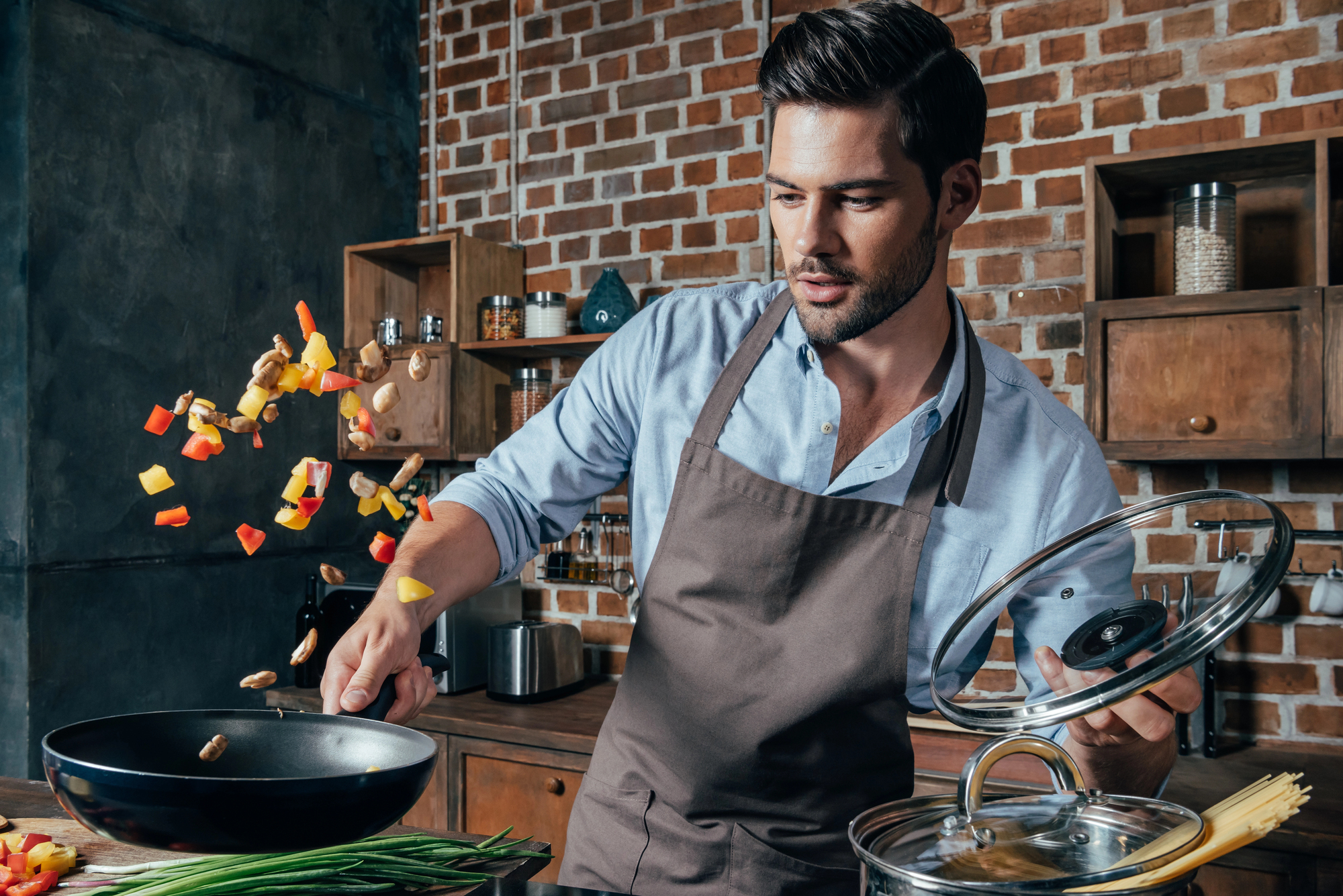
Scratch cooking gained momentum as people realized restaurant meals could be recreated at home with better ingredients and less sodium.
The process required planning and patience but offered complete control over the final result. Each successful dish built confidence for more ambitious projects. Kitchen failures taught lessons that couldn’t be learned from takeout menus.
Finding What Sticks
These hobbies shared something increasingly rare: they required time to master and offered no shortcuts to satisfaction.
The internet existed but couldn’t provide instant expertise or next-day delivery of patience. People learned by doing, failing, and trying again until their hands knew what their minds were still figuring out.
Some of these pursuits faded with the decade, but others took root so deeply they’re still growing in spare rooms and kitchen corners today.
More from Go2Tutors!

- The Romanov Crown Jewels and Their Tragic Fate
- 13 Historical Mysteries That Science Still Can’t Solve
- Famous Hoaxes That Fooled the World for Years
- 15 Child Stars with Tragic Adult Lives
- 16 Famous Jewelry Pieces in History
Like Go2Tutors’s content? Follow us on MSN.