Photos of 15 Elaborate Costumes Worn in Classic Hollywood
Hollywood’s golden age produced some of the most stunning costumes ever captured on film. These elaborate creations weren’t just clothing — they were works of art that helped define characters, establish moods, and create the visual magic that made movies unforgettable. From sweeping gowns that required teams of seamstresses to intricate period pieces that took months to research and construct, these costumes represent the pinnacle of cinematic craftsmanship.
The designers behind these masterpieces understood something fundamental about moviemaking: audiences don’t just watch films, they experience them. Every bead, every fold of fabric, every carefully chosen color contributed to that experience. These 15 costumes stand as testament to an era when no detail was too small, no vision too ambitious.
Dorothy’s Ruby Slippers from The Wizard of Oz
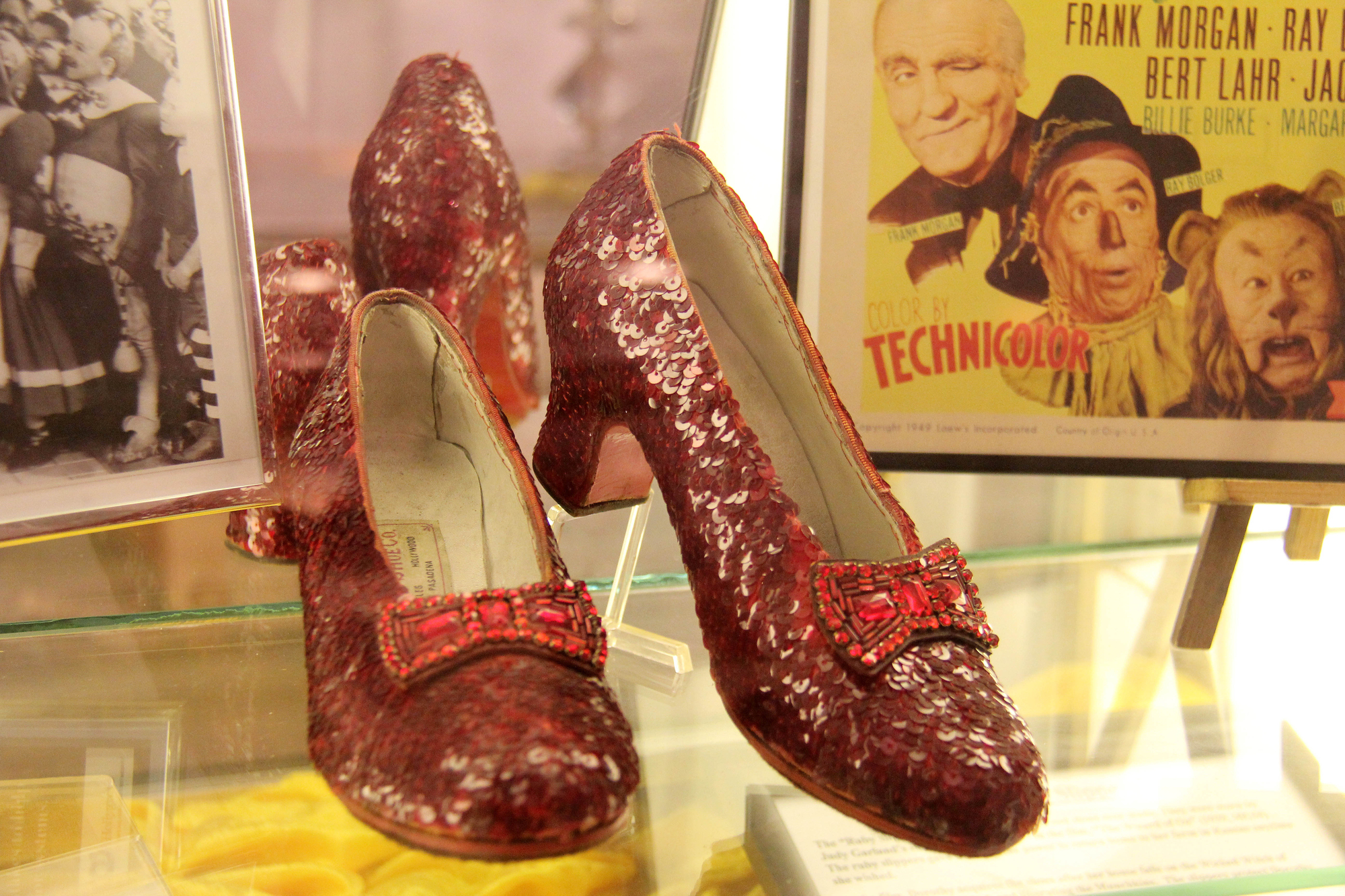
The most famous shoes in movie history started as silver slippers in L. Frank Baum’s original book. Ruby looked better in Technicolor. Adrian, MGM’s chief costume designer, made several pairs — some with leather soles for dancing, others with felt soles to muffle sound during recording.
The sequins weren’t actually rubies, but hand-sewn burgundy sequins that caught the light perfectly. Each shoe took weeks to complete.
Scarlett’s Green Curtain Dress from Gone with the Wind
Desperation has rarely looked so elegant, though the story behind this dress runs deeper than Scarlett’s famous declaration that she’ll “never be hungry again” — it’s a costume that captures the exact moment when pride bends but refuses to break, when resourcefulness masquerades as fashion, when a woman decides to rewrite her circumstances using nothing but green velvet curtains and sheer determination. The dress itself seems to understand what it represents: not just fabric repurposed, but dignity reconstructed.
Walter Plunkett designed the gown to look hastily made (even though it wasn’t), complete with visible cord trim that suggests curtain tiebacks pressed into service. The costume department aged the fabric to suggest wear, then pressed it carefully to show Scarlett had taken care with her appearance despite her circumstances.
Maria’s Wedding Dress from The Sound of Music
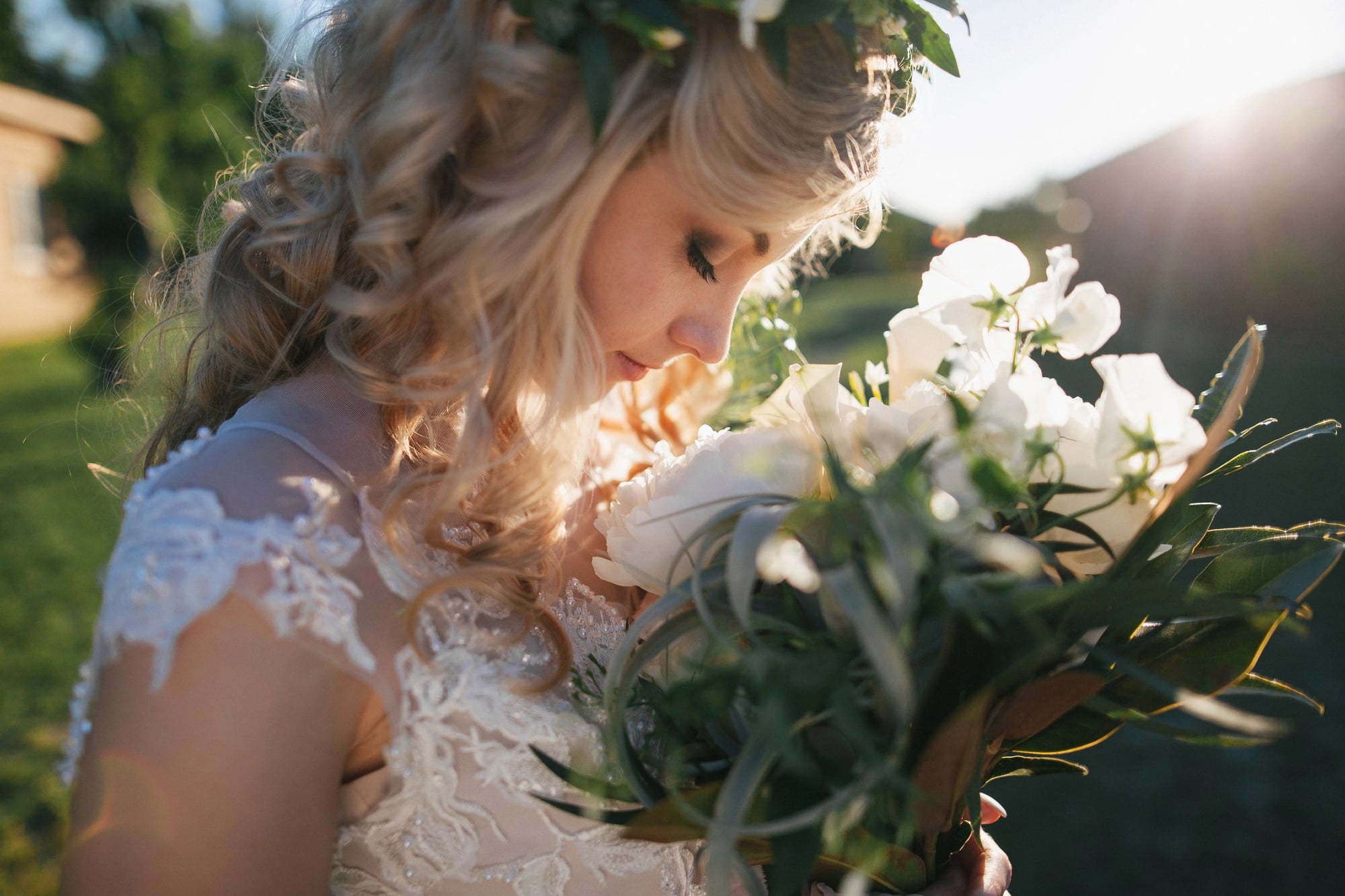
White silk shantung shouldn’t move like water, but somehow Dorothy Jeakins made it happen. The dress features a 15-foot train and took eight seamstresses six weeks to complete. Every pleat was hand-sewn and weighted to fall perfectly during Julie Andrews’ walk down the aisle.
The wedding scene required multiple takes, which meant multiple identical dresses. Three were made in total — one for filming, one for backup, and one for publicity photos.
The Ruby Slippers Dance Costume from The Red Shoes
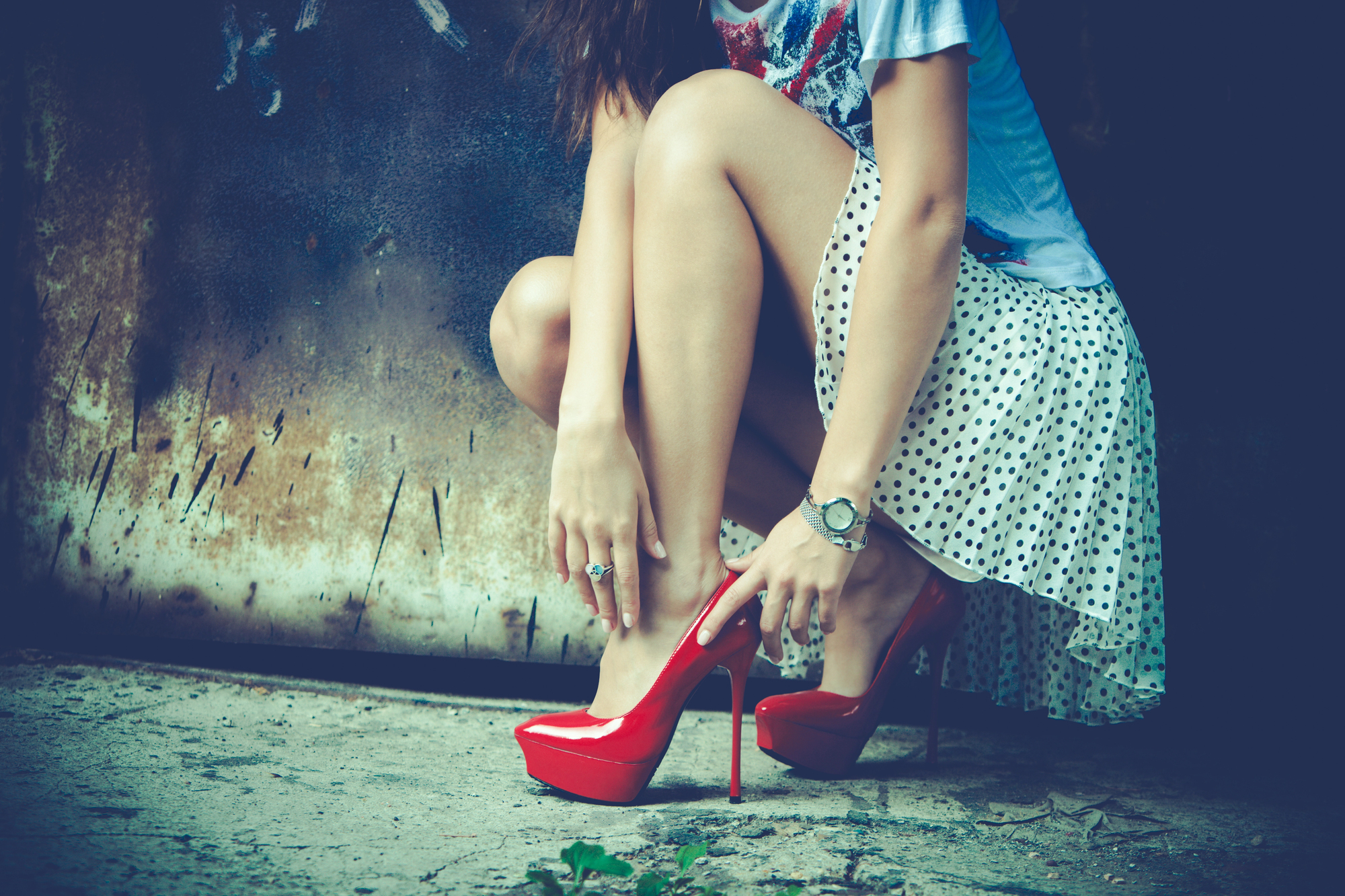
Powell and Pressburger’s ballet masterpiece demanded costumes that could survive intense choreography while photographing beautifully in Technicolor. Hein Heckroth designed Moira Shearer’s red dress to be both ethereal and practical — layers of tulle that moved like flame, reinforced at stress points to withstand repeated performances.
The famous red shoes themselves were custom-made by a London cobbler, with special attention to the arch support. Ballet is demanding enough without uncomfortable footwear.
Cleopatra’s Golden Gown from the 1963 Epic
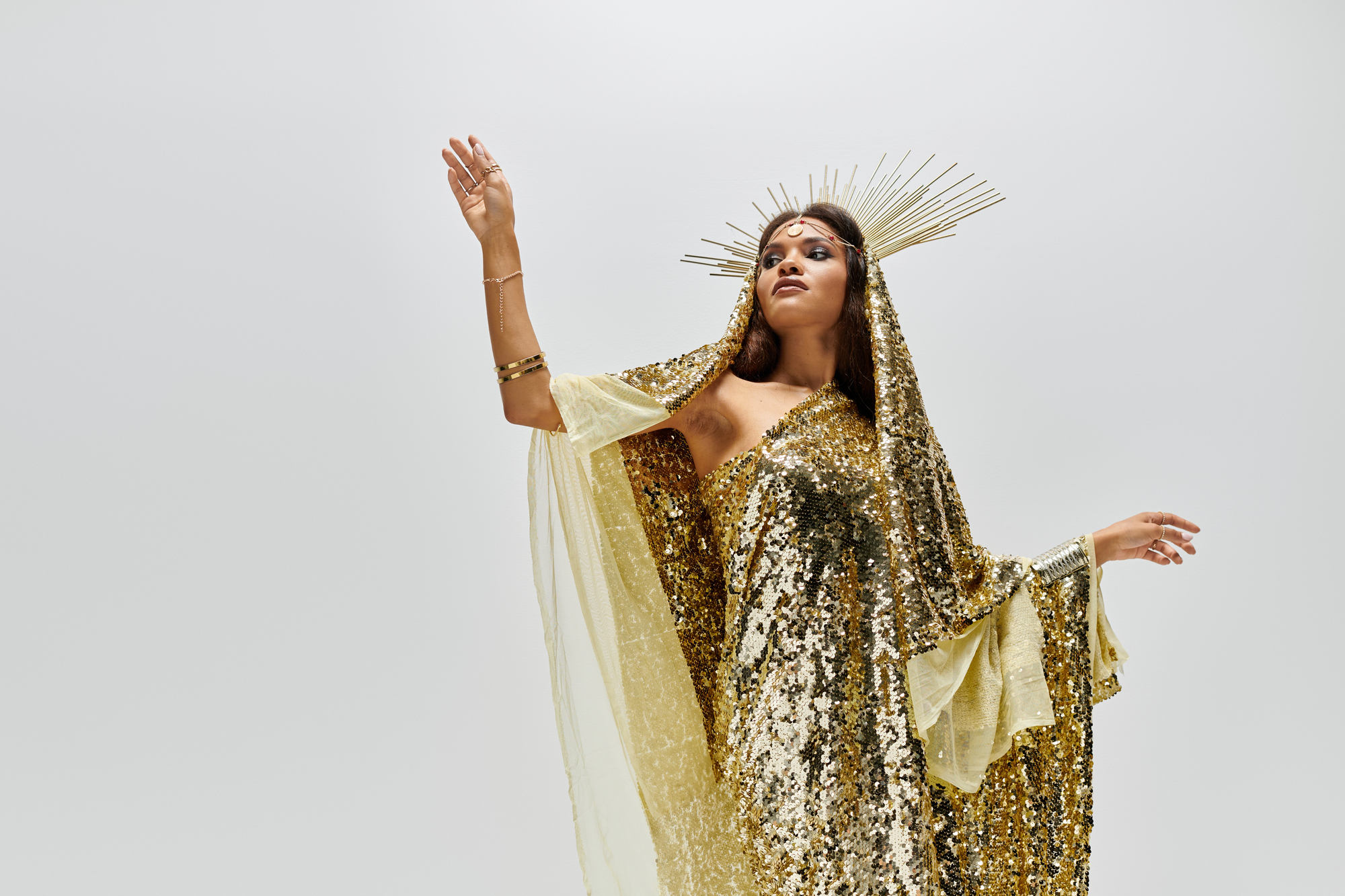
Excess was the point, and Irene Sharaff delivered it by the yard — this isn’t a costume designed for subtlety but for the kind of overwhelming visual impact that makes audiences forget they’re watching Elizabeth Taylor instead of the actual Queen of the Nile, which, considering the circumstances of that particular production (the affair, the scandal, the near-bankruptcy of 20th Century Fox), was probably exactly what everyone needed. The dress weighs over 30 pounds, most of that weight coming from genuine gold threading worked into patterns that catch studio lights like captured sunfire.
Sharaff researched ancient Egyptian textiles for months, studying museum pieces and historical texts to ensure authenticity. But authenticity had its limits — real ancient Egyptian clothing wouldn’t photograph well in 1960s Technicolor, so compromises were made for the camera. The result feels both historically grounded and impossibly glamorous, which is precisely what epic Hollywood demanded.
Marilyn’s Subway Grate Dress from The Seven Year Itch
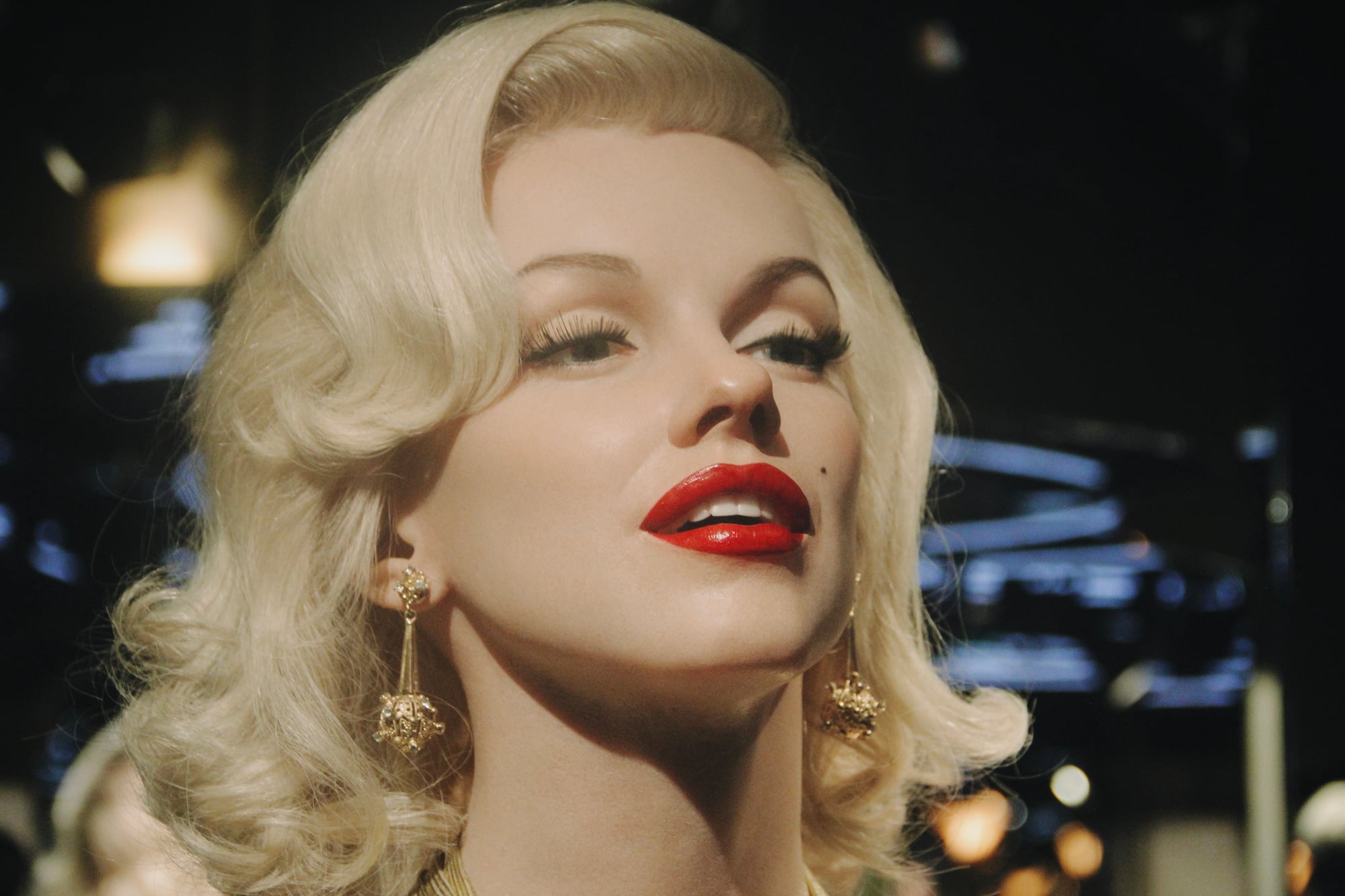
The white halter dress wasn’t supposed to become iconic. William Travilla designed it as a simple summer outfit that would photograph well under harsh street lighting. The pleated skirt was practical — it needed to billow dramatically over the subway grate without revealing too much.
Travilla made several versions in different fabrics, testing each under wind machines to see how they moved. The version that made it to film was the lightest, designed to catch even the smallest breeze.
Fred Astaire’s White Tie and Tails
You can measure a man’s elegance by how effortless he makes difficulty look, and Astaire’s tailcoat transformed every dance number into a masterclass in controlled grace — the coat had to move with him through impossible choreography while maintaining its crisp lines, never bunching at the shoulders or pulling at the back, essentially becoming a dance partner that never missed a step.
Adrian worked with Astaire’s personal tailor to create coats that were cut slightly differently than standard formal wear. The shoulders were reinforced, the back panels were shaped to accommodate arm movement, and the fabric was chosen for both appearance and durability. Astaire was famously particular about his costumes, often wearing them for weeks before filming to break them in properly.
Standard tailcoats would have restricted his movement or looked sloppy after the first routine. These didn’t.
Grace Kelly’s Edith Head Gowns from To Catch a Thief
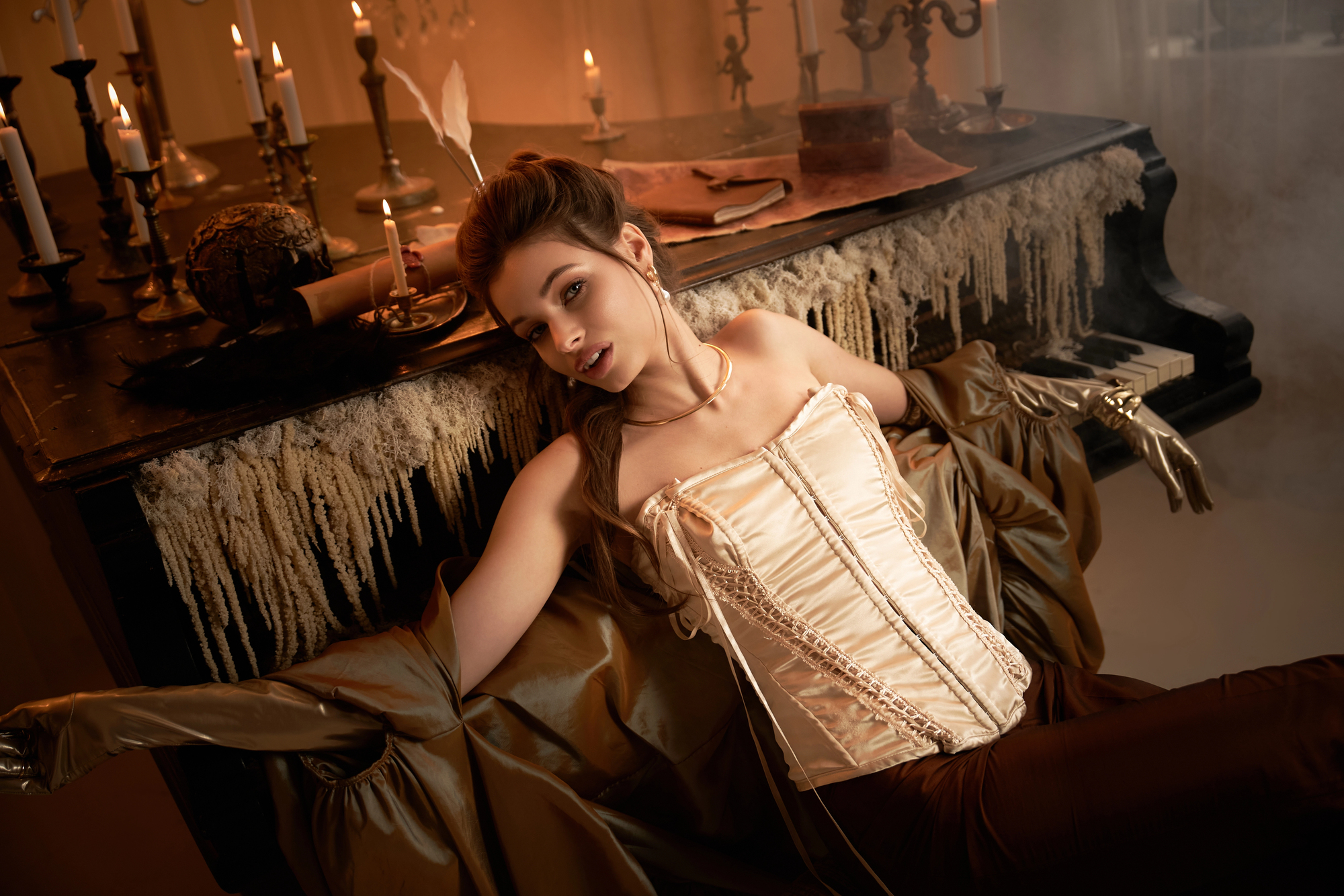
Edith Head understood that Grace Kelly didn’t need costume design so much as costume architecture. The gowns she created for the Hitchcock thriller were exercises in sophisticated restraint — each dress designed to enhance Kelly’s natural elegance without competing with it.
The famous gold lamé gown from the casino scene required special undergarments to achieve its sleek silhouette. Head designed the dress to move beautifully under casino lighting, ensuring Kelly would glow appropriately during her scenes with Cary Grant.
Elizabeth Taylor’s White Gown from Cat on a Hot Tin Roof
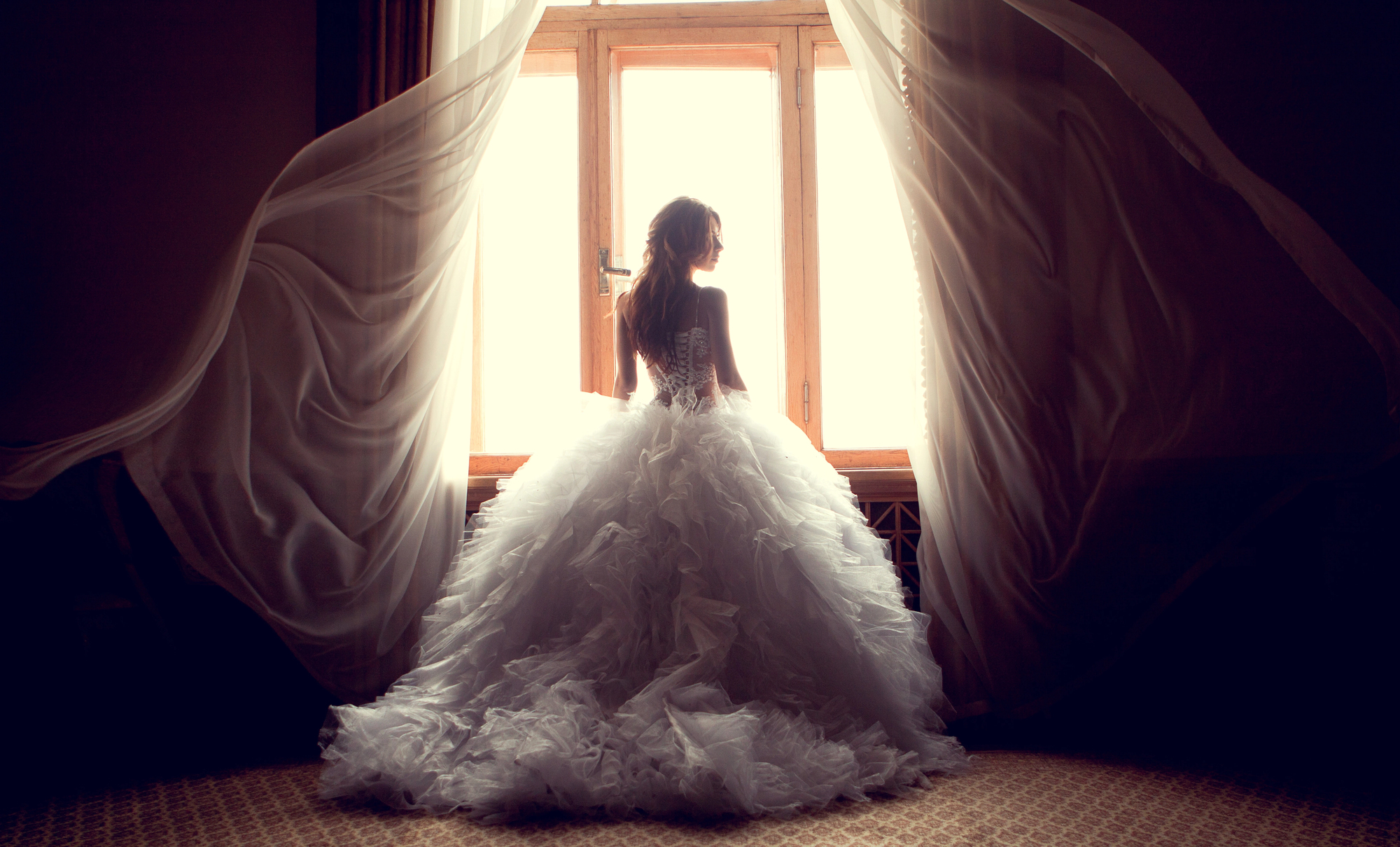
Sometimes the most powerful costume is the one that suggests everything while revealing nothing, and this white slip dress manages to be both innocent and knowing, vulnerable and strong — it’s a garment that understands Tennessee Williams’ writing, where surface simplicity masks deeper currents of desire and deception.
Helen Rose designed the dress to be deceptively simple. The cut appears straightforward, but every seam was positioned to flatter Taylor’s figure while allowing for the emotional range the role demanded. The fabric choice was crucial — it had to photograph as pure white under hot studio lights without washing out Taylor’s features.
The costume department made six identical versions. Emotional scenes tend to be hard on clothing.
Rita Hayworth’s Black Gown from Gilda
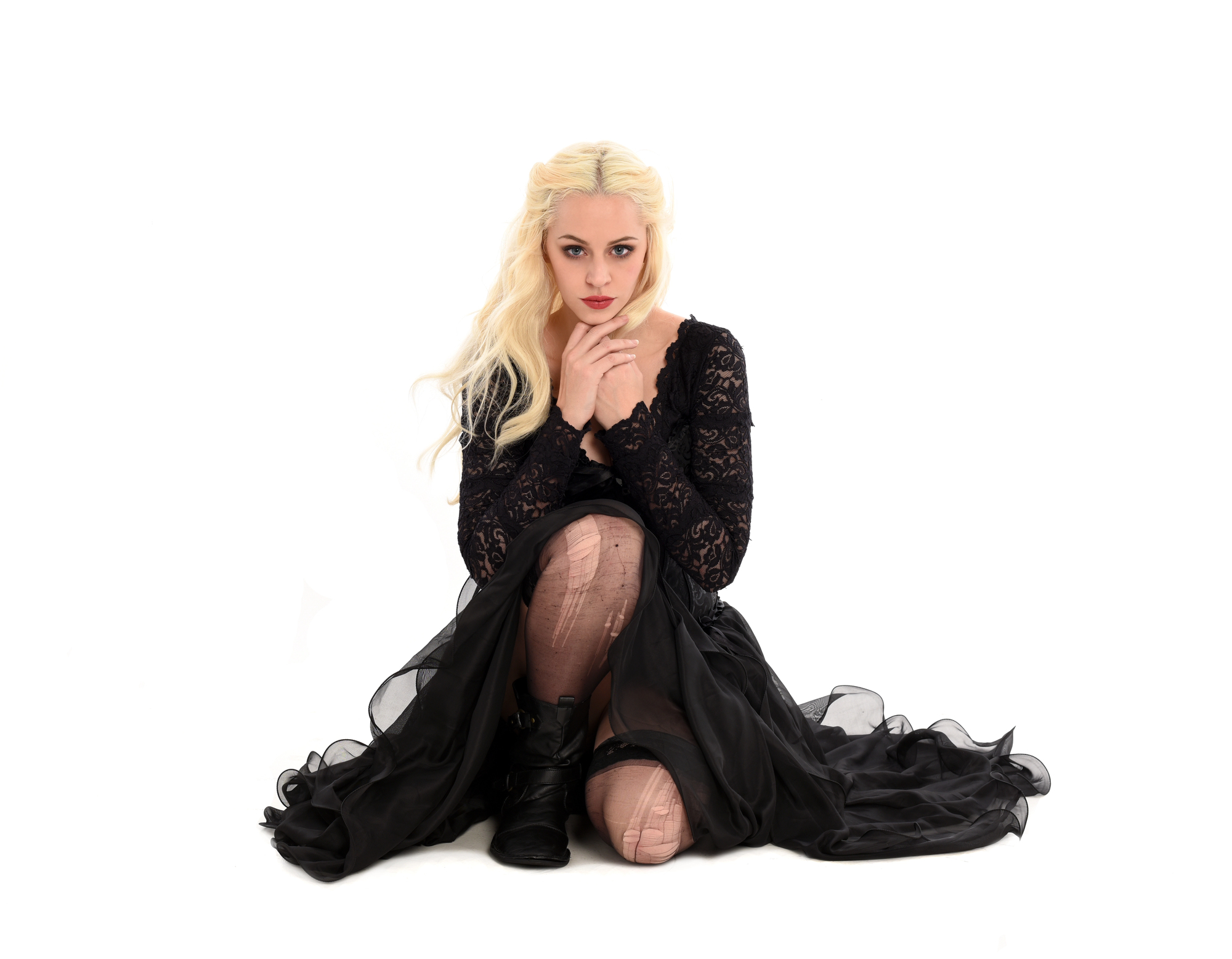
The strapless black satin gown worn during Rita Hayworth’s legendary “Put the Blame on Mame” number was designed by Jean Louis to be unforgettable. The dress hugs every curve while maintaining an air of sophisticated danger — exactly what the character of Gilda required.
The gown’s construction was a technical marvel. Strapless dresses in the 1940s relied on serious engineering to stay in place during energetic performances. Louis used internal boning and careful tailoring to ensure the dress would photograph beautifully from every angle without any wardrobe malfunctions.
Judy Garland’s “Get Happy” Costume from Summer Stock
Yellow was Judy Garland’s color, but this wasn’t the innocent Dorothy yellow of her earlier films — this was the yellow of someone who’d learned a few things about life, bright and bold and just a little bit dangerous, perfect for a number that essentially announced Garland’s transition from girl-next-door to full-blown entertainer. The costume consists of a yellow jacket worn over black tights, simple enough in concept but revolutionary in execution for its time.
Helen Rose designed the outfit to be both casual and show-stopping, appropriate for the barn setting of the number while still glamorous enough for a major musical finale. The jacket was tailored to move with Garland’s energetic choreography, and the high-contrast color combination was chosen to photograph dramatically under stage lighting.
So simple, yet it became one of the most imitated looks of the era.
Vivien Leigh’s Red Dress from Gone with the Wind
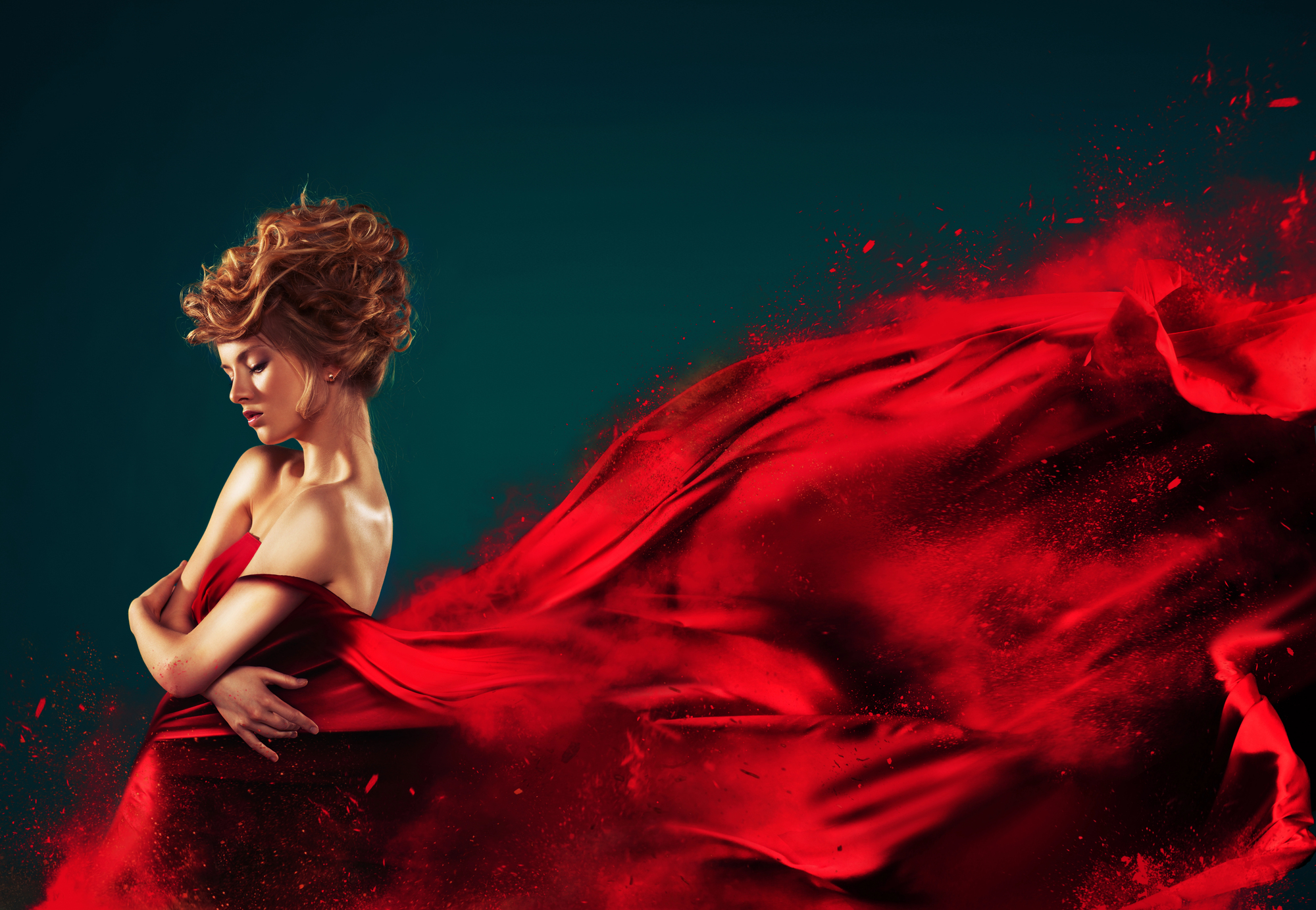
Walter Plunkett created dozens of costumes for Scarlett O’Hara, but the red dress she wears to Ashley’s birthday party stands out for its bold defiance of mourning customs. Scarlett appears in vibrant red when social convention demanded black, making a statement that scandalized Atlanta society.
The dress itself is a masterpiece of 1860s construction, complete with a tight-fitting bodice and full skirt supported by a historically accurate hoop. Plunkett researched Civil War-era fashion extensively, ensuring every detail from the neckline to the sleeve construction was period-appropriate.
Kim Novak’s Gray Suit from Vertigo

Edith Head’s gray suit for Kim Novak in Vertigo represents costume design as psychological storytelling. The severe tailoring and muted color palette weren’t fashion choices — they were character choices, designed to make Novak’s Judy appear ordinary and forgettable, the perfect disguise for someone trying to disappear.
Head worked closely with Hitchcock to ensure the costume served the film’s themes of obsession and transformation. The suit needed to be unremarkable enough that audiences would understand why Jimmy Stewart’s character didn’t immediately recognize her, yet well-tailored enough to hint at the sophistication underneath.
Audrey Hepburn’s Ascot Dress from My Fair Lady
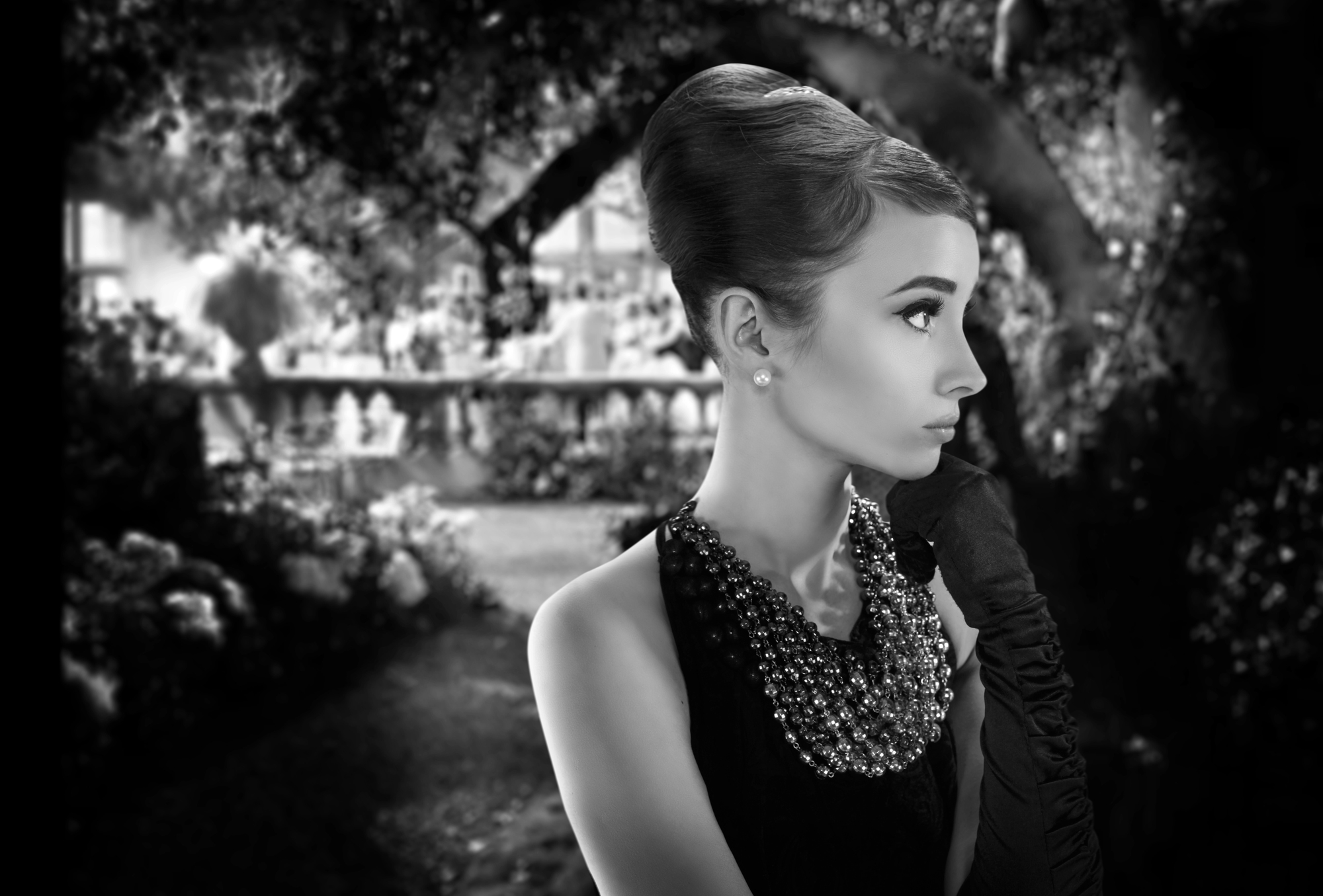
Cecil Beaton’s black and white Ascot ensemble for Audrey Hepburn represents the pinnacle of costume design as visual storytelling — this isn’t just a dress, it’s a declaration that Eliza Doolittle has arrived, that transformation is complete, that a flower girl has become a lady through sheer force of will and impeccable tailoring, though the rigidity of the costume also suggests the cost of such transformation.
The dress features a dramatic black and white striped pattern with an enormous white hat that required its own structural support system. Beaton researched Edwardian fashion meticulously, but enhanced the proportions for cinematic effect. The result photographs beautifully in the film’s Technicolor palette while maintaining period authenticity.
And yet, for all its elegance, there’s something slightly uncomfortable about the costume — which was exactly Beaton’s intention.
Ginger Rogers’ Feathered Gown from Top Hat
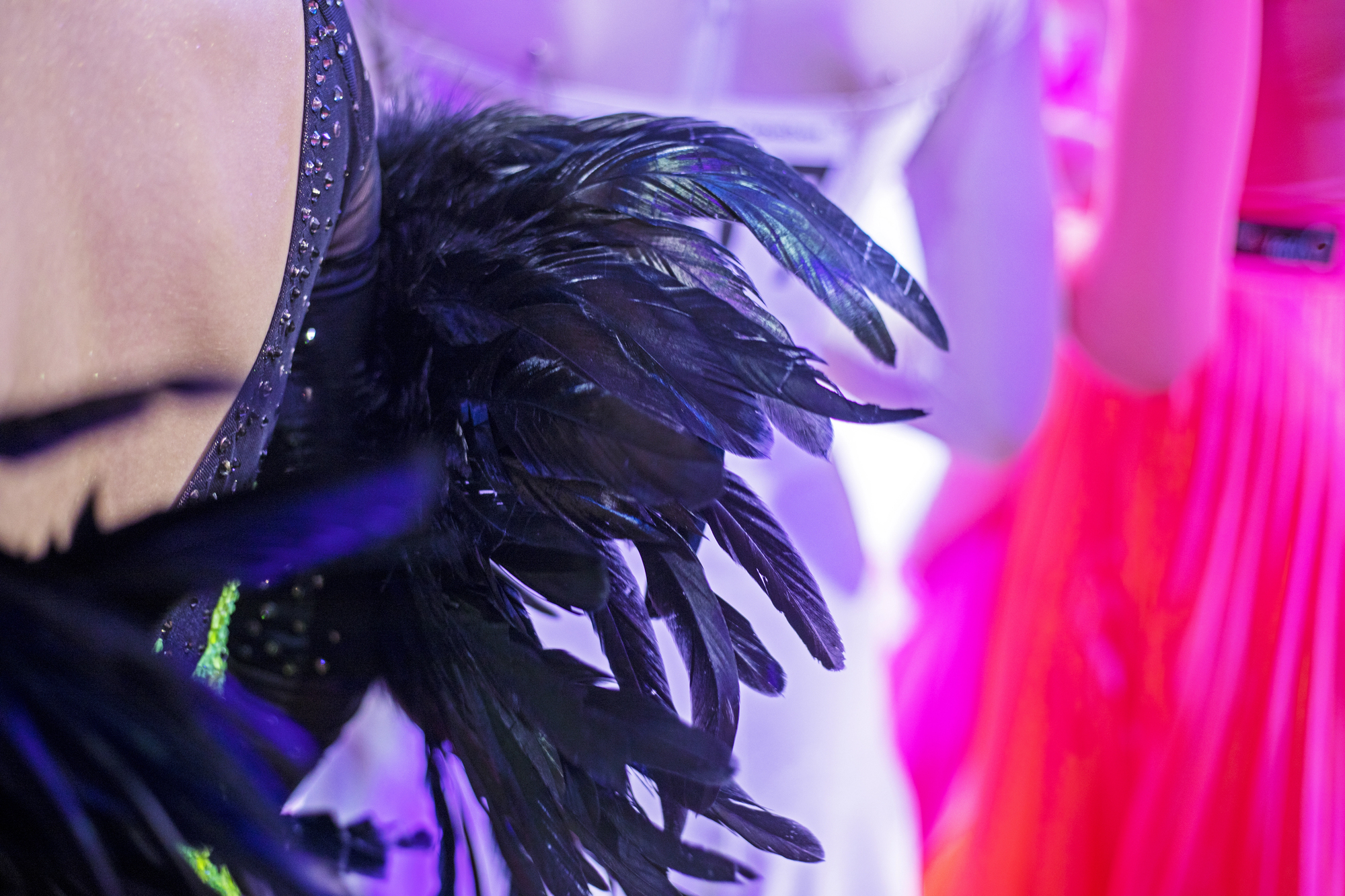
Bernard Newman designed this white feathered gown specifically for Ginger Rogers’ dance number with Fred Astaire, which meant creating something that was simultaneously elegant and durable. Feathers present obvious challenges for dancing — they can molt, shift, or obstruct movement if not properly secured.
Newman solved these problems through careful construction and feather selection. Each feather was individually sewn to the dress, and the design was tested extensively to ensure it would survive the demands of Astaire’s choreography. The result moves like liquid while maintaining its spectacular appearance throughout the number.
Timeless Elegance in Motion
These costumes represent more than just beautiful clothing — they’re evidence of an era when movies understood that visual storytelling required attention to every detail. Each dress, each suit, each carefully chosen accessory contributed to the magic that made classic Hollywood unforgettable. The designers behind these creations were artists in their own right, collaborating with directors, actors, and cinematographers to create moments that still take your breath away decades later.
More from Go2Tutors!

- The Romanov Crown Jewels and Their Tragic Fate
- 13 Historical Mysteries That Science Still Can’t Solve
- Famous Hoaxes That Fooled the World for Years
- 15 Child Stars with Tragic Adult Lives
- 16 Famous Jewelry Pieces in History
Like Go2Tutors’s content? Follow us on MSN.