18 Facts About Schindler’s Real Story
Oskar Schindler’s journey from a member of the Nazi Party to a rescuer of Jews during the Holocaust is one of the most complex tales in modern history. Steven Spielberg’s film may have introduced his bravery to millions, but the reality of the man was far more layered than any movie could capture.
The Schindler who lived was a man of contradictions—flawed, indulgent, and often reckless—yet capable of extraordinary courage. Here are 18 remarkable facts that reveal the real story behind the legend.
He Was Originally a Czechoslovakian
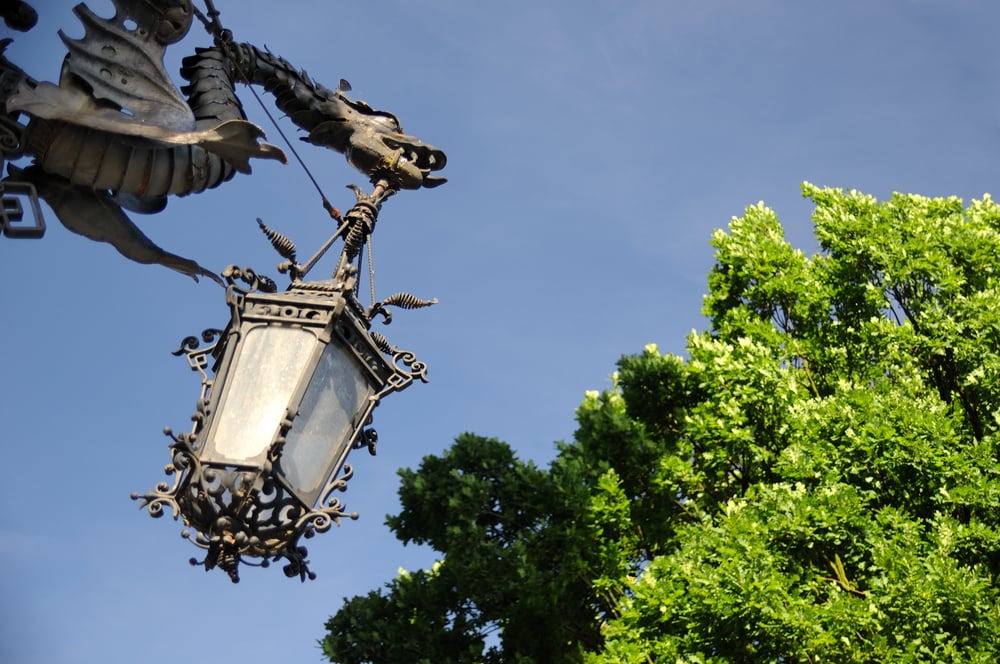
Born in 1908 in Zwittau, then part of the Austro-Hungarian Empire, Schindler grew up speaking both German and Czech. After World War I, the region became part of Czechoslovakia, giving him a dual identity that later worked to his advantage. When Nazi Germany annexed the Sudetenland in 1938, Schindler once again found himself classified as German, despite having lived much of his life as a Czech citizen.
He Started as a Nazi Spy
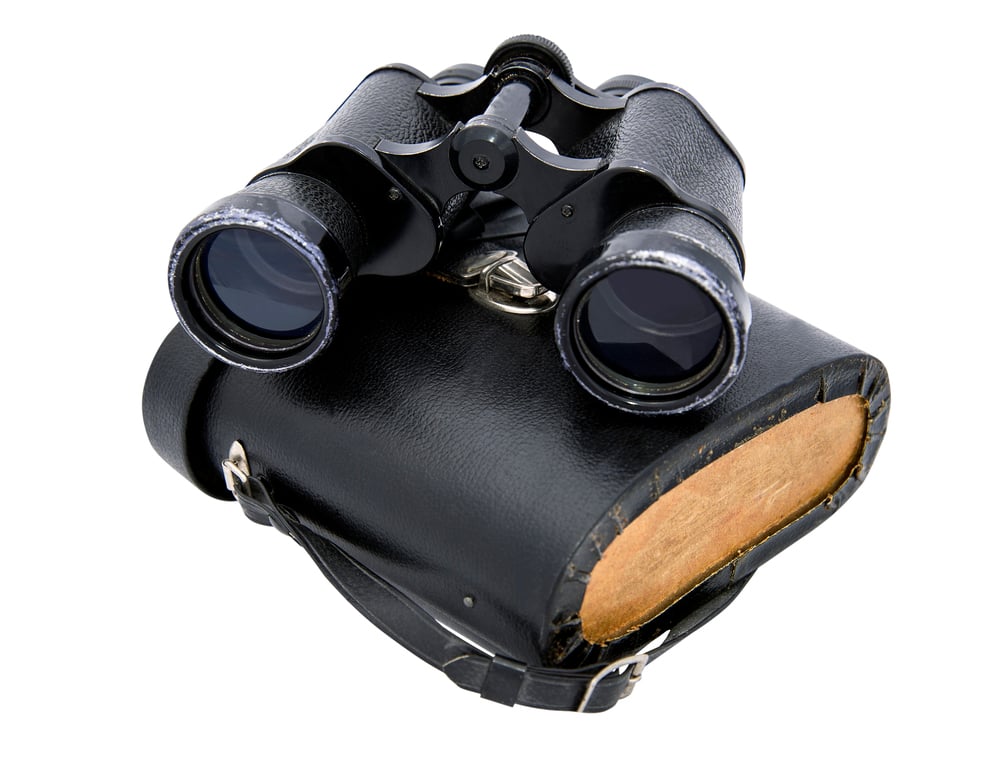
Long before he became a protector of Jews, Schindler was employed by the German Abwehr (military intelligence). Beginning in 1936, he gathered intelligence on rail lines, troop movements, and military sites in Czechoslovakia and Poland. These activities helped him build powerful connections within the Nazi system—ties that he would later exploit to shield his Jewish workers.
His Wife Emilie Was Also a Hero

Although the film spotlighted Oskar, Emilie Schindler’s bravery was equally significant. She smuggled food into the factory, nursed the sick, and even forged papers to protect workers. Emilie later expressed frustration that her role was overshadowed, pointing out that she was remembered only as “Schindler’s wife” rather than as a rescuer in her own right.
He Was a Notorious Womanizer

Schindler’s marriage was far from perfect. He had several affairs, including one with his secretary, causing constant strain between him and Emilie. Despite knowing about his infidelity, she stayed with him during the war, supporting his efforts. His personal flaws highlight the complexity of a man who could be selfish at home yet selfless when it came to saving others.
He Made a Fortune from Slave Labor Initially

At first, Schindler’s motives were far from noble. He acquired a Jewish-owned enamelware factory in Kraków at a bargain price, taking advantage of the Nazi system. Jewish workers cost him less than Polish ones, making his factory highly profitable. It was only later that the same system he exploited became the platform for his rescue mission.
He Spent His Entire Fortune Saving Lives

By the time the war ended, Schindler had given up everything—profits, personal savings, and even Emilie’s jewelry—to bribe Nazi officials and provide food and medicine for his workers. The man who entered the war as a profiteer walked away bankrupt, having exchanged wealth for human lives.
The Famous List Was Actually Multiple Lists

The “Schindler’s List” immortalized in film wasn’t a single document. Several versions existed over time, with names shifting as situations changed. Historians have identified at least four separate lists, the final one containing about 1,200 names. These evolving records reflect just how precarious survival was during those years.
He Personally Intervened in Deportations

Schindler didn’t simply keep people inside his factory; he actively fought against deportations. On more than one occasion, he used charm, bribery, and Nazi credentials to reverse orders. One of his most famous acts was rescuing female workers mistakenly sent to Auschwitz—an extraordinary intervention that required both courage and quick wit.
He Moved His Entire Operation to Save Lives
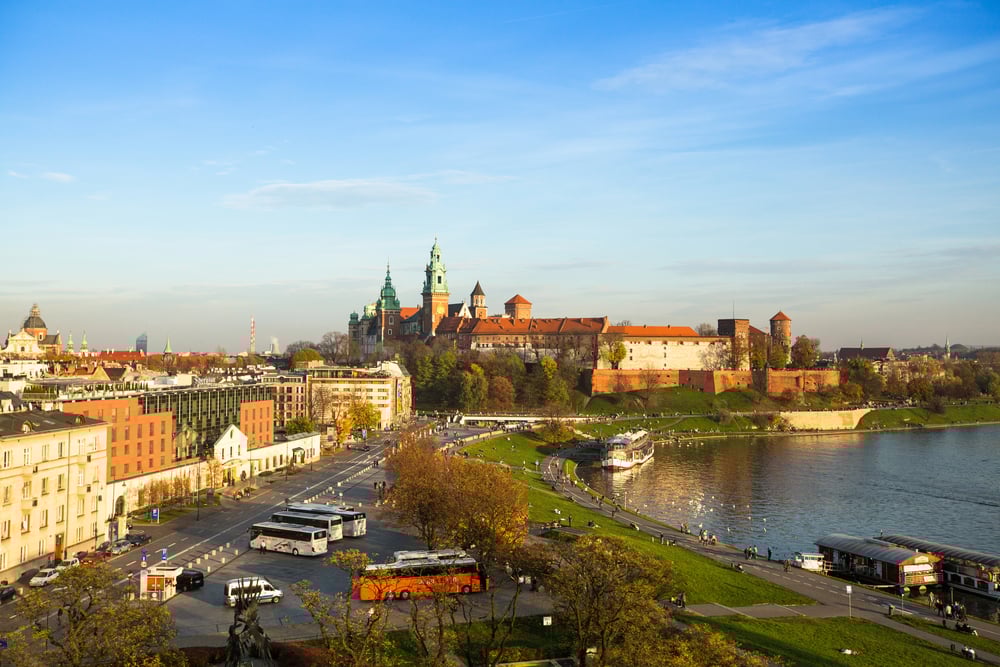
In 1944, as Soviet troops approached Kraków, Schindler arranged to move his factory to Brünnlitz, near his birthplace. This relocation was not a business decision but a deliberate attempt to shield over 1,000 workers from the camps. The move drained his resources but kept hundreds alive in the war’s final months.
His Factory Deliberately Produced Defective Ammunition

Though officially producing arms for the German war effort, Schindler’s factory became a quiet act of sabotage. Workers deliberately manufactured faulty shells and munitions, ensuring they couldn’t be used in battle. Had this been discovered, it would have meant execution for everyone involved.
He Had a Serious Drinking Problem

Alcohol was a constant in Schindler’s life. Known for heavy drinking, he often used it to charm officials and ease the stress of living a double life. Ironically, his reputation as a pleasure-loving businessman may have made Nazi officers less suspicious of his rescue operations.
He Fled Germany Dressed as a Prisoner
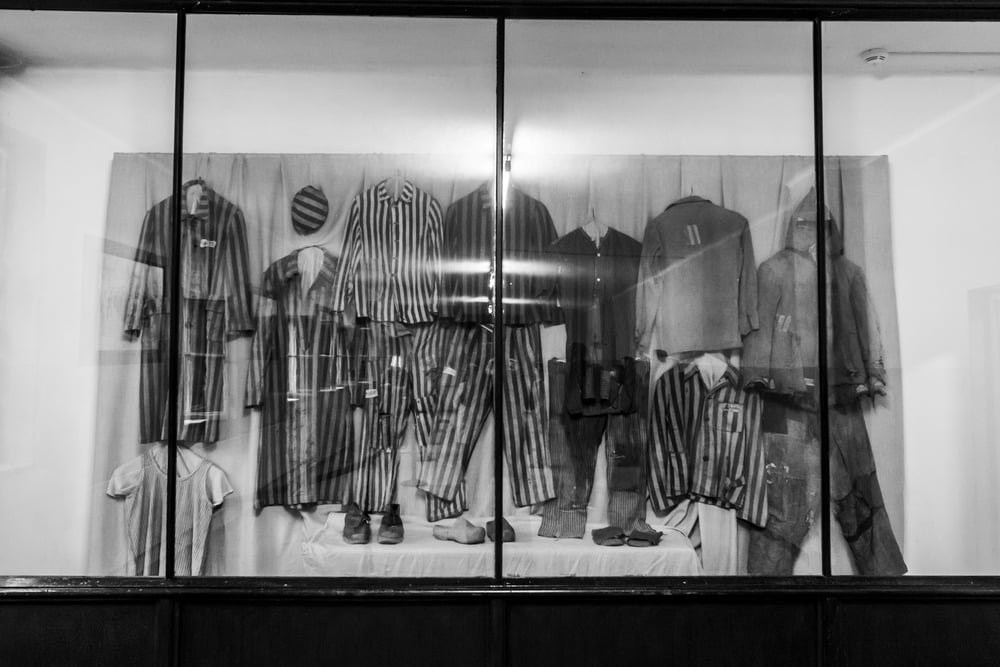
At the war’s end, Oskar and Emilie fled west in concentration camp uniforms to avoid capture by Soviet forces. They carried a letter, signed by Jewish workers, describing his efforts to save lives—hoping it would protect them if stopped by Allied soldiers.
He Failed at Every Business After the War

In peacetime, Schindler struggled. He tried farming and running businesses in Argentina but failed repeatedly. Some believed he thrived only in the extraordinary conditions of wartime, when life-or-death stakes drove him in ways ordinary commerce never could.
Survivors Supported Him Financially for Decades

The people he saved never forgot him. Known as the Schindlerjuden, they sent him money, paid for his medical care, and even helped cover his living expenses. This support continued for nearly 30 years, right up until his death in 1974.
He Was Honored by Israel Before the Movie Made Him Famous
— Photo by eskystudio
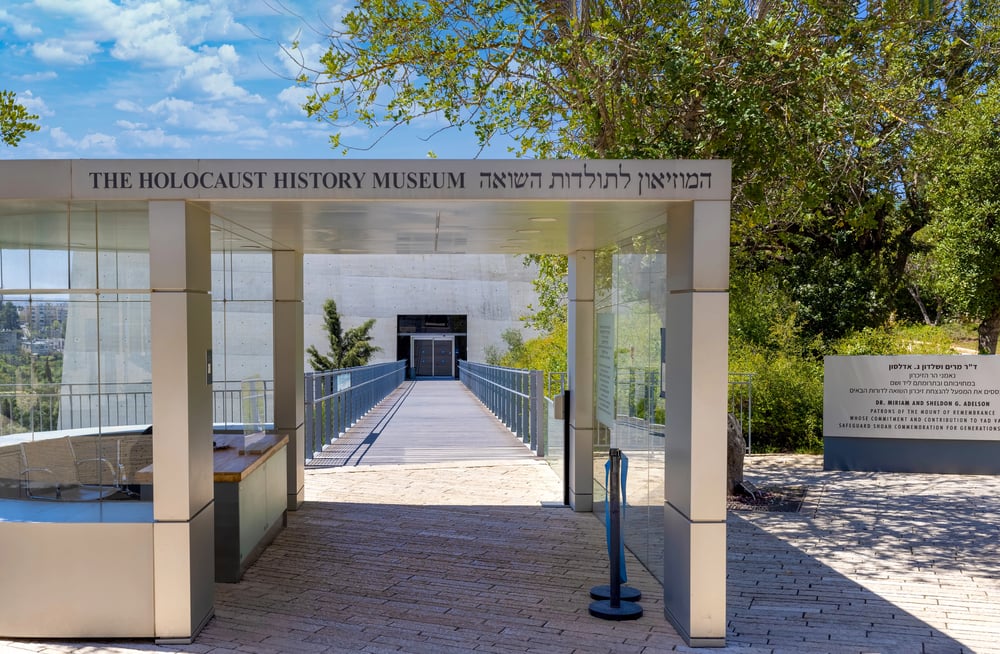
In 1967, Israel named him “Righteous Among the Nations.” He planted a tree at Yad Vashem and often visited the country, where survivors welcomed him as a hero. This recognition came purely from testimony—not from media attention or self-promotion.
His Transformation Wasn’t Sudden but Gradual
— Photo by jarino
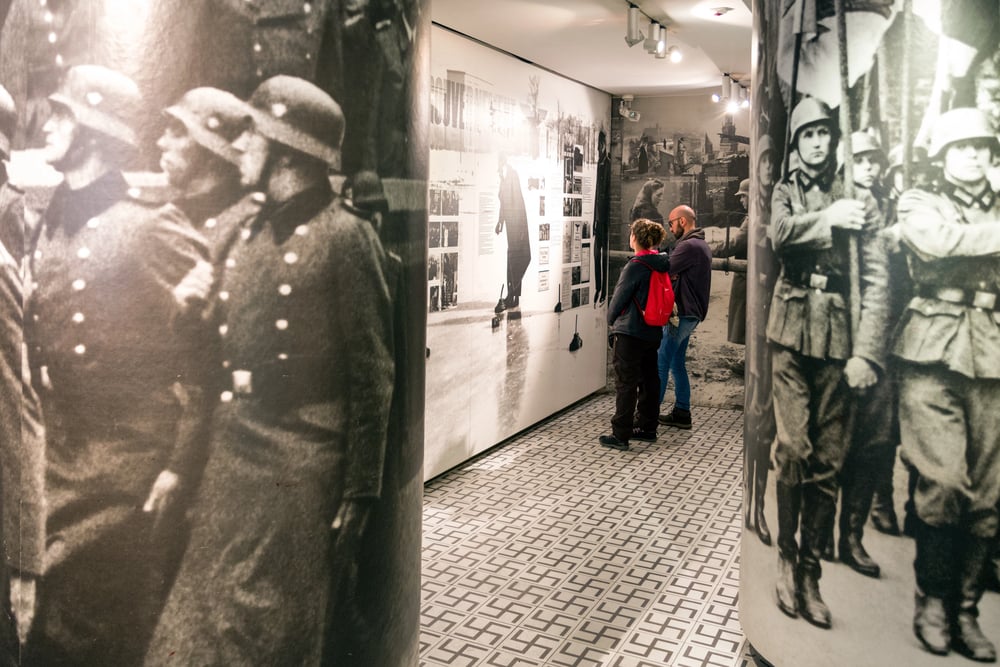
Unlike the film’s portrayal of a single turning point, Schindler’s change happened slowly. Witnesses recalled a gradual shift: at first, cautious concern for his workers; later, bold defiance of Nazi orders; and finally, full commitment to protecting lives at all costs.
He Never Fully Explained His Motivations

When asked why he risked everything, Schindler gave no clear answer. He downplayed his actions, suggesting he only did what anyone would have done. This humility has left historians debating whether his motives were moral, practical, or simply instinctive.
His Death Brought Survivors from Around the World
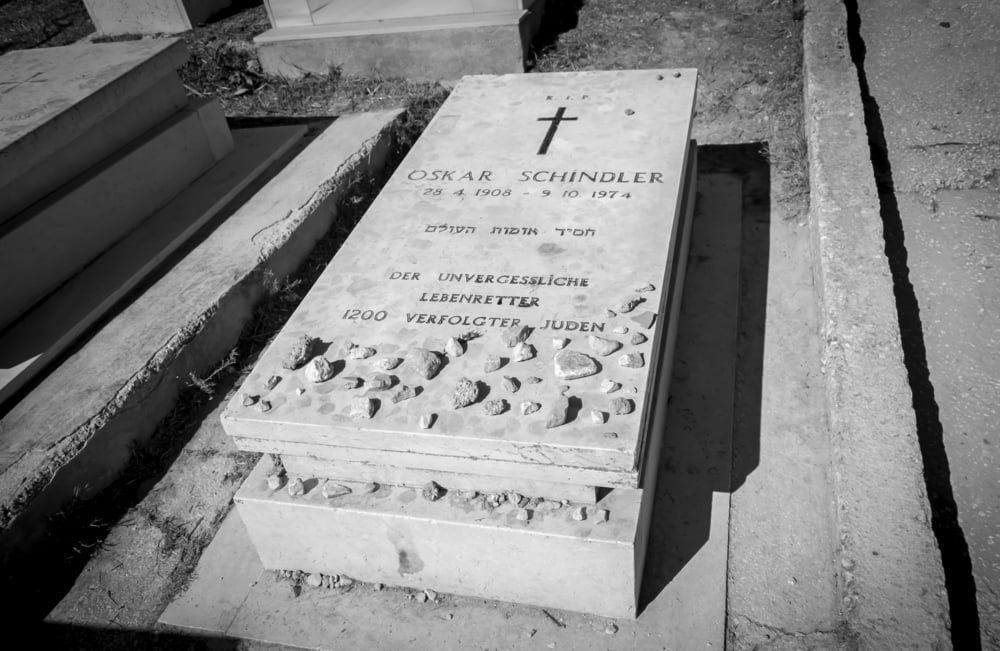
When Schindler died in 1974, more than 400 of the people he saved traveled from across the globe to attend his funeral. In accordance with his wishes, he was buried in Jerusalem—making him one of the very few former Nazis laid to rest in Israel.
The Man Behind the Myth
— Photo by Pawel Wierzchowski
The true Oskar Schindler was neither saint nor villain, but a man of contradictions who found his courage when it mattered most. His story proves that even the most flawed individuals are capable of extraordinary acts of humanity. While Hollywood gave us a simplified version, the real Schindler—complicated, imperfect, but undeniably brave—is far more compelling.
More from Go2Tutors!

- The Romanov Crown Jewels and Their Tragic Fate
- 13 Historical Mysteries That Science Still Can’t Solve
- Famous Hoaxes That Fooled the World for Years
- 15 Child Stars with Tragic Adult Lives
- 16 Famous Jewelry Pieces in History
Like Go2Tutors’s content? Follow us on MSN.