Unusual Musical Instruments Played in Ancient China
The sound of ancient China wasn’t carried by familiar instruments alone. Beyond the guqin and traditional drums lay a world of musical oddities that would puzzle modern ears — instruments crafted from bones, stones, and materials that seem more suited to a kitchen than a concert hall.
These weren’t novelties or experiments. They were serious musical tools, each with its own place in ceremonies, courts, and daily life.
Xun
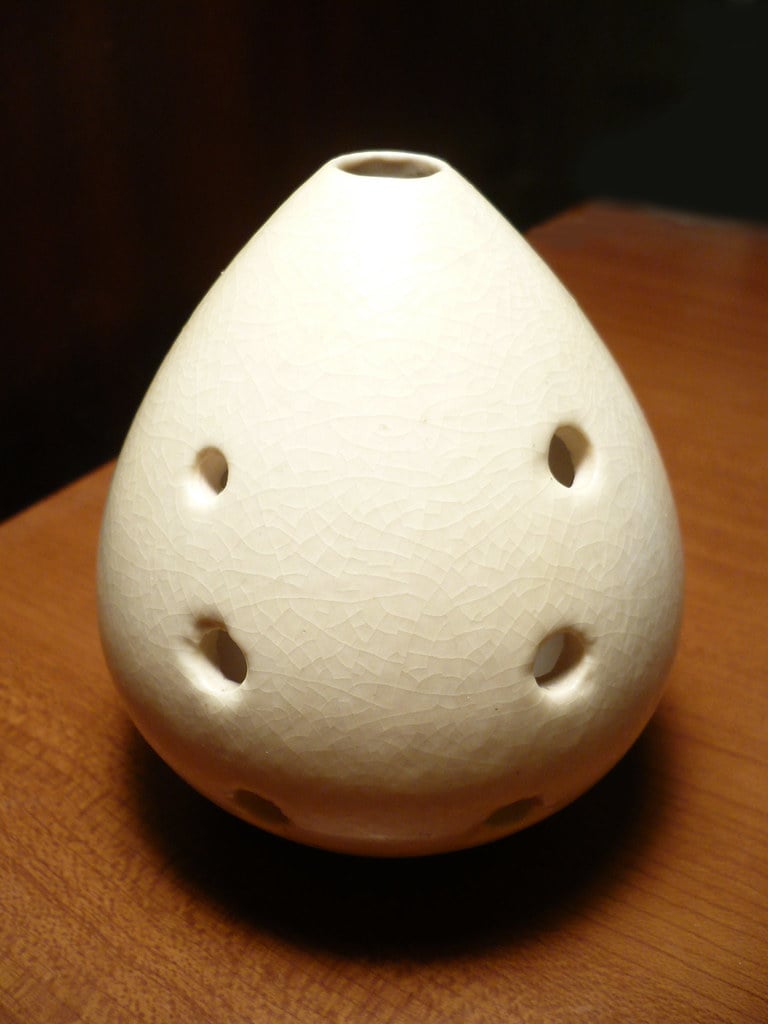
The xun looks like a pottery accident. Egg-shaped and riddled with pits, this clay instrument predates most civilizations.
Archaeological digs have uncovered xun dating back 7,000 years, making it one of China’s oldest wind instruments. The sound it produces is haunting and breathy, somewhere between a flute and human sighing.
Bianzhong
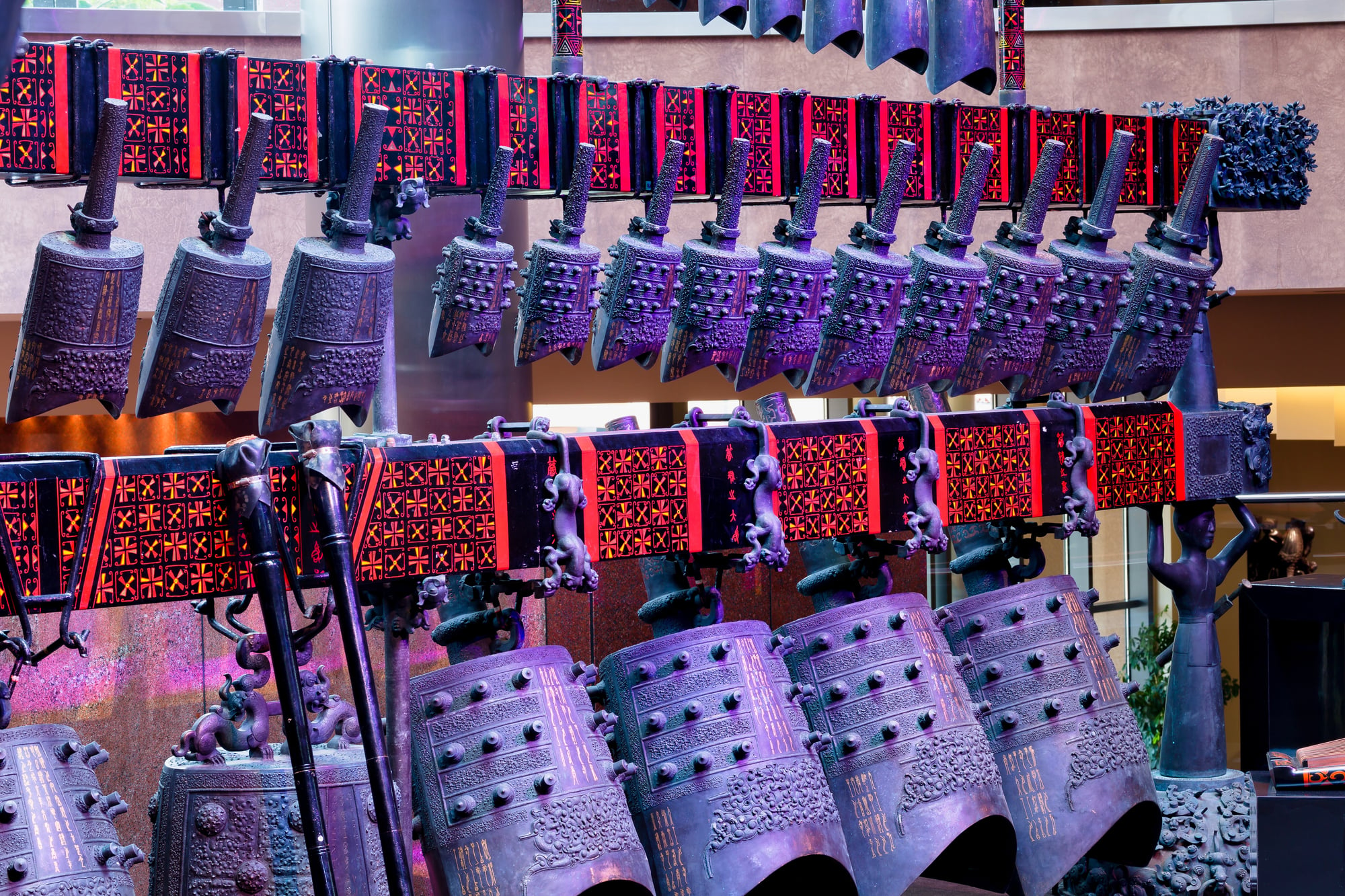
Here’s where ancient Chinese musicians got serious about precision: the bianzhong consisted of dozens of bronze bells, each one tuned to exact pitches and suspended from an elaborate wooden frame. These weren’t church bells or dinner chimes — they were sophisticated musical computers made of metal.
The largest sets contained over 60 bells arranged in multiple rows, and each bell could produce two distinct tones depending on where it was struck. So you had court musicians who needed to memorize not just which bell to hit, but exactly where to hit it.
Lithophones
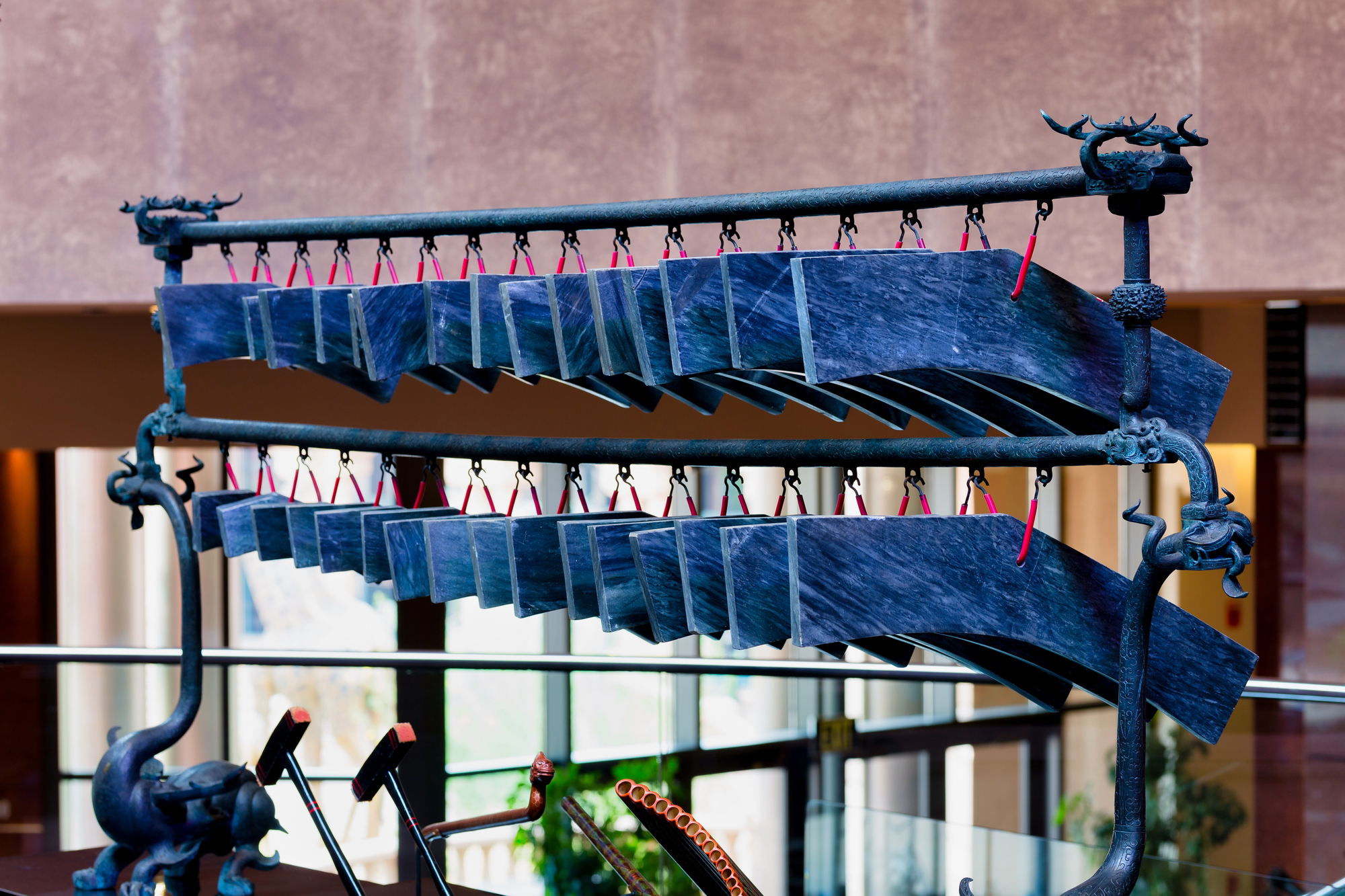
Stone music sounds like an oxymoron until you hear it played well. Ancient Chinese craftsmen discovered that certain stones, when cut and shaped precisely, could ring with clear, bell-like tones.
These lithophone sets — called bianqing — hung like stone wind chimes and produced sounds that seemed to emerge from the earth itself. The reverberations lingered in temple halls long after the mallet had moved on to the next stone.
The right stone had to sing before any cutting began. Musicians would test quarried pieces, listening for that perfect resonance hidden inside raw rock.
No amount of craftsmanship could force music from unwilling material.
Sheng
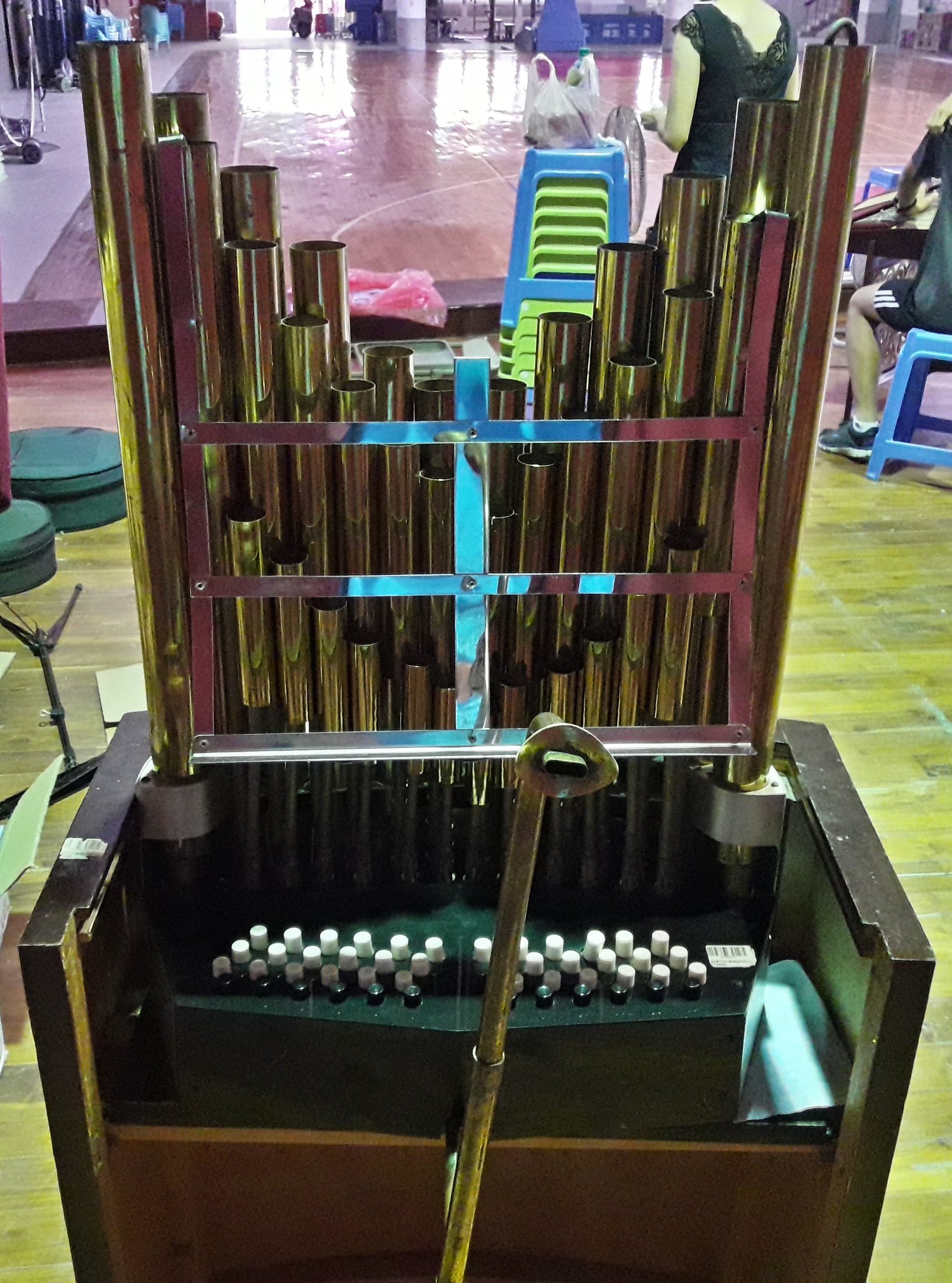
The sheng is the grandfather of every harmonica and accordion that followed. Multiple bamboo pipes rise from a central wind chamber like reeds from a pond, each pipe containing a small metal tongue that vibrates when air passes through.
Players could sound multiple notes simultaneously, creating harmonies that other wind instruments couldn’t touch. The sheng proved that ancient Chinese musicians understood chord progressions centuries before European composers claimed to invent them.
Bone Flutes
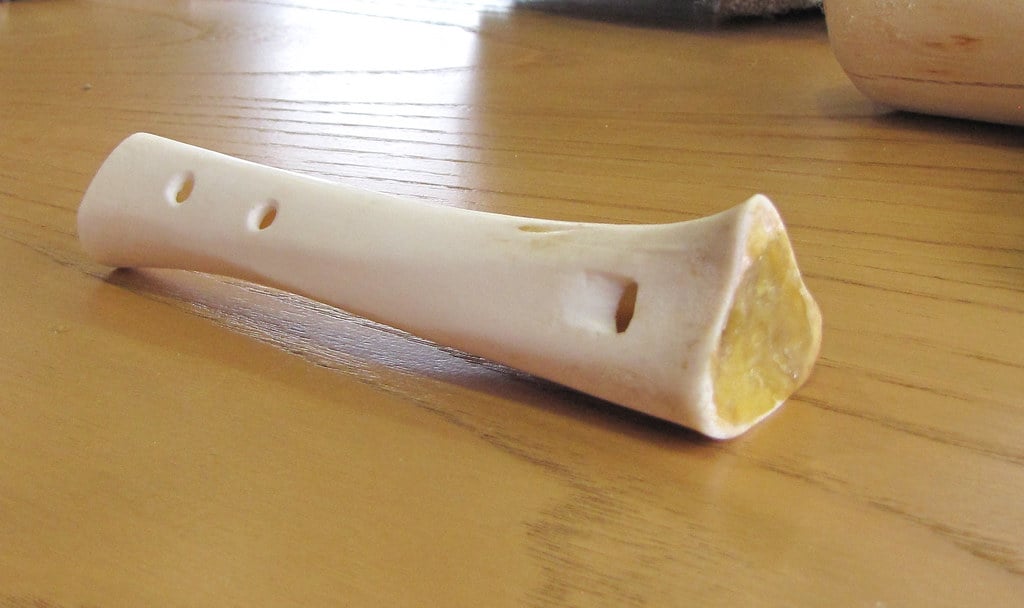
Archaeologists love finding these because they settle arguments about when humans first made music. Carved from bird bones — crane wing bones were preferred for their length and hollow interior — these flutes produce surprisingly complex melodies despite their grim origins.
The oldest examples date back 9,000 years, making them among humanity’s earliest musical instruments.
Gu
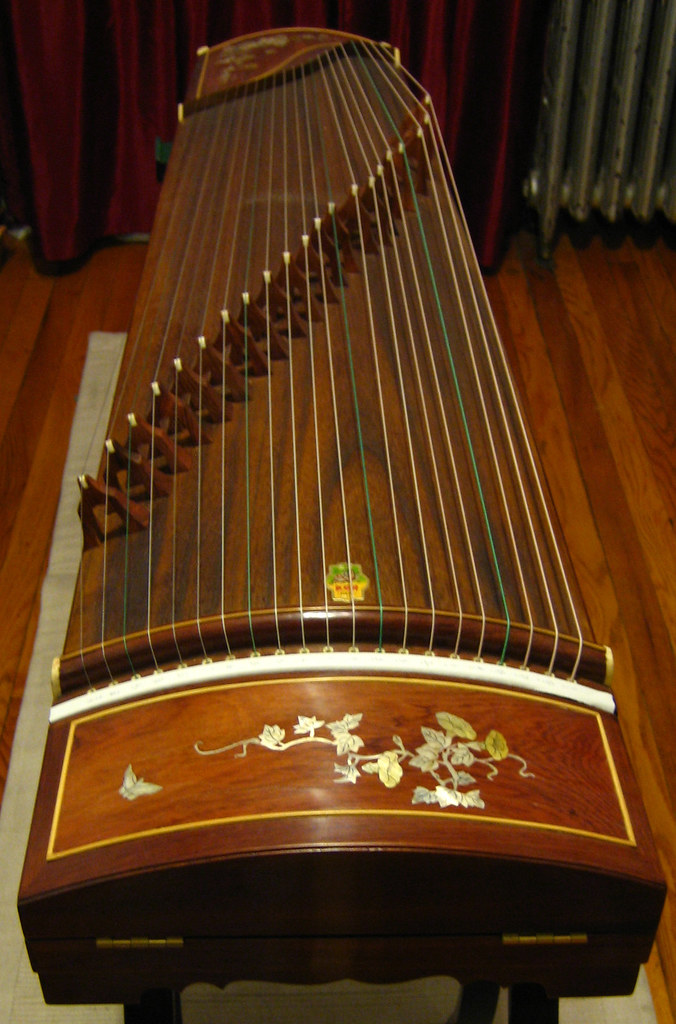
Every culture has drums, but ancient China elevated drumming into architectural projects. The largest gu drums required entire tree trunks, hollowed out and covered with stretched animal hide.
Some stood taller than the musicians who played them. But the real innovation wasn’t size — it was the realization that different woods produced distinctly different tones, so drum-makers became experts in timber acoustics.
And yet the most prized drums weren’t necessarily the loudest ones; court musicians valued drums that could produce subtle variations in pitch depending on where and how they were struck.
Wooden Fish
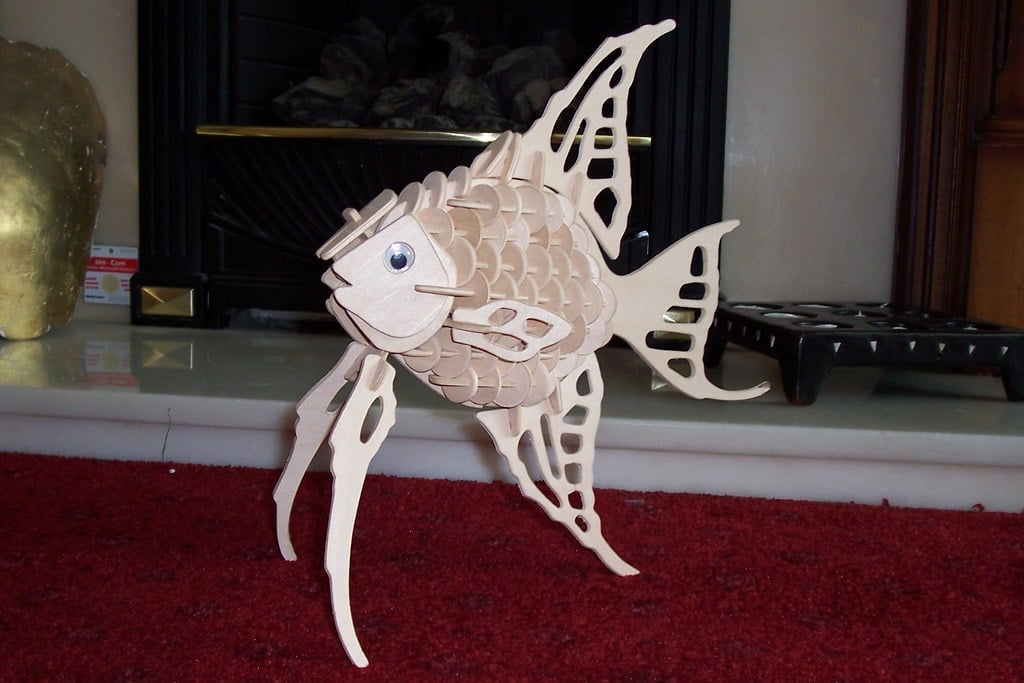
The wooden fish instrument has nothing to do with actual fish and everything to do with Buddhist meditation. Carved from solid wood blocks and shaped vaguely like a fish, these percussion instruments produce sharp, dry clicks that cut through chanting and prayer.
Monks used them to maintain rhythm during lengthy religious ceremonies. The sound is deliberately attention-grabbing — designed to snap wandering minds back to the present moment.
Buddhist craftsmen believed the fish never closed its eyes, making it the perfect symbol for spiritual vigilance. The instrument’s hollow body amplified each strike into a reminder that alertness, like music, requires constant attention.
Bianqing

Stone chimes deserve their own category beyond simple lithophones. The bianqing represented ancient China’s obsession with musical precision taken to geological extremes.
Sets of carefully tuned stone tablets hung in chromatic order, each one calibrated to produce specific pitches within traditional Chinese scales. Court musicians spent years learning to navigate these stone keyboards with wooden mallets.
Tiger Box
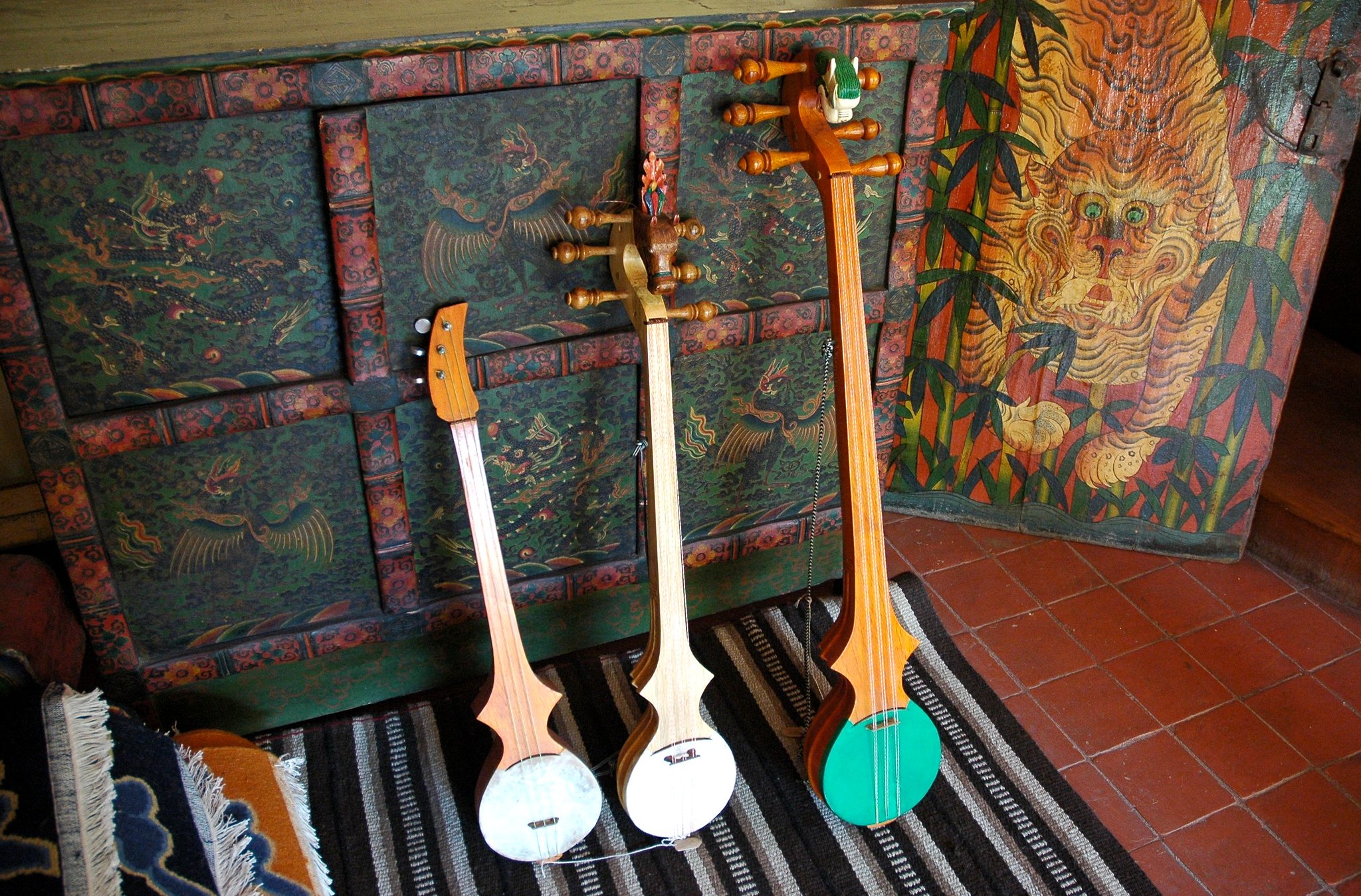
The yu — or tiger box — looks like a wooden crate with teeth. A serrated wooden strip runs along the top edge, and musicians scrape it with a bamboo whisk to produce a scratching, rattling sound that somehow managed to be both rhythmic and melodic.
The instrument got its name for resembling a crouching tiger, though the sound it makes is more like an enormous cricket with perfect timing.
Bell Trees
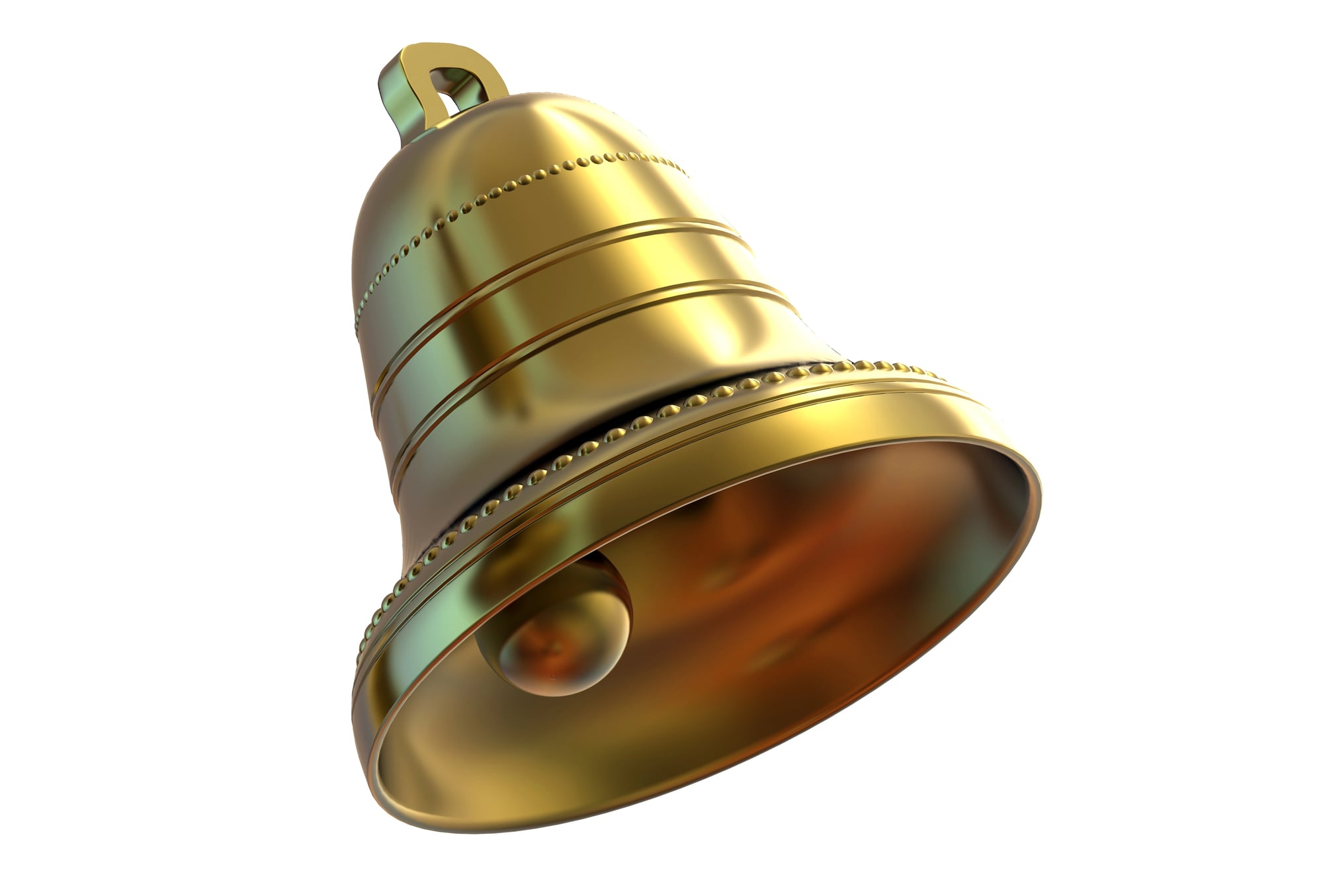
Individual bells are one thing, but ancient Chinese musicians created entire forests of hanging bronze. These bell trees — elaborate frameworks supporting dozens of small bells — created cascading melodies when played with padded mallets.
Each tree was tuned to specific scales, allowing musicians to play complex compositions by moving systematically through the hanging bronze.
Mouth Harps

The kouqin proves that some of the most sophisticated instruments are also the smallest. This tiny metal instrument sits between the player’s teeth while a flexible tongue of metal is plucked to create vibrations.
The player’s mouth becomes the resonating chamber, and subtle changes in oral cavity shape alter the pitch and tone. Masters could coax intricate melodies from what looked like a piece of bent wire.
Thunder Drums
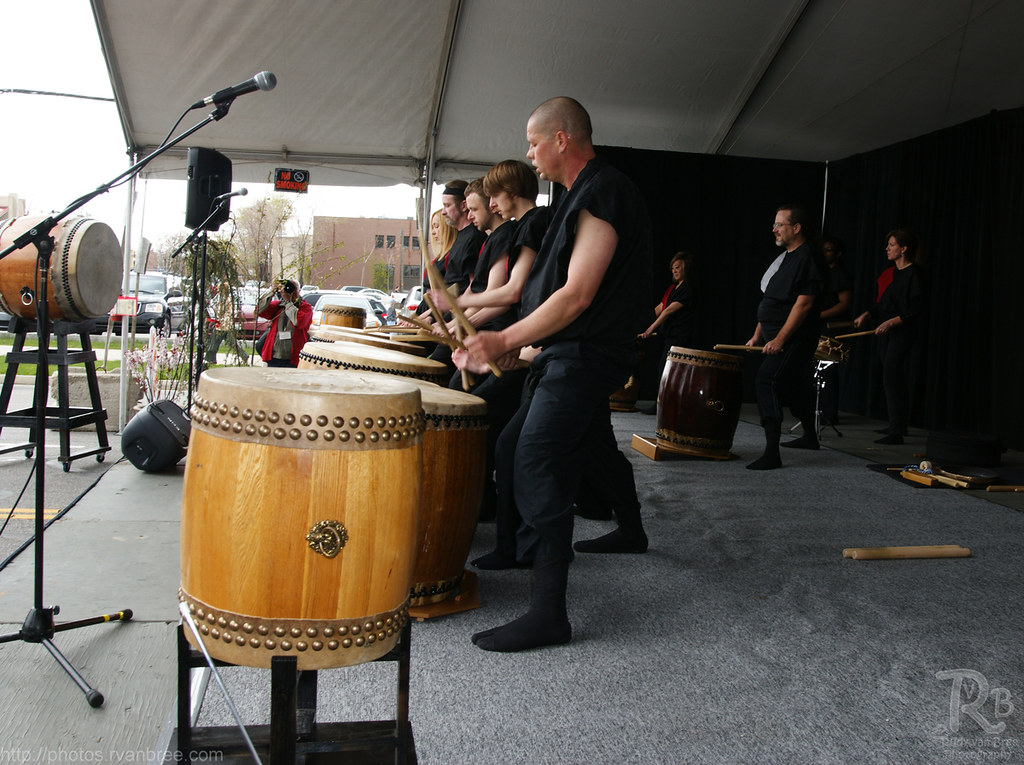
Ancient Chinese theaters needed weather effects long before electric sound systems existed. Thunder drums — massive percussion instruments with specially treated hides — could simulate everything from distant rumbles to crashing storms.
The largest thunder drums required multiple players working in coordination. But the real artistry wasn’t in volume — it was in the subtle gradations that could suggest approaching storms or retreating thunder.
Water Bowls
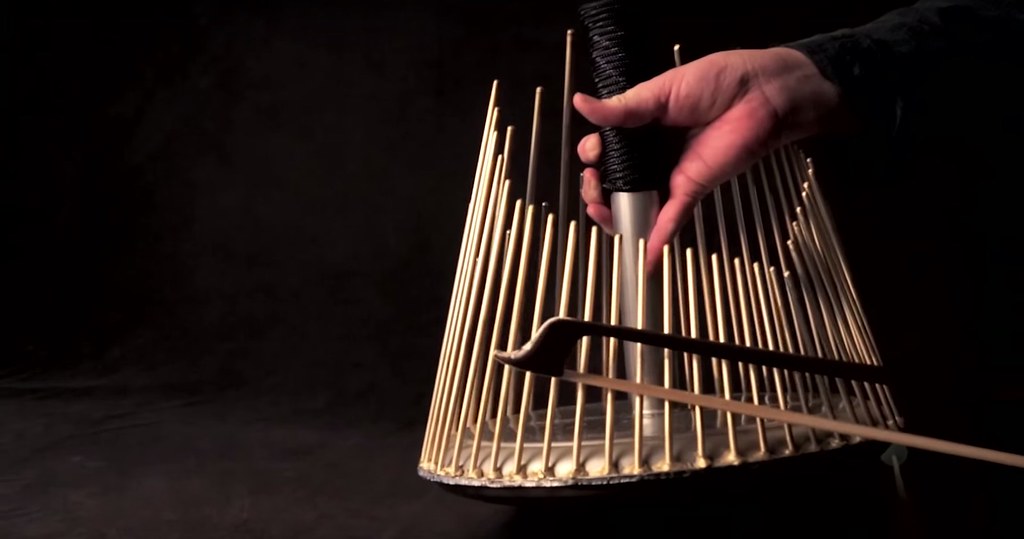
Musicians discovered that partially filled ceramic bowls could be turned into instruments by running wet fingers around their rims. Different water levels produced different pitches, allowing players to create ethereal, singing tones that seemed to emerge from the water itself.
Sets of water bowls, each tuned to specific notes, became popular in meditation practices and intimate musical performances.
Echoes That Still Resonate
These instruments remind us that musical innovation never stops surprising. Ancient Chinese musicians were solving acoustic problems and pushing creative boundaries with whatever materials they could find — stone, bone, water, wood.
Their solutions often seem more inventive than anything modern technology has produced. Perhaps because they had to listen more carefully to the world around them, finding music in places we’ve forgotten to look.
More from Go2Tutors!

- The Romanov Crown Jewels and Their Tragic Fate
- 13 Historical Mysteries That Science Still Can’t Solve
- Famous Hoaxes That Fooled the World for Years
- 15 Child Stars with Tragic Adult Lives
- 16 Famous Jewelry Pieces in History
Like Go2Tutors’s content? Follow us on MSN.