Unusual Sweeteners From History
Long before sugar packets and artificial sweeteners lined grocery store aisles, people found creative ways to satisfy their sweet tooth. Some of these historical alternatives might surprise you with their ingenuity, while others might make you grateful for modern options.
The human craving for sweetness has driven some truly inventive solutions across different cultures and time periods.
Birch Syrup
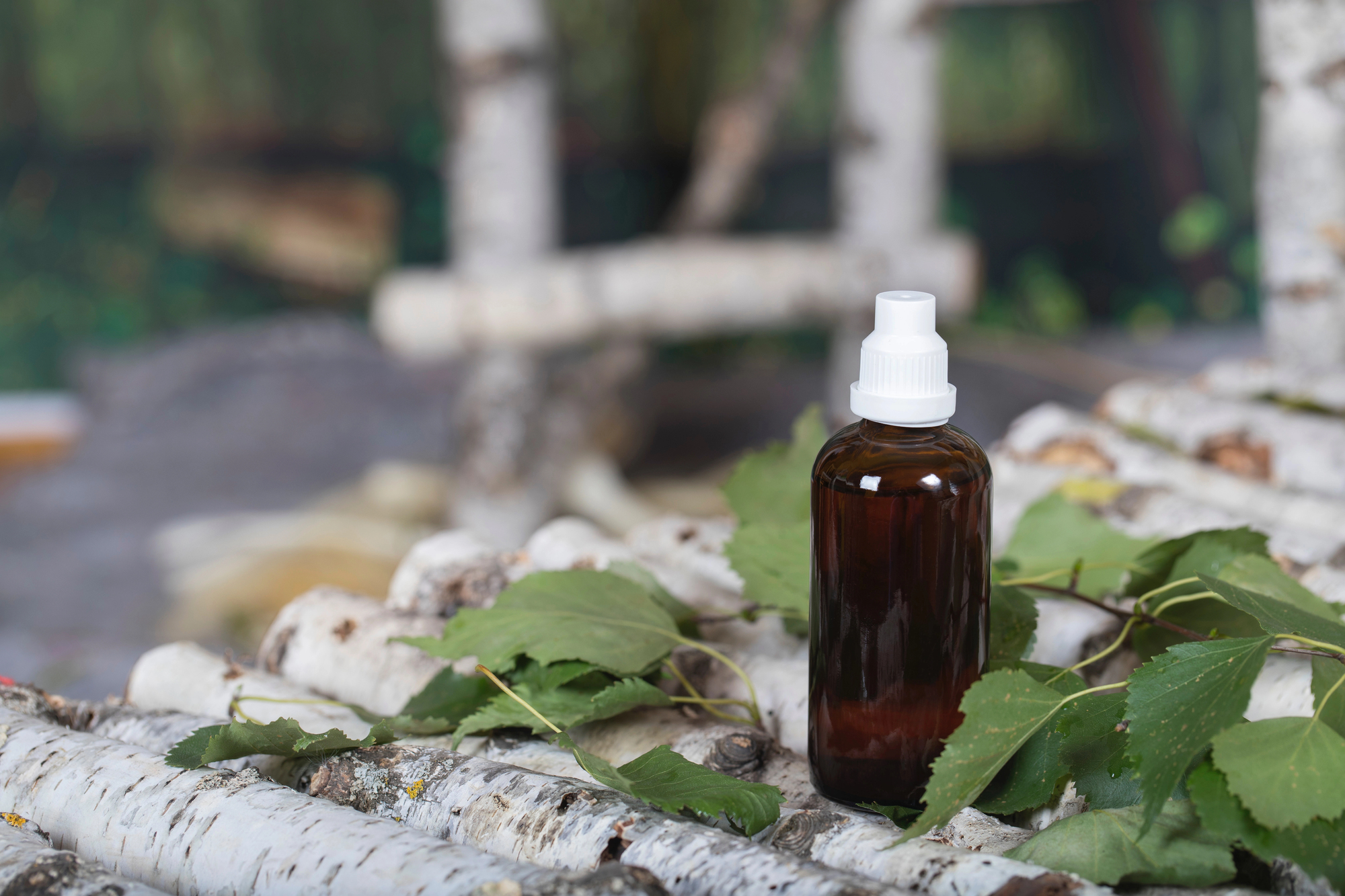
Northern Europeans figured this out centuries ago. Tap a birch tree the same way you’d tap a maple, boil down the sap, and you get a dark, molasses-like syrup.
Takes about 100 gallons of sap to make one gallon of syrup, which explains why it never caught on like maple syrup did.
The flavor hits differently than anything else. Fruity, almost wine-like, with a tartness that sneaks up on you.
Lead Acetate
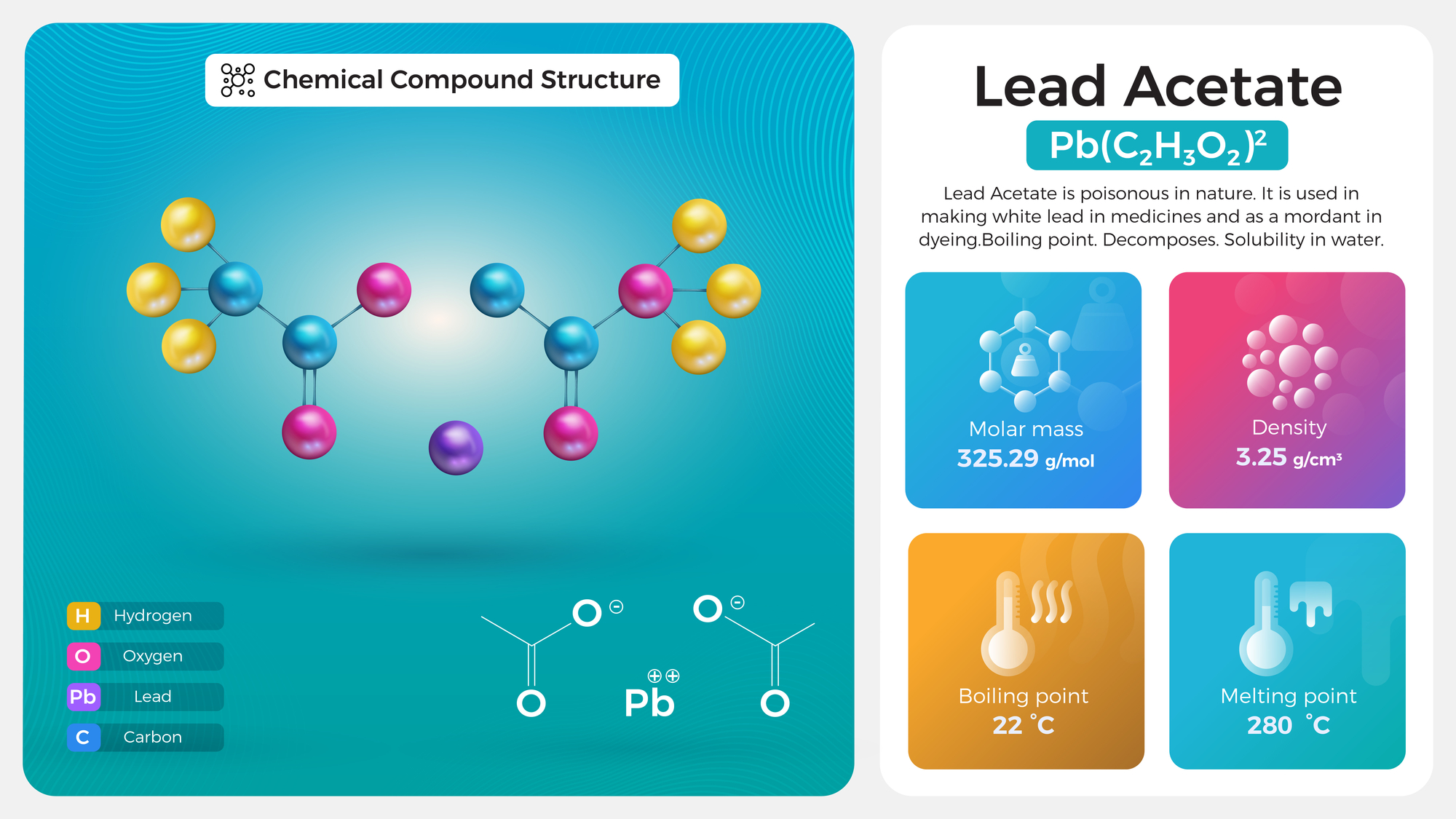
Roman aristocrats called it “sugar of lead” and sprinkled it on everything. The white crystalline powder tasted sweeter than honey and dissolved beautifully in wine.
What they didn’t know (and couldn’t have known) was that it was slowly poisoning them with every meal.
Some historians think lead poisoning from sweetened wine contributed to the decline of Roman leadership. The emperors literally sweetened themselves to death, one banquet at a time.
Even after the connection became clear, people kept using it well into the 18th century because nothing else tasted quite as good.
Licorice Root
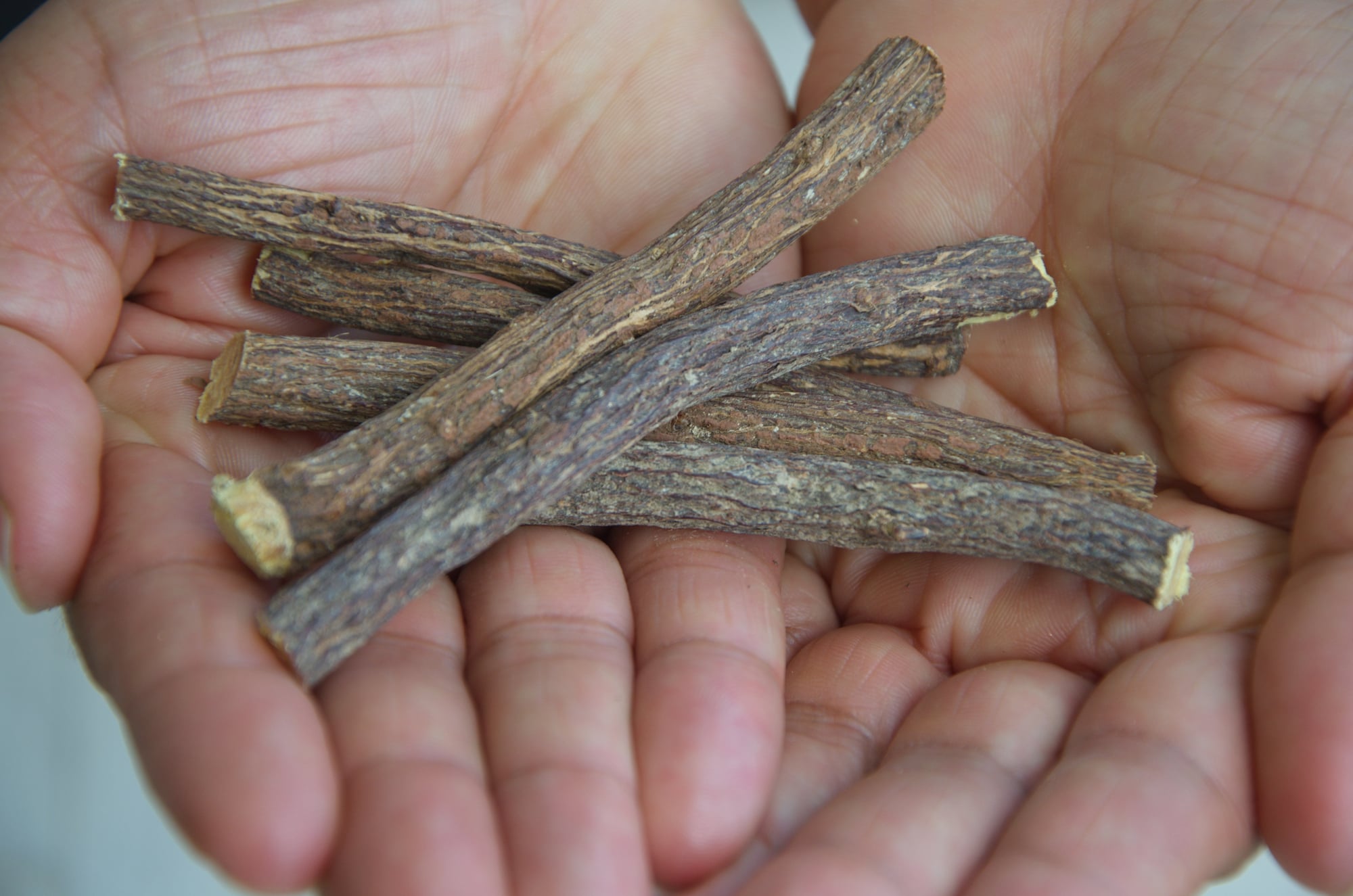
There’s something almost medicinal about the way licorice root works as a sweetener, which makes sense because (technically speaking) it was medicine first, candy second. Medieval Europeans would chew on the raw root like gum, or boil it down into a thick, black syrup that was 50 times sweeter than sugar — though the comparison feels unfair since the flavors couldn’t be more different.
And the sweetness arrives with this peculiar delay: you taste the earthiness first, then the anise-like complexity, and finally that lingering sweetness that seems to coat your mouth long after you’ve swallowed.
It’s the kind of flavor that divides people into camps — those who crave it and those who can’t stand it — with very little middle ground. Children in Northern Europe would be sent to dig up licorice roots the way American kids might be sent to pick berries.
The roots stored well through winter, providing sweetness when fresh fruit was just a memory.
Grape Concentrate
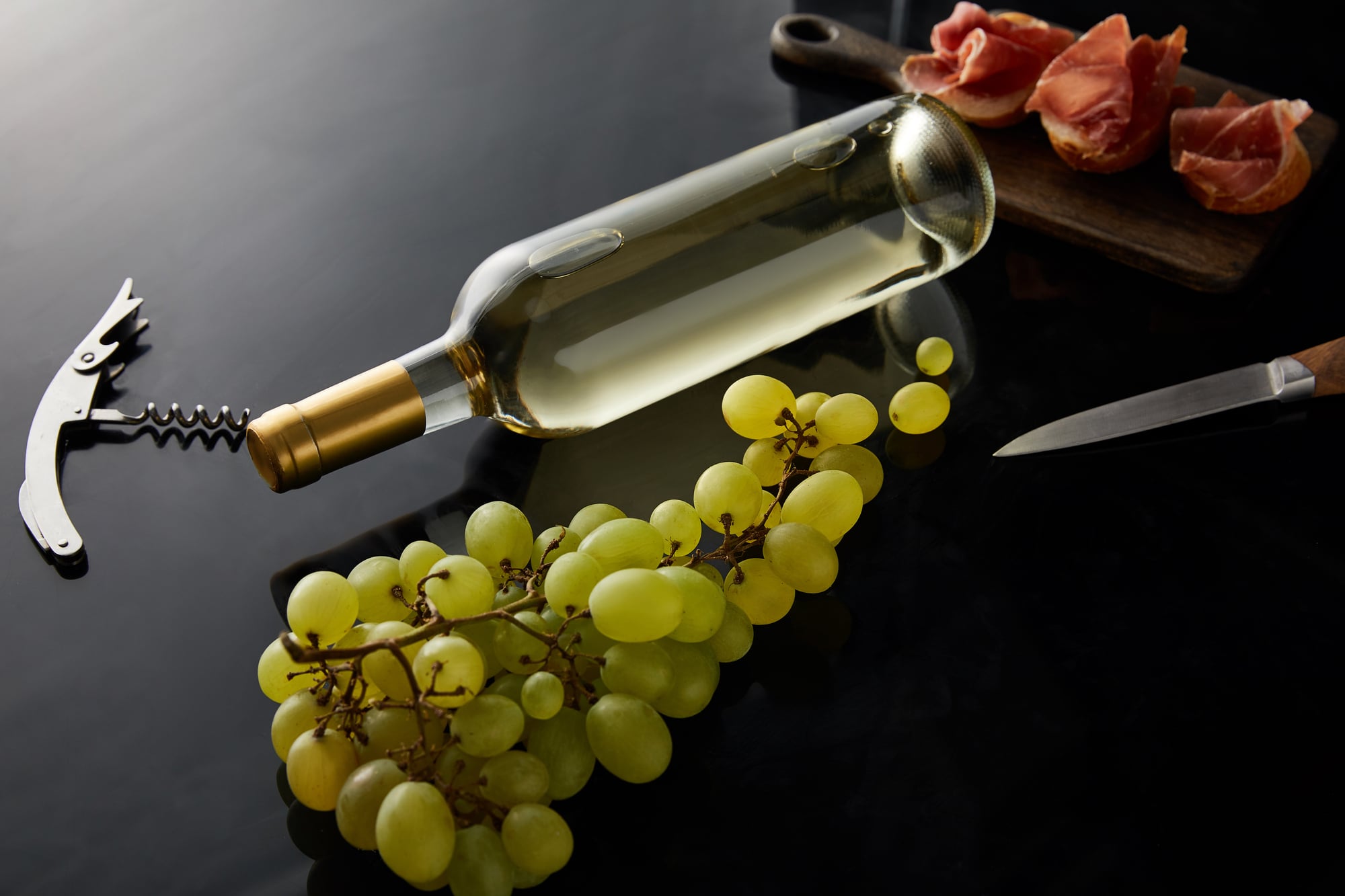
Roman cooks had this figured out better than anyone gives them credit for. They’d boil grape juice down until it became thick as honey, creating what they called defrutum or sapa depending on how concentrated it got.
The stuff was intensely sweet with a complexity that plain sugar could never match.
The process was straightforward enough that even modest households could make it. Harvest time meant filling every available pot with grape juice and spending days stirring it over low fires.
The smell alone must have been intoxicating.
Honey Mixed With Lead
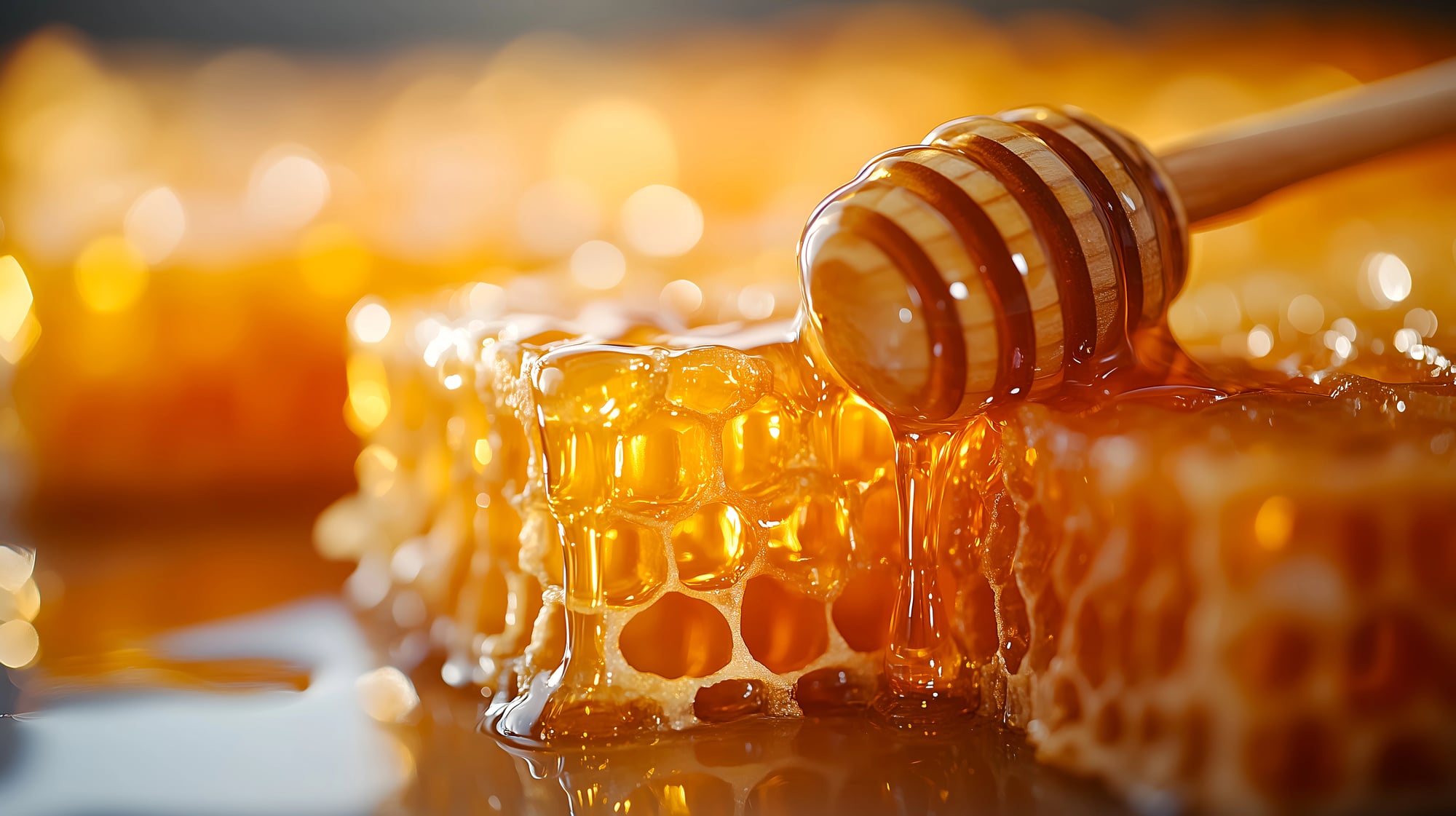
This combination shows up in medieval recipes with disturbing frequency. Cooks would steep lead strips in honey for weeks, creating a product that was both sweeter and more shelf-stable than pure honey.
The lead acted as a preservative while adding that familiar metallic sweetness that people had grown accustomed to from Roman times.
The practice continued well into the Renaissance, despite growing awareness that lead wasn’t exactly healthy (the connection between lead and serious illness was becoming harder to ignore, though the mechanisms weren’t understood). But when your other option was paying enormous sums for imported sugar, poisonous honey started looking reasonable.
Fig Paste
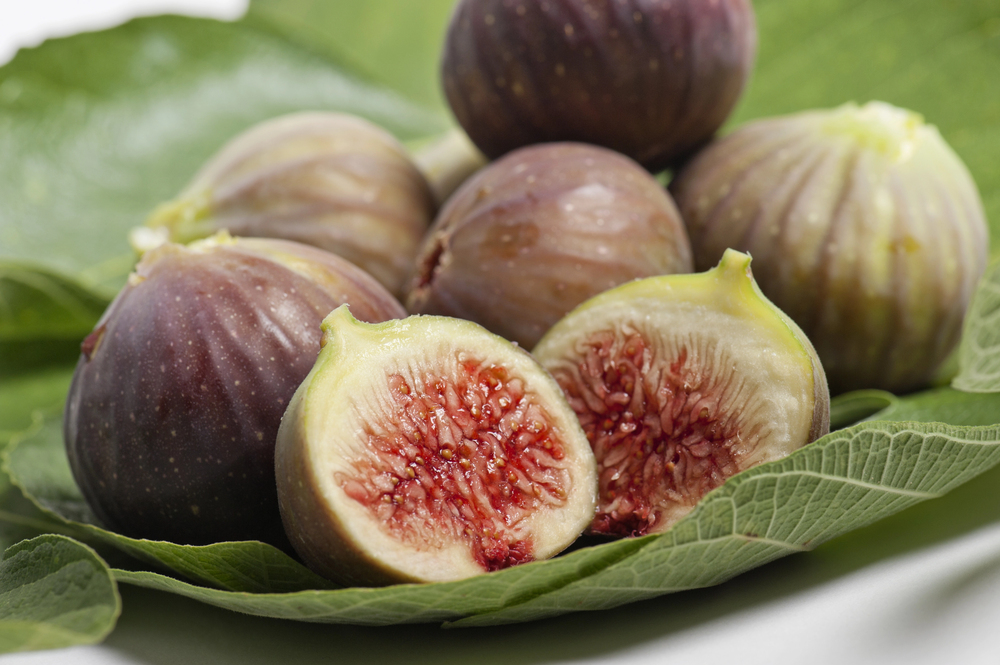
There’s something deeply satisfying about the way figs transform when you cook them down — the seeds become tiny pearls suspended in dark, jammy sweetness that tastes like concentrated sunshine. Mediterranean cultures perfected this technique thousands of years ago, creating dense blocks of fig paste that could be stored for months and sliced off as needed, like edible currency.
The paste was sweet enough to satisfy serious sugar cravings but complex enough to work in both sweet and savory dishes, which made it invaluable in kitchens where every ingredient needed to earn its keep.
Fresh figs have a short season and don’t travel well, but fig paste solved both problems. Merchants could carry it on long journeys, and households could enjoy fig sweetness year-round.
Chestnut Flour Sweetener
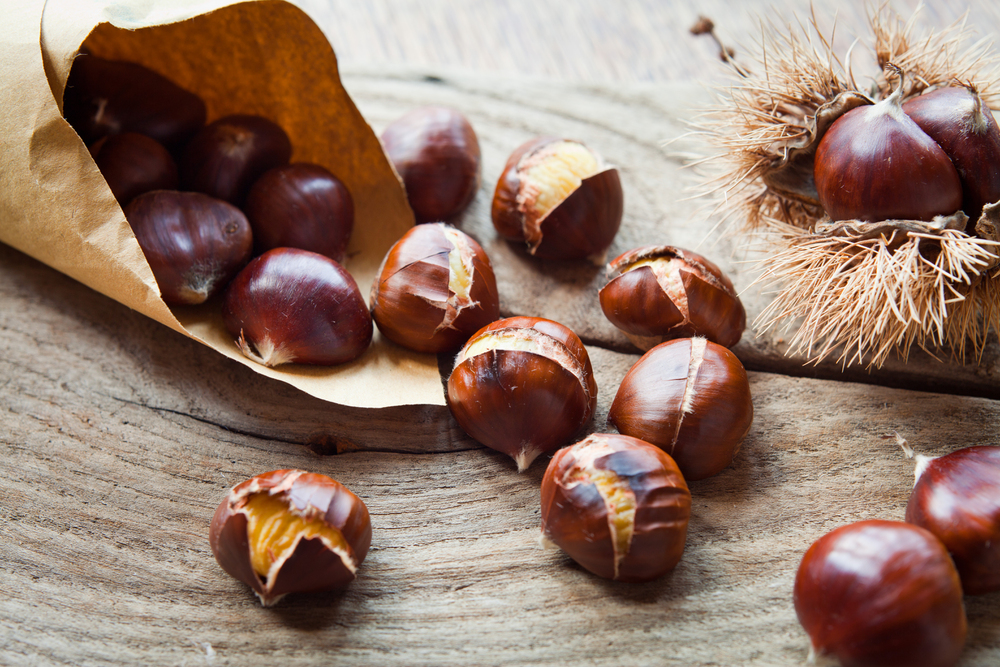
Europeans turned to chestnuts when other sweeteners became scarce or expensive. Ground chestnuts produce a flour that’s naturally sweet and nutty, though calling it a direct sugar substitute misses the point entirely.
Chestnut flour works best when you embrace what it actually is rather than trying to make it behave like sugar.
It adds body and richness to baked goods while providing a subtle sweetness that builds rather than hits you immediately. During times of hardship, entire communities survived on chestnut-based foods.
Carob Pods
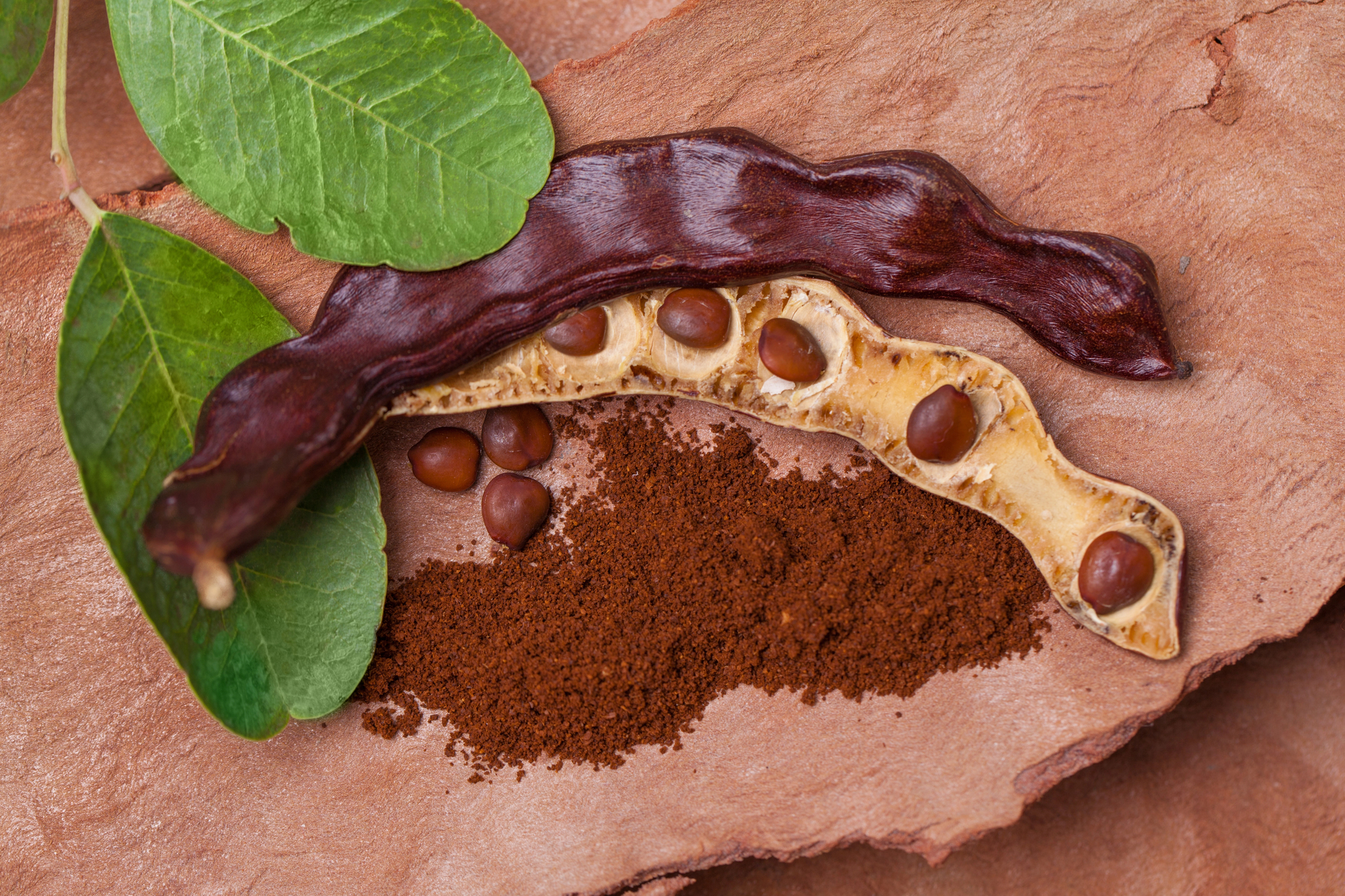
Carob gets dismissed as “fake chocolate” today, but that’s missing its actual history. Mediterranean peoples chewed on carob pods for their natural sweetness long before anyone thought to process them into powder.
The pods are genuinely sweet — not chocolate-sweet, but sweet enough to satisfy cravings.
The seeds were so uniform in weight that they became the standard for measuring gold and gems (that’s where we get the word “carat”). So carob pods were literally worth their weight in gold, which tells you something about how much people valued them.
The pods store well, travel easily, and provide both sweetness and nutrition.
Concentrated Date Syrup
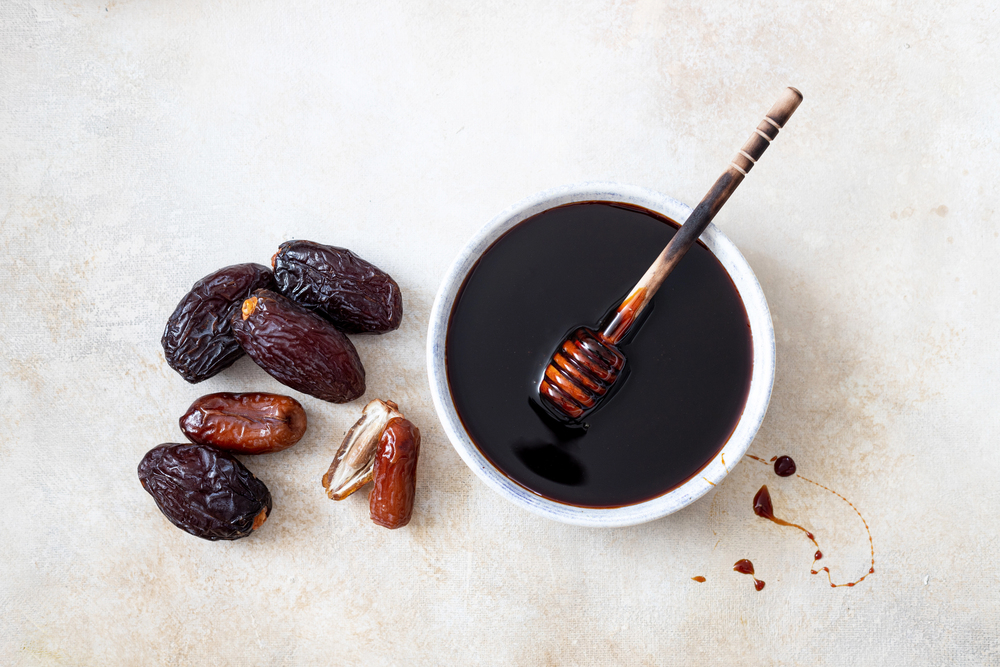
Date syrup represents one of humanity’s oldest experiments with concentrated sweetness, and the process reveals something about patience that modern cooking has largely forgotten. You take fresh dates — the kind that are so ripe they’re almost falling apart — and you press them, strain the juice, then spend hours boiling it down until what remains is thick as molasses and dark as coffee (the transformation happens gradually, then all at once, like watching caramel form).
The resulting syrup is intensely sweet but carries these deep, almost wine-like notes that plain sugar could never match, plus a lingering richness that coats your mouth long after you’ve tasted it.
And the sweetness doesn’t hit you immediately the way refined sugar does — it builds slowly, revealing different layers as it sits on your tongue. Middle Eastern cooks used date syrup the way modern bakers use vanilla extract — not just for sweetness, but for the complexity it added to both sweet and savory dishes.
Manna
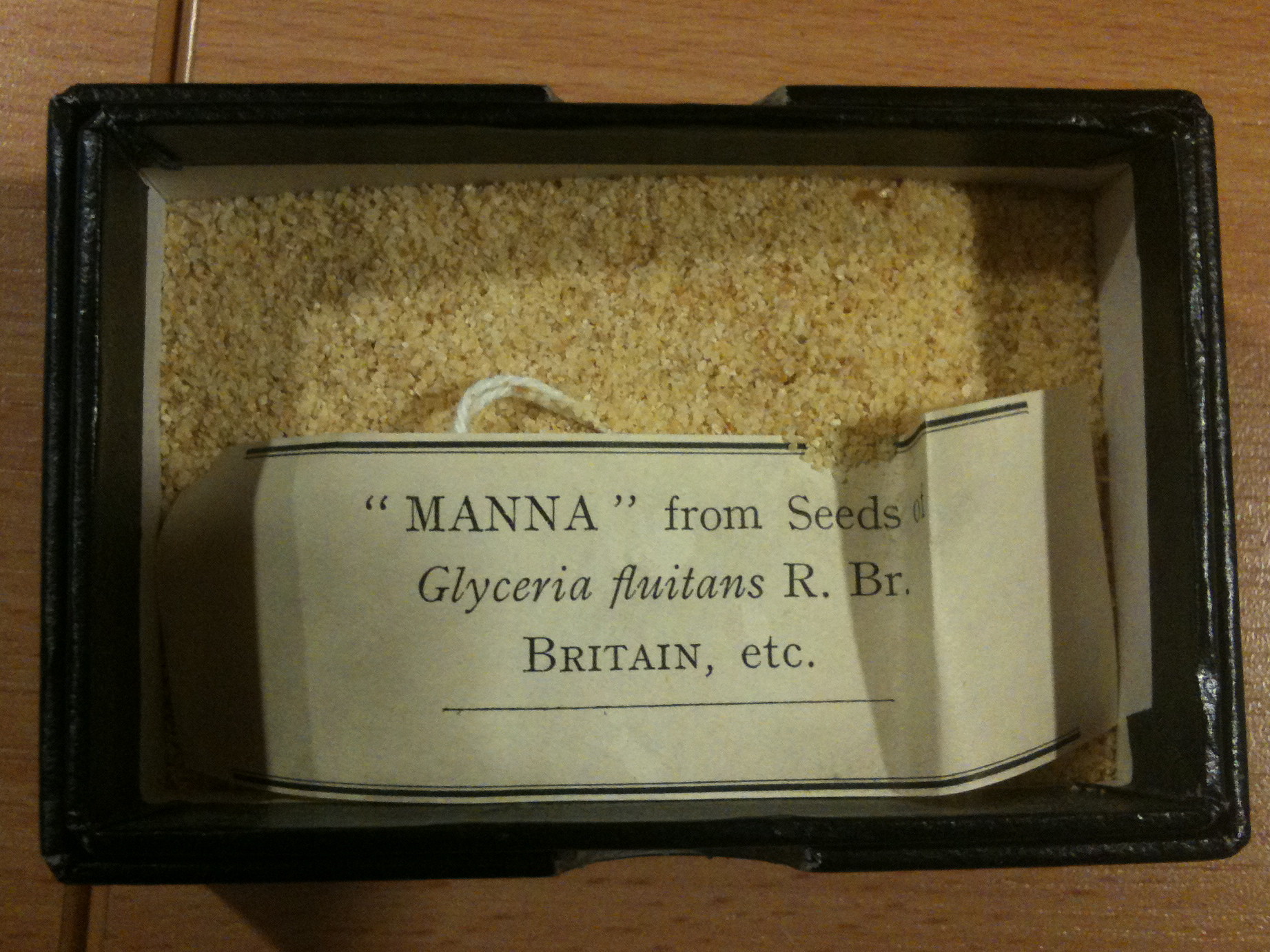
Biblical manna might be mythical, but there’s a real sweetener that goes by the same name. Certain trees and shrubs in Mediterranean regions produce a sweet, crystalline substance that forms naturally on their bark and leaves.
It can be scraped off and used directly as a sweetener.
The substance forms when insects feed on plant sap and secrete a sweet residue that hardens in the sun. Not exactly appetizing when you think about the process, but the end product is genuinely sweet and was considered a delicacy.
Some varieties were worth more than silver.
Sweet Tree Saps Beyond Maple
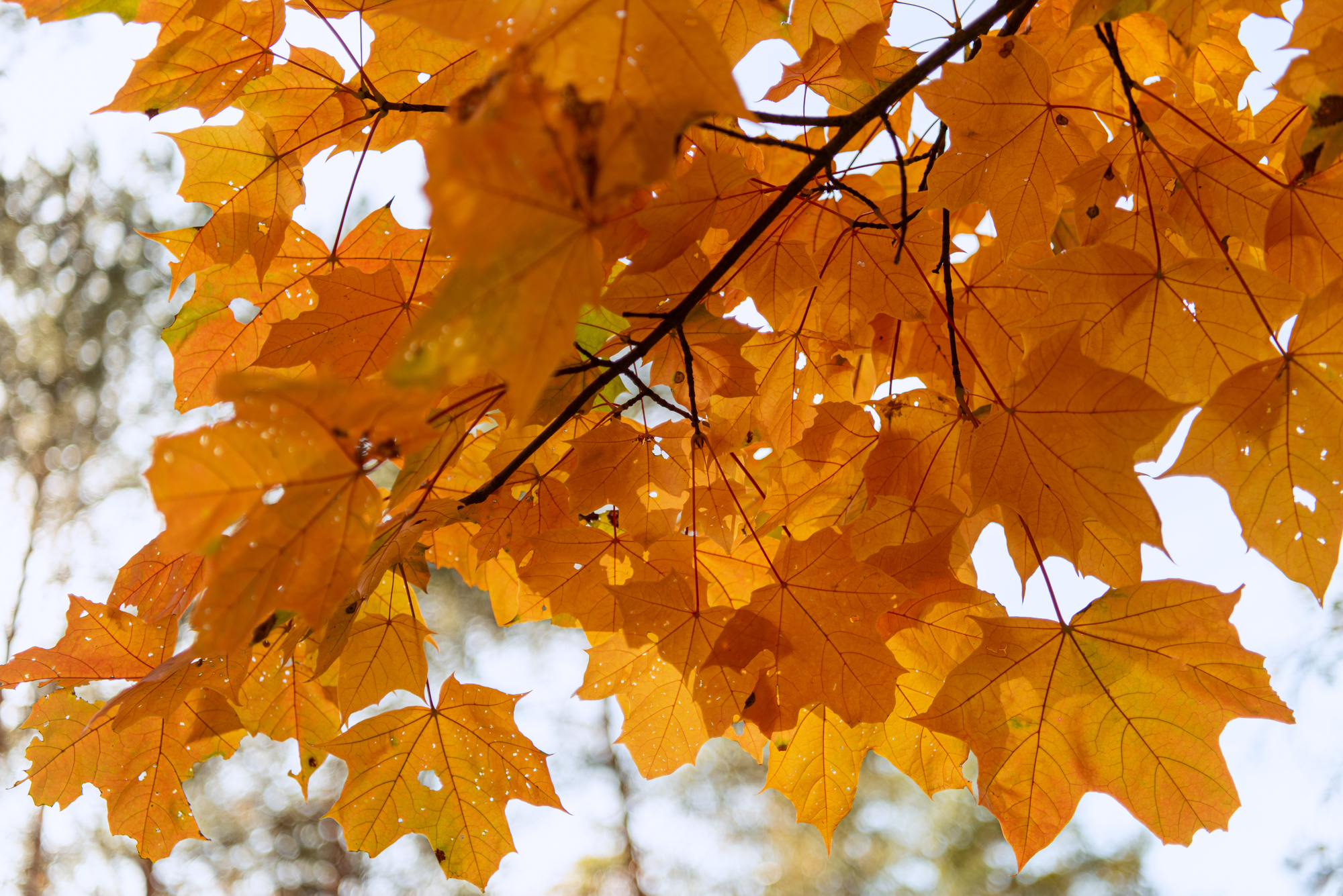
Indigenous peoples across North America tapped far more than just maple trees. Birch, walnut, and even some palm trees produce saps that can be boiled down into sweet syrups.
Each tree species creates its own distinct flavor profile.
The process required perfect timing — tap too early and you get nothing, too late and the sap becomes bitter. Native communities built entire seasonal routines around sap collection, with specific techniques passed down through generations.
Concentrated Fruit Wines
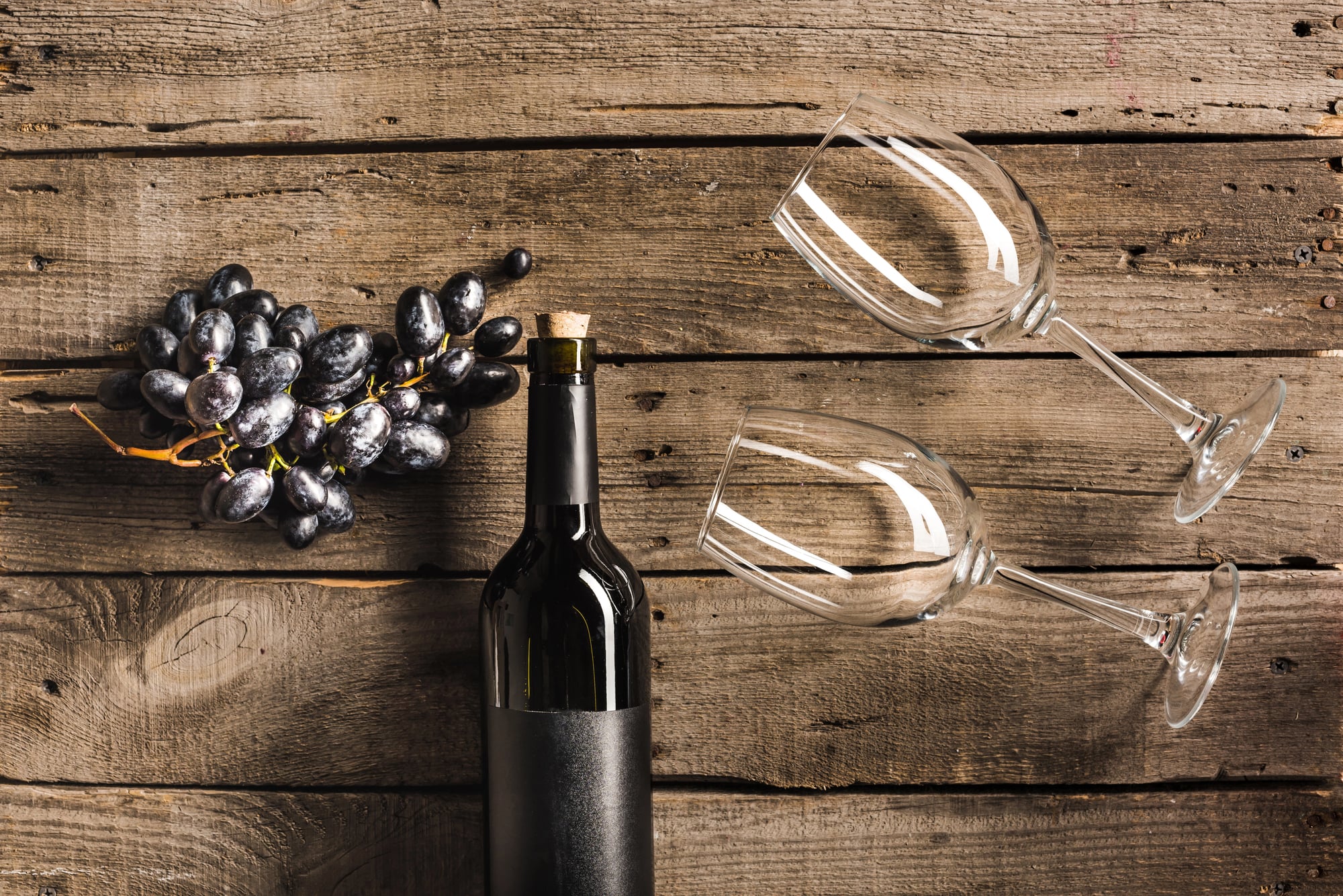
Medieval Europeans discovered that if you took fruit wine and boiled off the alcohol, what remained was intensely sweet and kept well without refrigeration. Apple wine became apple syrup, pear wine became pear syrup, and so on.
This technique let people preserve the sweetness of fruit long past harvest season.
The resulting syrups were complex and flavorful in ways that modern corn syrup can’t match. Plus, the process used fruit that might otherwise spoil, making it economically smart.
Sweet Grass Extracts
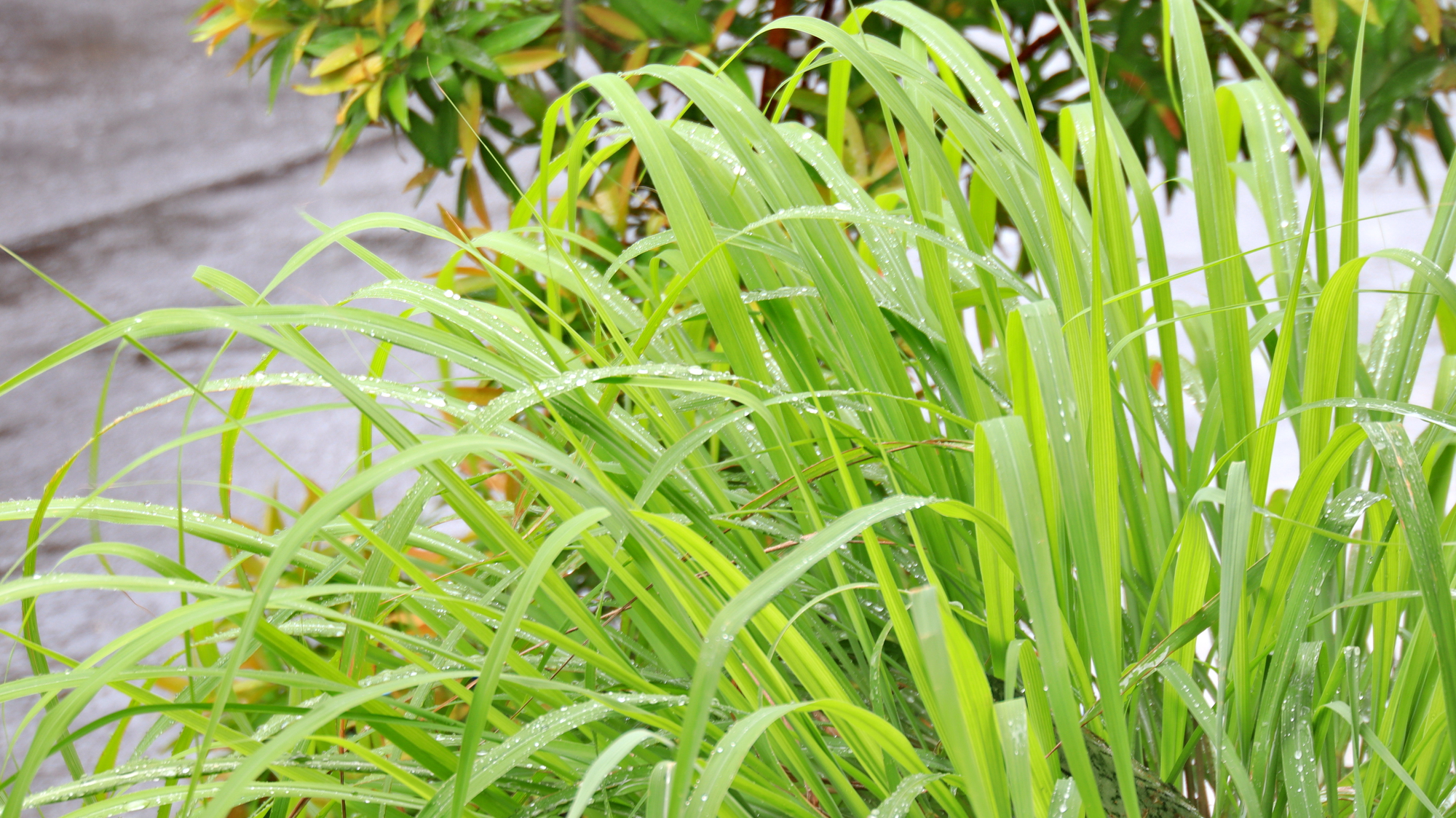
Certain grasses contain natural compounds that taste intensely sweet. Some Native American tribes would chew on sweet grass or brew it into teas for its pleasant flavor.
The sweetness isn’t overwhelming, but it’s definitely present.
Sweet grass was also burned ceremonially, filling spaces with a pleasant, subtly sweet smoke. The plant served multiple purposes — sweetener, incense, and medicine all in one.
The knowledge of which grasses were sweet and when to harvest them was specialized information passed down within communities.
A Taste Of Ingenuity

The lengths people went to for sweetness reveals something fundamental about human nature — that desire for pleasure, even small ones, drives remarkable creativity. Some of these historical sweeteners were genuinely clever solutions to real problems, while others nearly killed the people who used them.
The difference often came down to what people didn’t know rather than what they were willing to risk for a little sweetness in their lives.
More from Go2Tutors!

- The Romanov Crown Jewels and Their Tragic Fate
- 13 Historical Mysteries That Science Still Can’t Solve
- Famous Hoaxes That Fooled the World for Years
- 15 Child Stars with Tragic Adult Lives
- 16 Famous Jewelry Pieces in History
Like Go2Tutors’s content? Follow us on MSN.



