18 Hit Songs That Were Almost Left Off the Album
The music that defines our lives often dangles by a thread before reaching our ears. Behind every chart-topper hides a story of close calls, stubborn persistence, or sometimes pure luck.
Record labels doubt, producers question, artists second-guess themselves—yet somehow, these musical gems survived to become part of our cultural landscape despite nearly vanishing into obscurity. Here is a list of 18 legendary songs that nearly missed their moment in the spotlight, rescued from near-oblivion by champions who recognized their true potential.
Billie Jean

Michael Jackson battled significant resistance during the ‘Thriller’ sessions over what would become his defining hit. Quincy Jones wasn’t sold on the bass line—he even complained the track ran too long.
Jackson dug in his heels, though, refusing to compromise on a composition he deeply believed in. His instinct proved spot-on when ‘Billie Jean’ skyrocketed to become one of music’s best-selling singles, helping ‘Thriller’ claim its throne as history’s highest-selling album.
Smells Like Teen Spirit
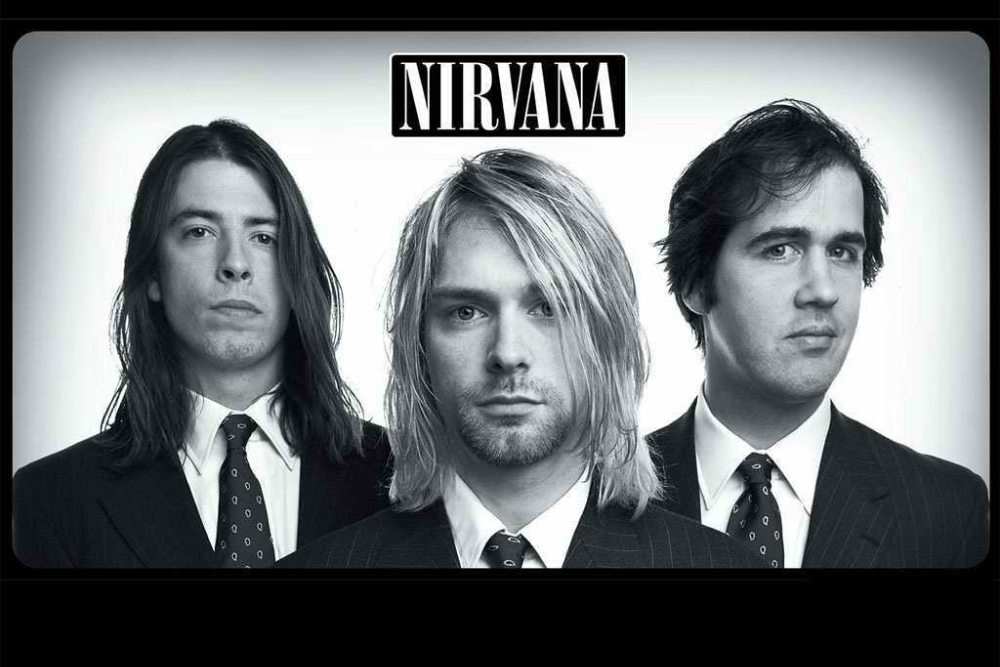
Nirvana’s breakthrough anthem almost vanished before ‘Nevermind’ hit shelves. Kurt Cobain worried the track leaned too pop for their underground fanbase—the band actually recorded it as an afterthought with minimal expectations.
Producer Butch Vig heard something special, though, and fought for its inclusion. This last-minute save catapulted Nirvana from obscurity to mainstream phenomenon, launching grunge into millions of teenage bedrooms worldwide.
Like a Prayer

Madonna’s controversial masterpiece nearly got axed from her fourth album—Warner Bros executives sweated about religious imagery they feared might alienate listeners. The artist wouldn’t budge an inch—she threatened walking away entirely rather than diluting her vision.
Such boldness paid off handsomely when ‘Like a Prayer’ dominated global charts and cemented her status as music’s boundary-pushing provocateur.
Yesterday
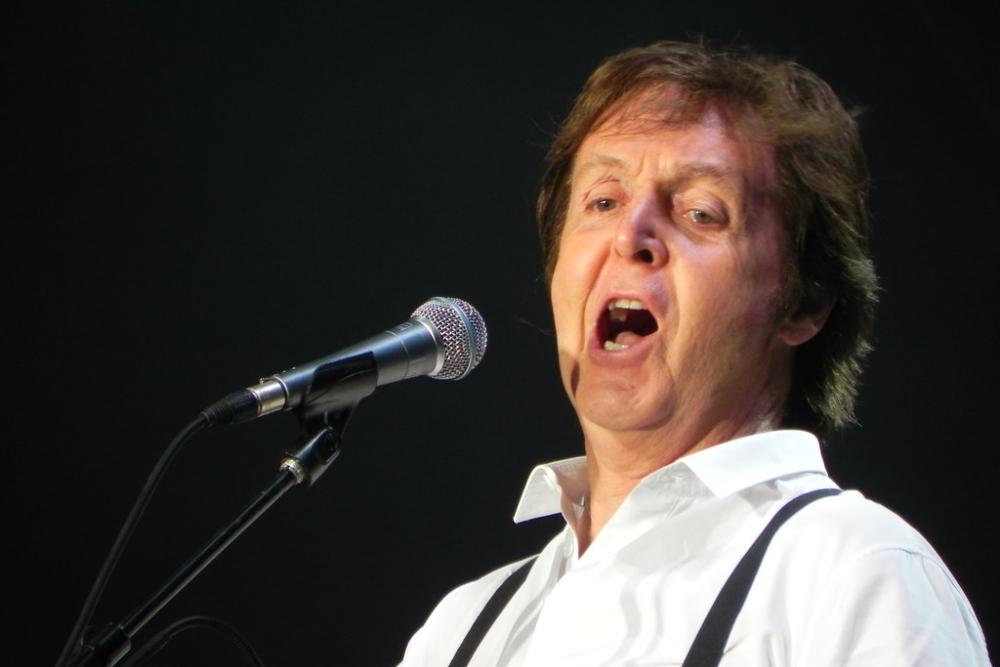
Paul McCartney crafted what would become history’s most covered song, yet it almost disappeared because it sounded nothing like typical Beatles material. His bandmates couldn’t warm up to the string quartet arrangement—they felt it misrepresented their established sound.
George Martin stepped in and convinced them to include it on ‘Help!’ The song transcended its humble beginnings to become timeless, with over 3,000 artists recording versions since its release.
Purple Haze

Jimi Hendrix’s psychedelic tour-de-force nearly remained buried as an unfinished demo. Track Productions executives couldn’t grasp its experimental nature—they questioned whether mainstream audiences would connect with something so boundary-pushing.
Engineer Eddie Kramer championed the track relentlessly, helping Hendrix refine it without sanitizing its innovative spirit. The result?
One of rock’s most instantly recognizable guitar performances that established Hendrix as music’s premier revolutionary.
Born to Run
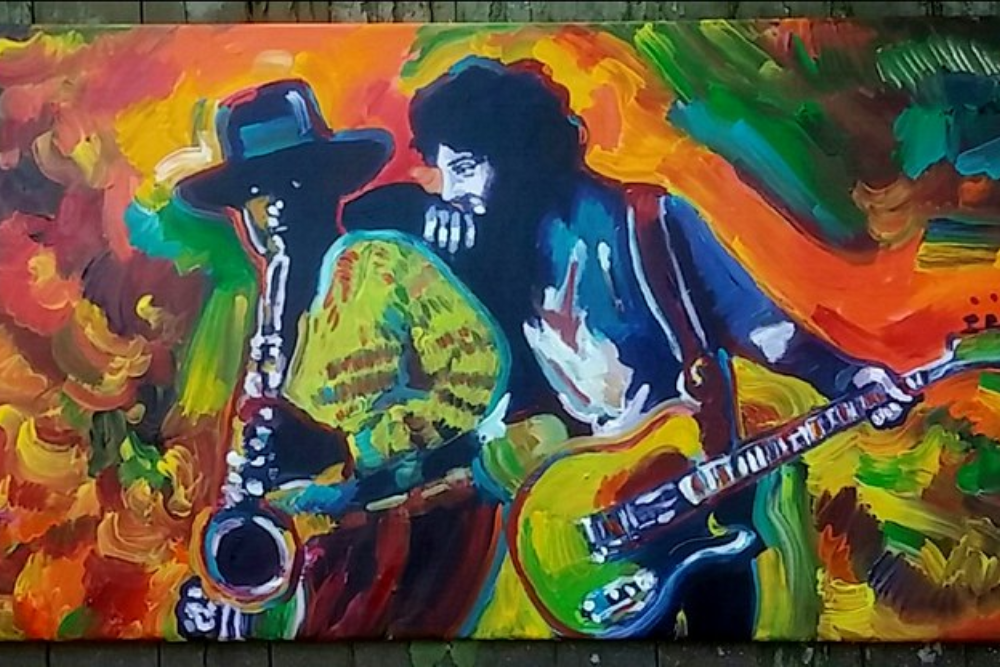
Bruce Springsteen obsessed over this track for six excruciating months—he crafted dozens of versions while Columbia Records grew increasingly impatient. The prolonged production nearly sank its inclusion on the album sharing its name.
Springsteen’s perfectionism eventually vindicated itself when the epic composition revitalized his stalled career after two commercial disappointments, transforming him from potential has-been to American rock icon.
Sweet Child O’ Mine
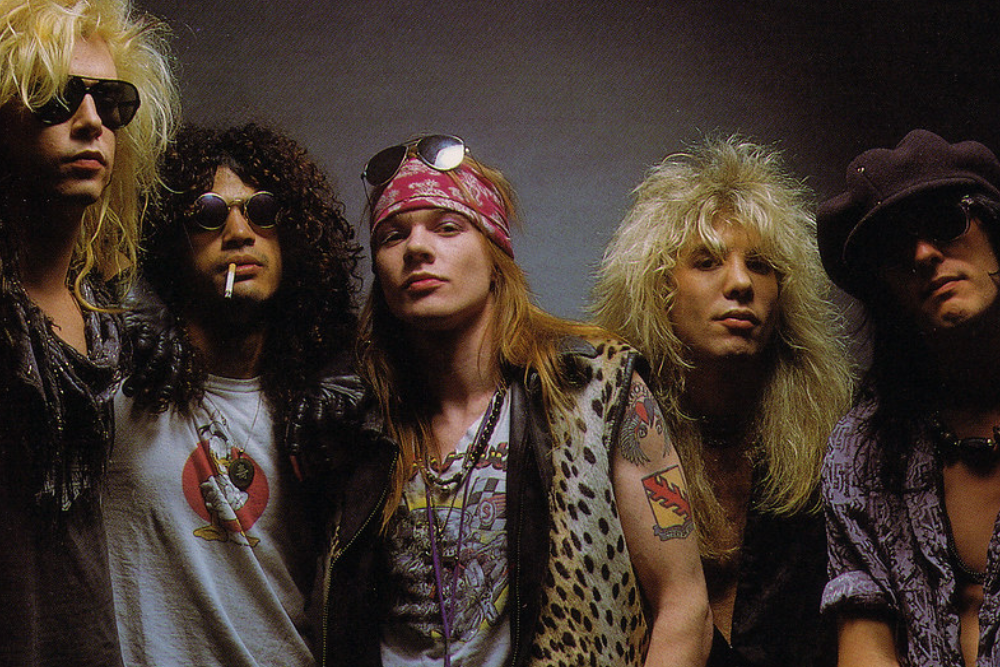
Guns N’ Roses initially dismissed this future classic as mere filler—Slash considered the opening riff nothing but a silly string-skipping exercise. The band focused primarily on harder-edged material and worried this romantic ballad might soften their dangerous image.
Producer Mike Clink recognized gold when he heard it and pushed for its inclusion. The song became their sole number-one hit in America, despite the band’s initial reservations.
Don’t Stop Believin’

Journey created a song so structurally unorthodox that releasing it as a single seemed commercial suicide. With no chorus until its final minute and an unconventional arrangement, record executives fretted over its radio potential.
The band insisted on keeping it, though—a decision that seemed merely adequate until decades later when cultural appearances and streaming platforms transformed it into one of digital music’s most downloaded tracks ever.
Hey Jude

The Beatles defied industry convention with this seven-minute epic when radio stations typically rejected anything longer than three minutes. Paul McCartney and John Lennon refused suggestions to trim it down, convincing EMI to release the uncut version.
Their musical instinct proved prophetic when the song dominated charts for nine weeks and emerged as one of their greatest commercial triumphs.
What’s Going On
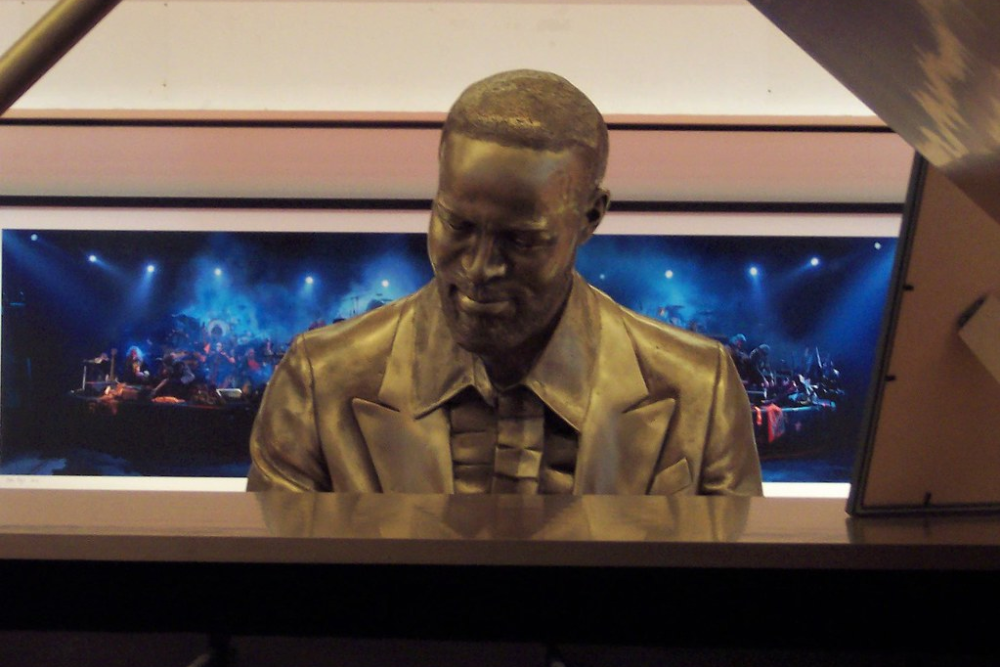
Marvin Gaye faced outright rejection when Motown founder Berry Gordy declared his socially conscious masterpiece ‘the worst thing I ever heard.’ Gordy feared its political message would alienate fans who expected romantic soul ballads from Gaye.
Rather than capitulate, Gaye essentially went on strike, refusing to record another note until the song saw release. The impasse ended with Gordy relenting, unwittingly launching a new era of socially conscious soul music.
Creep

Radiohead recorded their breakthrough hit in a single take, yet nearly discarded it as unworthy of their debut album. The band thought it was too simplistic compared to their other material and rarely performed it during early live shows.
Producer Sean Slade recognized its potential and advocated for its inclusion on ‘Pablo Honey.’ Though the band later grew to resent being primarily known for this song, it remains their most recognizable track to casual listeners worldwide.
Bohemian Rhapsody

Queen faced tremendous opposition from EMI executives who insisted their operatic masterpiece was too long and complex for radio play. The unconventional six-minute song with no chorus seemed like commercial suicide in 1975.
Freddie Mercury and the band refused all suggestions to edit it down. Their gamble succeeded spectacularly when the song topped charts globally and earned its place among rock’s greatest achievements.
Dancing Queen

ABBA created this disco anthem during sessions for their ‘Arrival’ album but initially set it aside in favor of other tracks. Björn Ulvaeus and Benny Andersson considered it too lightweight compared to their more ambitious compositions.
Manager Stig Anderson recognized its commercial potential and convinced them to complete and release it. The song became their only number-one hit in America and remains their signature track decades later.
Strawberry Fields Forever

John Lennon’s psychedelic masterpiece nearly missed inclusion on any Beatles album after technical difficulties combining two different versions proved extraordinarily challenging. Producer George Martin had to physically splice tape recordings at different speeds and pitches, requiring unprecedented technical innovation.
The song was ultimately released as a double A-side single with ‘Penny Lane’ instead, but remains one of the Beatles’ most groundbreaking recordings.
Every Breath You Take
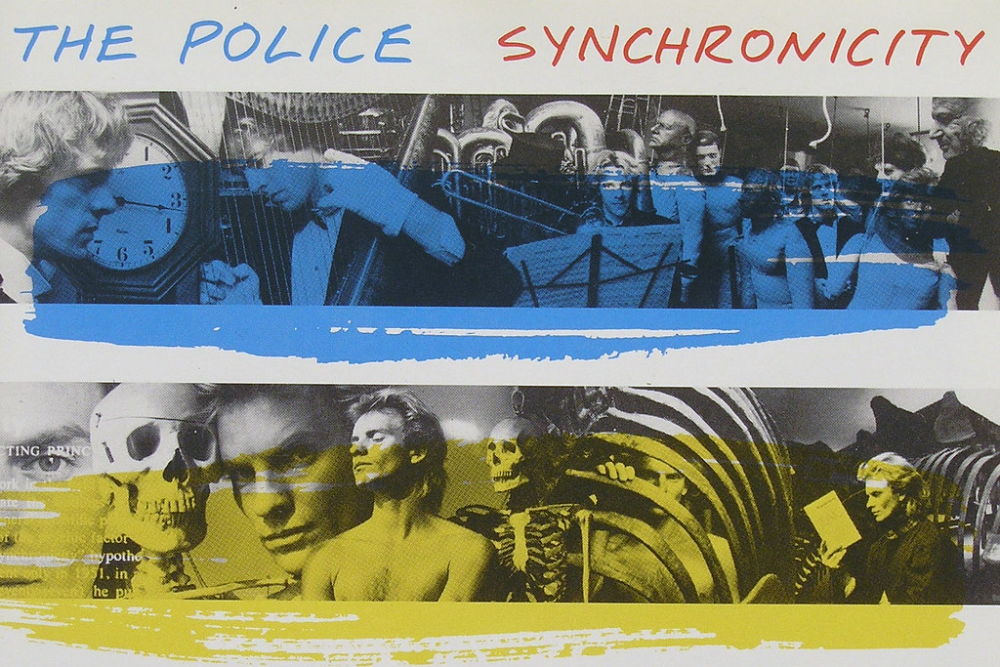
The Police nearly abandoned their biggest hit during contentious recording sessions for the ‘Synchronicity’ album. Band tensions had reached critical mass, and Sting struggled to complete the song to his satisfaction.
After stepping away briefly, he returned with fresh perspective and finished what would become their signature track. The haunting melody topped charts worldwide and remains one of radio’s most-played songs despite its frequently misunderstood lyrics about obsession.
Superstition
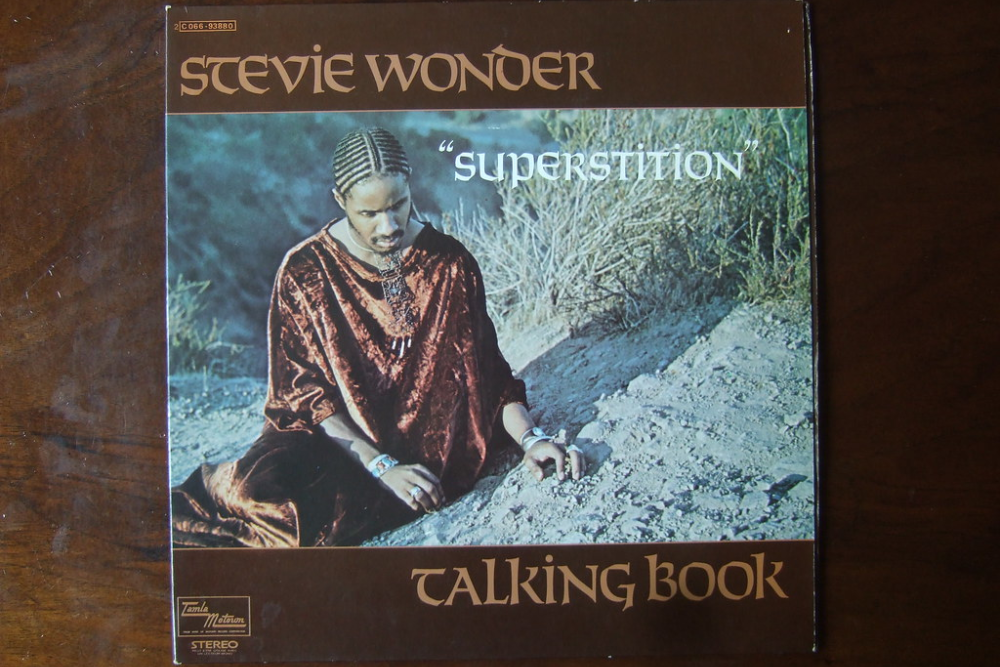
Stevie Wonder originally wrote this funk classic for guitarist Jeff Beck with no intention of recording it himself. Motown executives heard Wonder’s demo and immediately recognized its hit potential, persuading him to keep it for his ‘Talking Book’ album.
The decision created temporary tension between the musicians but resulted in one of Wonder’s most enduring hits and a defining track of 1970s funk.
Livin’ on a Prayer
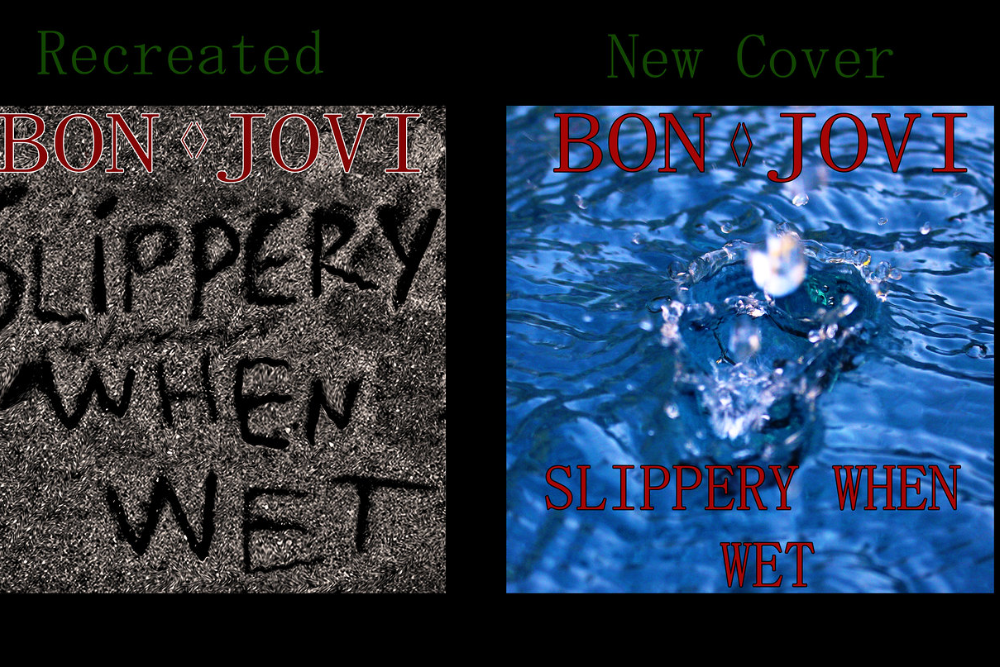
Bon Jovi almost excluded their signature anthem from the ‘Slippery When Wet’ album, feeling dissatisfied with its original recording. The band completely reworked the song just before deadline after producer Bruce Fairbairn insisted on its potential.
Jon Bon Jovi remained skeptical even after the rerecording, believing other tracks would perform better commercially. The song ultimately defined their career and became their most recognized hit globally.
Lose Yourself

Eminem recorded his Oscar-winning hit from the ‘8 Mile’ soundtrack in a portable studio during film production breaks. The rapper initially viewed it as a throwaway track created amid exhaustion from juggling acting and soundtrack production.
Fellow D12 member Proof heard something special and convinced Eminem to properly develop and release it. The song became Eminem’s first Billboard Hot 100 number-one hit and earned recognition as one of hip-hop’s greatest achievements.
Musical Salvation

These pivotal moments of artistic conviction reveal how fragile our musical heritage truly is. Each near-miss represents a cultural butterfly effect—how different our collective soundtrack might sound had these iconic tracks vanished into silence.
The common thread connecting these stories isn’t merely talent but the courage shown by artists and advocates who trusted their instincts against conventional wisdom. Our musical landscape stands immeasurably richer because someone said “no” to compromise when a great song hung in the balance.
More from Go2Tutors!

- The Romanov Crown Jewels and Their Tragic Fate
- 13 Historical Mysteries That Science Still Can’t Solve
- Famous Hoaxes That Fooled the World for Years
- 15 Child Stars with Tragic Adult Lives
- 16 Famous Jewelry Pieces in History
Like Go2Tutors’s content? Follow us on MSN.