19 Oldest Active Military Bases in the World
Some military bases have a way of outlasting the empires that built them. Stone walls raised by Spanish conquistadors, British colonists, and ancient caliphates still stand today — not as ruins, but as working military installations with soldiers, schedules, and a chain of command.
These are not just places frozen in time. They are living proof that certain locations hold strategic value across centuries.
Here are 19 of the oldest active military bases in the world, ranked from most ancient to more recent — each with a story that stretches far beyond its current mission.
1. Citadel of Cairo, Egypt — Founded 1176
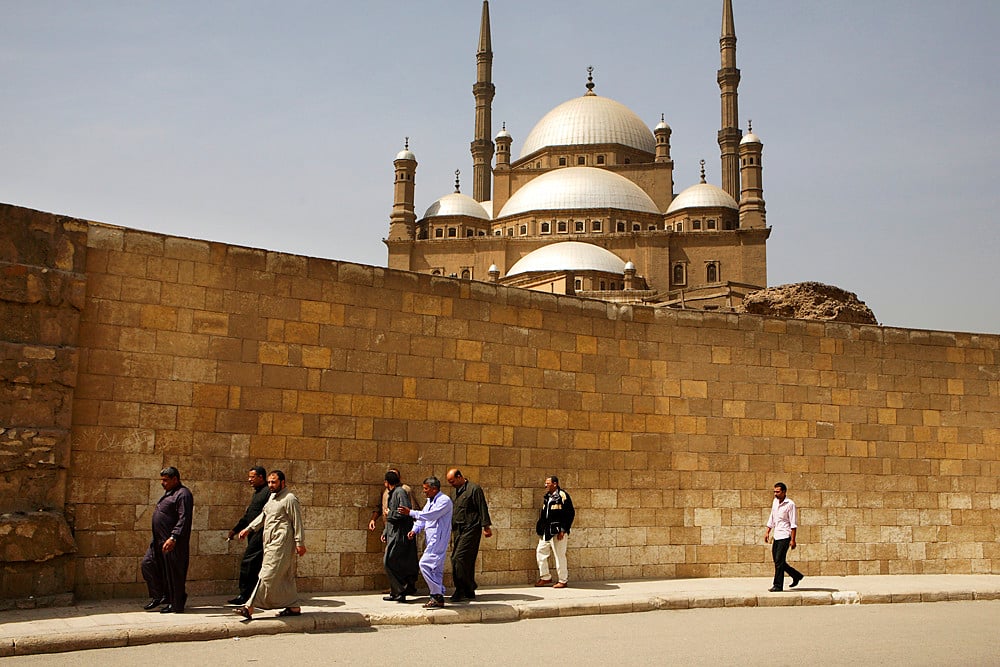
Saladin built the Citadel of Cairo on a spur of the Mokattam Hills to defend the city from Crusaders. That was over 840 years ago. For most of its life, it served as Egypt’s seat of military and political power — housing the Ottoman pashas, the Mamluk rulers, and eventually the Egyptian government itself.
Today it holds military museums and remains under Egyptian Armed Forces administration, making it one of the oldest continuously militarized sites on the planet. The views from the Citadel are as commanding now as they were in the 12th century.
Saladin understood geography, and whoever built here understood that some advantages don’t expire.
2. Fortaleza Ozama, Dominican Republic — Founded 1502
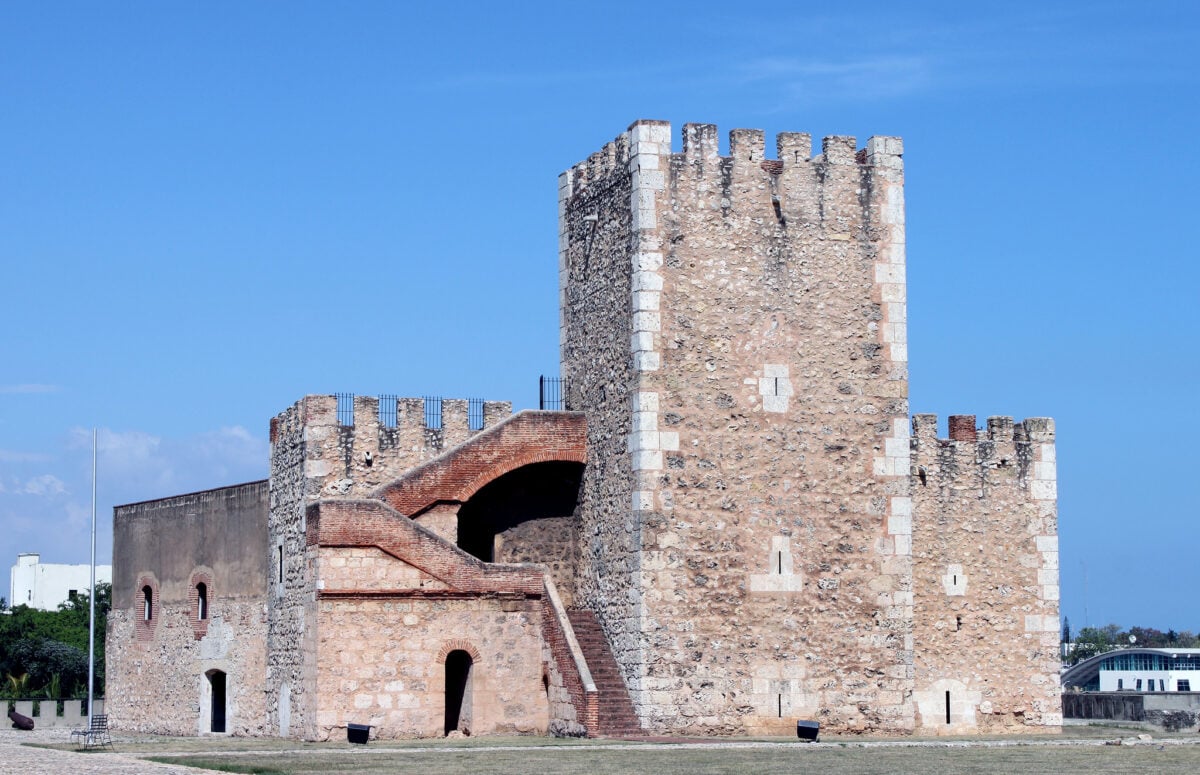
Built by Spanish conquistadors on the banks of the Ozama River in Santo Domingo, Fortaleza Ozama holds the title of the oldest European military construction in the Americas. It defended the island from pirates, rival colonial powers, and various invaders over several hundred years.
French and Dominican forces both garrisoned it at different points in history. Today it stands as a functioning historical monument under state protection, its Tower of Homage still intact and looming over the river just as it did when Christopher Columbus would have known it.
The site is a UNESCO World Heritage designation, which speaks to how well it has been preserved.
3. Fort San Pedro, Philippines — Founded 1565

Spanish conquistador Miguel López de Legazpi ordered Fort San Pedro built in Cebu City in 1565, making it the oldest triangular bastion fort in the Philippines. The Spanish used it to consolidate their hold over the islands.
Later, Filipino and American forces occupied it during different eras of the country’s colonial history. While it now serves partly as a historical park, its walls and bastions remain intact and the site retains military heritage status under the Philippines government.
Few structures in Southeast Asia have stood this long with this much of their original form preserved.
4. Fort Zeelandia, Suriname — Founded 1640
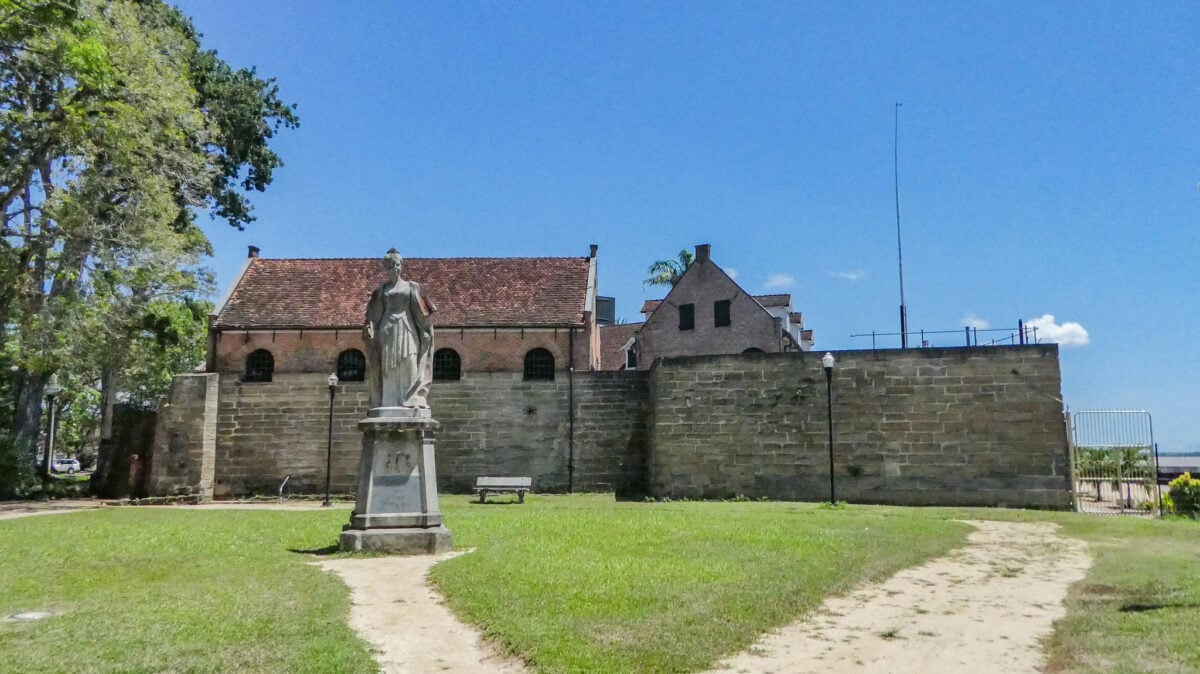
The Dutch built Fort Zeelandia on the Suriname River, and it has changed hands more than once since — French, English, and Dutch all left their mark on the fortification over the centuries. The fort served both defensive and administrative roles for colonial governments operating out of Paramaribo.
Today it functions as a cultural museum and a preserved military site, though its significance to the Surinamese state remains strong. Its location on the riverbank made it the beating heart of colonial Suriname for over two centuries.
5. Fort Amsterdam, Ghana — Founded 1638
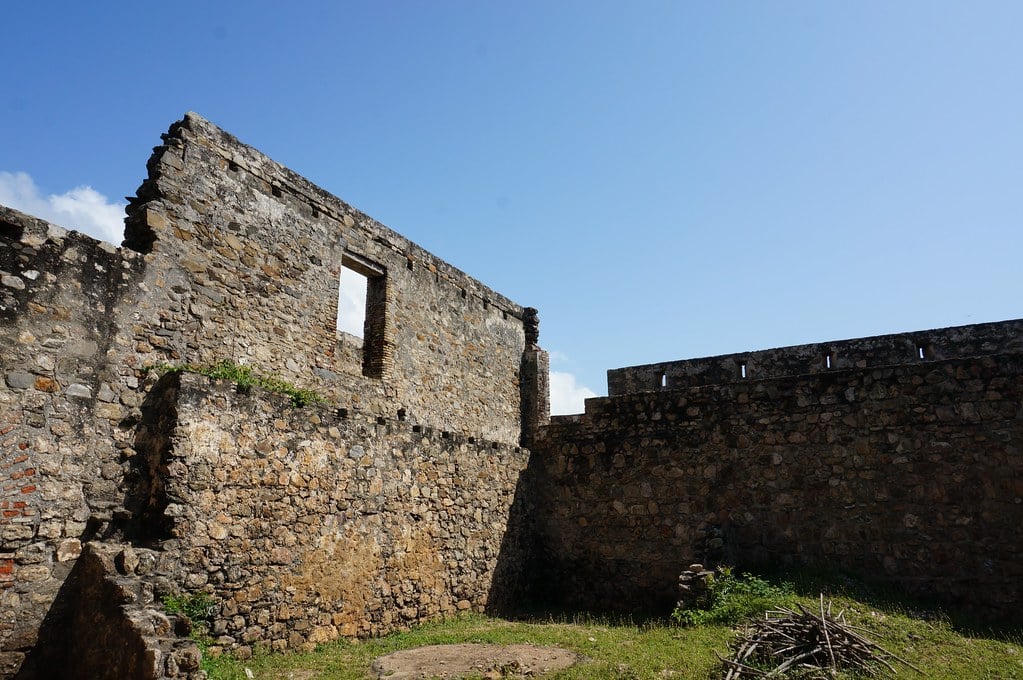
The English built Fort Amsterdam on Ghana’s coast before the Dutch seized it decades later. It became a hub for trade — and, during the darkest period of its history, a waypoint in the transatlantic slave trade. British forces eventually reclaimed it, and the fort passed through various colonial administrations before Ghanaian independence.
It now holds UNESCO protected heritage status. Its walls still stand on the coast, weathered but intact, a reminder that the oldest military sites are often inseparable from the most painful chapters of history.
6. Royal Citadel, Plymouth, England — Founded 1665
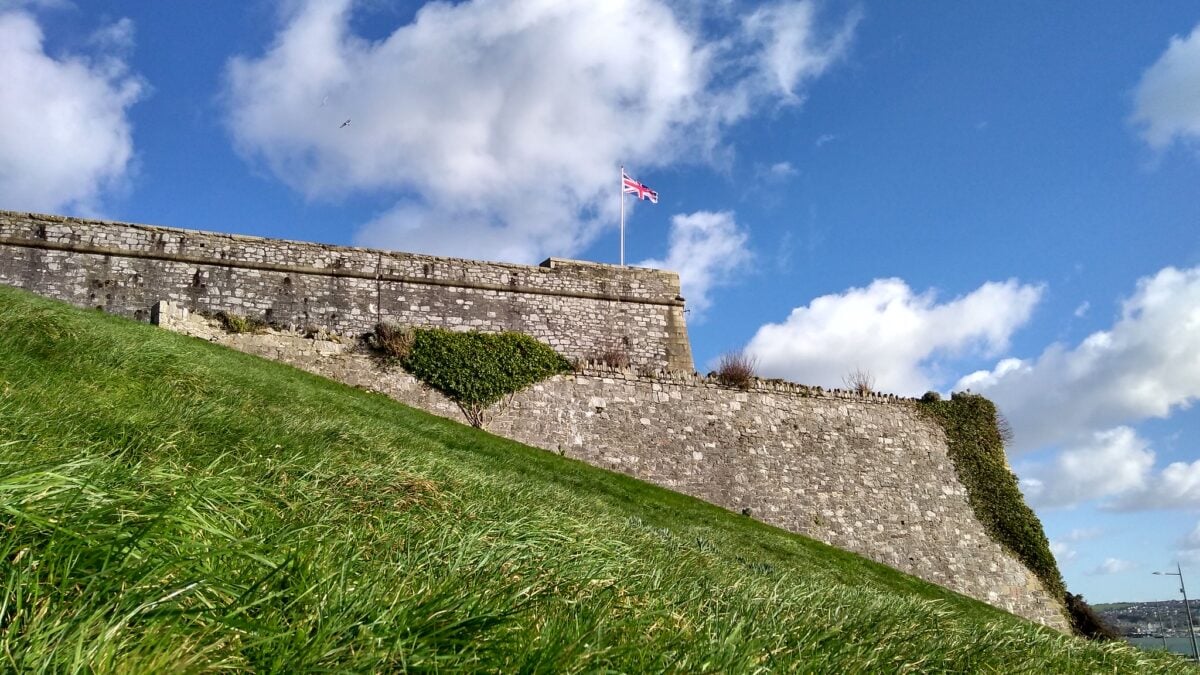
The Royal Citadel overlooks Plymouth Sound from a limestone promontory, and it has done so since Charles II ordered its construction in the 1660s. Built atop earlier Tudor fortifications, it served British forces throughout the age of sail and beyond.
Today it is the home of 29 Commando Regiment Royal Artillery — a fully operational British Army unit. That means soldiers train, live, and deploy from a fortress that has been in continuous military use for over 360 years.
The Citadel offers limited tours to the public, but make no mistake — it is still a working base.
7. Fort Saint-Jean, Canada — Founded 1666

The French established Fort Saint-Jean on the Richelieu River in Quebec in 1666, primarily to guard against Iroquois raids and, later, against British and American advances. The British captured it, the Americans briefly held it during the Revolutionary War, and eventually Canada claimed it as its own.
Today Fort Saint-Jean is the site of the Royal Military College Saint-Jean, a bilingual officer training institution for the Canadian Armed Forces. The fort’s old stone buildings now house classrooms and officer quarters — the mission has changed, but the location has served military purposes without interruption for over 350 years.
8. Fort William, Kolkata, India — Founded 1696
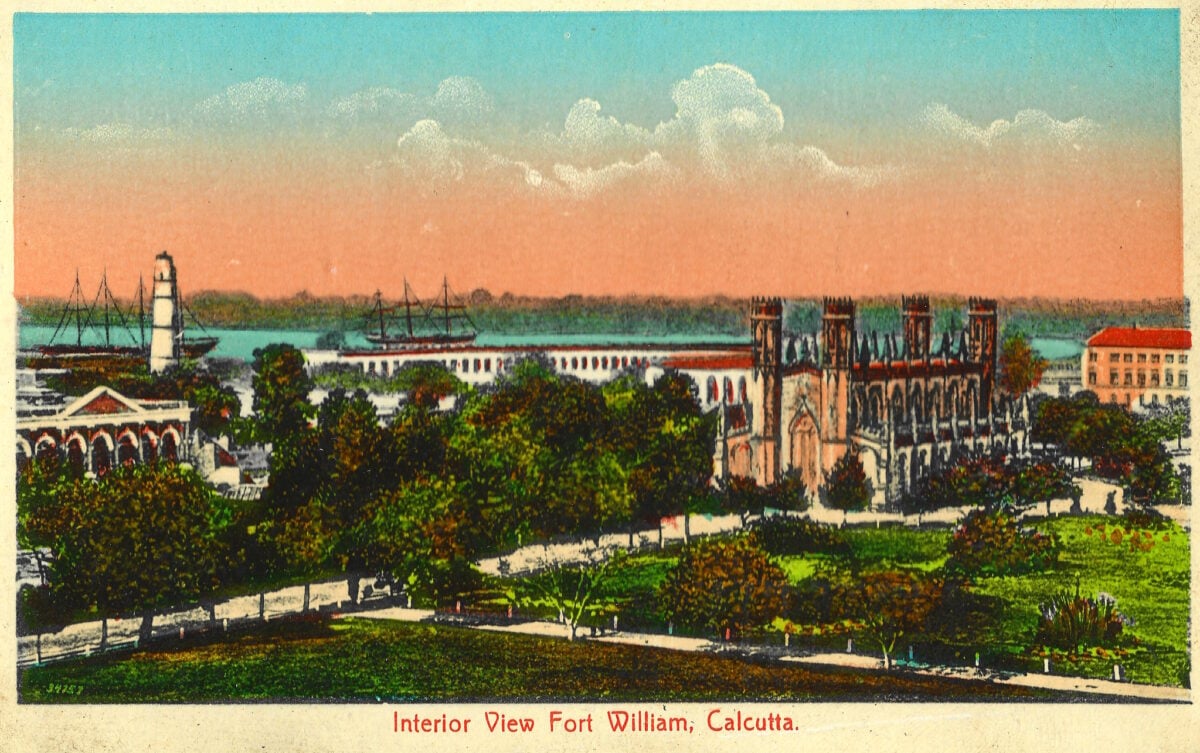
The British East India Company built Fort William on the banks of the Hooghly River in 1696. The original structure was eventually replaced by a far larger fortification in the 1770s — designed to be impregnable after earlier conflicts exposed its vulnerabilities.
For centuries it served as the headquarters of British colonial military operations in the Indian subcontinent. After Indian independence in 1947, the fort transitioned seamlessly into a new role. It now serves as the headquarters of the Indian Army’s Eastern Command.
Soldiers still report for duty here every morning inside walls that once housed British colonial officers.
9. Carlisle Barracks, USA — Founded 1757 (Repurposed 1776)
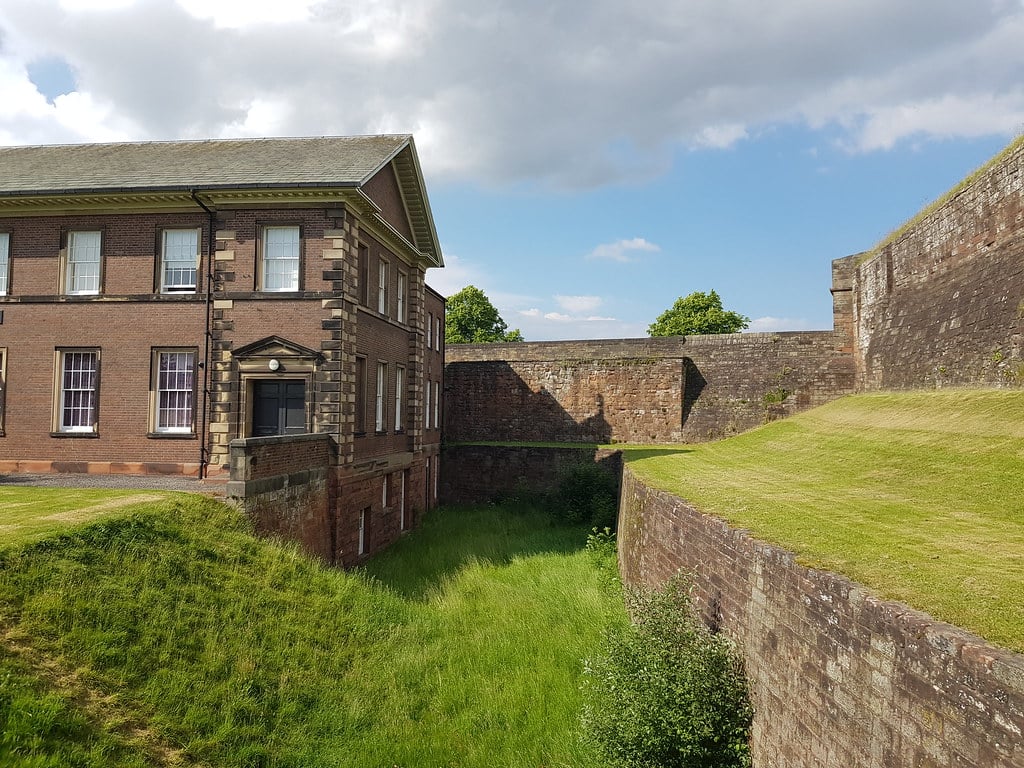
Carlisle Barracks in Pennsylvania began as a British military installation built in the 1750s. After the Revolutionary War, the Continental Army took it over, making it one of the first military installations the new United States could call its own.
Confederate soldiers briefly occupied it during the Civil War, and it served as a military hospital during World War I. Since 1951, Carlisle Barracks has been home to the U.S. Army War College — where senior officers and government officials come to study strategy, leadership, and national security policy.
It is the oldest continuously operating Army installation in the United States.
10. Fort George, Scotland — Founded 1769
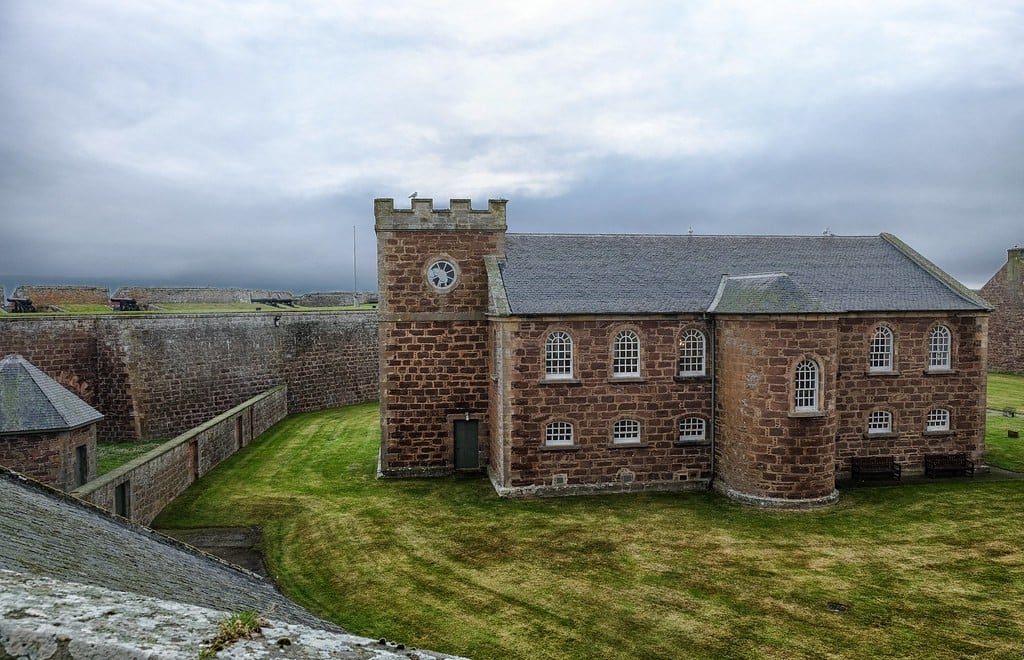
Fort George sits near Inverness on a peninsula jutting into the Moray Firth, and it was built specifically to prevent another Jacobite uprising after the Battle of Culloden. Completed in 1769, it is considered one of the finest surviving examples of 18th-century artillery fortifications in Europe.
It remains an active British Army garrison to this day, currently home to the Black Watch, 3rd Battalion, Royal Regiment of Scotland. Visitors can tour much of the fort, but sections remain restricted because soldiers are still posted there — which is exactly the point.
11. Norfolk Naval Shipyard, USA — Founded 1794
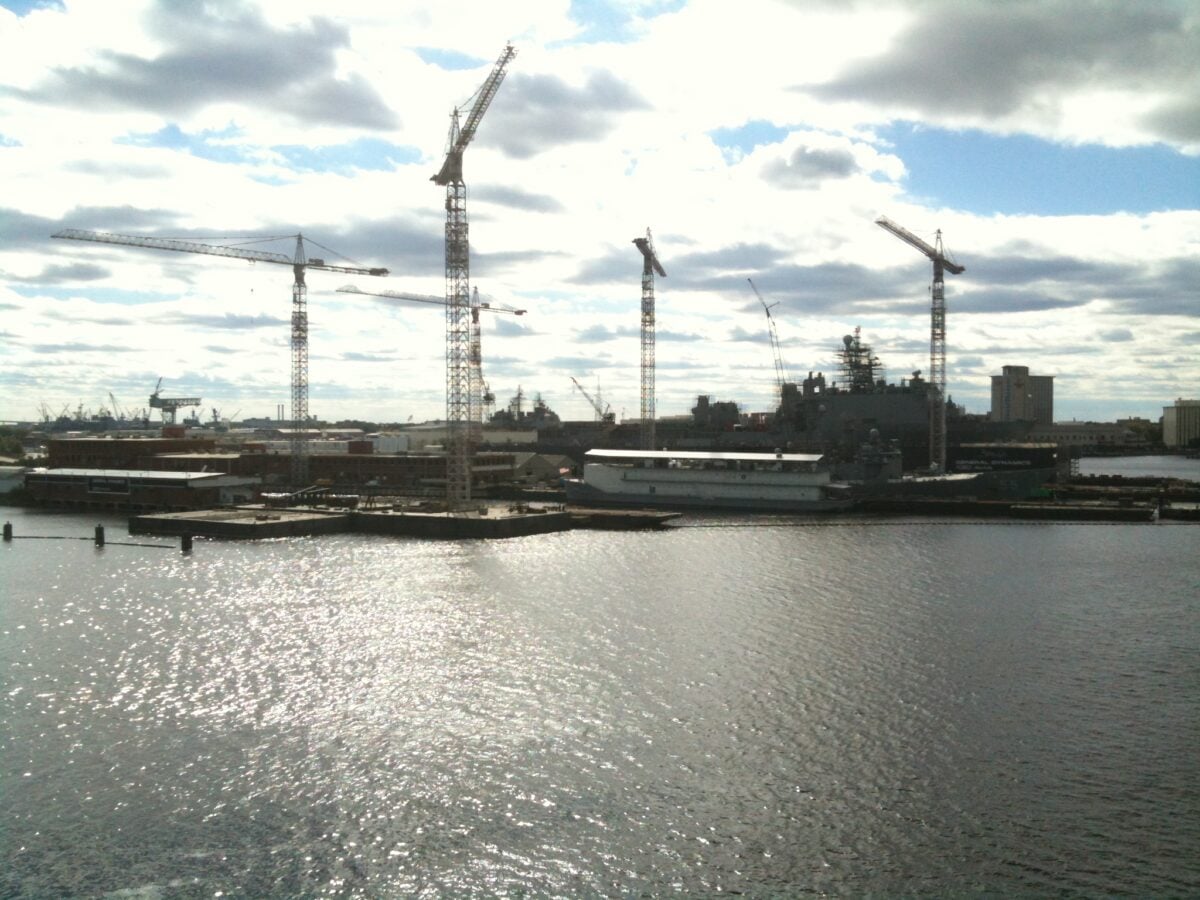
Norfolk Naval Shipyard in Portsmouth, Virginia, was established in 1794, making it the oldest and largest naval shipyard in the United States. It has repaired and modernized warships through every conflict the U.S. has fought since the early republic — from the War of 1812 through both World Wars and well into the modern era.
Today it remains a critical facility for the U.S. Navy, overhauling nuclear submarines and aircraft carriers. The work being done there is cutting-edge by any measure, which makes the shipyard’s colonial-era founding date feel almost impossible.
12. West Point, USA — Founded 1802
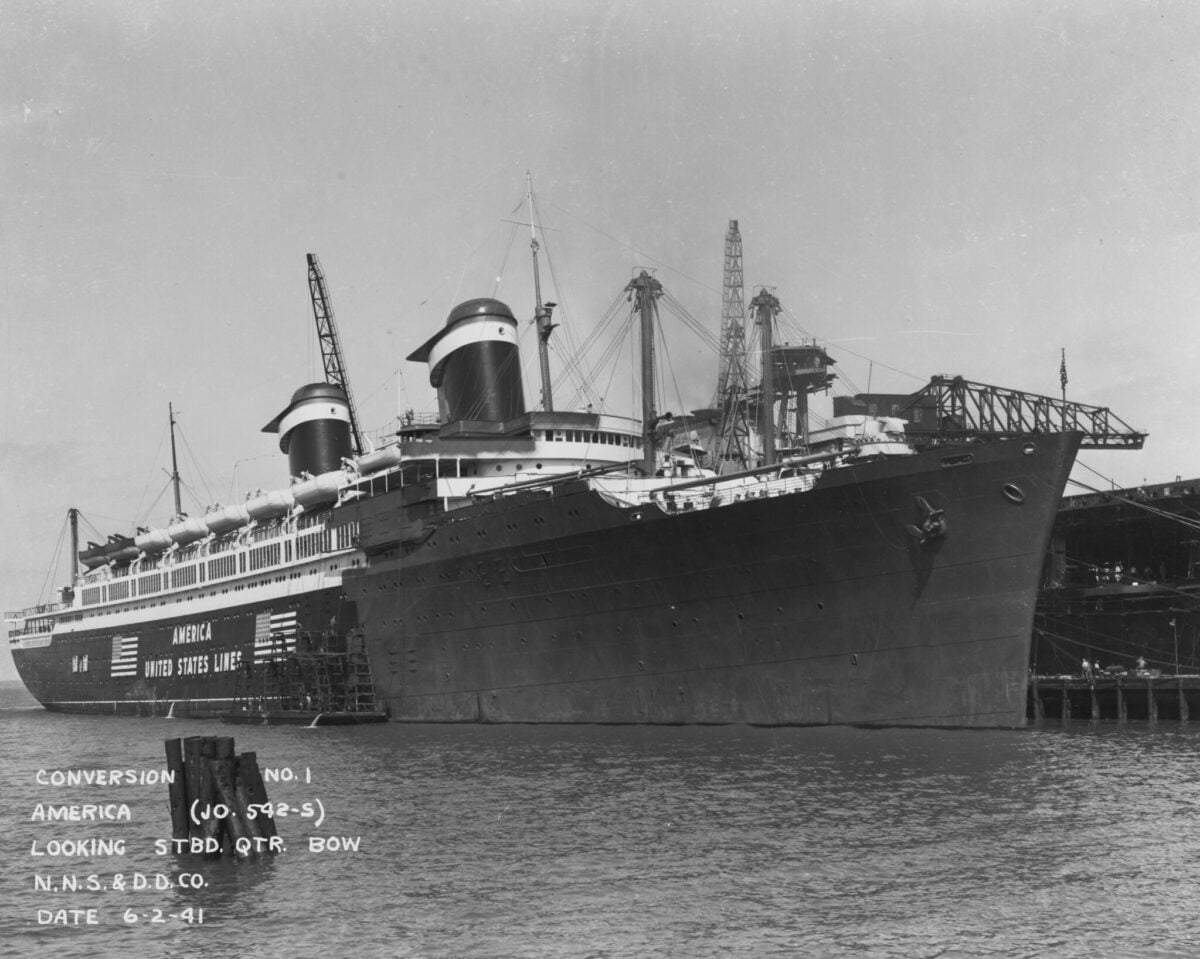
West Point has occupied its position on the Hudson River since 1778, when Continental Army troops first fortified the cliffs overlooking the water. It became a formal military installation in 1802 when Congress established the United States Military Academy there. Benedict Arnold’s famous betrayal involved a plot to hand this very post to the British — which gives some sense of how strategically vital the location was considered.
Today, West Point is where the U.S. Army trains its future officers. Graduates have gone on to shape American military history at every level, from the Civil War through the present day.
13. Watervliet Arsenal, USA — Founded 1813
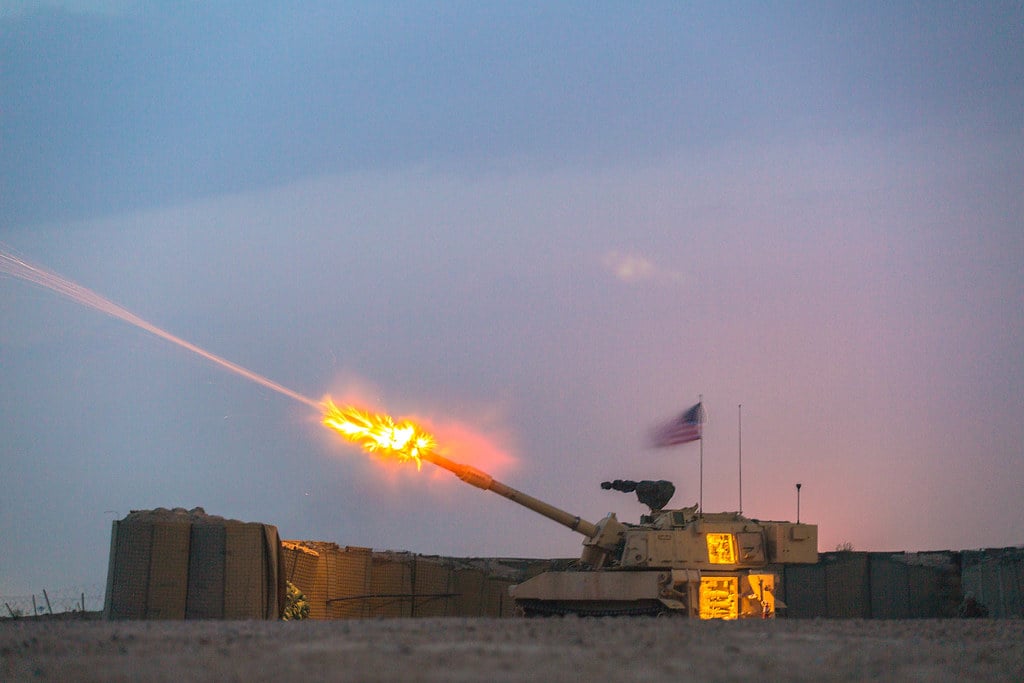
Watervliet Arsenal in New York sits along the Hudson River and has been producing weapons for the U.S. military since 1813. It is the oldest active arsenal in America. Every major conflict the United States has fought — from the War of 1812 to Afghanistan — involved artillery manufactured or maintained at Watervliet.
The arsenal still produces large-caliber cannon systems and mortars today. Its factory floors have been running for over two centuries, and the machinery has simply evolved to match whatever the Army needs next.
14. Fort Hamilton, USA — Founded 1831
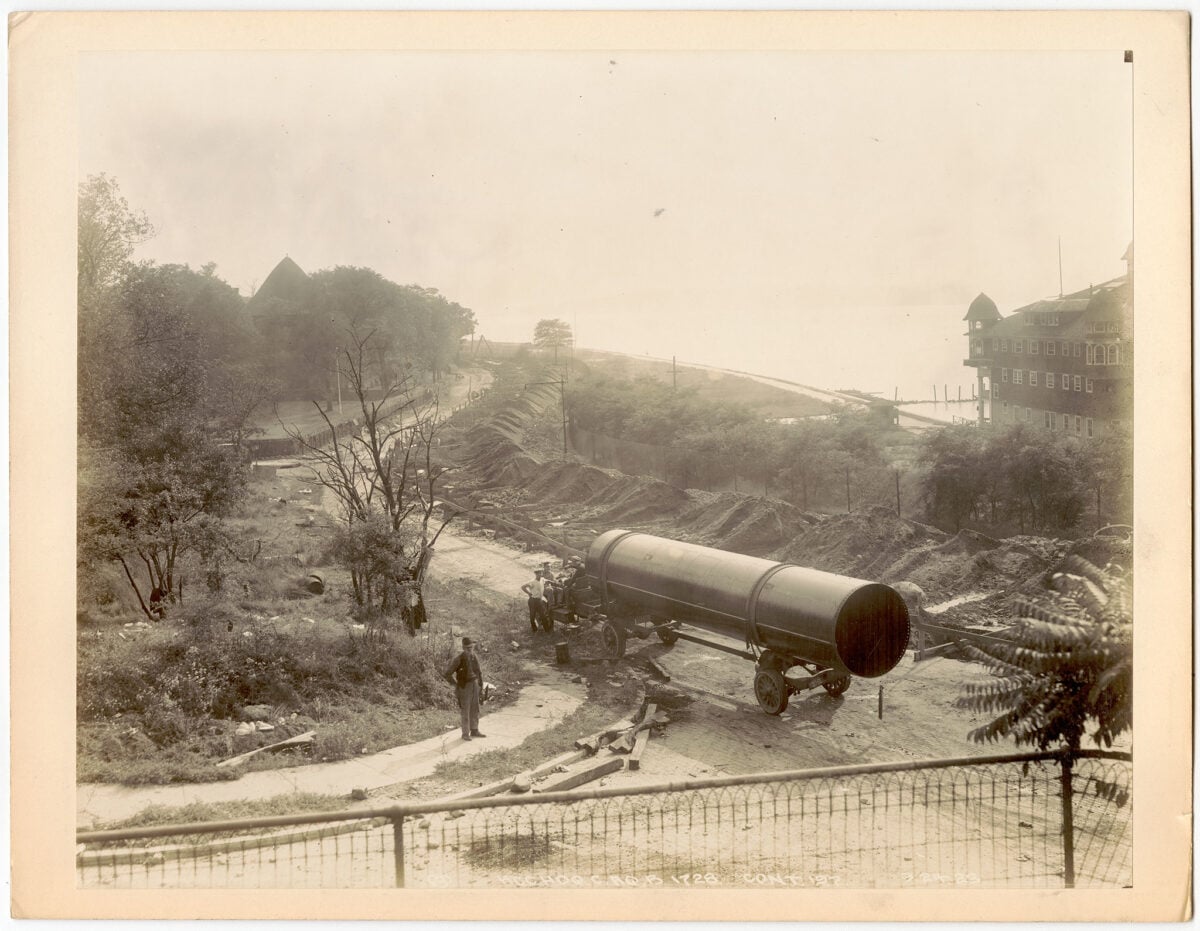
Fort Hamilton occupies a narrow strip of land in Brooklyn, New York, at the mouth of New York Harbor. It was established in 1831 and has provided military support to the greater New York area ever since.
Robert E. Lee — before the Civil War divided his loyalties — was once stationed at Fort Hamilton as an Army engineer. Today, it serves as the headquarters of the U.S. Army Garrison New York and remains the only active military installation within New York City.
Its location means it looks across the Verrazzano Narrows at Staten Island, with the harbor traffic of one of the world’s great port cities moving past it daily.
15. Presidio of Monterey, USA — Founded 1846

The Presidio of Monterey in California has a longer pre-American history than most U.S. bases. Spanish and later Mexican forces used this coastal position before the U.S. Army took control in 1846.
The location made strategic sense to every military power that held California — it sits above Monterey Bay with commanding views of the Pacific. Today the Presidio is home to the Defense Language Institute Foreign Language Center, where U.S. military personnel and government employees learn over 70 languages.
It is, by a considerable margin, the most linguistically sophisticated military installation in the country.
16. Fort Bliss, USA — Founded 1849
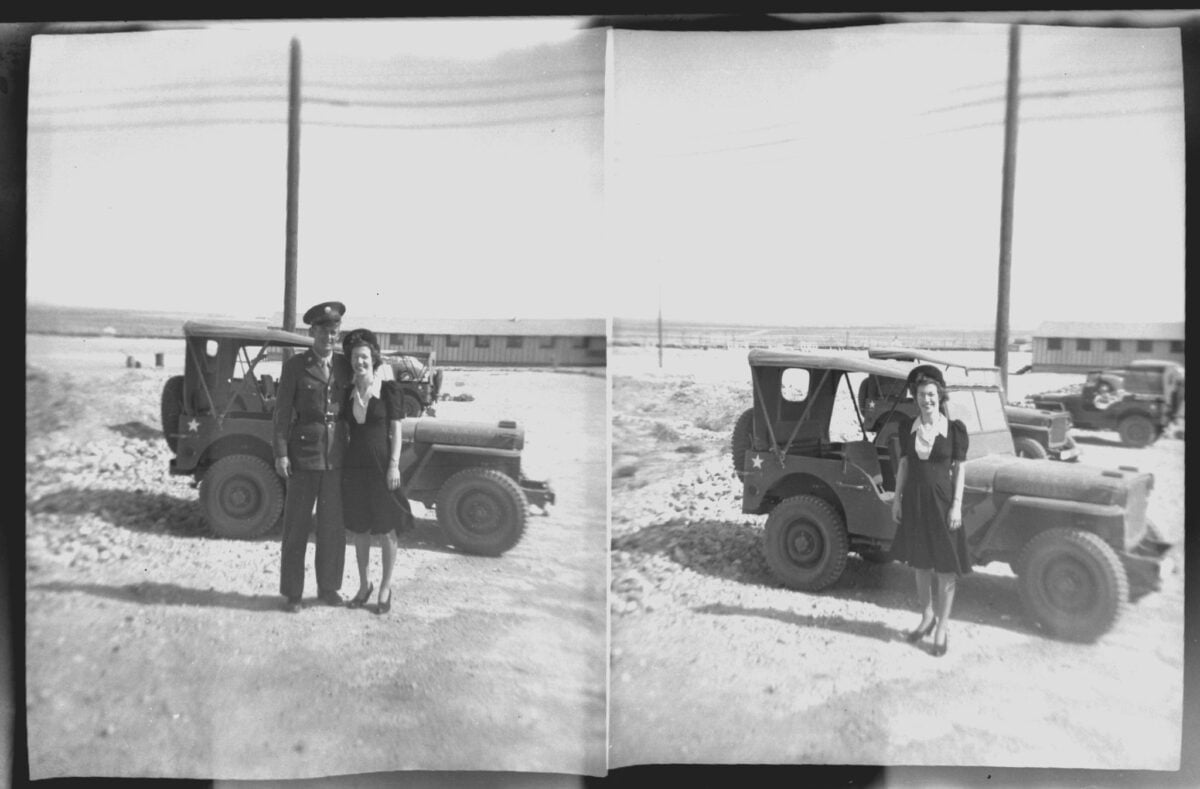
Fort Bliss in El Paso, Texas, was established in 1849 and is now the largest installation in the United States Army Forces Command. It sprawls across the Chihuahuan Desert — Texas and New Mexico — covering an area so vast that it takes considerable time just to cross it by vehicle.
The base has been involved in virtually every major American military operation since its founding. Today it serves as the home of the Army’s Air Defense Artillery and 1st Armored Division, among other major units. Size-wise, there is almost nothing like it.
17. Presidio of San Francisco, USA — Founded 1850
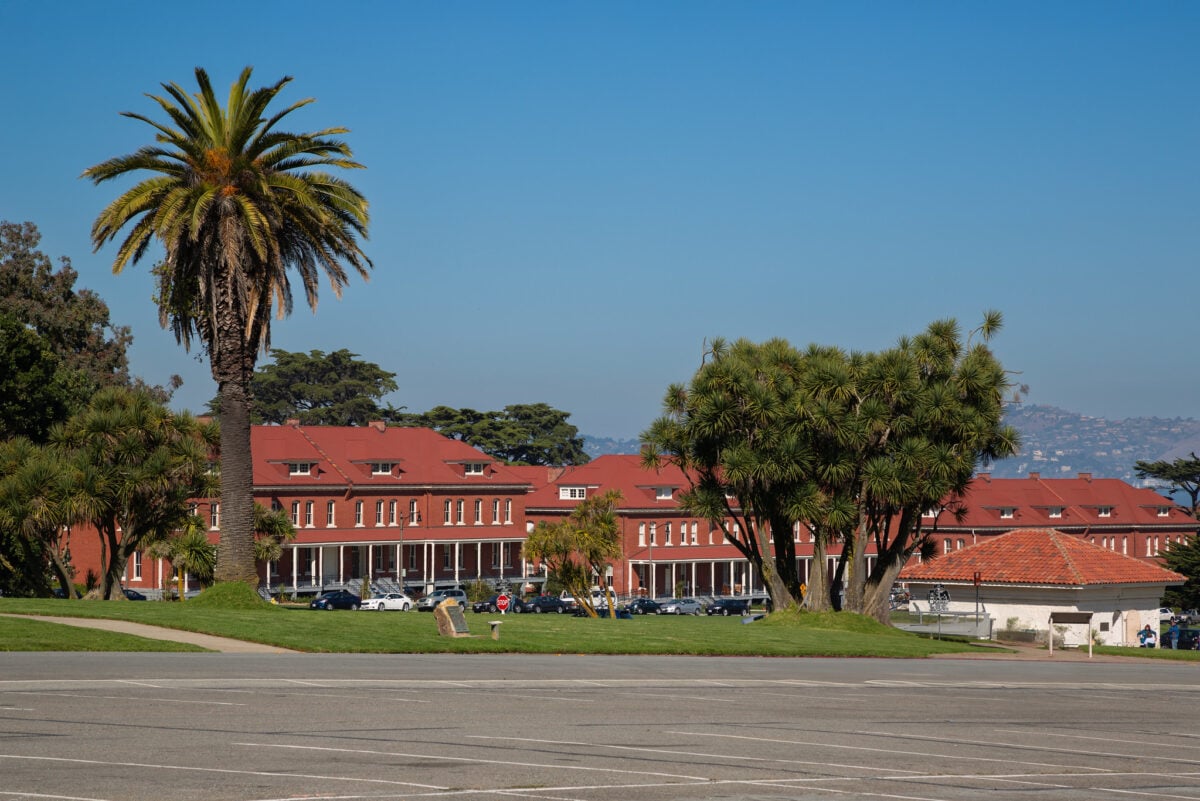
The Presidio of San Francisco has been a military installation under three flags: Spanish, Mexican, and American. The U.S. Army formally took possession in 1850 and held it for over 140 years.
It sits at the northern tip of the San Francisco Peninsula, with views of the Golden Gate and Marin Headlands. The Army officially transferred control of the Presidio to the National Park Service in 1994, but it remains a significant military historical site under federal management, and several military offices continue to operate from its grounds.
It is one of the most beautiful former military bases in the world, which perhaps explains why it was so long contested.
18. Yuma Proving Ground, USA — Founded 1850
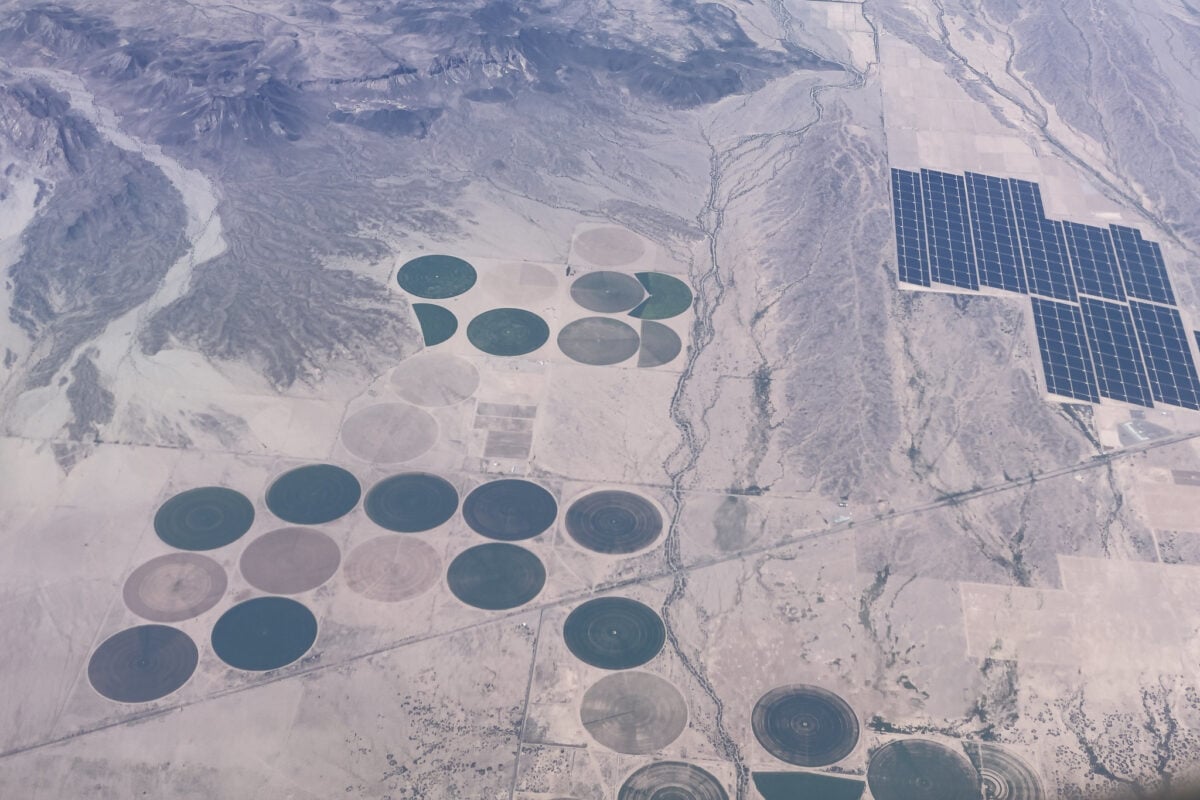
Yuma Proving Ground in Arizona began as a military post in 1850 and has grown into one of the largest Army installations in the world — covering over 1,300 square miles of desert. Its extreme temperatures, low humidity, and open terrain make it ideal for testing weapons systems, vehicles, and equipment under harsh conditions.
Nearly every major piece of equipment used by the U.S. Army has been tested here at some point. The desert does not forgive design flaws, which is precisely why the military has been putting gear through its paces in Yuma for over 170 years.
19. F.E. Warren Air Force Base, USA — Founded 1867
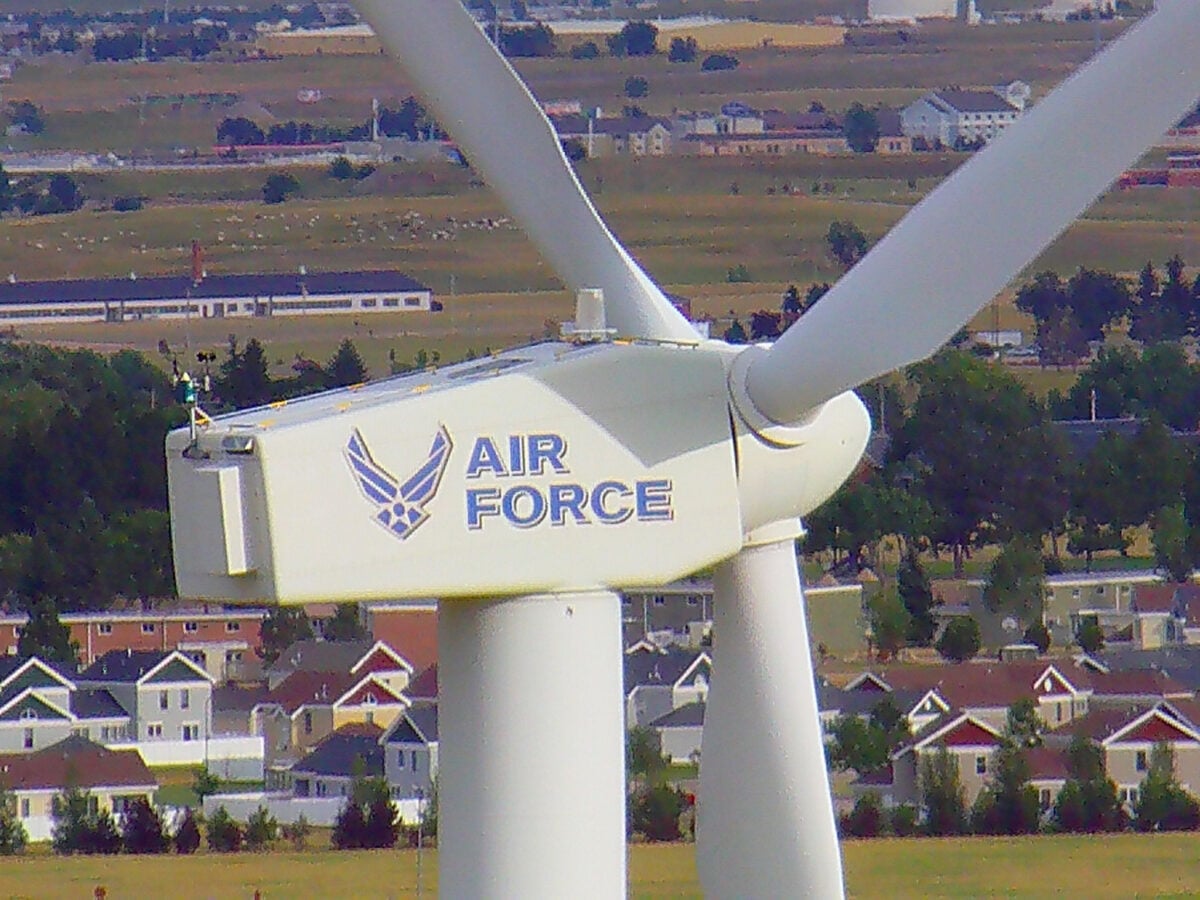
F.E. Warren Air Force Base sits in Cheyenne, Wyoming, originally built in 1867 under the name Fort D.A. Russell to honor a Civil War commander. Though once an Army post, it shifted branches long ago yet remains today the longest-running base still operating within the Air Force ranks.
From horse soldiers to missile crews – F.E. Warren has shifted far beyond its roots. Now hosting the 90th Missile Wing, it manages Minuteman III weapons scattered through three states.
What began as a remote outpost stands today within a key role in national defense strategy. Not many places last that long, especially not ones born on open prairie soil back in 1867.
Walls Still Standing When All Else Failed
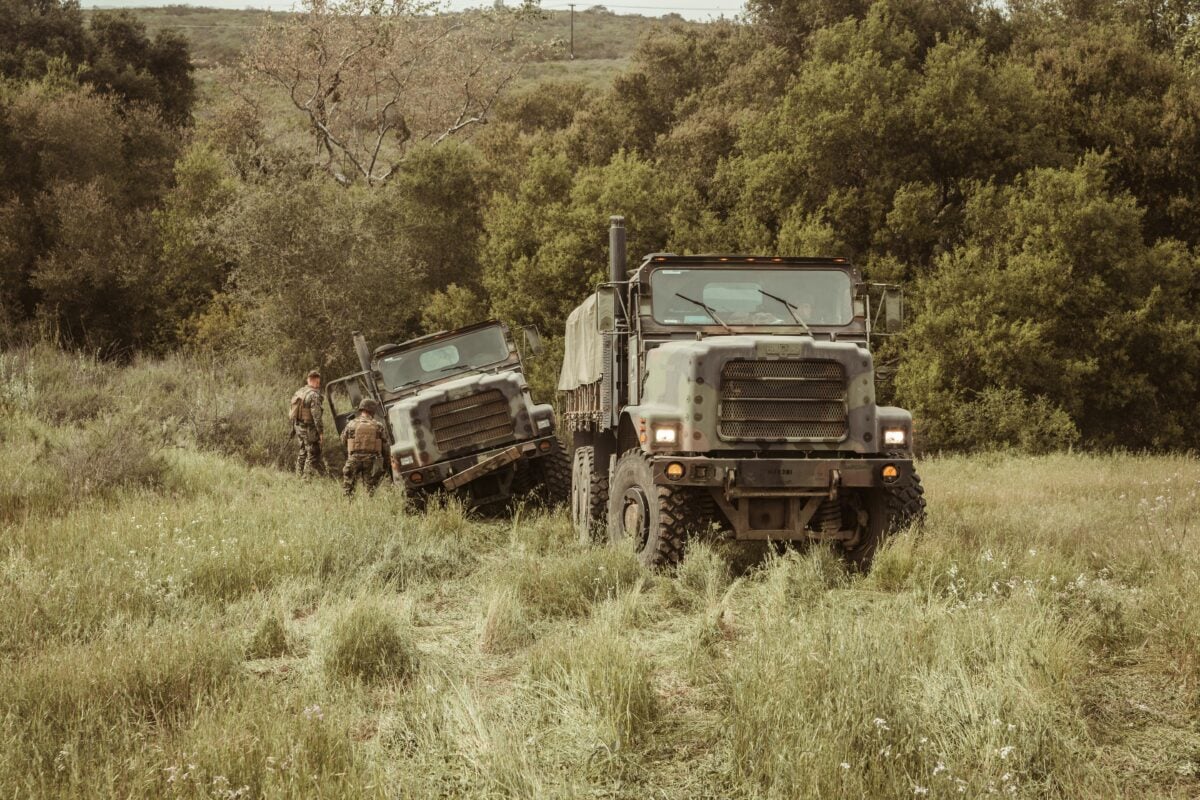
One thing ties those 19 spots together beyond how old they are – it’s where they sit on the map. Take a bay entrance, a spot where rivers meet roads, high ground near shorelines, wide stretches across sand.
The land stays put, so do the choices behind holding ground. Because terrain shifts slowly, if at all, some sites remain useful long after others fade.
From old colonial posts they’ve grown into today’s strategic hubs. Wars began far after their foundations were laid, yet troops trained within those very yards. Inside each boundary, time stays alive – carved in rock, shaped by design, whispered through names on weathered arches.
While cities shift beyond the fences, something quiet remains. They stand.
More from Go2Tutors!

- The Romanov Crown Jewels and Their Tragic Fate
- 13 Historical Mysteries That Science Still Can’t Solve
- Famous Hoaxes That Fooled the World for Years
- 15 Child Stars with Tragic Adult Lives
- 16 Famous Jewelry Pieces in History
Like Go2Tutors’s content? Follow us on MSN.



