Photos Of Scariest Real Places On Earth
Some places on this planet aren’t meant to feel welcoming. They exist outside the boundaries of comfort, where nature and history have conspired to create landscapes that tap into something primal and unsettling.
These aren’t fictional horror settings or tourist attractions designed to frighten — they’re real locations where the ground itself seems to whisper warnings, where the air carries weight, and where photographs capture something that makes viewers instinctively step back from their screens.
Island Of The Dolls, Mexico
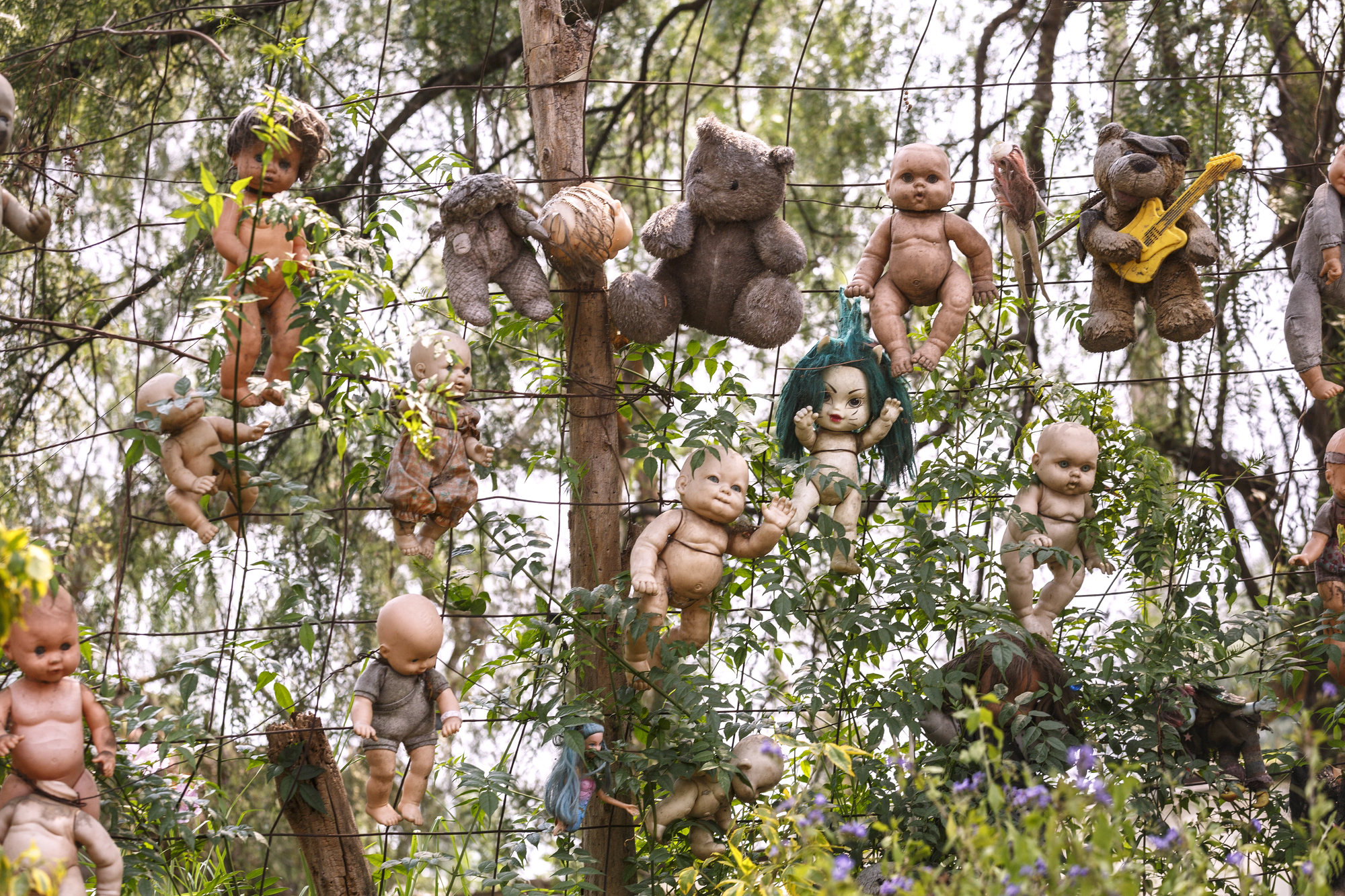
Hanging from every tree branch, nailed to fence posts, scattered across the ground like fallen leaves — thousands of dismembered dolls cover this small island in Xochimilco. Their plastic faces have weathered into expressions of permanent anguish.
Missing eyes, tangled hair, limbs twisted at impossible angles.
Don Julian Santana collected them for fifty years, claiming the spirit of a drowned girl demanded their presence. The dolls would speak to him (or so he believed), and he’d spend his nights arranging and rearranging their positions, responding to voices only he could hear.
Poveglia Island, Italy
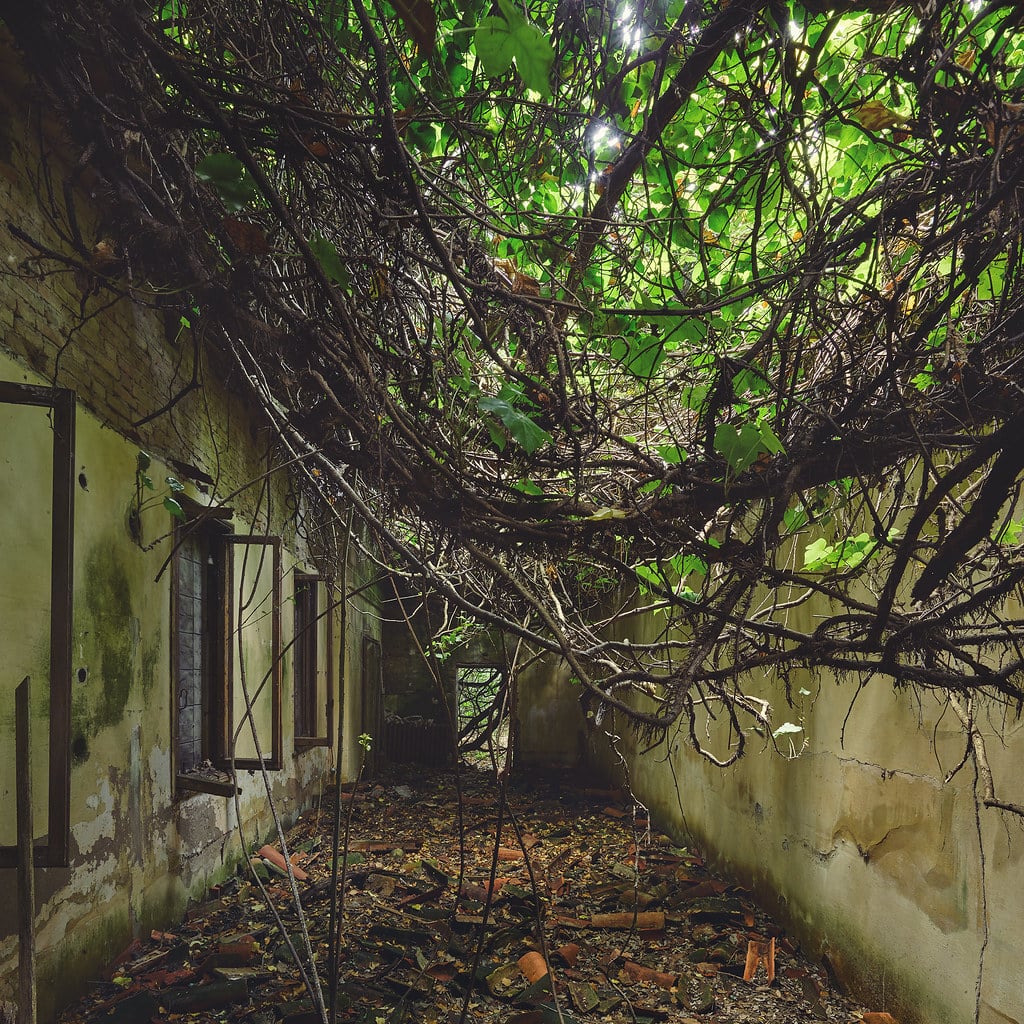
The math alone tells most of the story: over 160,000 human beings died on this small patch of land between Venice and Lido, and their remains — layer upon layer of ash and bone fragments — comprise roughly fifty percent of the island’s soil. During plague outbreaks in the 18th and 19th centuries, Poveglia served as a quarantine station where the infected were brought to die, and later as a mental hospital where (according to local accounts and historical fragments that survive) a doctor conducted experiments on patients before eventually throwing himself from the hospital’s bell tower.
The soil is so saturated with human ash that fires sometimes reveal bone fragments, and fishermen avoid casting nets in the surrounding waters because they inevitably pull up human remains instead of fish. And yet what strikes visitors most isn’t the documented horror of the place — it’s the way sound behaves differently here, how conversations seem to get absorbed into the ground, and how the island’s few remaining structures cast shadows that appear darker and more defined than they should, as if the light itself is reluctant to touch certain surfaces.
But the photographs tell a different story than the statistics. Something else lives here now.
Aokigahara Forest, Japan
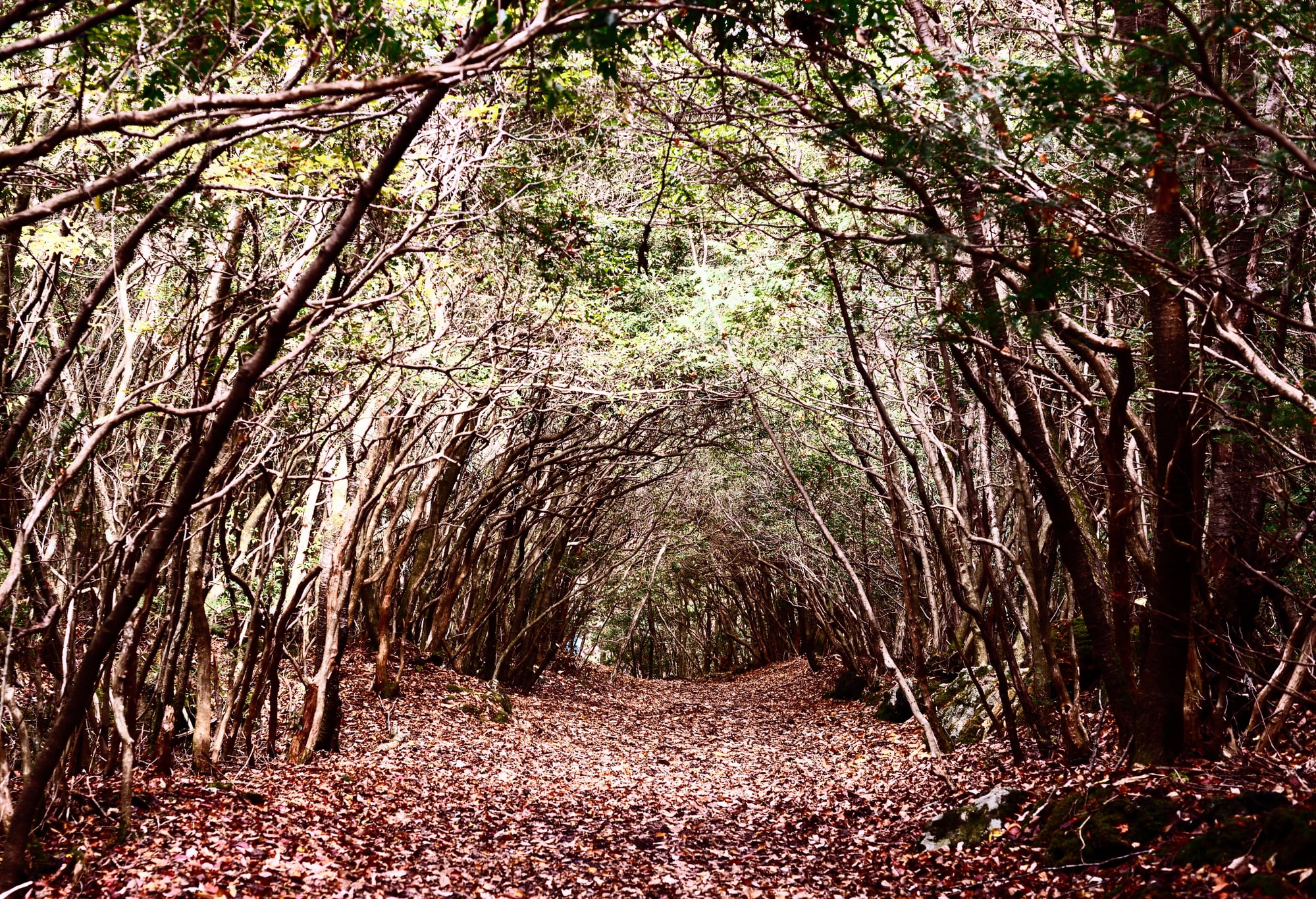
Dense, ancient, and unnaturally quiet — this forest at the base of Mount Fuji swallows sound completely. The trees grow so thick that wind rarely penetrates to the forest floor.
Compasses spin wildly due to magnetic iron deposits in the volcanic soil.
It’s known internationally as a place where people go to disappear permanently, which means search parties comb through these woods regularly. They find more than they’re looking for.
Personal belongings scattered along trails. Makeshift camps deep in the interior where someone clearly spent weeks before vanishing entirely.
The photographs capture something else entirely: trees twisted into shapes that seem deliberate, clearings that appear suddenly without explanation, and paths that lead nowhere but continue anyway.
Eastern State Penitentiary, Pennsylvania
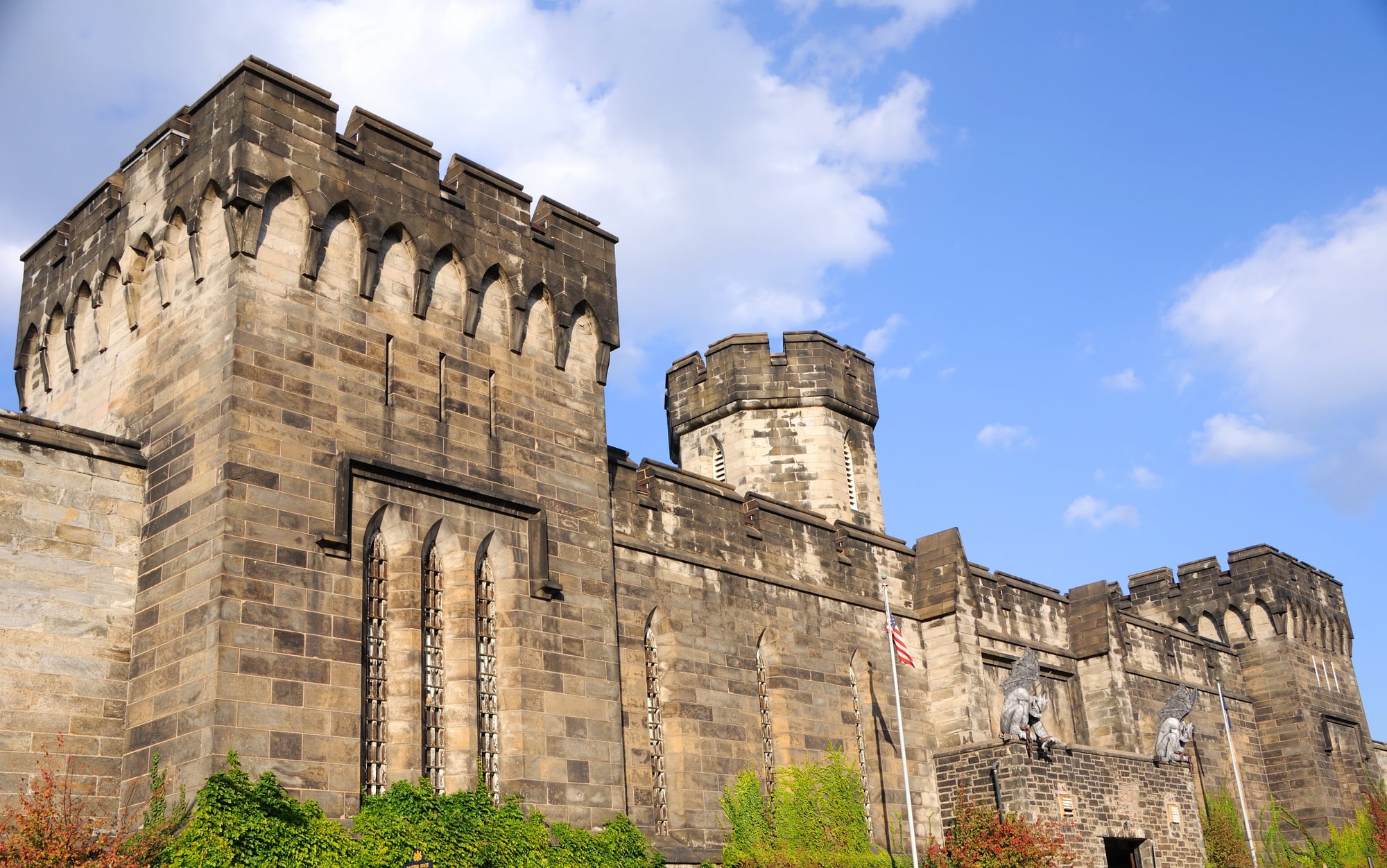
The philosophy was simple enough: complete isolation would force criminals to confront their sins and emerge reformed. In practice, this meant prisoners spent years in cells designed to prevent any human contact, with meals passed through slots and exercise conducted in individual concrete yards surrounded by walls too high to see over.
The system worked exactly as intended — it drove inmates insane with ruthless efficiency, creating a production line of psychological destruction that operated for nearly 150 years before finally shutting down in 1971.
What remains now is a crumbling monument to systematic cruelty, where cell blocks stretch in perfect straight lines like spokes on a wheel, and the central rotunda allows guards (or in this case, visitors) to observe every corridor simultaneously. The architecture itself was designed as a weapon against the human spirit, and time hasn’t dulled its effectiveness.
Walking through these corridors feels like being watched from multiple directions simultaneously, not because the place is haunted (though many claim it is) but because every sight line was engineered to create exactly that sensation. The building still functions as intended — it still makes people feel trapped, observed, and fundamentally alone, even when surrounded by other visitors.
Sedlec Ossuary, Czech Republic
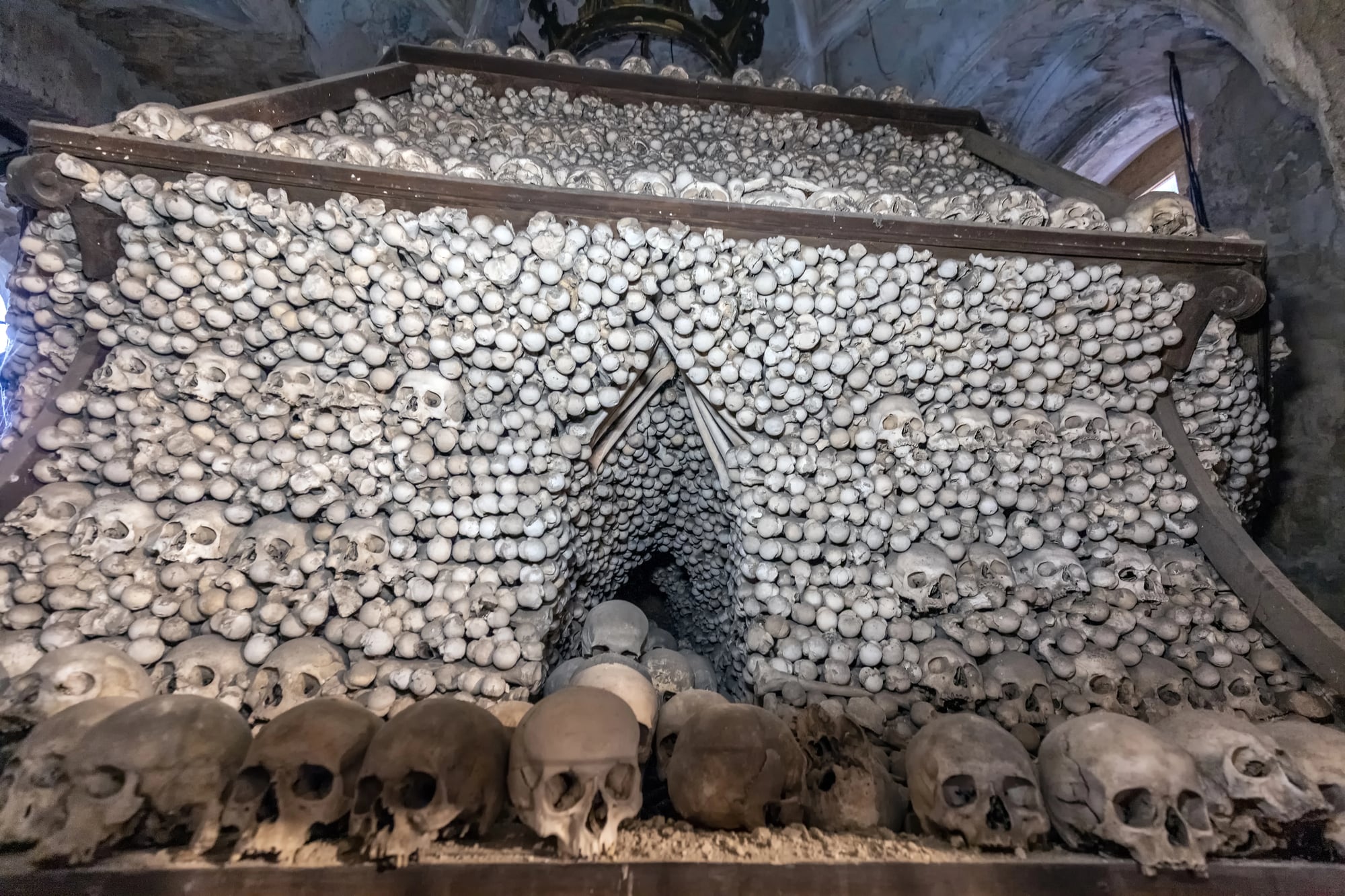
Art made from human bones crosses a line that most people didn’t realize existed. This small chapel contains the arranged skeletons of roughly 40,000 people, transformed by a 19th-century woodcarver into chandeliers, wall decorations, and furniture.
Femurs and ribcages become architectural elements. Skulls are stacked into neat pyramids that reach toward the vaulted ceiling.
The technical skill is undeniable — these arrangements required careful planning and considerable artistic vision. Each bone was cleaned, arranged, and secured into place with meticulous attention to both structural integrity and visual impact.
What makes photographs of this place particularly unsettling isn’t the presence of death, but how thoroughly death has been domesticated. Turned into décor.
Pripyat, Ukraine
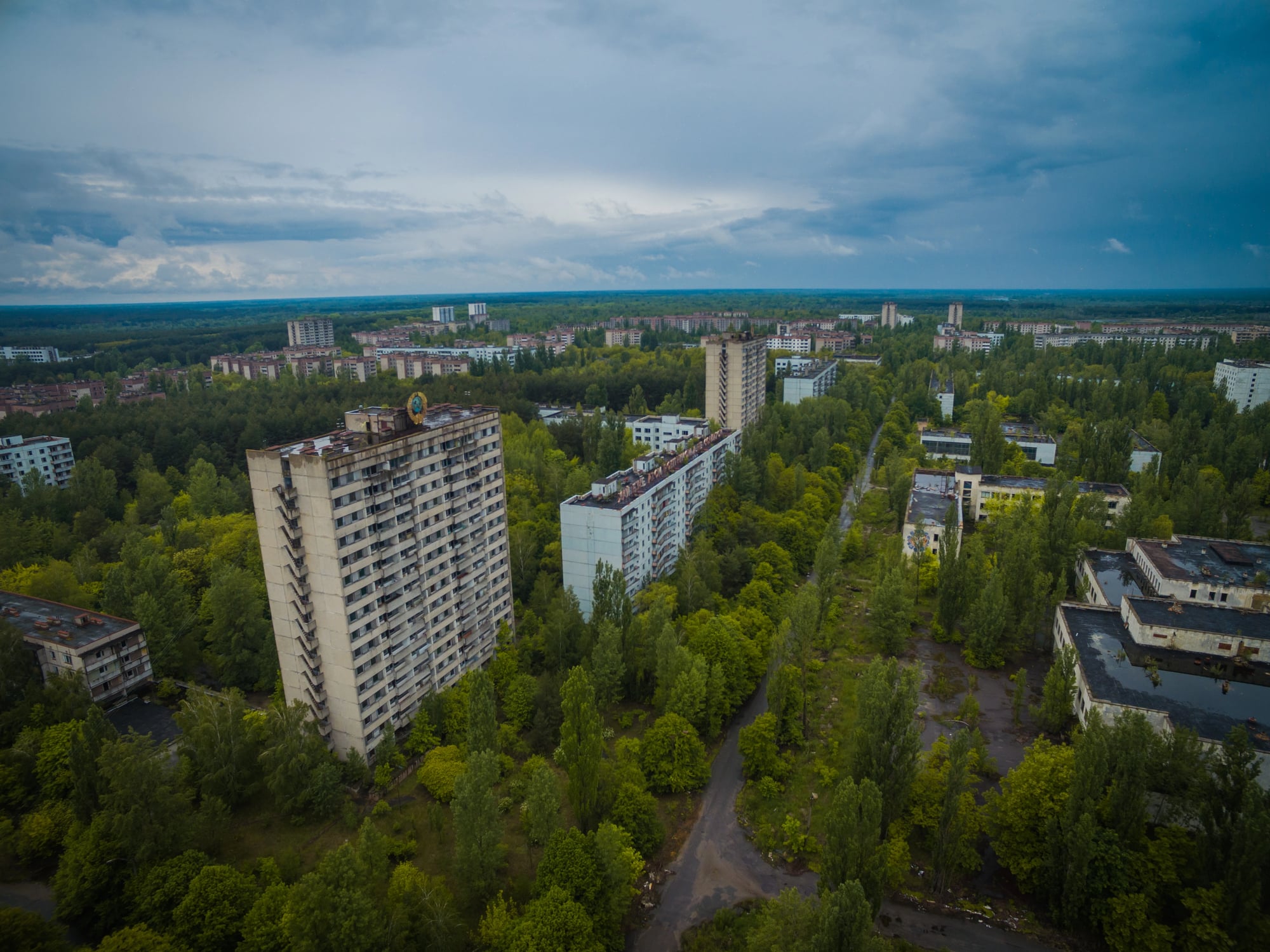
Abandonment has its own aesthetic, and Pripyat perfected it. When the Chernobyl reactor exploded in 1986, this city of 50,000 people was evacuated within 36 hours — but not before radioactive particles had settled into every surface, every piece of fabric, every toy left scattered on bedroom floors.
Nature has been reclaiming the city for nearly four decades now, but it’s doing so selectively: some buildings stand essentially unchanged while others have collapsed entirely, creating a patchwork landscape where time seems to move at different speeds depending on where someone stands (and radiation levels continue to fluctuate unpredictably, with certain areas remaining lethal while others have dropped to relatively safe levels, though “safe” in this context still means visitors are limited to brief, carefully monitored tours).
The famous amusement park — constructed for a May Day celebration that never happened — has become the visual shorthand for the entire disaster, its rusted Ferris wheel and bumper cars serving as monuments to interrupted lives and derailed futures.
So the photographs capture something uniquely modern: a place where human civilization simply stopped, mid-sentence, and never resumed the conversation.
Catacomb Of The Capuchins, Palermo
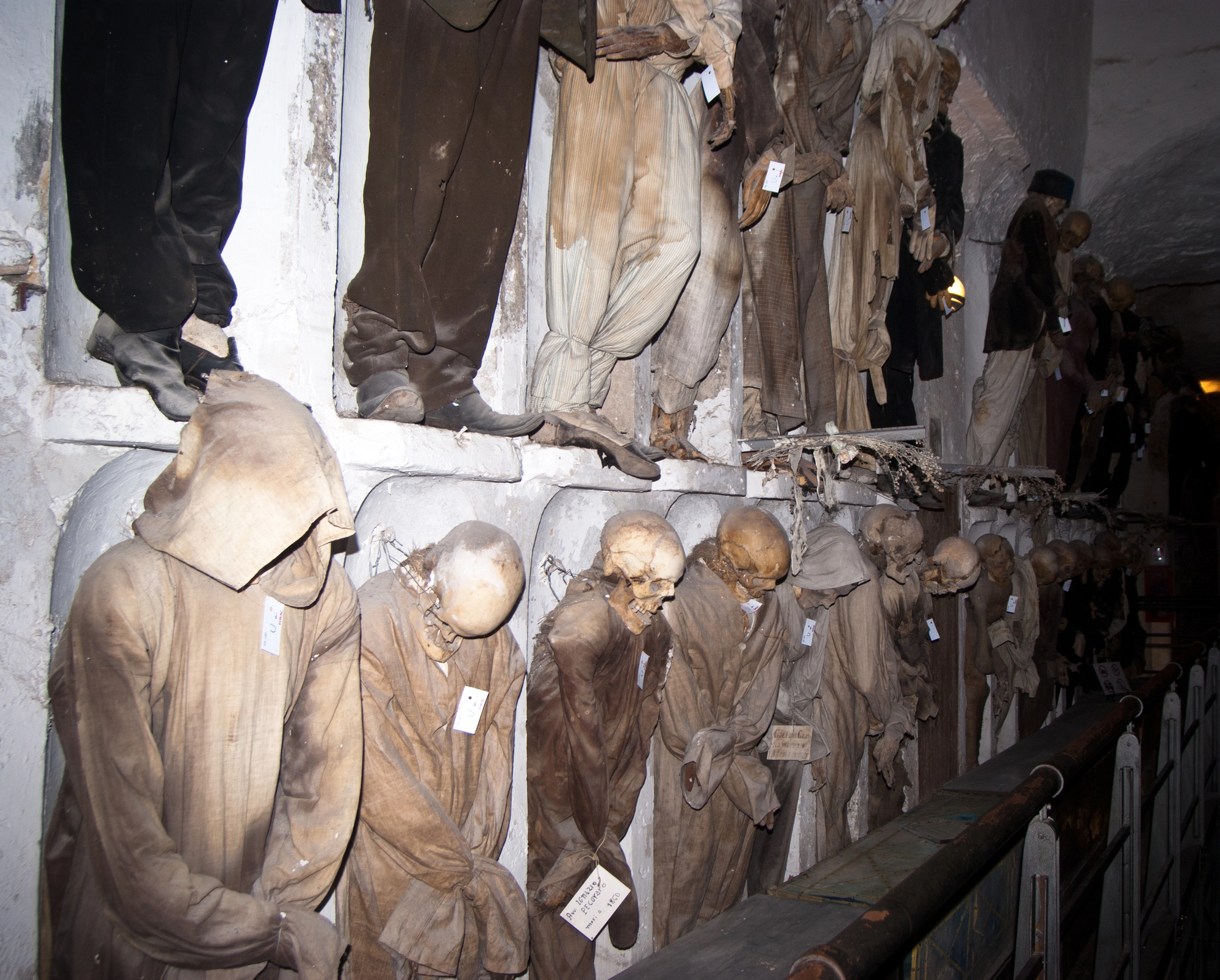
Death as a social gathering — that’s what this place represents. Roughly 8,000 mummified bodies line the walls of these underground chambers, arranged by profession, social status, and gender.
Priests in one section, aristocrats in another, children displayed separately from adults. They’re dressed in their finest clothes, positioned as if attending an eternal reception where the guest list never changes.
The preservation varies dramatically. Some bodies remain remarkably intact after centuries underground, their facial features still clearly defined.
Others have deteriorated into arrangements of cloth and bone that only barely suggest human form.
What photographs can’t convey is the scale. These aren’t isolated displays — they’re crowds of the deceased, packed together in ways that make the living visitors feel outnumbered and somehow temporary.
Hashima Island, Japan
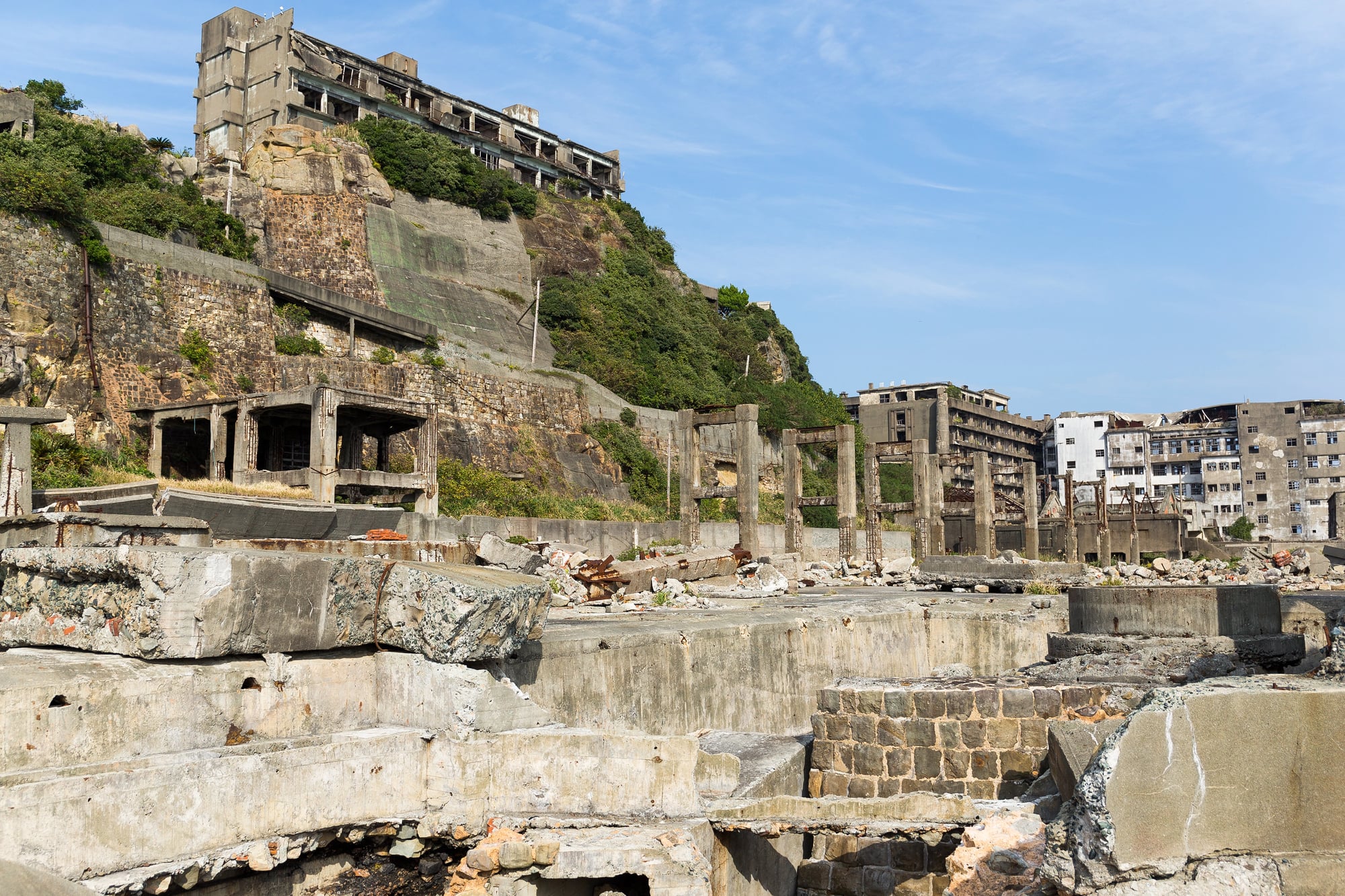
Concrete doesn’t age gracefully when it’s abandoned to the ocean. This former coal mining facility, once home to over 5,000 workers and their families, has been slowly dissolving since operations ceased in 1974.
The apartment buildings that housed the world’s most densely packed population now stand empty, their windows blown out, their walls stained with decades of salt spray and weather damage.
The island earned the nickname “Battleship Island” because of its profile on the horizon, and photographs still capture that military-industrial appearance.
But up close, the details tell a different story: personal belongings still scattered in apartments, communal baths filled with debris, and staircases that lead to floors that no longer exist.
The mining operation extracted coal from beneath the ocean floor, which means the island was built on top of a network of tunnels that extended deep under the surrounding waters.
Those tunnels are still there, slowly filling with seawater.
Bell Witch Cave, Tennessee
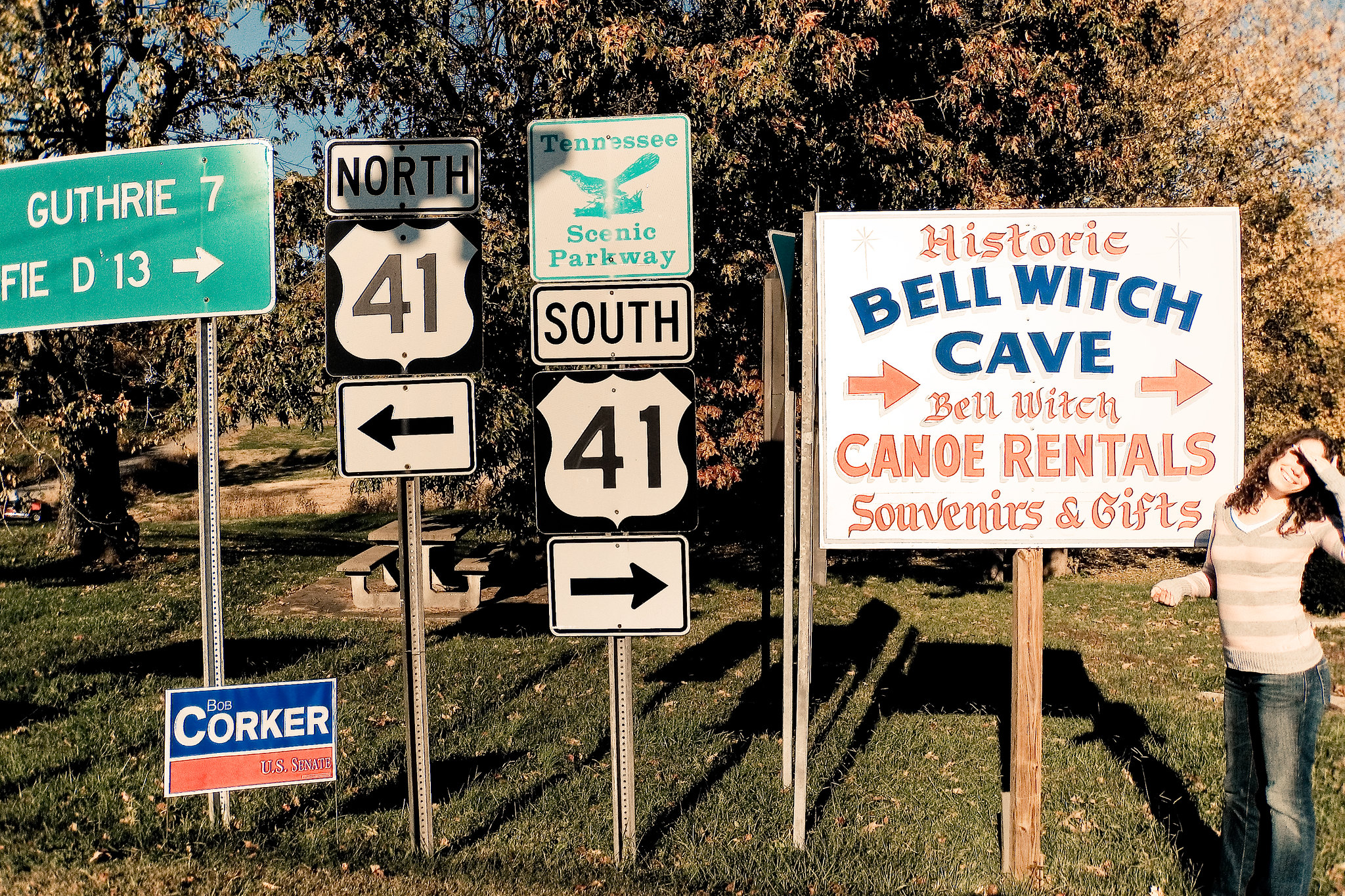
Most haunted locations trade on suggestion and atmosphere, leaving visitors to fill in the gaps with their own imagination. This cave system in Robertson County operates differently — it produces actual, measurable phenomena that nobody has adequately explained.
Electromagnetic fields fluctuate without apparent cause, temperature drops occur in isolated spots while surrounding areas remain unchanged, and recording equipment frequently malfunctions in ways that suggest deliberate interference rather than random technical failure.
The cave’s connection to the Bell family dates back to the early 1800s, when a malevolent presence allegedly tormented them for years, culminating in what many historians consider the only documented case of a supernatural entity directly causing a human death (John Bell Sr.’s mysterious illness and eventual demise, which even skeptical accounts struggle to explain through conventional means).
But the cave itself predates that story by thousands of years, and geological surveys have revealed chambers and passages that extend much deeper than originally mapped, with some sections descending to depths that remain unexplored due to structural instability and persistent equipment failures.
And yet visitors keep returning, drawn by phenomena that resist rational explanation and leave behind measurable evidence of their occurrence.
Beelitz-Heilstätten, Germany
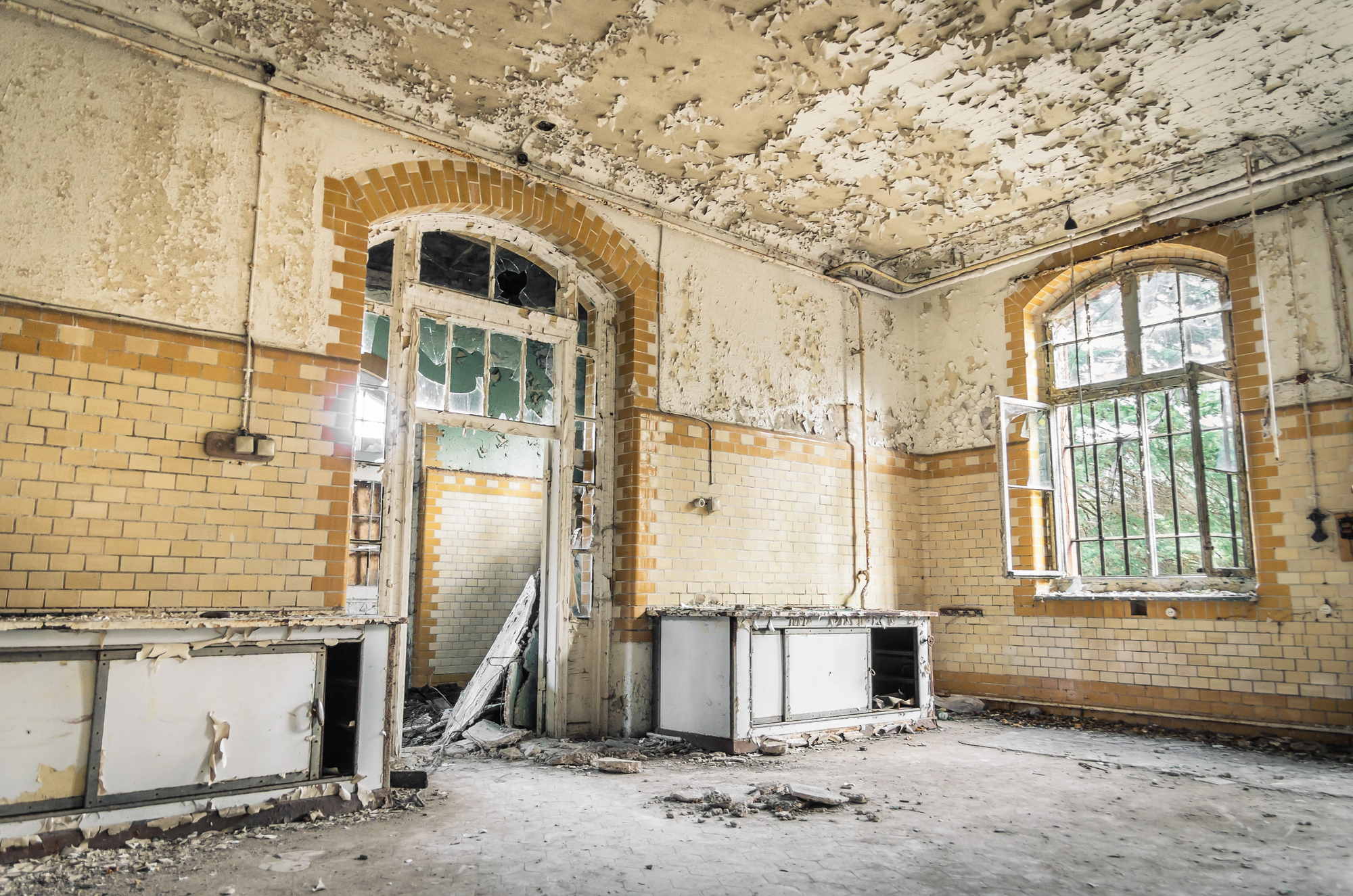
Hospital architecture from the early 20th century followed a specific philosophy: buildings should promote healing through design, with long corridors that encouraged walking, large windows that maximized natural light, and spacious wards that prevented the claustrophobic feeling of confinement.
This massive sanatorium complex, originally built to treat tuberculosis patients, embodied those principles perfectly — and continues to do so even now, decades after its abandonment.
The irony is that these healing spaces have become some of the most unsettling locations in Europe, their original therapeutic purpose perverted by time and decay into something that feels actively hostile to human presence.
Walking through these corridors, past operating theaters where surgical equipment still sits on rusted tables and patient rooms where personal belongings remain scattered on the floors, creates a sensation that’s difficult to describe accurately.
It’s not fear, exactly, but something closer to profound unease — as if the building itself remembers its original purpose but has forgotten how to fulfill it properly.
Château De Brissac, France
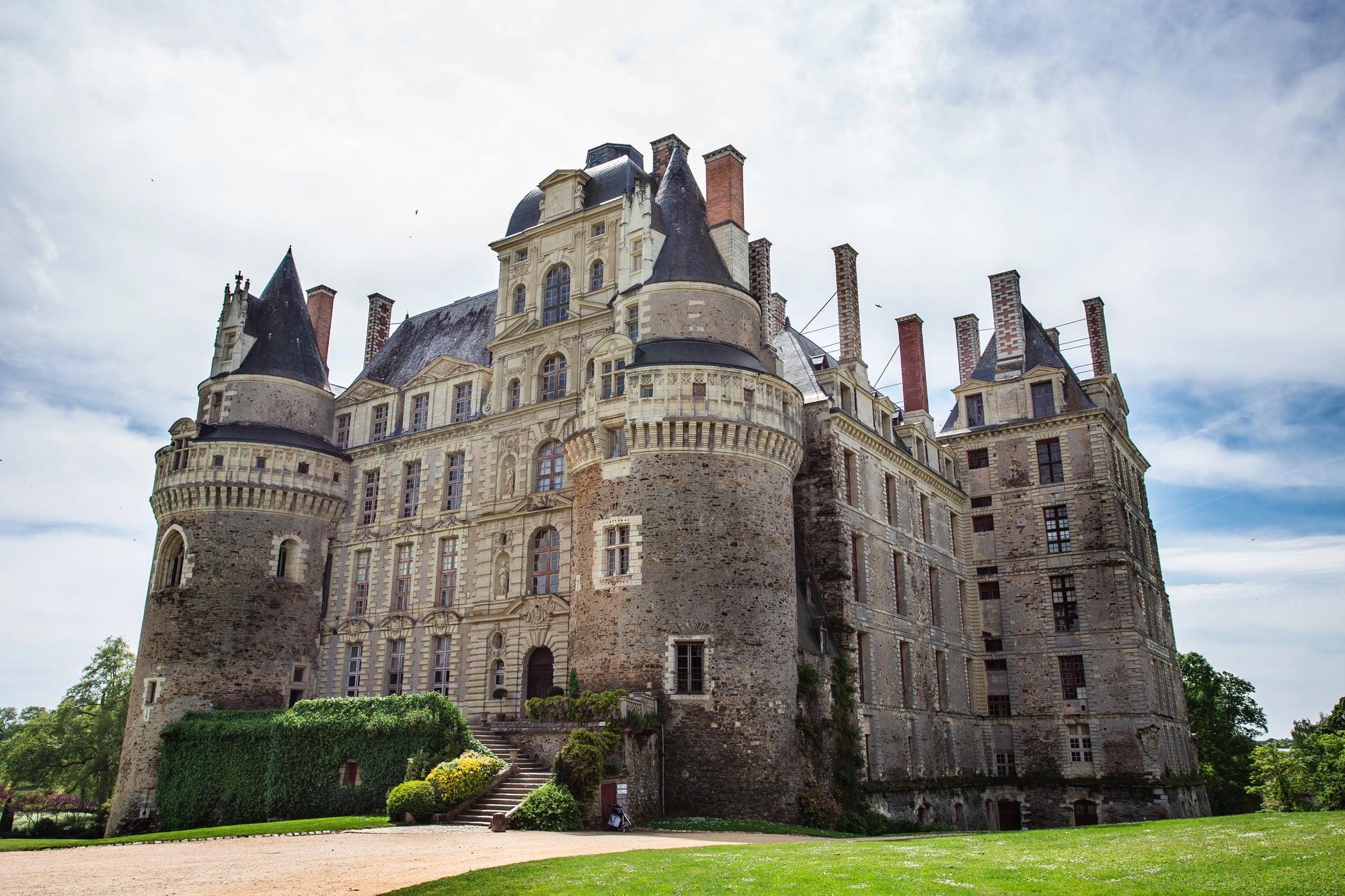
Seven floors, 204 rooms, and one occupant who never left. The Green Lady of Brissac appears regularly enough that the current owners treat her as a permanent resident rather than an occasional visitor.
She favors the tower room on the fourth floor, though guests report encounters throughout the château.
Her face presents the main problem. Witnesses consistently describe the same unsettling detail: where her eyes and nose should be, there’s only darkness.
Empty sockets in an otherwise clearly defined face.
She wears period clothing that places her somewhere in the 16th or 17th century, and she moves through the château as if she belongs there more than anyone else.
The family doesn’t discourage discussion of these encounters. They’ve learned that denial serves no purpose when guests routinely report identical experiences.
Waverly Hills Sanatorium, Kentucky
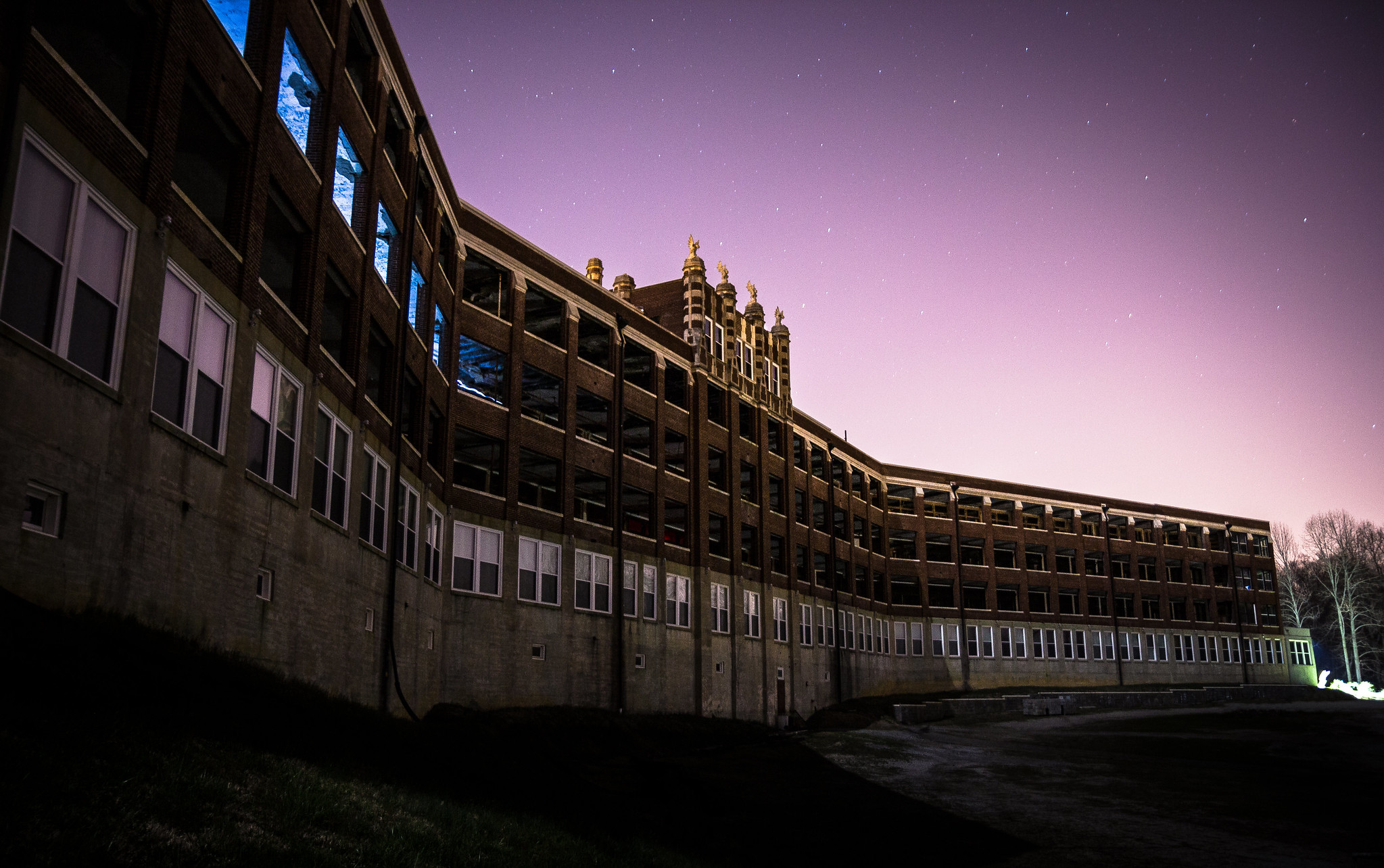
Tuberculosis killed more than one million people annually in the early 1900s, and this sanatorium was built to house patients who had no realistic hope of recovery. The design reflected that grim reality: patient rooms lined long corridors that facilitated efficient care for the dying, surgical suites equipped for experimental procedures that rarely succeeded, and a body chute — officially called the “death tunnel” — that allowed staff to remove corpses without other patients witnessing the constant parade of mortality.
An estimated 63,000 people died within these walls over the facility’s operational period.
That number alone explains why Waverly Hills has earned its reputation as one of the most actively haunted locations in America. But statistics don’t capture the atmosphere that pervades every floor, every room, every corridor of this massive building.
The tuberculosis patients who came here knew they were unlikely to leave alive, and that knowledge seems to have saturated the building itself.
Even in broad daylight, with other visitors nearby, the place feels heavy with resigned despair.
Hanging Cemetery
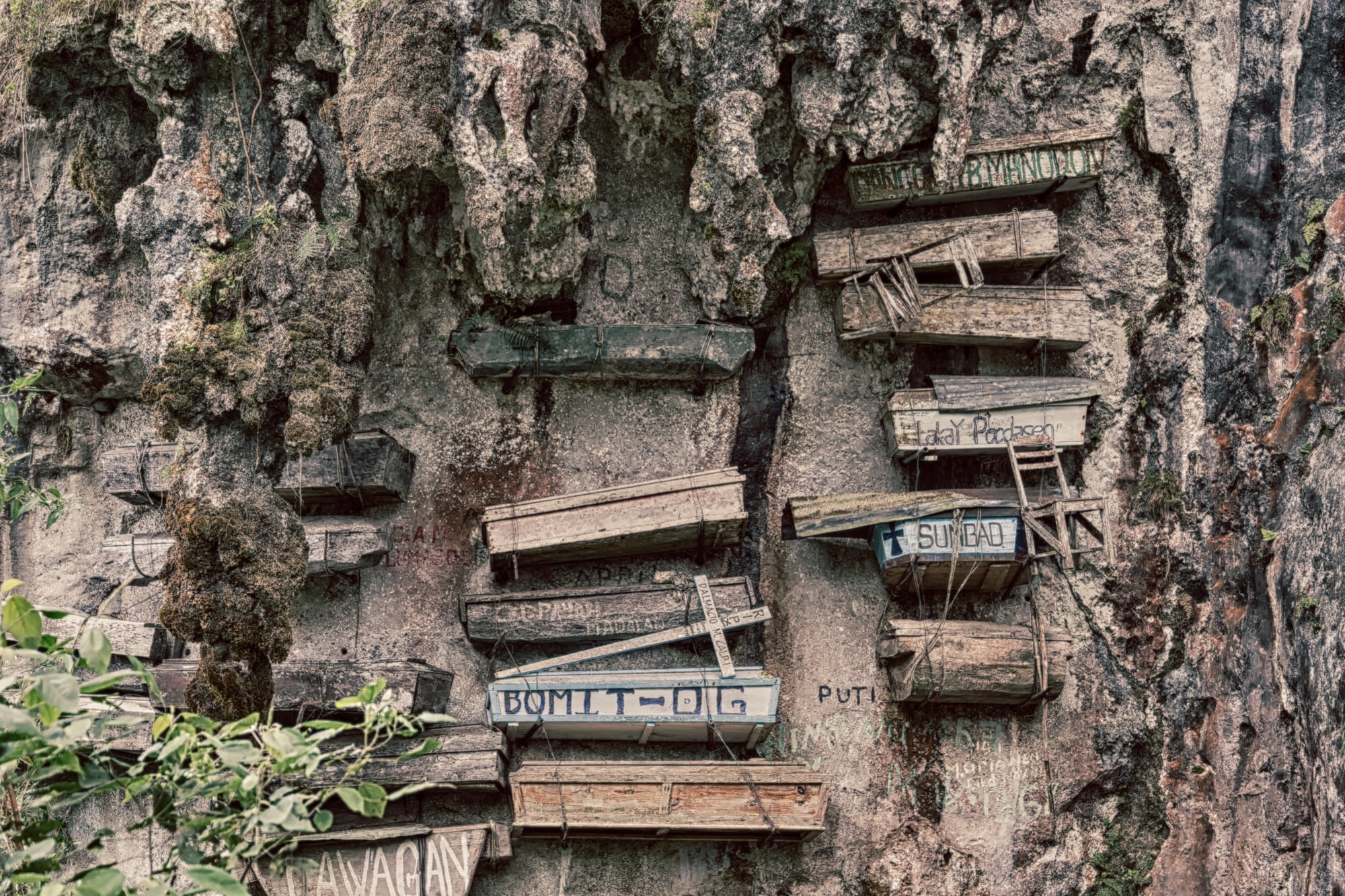
Gravity works differently here, or at least appears to. This cemetery in Clay County, Kentucky, clings to a mountainside so steep that many graves are positioned vertically rather than horizontally.
Coffins are secured with metal rods driven deep into the rock face to prevent them from sliding down the slope.
The visual effect is profoundly disturbing. Headstones jut out from the cliff at odd angles, creating the impression that the dead are standing rather than lying down.
Some graves have shifted over time, despite the metal reinforcements, leaving coffins partially exposed and tilted at angles that suggest the occupants are trying to climb out.
Weather erosion has made the problem worse over the decades. Heavy rains regularly expose more of the coffins, and the access path has become treacherous enough that visitors risk joining the cemetery’s permanent residents if they lose their footing.
When Places Remember Everything
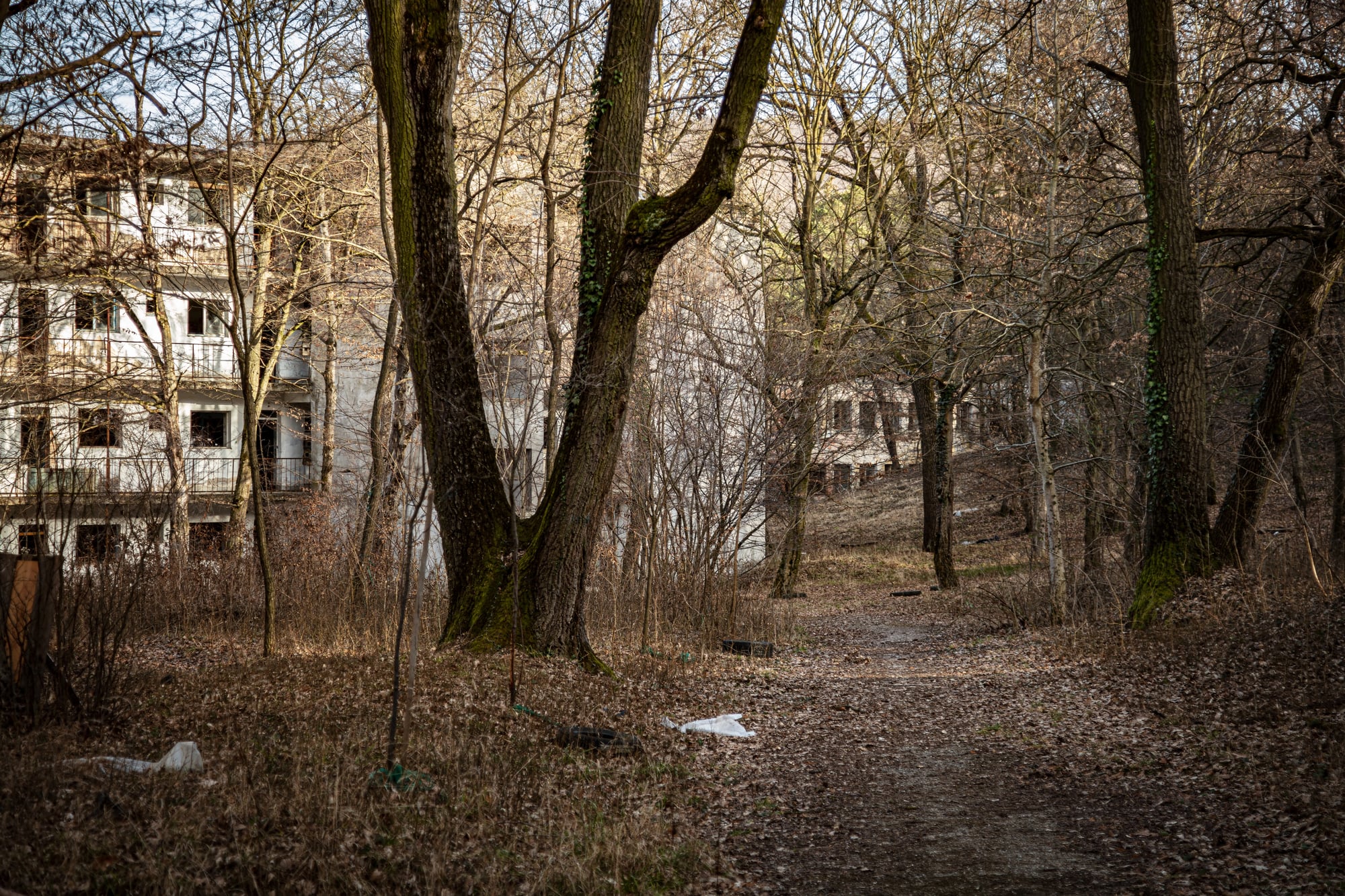
Perhaps the most unsettling aspect of these locations isn’t what makes them frightening — it’s how they continue to function exactly as they always have. The Island of the Dolls still collects offerings from visitors who feel compelled to leave toys behind.
Poveglia’s soil still reveals bone fragments after every storm.
Aokigahara’s paths still lead people deeper into the forest than they intended to go. These places haven’t changed their essential nature just because we’ve learned to photograph them, categorize them, and visit them as tourists.
They remain what they’ve always been, indifferent to our presence and unchanged by our attention.
More from Go2Tutors!

- The Romanov Crown Jewels and Their Tragic Fate
- 13 Historical Mysteries That Science Still Can’t Solve
- Famous Hoaxes That Fooled the World for Years
- 15 Child Stars with Tragic Adult Lives
- 16 Famous Jewelry Pieces in History
Like Go2Tutors’s content? Follow us on MSN.