Unusual Facts About Kwanzaa Celebrations and Meanings
December brings a wave of holiday celebrations, and Kwanzaa stands out for reasons many people don’t fully understand. You might see the red, black, and green decorations or hear about the seven-day celebration, but the deeper meanings and surprising origins of this holiday often go unexplored.
The traditions carry specific intentions that differ from what most people assume about winter holidays, and the way families celebrate varies more widely than you’d expect.
Born in California, Not Africa

Kwanzaa started in 1966 in Los Angeles. Dr. Maulana Karenga created it during a period of intense social change in America, following the Watts riots and amid the civil rights movement.
This makes Kwanzaa younger than many people celebrating it today. The holiday emerged as a response to what Karenga saw as a need for African Americans to reconnect with African heritage and values.
He wasn’t trying to replace Christmas or create a religious observance. Instead, he wanted to establish a cultural celebration that would bring communities together around shared principles.
The timing—December 26 through January 1—was deliberate. It falls between Christmas and New Year’s Day, creating its own space in the holiday season without directly competing with religious observances.
Some families celebrate both Kwanzaa and Christmas without any contradiction, since they serve different purposes.
Why Swahili
The choice of Swahili for Kwanzaa’s terminology surprises some people. Swahili isn’t widely spoken in West Africa, where many African Americans trace their ancestry.
But Karenga selected it because Swahili serves as a Pan-African language, spoken across multiple countries in East Africa and used as a lingua franca in trade and cultural exchange. The word “Kwanzaa” itself comes from “matunda ya kwanza,” which means “first fruits” in Swahili.
This connects the celebration to harvest festivals throughout Africa, where communities gather after the harvest to celebrate abundance and give thanks. The extra “a” in Kwanzaa was added so that the name would have seven letters, matching the seven principles at the heart of the celebration.
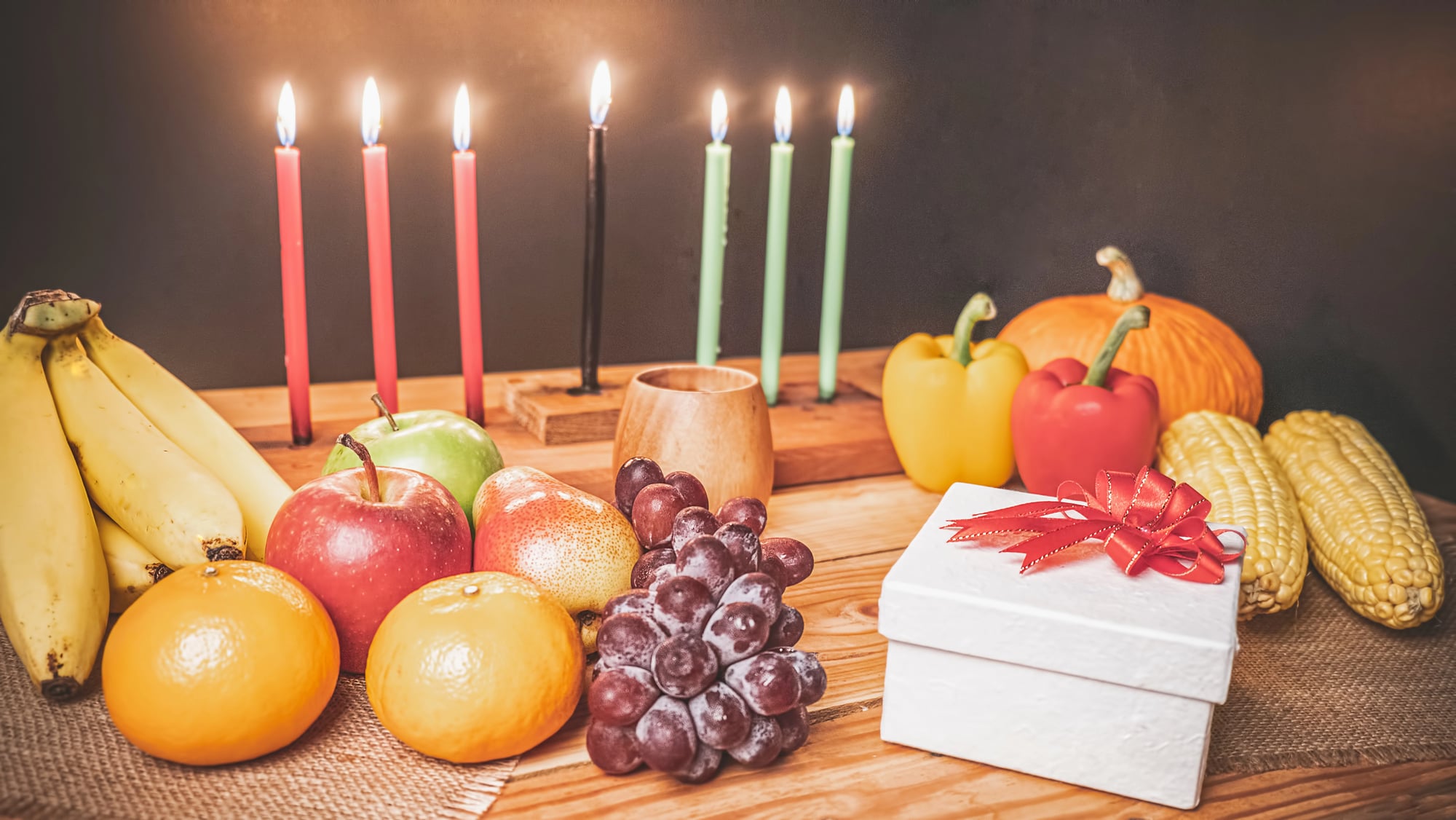
Every symbolic item used during Kwanzaa has a Swahili name. The candle holder is a kinara.
The mat is a mkeka. The corn is muhindi.
This linguistic consistency reinforces the connection to African heritage, even if most celebrants don’t speak Swahili in their daily lives.
Seven Principles Shape Everything
The Nguzo Saba—the seven principles—form the foundation of Kwanzaa. Each day focuses on a different principle: Umoja (unity), Kujichagulia (self-determination), Ujima (collective work and responsibility), Ujamaa (cooperative economics), Nia (purpose), Kuumba (creativity), and Imani (faith).
These aren’t just abstract concepts. Families discuss them during nightly candle-lighting ceremonies.
You’re supposed to think about how you’ve applied each principle in your life and how you can do better. Children learn the principles through stories, activities, and conversation rather than through memorization alone.
The order matters. Starting with unity makes sense—you need that foundation before you can move forward with the other principles.
Ending with faith (not necessarily religious faith, but faith in people, ideals, and the future) provides a hopeful conclusion to the week-long celebration.
The Kinara Design Has Meaning

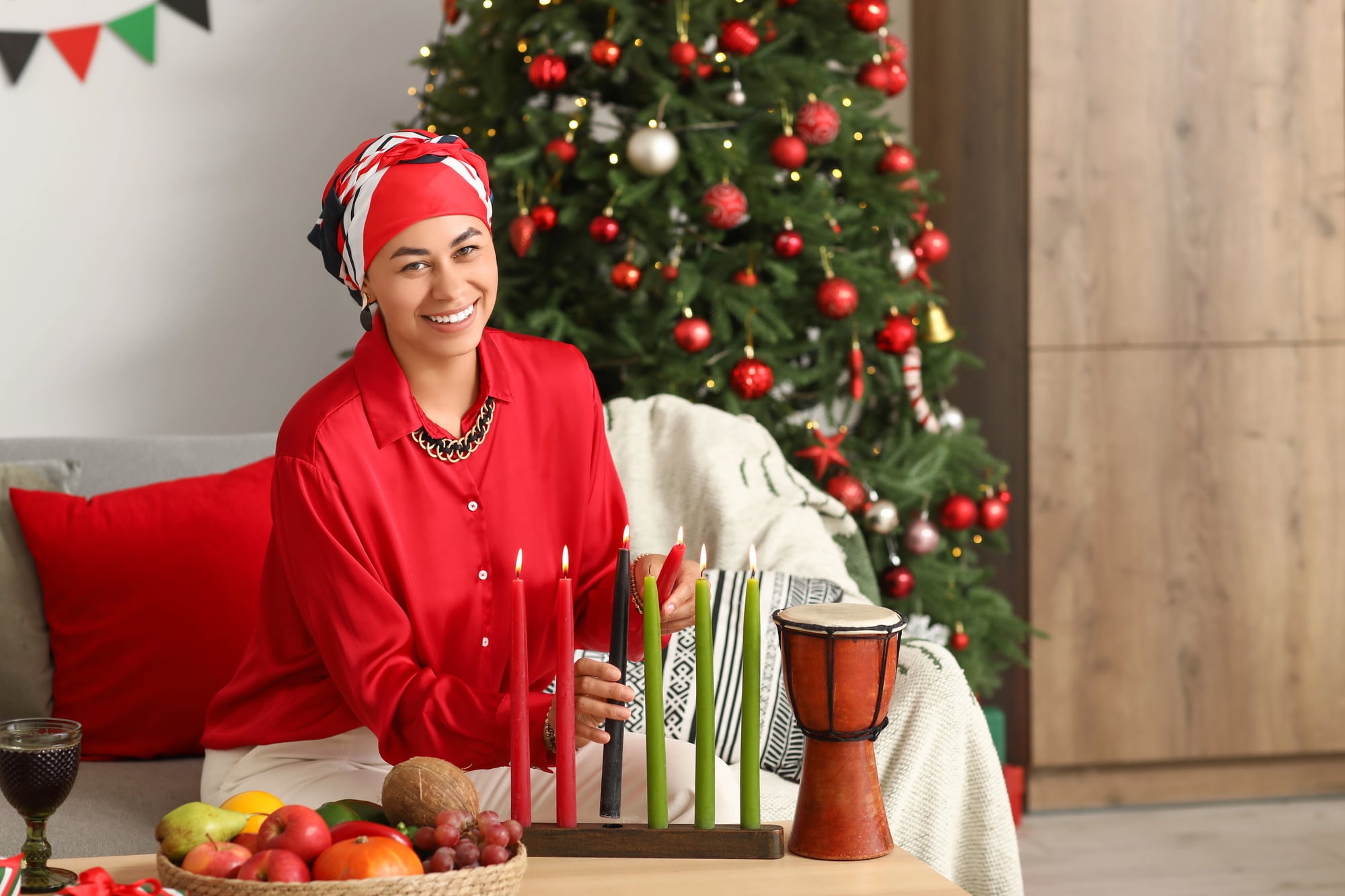
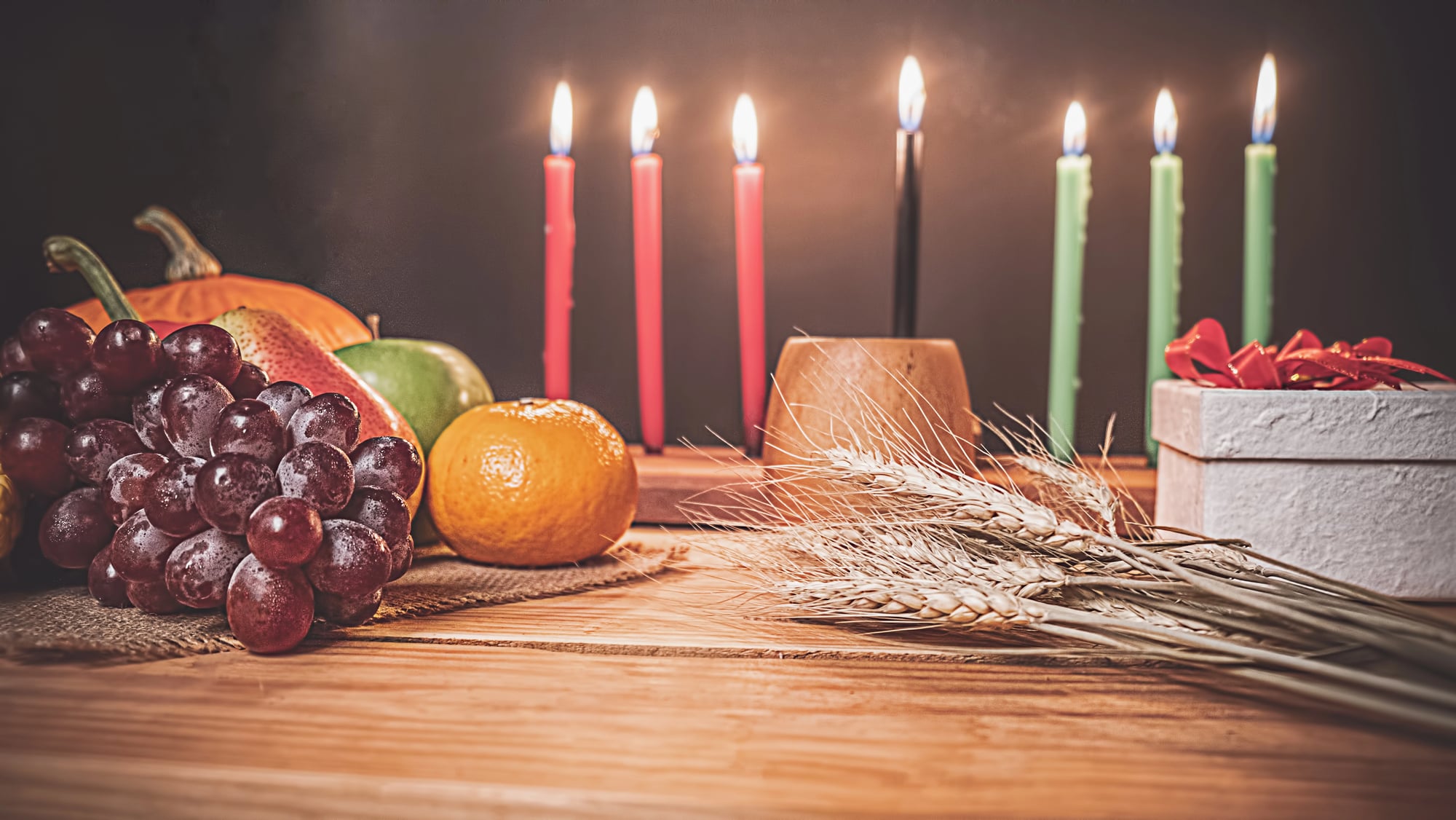
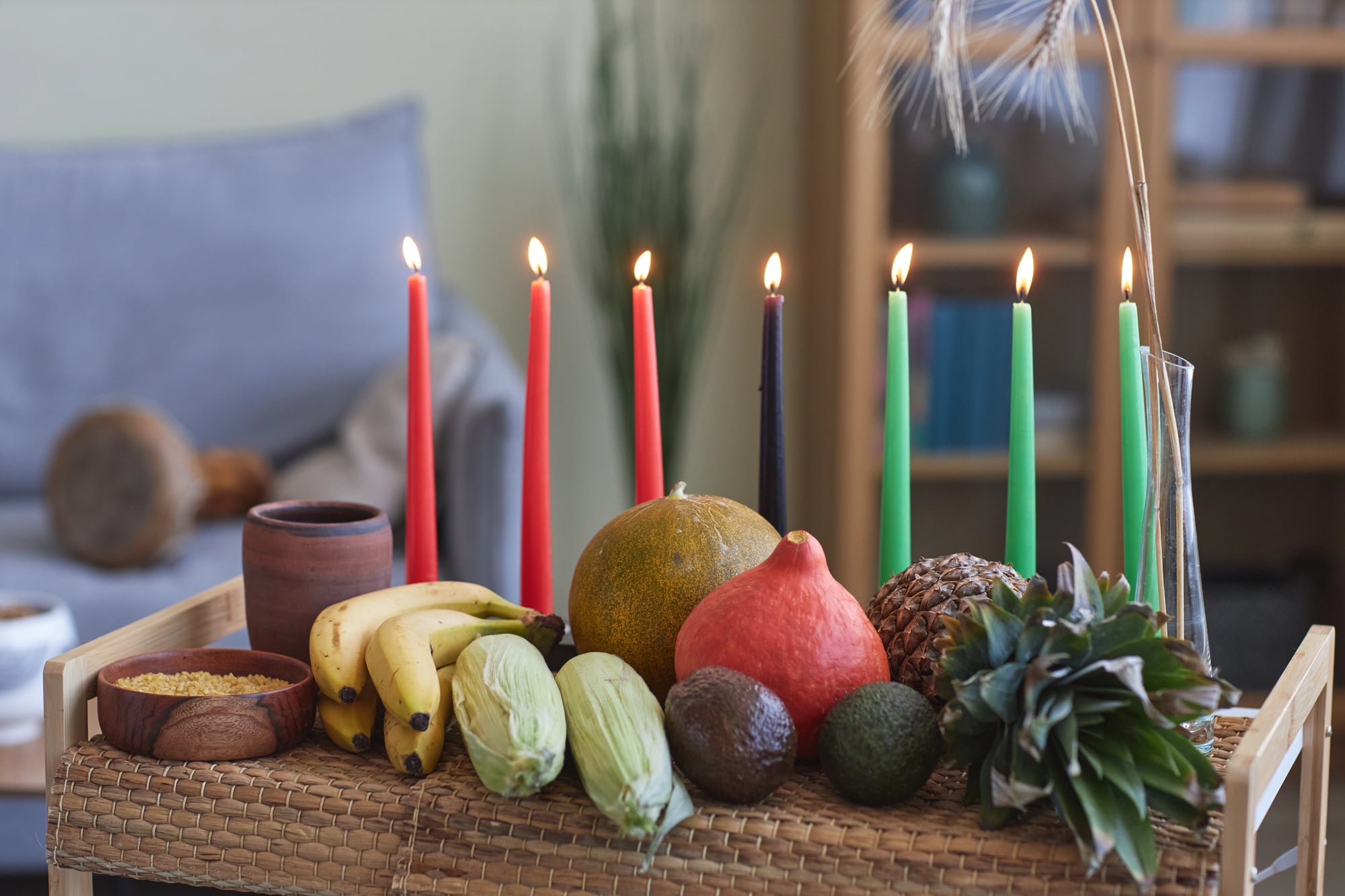
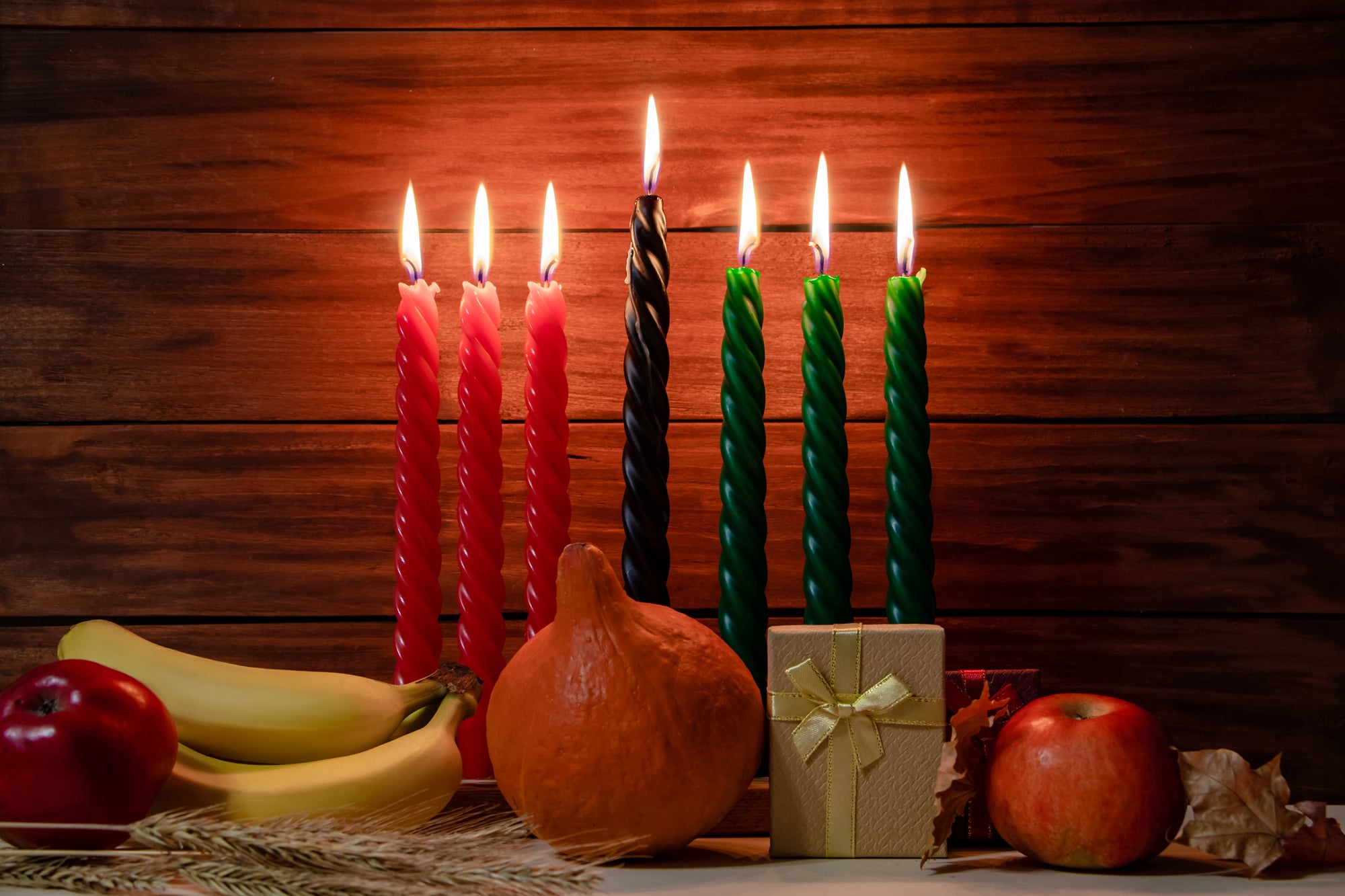
The kinara holds seven candles, but the arrangement isn’t random. Three red candles go on the left, three green candles on the right, and one black candle stands in the center.
You light the black candle first on the first night, then alternate between red and green candles on subsequent nights. The black candle represents the people.
The red candles symbolize struggle. The green candles stand for the future and hope.
This color scheme comes from the Pan-African flag created by Marcus Garvey in 1920, connecting Kwanzaa to earlier movements for Black liberation and unity. Unlike a menorah, where you add a new candle each night, the kinara has all seven candles from the start.
You just light them progressively, which creates a different kind of symbolism. Everything you need is already present—you’re revealing it gradually rather than adding to it.
Not a Religious Holiday
Kwanzaa gets mistaken for a religious celebration, probably because it happens during a season dominated by religious holidays. But Karenga designed it specifically as a cultural rather than religious observance.
People of any faith can celebrate Kwanzaa, and many do. The seventh principle, Imani (faith), sometimes confuses people.
But it refers to faith in your community, your ancestors, your culture, and your ability to create positive change. It doesn’t require belief in any particular deity or religious tradition.
This distinction matters to celebrants who want to honor their heritage without mixing it with their religious practices. A Muslim family can celebrate Kwanzaa.
So can an atheist family. The focus stays on culture, values, and community rather than on spiritual or religious doctrine.
The Karamu Feast Brings Everyone Together

The karamu happens on December 31, the sixth day of Kwanzaa. This feast celebrates community and African heritage through food, music, and storytelling.
Unlike a typical family dinner, the karamu invites extended family, friends, and community members to participate. The menu often includes traditional African and African American dishes, but there’s no set requirements.
You might see jollof rice alongside collard greens and sweet potato pie. The point is sharing food that connects to heritage in some way, whether through ingredients, cooking methods, or family traditions.
Music and performances make the karamu more than just a meal. People share stories about ancestors and community heroes.
Children perform. Adults might read poetry or lead discussions about the principles.
The celebration can last for hours, building community bonds through shared experience.
Zawadi Aren’t Like Other Gifts
Gifts during Kwanzaa—called zawadi—come with specific intentions. They’re given on January 1, the last day of Kwanzaa, and they’re supposed to reward achievements and promote growth.
This differs from the “just because” gift-giving of other holidays. Traditional zawadi include books, African art, and handmade items.
The emphasis falls on educational and cultural gifts rather than expensive commercial products. Many families require children to earn their zawadi through demonstrated commitment to the principles throughout the year.
Some families only give zawadi to children, not adults. Others exchange modest gifts among all family members.
The flexibility allows each family to adapt the tradition to their circumstances while maintaining the core idea that gifts should have meaning beyond material value.
The Mkeka Holds Everything
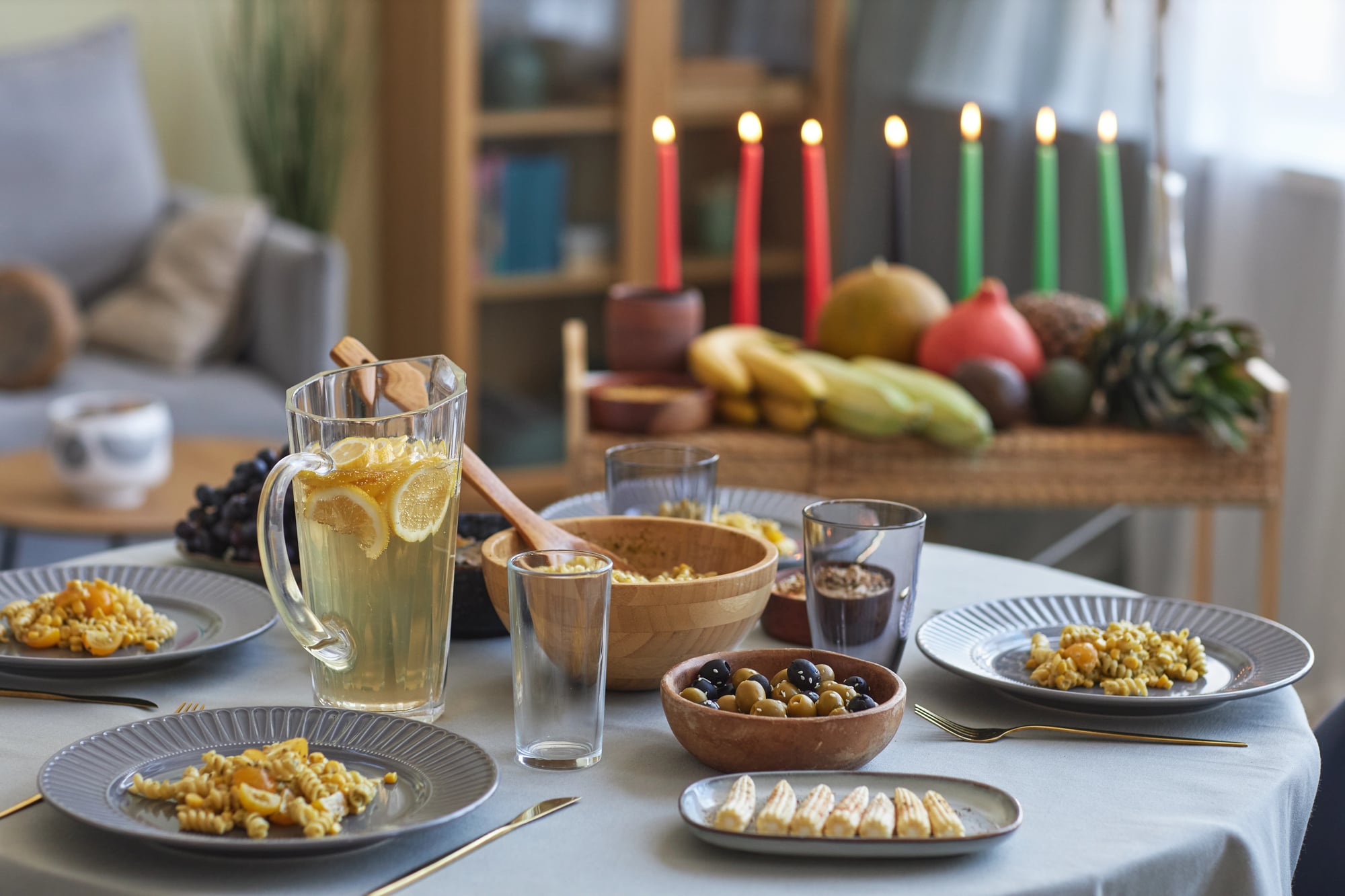
The mkeka is a straw mat, and everything else in the Kwanzaa display sits on it. This placement isn’t just practical—it symbolizes foundation and tradition.
The mat represents the historical and cultural foundation that supports everything else in life. Some families use traditional African woven mats.
Others make their own from straw, fabric, or paper. The act of creating a mkeka together can become a family tradition that reinforces the principles of creativity and collective work.
The mkeka gets placed on a table where everyone can see it. The kinara sits on it, along with corn, fruit, and other symbolic items.
At the end of Kwanzaa, some families fold the mkeka carefully and store it for next year, while others give it away or recycle it, planning to make a new one the following December.
One Ear of Corn for Each Child

The number of ears of corn (muhindi) on the mkeka corresponds to the number of children in the household. If you have three children, you place three ears of corn.
No children means two ears, representing the potential for children and the children of the community. Corn symbolizes children because African harvest festivals celebrated the fertility of both the land and the people.
Children represent the future, and their presence ensures the continuation of culture and community values. Fresh corn works best, but dried corn is acceptable and more practical for display throughout the seven days.
Some families cook the corn and eat it during the karamu, turning the symbol into sustenance and reinforcing the connection between symbol and reality.
The Unity Cup Serves Everyone
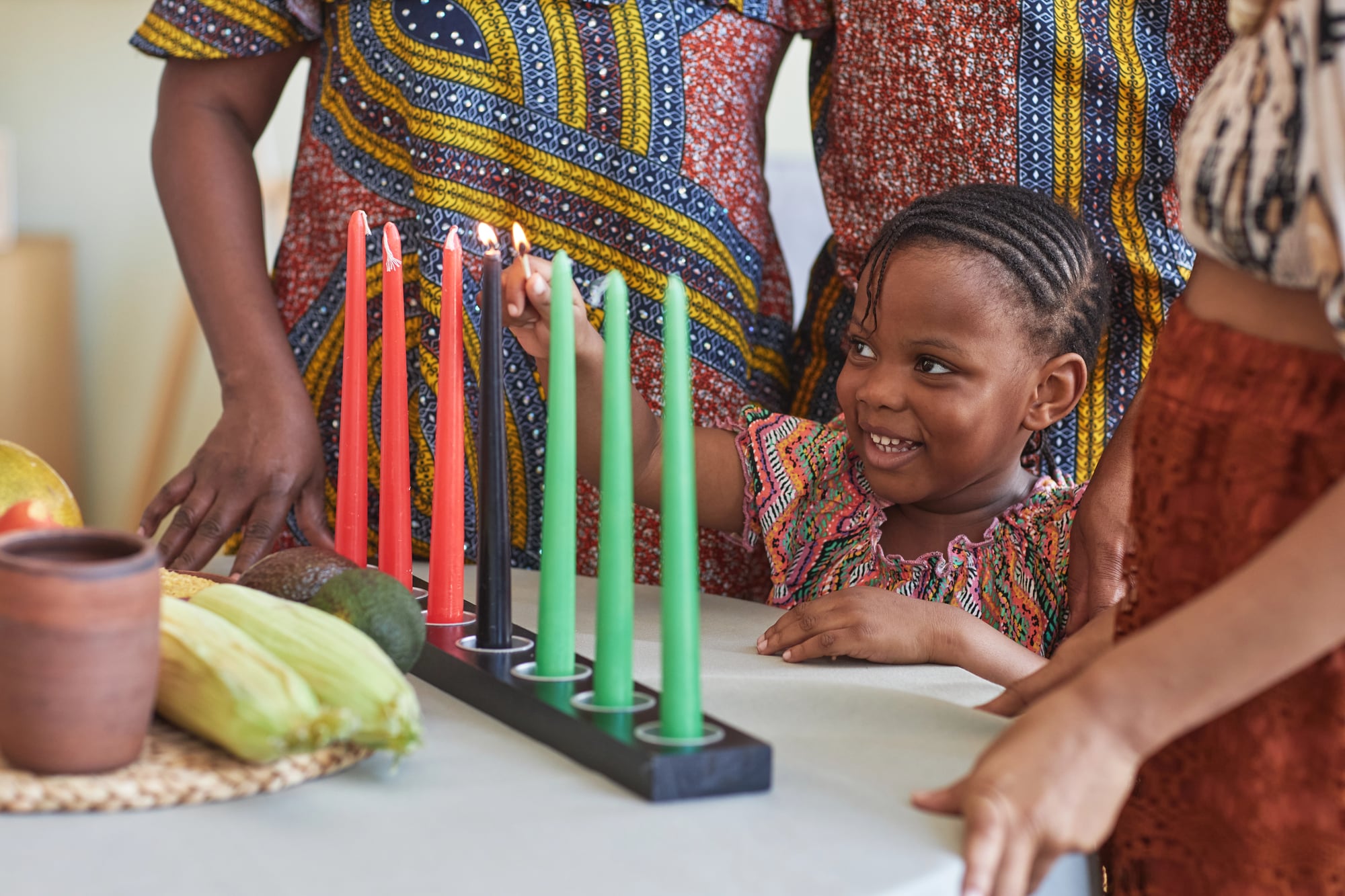
The kikombe cha umoja—the unity cup—gets filled with water, juice, or wine during the candle-lighting ceremony. The person leading the ceremony drinks from it first, then passes it to others.
Everyone drinks from the same cup to reinforce the principle of unity. Before drinking, celebrants pour a small amount of liquid onto the mkeka or into a bowl as a libation for the ancestors.
This practice honors those who came before and acknowledges their ongoing presence in the lives of their descendants. The cup itself can be any style—ornate, simple, traditional, contemporary.
What matters is the act of sharing, not the vessel. Some families use a special cup purchased for Kwanzaa, while others use a regular cup from their kitchen, emphasizing that everyday items can hold sacred meaning.
Wearing African Attire

Many families wear African-inspired clothing during Kwanzaa celebrations, especially during the karamu. This might mean traditional dashikis, kente cloth, head wraps, or contemporary clothing in the red, black, and green color scheme.
The clothing choices help create a festive atmosphere and provide a visible connection to African heritage. Children especially enjoy selecting and wearing special outfits, which turns the daily candle-lighting into an event worth dressing up for.
You don’t need expensive traditional garments to participate. Some families make their own clothing or accessories, turning the preparation into an opportunity to practice Kuumba (creativity).
Others wear regular clothes with African-inspired jewelry or accessories.
How Celebrations Have Evolved
Kwanzaa looked different in 1966 than it does now. Early celebrations were more formal and politically charged, reflecting the Black Power movement’s influence.
As the holiday spread, families adapted it to fit their own needs and circumstances. Some communities host large public Kwanzaa celebrations with hundreds of participants.
Others keep it intimate, just immediate family. Schools, libraries, and community centers hold educational events during Kwanzaa, introducing the principles and traditions to people who don’t celebrate at home.
The internet changed how people learn about and share Kwanzaa traditions. Families can find recipes, craft ideas, and ceremony guides online.
Social media lets celebrants share their setups and connect with others across the country, creating a larger sense of community around the holiday.
Regional Variations Across the Country
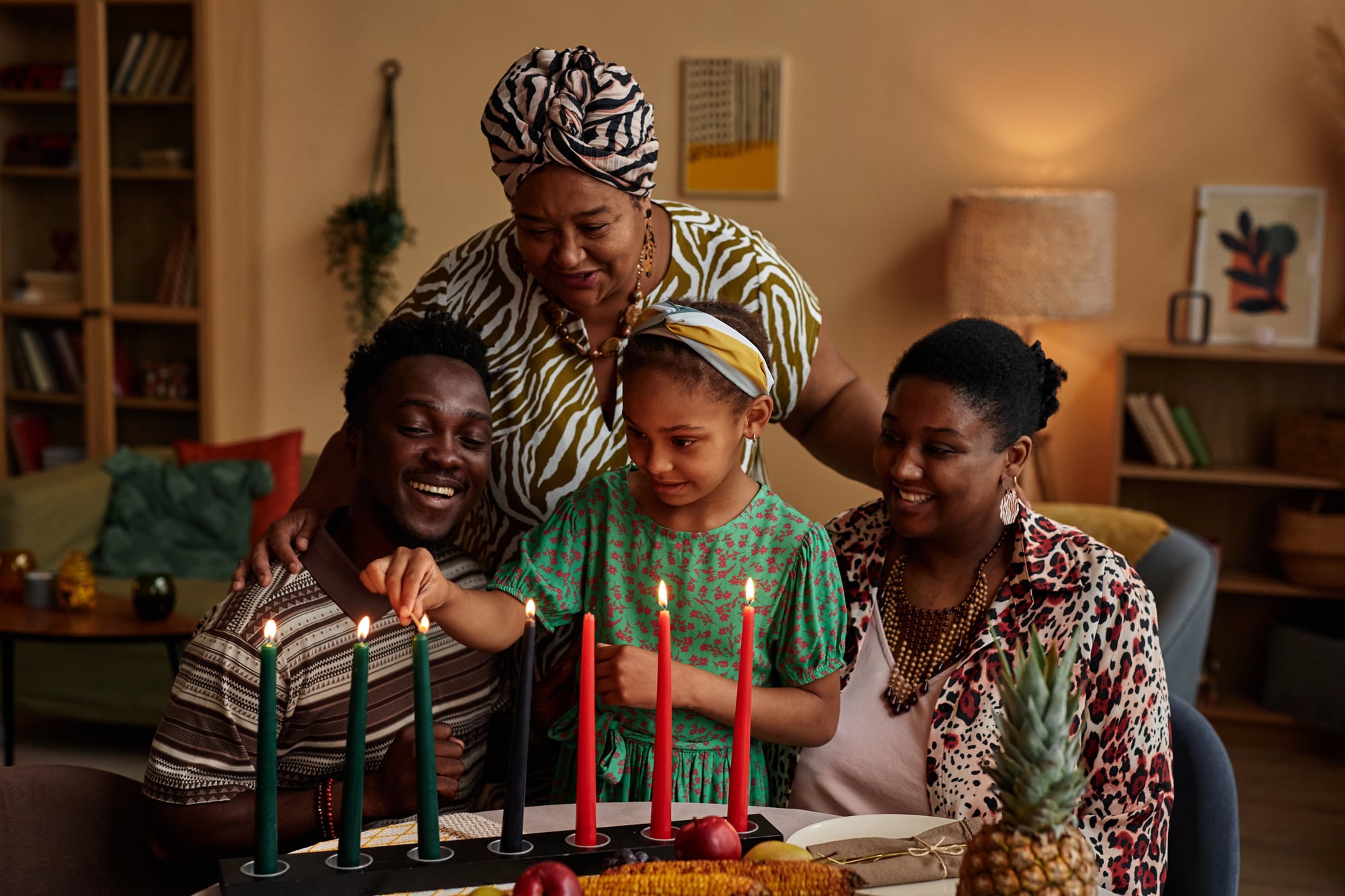
West Coast events usually highlight fairness and rights, thanks to its roots in California. Meanwhile, gatherings on the East Coast tend to stress learning plus stronger neighborhoods.
In the South, meals during karamu commonly include classic soul dishes. Cities where lots of African immigrants live often mix Kwanzaa with real harvest customs from their home nations.
So, the event becomes deeper, full of different flavors missing in regular Kwanzaa setups. The rules stay the same, yet how people live them out shifts – shaped by neighborhood ways, what’s around, also what matters most where you are.
One family’s Kwanzaa in Chicago might feel unlike others in Atlanta – or even a third in Oakland – even when each is rooted in those seven ideas.
Where Traditions Continue to Grow

Kwanzaa keeps changing when younger folks step into the spotlight. Some teens tweak old symbols to fit today’s vibe.
Crafters build fresh-looking kinaras with bold designs. New tunes mix African beats with rap or soul, thanks to creative singers.
The main ideas reach further than just Black Americans. Because schools present them as values anyone can live by.
While some non-Black households take part in Kwanzaa traditions – this sparks debate around borrowing vs respecting culture. Every family brings their own touch when they celebrate Kwanzaa.
How you see the principles, what dishes you pick for the feast, how you give gifts with meaning – each part helps grow a tradition that breathes and changes. The celebration Dr. Karenga started back in ’66 isn’t fixed – it’s yours now, reshaped by those who live it, handed down in ways he might not have pictured.
More from Go2Tutors!

- The Romanov Crown Jewels and Their Tragic Fate
- 13 Historical Mysteries That Science Still Can’t Solve
- Famous Hoaxes That Fooled the World for Years
- 15 Child Stars with Tragic Adult Lives
- 16 Famous Jewelry Pieces in History
Like Go2Tutors’s content? Follow us on MSN.