16 Most Famous Video Game Heroes
Gaming has given us characters that transcend pixels and polygons. These digital champions have become cultural touchstones, inspiring countless sequels, movies, merchandise, and memories.
They’ve shaped how we think about heroism, adventure, and storytelling itself. Some wield swords, others jump on mushrooms, and a few just want to save the world from alien invasions.
What unites them is their ability to make players care — really care — about what happens next.
Mario
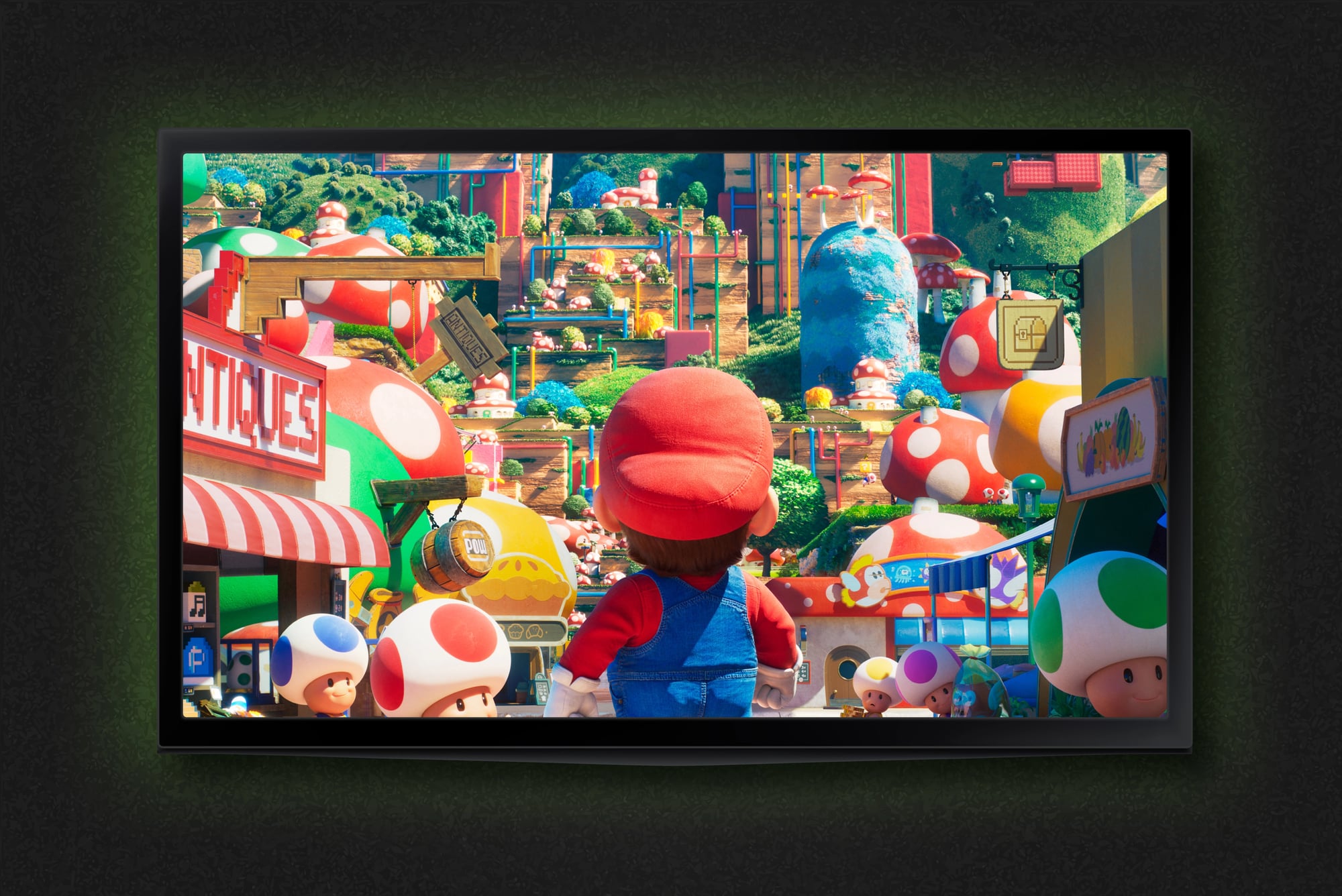
The plumber never asked to be the face of an entire industry. He just showed up, jumped on some turtles, and somehow became gaming’s most recognizable mascot.
Mario’s genius lies in his simplicity — no complex backstory, no tortured past, just a cheerful guy who saves princesses because that’s what heroes do.
Link
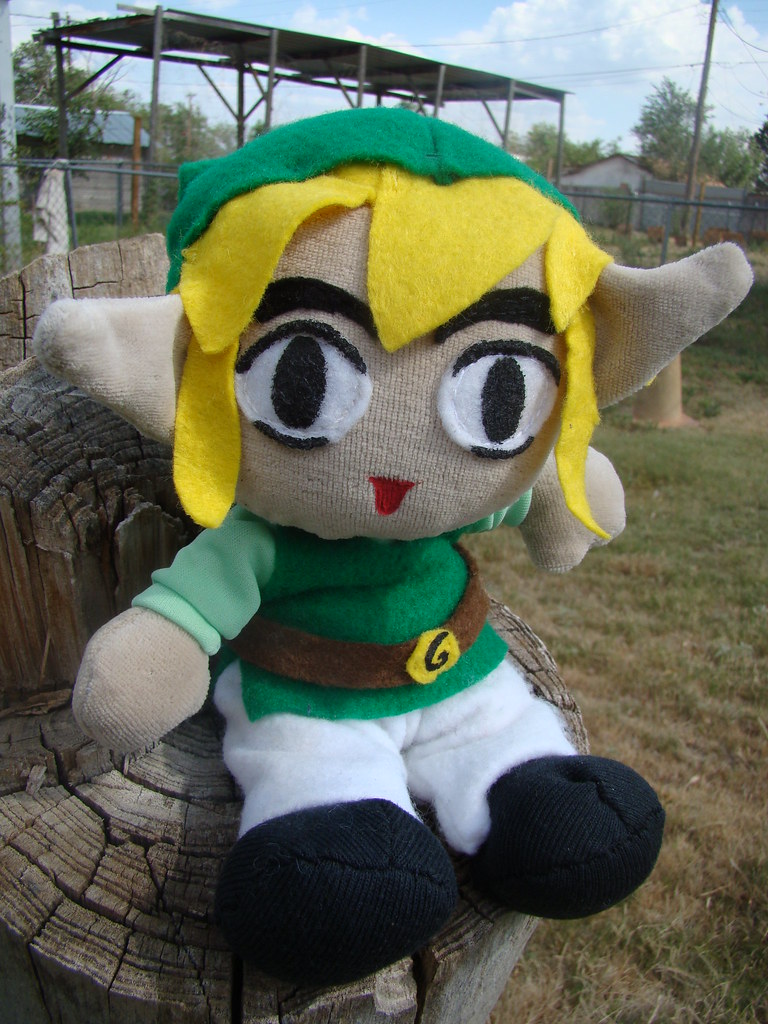
Link carries the weight of Hyrule on his shoulders and never complains about it. Silent protagonists are risky, but Link proves that actions speak louder than words.
The Master Sword, the green tunic, the pointed ears — these aren’t just design choices, they’re symbols of adventure itself.
Lara Croft
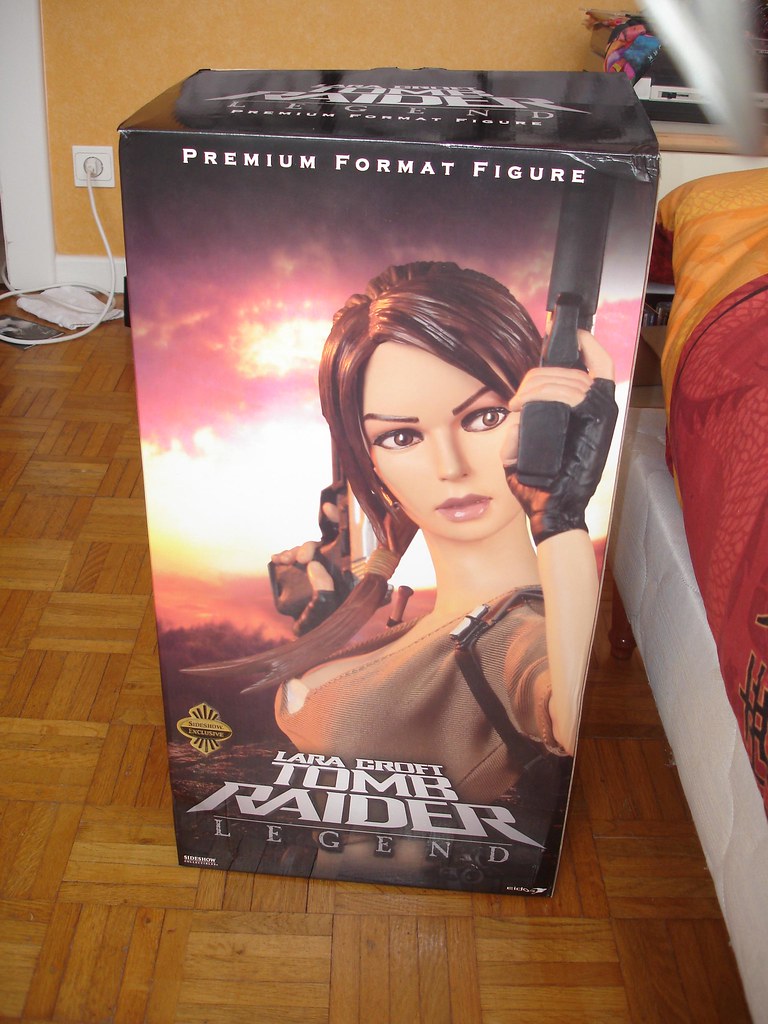
Before Lara Croft arrived (and this was back when most game protagonists looked like they’d been assembled from spare refrigerator parts), the idea of a female action hero leading a blockbuster franchise seemed revolutionary — which, looking back, says something troubling about the industry’s imagination at the time. But Lara changed everything, turning tomb raiding into an art form and proving that players didn’t need another square-jawed marine to have a good time.
She was smart, she was capable, and she could handle herself in situations that would send most heroes running for the exit. And the cultural impact? Lara didn’t just break ground for female characters in games, she practically bulldozed it.
Master Chief
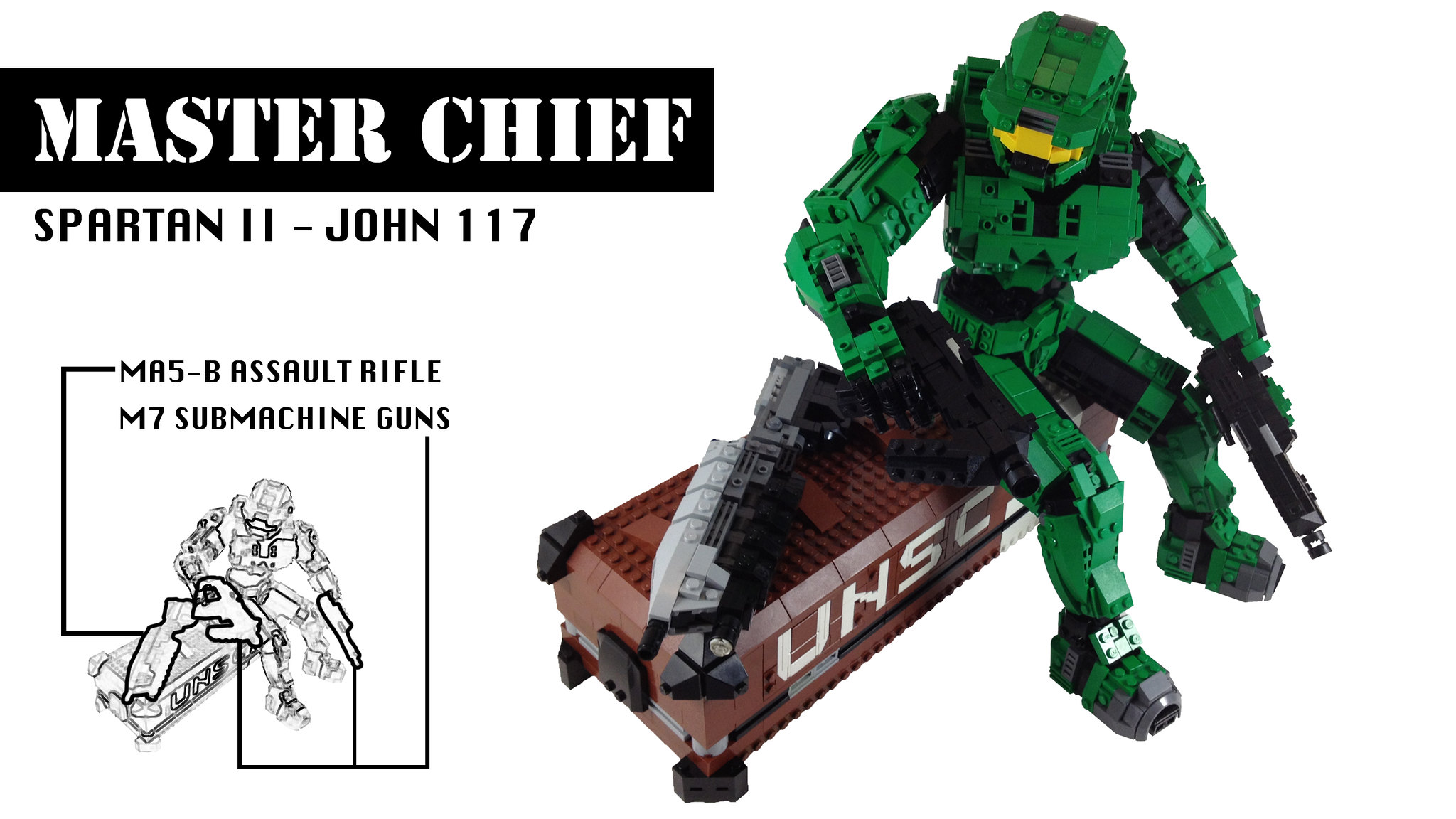
The faceless soldier became gaming’s most compelling warrior. Master Chief works because he’s both everyman and superman — a regular person enhanced beyond normal limits but still recognizably human underneath all that armor.
The mystery of his face only adds to the legend.
Kratos
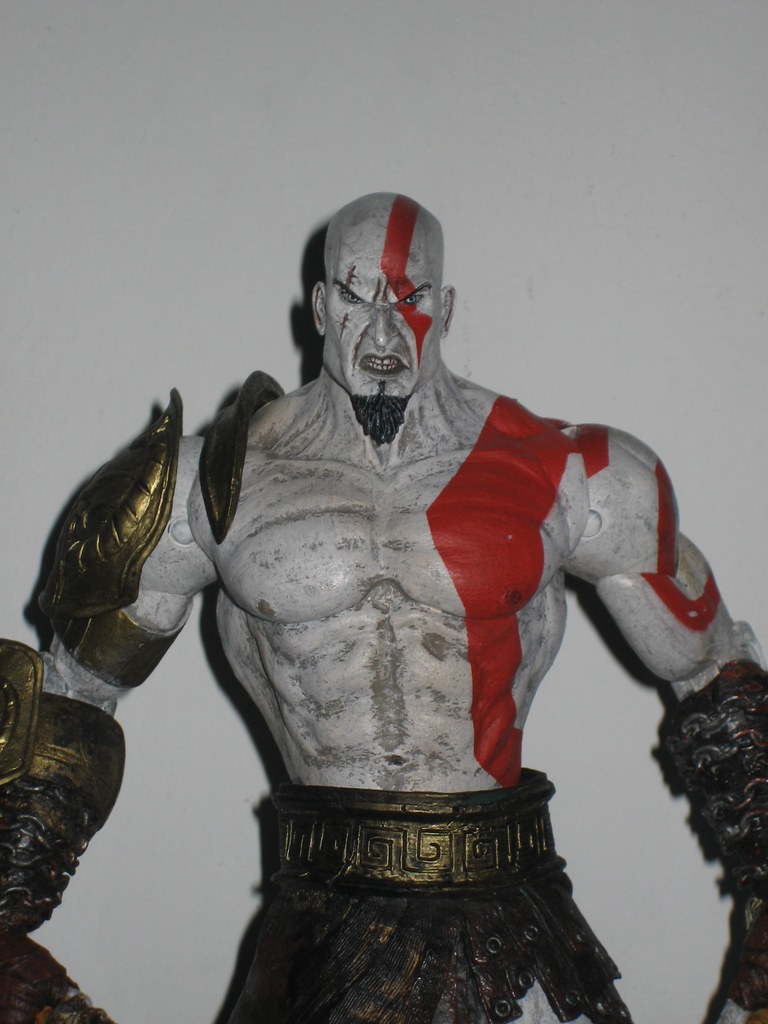
Kratos embodies rage in its purest form. The God of War isn’t subtle about his emotions, and that’s exactly the point.
He’s what happens when mythology meets modern storytelling — a character so over-the-top that he loops back around to being genuinely compelling.
Solid Snake
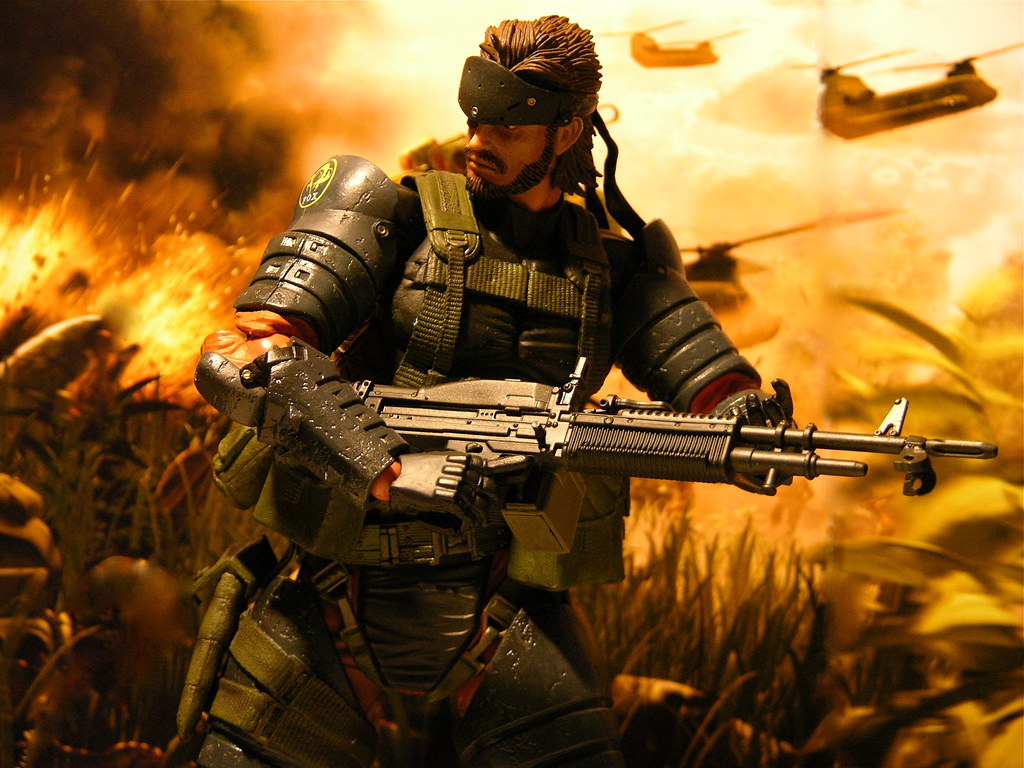
There’s something almost meditative about watching Snake work — the way he approaches each situation like a chess problem that happens to involve explosives and armed guards, the careful consideration he gives to every crawlspace and every shadow (because in his world, the wrong shadow gets you killed, and the right one gets you closer to the truth). His world operates on different rules than most games: stealth over strength, patience over impulse, thinking three moves ahead because the enemies certainly are.
Snake doesn’t just sneak through military installations; he reads them, understanding their rhythms and weaknesses the way a musician understands a complex piece of music. But here’s what makes him fascinating — despite all the tactical brilliance and technological enhancement, he remains stubbornly, recognizably human, carrying the weight of every mission and every difficult choice he’s had to make.
Sonic the Hedgehog
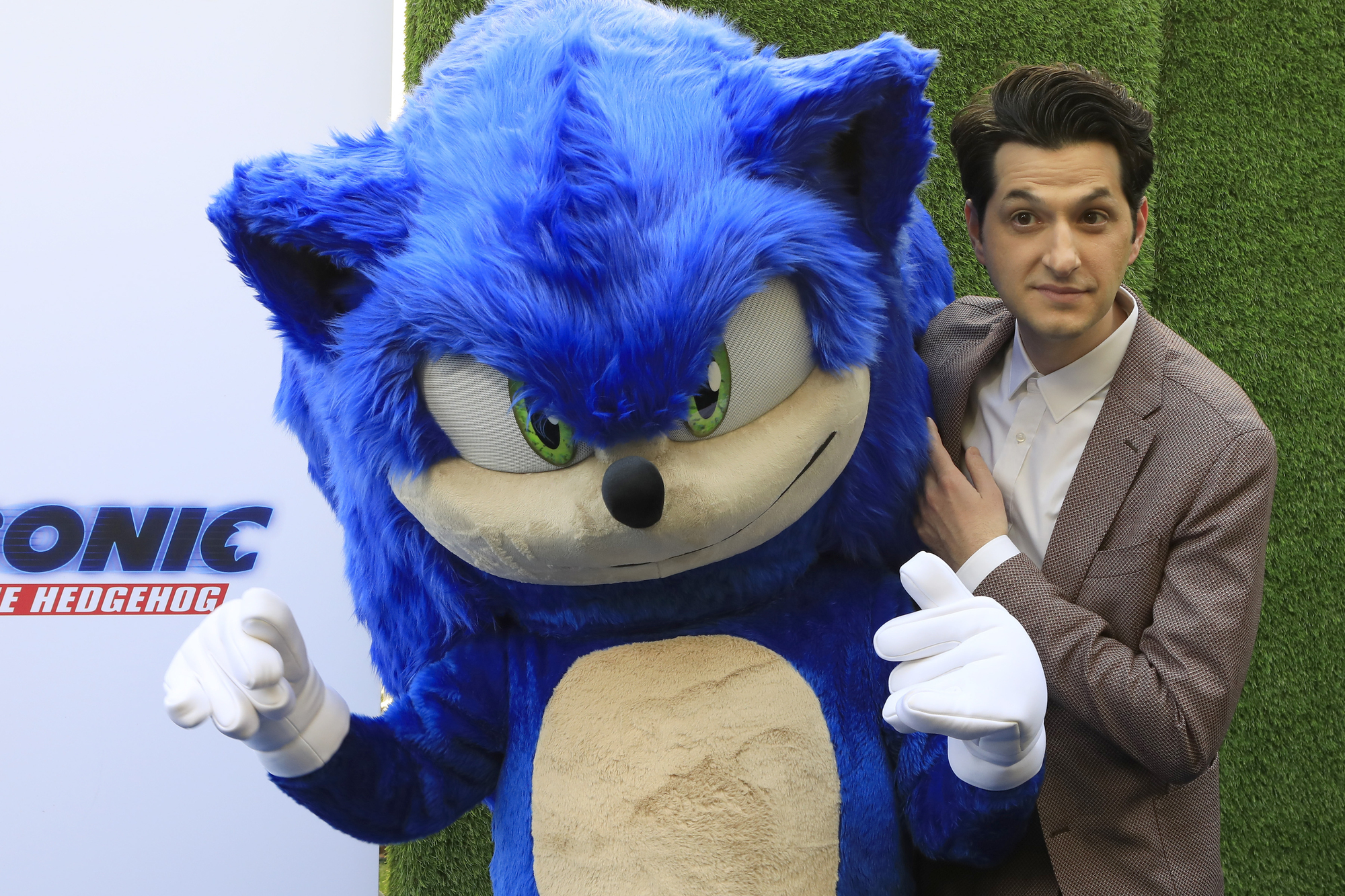
Speed made manifest in blue fur and red shoes. Sonic arrived when gaming needed attitude, and he delivered it with a smirk.
The hedgehog’s confidence was infectious — he didn’t just run fast, he made running fast look effortless.
Samus Aran
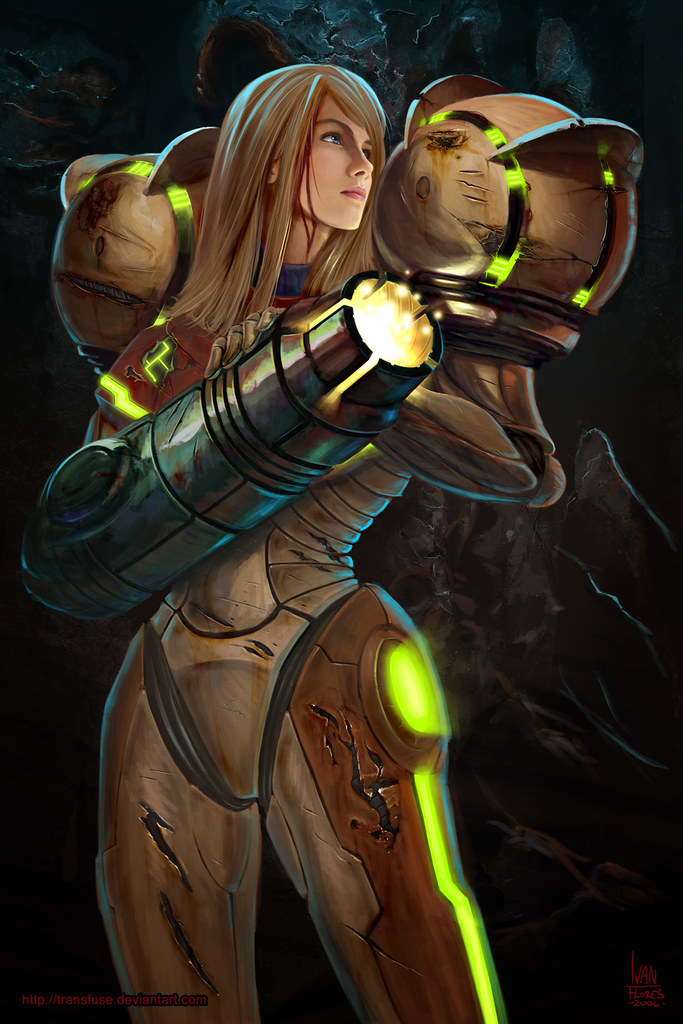
The reveal at the end of the original Metroid changed everything. Samus proved that the most dangerous bounty hunter in the galaxy could be a woman, and the twist felt earned rather than gimmicky.
Her power suit became iconic because it represented capability without compromise.
Gordon Freeman
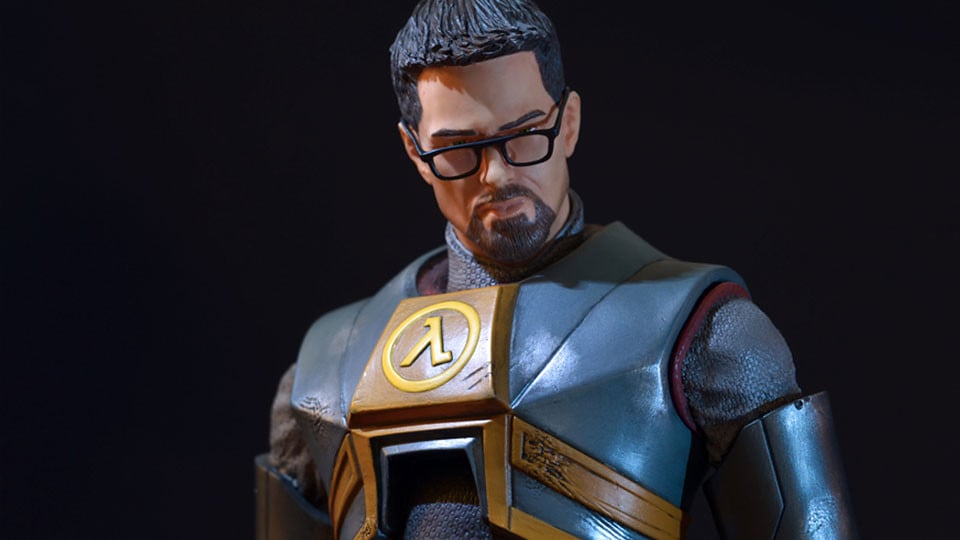
A theoretical physicist thrust into an alien nightmare shouldn’t work as an action hero, yet Gordon Freeman makes perfect sense — like watching your most unassuming colleague suddenly reveal they’ve been secretly training for the apocalypse their entire career. His crowbar isn’t just a weapon; it’s a symbol of making do with what’s available, of academic intelligence applied to very practical problems of survival.
The silence works because Gordon becomes a vessel for the player’s own reaction to the chaos unfolding around him. You don’t need his thoughts when you’re busy forming your own, trying to process why the research facility has suddenly filled with interdimensional monsters and military cleanup crews who shoot first and ask questions never.
Mega Man
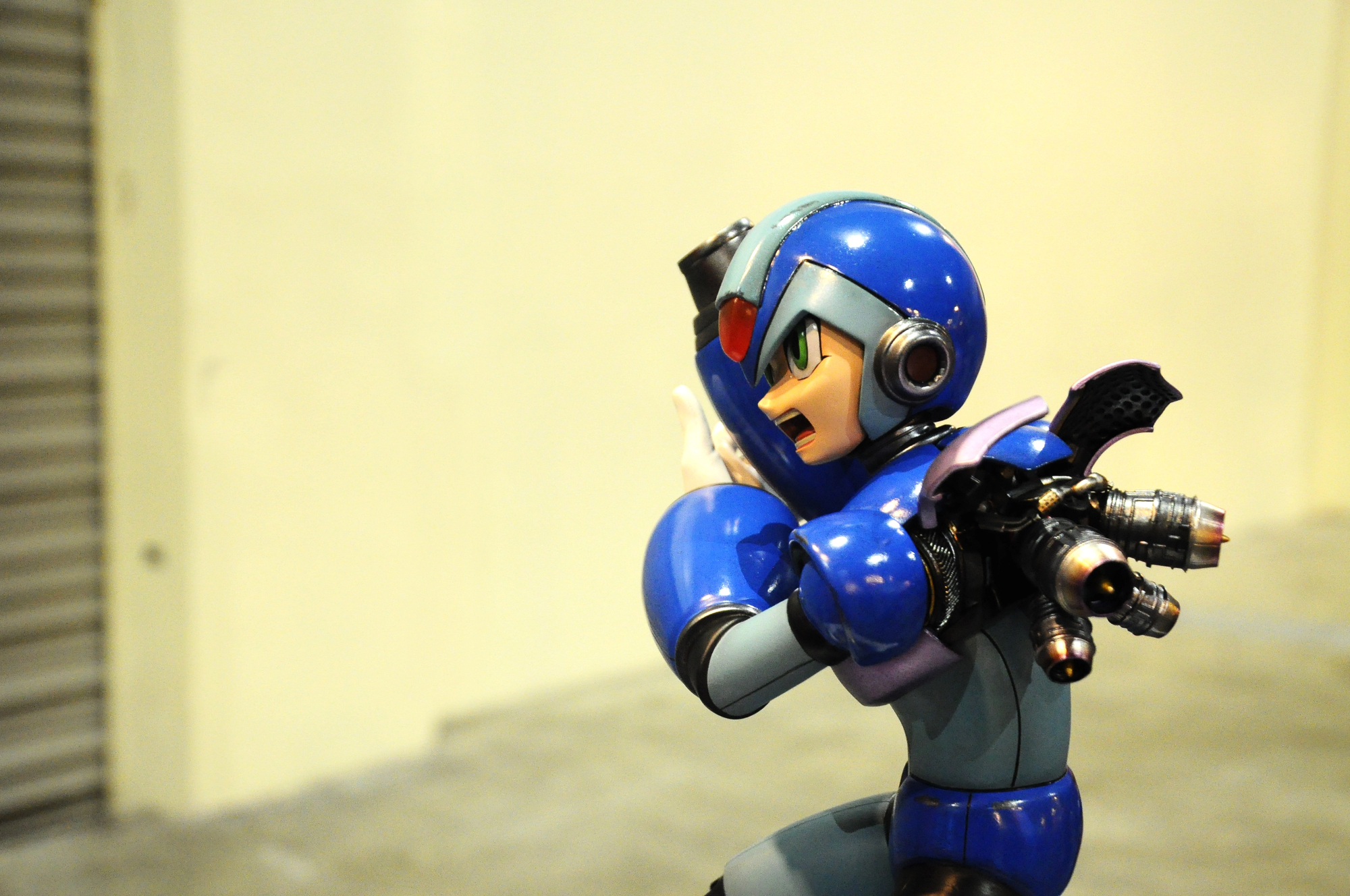
The Blue Bomber’s genius lies in his adaptability. Mega Man doesn’t just defeat enemies — he learns from them, taking their powers and making them his own.
It’s a perfect metaphor for gaming itself: learning, adapting, and growing stronger through each challenge.
Pikachu

An electric mouse conquered the world. Pikachu’s appeal transcends gaming — he’s cute enough for children, iconic enough for adults, and memorable enough to build an empire around.
The fact that he started as a video game character almost feels secondary now.
Cloud Strife

Cloud carries an impossibly large sword and an equally impossible emotional burden, but Final Fantasy VII made both feel natural — the sword because the game’s world operates on dream logic where style matters more than physics, the burden because loss is universal even when it’s dressed up in science fiction clothing. His spiky hair defied gravity, his backstory defied comprehension, and his popularity defied everyone’s expectations about what mainstream audiences would accept.
Cloud proved that players were ready for complexity, for heroes who weren’t sure they wanted to be heroes, for stories that asked harder questions than they answered. So when people talk about Cloud’s cultural impact, they’re really talking about the moment when games stopped apologizing for being games and started insisting they could be art.
Ryu
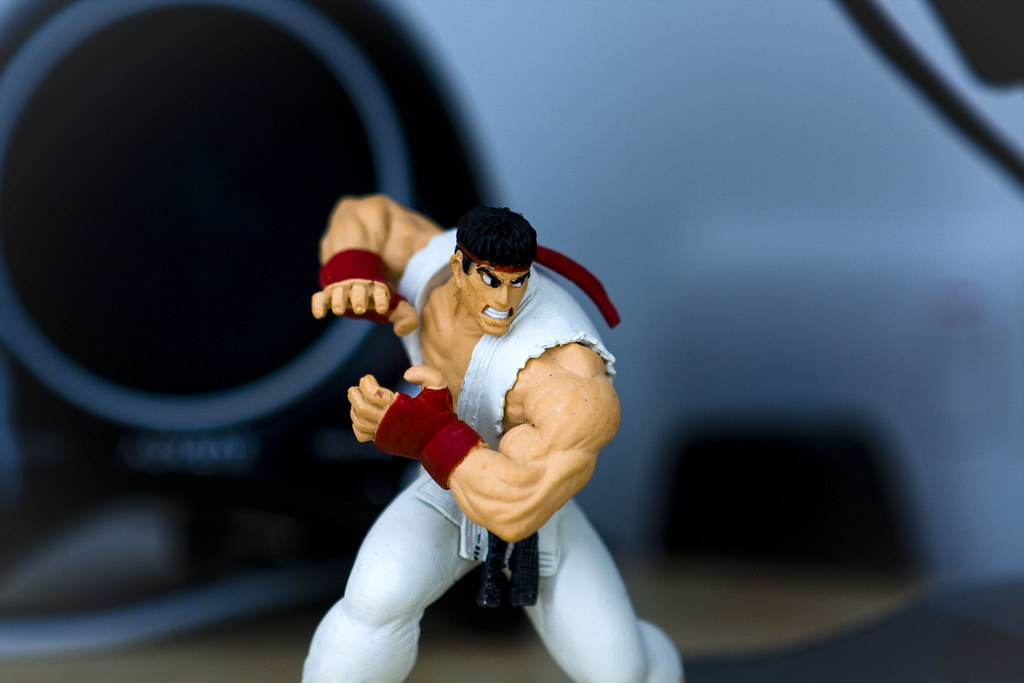
The wandering warrior made fighting an art form. Ryu’s hadoken became gaming’s most famous move because it felt powerful without being overwhelming.
His dedication to improvement mirrors the player’s own journey toward mastery.
Nathan Drake
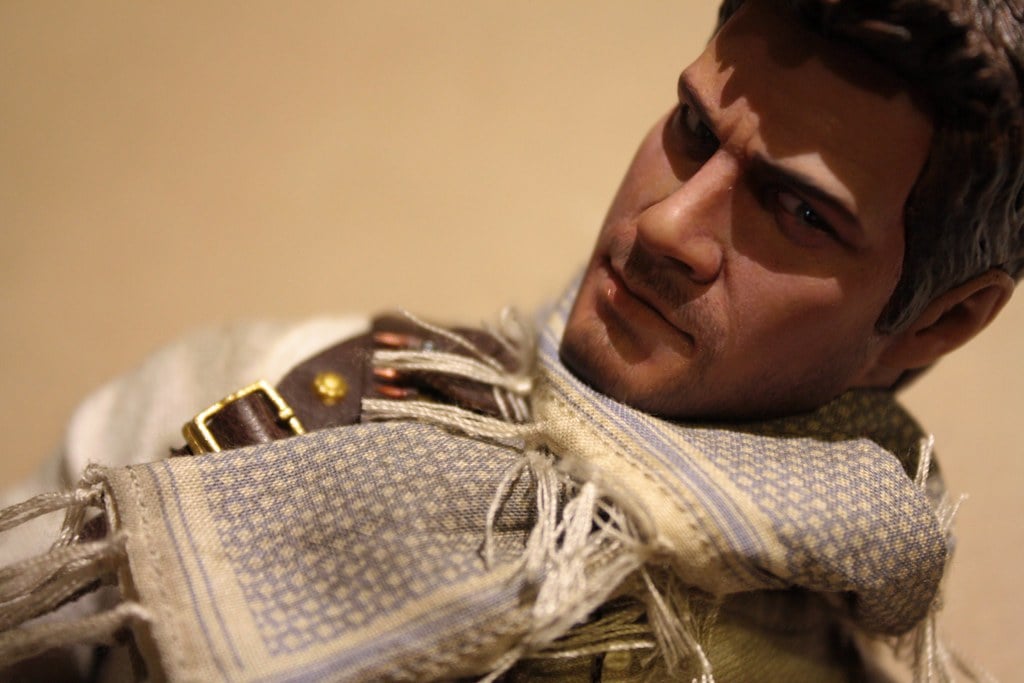
Drake brought movie-star charisma to video games. His wisecracks and death-defying escapes made him feel like a character who belonged on the big screen.
The Uncharted series succeeded because Drake made adventure look fun rather than punishing.
Geralt of Rivia
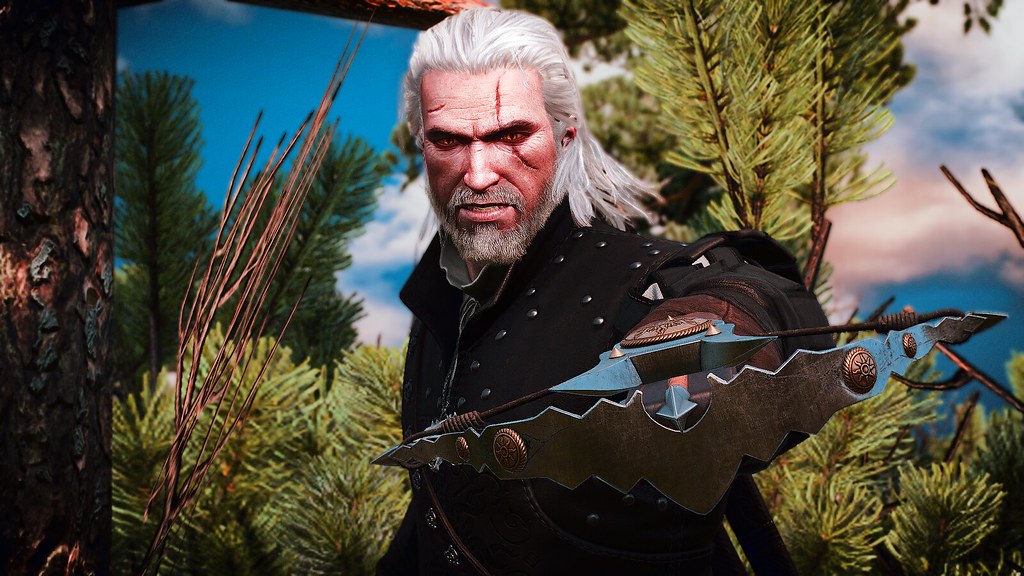
The White Wolf redefined what a video game protagonist could be. Geralt’s moral complexity and philosophical depth elevated The Witcher series beyond typical fantasy fare.
His gravelly voice and silver hair became shorthand for mature, nuanced storytelling in games.
Shepard
Commander Shepard saved the galaxy by making impossible choices. Mass Effect’s branching narratives meant that every player’s Shepard was slightly different, yet all felt equally heroic.
The character proved that player agency and strong characterization could coexist.
The Heroes We Remember
These sixteen characters didn’t just entertain us — they showed us what video games could become. They proved that digital heroes could inspire real emotions, that pixels could carry genuine meaning, and that the best characters are the ones who make us want to pick up the controller one more time.
Gaming’s greatest achievement isn’t its technology or its graphics — it’s these unforgettable heroes who made us believe in worlds that exist only in code and memory.
More from Go2Tutors!

- The Romanov Crown Jewels and Their Tragic Fate
- 13 Historical Mysteries That Science Still Can’t Solve
- Famous Hoaxes That Fooled the World for Years
- 15 Child Stars with Tragic Adult Lives
- 16 Famous Jewelry Pieces in History
Like Go2Tutors’s content? Follow us on MSN.