First Cell Phones Used in Daily Life
The idea of carrying a phone in your pocket seemed like pure science fiction for most of human history. Then suddenly in the 1980s and 1990s, bulky devices started appearing in briefcases and on street corners.
These early cell phones were nothing like the slim computers people carry today. They were heavy, expensive, and barely worked half the time.
But they represented freedom from landlines and phone booths, giving people the ability to make calls from anywhere. The first adopters looked like they were carrying bricks, paid small fortunes for the privilege, and still felt like they were living in the future.
Here are the phones that started it all and changed how humans communicate forever.
Motorola DynaTAC 8000X
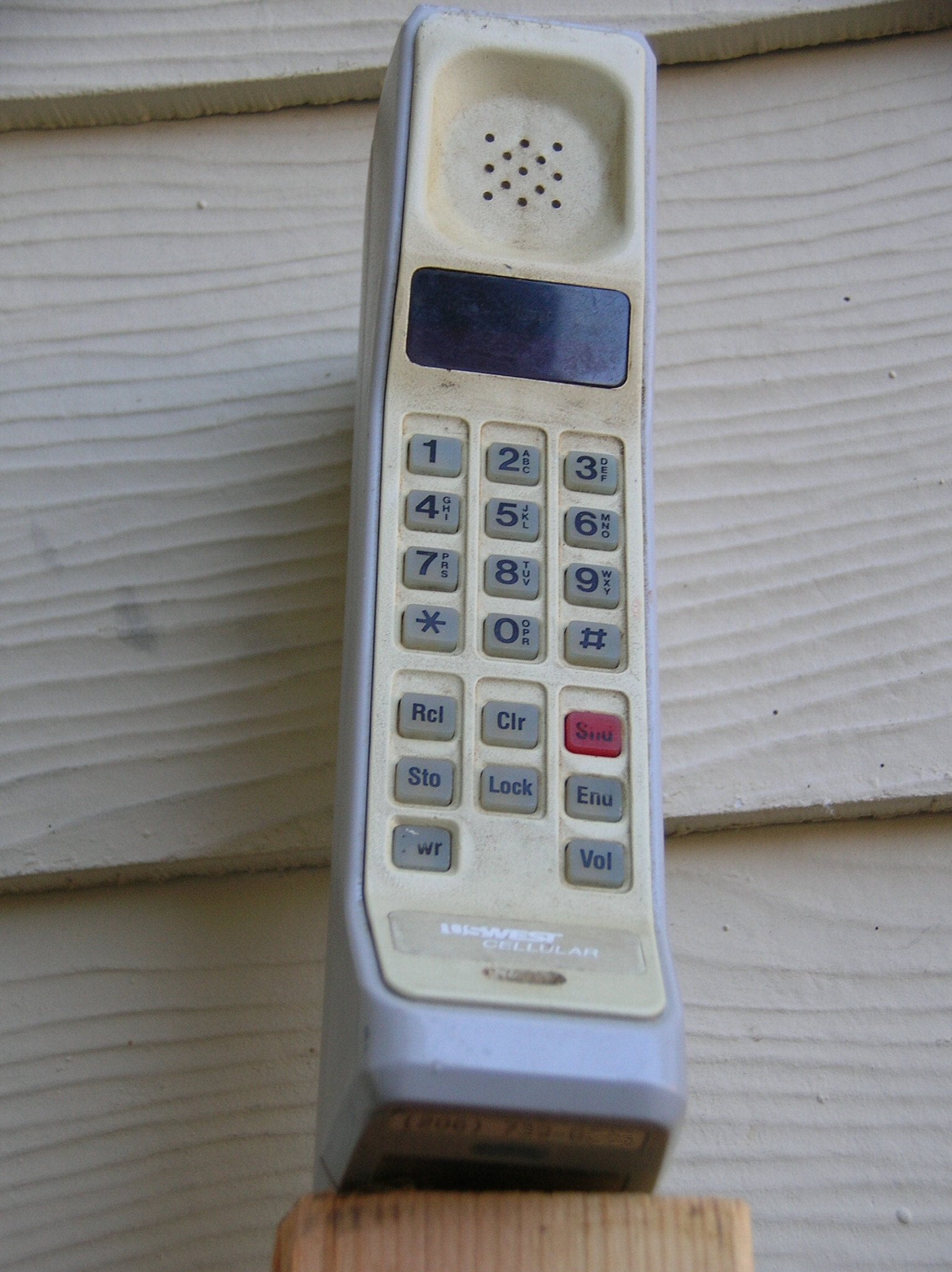
This beast weighed almost two pounds and cost nearly four thousand dollars when it launched in 1983. People called it “the brick” for obvious reasons, and holding it to your ear for more than a few minutes made your arm tired.
The battery lasted about 30 minutes of talk time, then needed ten hours to recharge. Despite all these problems, business executives and doctors lined up to buy it because making calls without finding a payphone felt revolutionary.
The DynaTAC had a small screen that only showed numbers, and its antenna stuck up like it was trying to communicate with satellites in outer space.
Nokia Mobira Senator

This car phone from 1982 wasn’t something you could carry around at all. The phone unit was installed in the trunk of your car and weighed about 21 pounds, with a handset mounted near the driver’s seat.
Rich businesspeople loved it because they could make calls while driving, which felt incredibly futuristic. The Senator cost as much as a decent used car and required professional installation.
It showed that early mobile phones weren’t really mobile in the way people understand the word today.
Like Go2Tutors’s content? Follow us on MSN.
Motorola MicroTAC

Released in 1989, this flip phone was the first that could actually fit in a pocket, though it made quite a bulge. The flip design protected the keypad and made people feel like they were in a spy movie when they snapped it open.
It was still expensive and the battery life was terrible, but at nine ounces it felt light compared to earlier models. The MicroTAC showed that phones could get smaller without losing functionality.
Businesspeople loved flipping it open to answer calls, and that satisfying snap sound became part of phone culture.
IBM Simon Personal Communicator
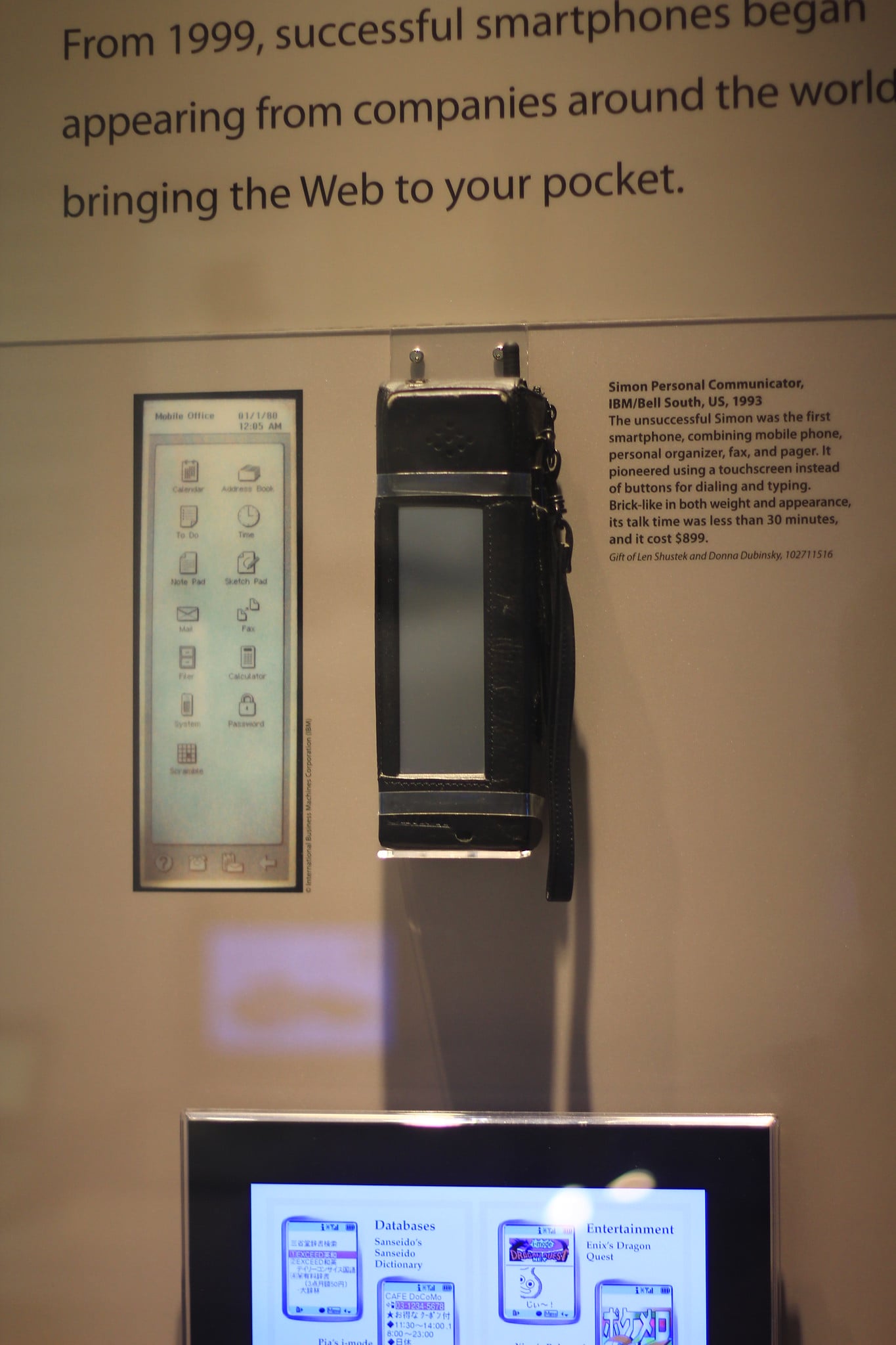
Launched in 1994, this device was technically the first smartphone, though nobody called it that yet. It had a touch screen, could send emails and faxes, and even included a calendar and address book.
The Simon cost over 900 dollars and was huge compared to regular cell phones. Most people didn’t understand why they would need all those features when they just wanted to make calls.
The device was ahead of its time and flopped commercially, but it planted seeds for what phones would eventually become.
Motorola StarTAC
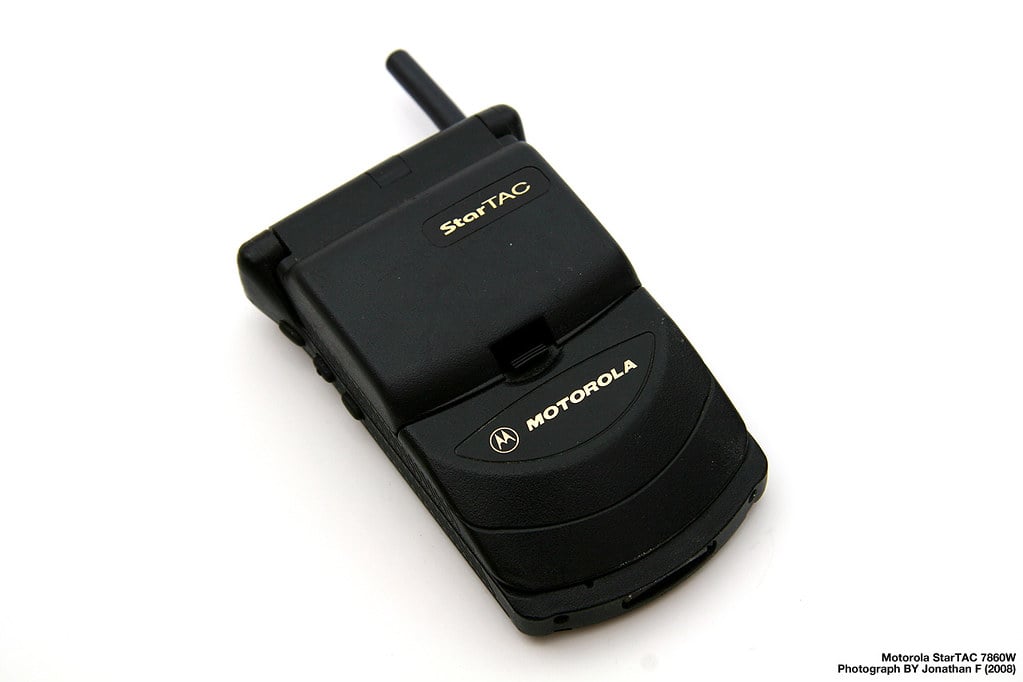
This tiny flip phone from 1996 became a status symbol and a fashion accessory. At just 3.1 ounces, people could barely feel it in their pockets.
The StarTAC came in different colors and celebrities showed them off in movies and music videos. It vibrated instead of ringing, which was a new feature that became standard.
The phone proved that mobile devices could be both functional and stylish, changing how manufacturers thought about design.
Like Go2Tutors’s content? Follow us on MSN.
Nokia 9000 Communicator
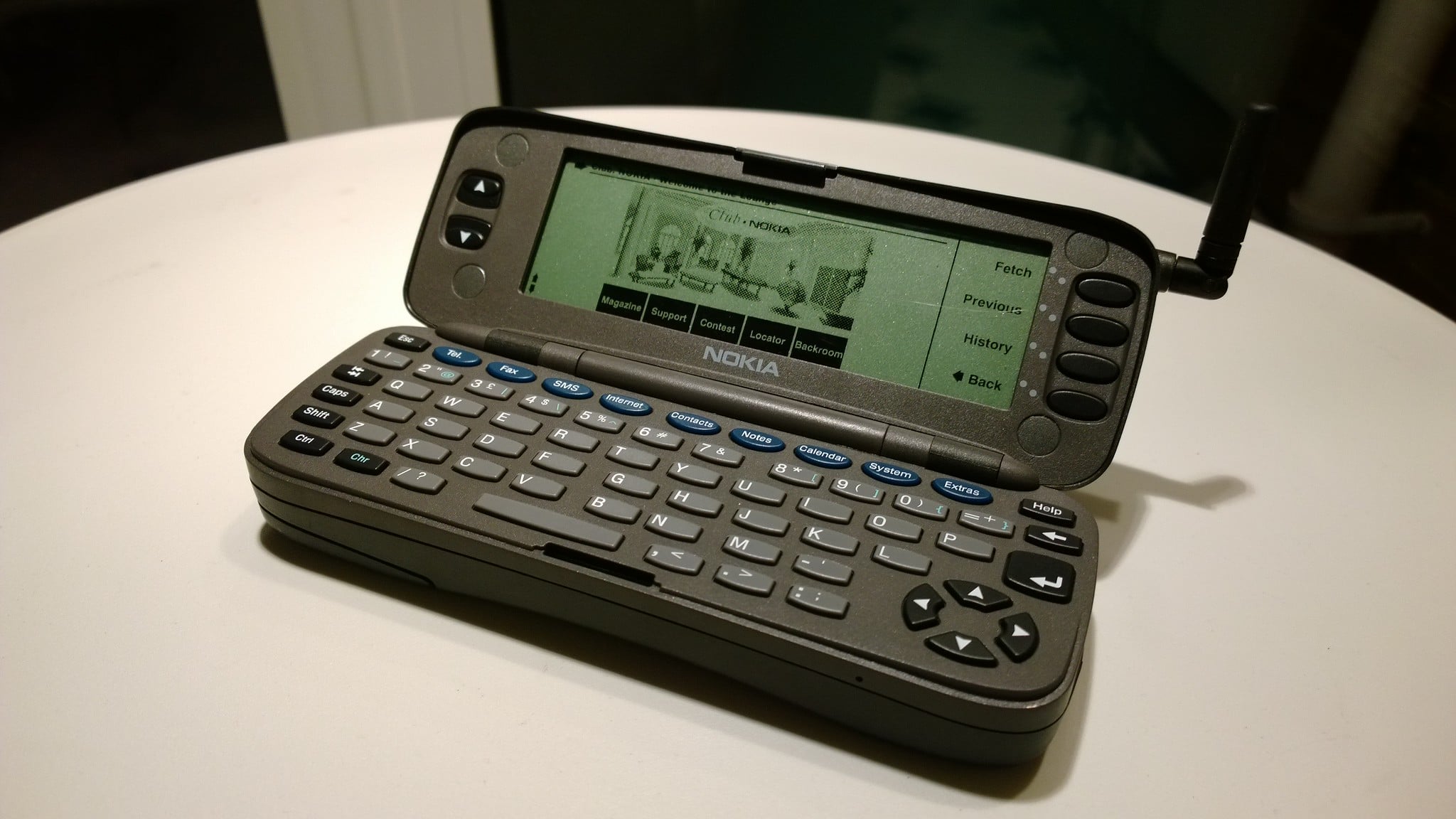
This weird-looking device from 1996 opened like a mini laptop and had a full keyboard inside. The outside looked like a regular phone, but flipping it open revealed a wider screen and QWERTY keys.
Business travelers used it to send emails and browse basic websites while on the go. The Communicator was expensive and looked odd, but it showed Nokia’s vision for phones as computing devices.
Most regular people stuck with simpler phones, but executives who traveled internationally found it useful.
Nokia 6110
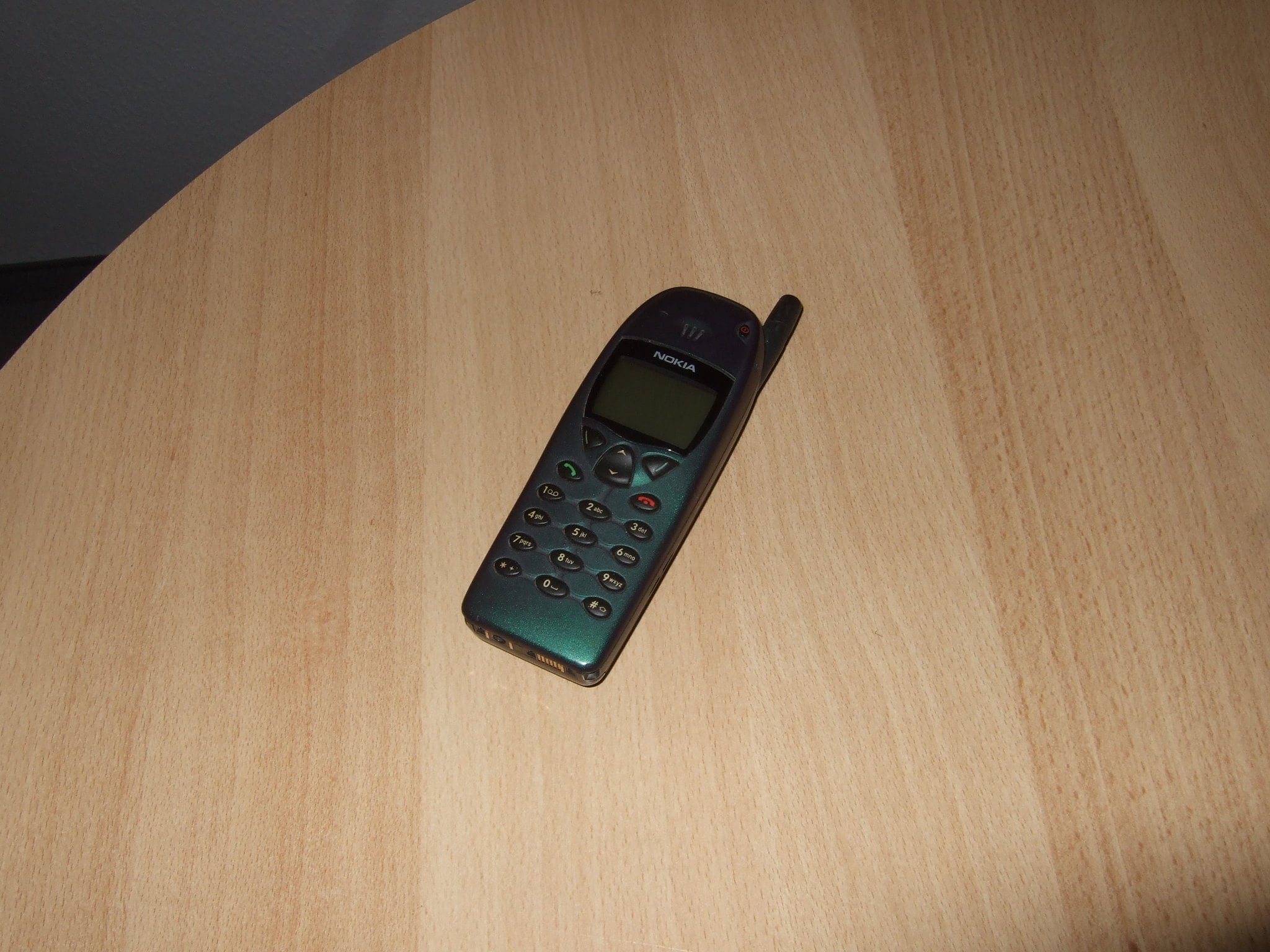
This 1997 model came with Snake, the game that made millions of people waste hours guiding a pixelated snake around a tiny screen. The 6110 had better battery life than previous models and could store more phone numbers in its memory.
It introduced customizable ringtones, letting people finally move beyond basic beeps and buzzes. The phone felt solid and could survive drops that would destroy modern smartphones.
Nokia sold millions of these and established itself as the dominant phone maker of the late 1990s.
Motorola TimePort
This slim phone from 1998 looked sleek and modern compared to chunky competitors. It had a curved design that fit comfortably against your face and could handle both analog and digital networks.
The TimePort represented Motorola’s attempt to compete with Nokia’s growing dominance. It worked well but didn’t have the cool factor of the StarTAC or the features of Nokia’s models.
Still, plenty of people carried them and appreciated the reliable call quality.
Like Go2Tutors’s content? Follow us on MSN.
Nokia 8210
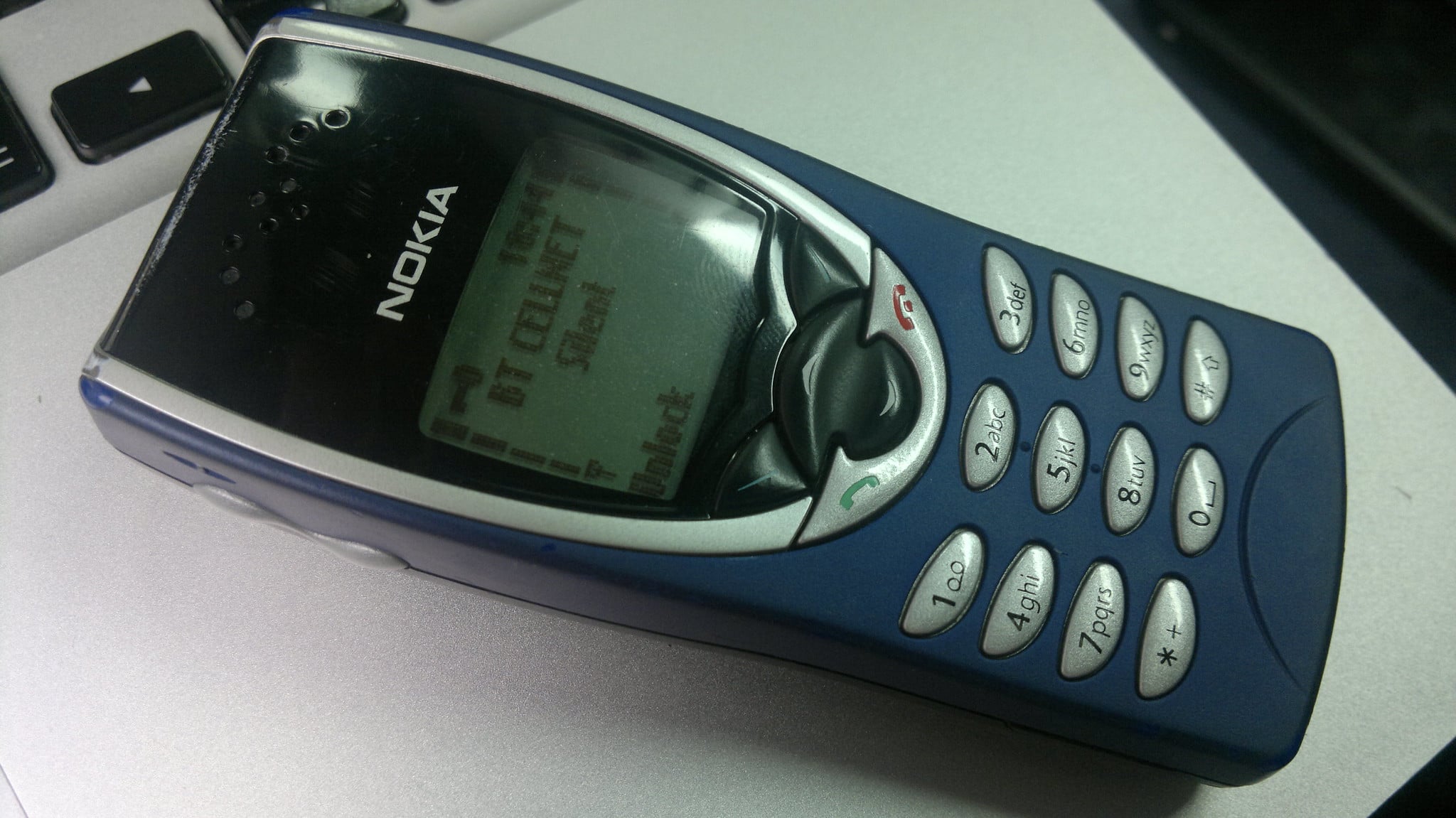
Released in 1999, this tiny phone became hugely popular with younger users and women because it fit easily in small pockets and purses. It came in multiple colors and had customizable covers that let people match their phones to their outfits.
The 8210 was simple, reliable, and affordable enough that teenagers could actually save up to buy one. It had a built-in FM radio and better games than earlier models.
Nokia understood that phones were becoming personal accessories, not just communication tools.
Ericsson T28

This ultra-thin flip phone from 1999 was only half an inch thick when closed. It felt light and premium, with a clean design that appealed to style-conscious buyers.
The T28 had a vibrant blue-lit screen that looked modern compared to the dull gray displays on other phones. Ericsson marketed it as a fashion phone, and celebrities started carrying them.
The sleek design proved that phones could be both powerful and beautiful.
Nokia 3310
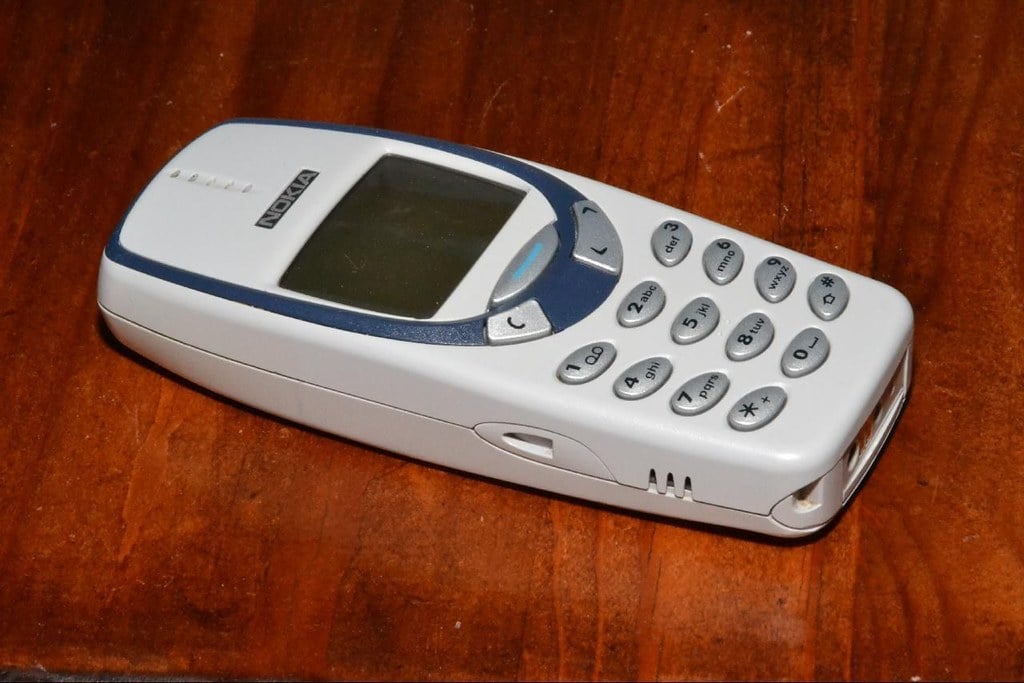
This legend launched in 2000 and became one of the best-selling phones ever made. The 3310 was nearly indestructible, with stories of phones surviving being dropped, thrown, and even run over by cars.
It had an improved version of Snake, customizable covers, and a battery that lasted for days. The phone was affordable, reliable, and simple to use.
People loved its straightforward design and the fact that it just worked without complications or glitches.
Like Go2Tutors’s content? Follow us on MSN.
Ericsson R380
This smartphone from 2000 ran the Symbian operating system and had a flip-up screen that revealed a touch-sensitive display. It combined phone features with PDA capabilities and could browse basic websites.
The R380 was expensive and bulky, making it a device mainly for business users. It represented the growing convergence between phones and computers.
The phone struggled commercially but influenced future smartphone designs.
Samsung SPH-M100 Uproar
This phone from 2000 was the first to include an MP3 player, letting people listen to music without carrying a separate device. It came with headphones and could store about an hour of music.
The Uproar was chunky and the music quality wasn’t great, but it showed where phones were heading. Most people still carried dedicated MP3 players, but the idea of combining devices was taking root.
Samsung was experimenting with making phones do more than just make calls.
When phones became essential

These early mobile phones transformed from expensive toys for executives into tools that changed society fundamentally. They taught people to expect constant connectivity and instant communication from anywhere.
The awkward, heavy devices that seemed revolutionary in the 1990s became the foundation for the smartphones that now run much of modern life. Looking back at these brick-sized phones with their tiny screens and limited features makes today’s devices seem even more impressive.
But without these clunky pioneers, nobody would be scrolling through apps or video chatting with people across the world.
Like Go2Tutors’s content? Follow us on MSN.
More from Go2Tutors!

- 16 Historical Figures Who Were Nothing Like You Think
- 12 Things Sold in the 80s That Are Now Illegal
- 15 VHS Tapes That Could Be Worth Thousands
- 17 Historical “What Ifs” That Would Have Changed Everything
- 18 TV Shows That Vanished Without a Finale
Like Go2Tutors’s content? Follow us on MSN.