15 Animals That Went Extinct Since 2000
Extinction sounds like something that happened to dinosaurs or woolly mammoths. But the reality hits differently when you realize it’s still happening right now, in your lifetime.
The year 2000 wasn’t that long ago, yet since then, dozens of species have vanished forever. Some you’ve probably never heard of.
Others were icons of conservation efforts that just couldn’t pull through despite desperate last-minute attempts to save them. The reasons vary, but the pattern stays depressingly consistent.
Habitat destruction, climate change, invasive species, disease, and yes, human activity. Each extinction tells its own story, but they all end the same way.
Here is a list of 15 animals that went extinct since 2000.
Pyrenean Ibex

The Pyrenean ibex holds a strange place in extinction history. The last one, a female named Celia, died in January 2000 when a tree fell on her in northern Spain.
Scientists had taken tissue samples from her before she died, and in 2009, they tried something unprecedented. They cloned her. A baby ibex was born, technically bringing the species back from extinction.
But it died minutes later from lung defects. The Pyrenean ibex became extinct twice.
These wild goats once roamed the Pyrenees mountains in large numbers. Two centuries of hunting, disease, and competition with domestic livestock whittled them down.
By the 1900s, they were already rare. Conservation efforts came too late.
Yangtze River Dolphin
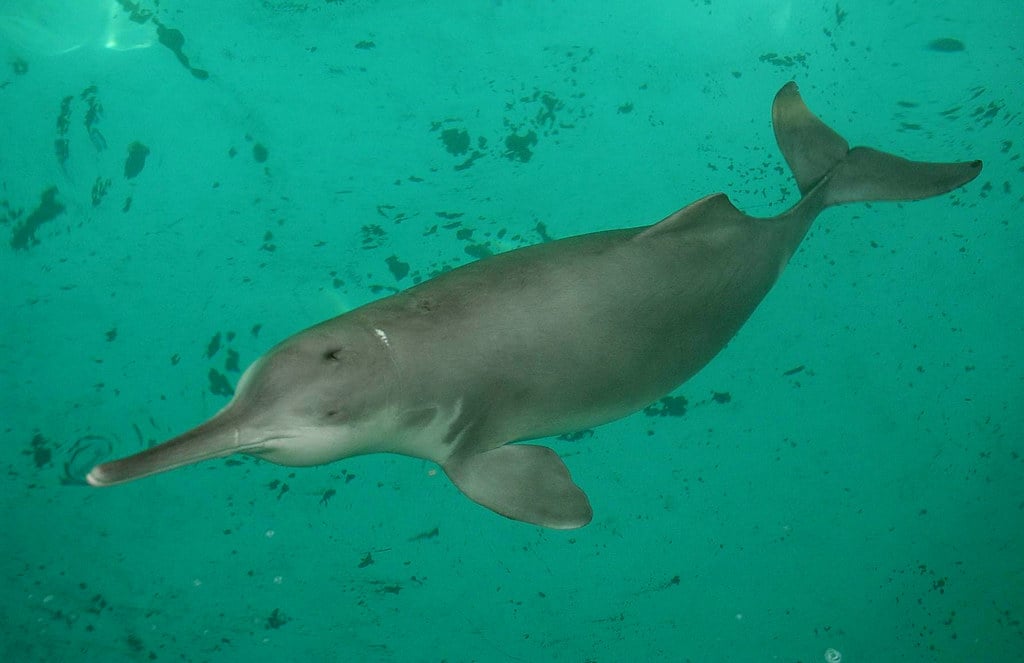
The baiji, as locals called it, was one of the rarest dolphins on Earth. It lived only in China’s Yangtze River and had done so for about 20 million years.
The last confirmed sighting happened in 2002. By 2006, scientists organized a massive six-week survey covering the entire river. They found nothing.
The species was declared functionally extinct. What killed them wasn’t deliberate hunting.
It was everything else. Industrial pollution turned the water toxic.
Massive shipping traffic created constant underwater noise that confused their echolocation. Illegal fishing nets trapped them.
The construction of dams like the Three Gorges Dam destroyed their habitat. The baiji became the first dolphin species driven to extinction by human activity.
Po’ouli
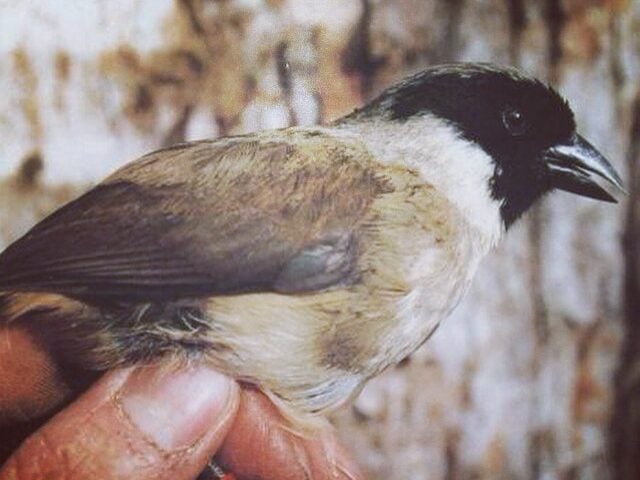
This small Hawaiian bird wasn’t discovered until 1973, found by students in the remote rainforests of Maui. By the time scientists realized what they had, it was already in trouble.
The po’ouli had a distinctive black face mask and fed primarily on native tree snails. It was so unique that scientists placed it in its own genus.
The population crashed fast. By 1997, only three birds remained. Desperate to save them, conservationists tried to capture them for captive breeding.
They caught one male in September 2004. He was old, partially blind, and died in captivity that November. The other two were never seen again.
The species was declared extinct in 2019, but everyone knew it was gone long before that.
Western Black Rhinoceros
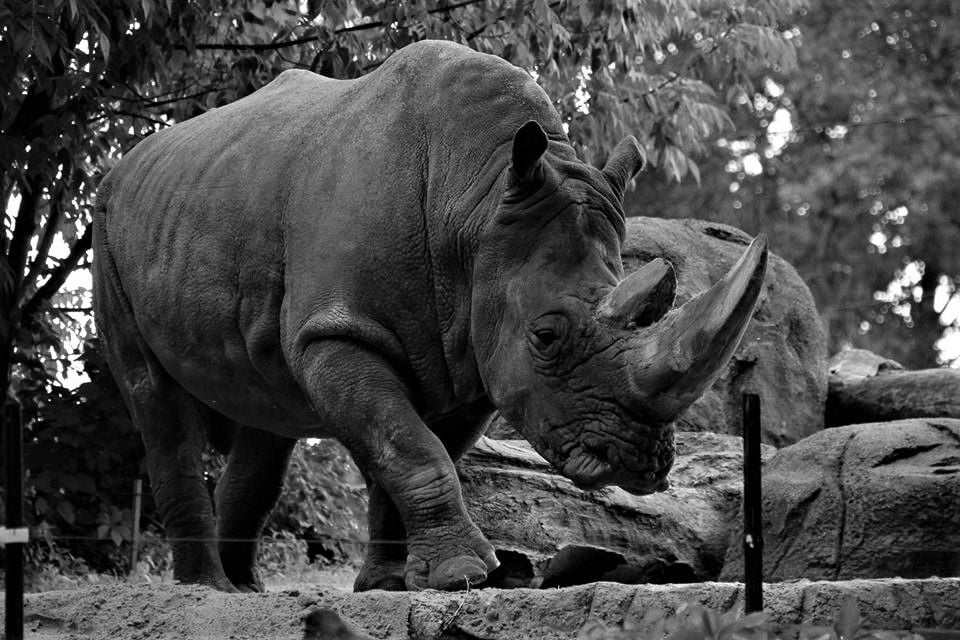
Once common across the grasslands of West Africa, the western black rhino went from hundreds of thousands to zero in about a century. The last confirmed sighting was in Cameroon in 2006.
By 2011, after extensive searches turned up nothing, the IUCN officially declared it extinct. The rhino’s horn killed it.
Traditional medicine practitioners valued it, despite no scientific evidence that it had any medicinal properties. Poachers hunted them relentlessly.
Conservation efforts were inconsistent and underfunded. By the time serious protection measures were considered, there simply weren’t enough rhinos left to recover.
Pinta Island Tortoise
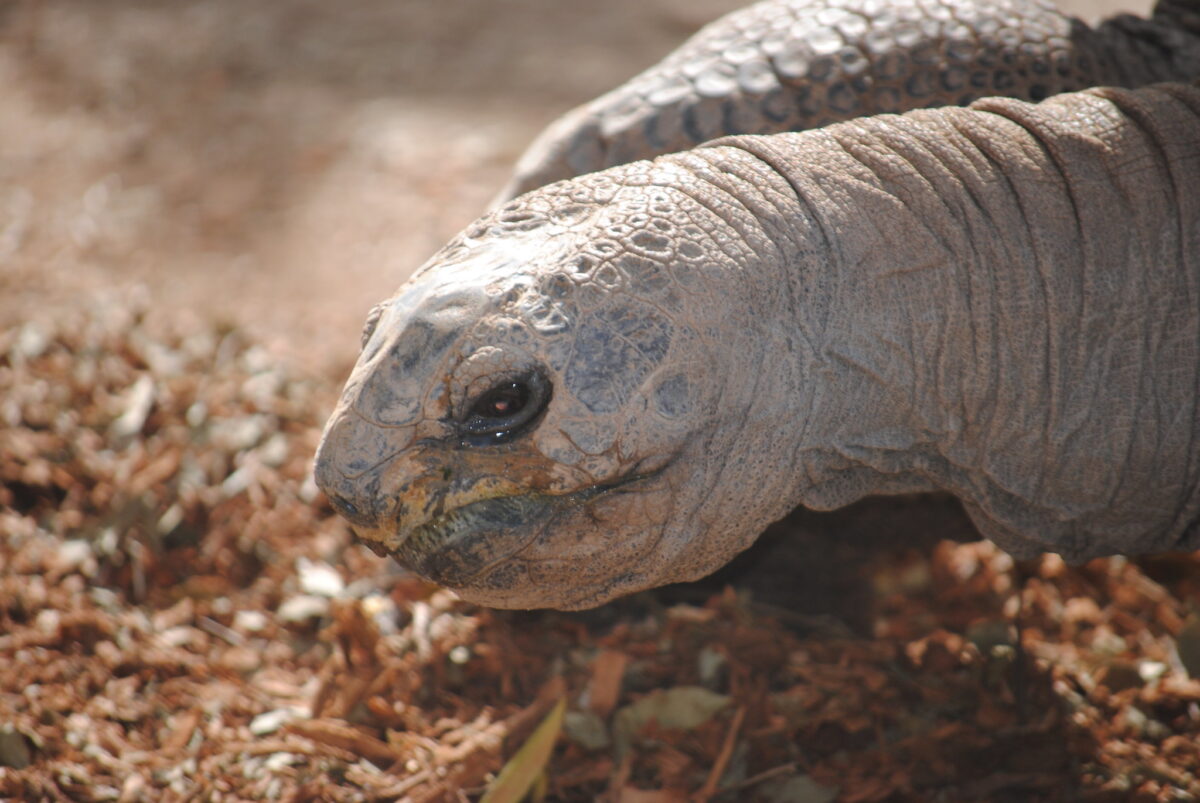
Lonesome George became the most famous extinct animal in modern times. He was the last Pinta Island tortoise, found alone on his island in 1971.
Scientists moved him to a conservation center and spent decades trying to find him a mate. They searched other islands, checked zoo collections worldwide, and even offered rewards.
Nothing. George died in June 2012 at an estimated age of 100.
His species died out because 19th-century whalers used them as food. The tortoises could survive for months without food or water, making them perfect onboard provisions.
Later, fishermen introduced goats to Pinta Island. The goats destroyed the vegetation the tortoises needed to survive. By the time George was found, it was already too late.
Caribbean Monk Seal
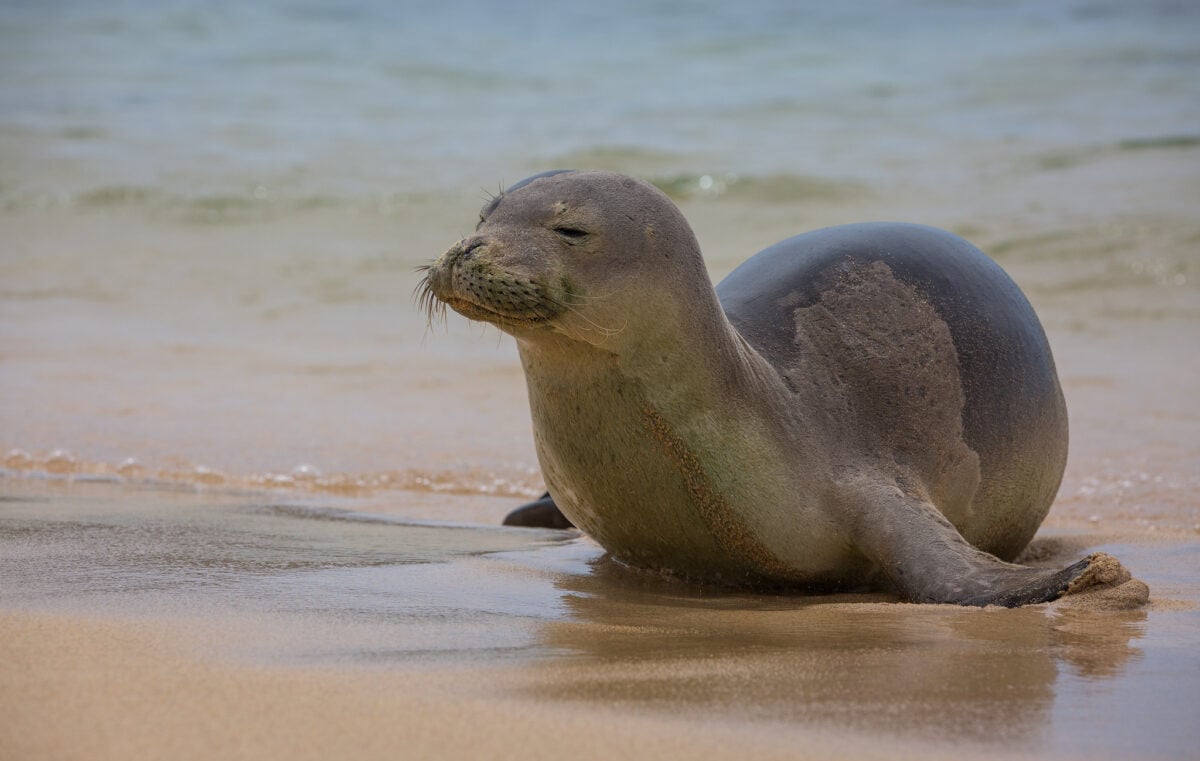
The Caribbean monk seal once basked on beaches from Florida to the Bahamas to the coast of South America. Christopher Columbus’s crew encountered them in 1494. That first meeting sealed their fate.
European colonists hunted them extensively for their blubber, which they rendered into oil for lamps, and for their meat. By the early 1900s, sightings had become rare.
The last confirmed group was spotted in 1952 near Jamaica. After that, occasional unconfirmed sightings popped up for decades, but none could be verified.
The species was officially declared extinct in 2008, making it the only seal species driven to extinction by human causes.
Christmas Island Pipistrelle

This tiny bat lived only on Christmas Island, a small Australian territory in the Indian Ocean. In the early 2000s, it was still relatively common. Then its population collapsed. Scientists watched it happen in real time but couldn’t figure out why or how to stop it.
By 2009, only one bat remained, and recordings of its echolocation calls suggest it was desperately searching for others of its kind. It was never seen again.
The IUCN declared it extinct in 2017. Scientists still debate what caused such a rapid decline.
The island’s forests remained largely intact. Possible culprits include invasive species, pesticide use, or disease, but the exact cause remains a mystery.
Bramble Cay Melomys
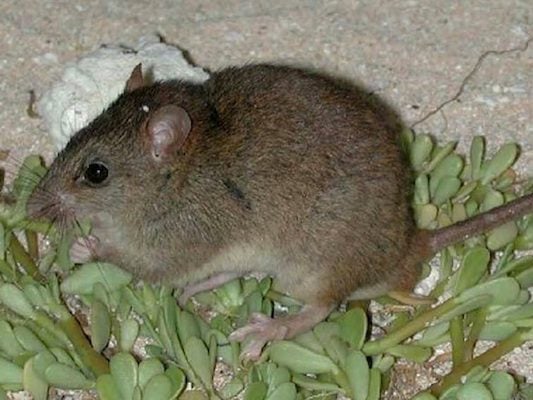
This small rodent has a grim distinction. It’s the first mammal confirmed to have gone extinct directly because of human-caused climate change.
It lived on a tiny coral island in the Torres Strait between Australia and Papua New Guinea. The entire island measured less than five hectares and sat barely three meters above sea level.
Rising sea levels and increasingly severe storms destroyed the vegetation the melomys depended on. The last confirmed sighting was in 2009. Extensive searches in 2014 found nothing.
The species was declared extinct in 2016. Climate change created a preview of what’s coming for other low-lying island species.
Splendid Poison Frog
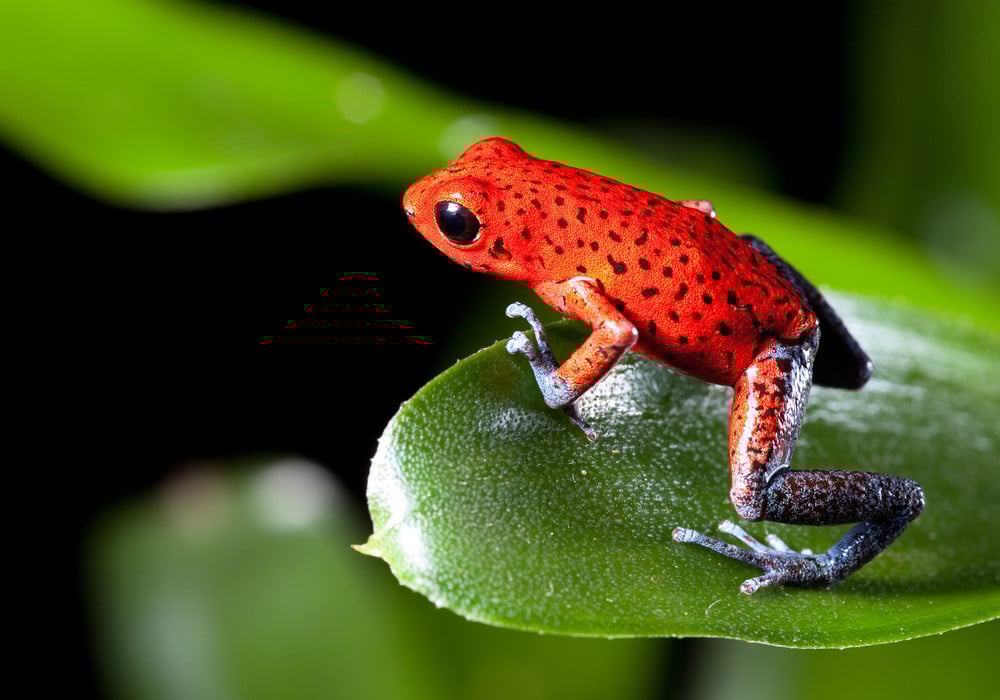
Bright red and small enough to fit on your thumb, the splendid poison frog lived in the cloud forests of western Panama. Like other poison dart frogs, it got its toxicity from eating certain insects.
The bright color warned predators to stay away. The last confirmed sighting happened in 1992, ironically when someone caught one for the illegal pet trade.
Multiple surveys in 2008, 2009, and 2010 found nothing. The species was officially declared extinct in 2020.
Habitat destruction from logging and construction played a role, but the real killer was probably a fungal disease called chytridiomycosis. This disease has devastated amphibian populations worldwide.
Chinese Paddlefish
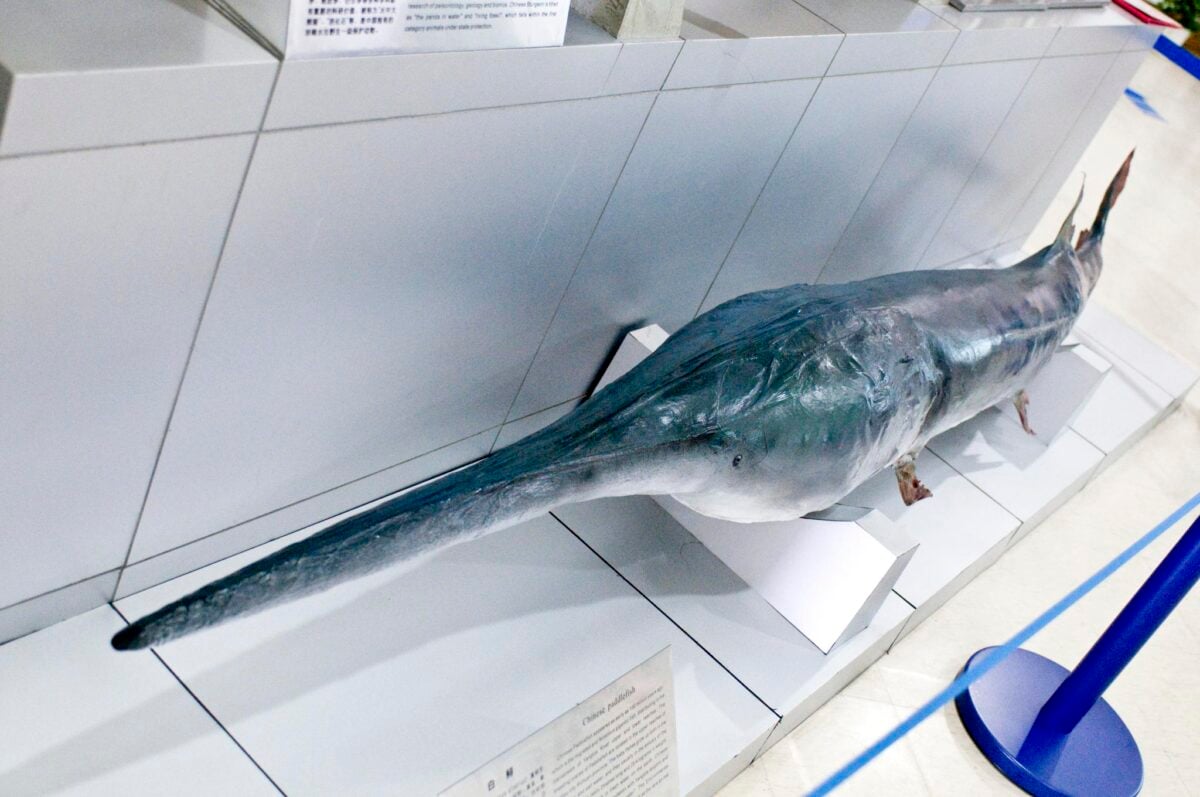
Imagine a freshwater fish that could grow longer than a car. The Chinese paddlefish reached lengths of 23 feet and survived since the time of the dinosaurs.
It lived in the Yangtze River and was already endangered by the 1980s. The construction of the Gezhouba Dam in 1981 cut off its migration routes.
Overfishing continued despite conservation concerns. The last confirmed sighting was in 2003.
Scientists believe it went functionally extinct sometime between 2005 and 2010. A study published in 2019 officially declared it extinct.
Like the baiji dolphin, it couldn’t survive the industrialization of the Yangtze.
Golden Toad
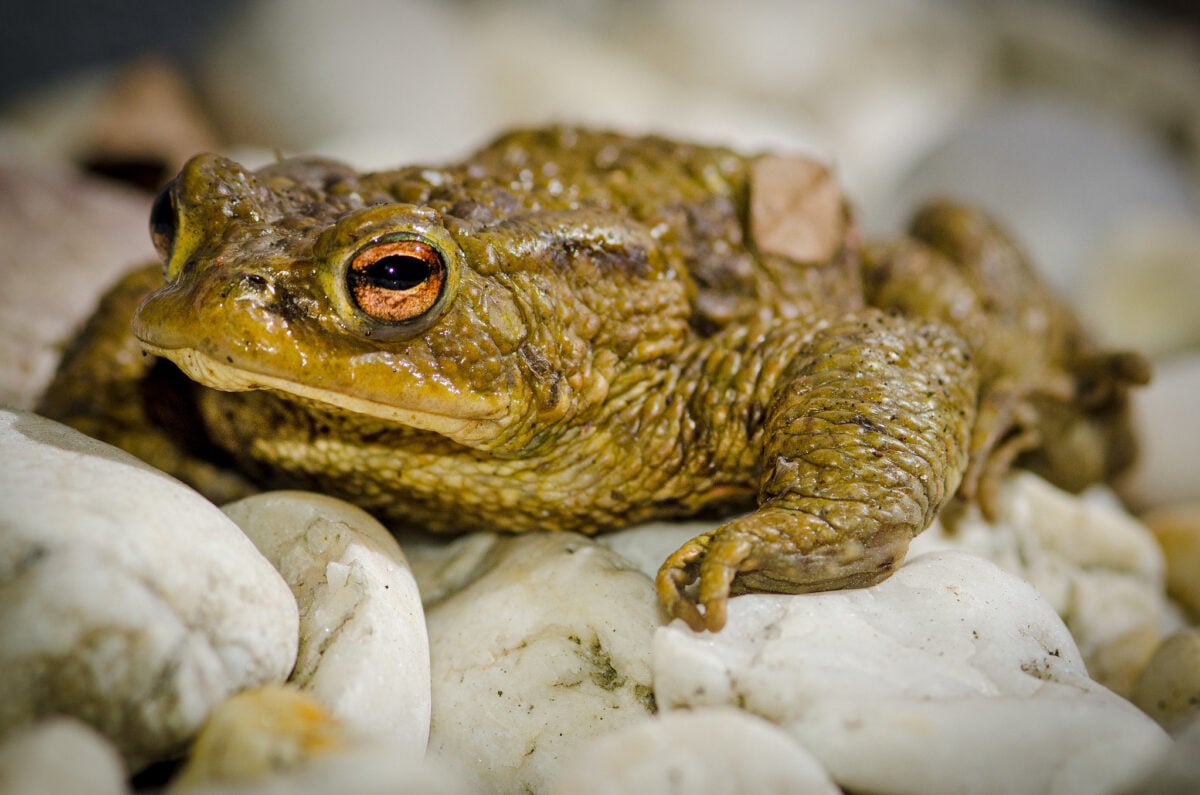
The golden toad of Costa Rica was discovered in 1966. The males were brilliant oranges, almost glowing.
They lived in the cloud forests of Monteverde, in a range of just a few square miles. In April 1987, researchers found over 1,500 toads during the breeding season.
The next year, they found only ten or eleven. The year after that, just one male appeared. That was the last golden toad ever seen.
Scientists initially blamed El Niño weather patterns, which dried up the pools where they bred. Later research pointed to chytridiomycosis, the same fungal disease devastating amphibians globally.
Climate change probably made them more vulnerable to disease. The species was declared extinct in 2004.
Formosan Clouded Leopard
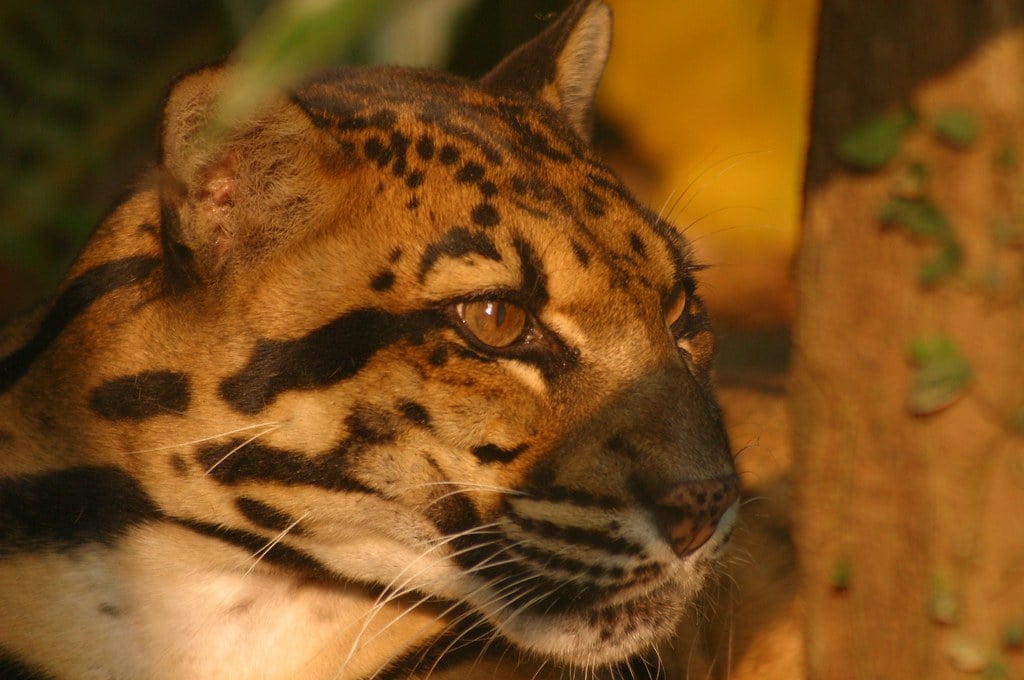
Taiwan’s second-largest carnivore lived in the mountain forests of the island. Local indigenous people spoke of it in their stories and traditional knowledge. Scientists officially described it in 1862, but even then, it was rare.
By the early 1900s, sightings had become unusual. Extensive logging destroyed its habitat throughout the 20th century.
The last confirmed sighting was in 1983. A 13-year survey from 2001 to 2013 used camera traps across the entire suspected range.
Not a single leopard appeared. The species was declared extinct in 2013, though occasional unconfirmed reports still surface from indigenous communities.
Smooth Handfish
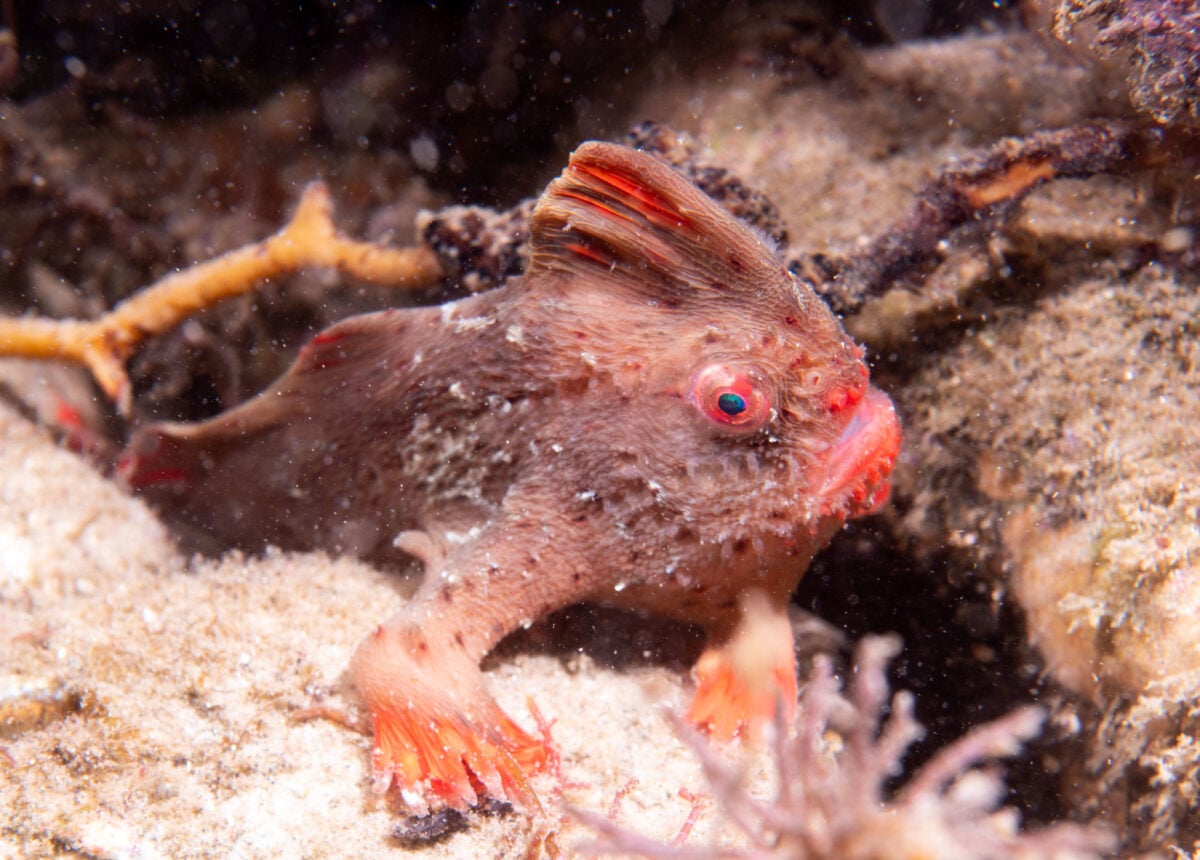
This odd fish didn’t swim much. It walked along the seafloor using modified fins that looked disturbingly like hands.
It lived in the waters around Tasmania, Australia. The species was common in the 1800s when naturalists first documented it.
Then it just disappeared. No one knows when the last one died because no one saw it happen.
Scientists have only one preserved specimen, collected in the 1800s. Despite extensive searches, no living smooth handfish has been seen since at least the 1800s, though some sources suggest they persisted longer.
The species was officially declared extinct in 2020. Habitat destruction from scallop dredging probably destroyed the seafloor environments it needed.
Catarina Pupfish
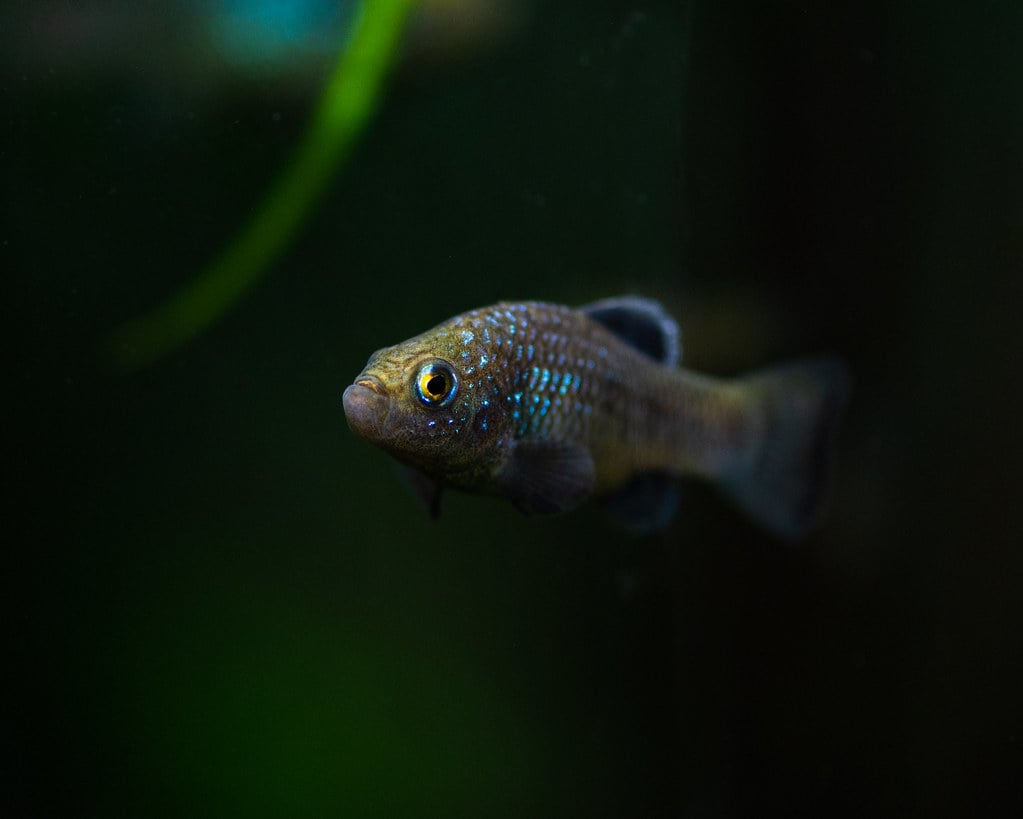
This small fish lived in one place on Earth. A single desert spring in Nuevo León, Mexico. That made it incredibly vulnerable.
In the 1990s, groundwater pumping for human use began draining the spring. The pupfish population crashed as their habitat literally dried up.
By 1994, none remained in the wild. Conservationists had established a captive population, but even that failed.
The last captive individuals died in 2012. The species was officially declared extinct in 2019.
One spring, one species, gone because people needed water somewhere else.
Christmas Island Whiptail-Skink
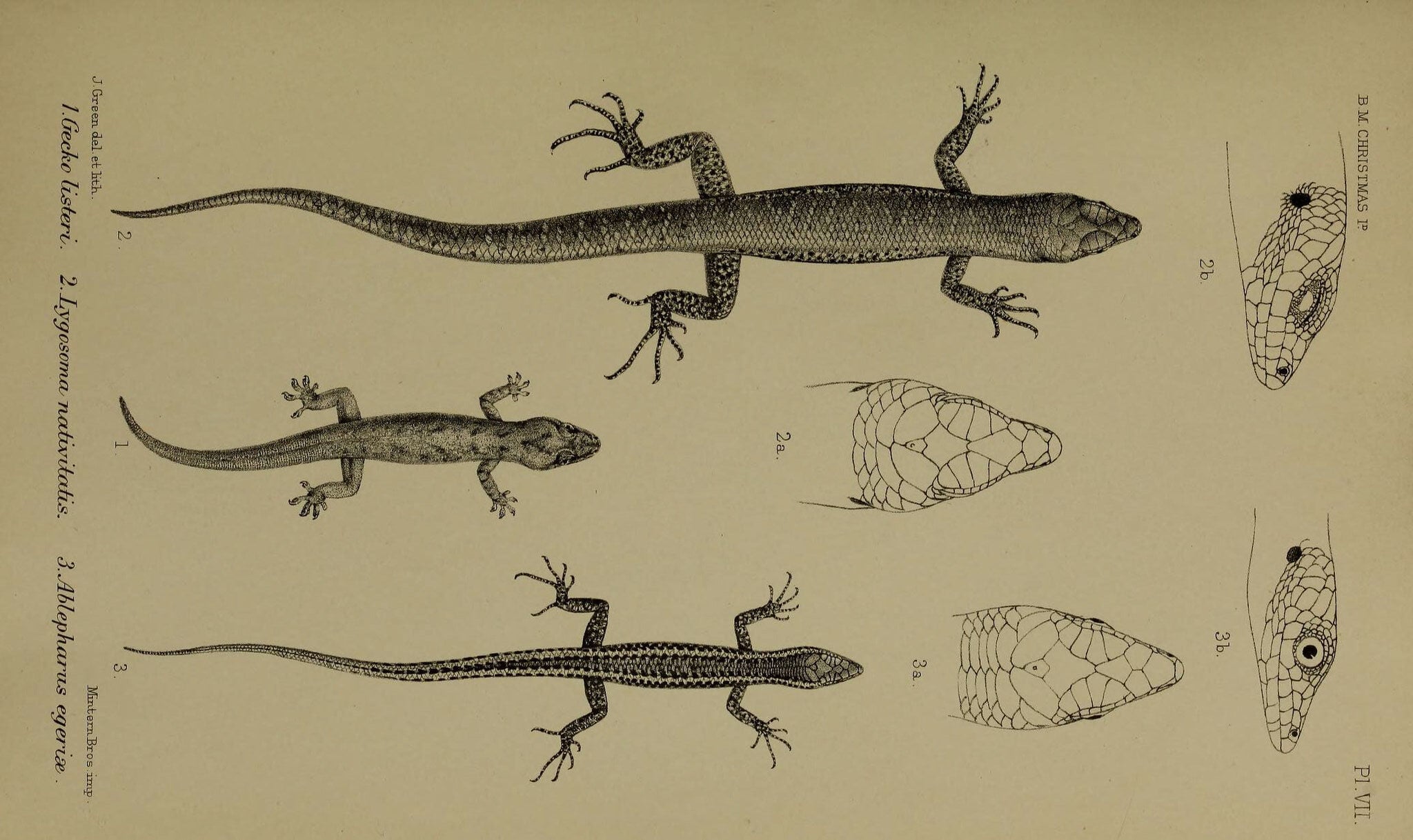
The forests of Christmas Island once crawled with these lizards. They were everywhere, one of the island’s most common reptiles.
Then, starting in the late 1990s, they began disappearing. Scientists noticed the decline in 1998.
By 2005, they couldn’t find any in the wild. Conservationists captured the last known individual, a female they named Gump.
She lived at the Melbourne Zoo until she died in 2014. The species was declared extinct in 2017.
The decline coincided with the spread of invasive yellow crazy ants and Asian wolf snakes. Habitat loss and possibly disease also contributed.
The speed of the collapse shocked researchers.
The Silent Forests
Walk through the forests where these animals once lived and you won’t notice their absence at first. Trees still grow.
Other species still move through the undergrowth. But something fundamental has shifted.
Each extinction removes a thread from ecosystems that took millions of years to weave together. The po’ouli no longer hunts for tree snails in Maui’s rainforest.
The baiji’s sonar no longer echoes through the Yangtze. The handfish won’t walk across Tasmania’s seafloor again.
These 15 species vanished in less than 25 years. Scientists estimate that extinction rates are now hundreds of times higher than natural background rates.
The animals on this list represent only the ones we know about and could document. How many others disappeared unnoticed?
Most extinction happens silently, species lost before anyone realizes they’re in trouble. The question isn’t whether more will follow.
It’s whether we’ll act differently before the next list grows even longer.
More from Go2Tutors!

- The Romanov Crown Jewels and Their Tragic Fate
- 13 Historical Mysteries That Science Still Can’t Solve
- Famous Hoaxes That Fooled the World for Years
- 15 Child Stars with Tragic Adult Lives
- 16 Famous Jewelry Pieces in History
Like Go2Tutors’s content? Follow us on MSN.



