15 Mind-Blowing Facts About the Ancient Romans
The Romans built an empire that lasted over a thousand years, and for good reason. These weren’t just skilled warriors marching around in sandals — they were innovative engineers, shrewd politicians, and surprisingly modern thinkers who figured out solutions to problems we’re still wrestling with today.
Their approach to everything from city planning to social mobility was often centuries ahead of its time, and some of their innovations were so effective that we’re still using them. The more you learn about Roman civilization, the more you realize that calling them “ancient” might be doing them a disservice.
They Had a 24-Hour News Cycle

Romans invented the world’s first daily newspaper. The Acta Diurna was carved on stone or metal and posted in public forums every single day.
Political scandals, celebrity gossip, sports results from the Colosseum — it was all there. People gathered around these bulletins the same way commuters check their phones on the subway.
Their Concrete Still Outlasts Ours

Roman concrete has something ours doesn’t: pozzolana (volcanic ash from sources like the Pozzuoli region) — it was genius (the Romans, being Romans, figured out that mixing it with lime and seawater created a chemical reaction that actually made their structures stronger over time, not weaker, which explains why the Pantheon dome is still standing while modern concrete highways crack and crumble after a few harsh winters).
But here’s the thing that really gets you: they didn’t even understand the science behind what they were doing. They just experimented. And succeeded.
Roman Medicine Was Surprisingly Advanced
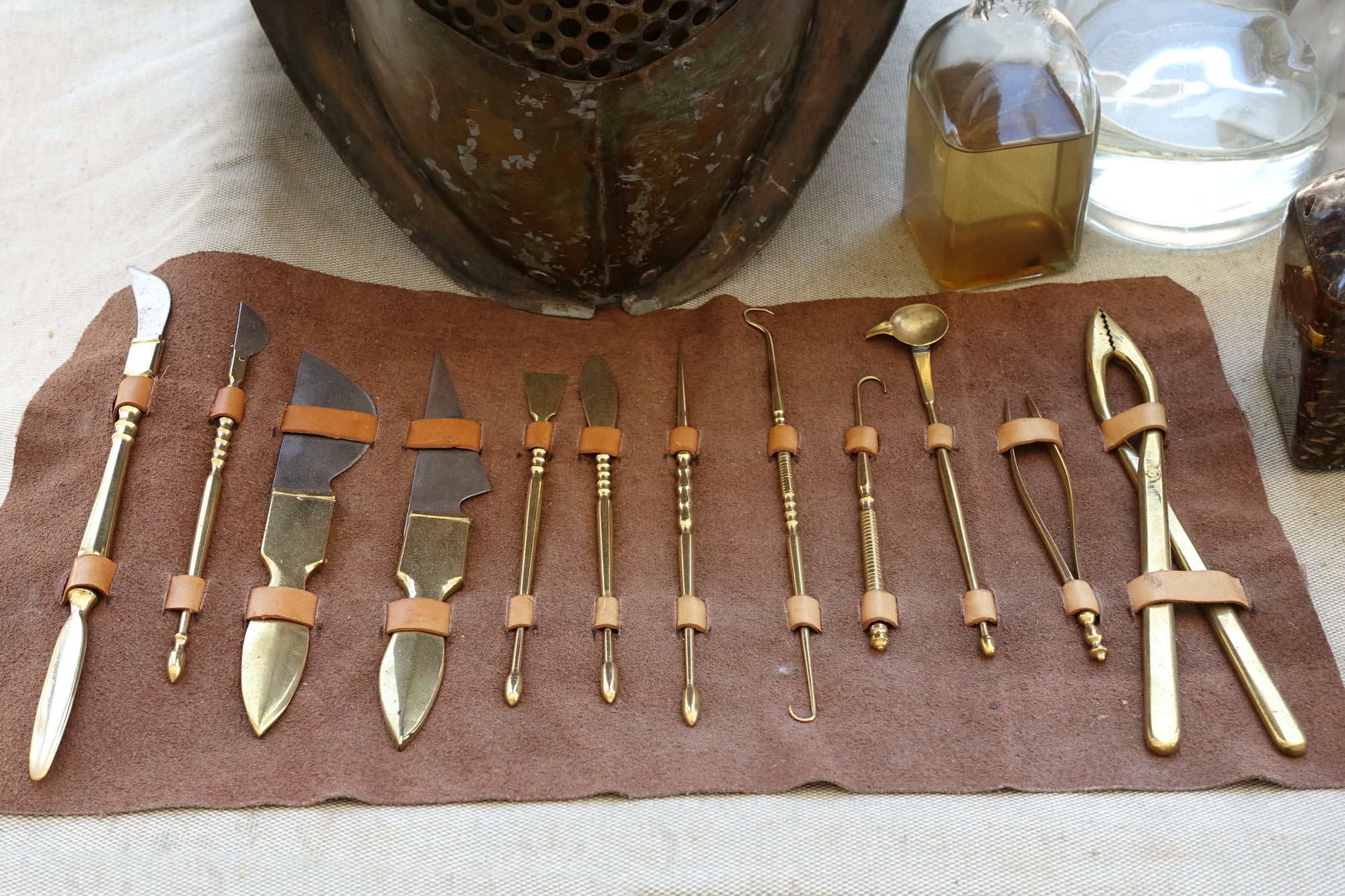
Think of Roman physicians as the medical detectives of their time. They understood that clean water and proper sanitation prevented disease long before anyone knew what bacteria were, approaching health the way a careful gardener tends soil — not knowing exactly why certain conditions worked, but observing what consistently produced the best results.
These doctors performed cataract surgery, removed kidney stones, and developed surgical instruments so well-designed that many modern tools are nearly identical. They established the first hospitals, created detailed anatomical studies, and even practiced a form of anesthesia using opium and alcohol mixtures.
They Invented the Shopping Mall

Romans didn’t mess around when it came to retail therapy. Trajan’s Market in Rome, built around 110 AD, was a multi-level shopping complex with over 150 shops and offices.
It had everything from fresh fish to imported silk. The design was brilliant: multiple levels connected by corridors, natural lighting, and different sections for different types of goods.
Roman Graffiti Proves People Never Change

Walk through Pompeii today and you’ll find graffiti that sounds like it could have been written yesterday, scrawled on walls by Romans who had no idea Mount Vesuvius was about to preserve their thoughts for eternity (one person carved “Marcus loves Spendusa” into a wall, while someone else wrote “I’m amazed, O wall, that you haven’t fallen down, since you’re holding up the tedious graffitied scribbles of so many writers” — which is basically a 79 AD version of complaining about too many notifications on your phone).
Some of it gets surprisingly personal. And crude.
They Had Central Heating Before Anyone Else

The hypocaust system was Roman engineering at its most practical. Hot air from furnaces circulated through spaces beneath floors and inside walls, heating entire buildings evenly and efficiently.
This wasn’t just for the wealthy — Roman bathhouses, which were open to everyone, used hypocaust systems to maintain perfect temperatures year-round. The technology was so effective that some Roman buildings stayed warm for hours after the fires went out.
Roman Women Had More Rights Than Most Societies Until Modern Times
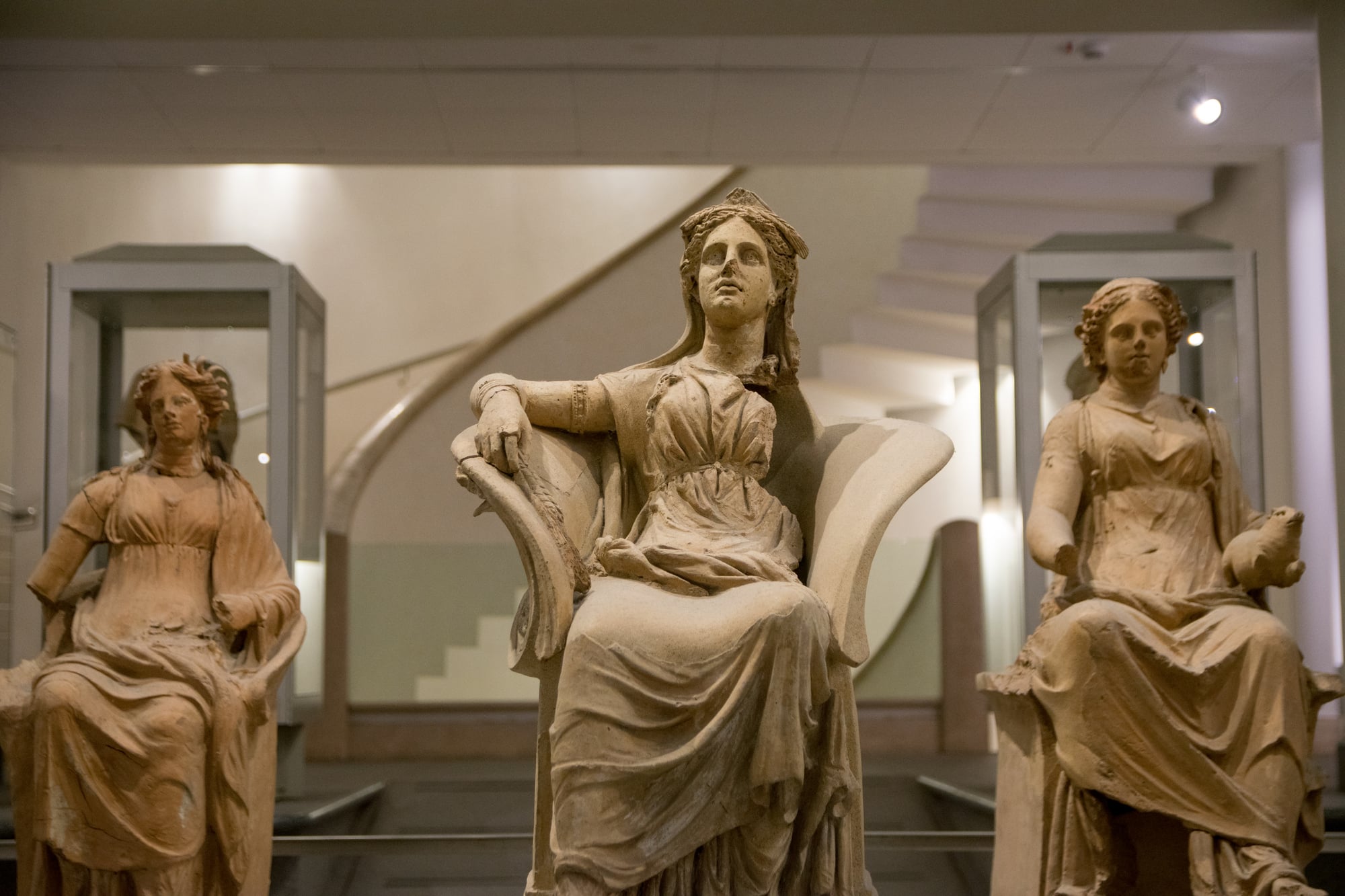
Here’s where Roman society gets interesting — and complicated. Women couldn’t vote or hold office, but in many other ways they lived with freedoms that wouldn’t return to Western society for over a thousand years, moving through daily life with an independence that would have been unthinkable in medieval Europe or colonial America.
Roman women owned property, ran businesses, and inherited wealth in their own names. They attended public events, traveled freely, and many received educations that rivaled those of men.
Their Road System Was Basically the Ancient Internet

Roman roads were the information superhighway of their time. Messages, goods, and people moved across the empire with speed and reliability that wouldn’t be matched again for centuries.
The saying “all roads lead to Rome” wasn’t just a metaphor — it was literally true. Every major road was designed with Rome as the center point, creating a hub-and-spoke system that kept the capital connected to every corner of the empire.
Romans Popularized Fast Food

Step into ancient Rome and you’d find thermopolia on every corner — the world’s first fast food restaurants, serving hot meals from large ceramic jars built into marble counters that kept food at perfect serving temperature throughout the day (archaeologists have found over 150 of these establishments in Pompeii alone, which gives you an idea of just how common they were, and how much Romans valued convenience when it came to eating, especially since most people lived in apartments without kitchens).
The menus were surprisingly diverse. And completely recognizable.
They Mastered Urban Planning

Roman cities weren’t accidents — they were carefully designed machines for human civilization. The grid system, public forums, proper drainage, and zoned districts for different activities created urban environments that actually worked.
Every Roman city followed the same basic template: a central forum for business and politics, residential areas arranged by economic class, designated spaces for entertainment and religion, and infrastructure that supported it all.
Roman Entertainment Was Massive and Sophisticated
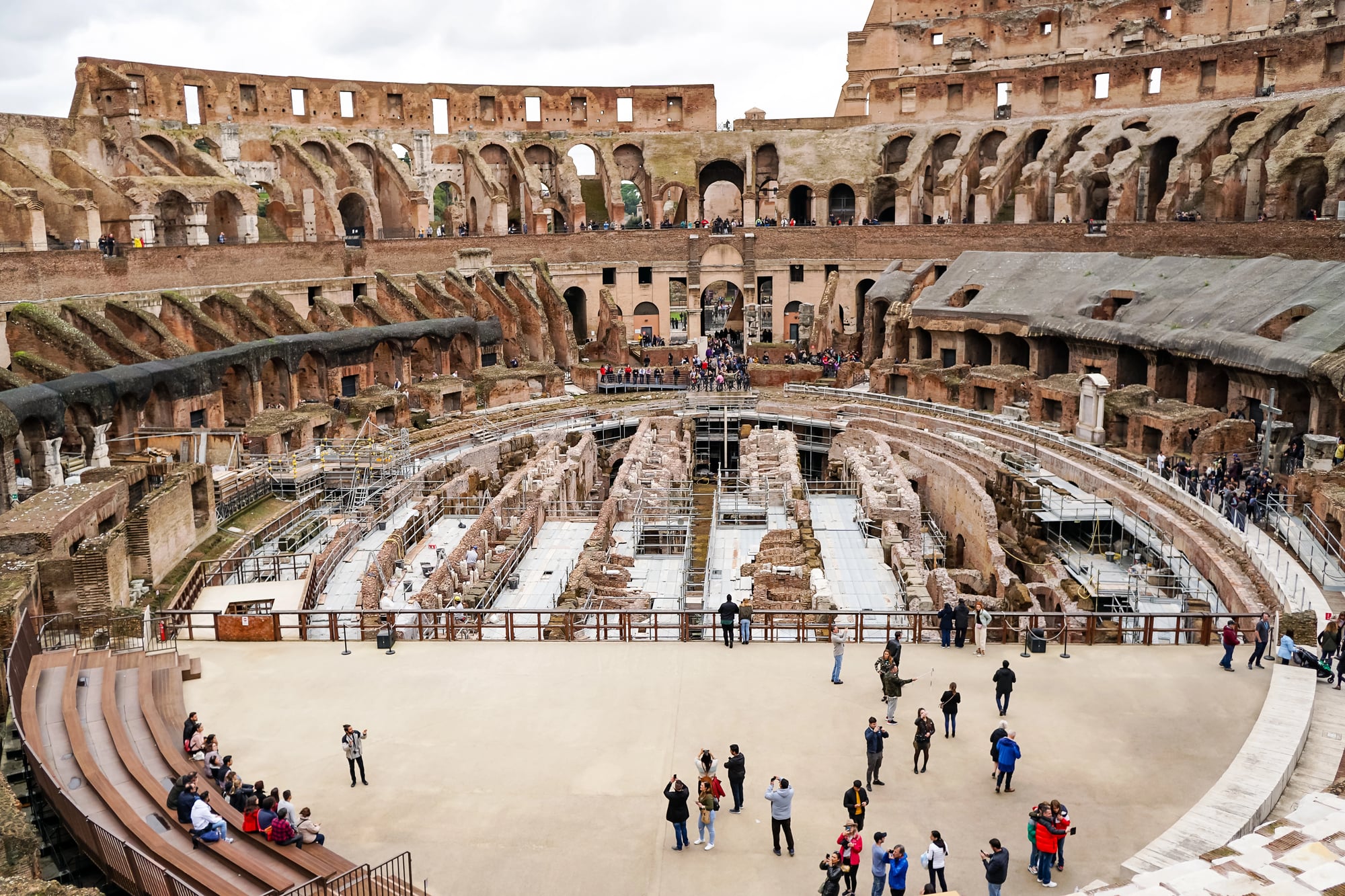
The Colosseum held 50,000 people and could be filled or emptied in 15 minutes through a system of corridors and exits that modern stadium designers still study, but that was just the beginning of Roman entertainment engineering (the building had retractable awnings to provide shade, underground chambers that could be flooded for naval battle reenactments, and elevator systems that brought gladiators and animals up from below the arena floor in dramatic entrances that would make modern concert producers jealous).
The logistics were staggering. And flawlessly executed.
They Had Professional Fire Departments

Roman firefighting was surprisingly modern in its organization and tactics. The vigiles were trained professionals who worked in shifts to provide 24-hour fire protection throughout the city.
They used pumps, bucket chains, and even primitive fire-resistant clothing. More importantly, they understood fire prevention — conducting regular inspections, maintaining water supplies, and enforcing building codes designed to stop fires from spreading.
Roman Engineering Defied Gravity
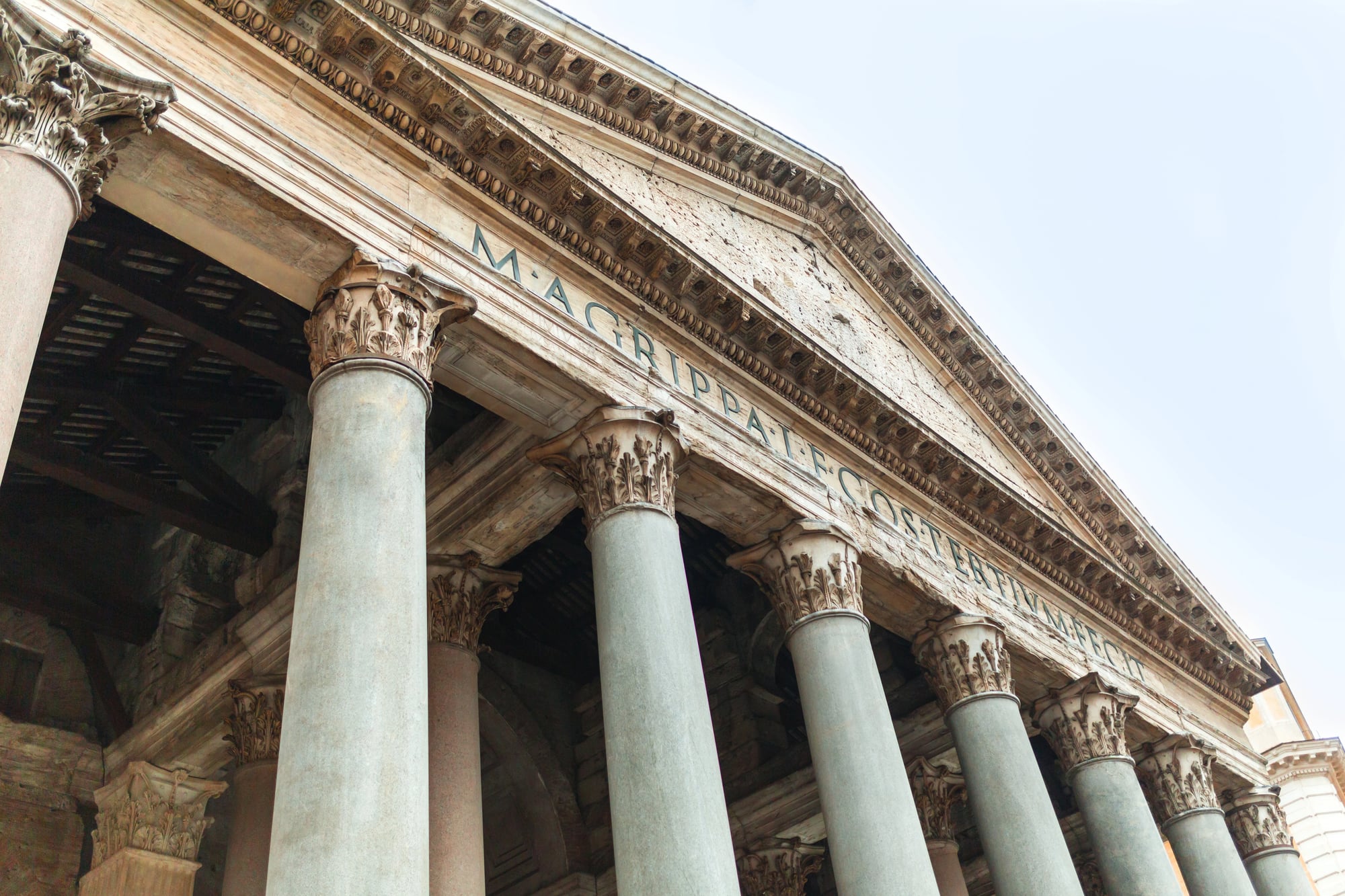
The arch changed everything, and Romans perfected it into an art form that let them build structures that seemed to float in mid-air, defying the limitations that had trapped earlier civilizations into heavy, blocky buildings that looked like they were afraid of falling down.
Roman arches distributed weight so efficiently that builders could create vast open spaces without internal supports — the Pantheon’s interior dome spans 142 feet with nothing holding it up except perfectly calculated engineering.
They Created the First Public Libraries

Romans believed that access to knowledge was a public good, not a private privilege. The first public library in Rome opened in 39 BC, and the concept spread rapidly throughout the empire.
These weren’t just storage spaces for scrolls — they were social and intellectual centers where people gathered to read, debate, and learn.
Roman Baths Were Social Media Before Social Media
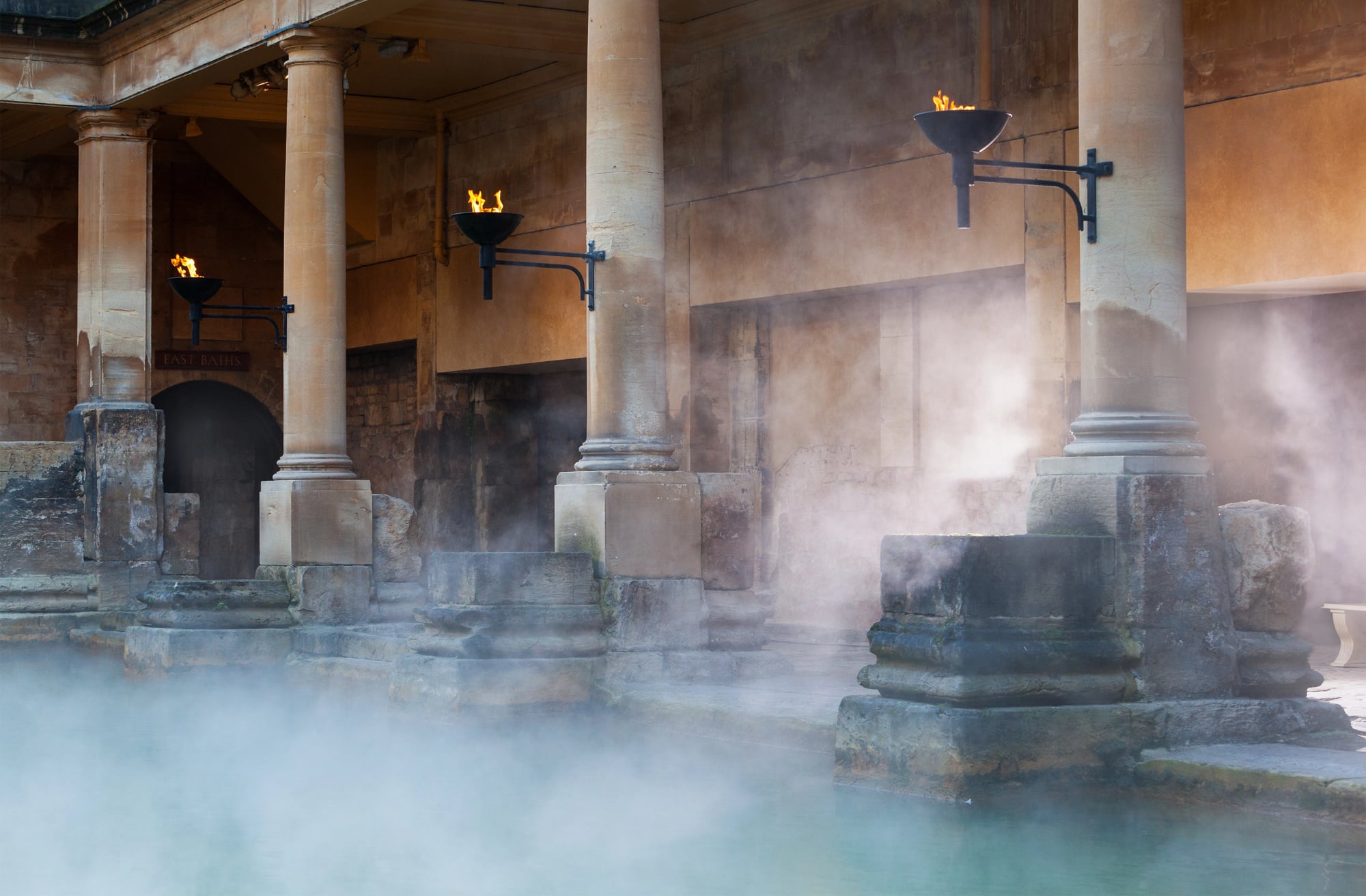
The Roman bath experience was about far more than getting clean — it was the social networking platform of the ancient world, where business deals were struck, political alliances formed, and gossip spread faster than wildfire through rooms that accommodated thousands of people from all social classes mixing together in ways that rarely happened anywhere else in Roman society.
A typical visit involved moving through rooms of different temperatures, from cold plunges to hot steam baths, with plenty of time between each stage to socialize, exercise, or get a massage.
Looking Back From Tomorrow
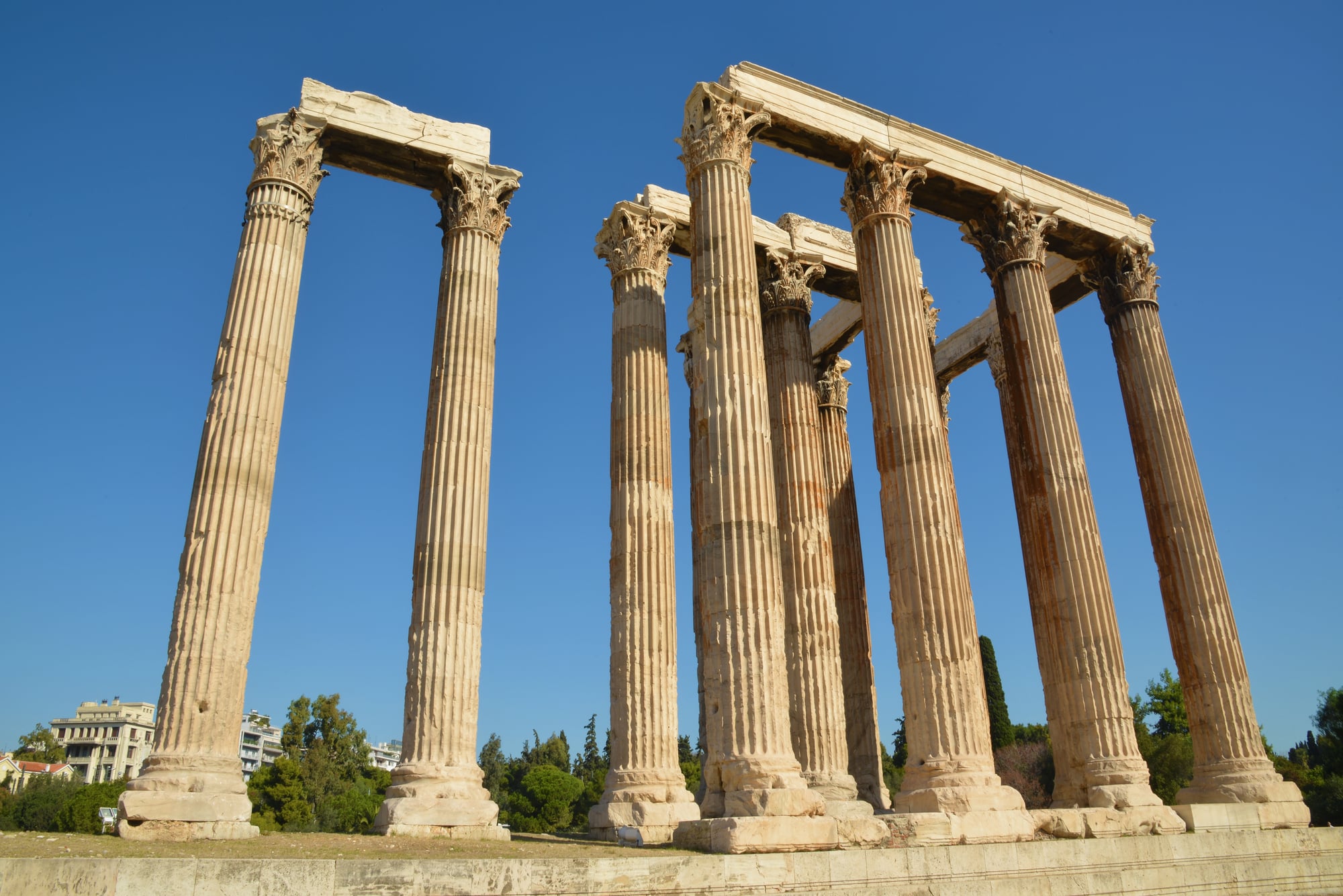
Romans solved problems that we’re still grappling with today — how to move large populations efficiently, how to provide clean water and sanitation, how to create public spaces that bring communities together.
They approached challenges with a combination of practical engineering and social innovation that produced solutions lasting millennia.
More from Go2Tutors!

- The Romanov Crown Jewels and Their Tragic Fate
- 13 Historical Mysteries That Science Still Can’t Solve
- Famous Hoaxes That Fooled the World for Years
- 15 Child Stars with Tragic Adult Lives
- 16 Famous Jewelry Pieces in History
Like Go2Tutors’s content? Follow us on MSN.