14 Inventions That Made Their Creators Crazy Rich
We live in a world shaped by brilliant minds who turned simple ideas into fortunes that would make lottery winners jealous. Some of these inventors stumbled upon their goldmines by accident, while others spent years perfecting their creations before striking it rich.
The common thread? They all solved problems people didn’t even know they had.
From everyday items you probably used this morning to technologies that revolutionized entire industries, these inventions prove that sometimes the most ordinary ideas can generate extraordinary wealth. Here is a list of 14 inventions that transformed their creators from regular folks into some of the wealthiest people on the planet.
Post-it Notes

Art Fry was just trying to keep his bookmark from falling out of his hymnal during church choir practice when he stumbled upon one of 3M’s most profitable products. He used a weak adhesive that his colleague Spencer Silver had developed years earlier, creating the first Post-it Note in 1974.
The product took off slowly but eventually became a billion-dollar empire, making both inventors wealthy beyond their wildest dreams.
Velcro
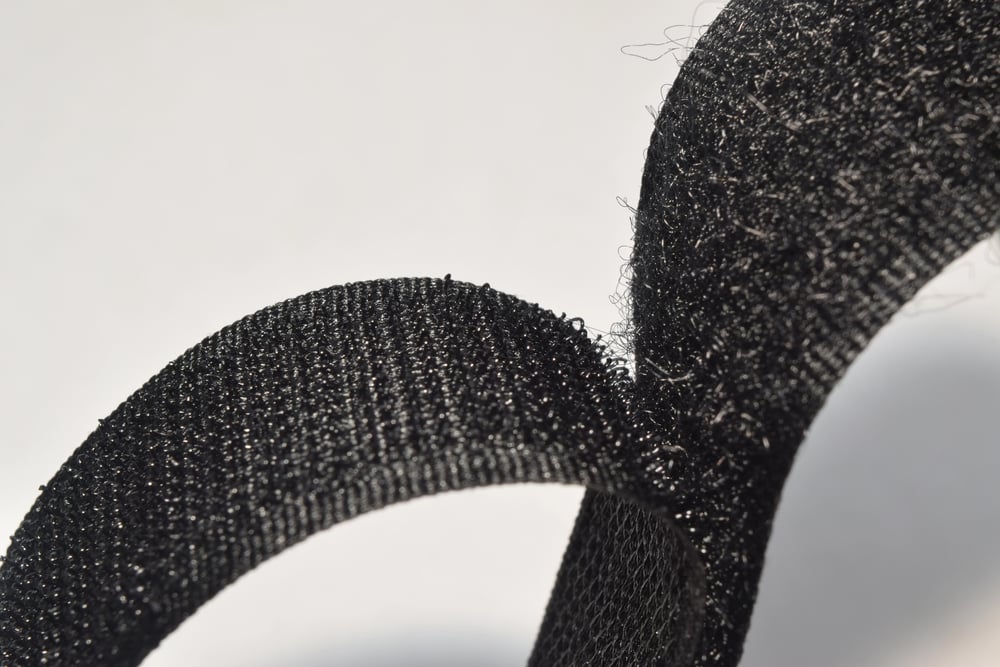
Swiss engineer George de Mestral was picking burrs off his dog after a hunting trip in 1941 when inspiration struck. He examined the burrs under a microscope and discovered tiny hooks that grabbed onto fabric loops.
After years of development, he created Velcro in 1955, which became essential for everything from shoes to space suits, generating millions in royalties throughout his lifetime.
Like Go2Tutors’s content? Follow us on MSN.
The Pet Rock
Gary Dahl proved that Americans would buy almost anything with the right marketing when he created the Pet Rock in 1975. This smooth stone from Mexico’s Rosarito Beach came with a humorous care manual and sold for $4 each.
During the 1975 Christmas season, Dahl sold over a million Pet Rocks, making him a millionaire in just six months with one of the most absurd yet profitable ideas in history.
Bubble Wrap
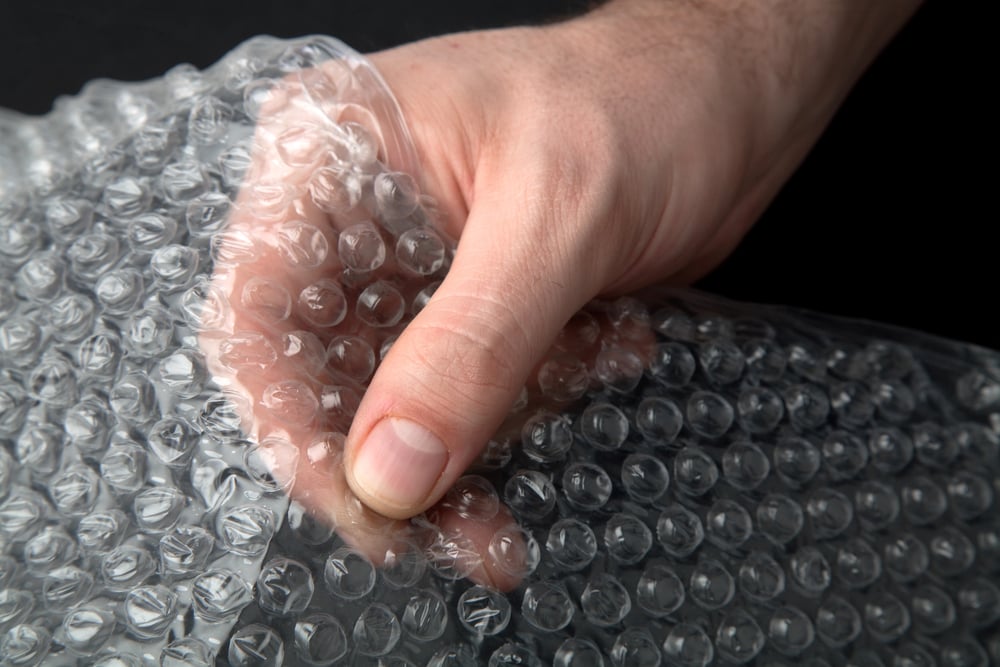
Alfred Fielding and Marc Chavannes were actually trying to create textured wallpaper in 1957 when they accidentally invented Bubble Wrap. Their plastic sheeting with air bubbles turned out to be terrible wallpaper but made excellent packaging material.
The invention generated hundreds of millions in revenue and became so popular that people now celebrate Bubble Wrap Appreciation Day every January.
The Slinky
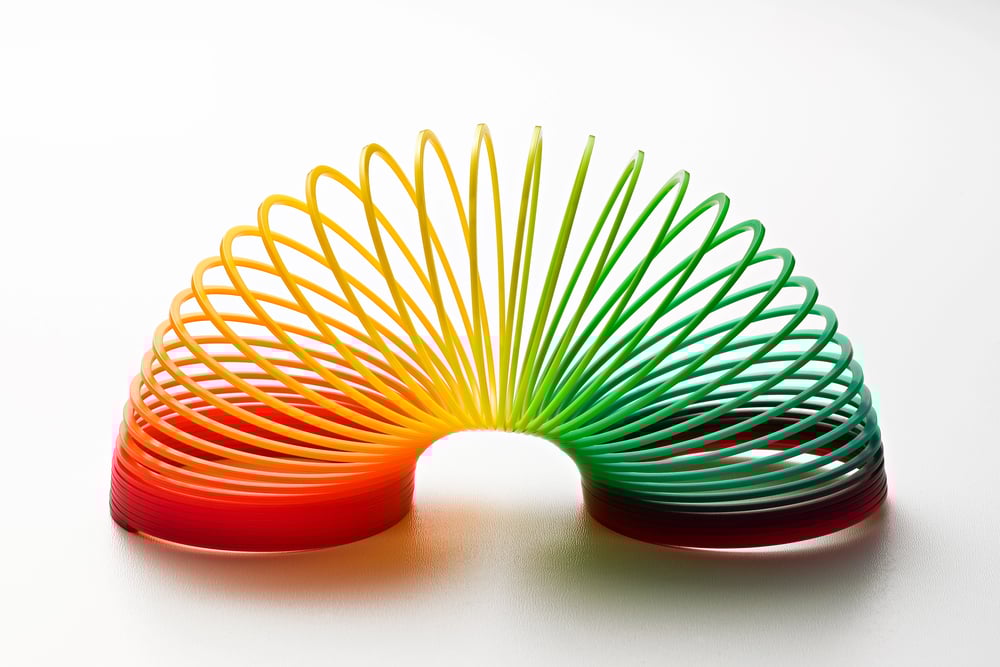
Richard James was working on springs to stabilize sensitive equipment on ships when he knocked one off his desk in 1943. Watching it ‘walk’ down a stack of books gave him the idea for the Slinky.
His wife Betty named it, and the toy became an instant hit, selling 100 million units in its first 50 years and making the James family wealthy toy moguls.
Like Go2Tutors’s content? Follow us on MSN.
Liquid Paper
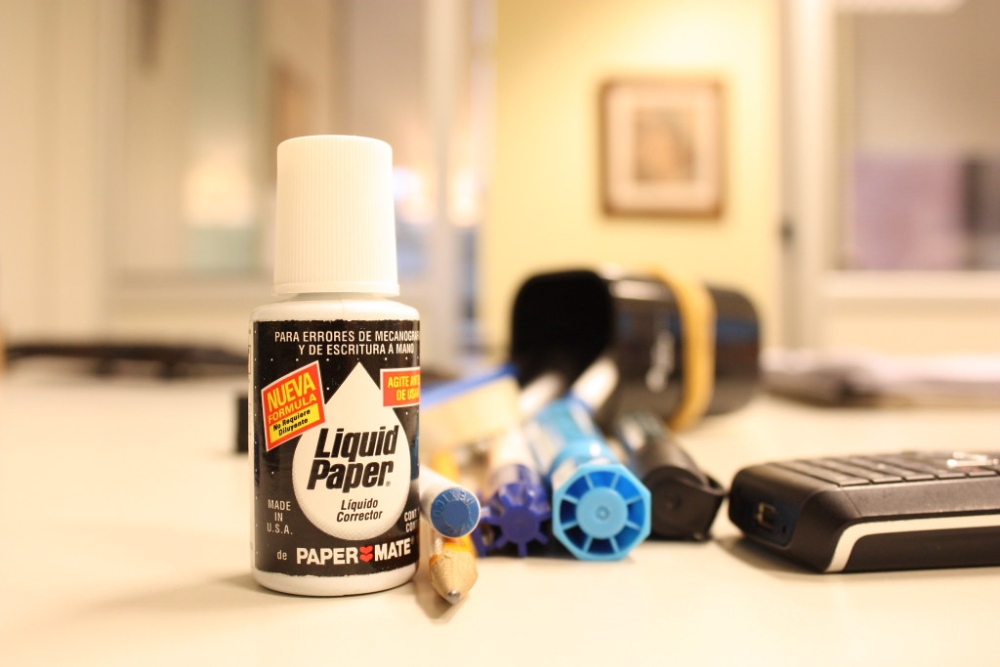
Bette Nesmith Graham was a secretary who got tired of retyping documents every time she made a mistake. In 1956, she mixed tempera paint with water in her kitchen blender to create the first correction fluid.
Her invention, originally called ‘Mistake Out,’ eventually became Liquid Paper and sold to Gillette for $47.5 million in 1979, making her one of the richest women in America.
The Safety Pin
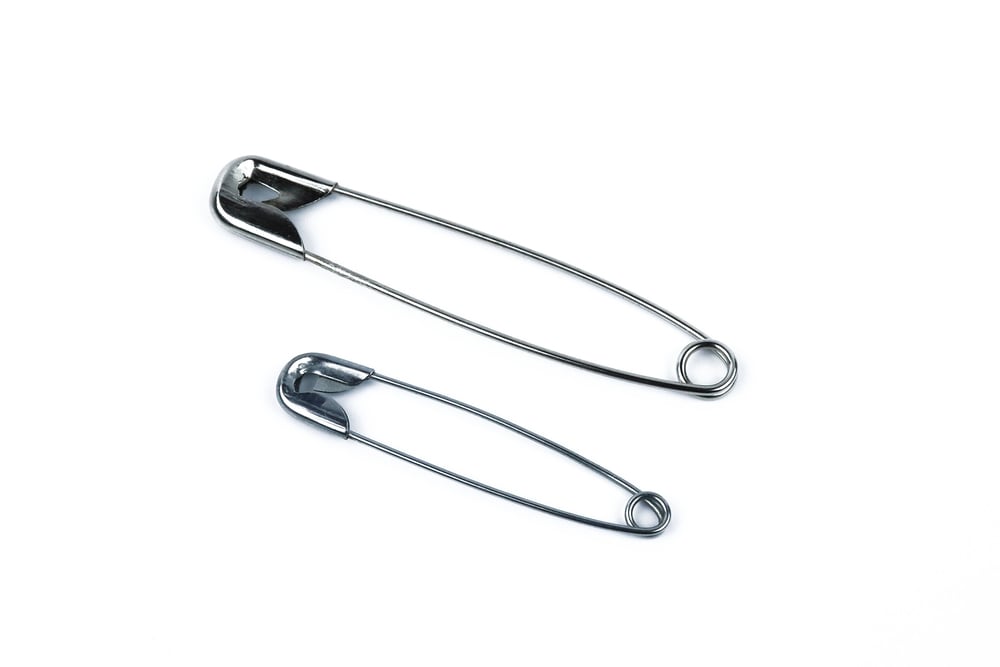
Walter Hunt needed to pay off a $15 debt when he invented the safety pin in 1849 using a single piece of wire. He twisted it into a spring at one end and created a clasp at the other to protect users from the sharp point.
Hunt sold his patent for $400 to pay his debt, but the buyer made millions manufacturing this simple yet revolutionary fastening device.
Windshield Wipers

Mary Anderson was riding a streetcar in New York City during a snowstorm in 1902 when she noticed the driver struggling to see through the windshield. She sketched a design for a spring-loaded arm with a rubber blade that could be operated from inside the vehicle.
Although initially rejected by manufacturers, her windshield wiper patent eventually made her wealthy when car production exploded in the following decades.
Like Go2Tutors’s content? Follow us on MSN.
The Chocolate Chip Cookie
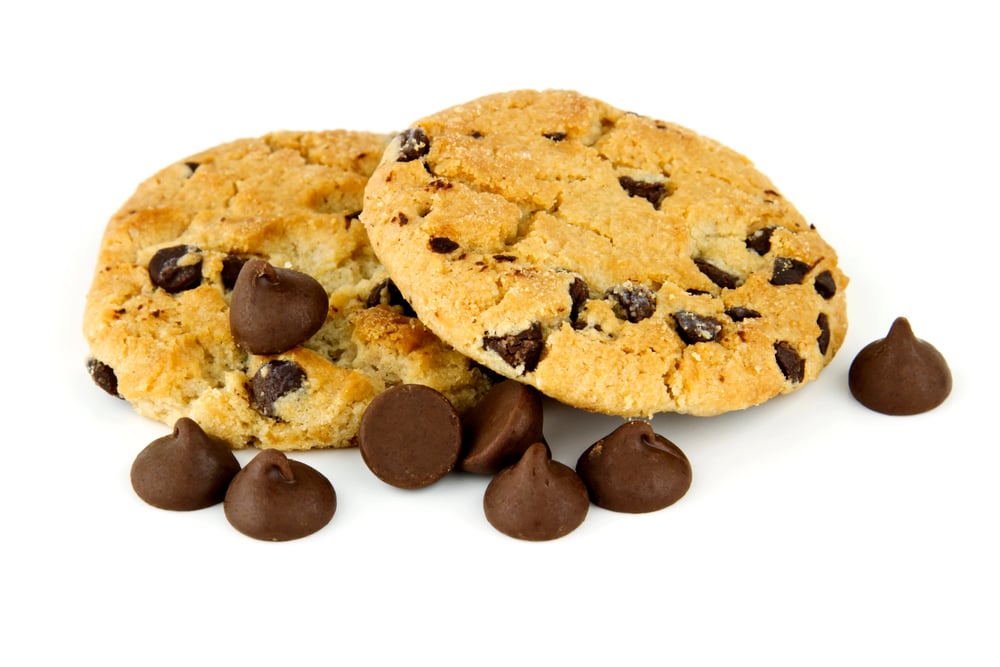
Ruth Wakefield was running the Toll House Inn in 1938 when she ran out of baker’s chocolate for her cookies. She chopped up a Nestlé chocolate bar and mixed the pieces into her dough, expecting them to melt evenly.
Instead, she created the first chocolate chip cookie, which became so popular that Nestlé bought her recipe for a lifetime supply of chocolate and made her invention a household staple worldwide.
Super Glue
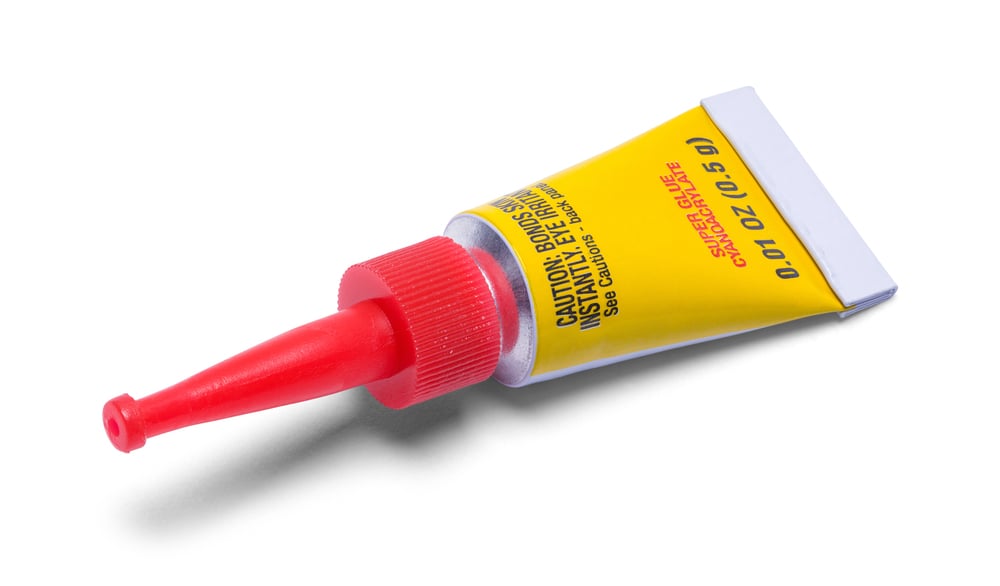
Harry Coover was trying to develop clear plastic gun sights for World War II when he accidentally created cyanoacrylate in 1942. He initially discarded the formula because it stuck to everything, but realized its potential years later when working on jet canopies.
Super Glue became a consumer phenomenon and military essential, earning Coover millions in royalties and a place in the Inventors Hall of Fame.
The Frisbee
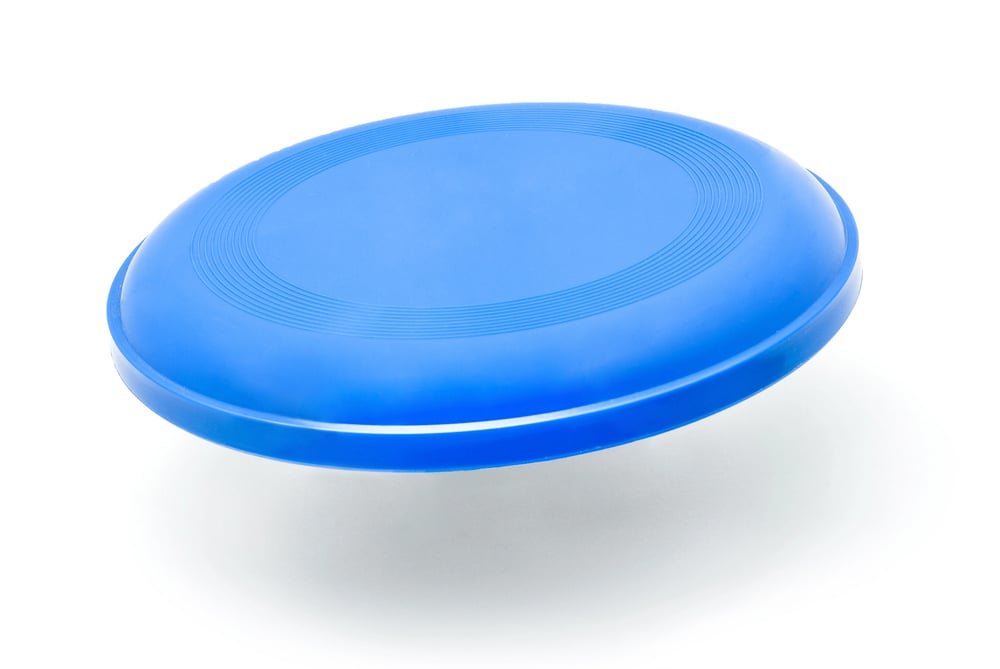
Walter Morrison was tossing pie tins on the beach with his girlfriend in 1937 when he realized people might pay for a better flying disc. He developed the first plastic version in 1948 and eventually sold his design to Wham-O for $2 million.
The Frisbee became one of the most popular toys ever created, selling over 200 million units and spawning an entire sport.
Like Go2Tutors’s content? Follow us on MSN.
Scotchgard
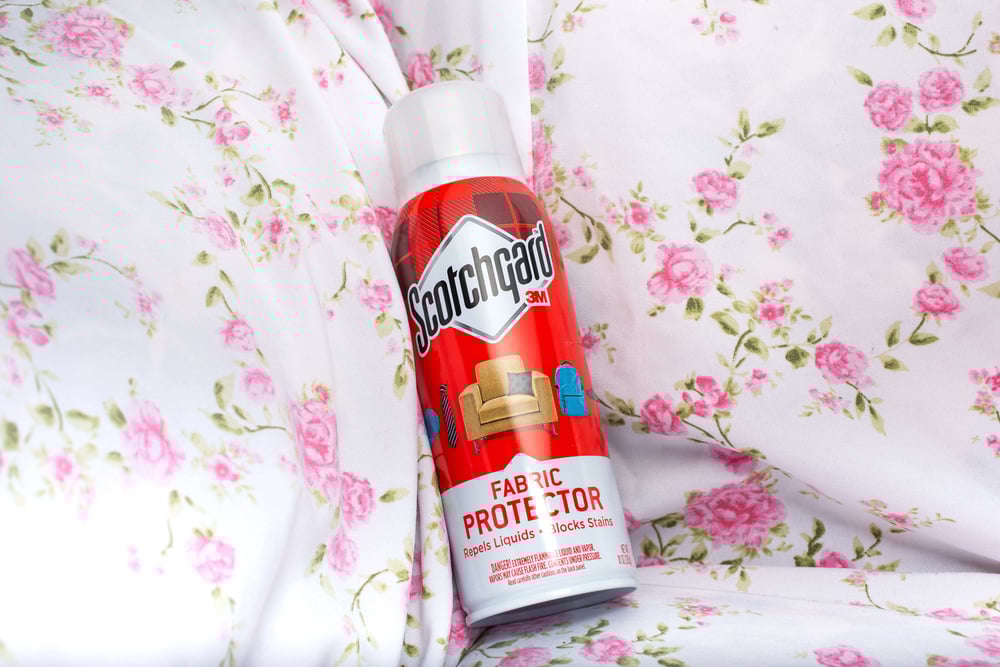
Patsy Sherman was a 3M chemist in 1953 when a laboratory accident led to one of the company’s most profitable products. A fluorochemical compound spilled on her tennis shoe, and she noticed that area repelled water, oil, and other liquids.
She developed this discovery into Scotchgard fabric protector, which became a billion-dollar product line and made Sherman a wealthy pioneer in the chemical industry.
The Pacemaker

Wilson Greatbatch was working on a heart rhythm recorder in 1956 when he accidentally grabbed the wrong resistor from his parts box. The circuit he created produced electrical pulses that perfectly mimicked a human heartbeat.
This mistake led to the first implantable pacemaker in 1960, revolutionizing cardiac care and earning Greatbatch over 325 patents and a fortune from licensing fees.
Kevlar

Stephanie Kwolek was researching lightweight fibers for tire reinforcement at DuPont in 1965 when she created a cloudy polymer solution that most chemists would have thrown away. She convinced a colleague to spin it into fiber, discovering material five times stronger than steel by weight.
Kevlar became essential for bulletproof vests, racing sails, and aerospace applications, generating billions in revenue for decades.
Like Go2Tutors’s content? Follow us on MSN.
From Garage to Gold Mine
These inventors prove that world-changing ideas can come from anywhere, whether it’s a church pew, a laboratory accident, or simple frustration with daily life. Many of these creators started with basic materials and unlimited imagination, turning ordinary moments into extraordinary fortunes.
Their stories remind us that the next billion-dollar idea might be sitting right in front of us, waiting for someone brave enough to see its potential. The most successful inventors didn’t just create products—they solved problems people didn’t even realize they had, and the world rewarded them handsomely for it.
More from Go2Tutors!

- 16 Historical Figures Who Were Nothing Like You Think
- 12 Things Sold in the 80s That Are Now Illegal
- 15 VHS Tapes That Could Be Worth Thousands
- 17 Historical “What Ifs” That Would Have Changed Everything
- 18 TV Shows That Vanished Without a Finale
Like Go2Tutors’s content? Follow us on MSN.



