Photos Of Famous Cities 100 Years Ago Versus Today
Time has a way of sneaking up on places the same way it sneaks up on people. One day a city looks one way, and then decades pass, and suddenly the skyline has completely transformed.
The streets that once held horse-drawn carriages now buzz with electric vehicles. Buildings that stood for centuries get dwarfed by gleaming towers that seem to have appeared overnight.
Looking at photographs of major cities from 100 years ago compared to today reveals just how dramatically the world has changed—and how some places have managed to hold onto their essential character despite it all.
New York City
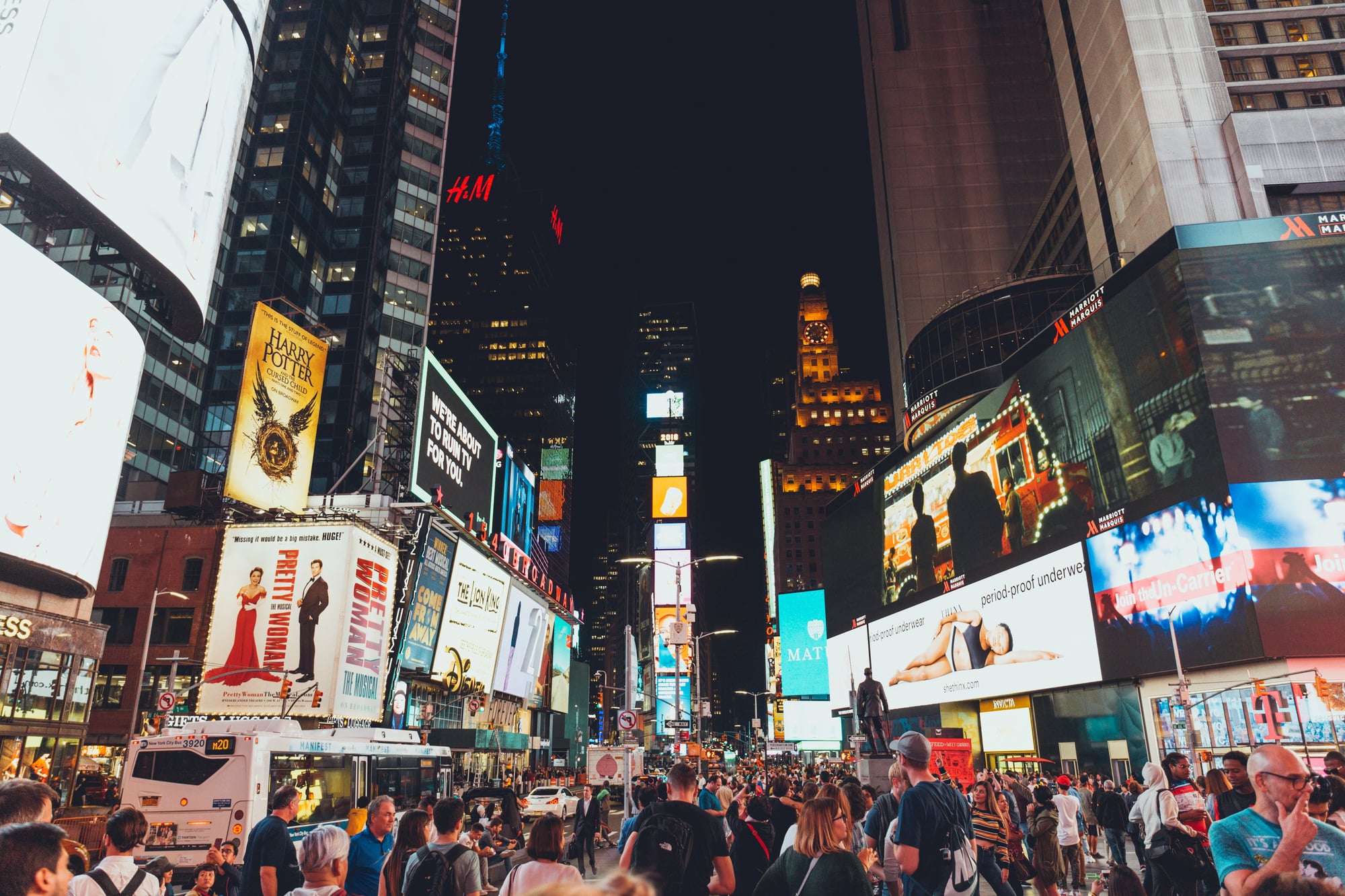
Manhattan doesn’t mess around when it comes to reinventing itself. The 1920s skyline that once seemed impossibly tall now looks quaint next to the glass giants that have sprouted up everywhere.
Central Park remains the same green rectangle it always was, but everything around it has grown taller, denser, more urgent.
Times Square traded its vintage theater marquees for LED billboards that could probably be seen from space. The subway system that was already crowded a century ago somehow manages to be even more packed today.
And yet the energy that made New York magnetic in the 1920s is still there—it just moves faster now.
London
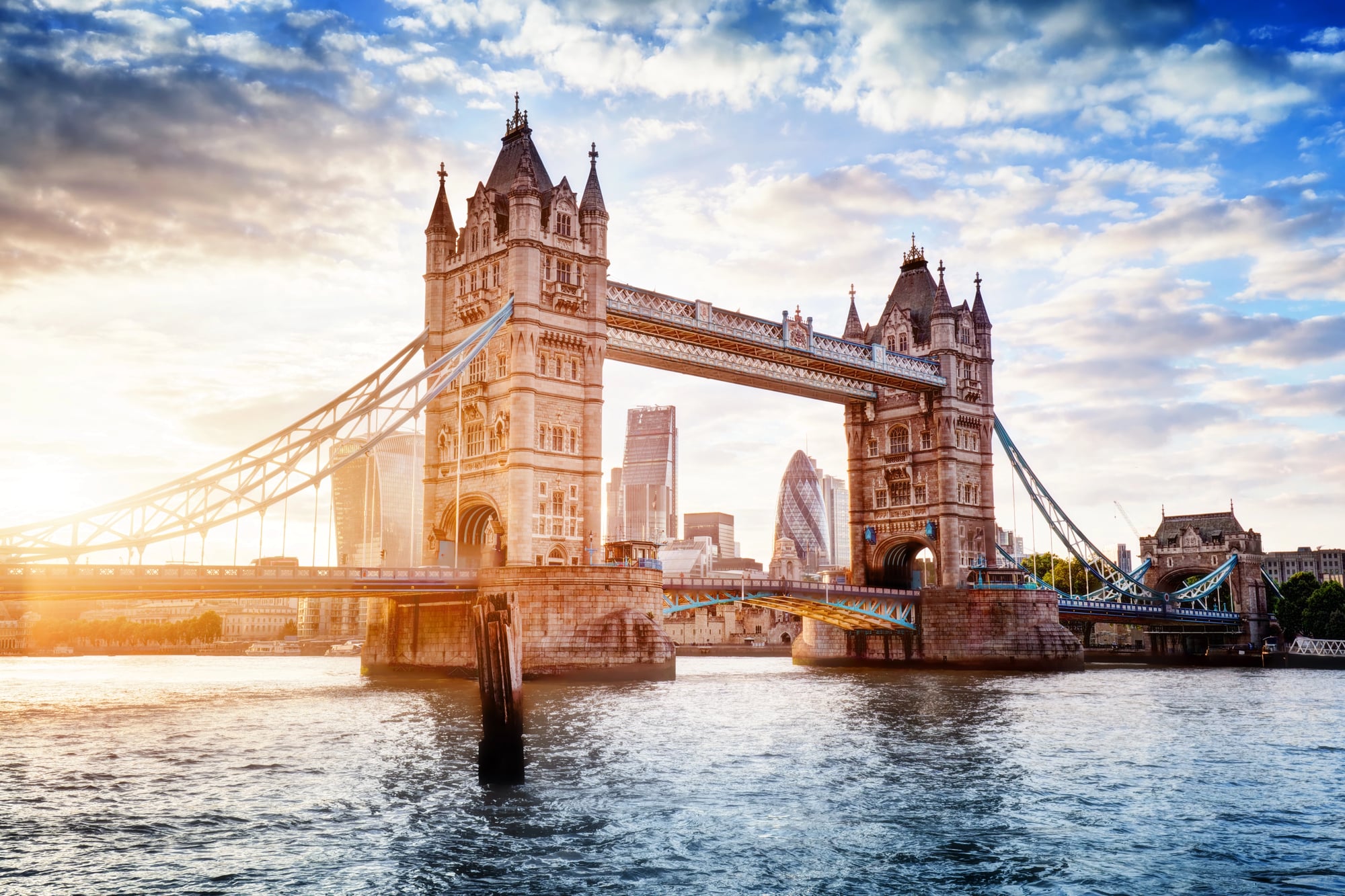
London approaches change the way it approaches everything else: with measured consideration and the occasional dramatic flourish (though the flourishes tend to cause decades of heated debate). The Thames still winds through the city exactly as it did in 1924, but the South Bank—once a collection of warehouses and industrial buildings—now houses some of the world’s most recognizable cultural landmarks.
The city figured out how to thread modern architecture between centuries-old buildings without losing its essential character, which is saying something when you consider how many cities have tried and failed at that particular balancing act.
Modern London feels like someone took the 1920s version and carefully updated it rather than tearing it down and starting over. To be fair, the Blitz forced some of that rebuilding whether London wanted it or not, but the city managed to restore its personality along with its structures.
Tokyo
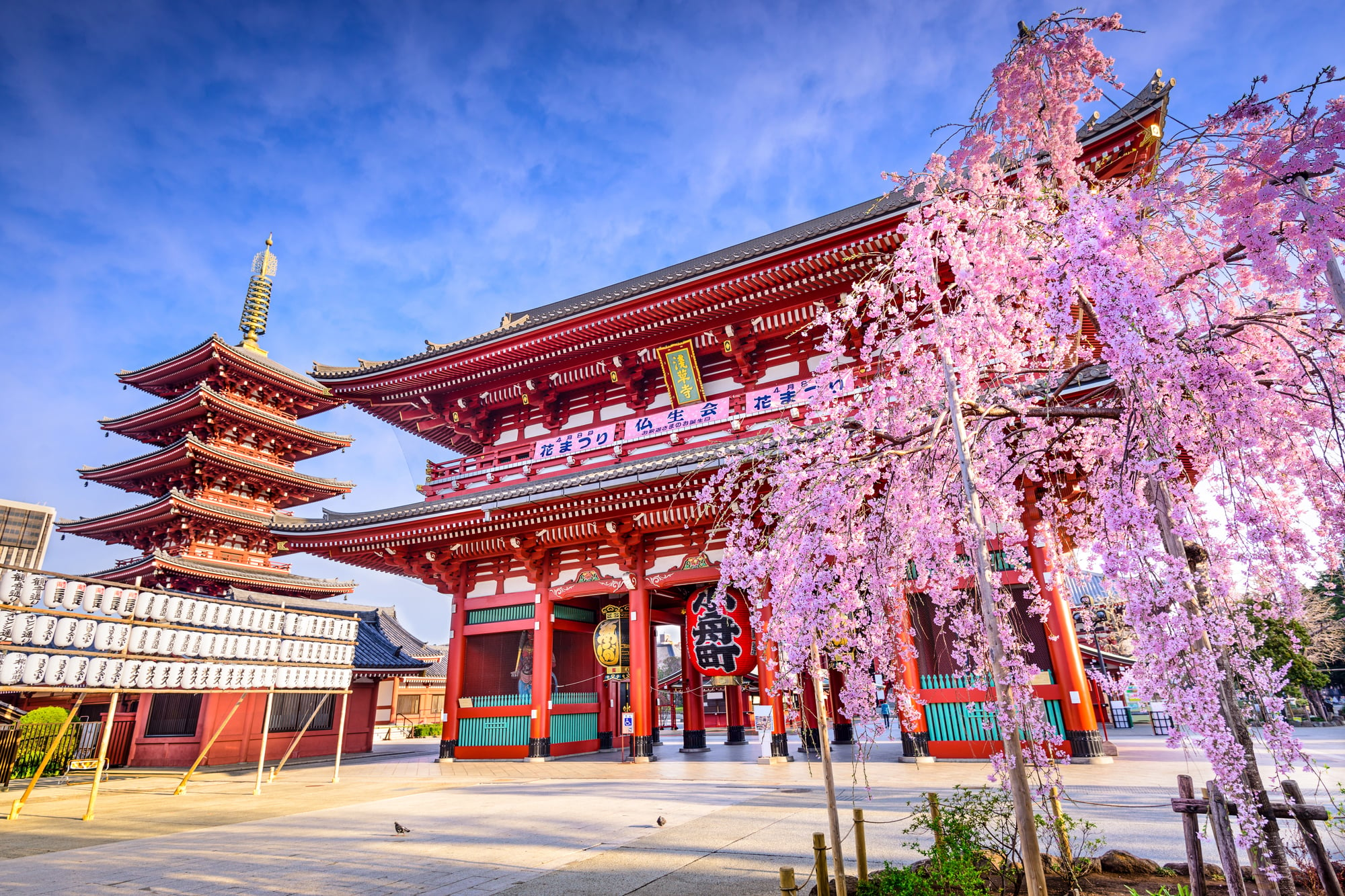
Tokyo’s relationship with time is more complicated than most places, and the photographs tell that story in layers that keep shifting depending on how closely you look. The city that existed in 1924 was already rebuilding from the Great Kanto Earthquake of 1923, so even the “old” photos show a place in transition.
What strikes you first is how the low, wooden neighborhoods have given way to districts where skyscrapers compete for space like plants reaching toward sunlight.
But step into certain residential areas, and the narrow streets and small shops feel like they could have existed decades ago.
The city learned to preserve pockets of its past while embracing a future that seems to arrive faster there than anywhere else.
Traditional temples sit comfortably next to convenience stores that stock items that didn’t exist five years ago, and somehow it all feels perfectly natural.
Paris
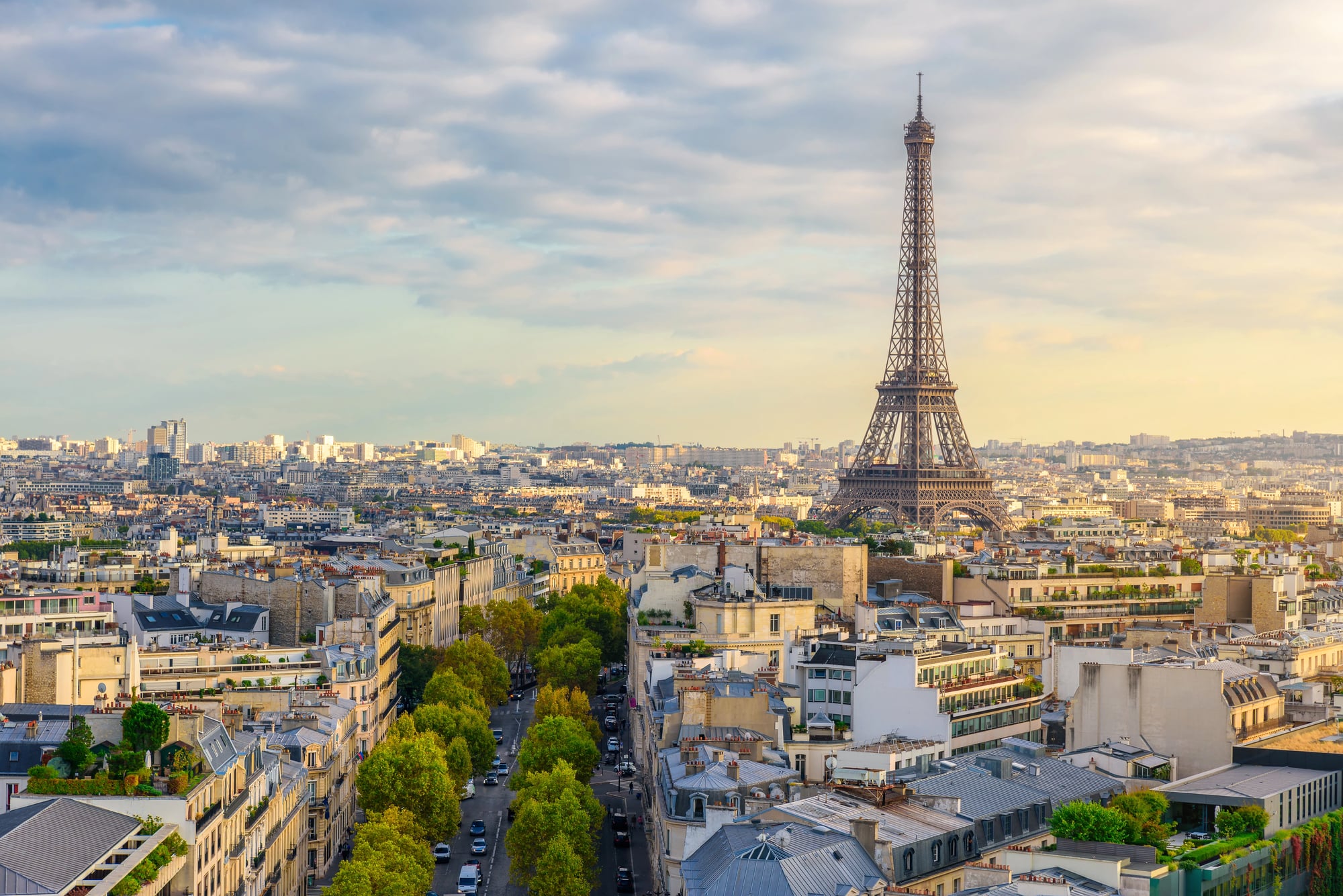
Paris decided long ago that it looked good enough to resist most attempts at dramatic change, and the comparison photos prove that confidence was well-placed. The Haussmann boulevards cut their elegant lines through the city in exactly the same pattern they did in the 1920s.
The Eiffel Tower stands in precisely the same spot, looking exactly as it did when it was still controversial.
The biggest changes happen in the details rather than the grand gestures.
Cars have replaced horse-drawn carriages, but they follow the same streets.
The café culture that defined Parisian life a century ago continues to thrive, though the conversations have shifted from post-war recovery to climate change and social media.
Modern Paris feels less like a different city than like the same city wearing slightly different clothes.
Los Angeles
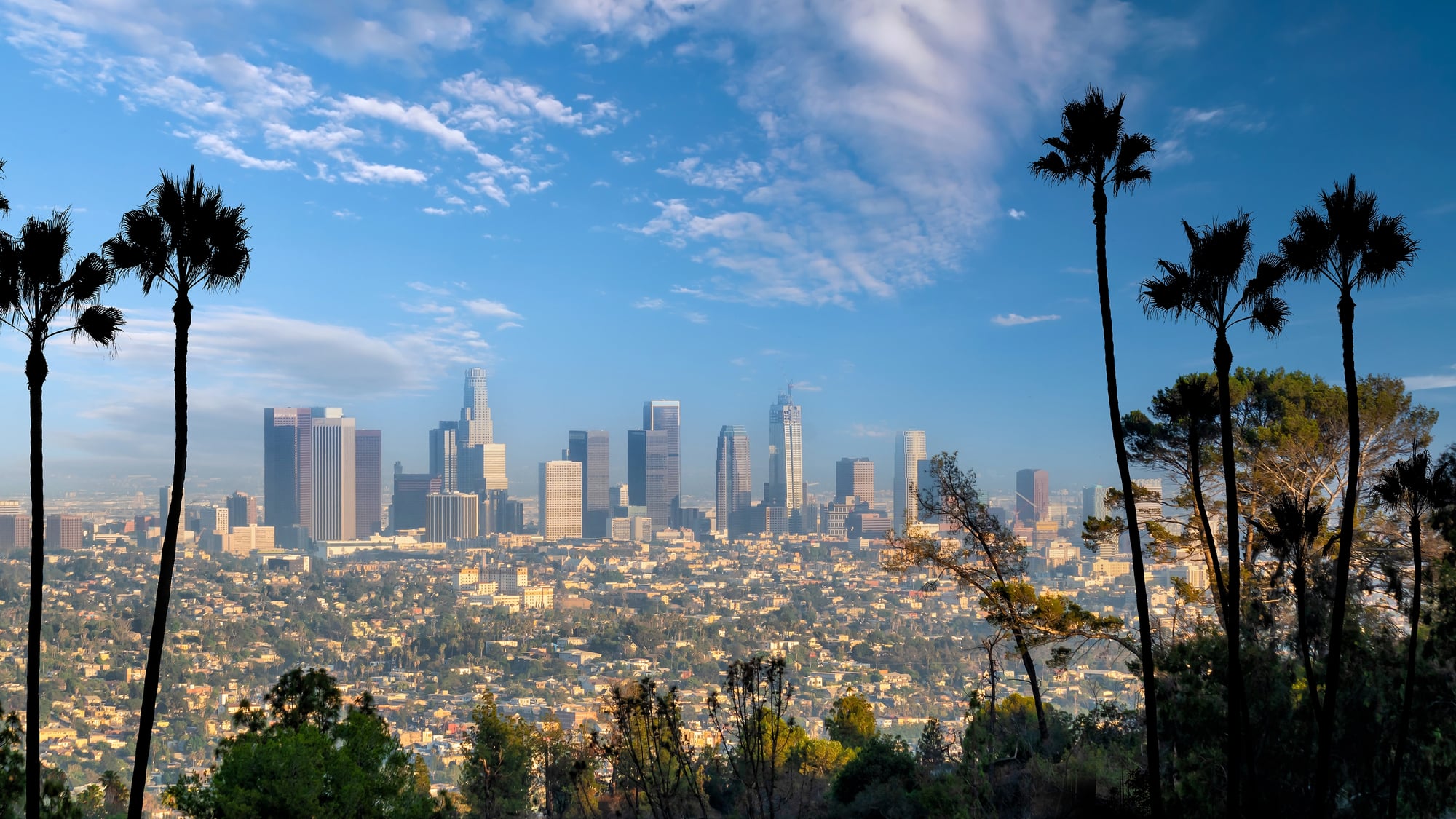
LA in the 1920s was still figuring out what it wanted to be when it grew up, and the photos from that era show a city that looks almost tentative—wide streets lined with palm trees and low buildings spread across a basin that seemed to have room for infinite expansion.
Turns out it did have room, just not infinite patience for the traffic that expansion would create.
Today’s aerial shots reveal a sprawling metropolis that stretches beyond what anyone could have imagined a century ago.
The Hollywood sign that once advertised a housing development now serves as a global symbol.
Downtown LA, which barely registered as a proper urban center in the old photos, has grown into a forest of glass and steel towers.
But the essential character—that sense of a place where people come to reinvent themselves—remains unchanged, even if the dreamers now arrive with different ambitions and face different challenges.
San Francisco
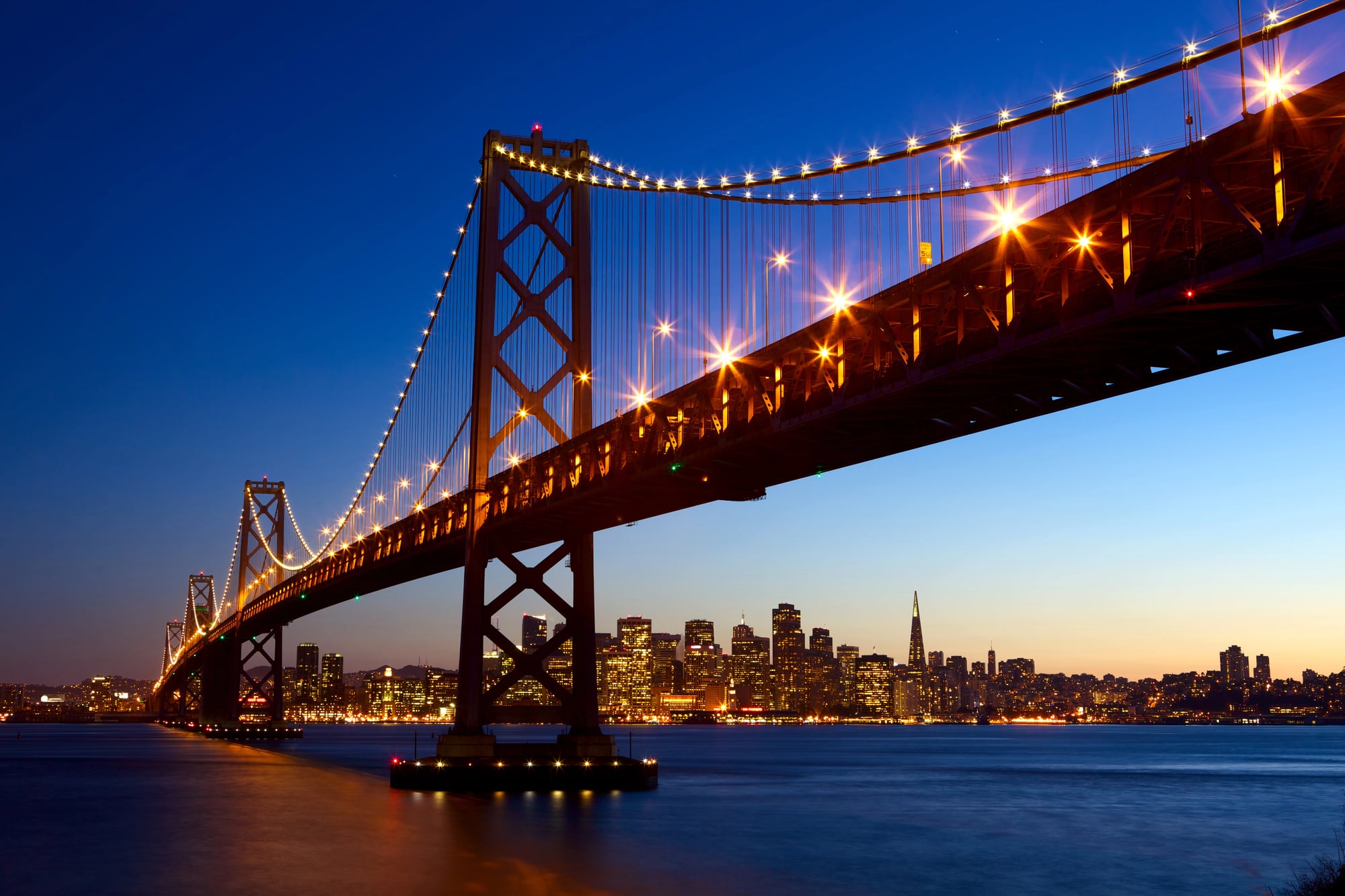
San Francisco’s relationship with change gets complicated by geography and geology in ways that show up clearly when you compare old photos with new ones. The hills haven’t moved (earthquakes aside), and the bay remains exactly where it always was, which gives the city a kind of built-in stability that many places lack.
The Golden Gate Bridge wasn’t there in 1924—it didn’t open until 1937—so those early photos show a bay that looks strangely incomplete without its most famous landmark.
Victorian houses that survived the 1906 earthquake and fire continue to march up and down the hills in neat, colorful rows, though they now compete for attention with modern towers and tech company shuttles.
The fog still rolls in exactly as it always has, which somehow makes all the other changes feel less dramatic.
Some things insist on staying the same, no matter what humans decide to build.
Chicago
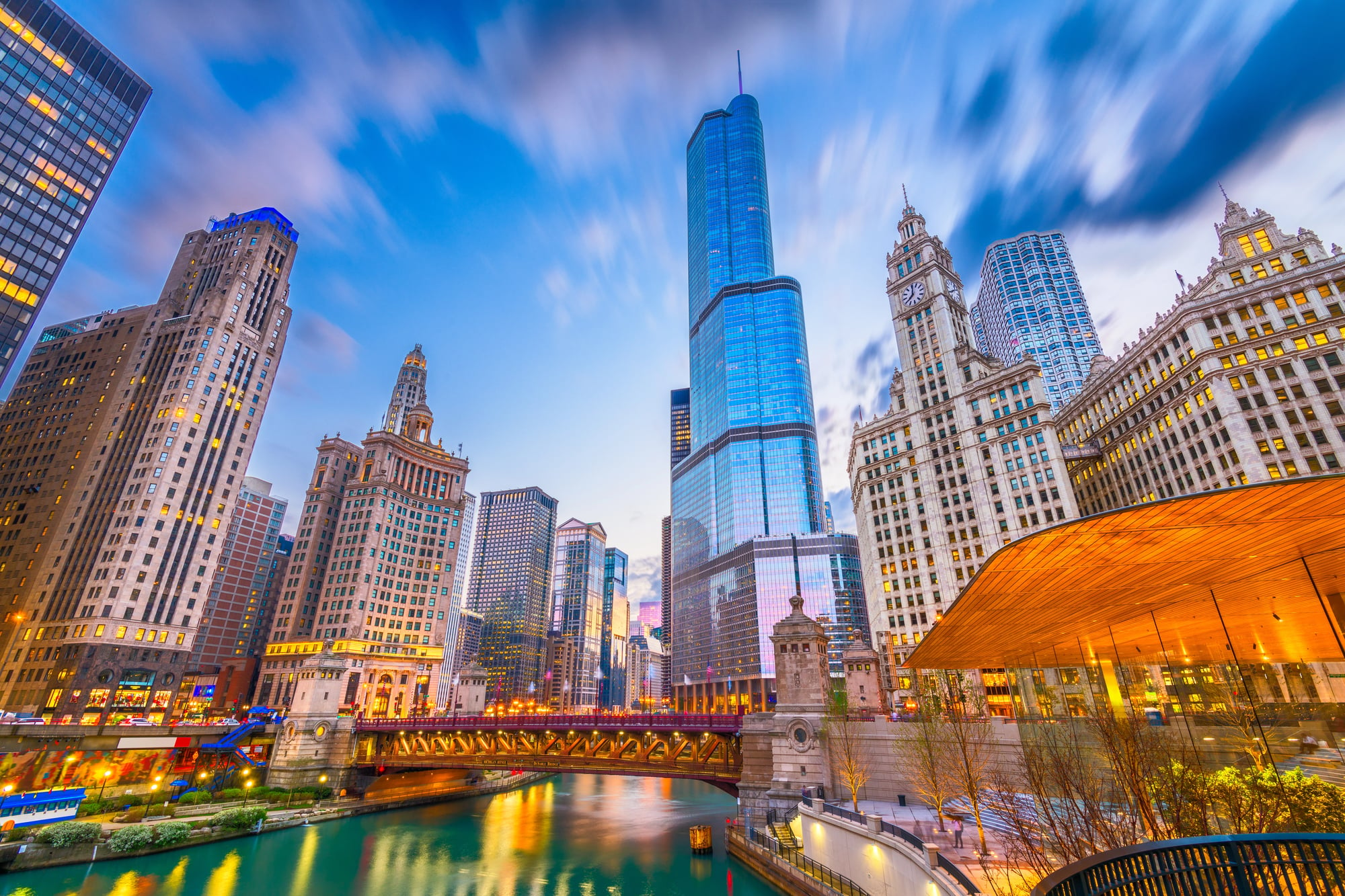
Chicago rebuilt itself once after the Great Fire of 1871, so by the 1920s it had already proven it could reinvent itself when necessary. The photos from that era show a city that had figured out how to build tall buildings and wasn’t afraid to keep building them taller.
The lakefront that provided relief from urban density a century ago still serves the same purpose, though the beaches now host volleyball tournaments and music festivals alongside the swimmers and sunbathers.
The Loop remains the heart of the city, but it’s been joined by neighborhoods that barely existed in the 1920s.
Modern Chicago feels like it took the ambition that drove its early growth and applied it to becoming a more livable city rather than just a bigger one.
The wind still whips off Lake Michigan exactly as it always has, but now it powers turbines while it chills pedestrians.
Berlin
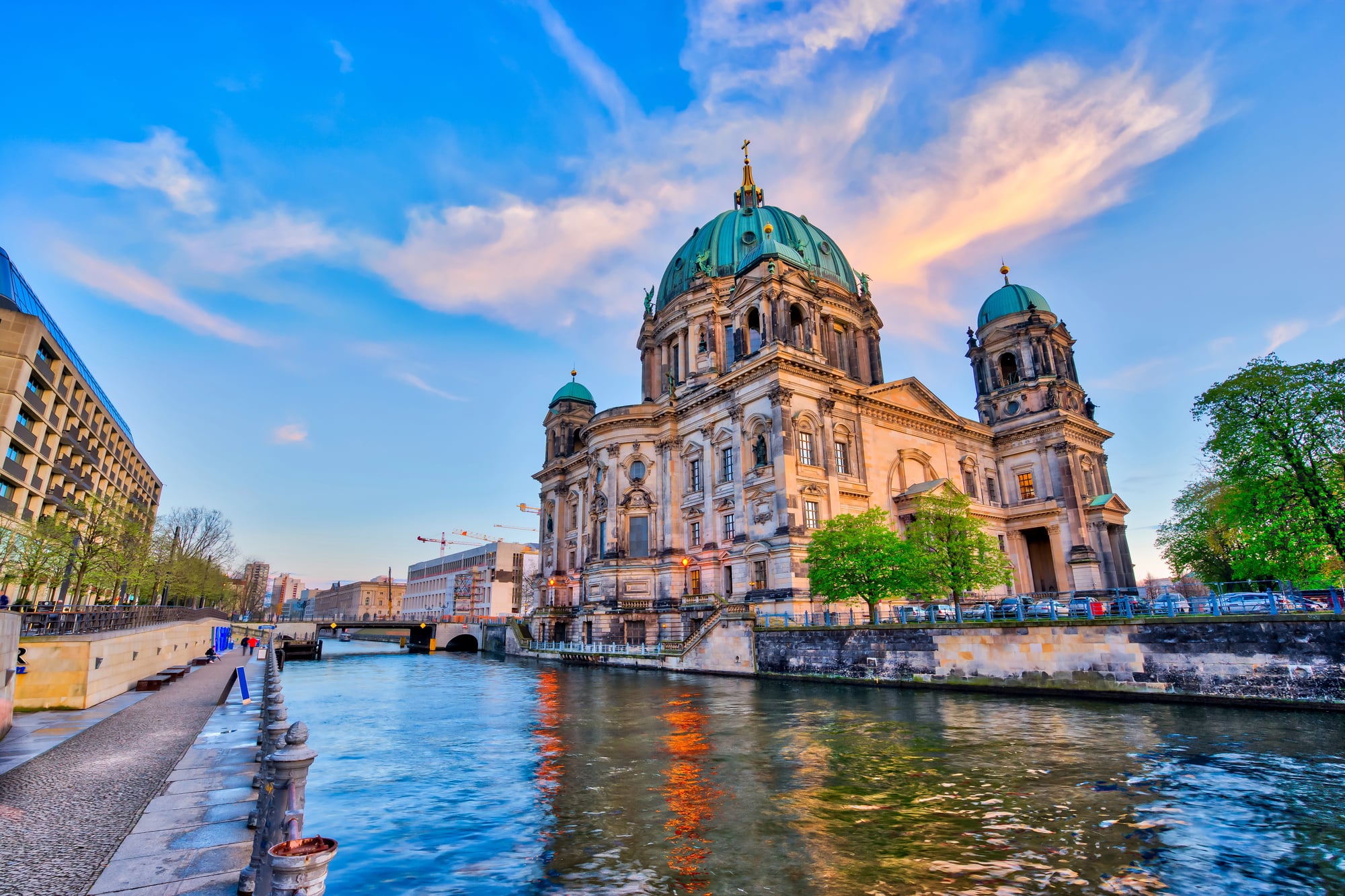
Berlin’s story between 1924 and today includes chapters that most cities never have to write, and the photographs document changes that go far beyond normal urban development. The city that existed in the 1920s was rebuilding from World War I, prosperous but unstable, creative but politically volatile.
The Berlin Wall that divided the city for nearly three decades doesn’t appear in photos from either 1924 or today, but its absence from contemporary images feels as significant as its presence did for so long.
Modern Berlin has grown back together in ways that sometimes seem miraculous and sometimes reveal scars that haven’t fully healed.
The city learned to embrace its complicated history while building something entirely new, and the result is a place that feels both ancient and experimental.
Brandenburg Gate stands exactly where it always has, but its meaning has shifted multiple times depending on what was happening around it.
Sydney
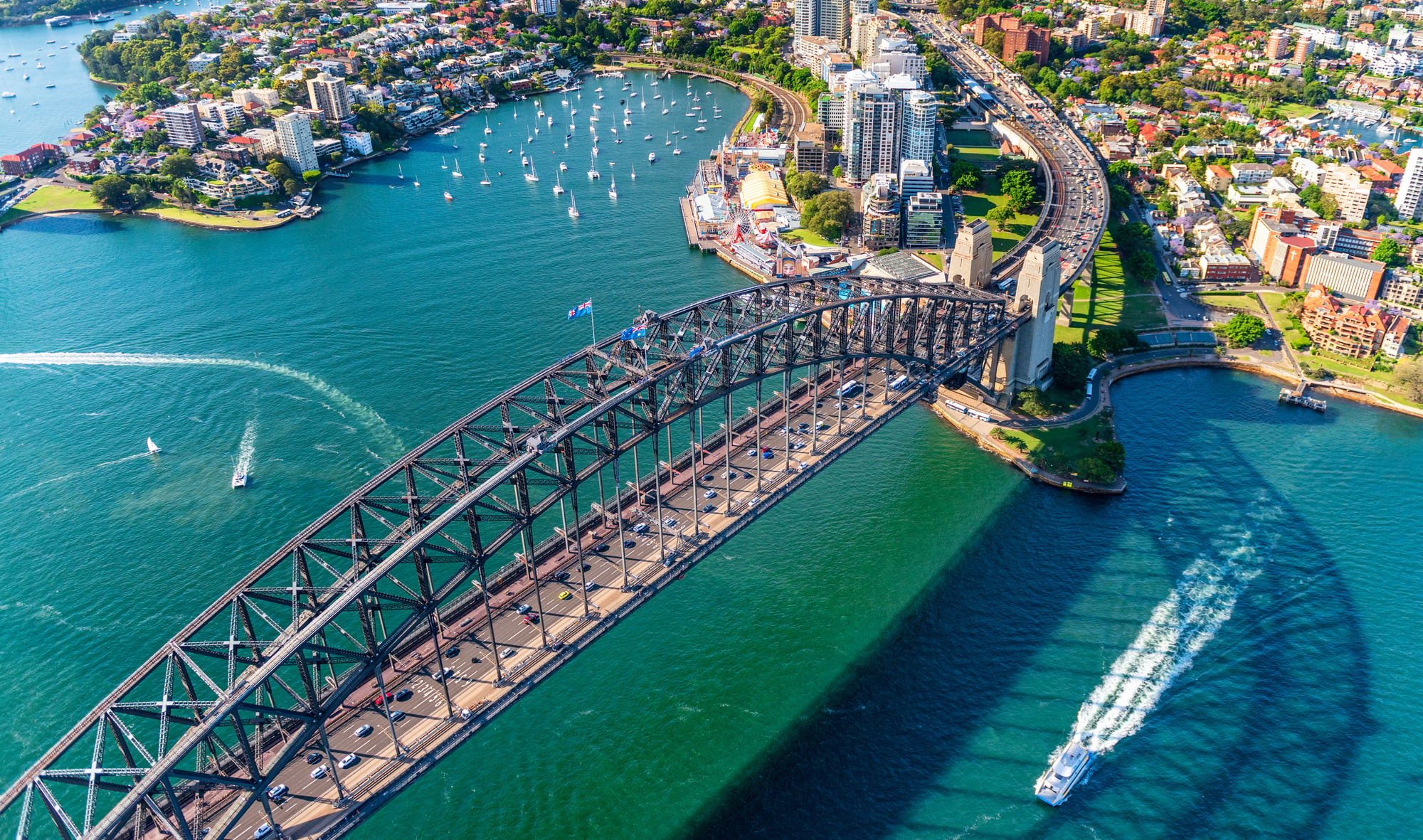
Sydney’s harbor hasn’t changed its shape since 1924, but everything humans have built around it tells a story of a city that figured out how to grow without losing what made it special in the first place.
The Opera House that now defines the skyline didn’t exist in those early photos—it didn’t open until 1973—but the harbor that inspired its design was waiting there all along.
The beaches that provided escape from city life a century ago now serve the same purpose, though they’re more crowded and the sunbathers are more informed about skin protection.
Modern Sydney feels like it took its natural advantages and built a city worthy of them, rather than building a city that happened to be near nice water and good weather.
Mumbai
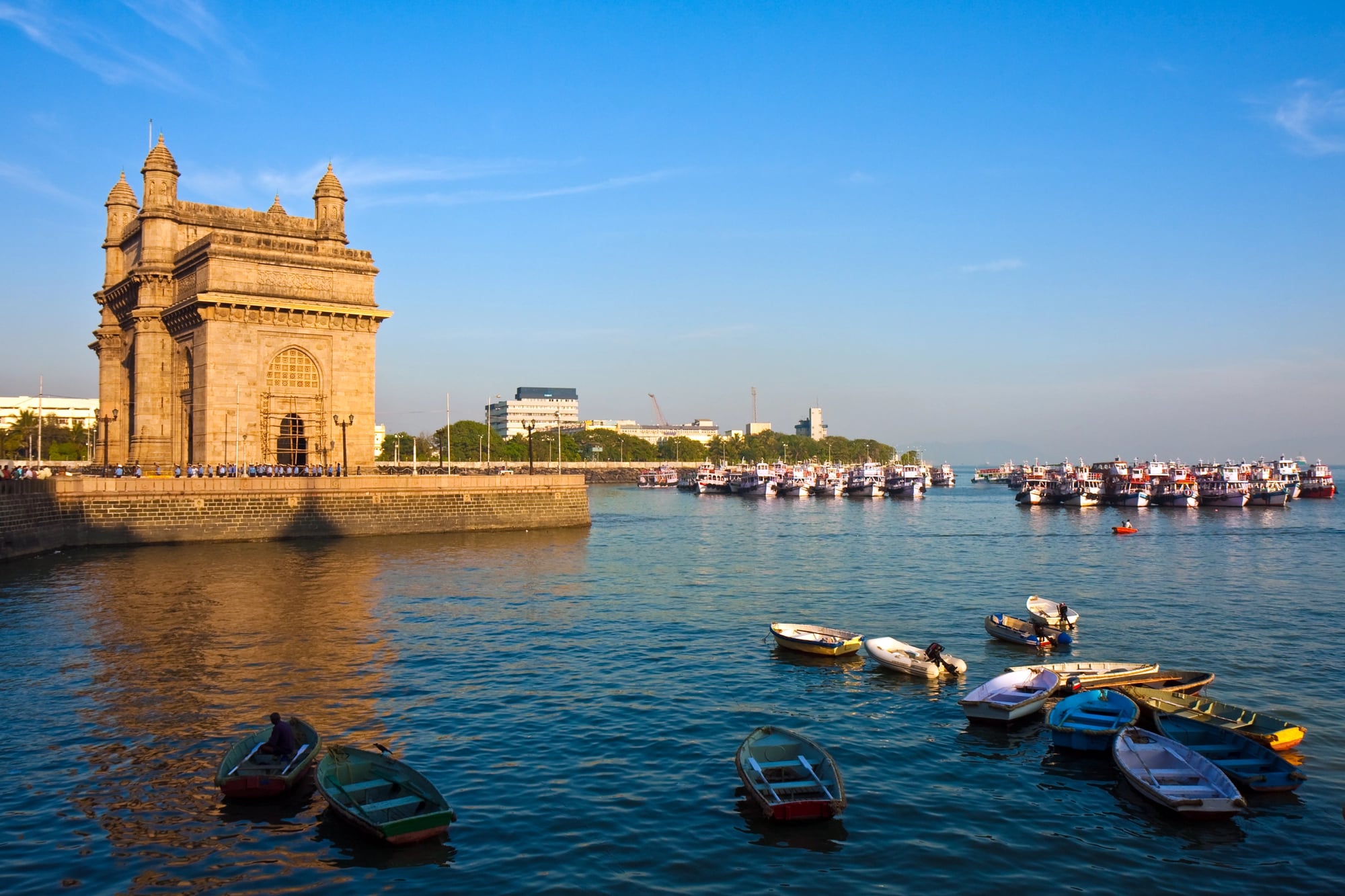
Mumbai in the 1920s was still called Bombay, still shaped by colonial architecture and colonial attitudes, still constrained by limits that no longer exist. The photographs from that era show a port city with wide streets and manageable density, a place where traffic moved at predictable speeds and the horizon was visible from most rooftops.
Today’s Mumbai sprawls beyond what anyone could have imagined, dense and vertical and urgent in ways that make the old photos look almost pastoral by comparison.
The colonial buildings still stand—many of them protected by preservation laws—but they’re now surrounded by high-rises that house millions of people living lives that would have been impossible to imagine a century ago.
The trains still carry commuters to and from work, but the system now moves more people daily than many countries have residents.
Modern Mumbai took its role as an economic center and amplified it until the city became a symbol of India’s transformation from colony to global power.
São Paulo
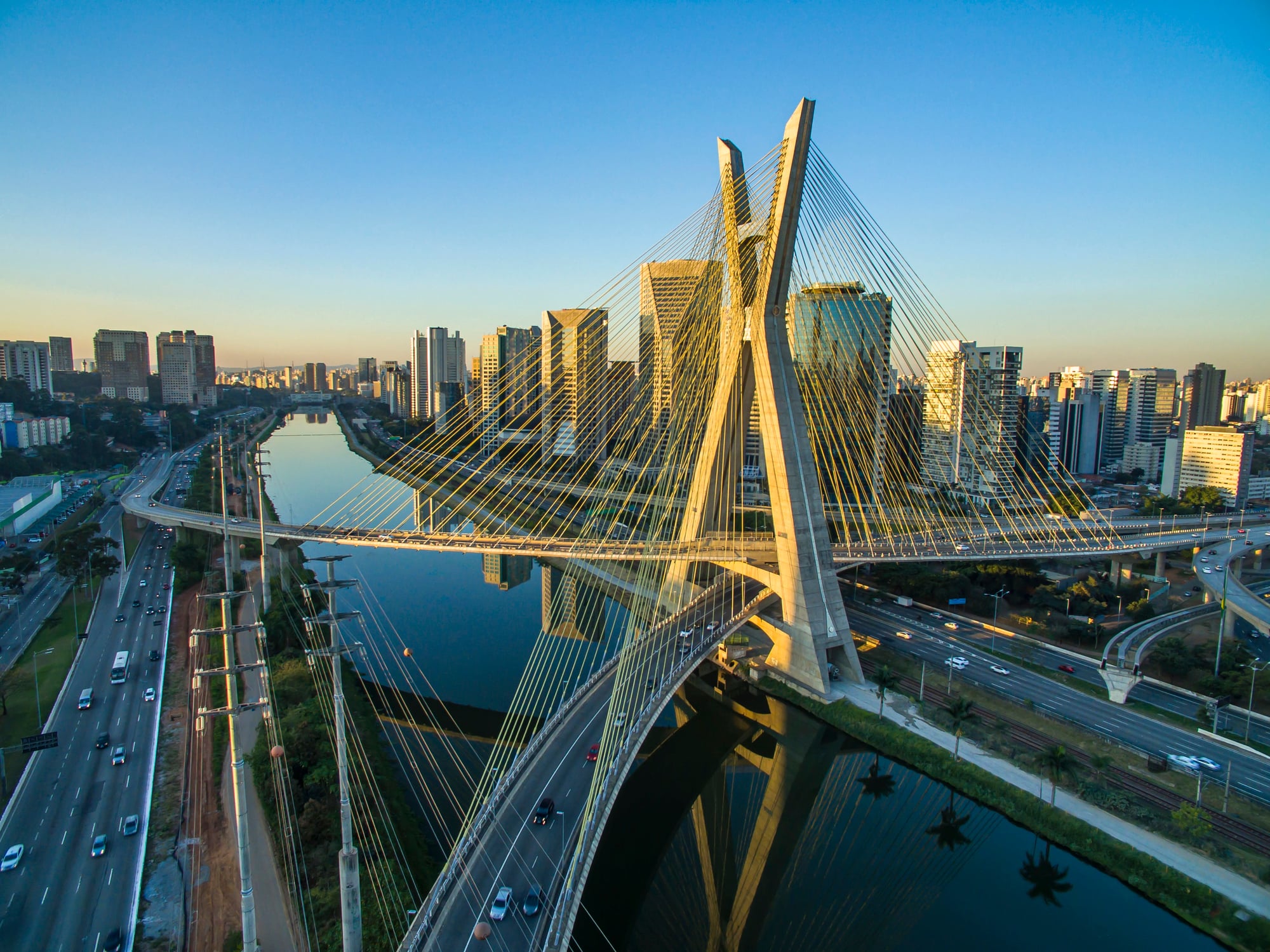
São Paulo in 1924 was a regional center with big ambitions and the coffee money to fund them, but the photographs from that era show a city that still had room to breathe. Wide avenues lined with modest buildings, plenty of green space, a skyline that didn’t compete with the horizon.
Modern São Paulo is what happens when those ambitions get realized without much attention paid to urban planning.
The city grew up, out, and in every direction until it became a metropolis that seems to generate its own weather patterns.
The contrast between old photos and new ones is so dramatic that they almost seem to show different planets.
But the energy that drove São Paulo’s growth—that sense of a place where anything was possible if you were willing to work for it—remains as strong as ever.
The city just had to build higher to contain it all.
Shanghai
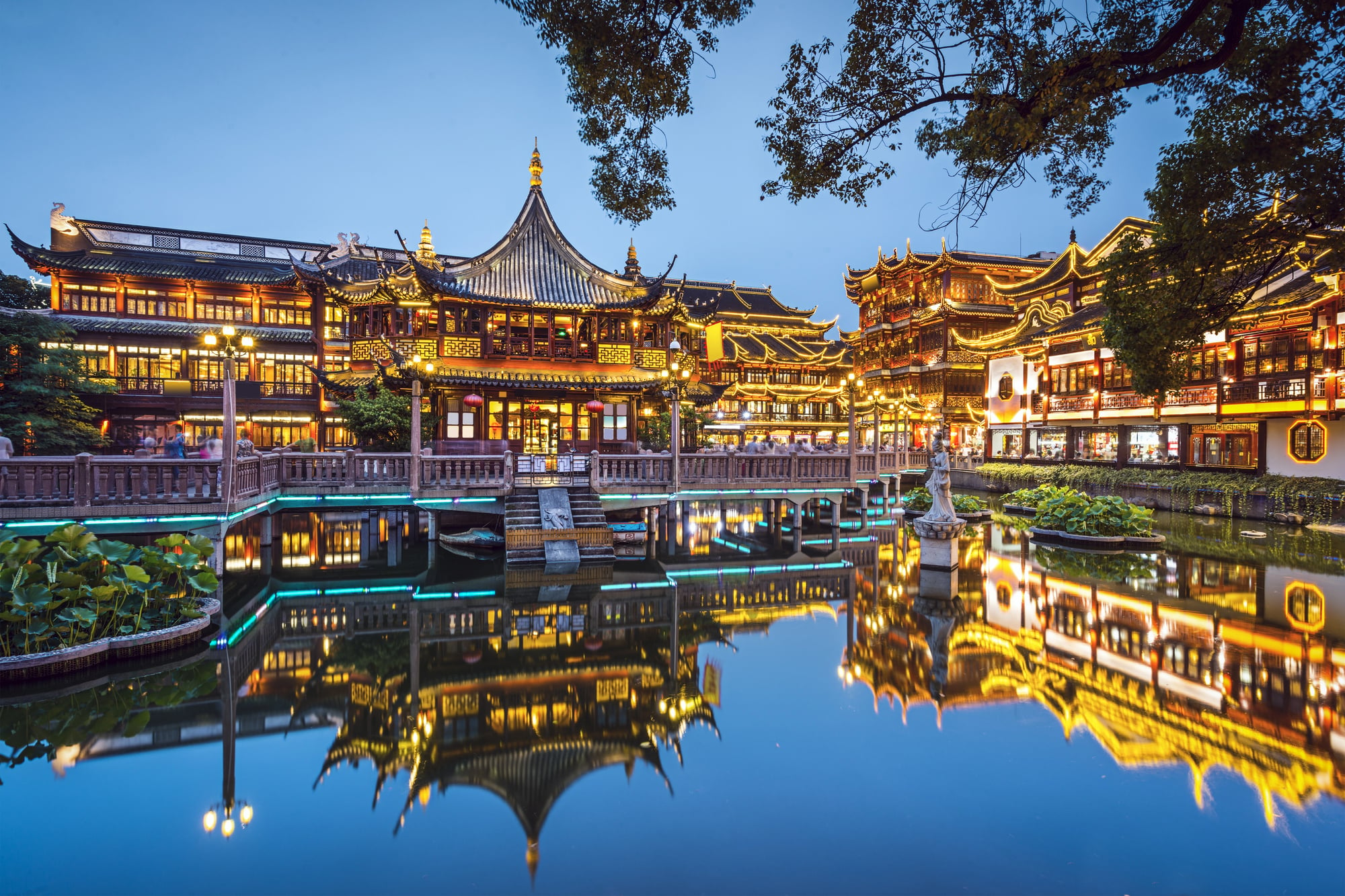
Shanghai’s transformation might be the most dramatic of any major city, and the photographs document changes that seem to have happened at an almost impossible speed. The Bund waterfront that anchored the international settlement in the 1920s still curves along the Huangpu River, but everything on the other side of that river has been completely reimagined.
Pudong, the district that now houses some of the world’s tallest buildings, was mostly farmland as recently as the 1980s.
The skyline that tourists photograph today literally didn’t exist when many of their parents were born.
Modern Shanghai feels like someone took the commercial energy that made it important in the 1920s and compressed a century of normal development into three decades.
The result is a city that looks like it was designed by someone who had access to the future and decided not to wait for it to arrive naturally.
Melbourne
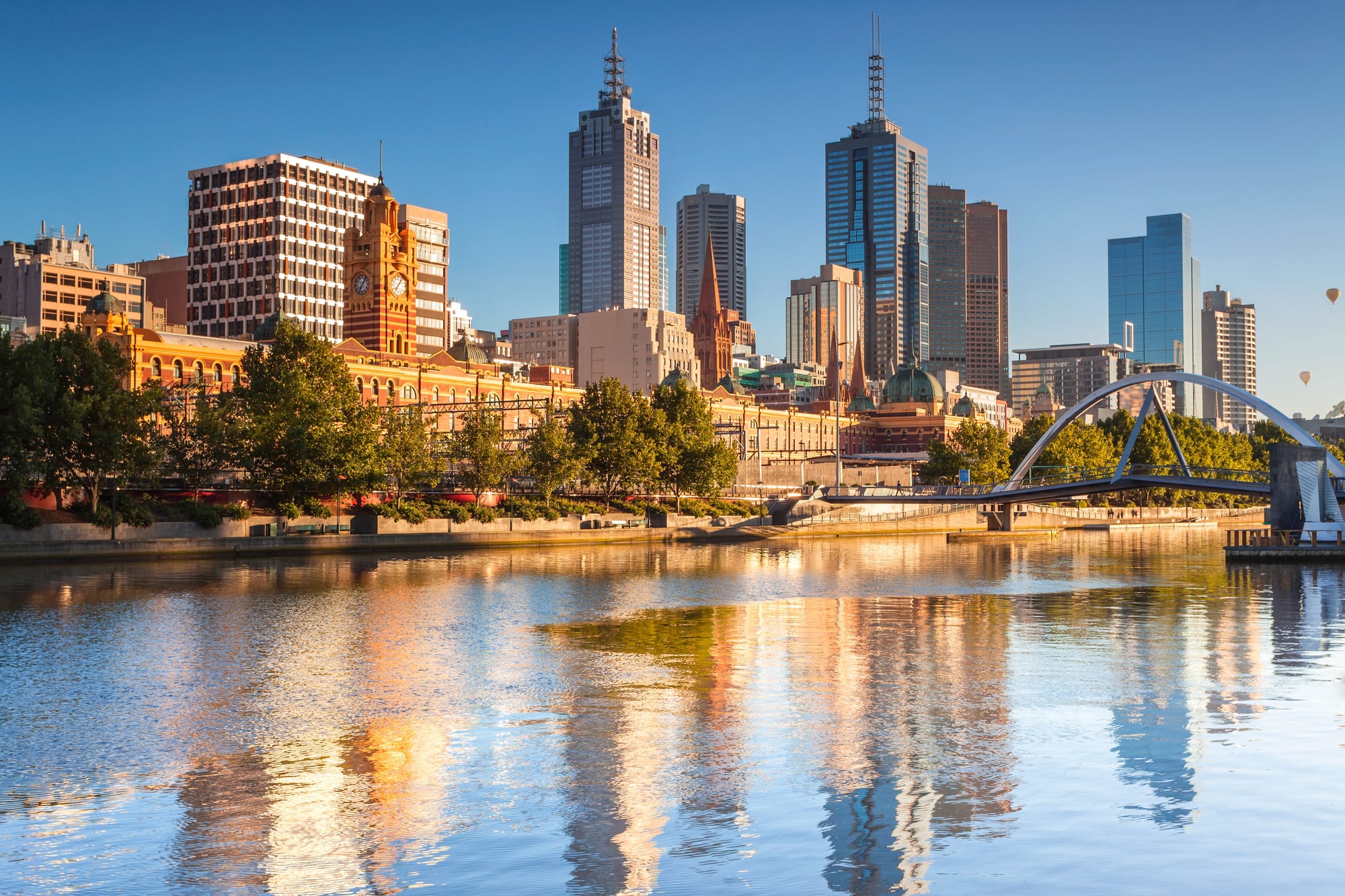
Melbourne has always been particular about how it presents itself, and the comparison photos show a city that managed to grow substantially while maintaining the qualities that made it worth preserving in the first place. The grid system that organized the city center in the 1920s still provides structure for modern Melbourne, though the buildings inside that grid have grown taller and the laneways have become destinations rather than just ways to get from one street to another.
The coffee culture that defines modern Melbourne had its roots in the post-war immigration that brought new traditions to established neighborhoods, but the café lifestyle fits so naturally into the existing urban fabric that it seems like it was always meant to be there.
Modern Melbourne feels like it grew up rather than grew different—more sophisticated, more diverse, more confident, but recognizably the same place.
Where Time Stands Still And Where It Races Ahead
Cities age like people—some gracefully, some dramatically, some in ways that surprise everyone including themselves. The photographs that capture these transformations tell stories about more than just buildings and streets.
They document how societies change, how economies shift, how technologies reshape daily life in ways both obvious and subtle.
Some cities embrace change so completely that their past becomes almost unrecognizable.
Others hold onto their essential character so stubbornly that progress has to work around them rather than through them.
Most fall somewhere in between, changing what needs to change while preserving what deserves to be kept.
More from Go2Tutors!

- The Romanov Crown Jewels and Their Tragic Fate
- 13 Historical Mysteries That Science Still Can’t Solve
- Famous Hoaxes That Fooled the World for Years
- 15 Child Stars with Tragic Adult Lives
- 16 Famous Jewelry Pieces in History
Like Go2Tutors’s content? Follow us on MSN.