What Happened To The Stars Of 1990s Sitcoms
The 1990s delivered some of television’s most beloved sitcoms, creating household names and catchphrases that still echo today. These shows dominated Thursday nights, shaped water cooler conversations, and launched careers that seemed destined for eternal stardom.
But fame in Hollywood follows its own mysterious logic, and the paths taken by these familiar faces after their shows ended tell stories that are sometimes surprising, occasionally heartbreaking, and often more interesting than the roles that made them famous.
J. Seinfeld
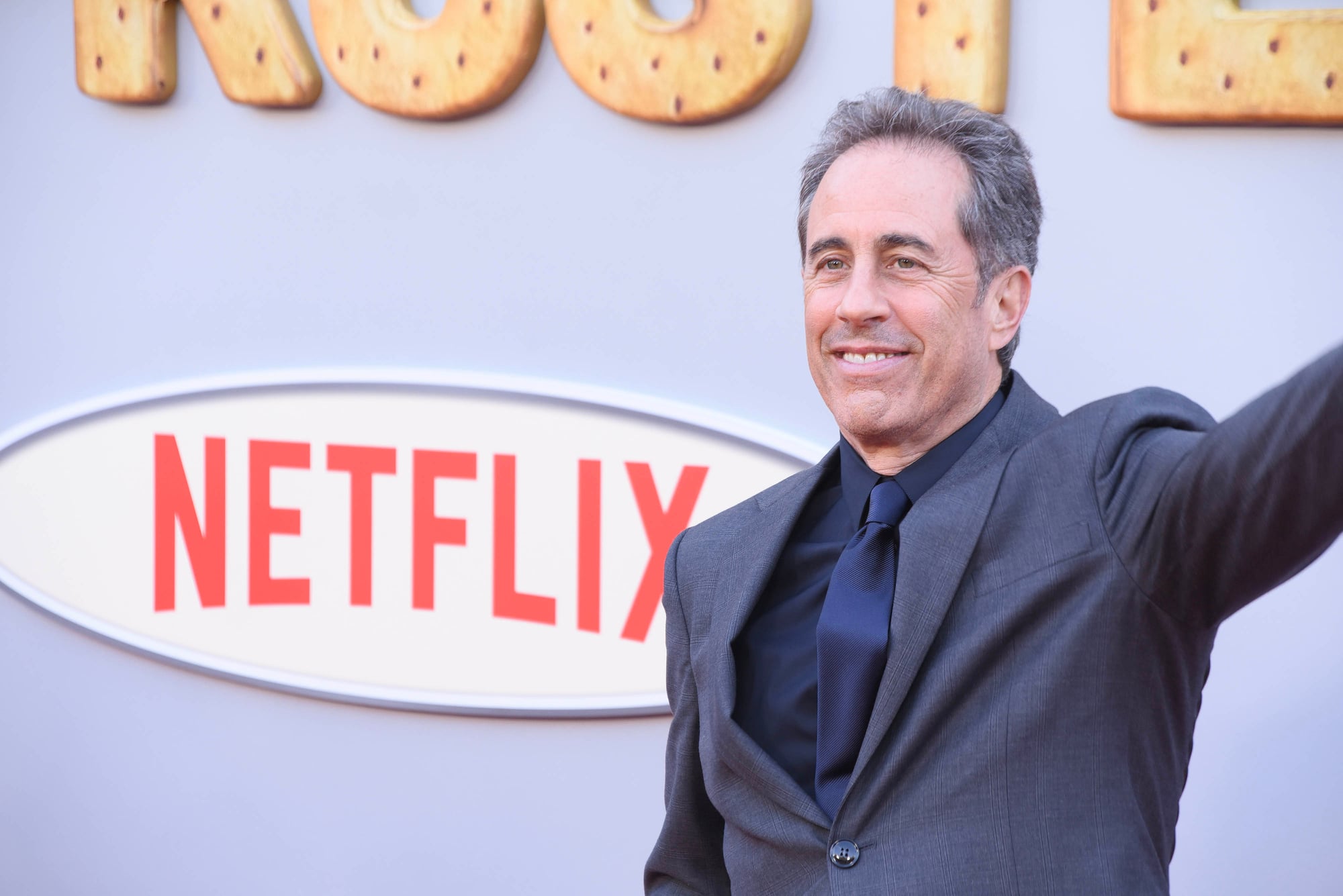
Seinfeld walked away from his show at its peak and never looked back. Nine seasons, $267 million syndication deal, and a legacy as one of comedy’s smartest voices.
He chose stand-up over sitcom reboots, which is saying something when networks kept backing up dump trucks full of money to his driveway.
These days he drives expensive cars with other comedians and drinks coffee. Turns out that’s a show people want to watch.
“Comedians in Cars Getting Coffee” proved he understood something about entertainment that most people miss—sometimes less is more.
Jennifer Aniston
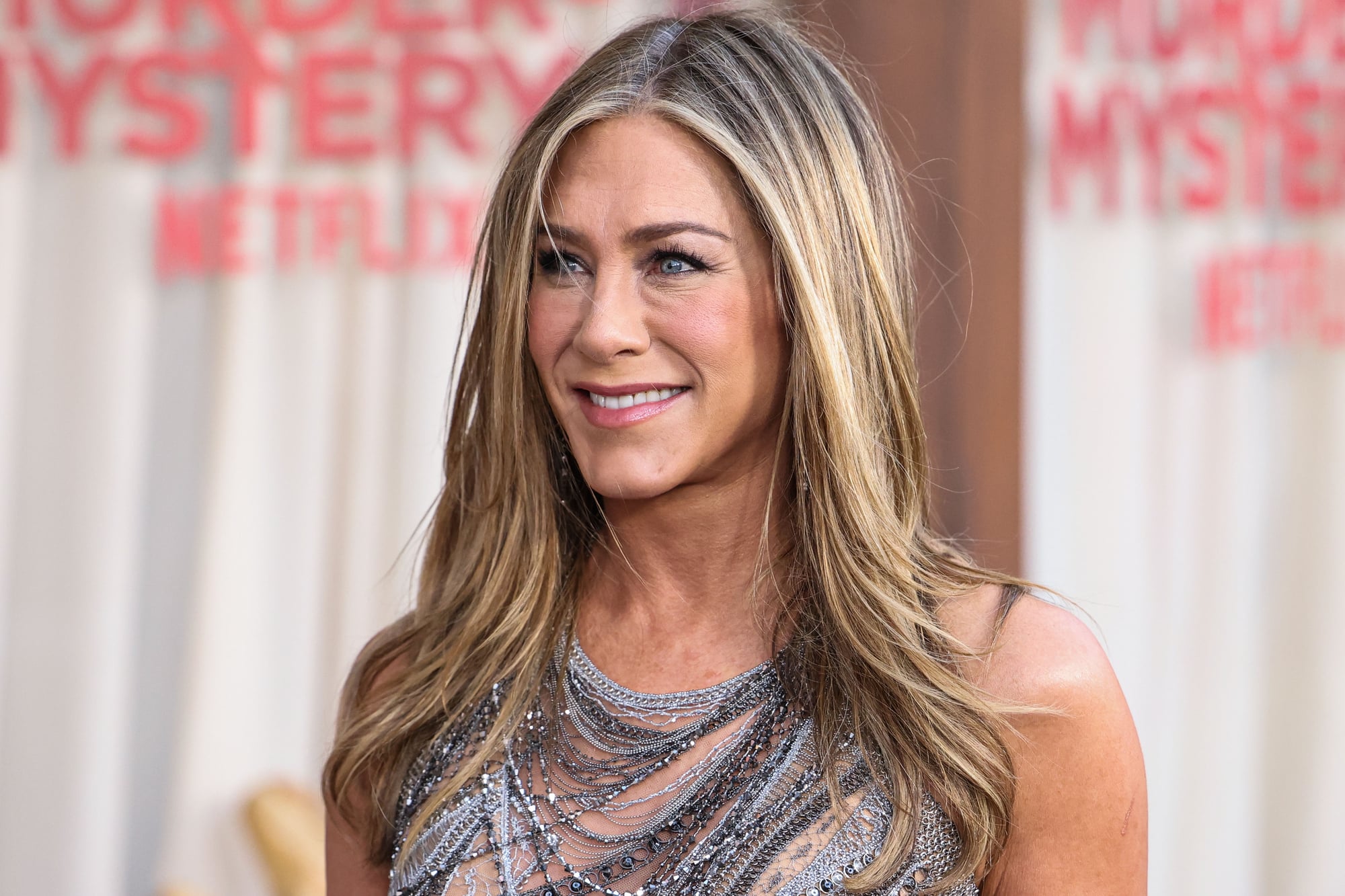
The Rachel haircut became a cultural phenomenon, but Aniston spent years trying to prove she was more than just good hair and timing. Friends ended in 2004, and she immediately pivoted to movies with mixed results.
Some worked (The Break-Up), others didn’t (Picture Perfect), but she kept swinging.
What’s remarkable is how she refused to disappear when romantic comedies fell out of favor. The Morning Show brought her back to television on her own terms—producer, star, and creative force.
And apparently, she’s still friends with her co-stars, which might be the most impressive part of the whole story.
Will Smith
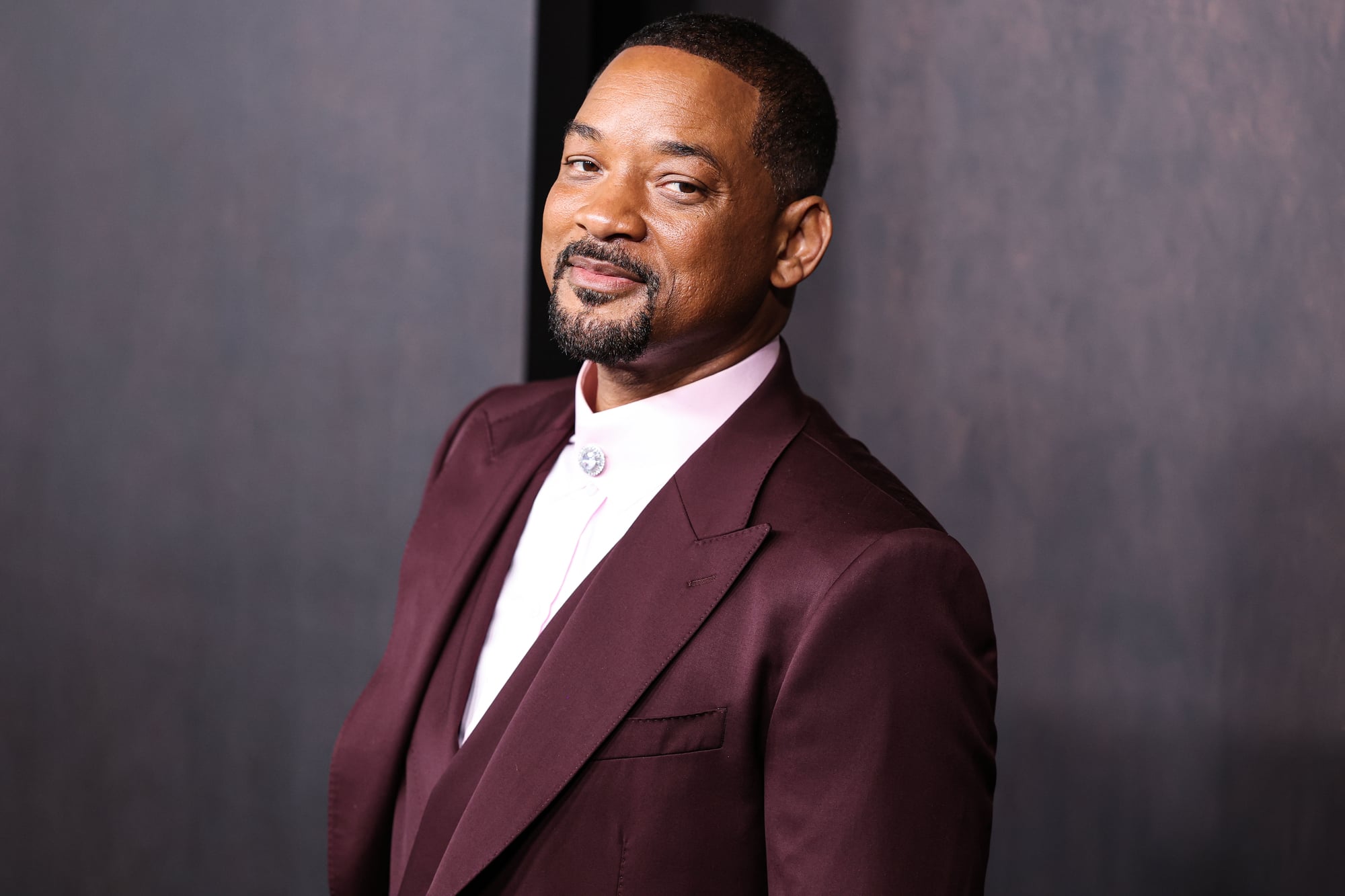
Fresh Prince launched Smith into a stratosphere most sitcom stars never reach. Movies, music, global superstardom—he made it look effortless.
Independence Day, Men in Black, Ali, the list goes on. For two decades, he was one of the most bankable names in Hollywood.
Then 2022 happened. The Oscars incident changed everything in about thirty seconds.
Projects got shelved, apologies were issued, and suddenly one of entertainment’s most reliable figures became box office poison.
Recovery is possible in Hollywood, but some mistakes follow you longer than others.
Courteney Cox

Cox found herself in an interesting position after Friends—she was famous but not quite Jennifer Aniston famous. The Scream franchise gave her a second act as Sidney Prescott’s best friend, and she proved she could handle horror as well as comedy.
But television kept calling her back.
Cougar Town ran for six seasons, though most people forgot it existed after the first two.
These days she’s directing, producing, and appearing in projects that interest her rather than chasing the next big hit.
There’s something refreshing about someone who figured out that contentment beats desperation every time.
Matt LeBlanc
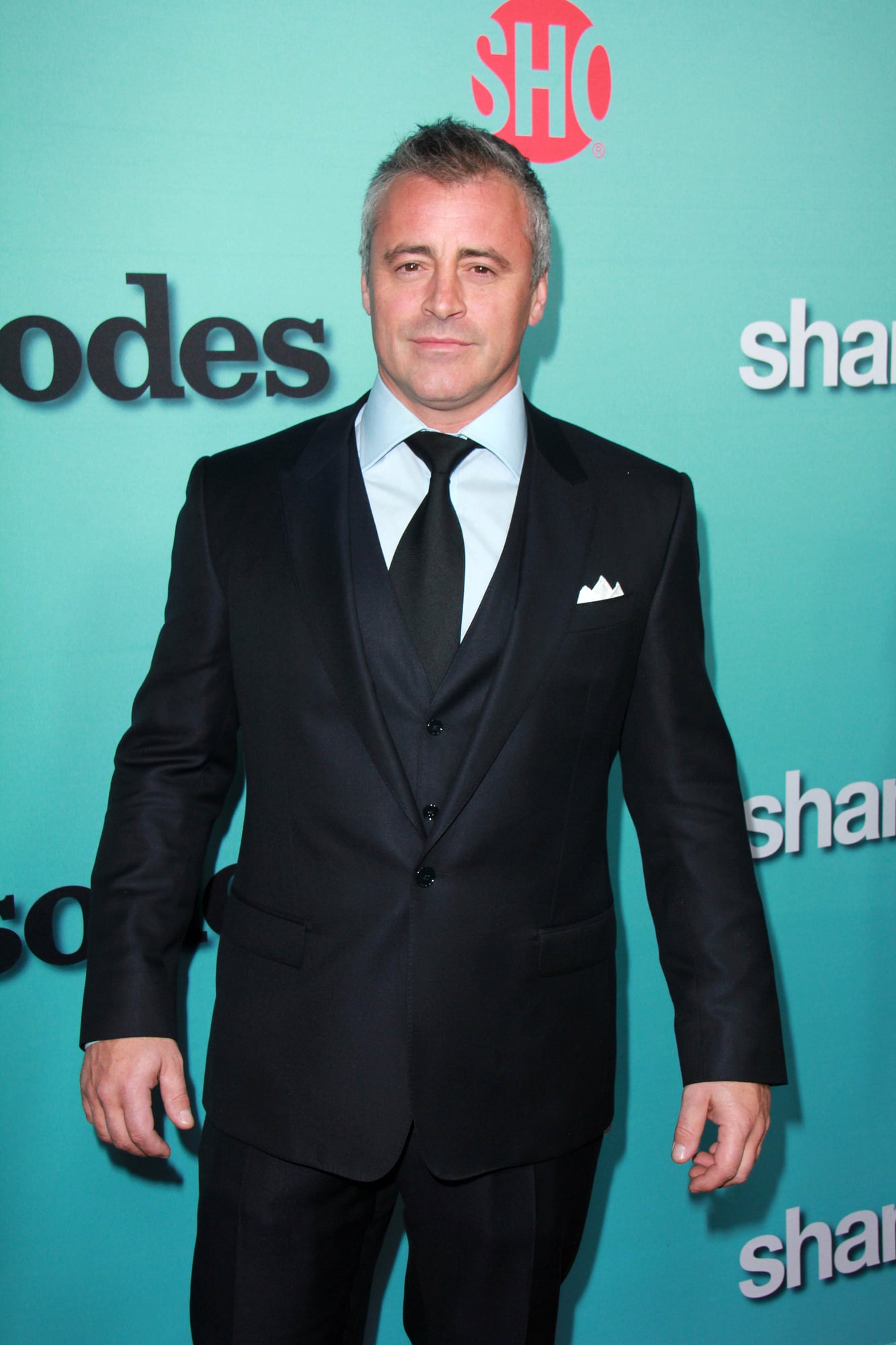
After Friends ended, LeBlanc tried to keep Joey Tribbiani alive with a spinoff that lasted two seasons and felt like watching someone wear a costume of themselves.
The show died quickly, and for a while, it seemed like LeBlanc might disappear entirely.
Then something unexpected happened—he got interesting.
Episodes, a British comedy about a washed-up American actor trying to remake his show in London, let LeBlanc play a version of himself that was darker and funnier than Joey ever was.
The show ran for five seasons and reminded everyone that he could actually act when given material that challenged him.
Sometimes career resurrection comes from admitting what didn’t work.
David Schwimmer
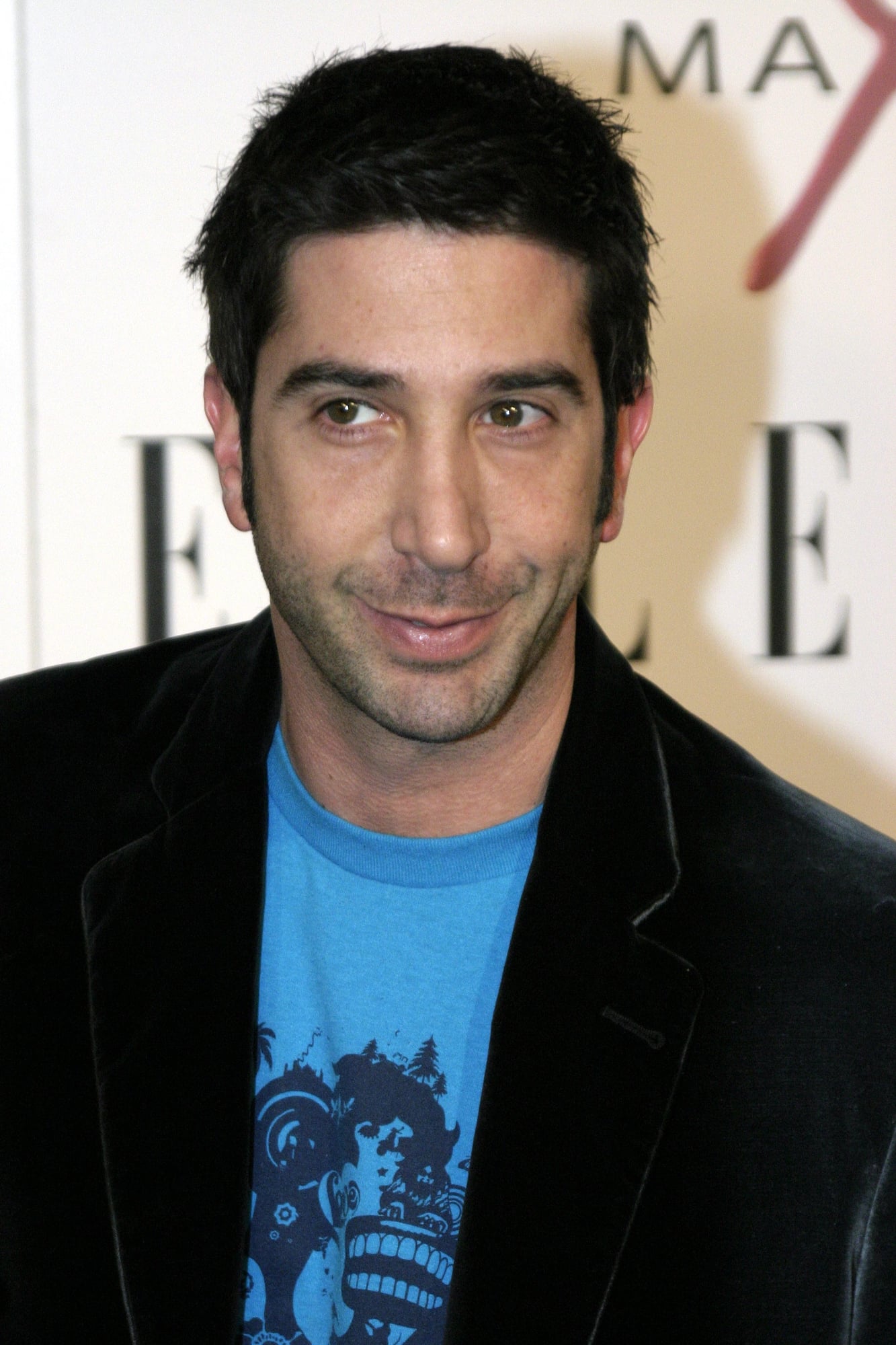
Schwimmer directed episodes of Friends, which should have been a clue about where his real interests lay.
After the show ended, he mostly avoided the spotlight, choosing theater and directing over chasing the next big sitcom role.
The choice cost him mainstream relevance but gave him something more valuable—creative satisfaction.
He surfaced in The People v. O.J. Simpson as Robert Kardashian and reminded everyone he could disappear into a role when he wasn’t playing Ross Geller.
The performance earned him an Emmy win and proved that sometimes the long road back is worth taking.
But honestly, he probably should have stuck with directing.
Matthew Perry
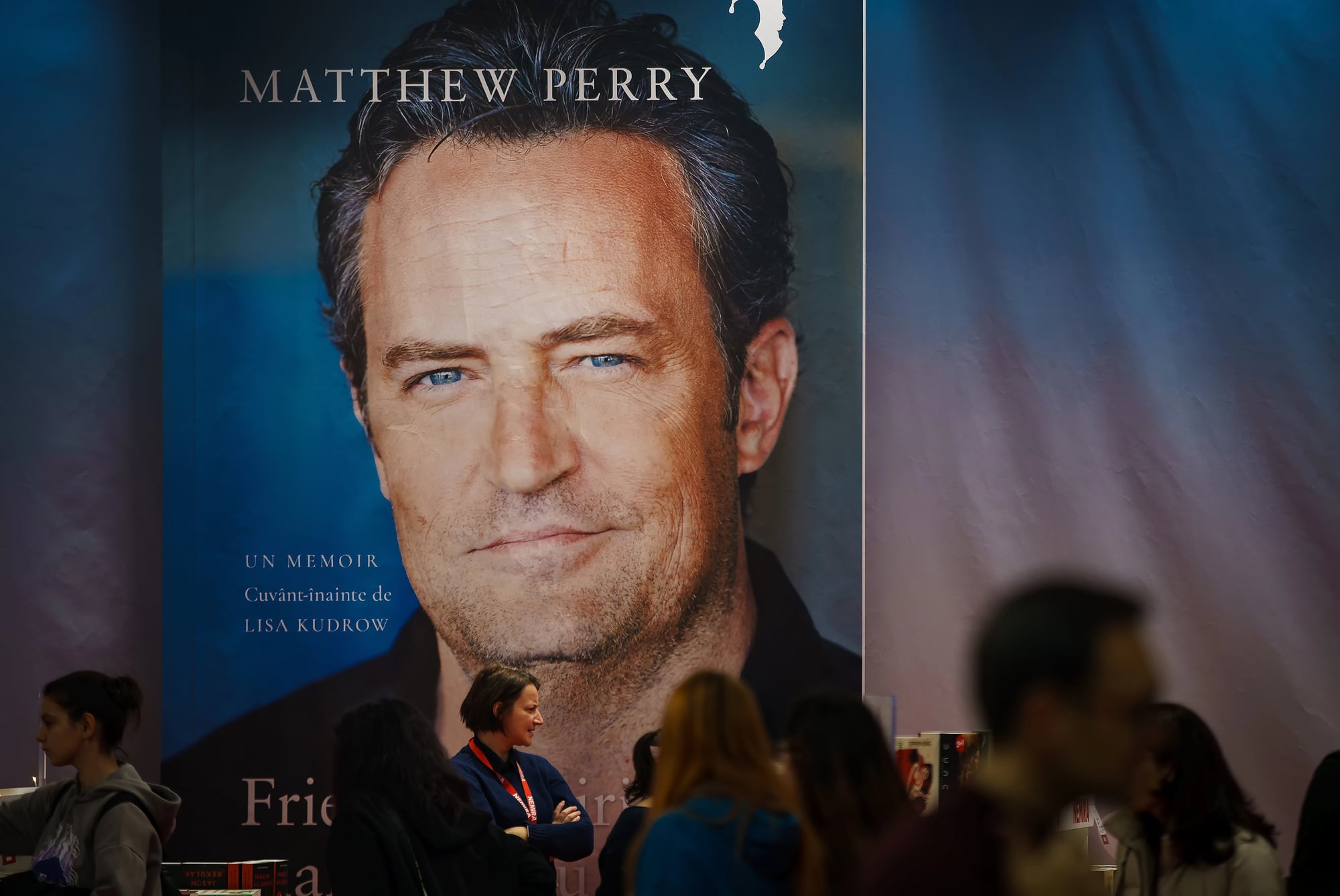
Perry’s post-Friends career became a cautionary tale about addiction and the pressure of early fame (and the tragedy of his recent passing has cast his struggles in an even more poignant light).
The West Wing gave him some of his best work as Ryan Caulfield, but his attempts at leading man roles never quite clicked.
Studio 60 on the Sunset Strip showed promise before getting canceled.
His 2022 memoir, “Friends, Lovers, and the Big Terrible Thing,” revealed the extent of his struggles during Friends’ run.
Reading it, you realize how much pain was hiding behind Chandler’s sarcasm.
Perry spent his later years helping other addicts, which might be more important than any show he could have starred in.
Lisa Kudrow
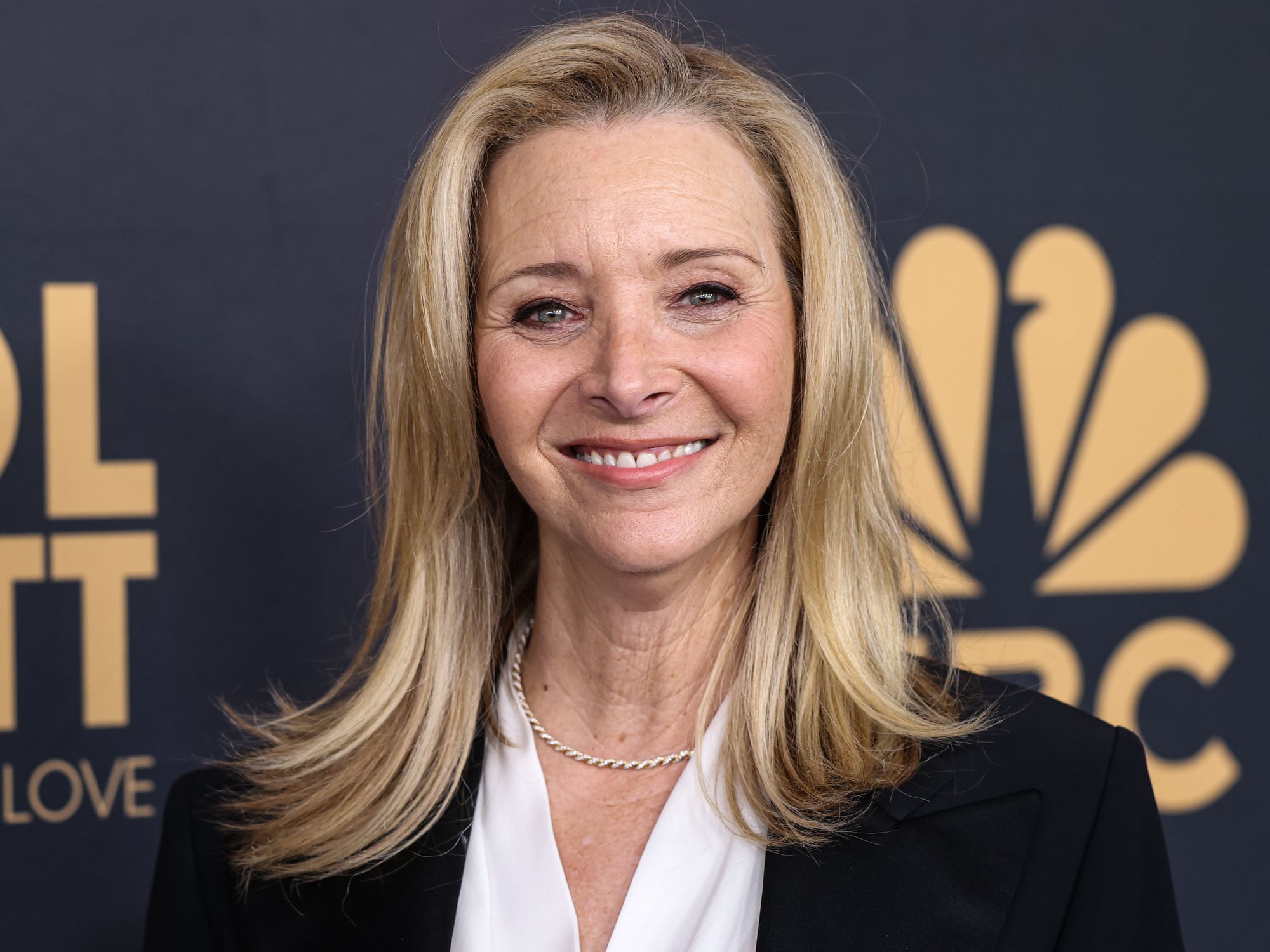
Kudrow was always the smartest Friend, and her post-show choices proved it.
The Comeback, her HBO series about a washed-up actress trying to revive her career, was too smart for its own good—canceled after one season, then brought back eight years later for a second that was even better.
She understood something about Hollywood desperation that most people prefer not to examine.
Web Therapy, Booksmart, various guest appearances—Kudrow stayed busy without chasing fame for its own sake.
She picked projects that interested her and let other people worry about ratings.
There’s a lesson there about knowing your own value and sticking to it.
Tim Allen

Home Improvement made Allen one of the biggest stars on television, and he parlayed that into a movie career that peaked with the Toy Story franchise.
Buzz Lightyear became his most enduring role, which is ironic for someone whose whole persona was built on masculinity and power tools.
Last Man Standing brought him back to television after a six-year absence, and the show’s political edge reflected Allen’s real-world views more directly than Home Improvement ever did.
Some loved it, others didn’t, but Allen never pretended to be anyone other than who he was.
The show ran for nine seasons, proving there’s still an audience for his particular brand of humor.
Patricia Richardson
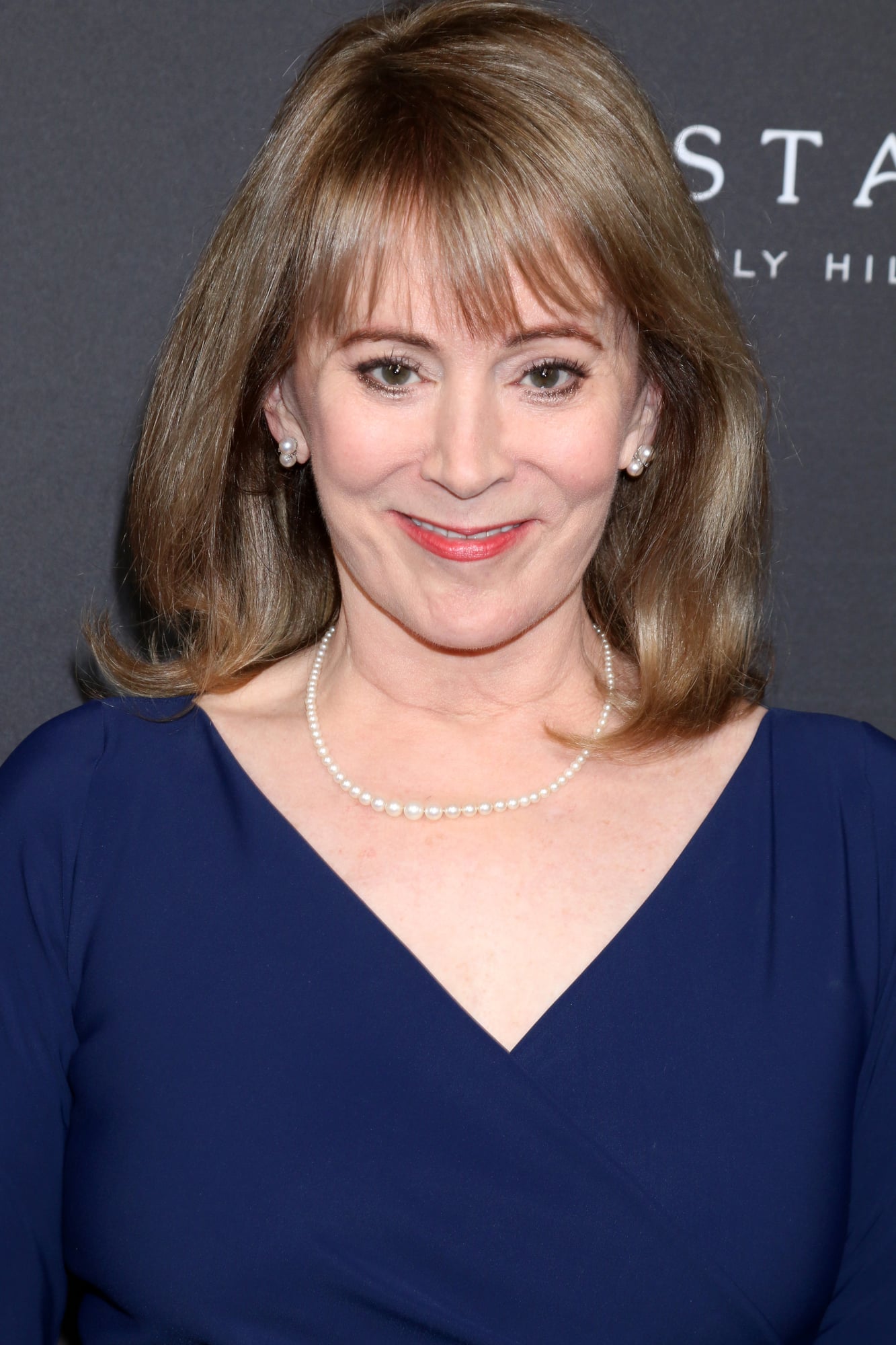
Richardson anchored Home Improvement as Jill Taylor, the patient wife who kept Tim’s disasters from destroying their family.
After the show ended, she mostly stepped away from the spotlight, choosing family over career in a way that seems quaint by today’s standards.
She appeared in guest roles here and there—Strong Medicine, The West Wing—but never chased another series lead.
In interviews, she’s spoken about wanting to be present for her children rather than working sixteen-hour days.
It’s a choice that cost her career momentum but probably saved her sanity.
Kelsey Grammer
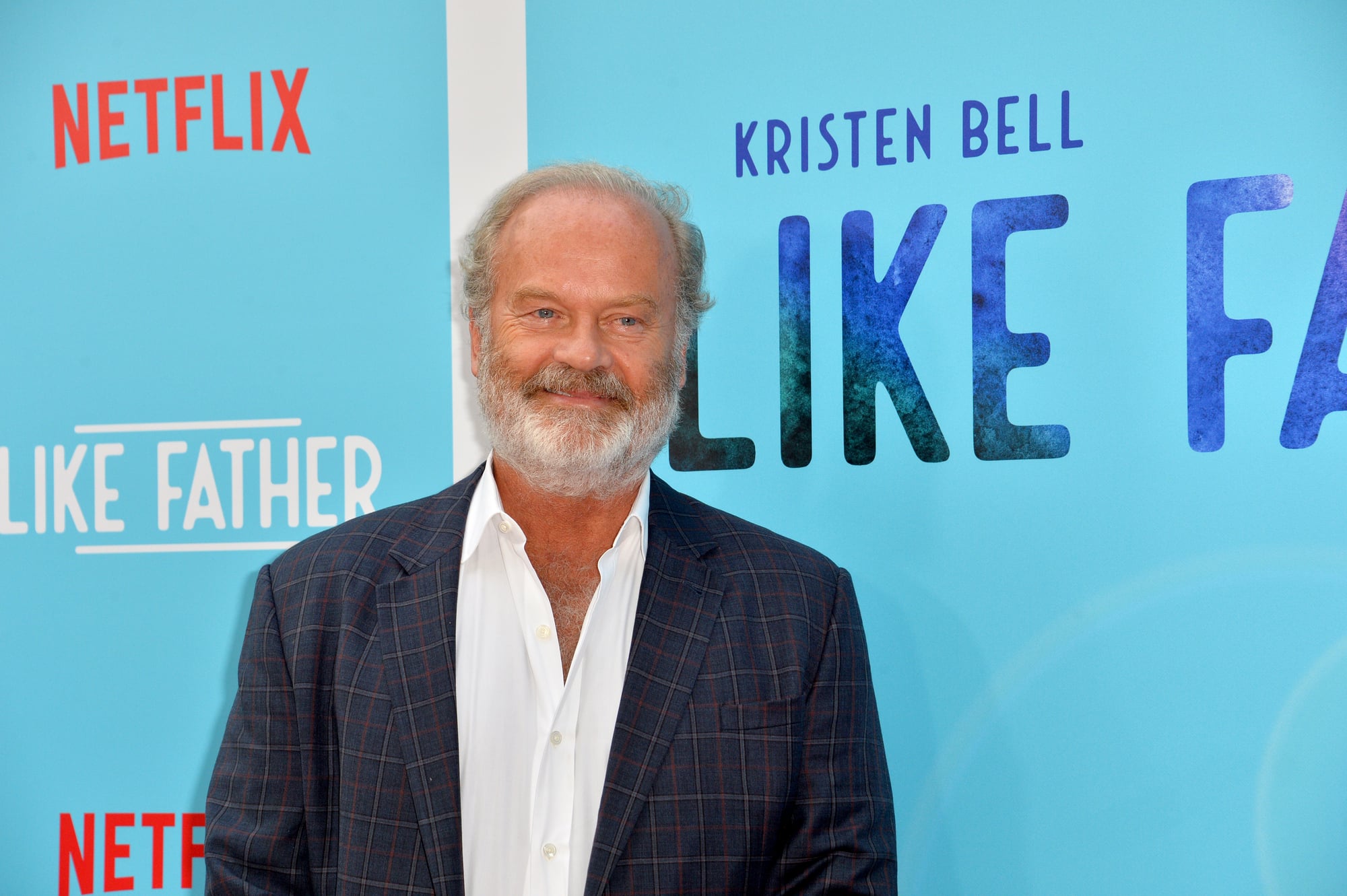
Grammer turned Frasier Crane into a twenty-year career spanning Cheers and Frasier, which might be the longest character arc in television history.
When Frasier ended, he tried Broadway, movies, and other television projects with varying degrees of success.
Boss, his Starz political drama, showed range but lasted only two seasons.
The upcoming Frasier reboot on Paramount+ feels like either a brilliant victory lap or a mistake that will tarnish the original’s legacy.
Grammer is 68 and still chasing the role that defined him, which is either admirable persistence or an inability to let go.
Time will tell which one it is.
John Ratzenberger
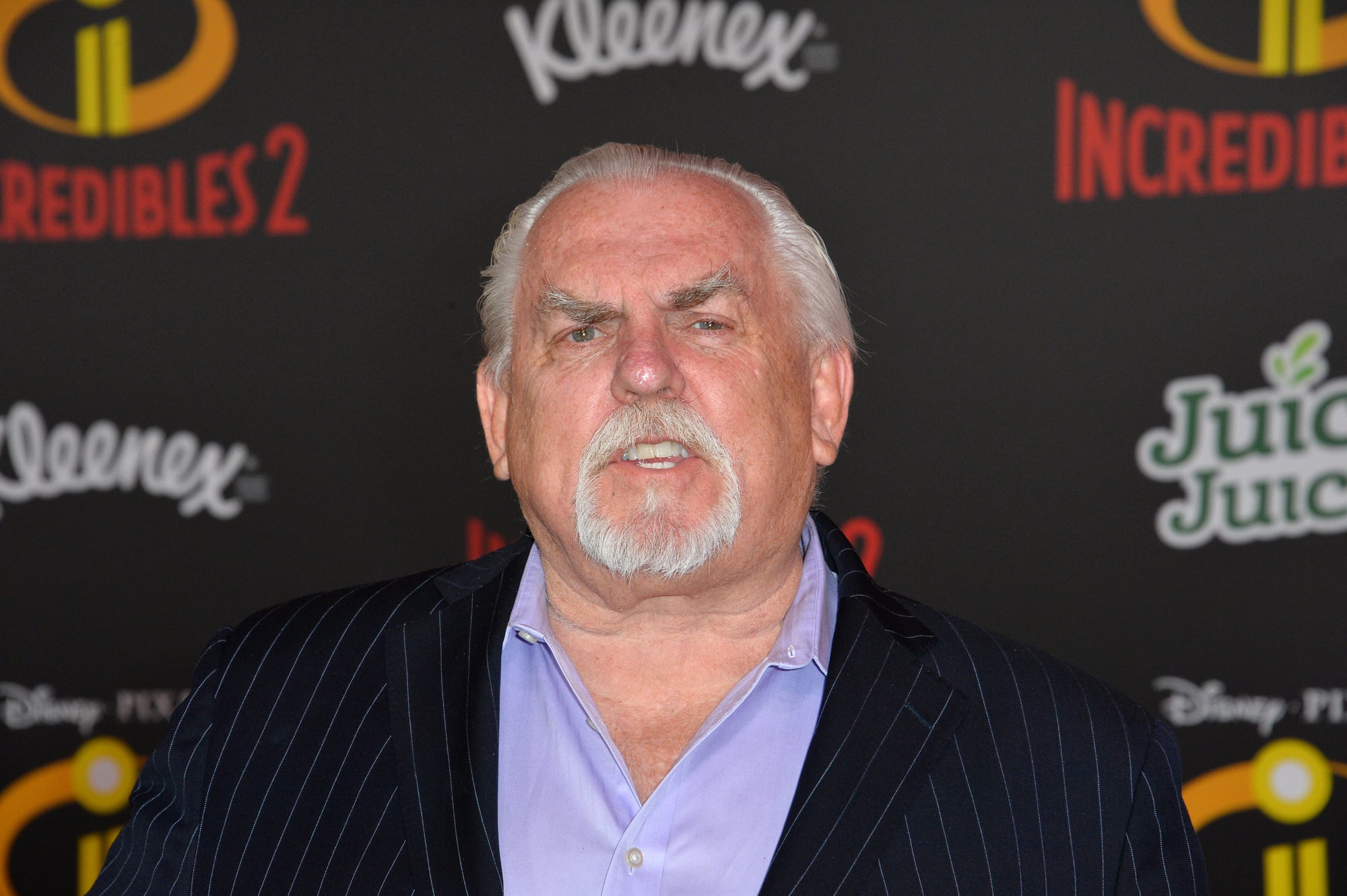
Cliff Clavin was the know-it-all mailman on Cheers, and Ratzenberger has spent the decades since proving that sometimes character actors have the smartest careers.
Pixar discovered him early, and he’s appeared in every single Pixar film since Toy Story—a streak that’s made him more recognizable to kids than most leading men.
He also became a spokesperson for American manufacturing, hosting a show called “Made in America” that celebrated companies that kept production stateside.
It’s an oddly specific second career, but Ratzenberger found a cause he believed in and stuck with it.
There’s something admirable about someone who uses fame to shine light on things that matter to them.
Where The Laughter Lives Now
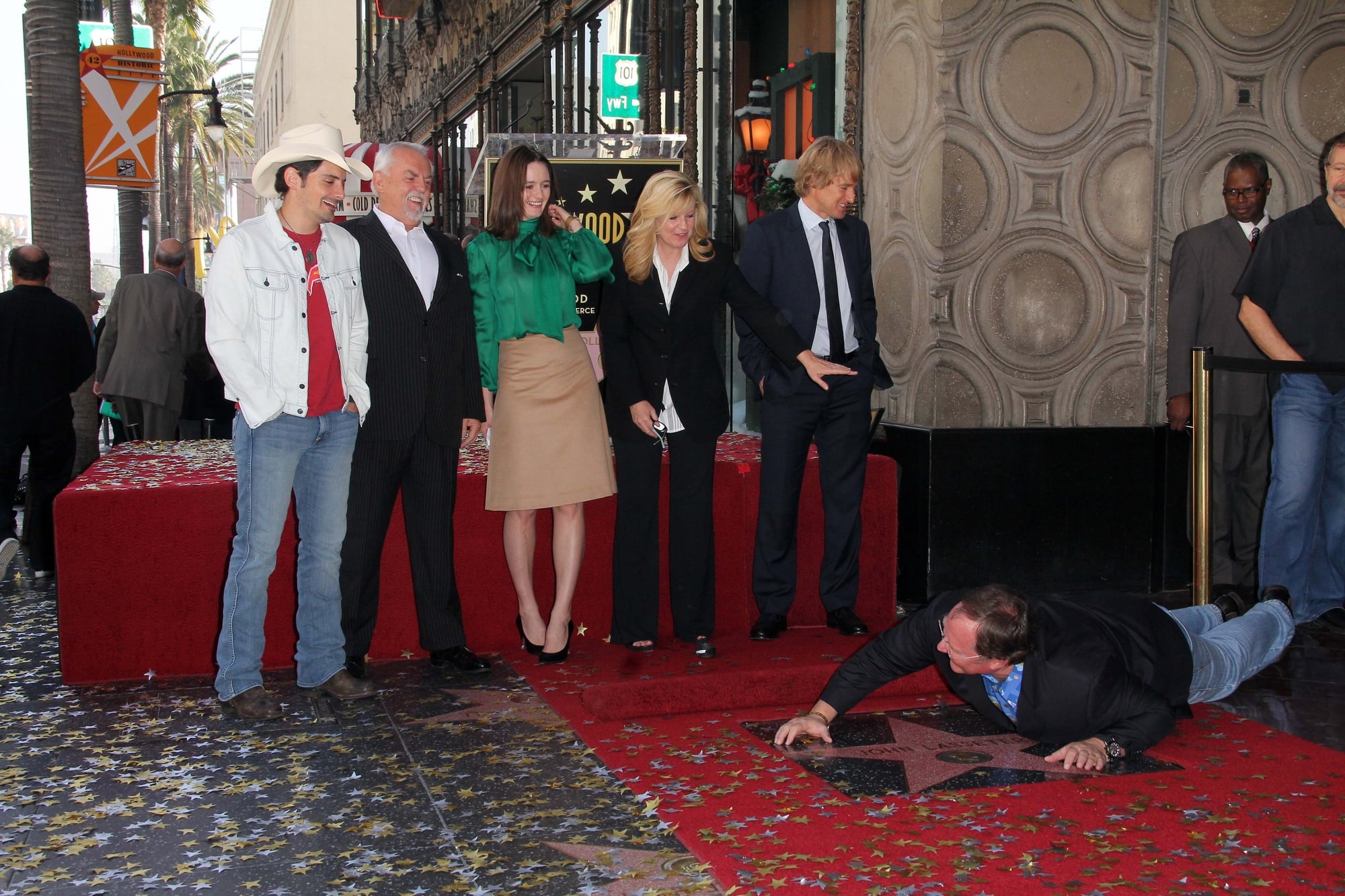
Television has changed since the 1990s ended, but the faces from that decade’s biggest sitcoms remind us that fame is temporary while talent endures.
Some of these actors found second acts that rivaled their original success, others discovered that happiness matters more than headlines, and a few learned the hard way that the spotlight can burn as much as it illuminates.
Their stories continue, just not always in the places we expected to find them.
More from Go2Tutors!

- The Romanov Crown Jewels and Their Tragic Fate
- 13 Historical Mysteries That Science Still Can’t Solve
- Famous Hoaxes That Fooled the World for Years
- 15 Child Stars with Tragic Adult Lives
- 16 Famous Jewelry Pieces in History
Like Go2Tutors’s content? Follow us on MSN.