17 Creepy Abandoned Places That Were Left Overnight
There’s something deeply unsettling about places that were abandoned suddenly, as if their occupants simply vanished into thin air. Unlike the slow decay of buildings left to time, these locations carry the weight of interrupted lives—half-finished meals still on tables, personal belongings scattered where they fell, clocks stopped at the exact moment everything changed.
These aren’t just empty buildings; they’re frozen moments in time that tell stories their former inhabitants never got to finish.
Pripyat, Ukraine
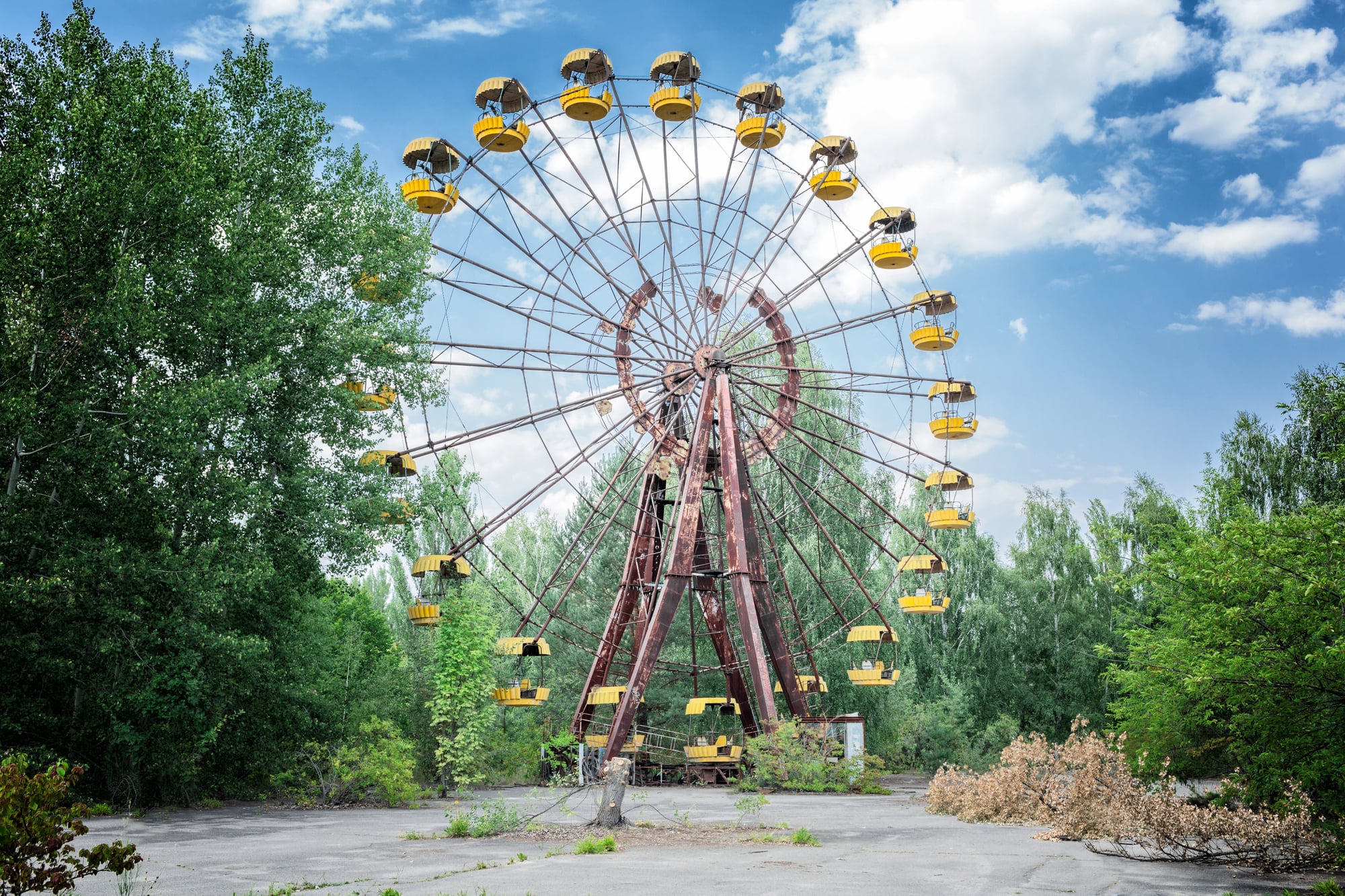
The explosion at Chernobyl Nuclear Power Plant on April 26, 1986, turned an entire city into a ghost town in 36 hours. Pripyat’s 50,000 residents were told they’d return in three days.
They never did.
Walking through Pripyat today feels like stepping into a post-apocalyptic film set. Abandoned amusement parks with rusted Ferris wheels, schools with textbooks open to lessons that were never finished, and apartment buildings where laundry still hangs from balconies—though it’s now nothing but tatters clinging to clotheslines.
The famous bumper cars sit covered in decades of dust and debris, their bright paint faded but still visible beneath the decay.
Hashima Island, Japan
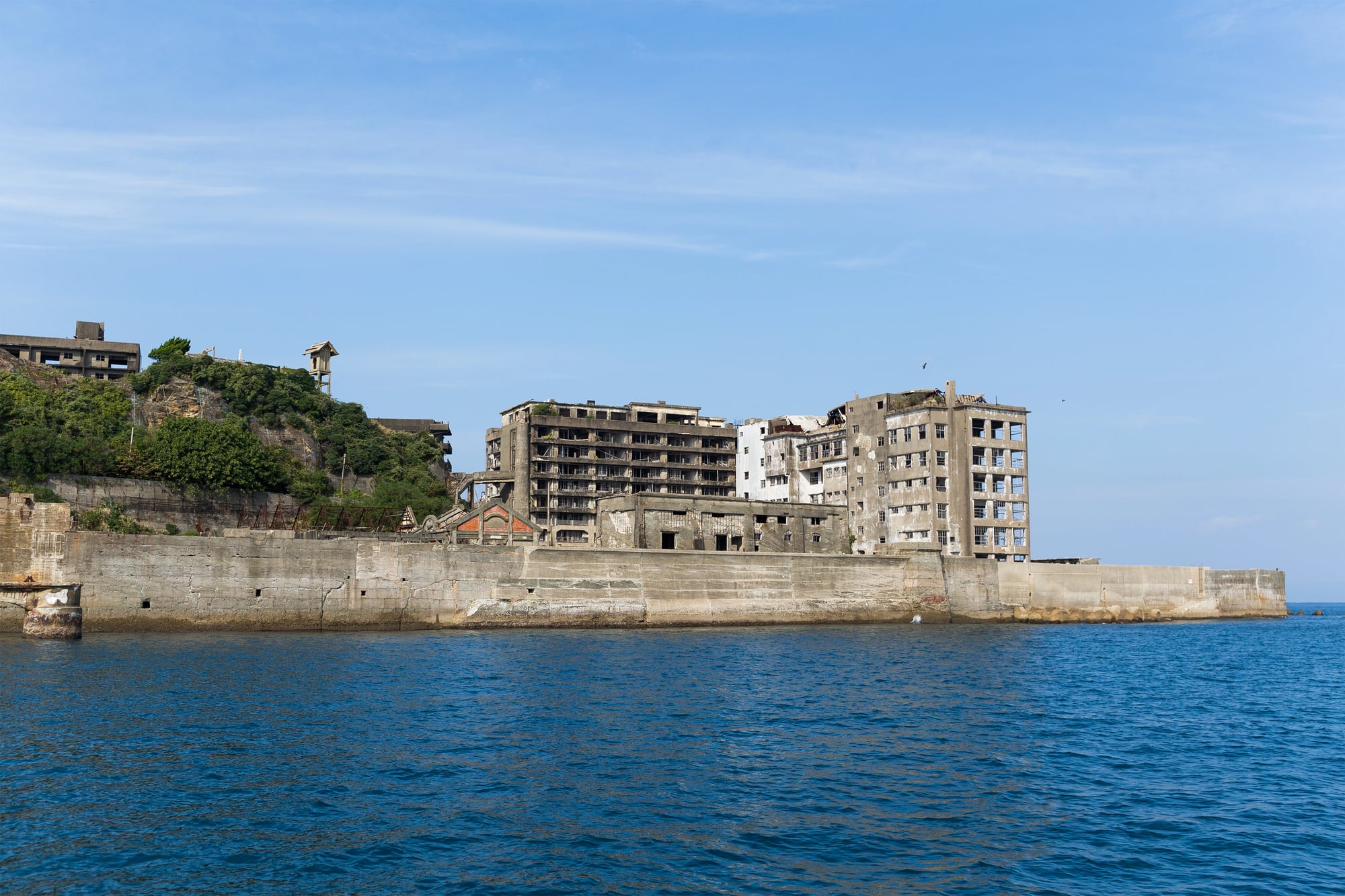
Coal mining built this artificial island (and here’s where the story gets interesting—because when the coal ran out, so did everything else), but when petroleum replaced coal as Japan’s primary energy source in the 1970s, the island’s 5,000 residents had exactly one month to pack up their entire lives and leave.
So they did what anyone would do: they took what mattered most and left everything else behind.
The result is extraordinary—an entire concrete city abandoned overnight, with apartment buildings that rise like tombstones from the sea.
And yet the island tells a different story than Pripyat. Where Pripyat feels tragic, Hashima feels almost deliberate—like its residents knew this day was coming and accepted it with the kind of resignation that only comes from understanding that some things simply end.
But walking through those concrete corridors today, past televisions that will never turn on again and kitchen tables set for meals that were never eaten, you realize that knowing something will end doesn’t make the ending any less strange.
Bodie, California
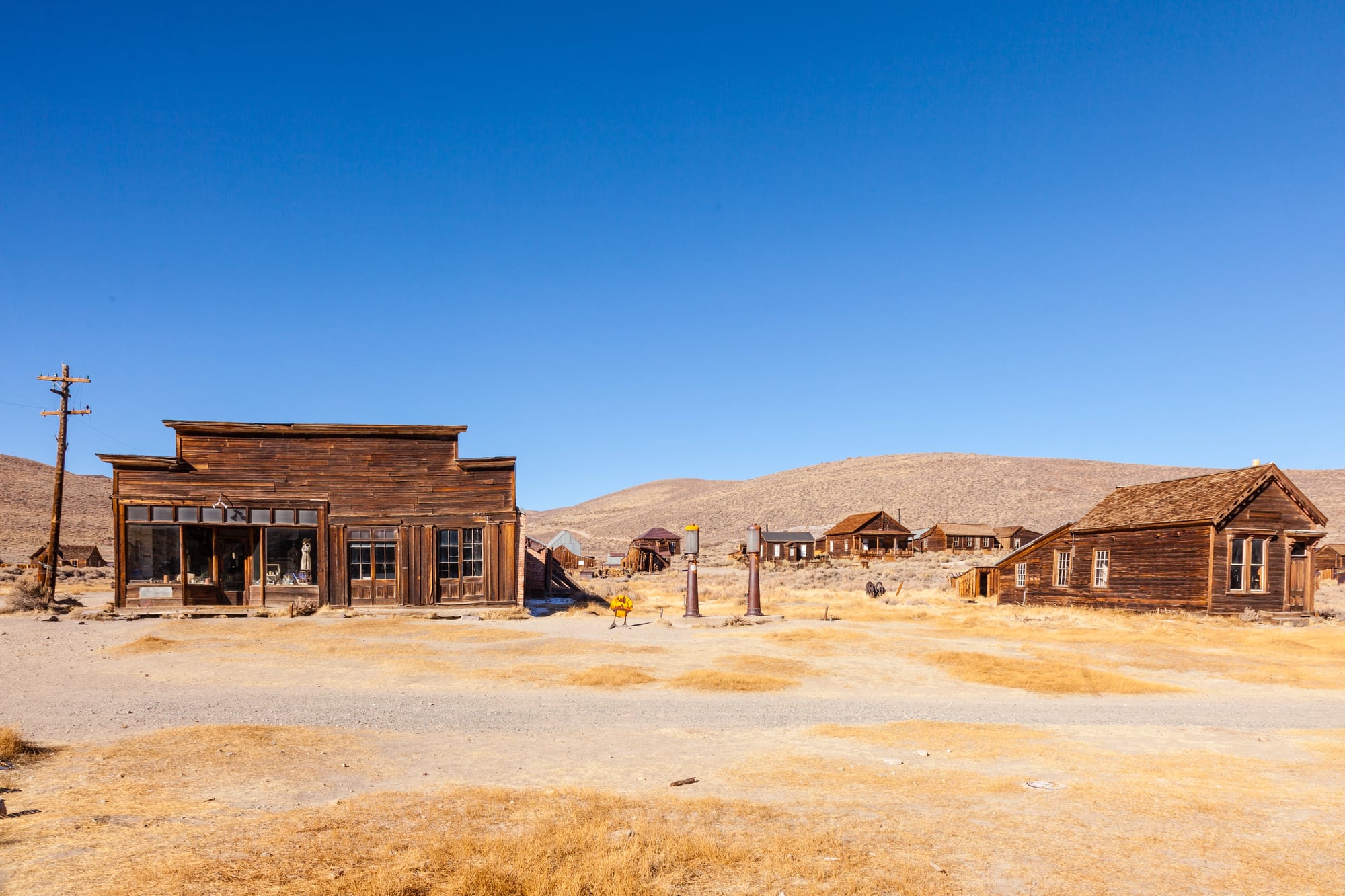
Gold ran out. That’s the simple truth behind one of America’s most perfectly preserved ghost towns, though the reality of what happened here feels more complex than economics alone could explain.
Bodie was a boomtown that peaked in the 1870s with nearly 10,000 residents, but when the gold deposits were exhausted, the population hemorrhaged almost overnight.
What makes Bodie remarkable isn’t just that people left—it’s that they left everything exactly where it was, as if they believed they might return once fortune smiled on them again.
Houses stand with furniture arranged as if the owners stepped out for an afternoon walk. The general store still has goods on the shelves, prices marked in faded ink.
The state of California now maintains Bodie in “arrested decay,” which means nothing is restored, but nothing is allowed to deteriorate further.
Time stopped here, and apparently, it’s staying stopped.
Kolmanskop, Namibia
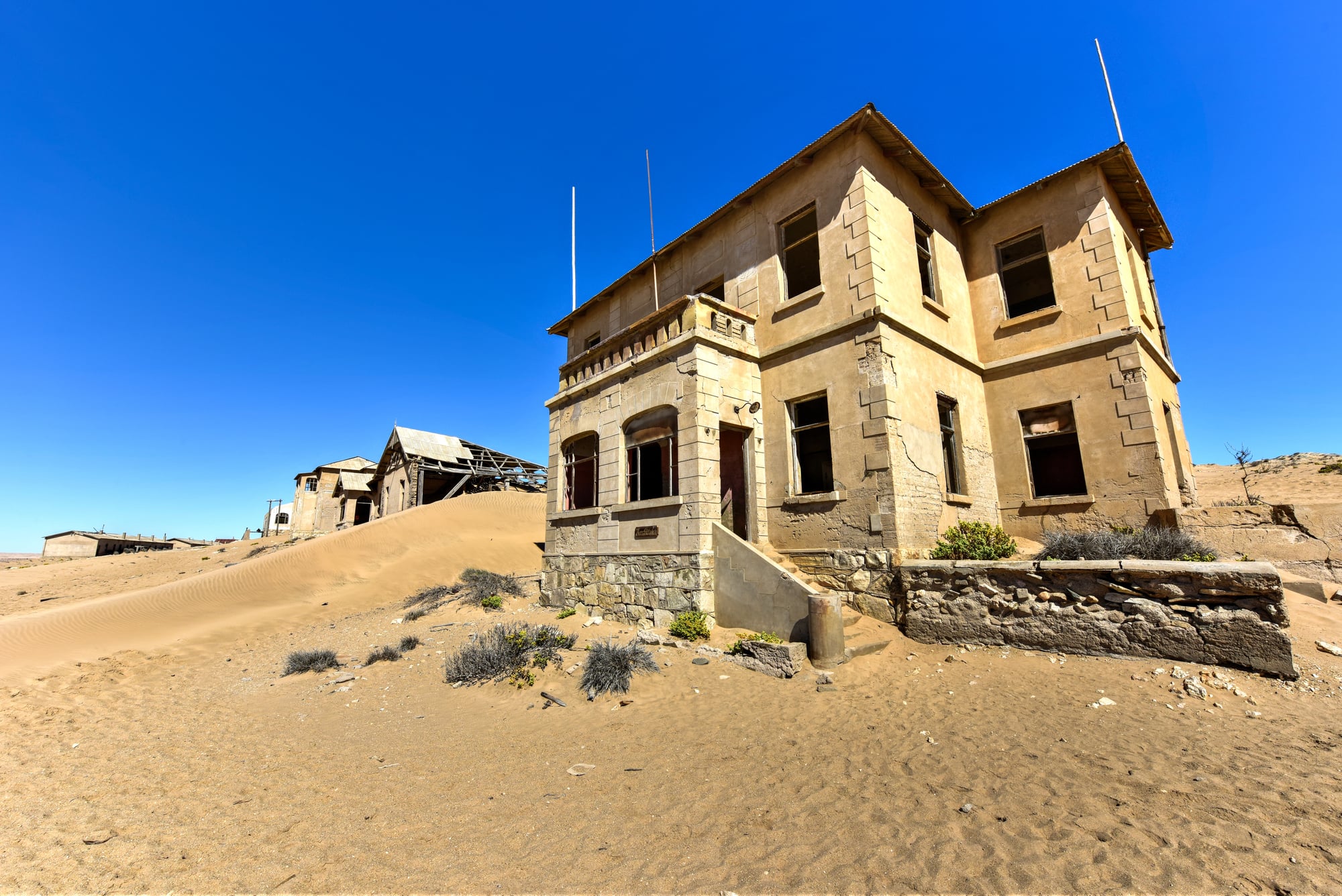
Diamond fever built this German colonial town in the Namib Desert. Diamond depletion killed it just as fast.
When richer diamond fields were discovered elsewhere in 1928, Kolmanskop’s residents didn’t waste time debating their options.
They packed what they could carry and left the desert to reclaim what had never really belonged to humans in the first place.
Now sand dunes flow through hospital corridors and pile against the walls of what was once an opera house. The desert is patient, and it’s winning.
The houses here weren’t just abandoned—they were surrendered.
There’s something almost graceful about how the sand has filled these rooms, turning abandoned parlors into sculptural landscapes that shift with every wind.
Centralia, Pennsylvania
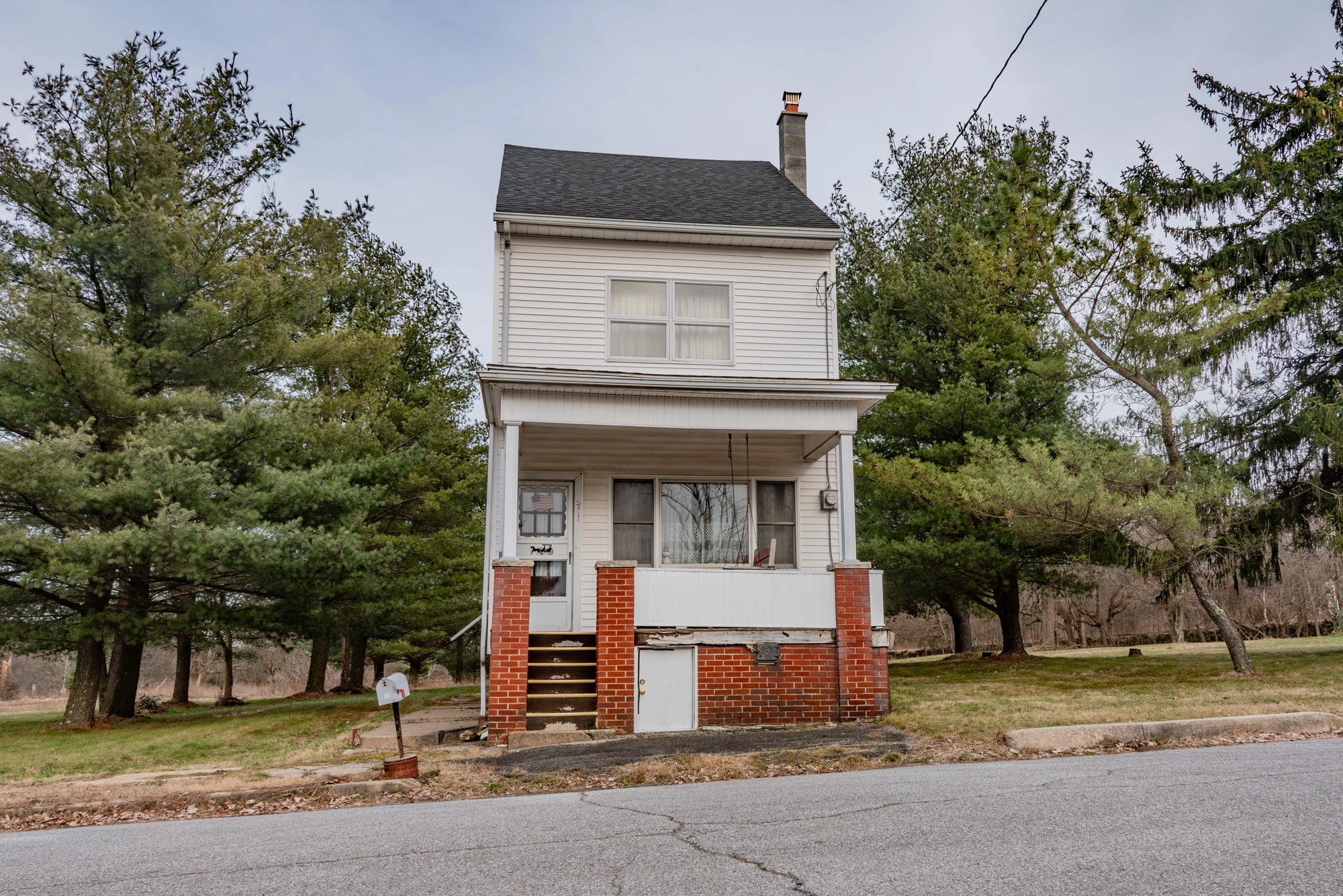
Underground coal fires started burning in 1962 and they’re still burning today—which explains why a town of over 1,000 people became a town of five in the span of two decades, but it doesn’t explain the eerie calm that settles over you when you walk through what’s left of Centralia’s streets.
Most of the buildings were demolished by the government, but the infrastructure remains: sidewalks leading to foundations that once held family homes, street signs marking intersections where nothing intersects anymore, and that famous stretch of Route 61 where the asphalt buckles and cracks from the heat below.
Steam still rises from the ground on cold mornings, and the air carries the faint smell of sulfur—reminders that the earth beneath this place is still angry about something that happened over sixty years ago.
Varosha, Cyprus
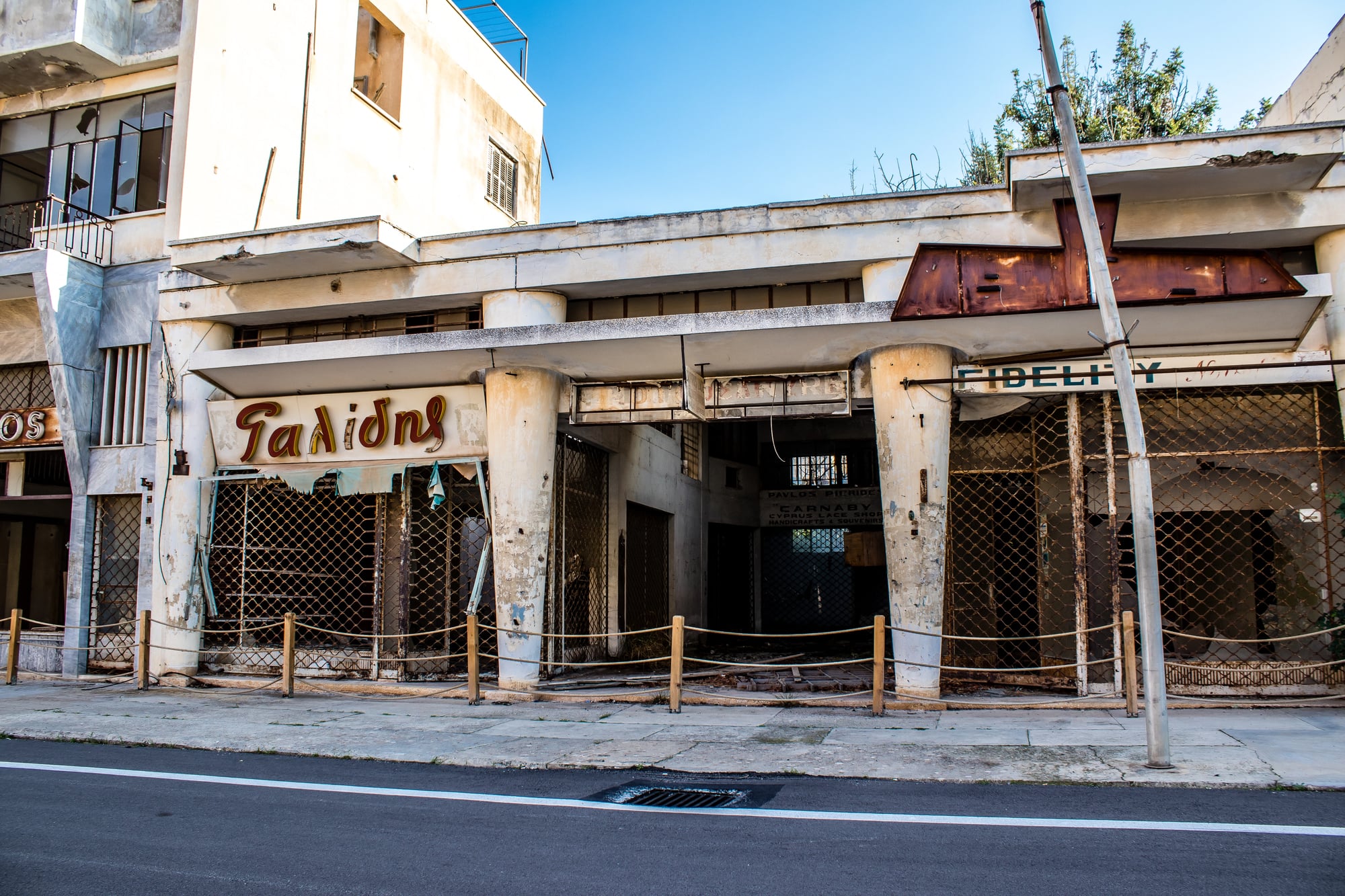
War froze this resort town in time. The Turkish invasion of Cyprus in 1974 sent Varosha’s residents fleeing in such haste that they left beach umbrellas open and hotel buffets set for dinner service.
For nearly fifty years, this Mediterranean paradise has been sealed behind barbed wire and patrolled by Turkish military—a 6-square-kilometer time capsule of 1970s beach culture.
Hotels that once hosted international celebrities now stand empty, their swimming pools filled with debris and their lobbies reclaimed by vegetation.
Cars from the early 1970s sit rusting in hotel parking lots, and according to reports from the few people allowed inside, some hotel rooms still have suitcases sitting on beds, as if their owners just stepped out to grab ice from the machine down the hall.
Grytviken, South Georgia Island
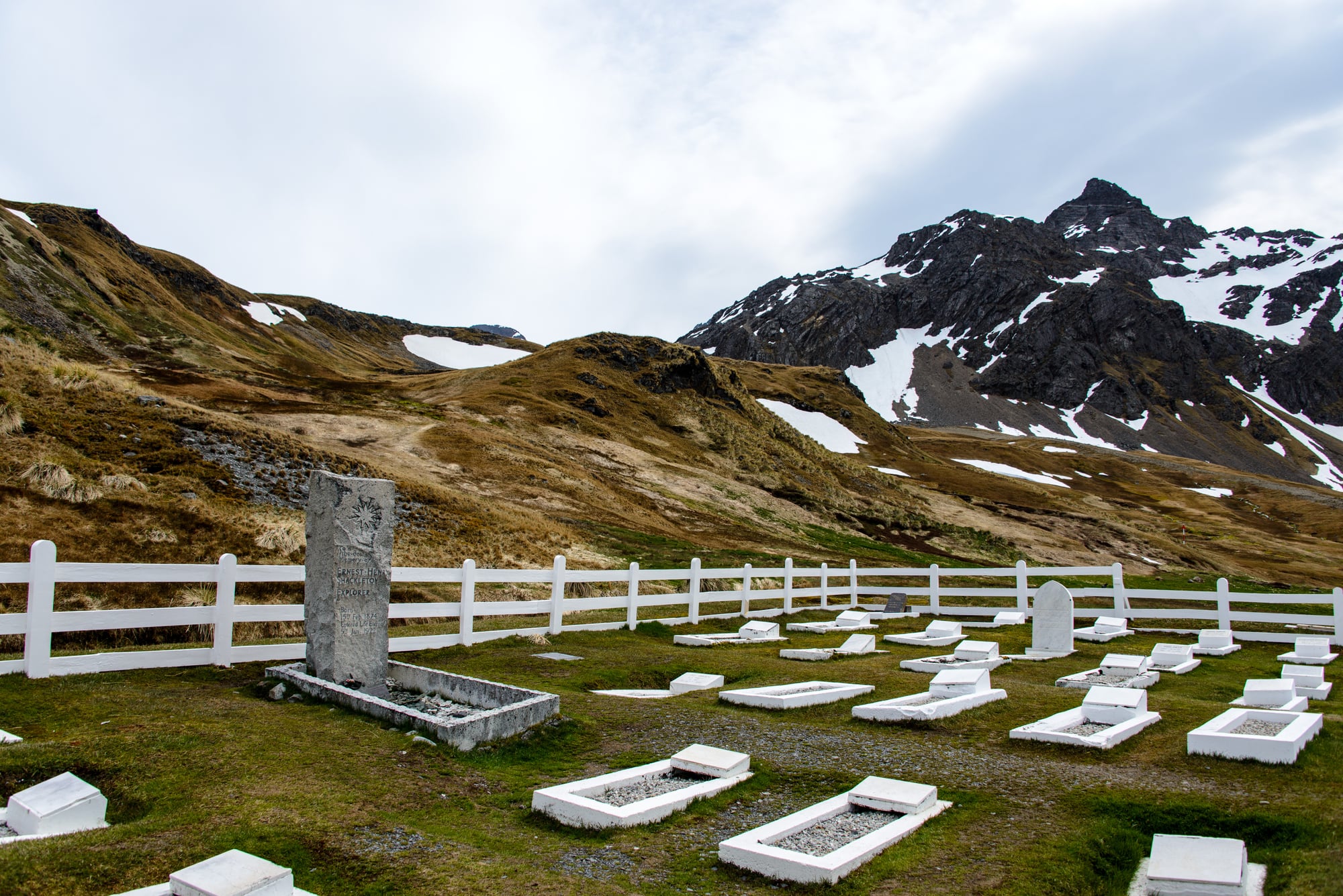
This whaling station operated successfully until 1966 when demand for whale oil collapsed.
The workers simply shut down the machinery, locked the doors, and caught the next supply ship home—leaving behind a complete industrial operation frozen in Antarctic isolation.
What makes Grytviken particularly haunting is how well-preserved everything remains in the sub-Antarctic climate.
The manager’s residence still has newspapers on the kitchen table dated to the station’s final weeks.
The hospital contains surgical instruments laid out as if the doctor just stepped away from an operation.
Even the station’s church remains intact, though it now serves as a monument to Ernest Shackleton, who is buried in the local cemetery.
The cold down here doesn’t just preserve things—it mummifies them.
Time moves differently when the temperature never rises above freezing.
Kowloon Walled City, Hong Kong
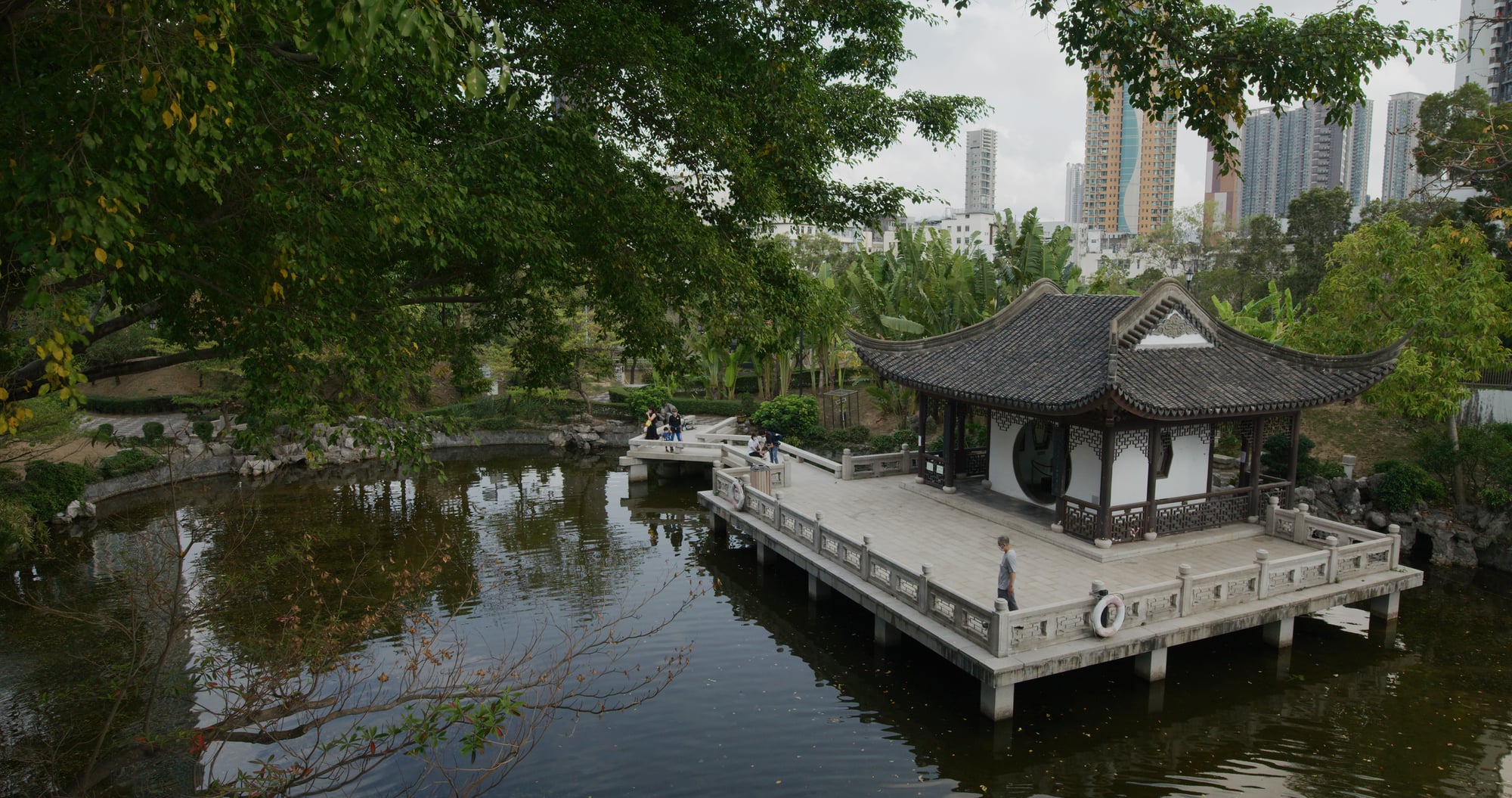
Demolition crews cleared this lawless enclave in 1994, but for over 200 years, the Walled City existed as an autonomous zone where 50,000 people lived in a space the size of a city block (and if you think that sounds impossible, you’re not accounting for how creative humans become when they’re determined to live somewhere the outside world has forgotten about).
Before its demolition, the Walled City was a vertical maze of apartments, businesses, and workshops stacked on top of each other with no building codes, no government oversight, and somehow, no major structural collapses.
Residents built bridges between buildings, ran businesses out of their living rooms, and created a functioning society that existed entirely outside conventional urban planning.
So when the Hong Kong government finally decided to tear it down, they weren’t just demolishing buildings—they were erasing a community that had learned to thrive in impossible circumstances.
But here’s what’s strange: many former residents describe missing the Walled City despite its obvious problems, because it represented something that’s nearly impossible to replicate—a place where people could live entirely by their own rules.
Villa Epecuén, Argentina
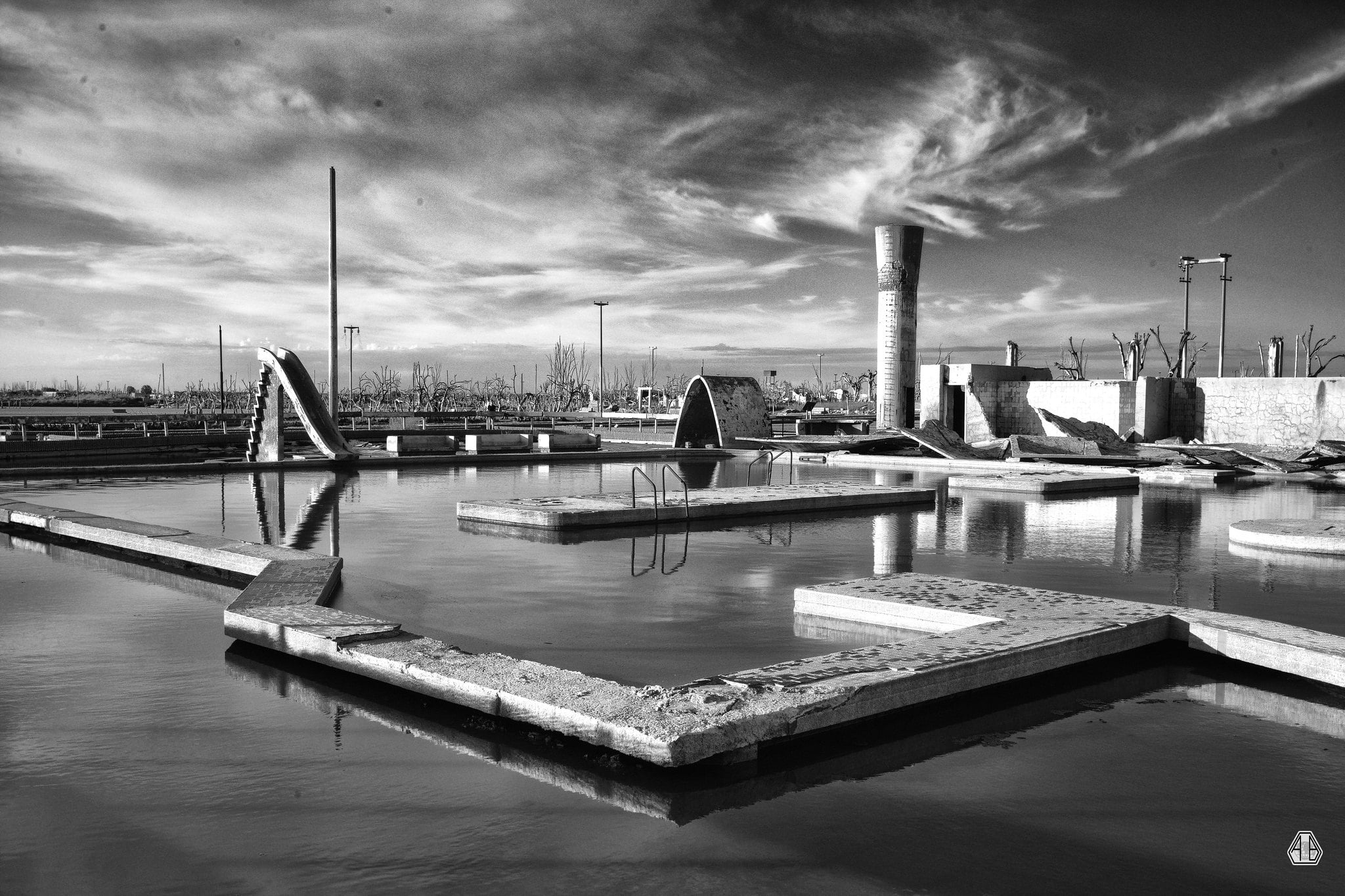
Salt water destroyed this lakeside resort town, but not in the way you’d expect.
Villa Epecuén sat on the shore of a salt lake that served as a health resort destination until 1985, when heavy rains caused the lake to overflow its banks and flood the entire town.
The salt water didn’t recede for 25 years.
When it finally did, it left behind a landscape that looks more like an archaeological site than a recently abandoned town.
Salt-encrusted trees stand like sculptures, and buildings emerge from the dried lakebed covered in white crystalline formations that catch the light like broken glass.
The few residents who returned found their homes preserved in salt—a natural mummification process that kept some structures intact while completely dissolving others.
What remains is beautiful in a way that feels almost extraterrestrial.
Beelitz-Heilstätten, Germany
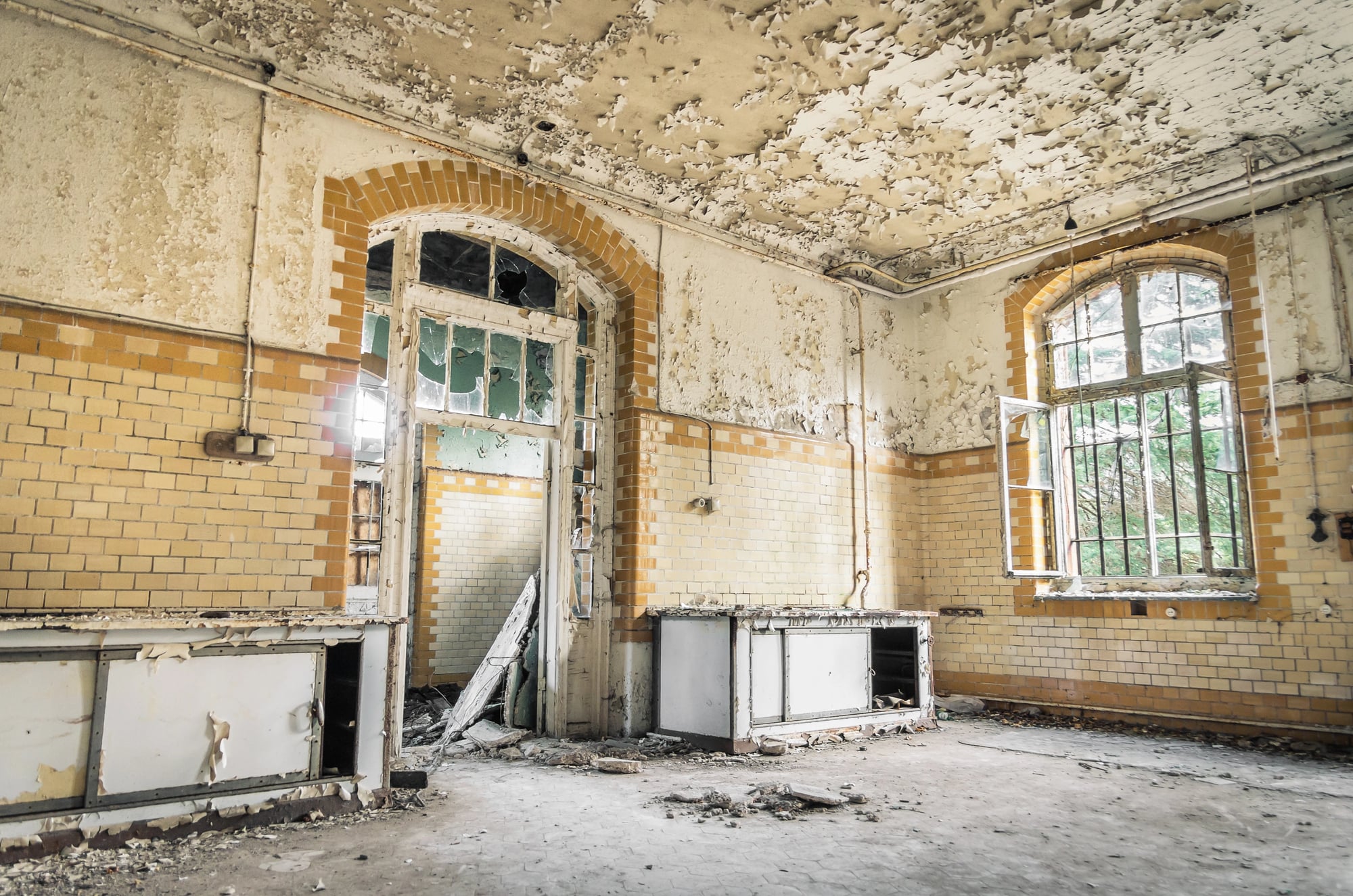
This massive hospital complex treated tuberculosis patients for nearly 100 years before closing in 1994 when modern medicine finally conquered the disease that built the place.
The facility was designed as a self-contained city where patients could spend years recovering in what was essentially luxury medical care for its time.
What’s unsettling about Beelitz-Heilstätten isn’t just its size—over 60 buildings spread across 200 hectares—but how completely equipped it remains.
Operating theaters still have surgical instruments on the tables.
Patient rooms contain beds made with linens that have been rotting for thirty years.
The kitchen facilities could theoretically still serve thousands of meals, if anyone were left to cook them.
The complex feels less abandoned than paused, as if the last patients might return at any moment to continue treatments that no longer exist for diseases that medicine has largely forgotten.
Famagusta, Northern Cyprus
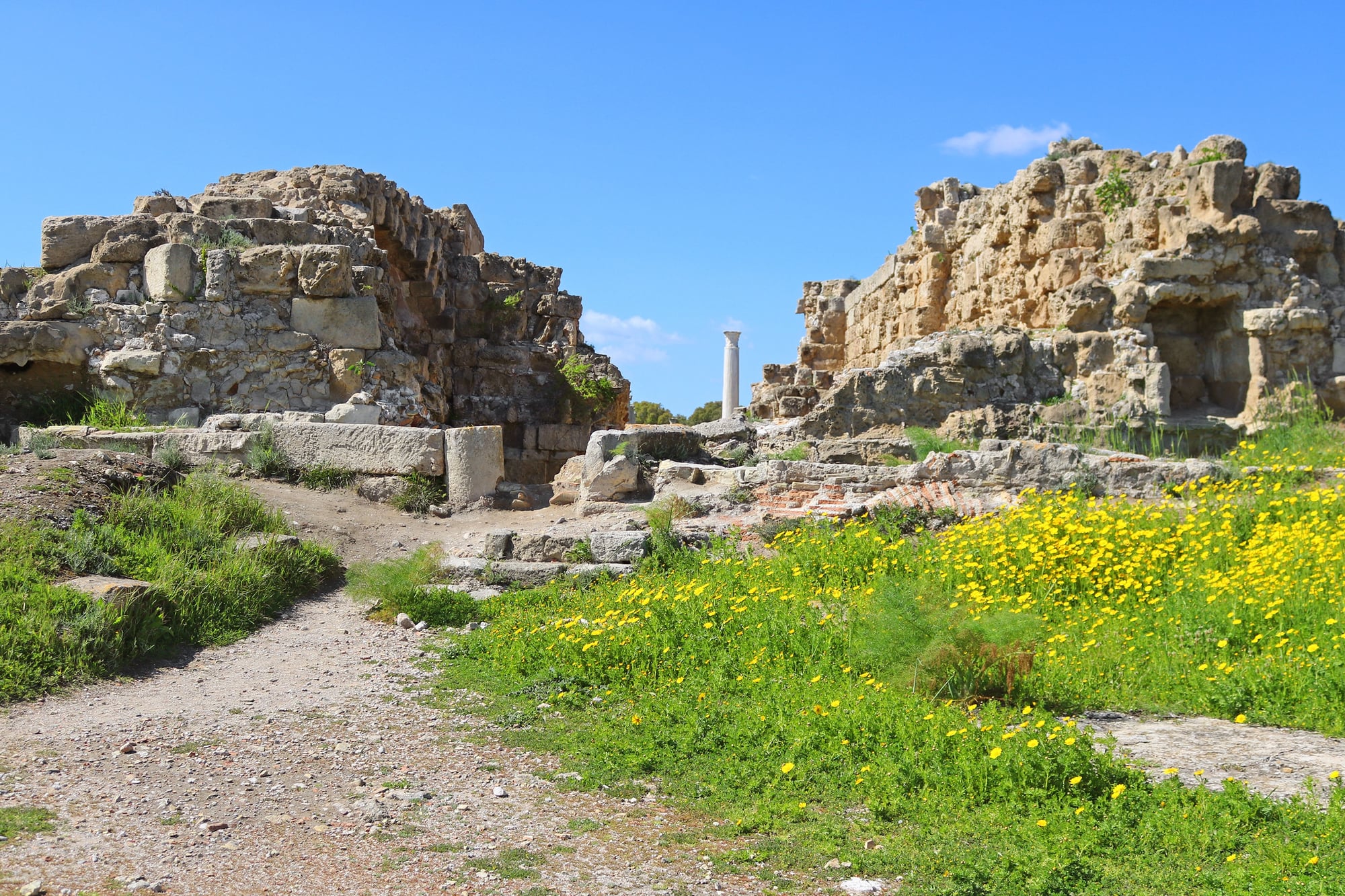
Turkish forces captured this medieval port city in 1974, but instead of occupying it, they sealed it off and left it empty—creating an accidental experiment in what happens when a functioning city is suddenly drained of all human life.
Famagusta had been a thriving tourist destination with luxury hotels, bustling markets, and a population of 39,000 people who fled during the invasion.
Fifty years later, it remains one of the world’s most perfectly preserved ghost cities.
Medieval walls still surround neighborhoods where 1970s cars sit rusting in driveways.
The city’s famous Othello Castle overlooks empty beaches where vacation chairs still sit arranged in neat rows, waiting for tourists who will never return.
Oradour-Sur-Glane, France
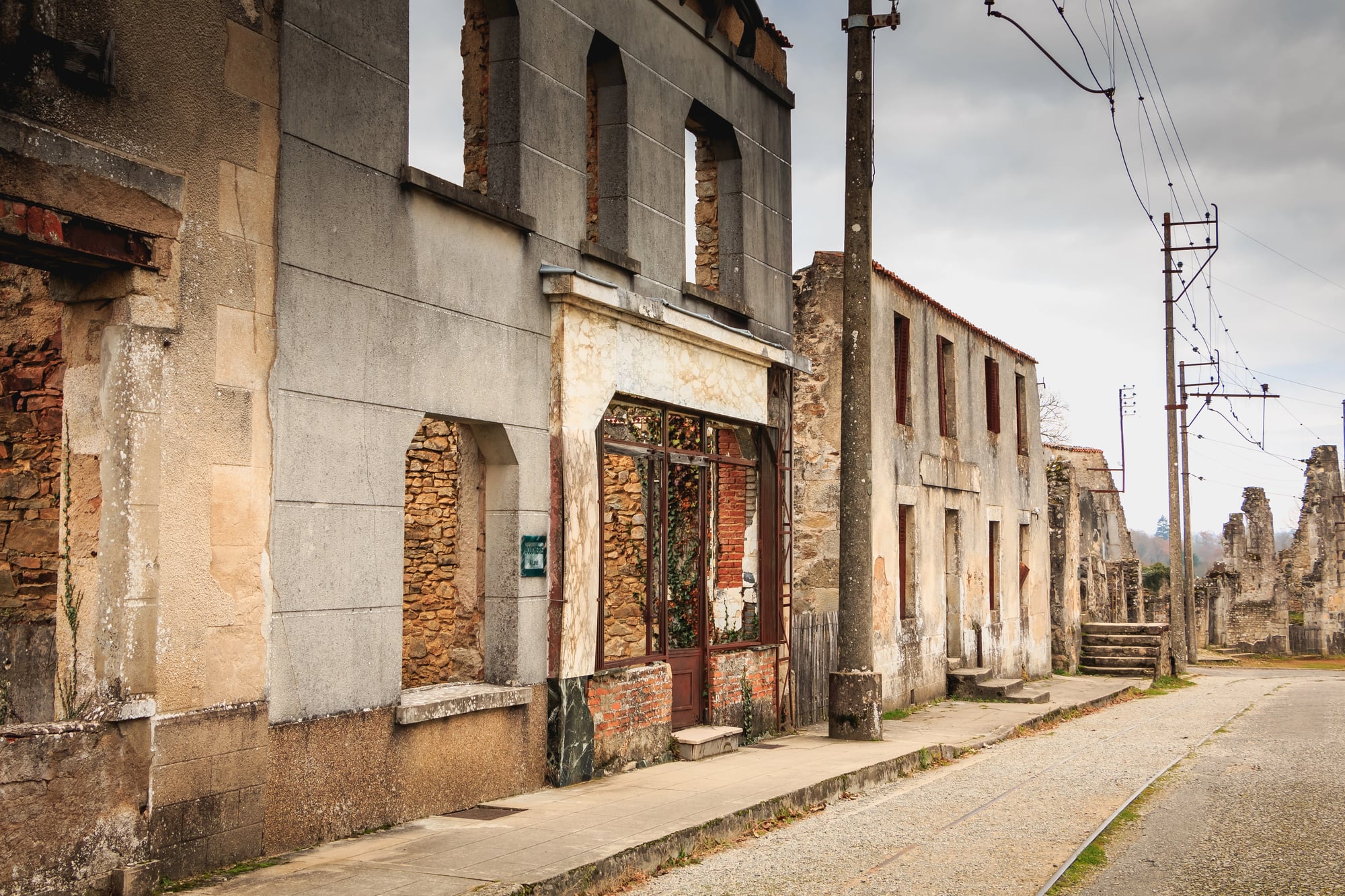
SS troops destroyed this village and killed 642 of its residents on June 10, 1944, but French President Charles de Gaulle made an unusual decision after the war: preserve the ruins exactly as they were left, as a memorial to what happened there.
Unlike other abandoned places that decay naturally over time, Oradour-sur-Glane is maintained in a state of controlled ruin.
The burned-out cars still sit where they were destroyed.
Household objects remain scattered in the rubble of homes.
Even the village doctor’s car, riddled with bullet marks, sits in the same spot where it was attacked.
This isn’t abandonment in the conventional sense—it’s deliberate preservation of a moment that no one wants to remember but everyone needs to see.
Craco, Italy
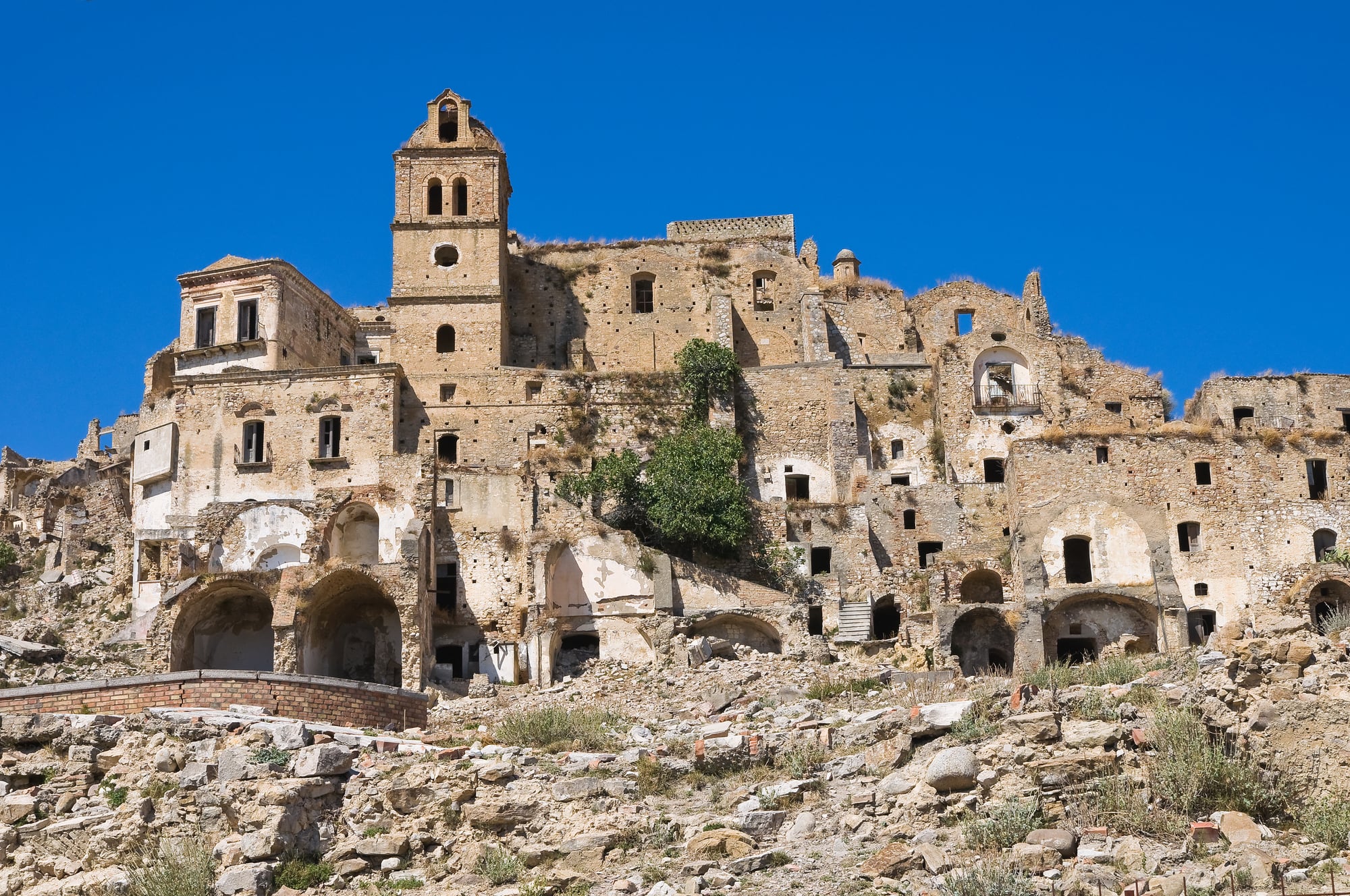
Landslides and earthquakes didn’t give this medieval hilltown much choice about evacuation.
When the ground beneath Craco became too unstable to support human habitation in 1963, residents had to leave quickly—and they couldn’t take much with them.
What makes Craco remarkable is how well its medieval architecture has survived abandonment.
Stone buildings that stood for centuries continue standing empty, and the narrow streets that once bustled with village life now echo only with wind.
The town clings to its hillside like a medieval fortress, which is essentially what it’s become—except now it’s defending against nothing but time.
Craco has become a popular filming location precisely because it looks like a movie set, but there’s something authentically ghostly about a place that was built to last forever and then simply ran out of people to last for.
Bannack, Montana
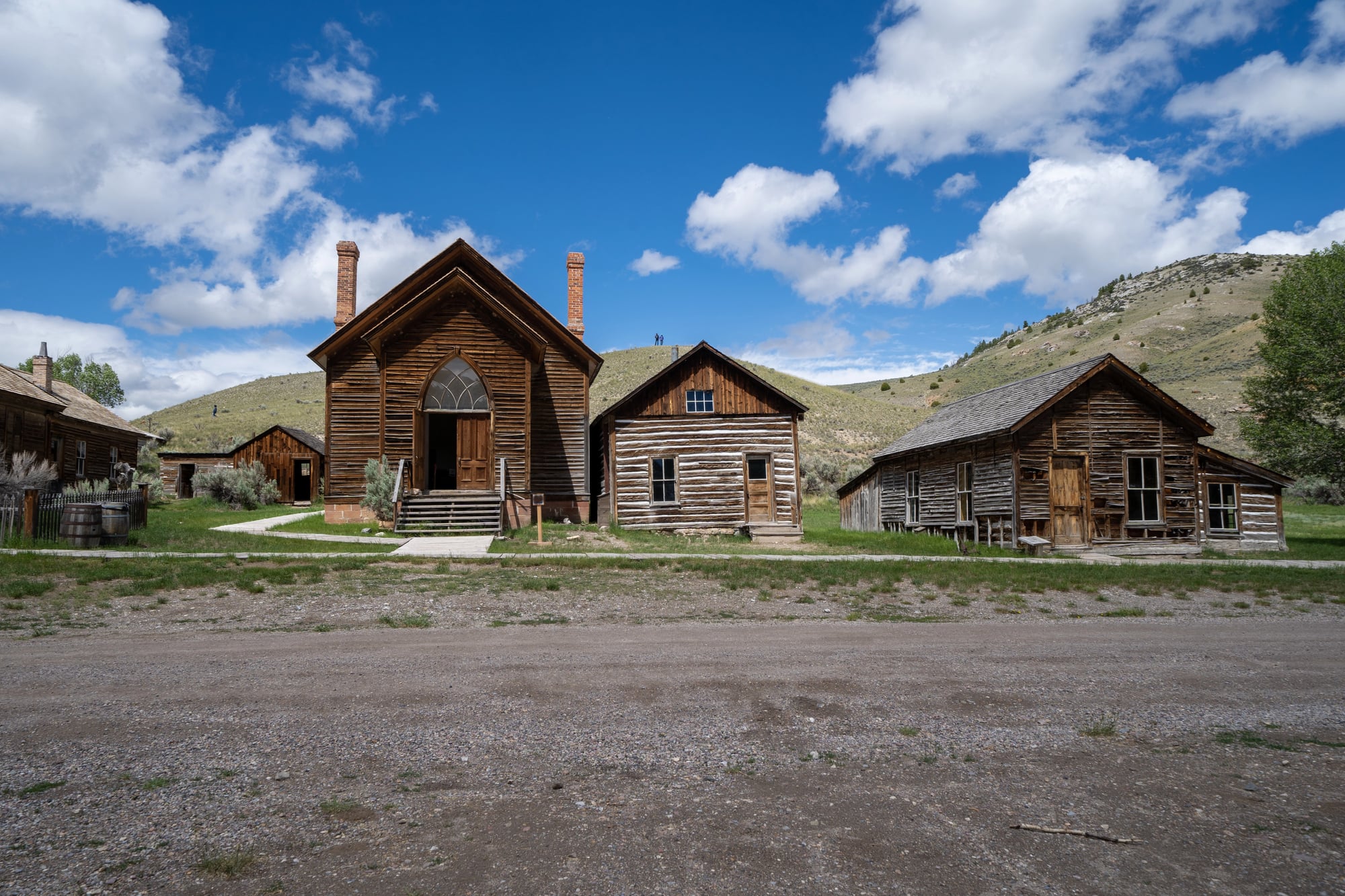
Gold built this frontier town in 1862.
When the gold played out in the 1970s, Bannack’s last residents didn’t bother with sentimental goodbyes—they loaded their trucks and drove toward opportunities that still existed somewhere else.
Montana’s dry climate preserved Bannack almost perfectly.
The schoolhouse still has lessons written on the blackboard.
The general store’s shelves hold merchandise that no one will ever buy.
Even the town jail retains the personal belongings of its final prisoners, though they were released decades ago.
What’s strange about Bannack is how recent its abandonment feels despite being a genuine Old West ghost town.
Walking through its streets, you can almost imagine bumping into someone who just stepped outside to check the weather.
Times Beach, Missouri
Dioxin contamination forced the complete evacuation of this town in 1983 when the EPA discovered that oil sprayed on roads to control dust was actually toxic waste that made the entire community uninhabitable.
The government bought every house in town and relocated all 2,000 residents within months.
Times Beach was literally erased from existence—not just abandoned but demolished and converted into a state park.
What remains are street signs that lead to nothing, sidewalks that connect empty lots, and a single time capsule that marks where the town center used to be.
This wasn’t gradual decline or economic collapse.
Times Beach simply became too dangerous for human habitation, so it ceased to exist as a place where humans could live.
Fordlândia, Brazil
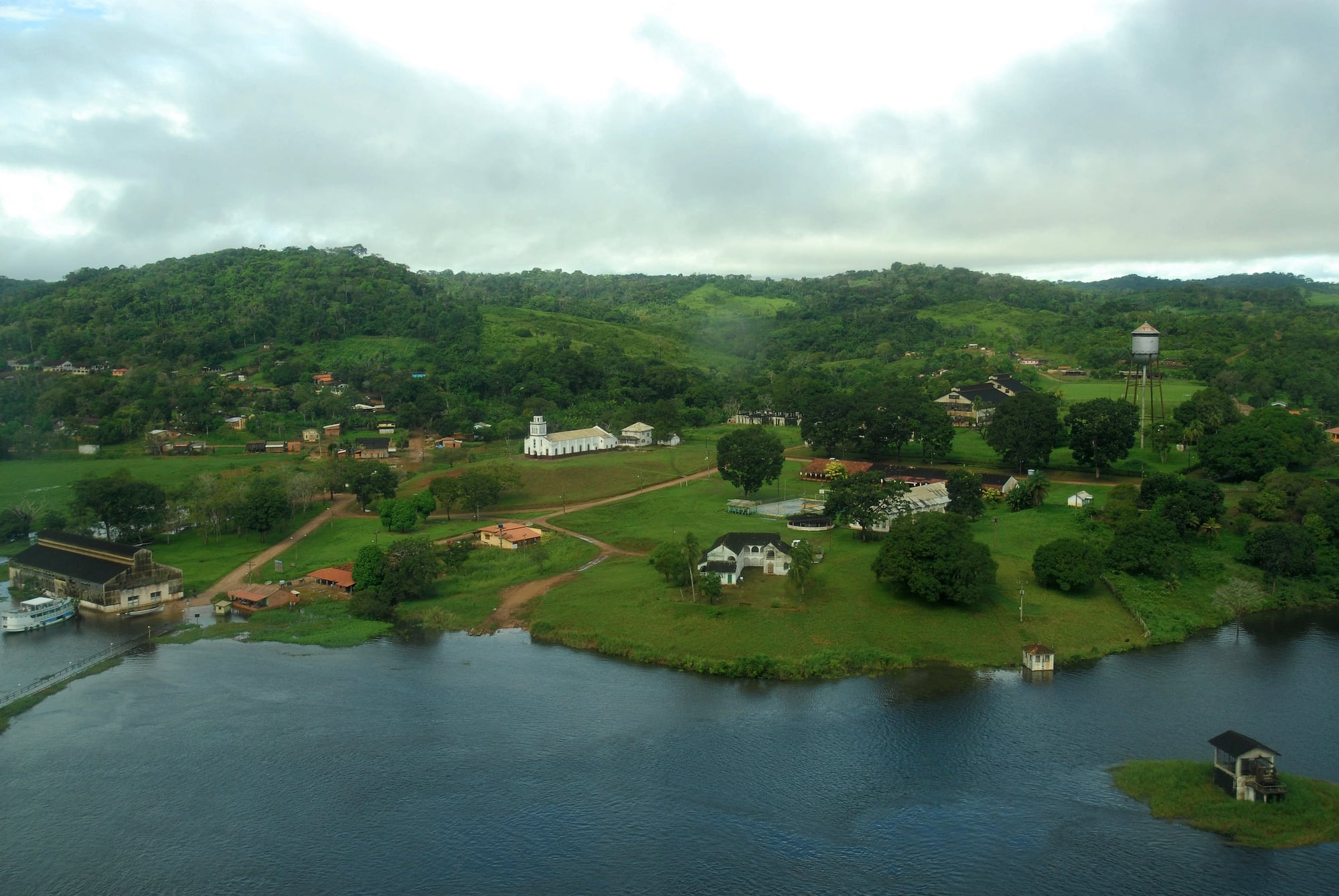
Henry Ford tried to build an American town in the Amazon rainforest to supply rubber for his tire factories.
The experiment failed spectacularly when Ford discovered that rubber trees don’t actually grow well in plantations, and Brazilian workers weren’t interested in living by Detroit factory schedules in the middle of the jungle.
Fordlândia lasted from 1928 to 1945, but the jungle began reclaiming it the moment Ford’s employees stopped fighting the vegetation back.
What remains looks like someone dropped a small Midwestern town into the Amazon and then walked away.
American-style houses with front porches sit empty while tropical plants grow through their windows.
The town’s water tower still bears Ford’s name, though it no longer supplies water to anyone.
Kayaköy, Turkey
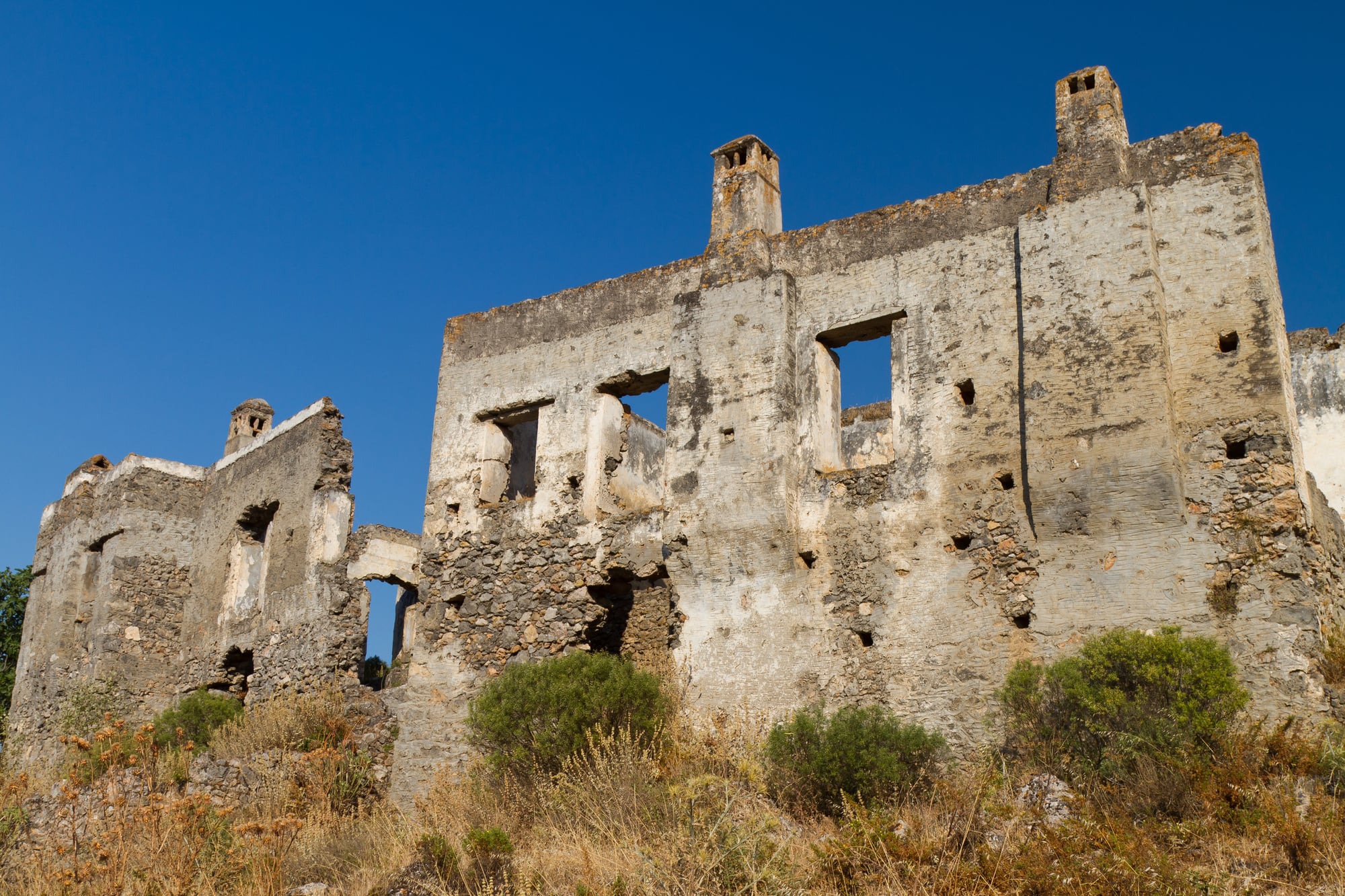
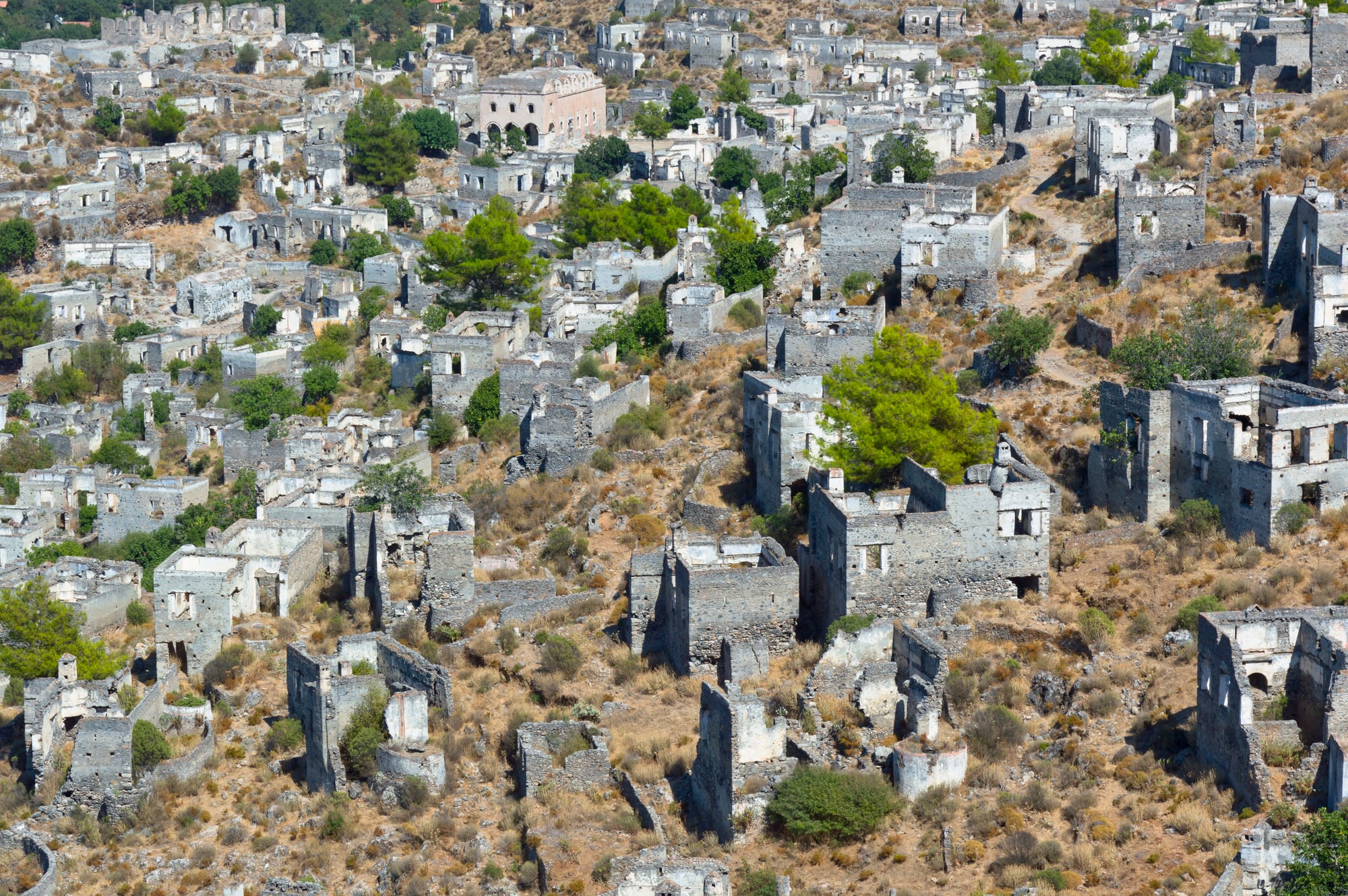
The population exchange between Greece and Turkey in 1923 emptied this Greek Orthodox village overnight.
Kayaköy’s 6,000 residents were forced to relocate to Greece, leaving behind a completely intact community that no one was allowed to occupy.
The village remains exactly as it was left—stone houses with tile roofs, churches with intact frescoes, and narrow streets designed for donkeys rather than cars.
Kayaköy became known as the “Ghost Village” because it looks inhabited from a distance, but up close reveals itself as completely hollow.
Turkish authorities have preserved Kayaköy as a symbol of friendship between Turkey and Greece, but walking through its empty streets feels more melancholy than symbolic.
This was someone’s home, and then suddenly, it wasn’t.
When Places Remember What People Forget
Empty places hold onto things that occupied places let go of.
Silence settles differently when it’s not temporary, and abandoned buildings develop a presence that has nothing to do with the people who once lived in them.
These locations become accidental museums of interrupted lives—not curated or explained, just left behind for time to sort through.
The most haunting thing about overnight abandonment isn’t what people left behind, but what they took with them: the certainty that they’d return, that home would still be there waiting, that the places we love exist independently of our ability to stay in them.
They don’t, of course.
Places need people to remain places.
Without us, they become something else entirely—not better or worse, just different in ways that make you realize how temporary everything actually is.
More from Go2Tutors!

- The Romanov Crown Jewels and Their Tragic Fate
- 13 Historical Mysteries That Science Still Can’t Solve
- Famous Hoaxes That Fooled the World for Years
- 15 Child Stars with Tragic Adult Lives
- 16 Famous Jewelry Pieces in History
Like Go2Tutors’s content? Follow us on MSN.