15 Ways the Kitchen Has Changed Since the 1970s
The kitchen has always been the heart of the home, yet the way we design, use, and interact with this essential space has transformed dramatically over the past five decades. From harvest gold appliances to smart refrigerators, kitchen culture has evolved alongside changing lifestyles, technological breakthroughs, and shifting design sensibilities.
Here is a list of 15 significant ways kitchens have transformed since the days of disco, bell-bottoms, and fondue parties.
Open Concept Layouts
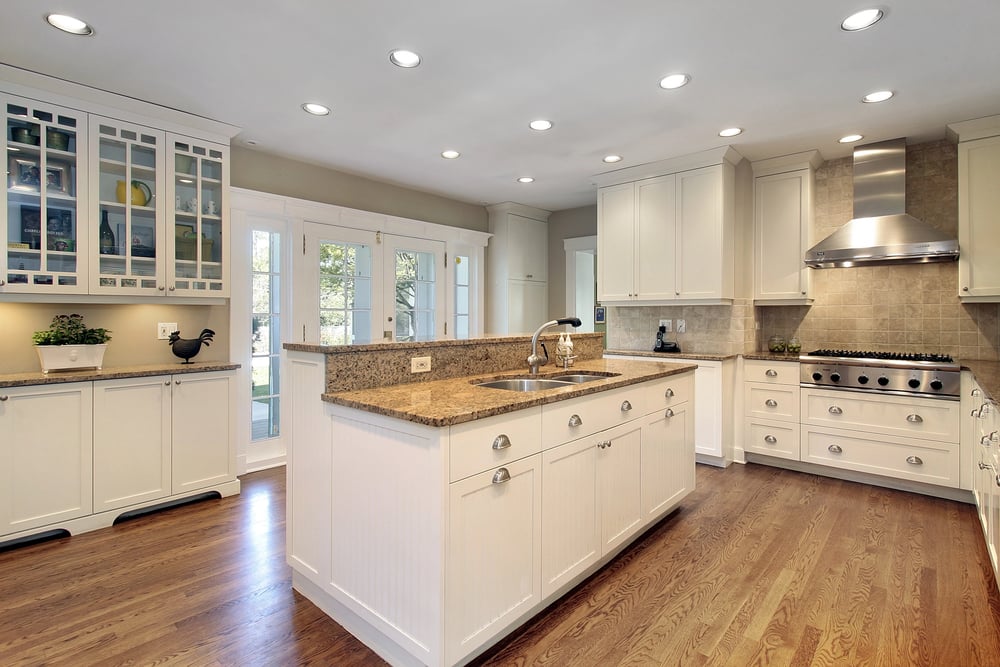
The walled-off, isolated kitchen of the 1970s has given way to the open concept layout that dominates modern homes. Back then, kitchens were purely functional spaces – hidden away from guests and separated from living areas by walls and doors.
Today’s kitchens flow seamlessly into dining and living spaces, transforming meal preparation from a behind-the-scenes chore into a social activity where conversation happens while the pasta water boils.
Countertop Materials
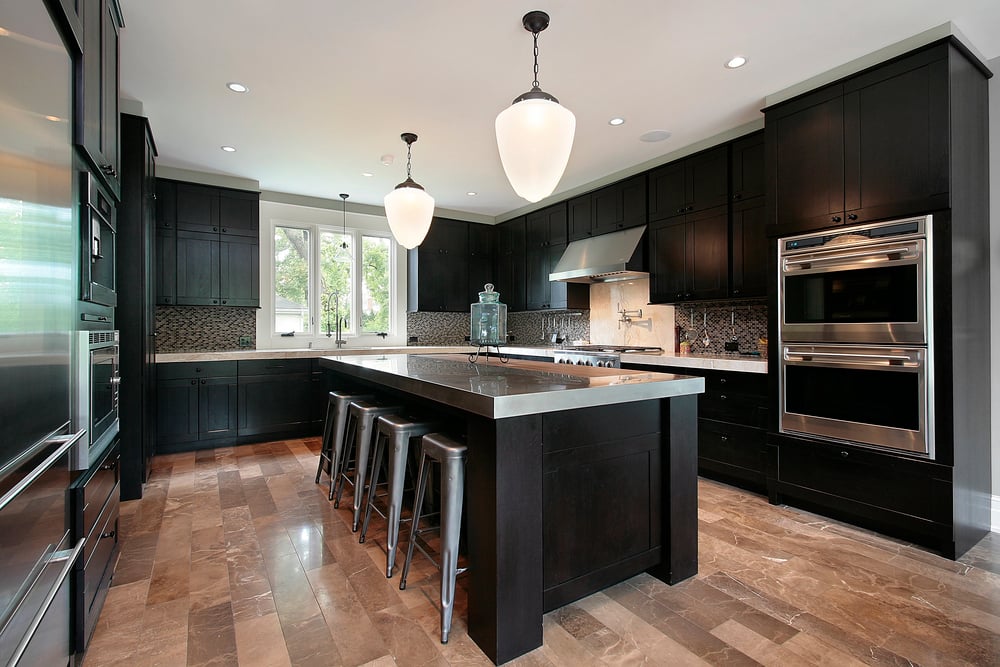
Laminate countertops in bold colors and patterns ruled supreme in the 1970s – with Formica being the brand everybody knew. These affordable, easy-to-clean surfaces haven’t disappeared completely, though they’ve largely been replaced by natural stone, engineered quartz, and butcher block.
This shift represents not just changing aesthetics but a greater emphasis on durability and the kitchen as a statement of personal style rather than just a functional workspace.
Appliance Colors
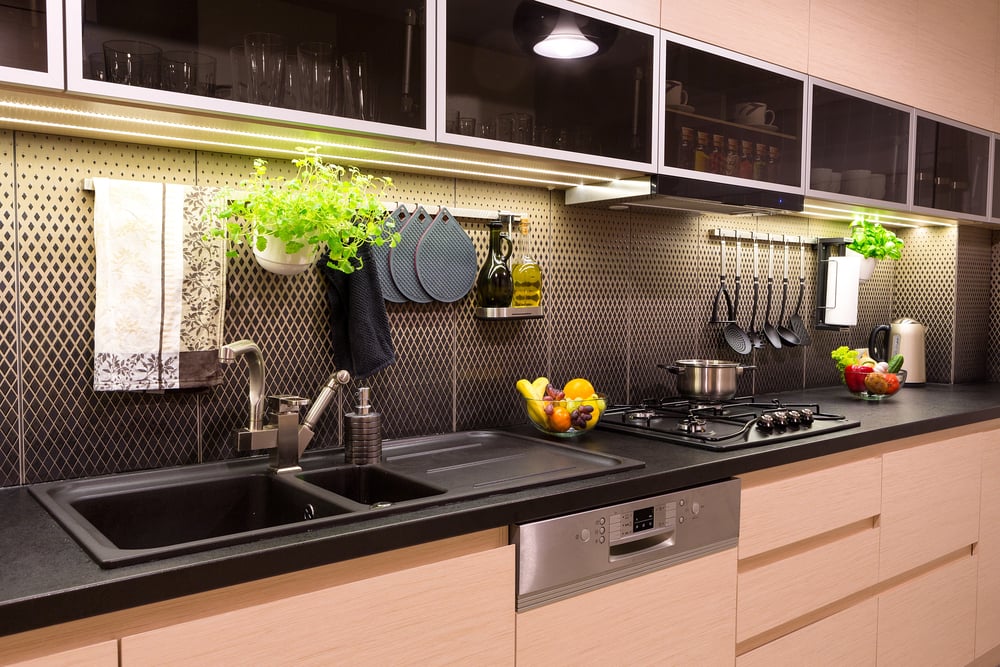
Remember those iconic harvest gold, avocado green, and burnt orange appliances? They defined 1970s kitchens as much as wood paneling defined den walls. Today’s kitchens feature stainless steel as the dominant choice – though black stainless and custom panel-ready appliances have made significant inroads in recent years.
The neutral palette we now prefer reflects our desire for timeless designs that won’t quickly date our expensive kitchen investments.
Storage Solutions
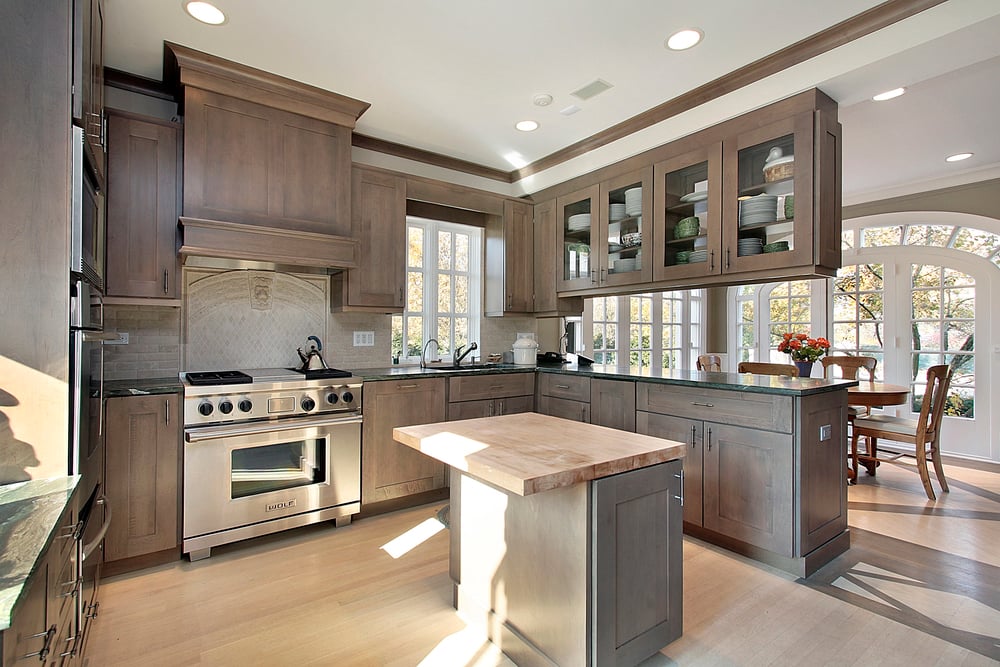
The standard cabinets of the 1970s have evolved into sophisticated storage systems that maximize every inch of space. Pull-out pantries, lazy Susans, and specialized drawers for everything from spices to stand mixers have replaced the simple shelving of yesteryear – often without changing the kitchen’s footprint.
Modern kitchens work smarter rather than larger, accommodating our growing collections of gadgets and global ingredients that weren’t even on the radar fifty years ago.
Island Prominence
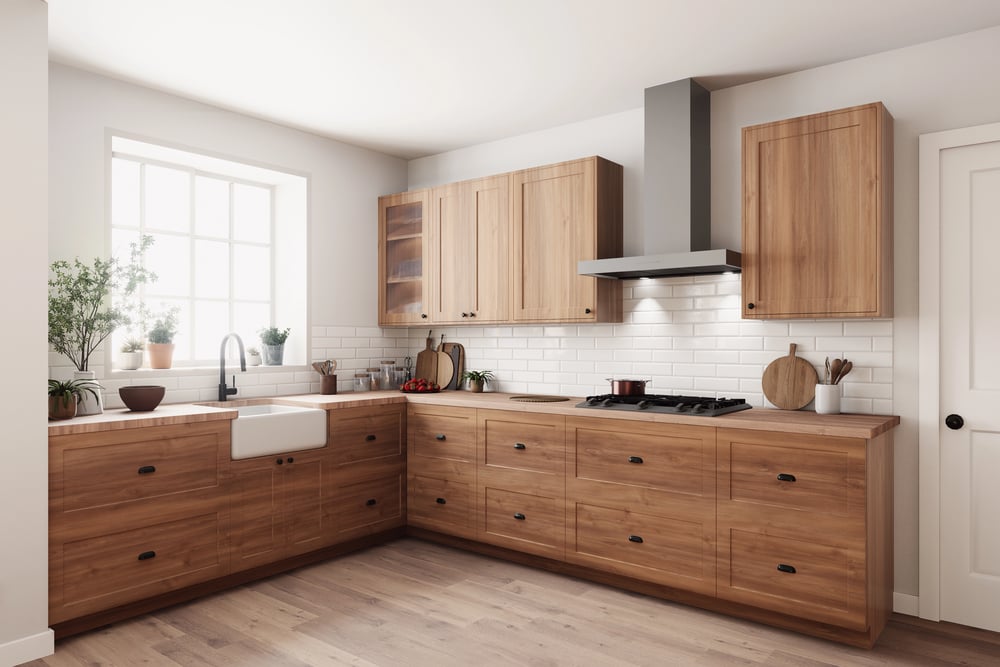
While kitchen islands existed in the 1970s, they were relatively uncommon and typically small – more like peninsulas extending from walls than true standalone features. Today’s kitchens often feature massive islands that serve as command centers for the entire home – incorporating seating, storage, prep sinks, and sometimes even cooking surfaces.
These multipurpose structures have become the true heart of the modern kitchen where families gather, kids do homework, and guests inevitably congregate despite your best efforts to guide them to the living room.
Energy Efficiency
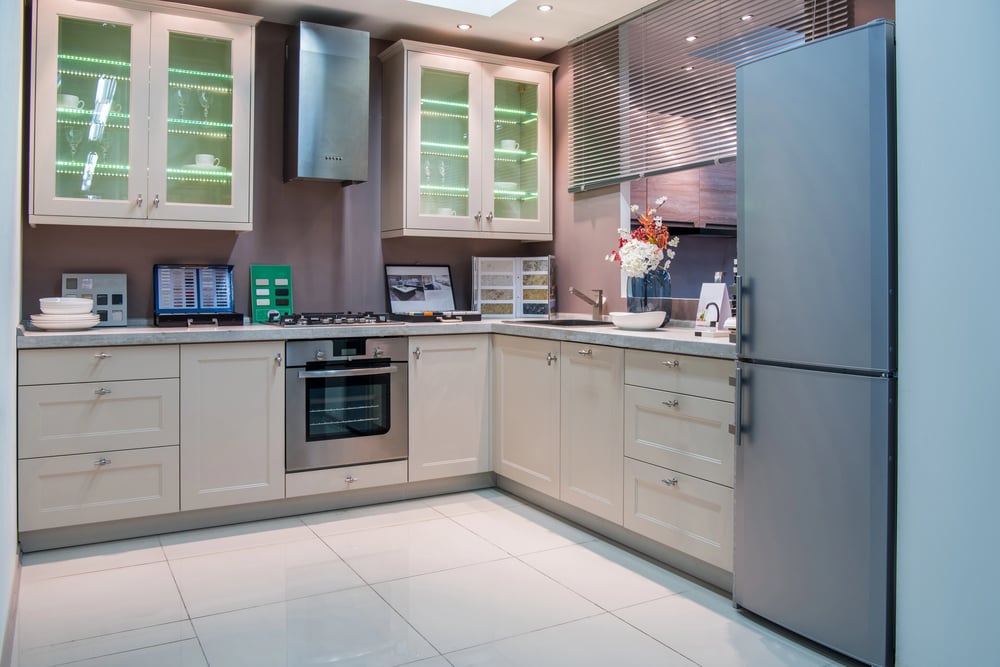
The energy crisis of the 1970s sparked initial awareness about consumption – yet appliances from that era would be considered energy hogs by today’s standards. Modern refrigerators use about a quarter of the electricity compared to their 1970s counterparts, while dishwashers use less than half the water.
This evolution didn’t happen overnight but represents both technological advancement and changing priorities around environmental impact and utility costs that weren’t major considerations fifty years ago.
Smart Technology
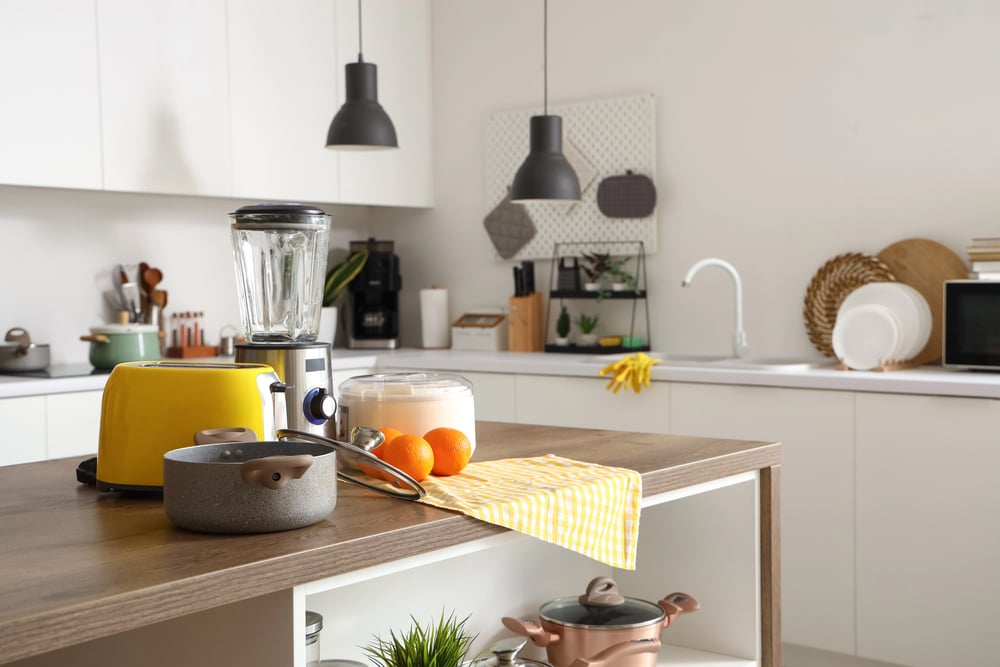
The most futuristic kitchen feature in the 1970s might’ve been a digital clock on the microwave – pretty revolutionary at the time! Today’s kitchens incorporate voice-activated assistants, refrigerators that track groceries, and ovens you can preheat from your phone while stuck in traffic.
The connected kitchen represents one of the most dramatic shifts between then and now, bringing capabilities that would’ve seemed like pure science fiction to cooks of the disco era.
Lighting Choices
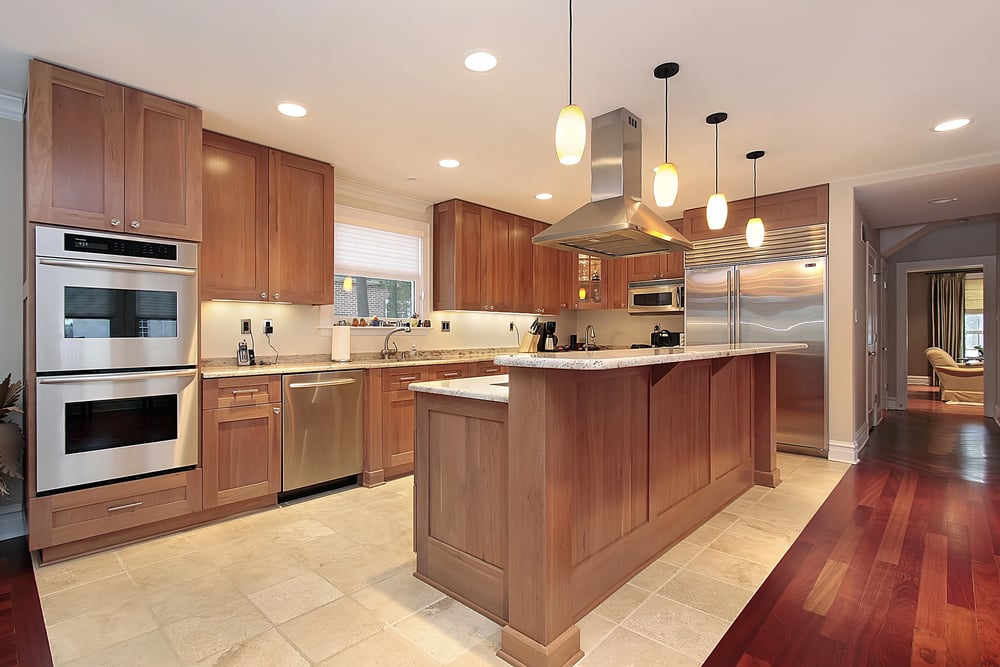
Fluorescent box lighting dominated 1970s kitchens – casting that characteristic institutional glow across avocado-colored countertops. Contemporary kitchens feature layered lighting plans with under-cabinet LEDs, statement pendant fixtures, and carefully placed recessed lights that eliminate shadows.
This shift acknowledges the kitchen’s dual role as both functional workspace and design showcase, where proper illumination enhances both cooking accuracy and evening ambiance.
Range Hoods
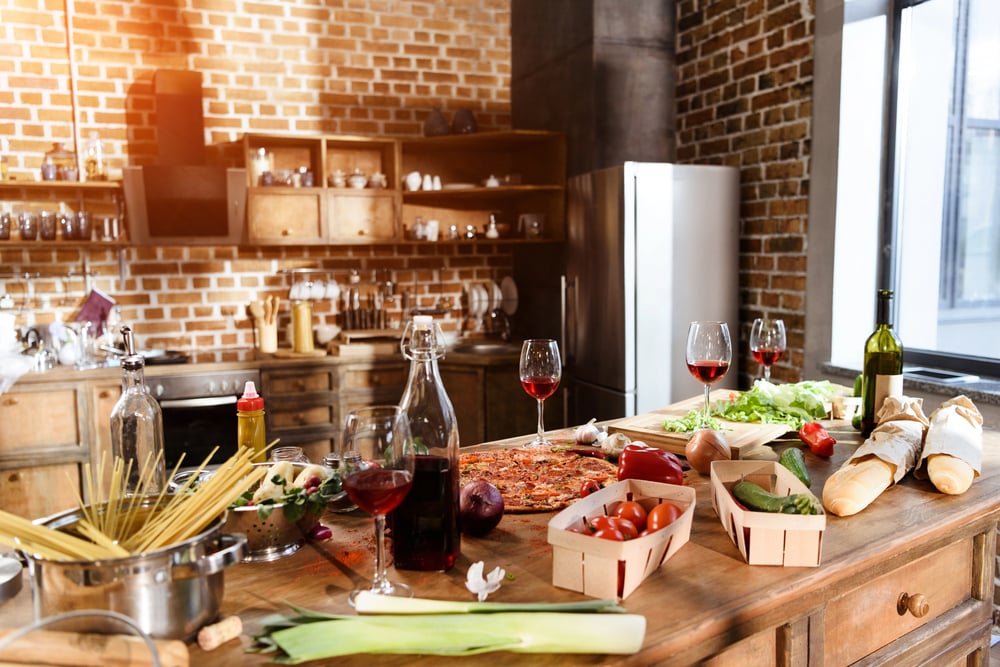
The basic, often unvented range hoods of the 1970s have transformed into powerful ventilation systems that double as architectural focal points. Modern hoods effectively remove cooking odors and grease – while providing dramatic visual anchors that define kitchen designs.
This evolution reflects both improved functionality and the kitchen’s elevated status as a space worthy of serious design investment rather than just utility consideration.
Sustainable Materials
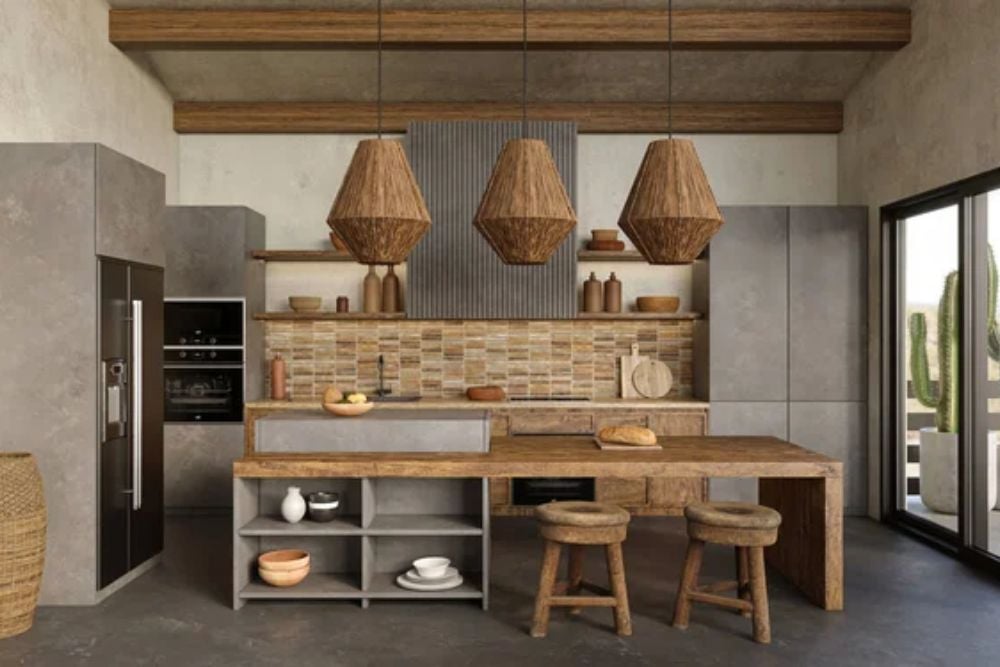
Environmental consciousness barely factored into 1970s kitchen design – sustainability wasn’t even in the common vocabulary then. Today’s kitchens often showcase bamboo cabinetry, recycled glass countertops, and low-VOC finishes that prioritize indoor air quality alongside aesthetics.
Eco-friendly options have moved from fringe to mainstream as homeowners increasingly consider the environmental footprint of their renovation choices without sacrificing style or performance.
Multi-Functional Sinks
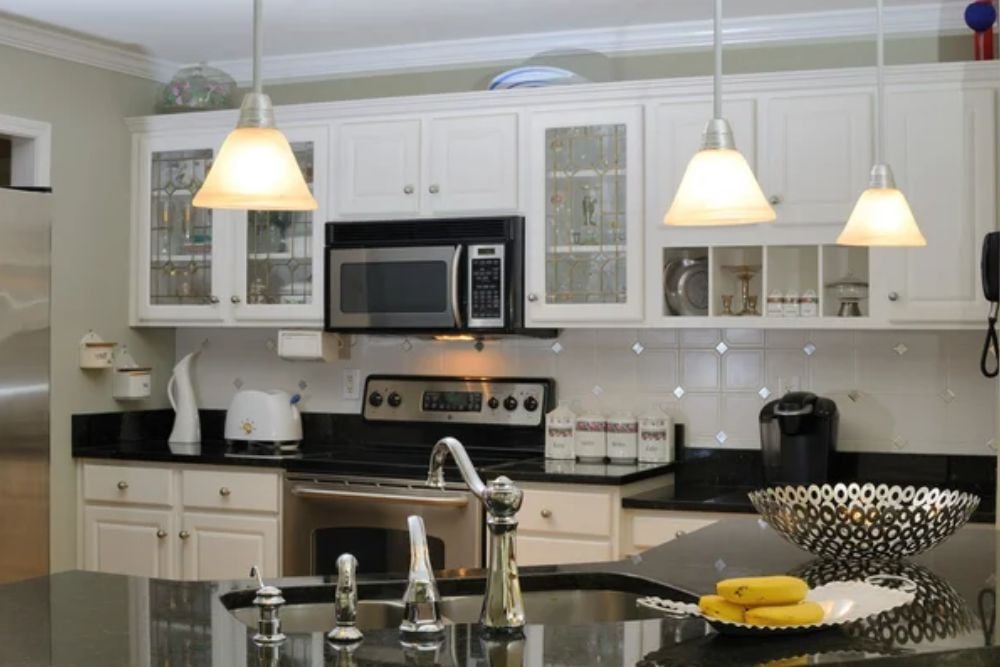
The simple, shallow stainless steel sink common in 1970s kitchens has evolved into deep, multi-basin workstations with integrated cutting boards, colanders, and drying racks. Modern sinks serve as food prep stations, cleaning centers, and even entertaining aids with built-in ice buckets for parties.
This transformation reflects our demand for spaces that work harder and smarter within the same footprint, adapting to multiple tasks throughout the day.
Specialty Appliances
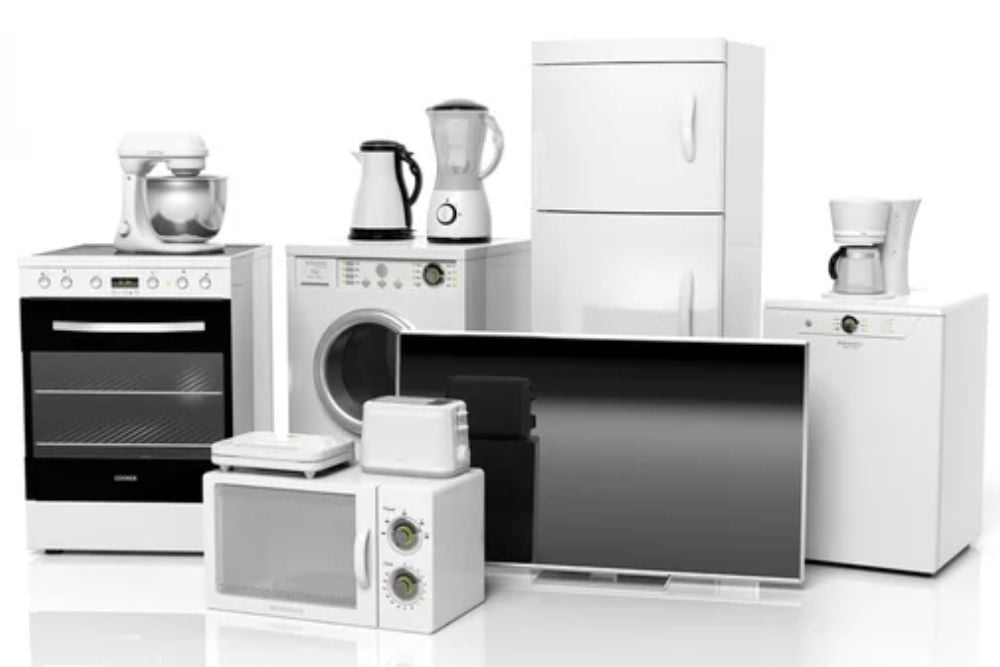
The typical 1970s kitchen contained a basic refrigerator, range, and perhaps a dishwasher if the family was particularly modern. Today’s kitchens often feature specialty appliances like wine refrigerators, steam ovens, warming drawers, and built-in coffee systems that rival commercial cafés.
This proliferation of dedicated appliances speaks to our expanding culinary interests and the kitchen’s role as a space for both everyday cooking and weekend gastronomic exploration.
Flooring Materials

Vinyl sheet flooring with bold patterns dominated 1970s kitchens, prized for its affordability and water resistance. Modern kitchens feature a much wider range of durable options, from porcelain tile to engineered hardwood and luxury vinyl planks that mimic natural materials with superior performance.
Today’s flooring choices offer improved durability while seamlessly continuing the flooring used in adjacent living spaces, reinforcing the kitchen’s integration into the home rather than its separation.
Backsplash Designs
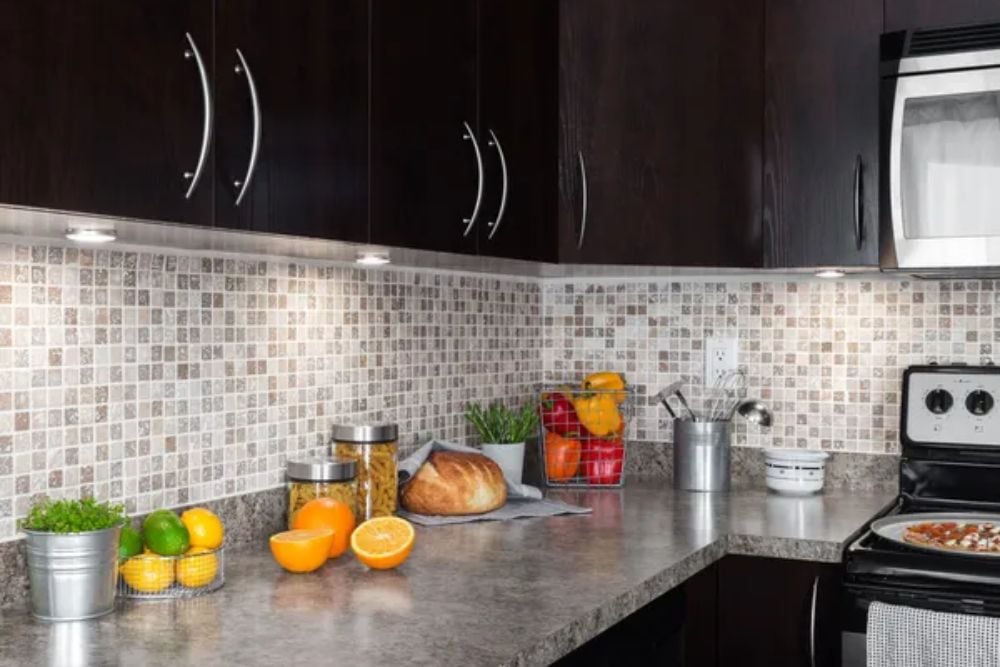
The humble backsplash has undergone a dramatic transformation since the 1970s, when it was often an extension of the countertop material or simple 4-inch tiles. Contemporary kitchens showcase statement backsplashes in materials ranging from marble to mirrored glass, often extending from counter to ceiling.
This evolution turns a once-practical surface into an opportunity for personal expression and artistic statement, sometimes becoming the most visually striking element in the entire kitchen.
Pantry Prominence

The modest cabinet pantry of the 1970s has evolved into the walk-in pantry that tops many homebuyers’ wish lists today. These dedicated storage rooms accommodate bulk shopping habits, specialized cooking equipment, and growing collections of small appliances that would overwhelm standard cabinet space.
The supersized modern pantry reflects changes in shopping patterns, cooking interests, and our desire to keep the main kitchen uncluttered and showcase-ready even when our actual cooking habits might be messier than we’d like to admit.
Where We Go From Here

The kitchen’s evolution from utilitarian workspace to design centerpiece reflects broader social changes in how we live, entertain, and express ourselves through our homes. As technology advances and lifestyles continue to shift, tomorrow’s kitchens will likely continue this transformation—perhaps becoming even more sustainable, adaptable, and integrated with our digital lives while maintaining their essential role as the place where family and food come together.
The next fifty years may bring changes we can’t even imagine today, just as the smart refrigerator would have seemed impossible to someone cooking in an avocado-colored kitchen in 1974.
More from Go2Tutors!

- The Romanov Crown Jewels and Their Tragic Fate
- 13 Historical Mysteries That Science Still Can’t Solve
- Famous Hoaxes That Fooled the World for Years
- 15 Child Stars with Tragic Adult Lives
- 16 Famous Jewelry Pieces in History
Like Go2Tutors’s content? Follow us on MSN.