Pictures of Things Being Worn Down Over Time
There’s something oddly comforting about watching the world slowly surrender to use. The smooth groove worn into a stone step by countless footsteps.
The faded paint on a door handle, polished away by ten thousand hands. These marks aren’t damage — they’re proof that something has been loved, needed, touched by human lives moving through the world.
Time leaves its signature everywhere, but rarely as clearly as in the things we handle, walk on, lean against, and depend on day after day. Each worn surface tells a story about persistence, about the quiet accumulation of ordinary moments that eventually reshape the physical world around us.
Wooden Stairs Worn Smooth by Footsteps
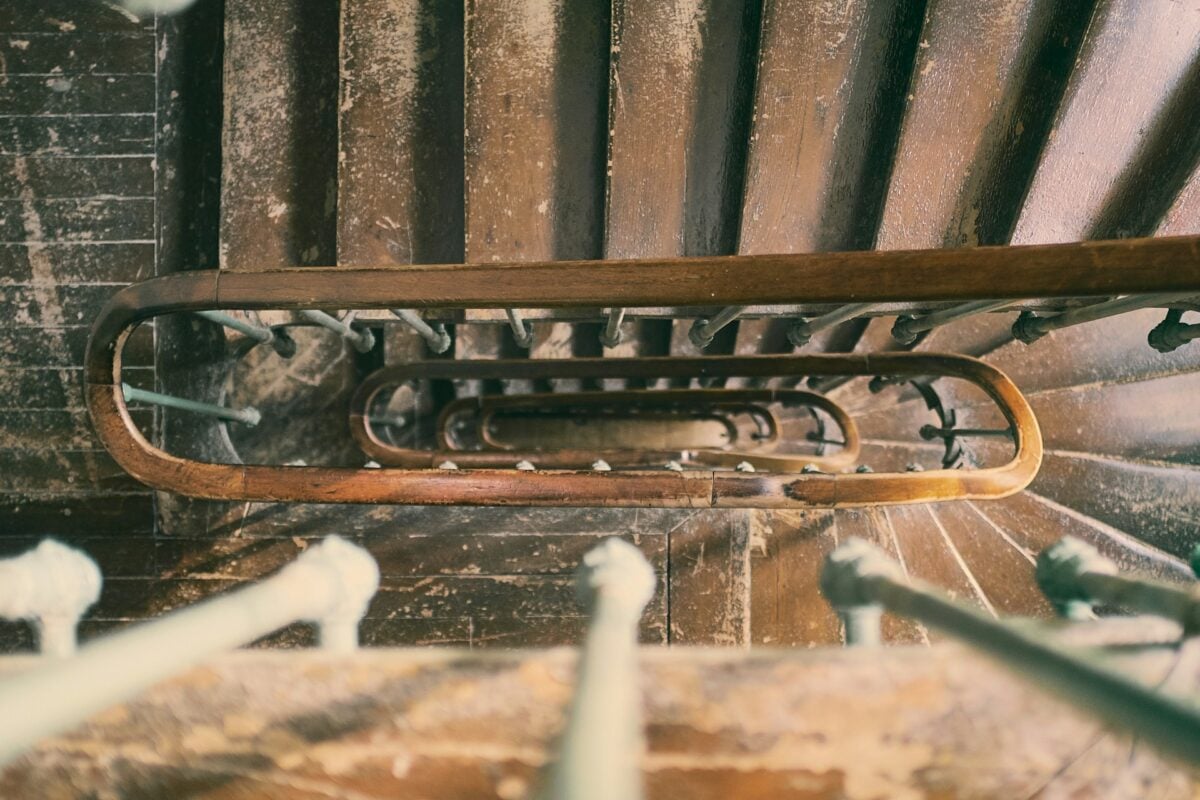
The center of each step dips like a shallow bowl. Decades of people walking the same path, taking the stairs two at a time, shuffling up in slippers, running down in a hurry.
Wood remembers every footfall.
Churches have the best examples. Those stone steps leading to the altar, worn into gentle curves by centuries of brides, pallbearers, altar boys.
The wood doesn’t fight back — it just gradually becomes exactly what it needs to be.
Door Handles Polished by Countless Hands
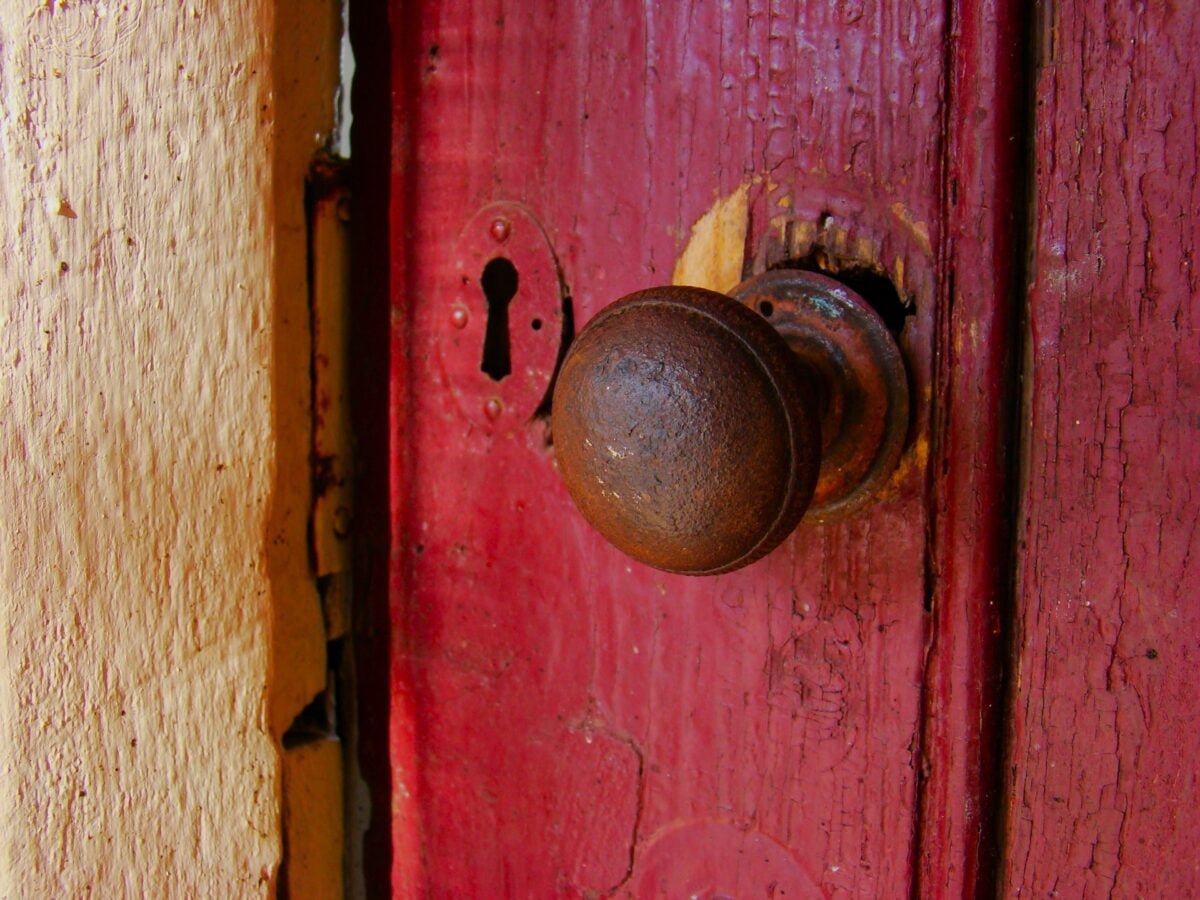
Door handles develop their own geography over time (the brass bright where thumbs press, dark where they don’t), and there’s something almost archaeological about studying one closely — you can practically map human behavior by looking at the wear patterns, seeing exactly where most people grab, how they turn their wrists, which part of their palm does the work. But what’s remarkable isn’t just the polishing effect itself: it’s how the metal underneath, originally uniform and factory-perfect, slowly reveals its own character as the surface layer disappears and the core material shows through.
Raw brass has its own color story to tell. And so the handle becomes more itself, more honest, more beautiful with every year of service.
The fanciest door handles start looking cheap after a decade of heavy use, while simple ones just get more elegant. There’s a lesson there about substance versus surface that most people walk past without noticing.
Stone Steps Carved by Time
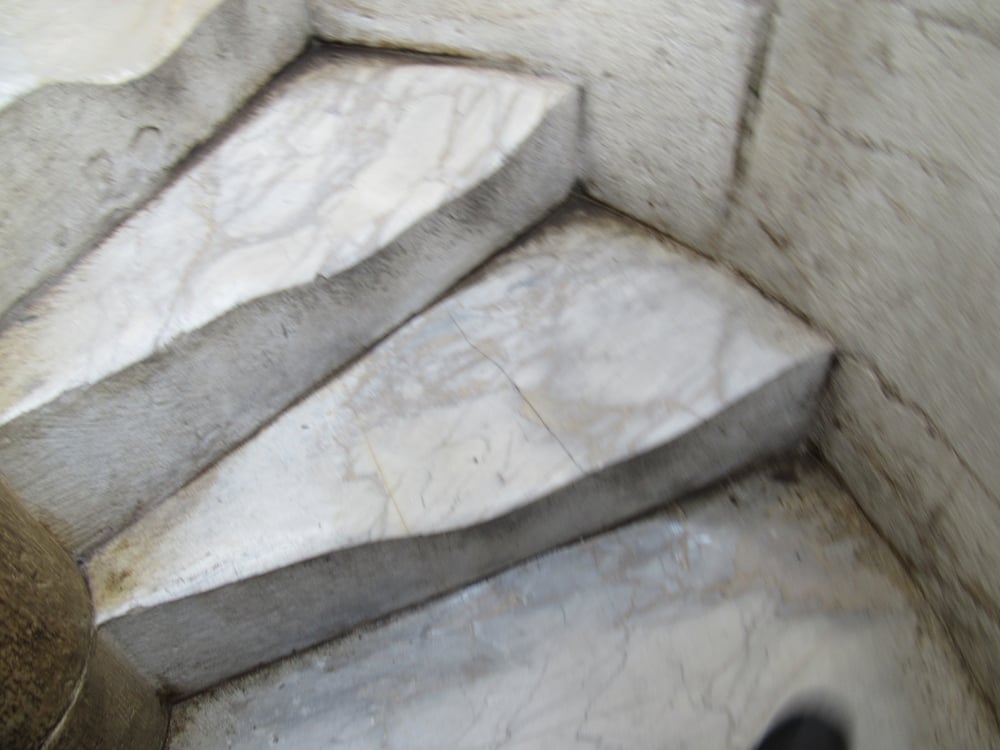
Think of water finding its way down a hillside, following the same path until it carves a permanent channel. Stone steps work the same way, except the water is human feet, and the channel forms one footfall at a time.
Old courthouse steps tell the clearest stories. The path between the street and justice, worn into the marble by lawyers, defendants, families, jurors.
The stone doesn’t care about the weight of these moments, but it remembers every single one. Each depression is a democracy of footsteps — rich and poor, guilty and innocent, all wearing the same groove into permanence.
Some steps develop such deep wells that they become almost dangerous in the rain. Water pools where feet have carved the deepest channels, and the building becomes complicit in its own weathering.
Library Books with Cracked Spines
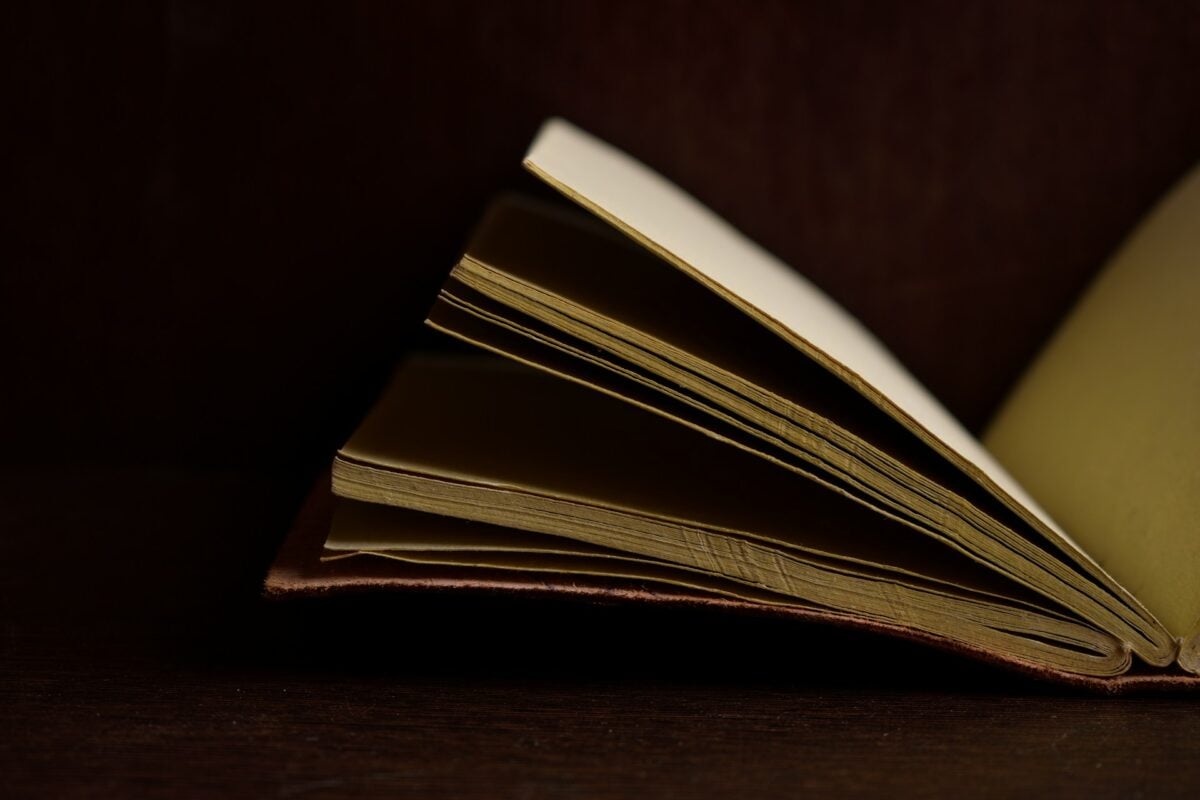
Books aren’t built to last forever, despite what people think about literature being eternal. The physical objects have their limits, and a well-loved paperback will eventually surrender to the simple physics of being opened and closed hundreds of times.
The spine cracks first, usually right at the most popular chapters. Romance novels crack at the good parts.
Cookbooks split at the recipes everyone actually makes. Philosophy texts break wherever the one readable passage happens to be.
And yet this destruction feels different from other kinds of wear — more like a plant growing toward sunlight than like decay.
Piano Keys Worn by Practice
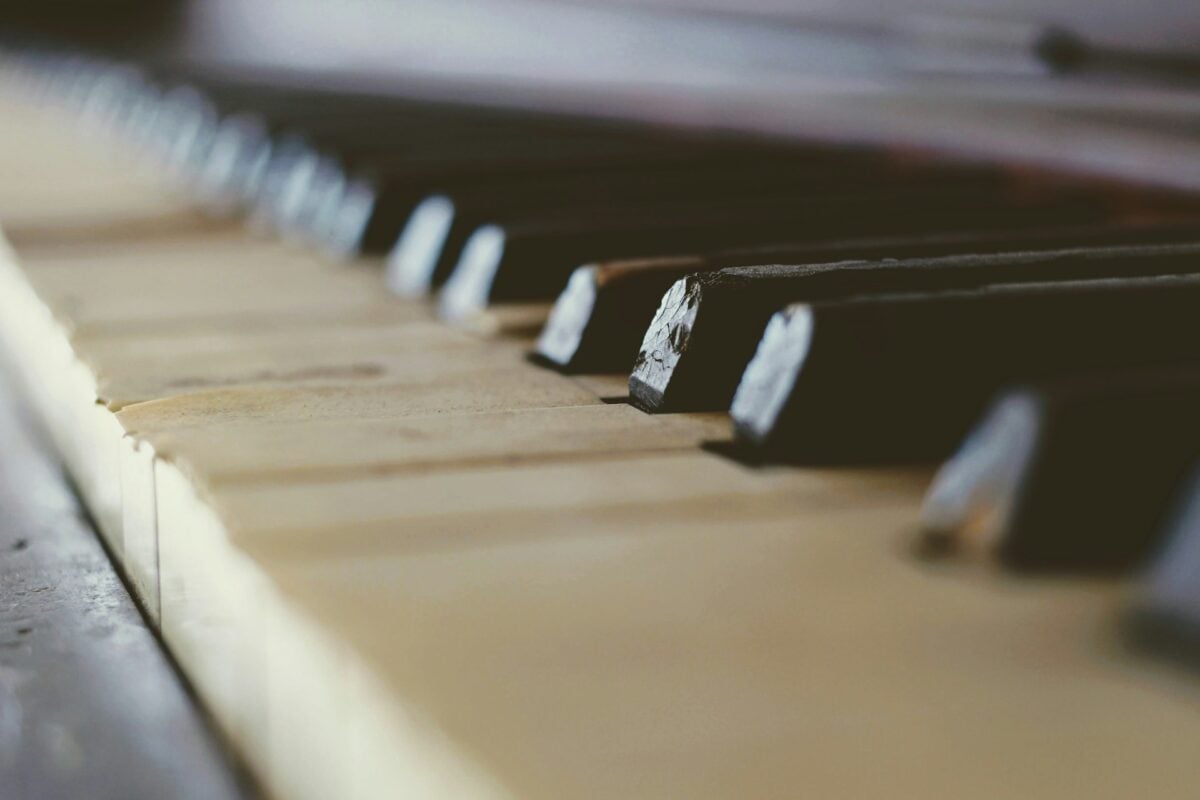
Ivory keys (back when they were actually ivory) would yellow and dip where fingers pressed them most often. Middle C takes the most abuse, followed by the other notes that live in the comfortable center of most songs.
The black keys stay pristine — sharps and flats are for advanced players, and most hands never venture there often enough to leave a mark.
Digital pianos don’t wear the same way, which is somehow both practical and sad. There’s no physical record of the hours spent learning scales, stumbling through sonatas, playing the same mistake over and over until muscle memory finally corrects itself.
Progress becomes invisible.
Good piano teachers can tell how much someone practices just by looking at their instrument. The keys don’t lie about dedication.
Coins Smoothed by Circulation
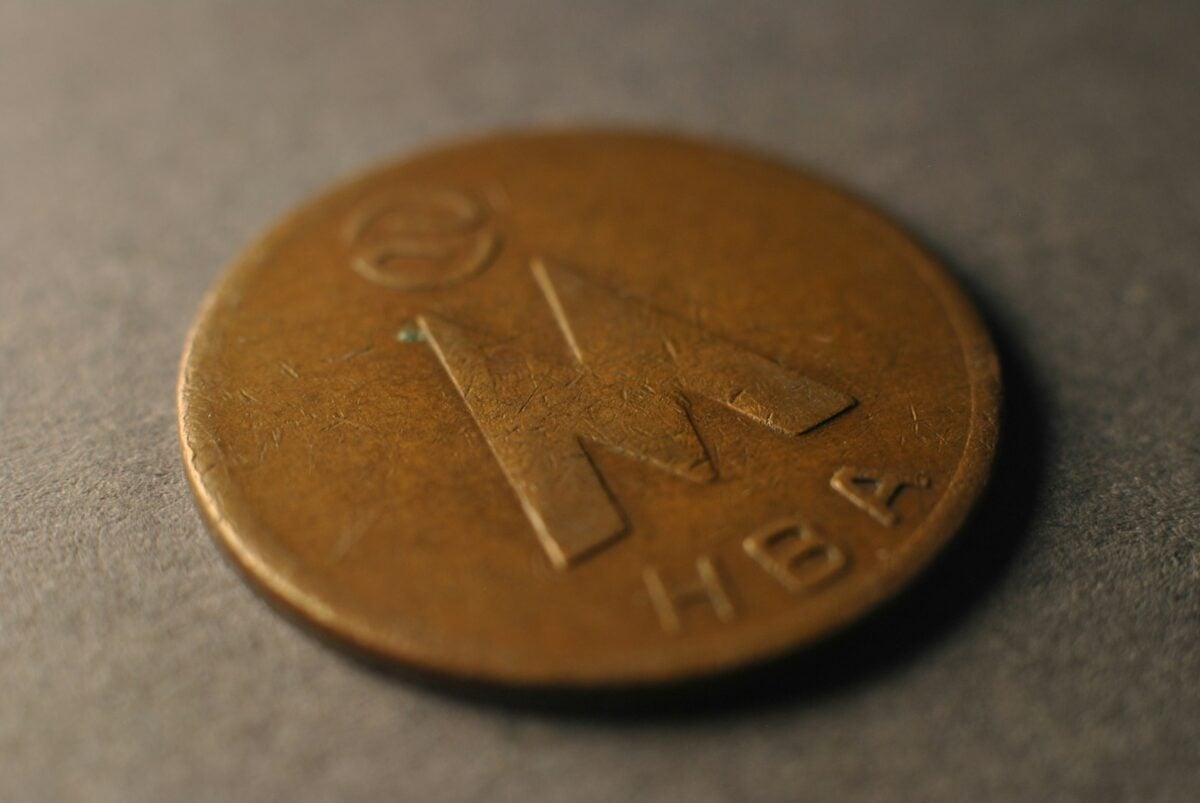
Currency gets handled constantly, passed from wallet to register to cash drawer to pocket, rubbing against other coins, touching thousands of different hands every year. The details fade first — those fine lines that make Washington’s face recognizable, the delicate lettering around the edges, the sharp points of the eagle’s feathers.
Eventually, a penny becomes almost abstract. Still recognizably a coin, still the right size and weight to work in vending machines, but stripped of all the decorative elements that seemed so important when it was first minted.
Function survives; ornamentation disappears.
The oldest coins in circulation become small works of accidental art. Smooth, warm-colored, shaped by pure use into something that feels more honest than its crisp, newly-minted cousins.
Rope Handles Frayed from Pulling
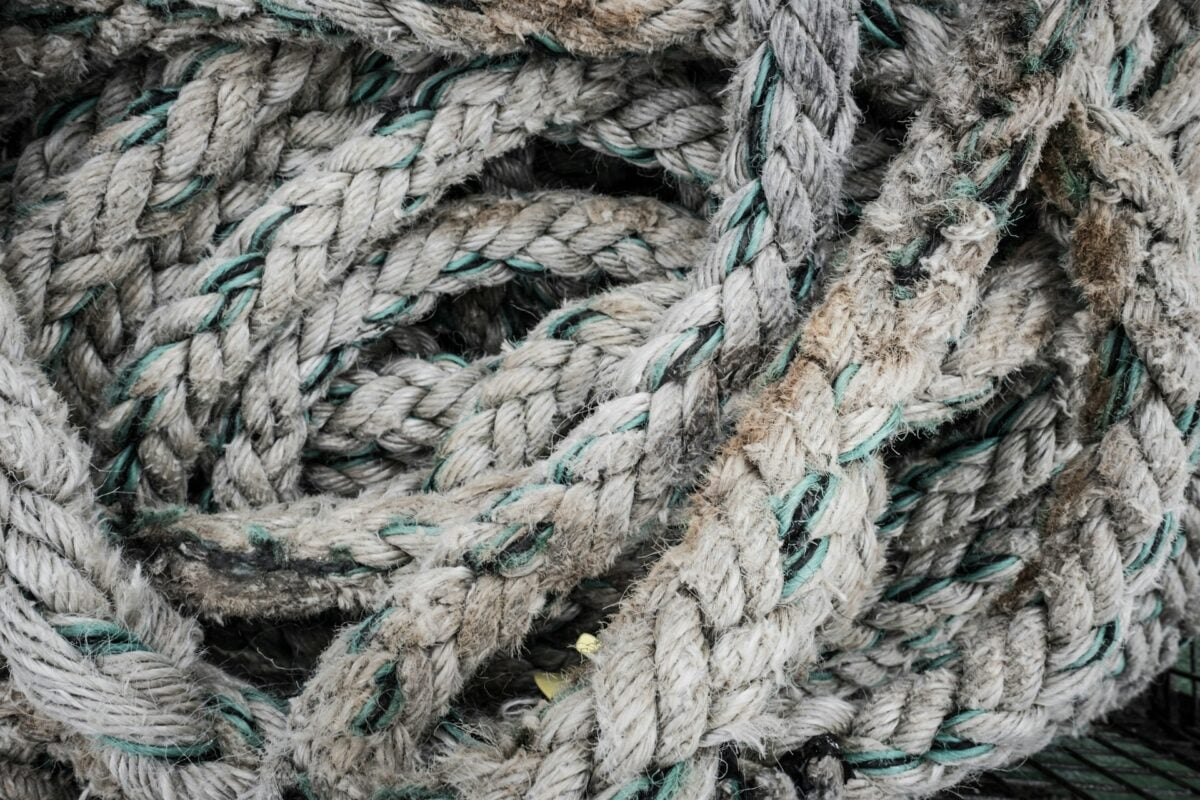
Rope tells the truth about force and friction in ways that synthetic materials never quite manage, and there’s something almost educational about watching a handle slowly separate into individual fibers as the months pass — each strand giving way at its own pace, the whole thing becoming increasingly haggard while still managing to hold together and do its job. The fraying always starts at the stress points (where the rope bends sharpest, where hands grip tightest), and then spreads outward like a very slow explosion, turning something that was once tight and purposeful into something that looks almost organic, almost alive in its gentle dissolution.
But here’s the thing that rope teaches better than any other material: it doesn’t really fail all at once — it warns you, shows you exactly how much strength it has left, lets you see the process of its own breakdown in real time. Honest to the end.
Some rope handles get reinforced with tape or leather wrapping before they fail completely, which creates its own kind of beauty — the original material preserved inside a protective shell, like a fossil in amber.
Wooden Spoons Stained by Cooking
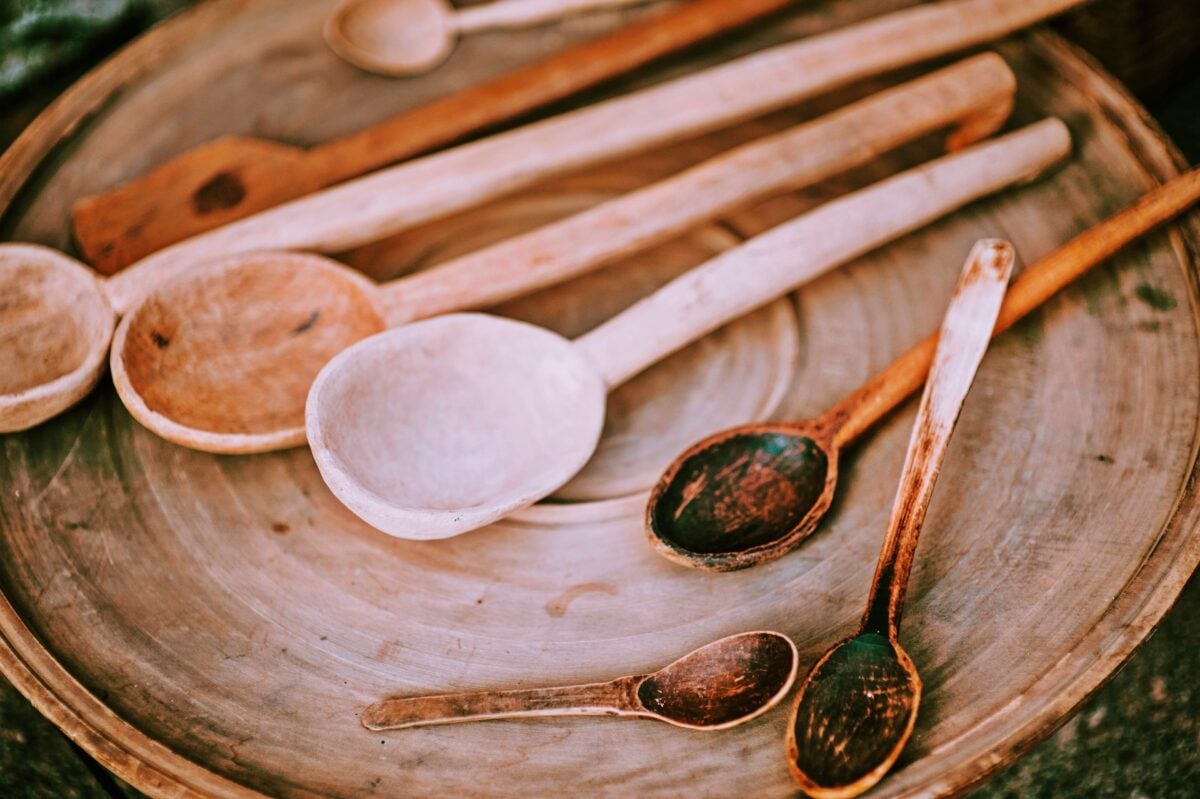
A wooden spoon accumulates its history in layers. The tomato sauce that stained it slightly pink.
The curry that left a faint yellow tinge. The coffee cake batter that darkened one edge where the spoon rested against the bowl too long.
Restaurant kitchens go through wooden spoons quickly — the constant washing and high heat splits them within months. Home cooks, stirring more gently and less frequently, can keep the same spoon for decades.
It becomes seasoned, like a cast iron pan, improved by use rather than degraded.
The best wooden spoons feel warm even when they’re cool, worn smooth by thousands of small stirring motions. They fit the hand perfectly because they’ve been shaped by that specific hand, responding to the particular way their owner holds and moves them.
Leather Belts Marked by Daily Wear
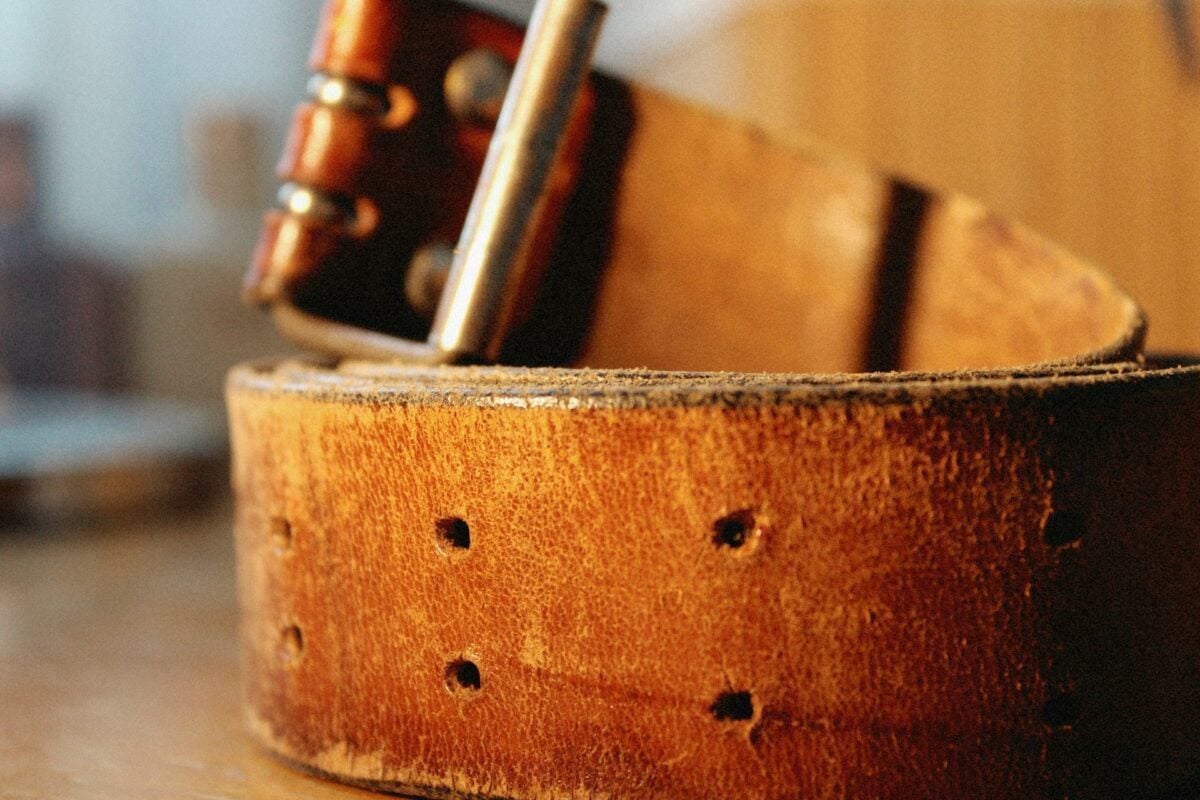
Leather remembers pressure, and a belt worn daily for years develops a topographical map of its owner’s life. The pits stretch slightly oval from the buckle’s weight.
The section that curves around the hip takes on a permanent bend. The surface develops a patina from oils in the skin, becoming darker and more supple with time.
Good leather improves with age, while cheap leather just deteriorates. There’s no middle ground.
After five years of daily wear, the difference between a well-made belt and a department store one becomes impossible to ignore.
Some people wear the same belt for decades, adjusting to different pits as their waist changes, watching the leather develop character and flexibility that no new belt can match. It becomes less an accessory than a part of their daily uniform, as essential and invisible as their own skin.
Pencils Worn Down to Nubs
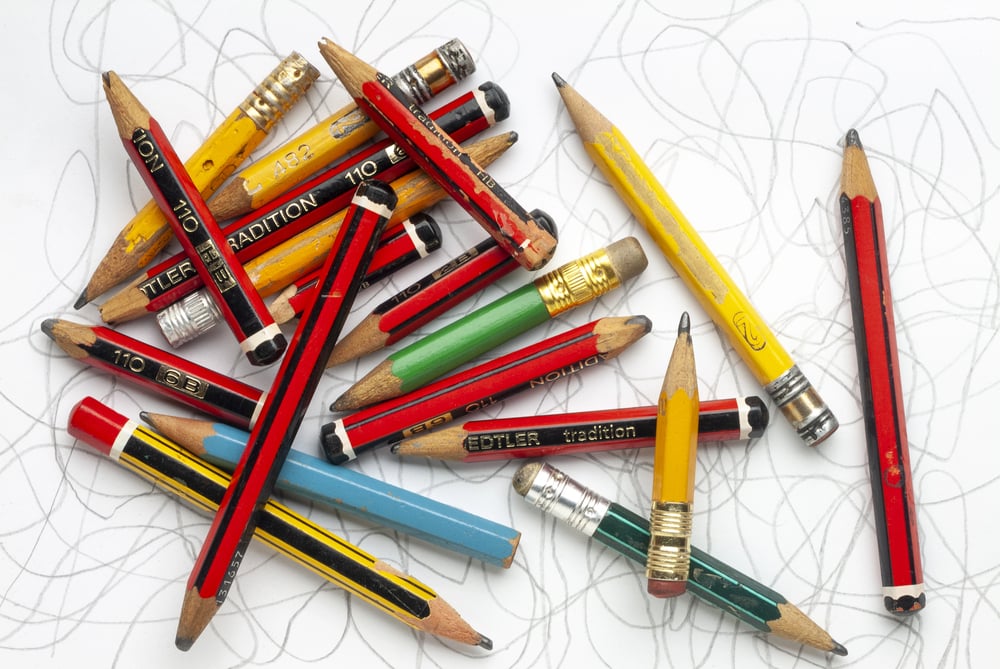
Students and artists know the particular satisfaction of wearing a pencil down to almost nothing — the wooden shaft getting shorter and shorter, the metal ferrule loosening around what’s left of the eraser, the whole thing becoming awkward to hold but somehow more precious for being so thoroughly used.
Electric pencil sharpeners eat pencils faster than hand-crank ones, turning them into perfect points that break immediately and need sharpening again. The slow, deliberate process of using a pocket knife to carve a point makes every bit of graphite feel valuable.
There’s something almost ceremonial about using the last possible inch of a pencil, writing until the letters become too faint to read, squeezing every mark out of what started as a perfect yellow hexagon and ended as a stub barely big enough to grip.
Fabric Softened by Washing
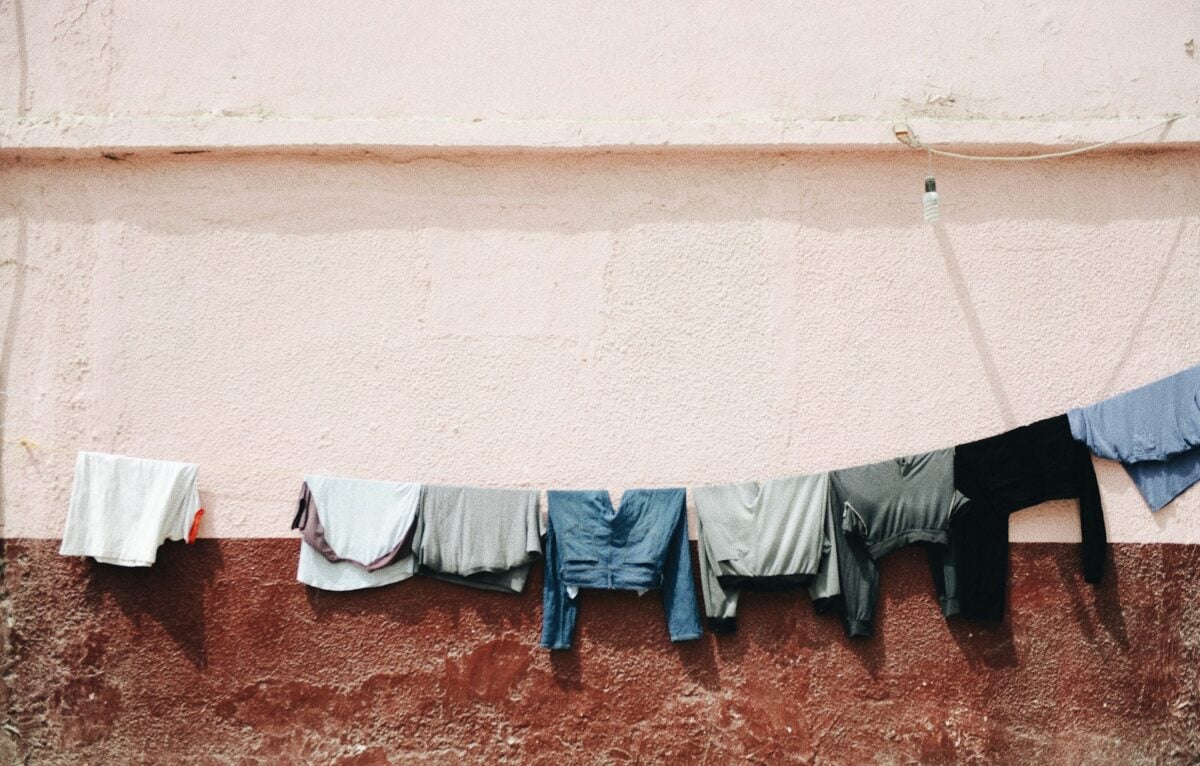
Cotton gets better with every wash cycle, at least for the first few years. The fibers relax, the weave becomes more flexible, the fabric develops the kind of softness that can’t be manufactured — only earned through time and repeated washing.
Jeans tell this story most clearly. Rigid and uncomfortable when new, perfect after fifty washes.
The denim fades where it flexes most, develops whiskers at the hips, softens at the knees. Each pair becomes unique to its wearer, shaped by their particular way of moving through the world.
Eventually, the fabric wears so thin it becomes fragile, developing openings that start small and grow quickly. But even then, people are reluctant to throw away jeans that have become perfectly fitted to their body and their life.
Metal Tools Polished by Use
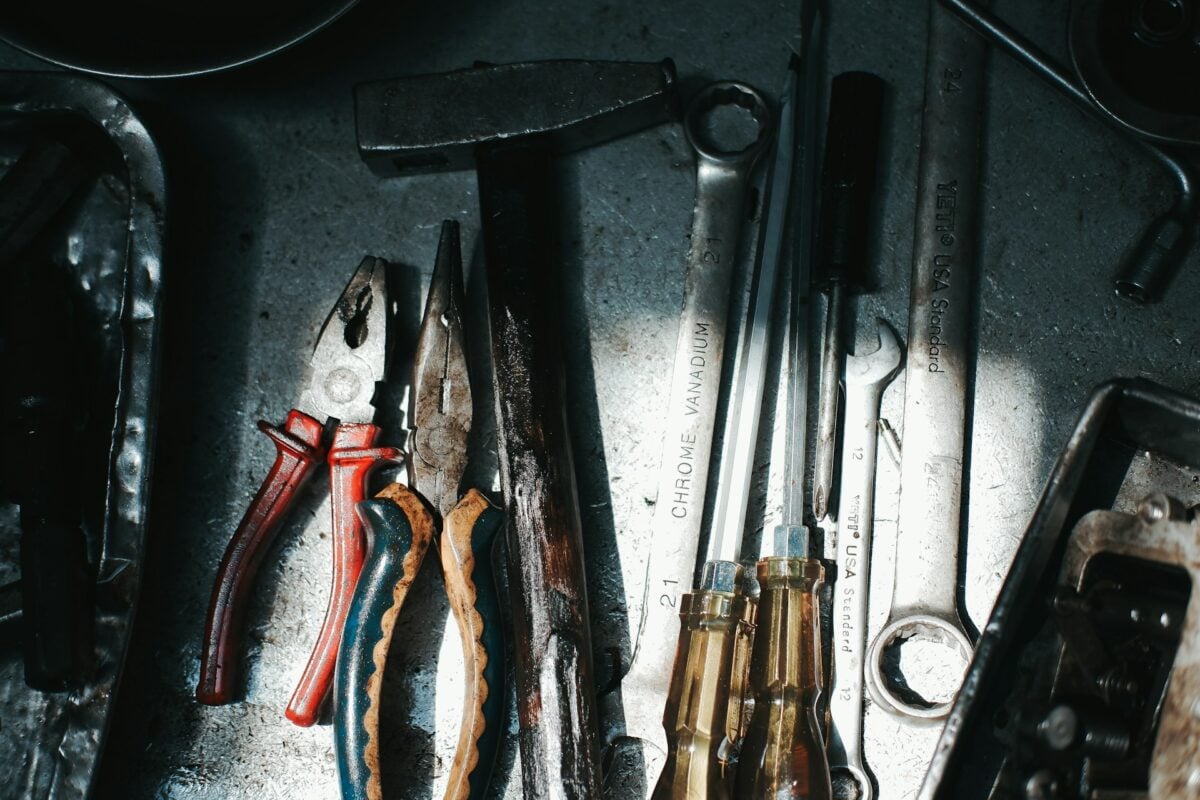
Hammers, wrenches, screwdrivers — any tool that gets regular use develops a shine that no amount of factory polishing can replicate. The metal warms under constant handling, oils from the skin prevent rust, and the surface becomes smooth and reflective.
Old carpenters’ tools tell stories about thousands of projects, decades of problems solved with the same familiar weight and balance. The wooden handles develop a patina, shaped by the specific grip of their owner’s hands.
The metal heads show wear patterns that map out the most common tasks, the angles that get used most often.
A tool that’s been used daily for twenty years feels different in the hand than an identical new one. Alive, somehow. Ready to work.
The Stories Surfaces Tell
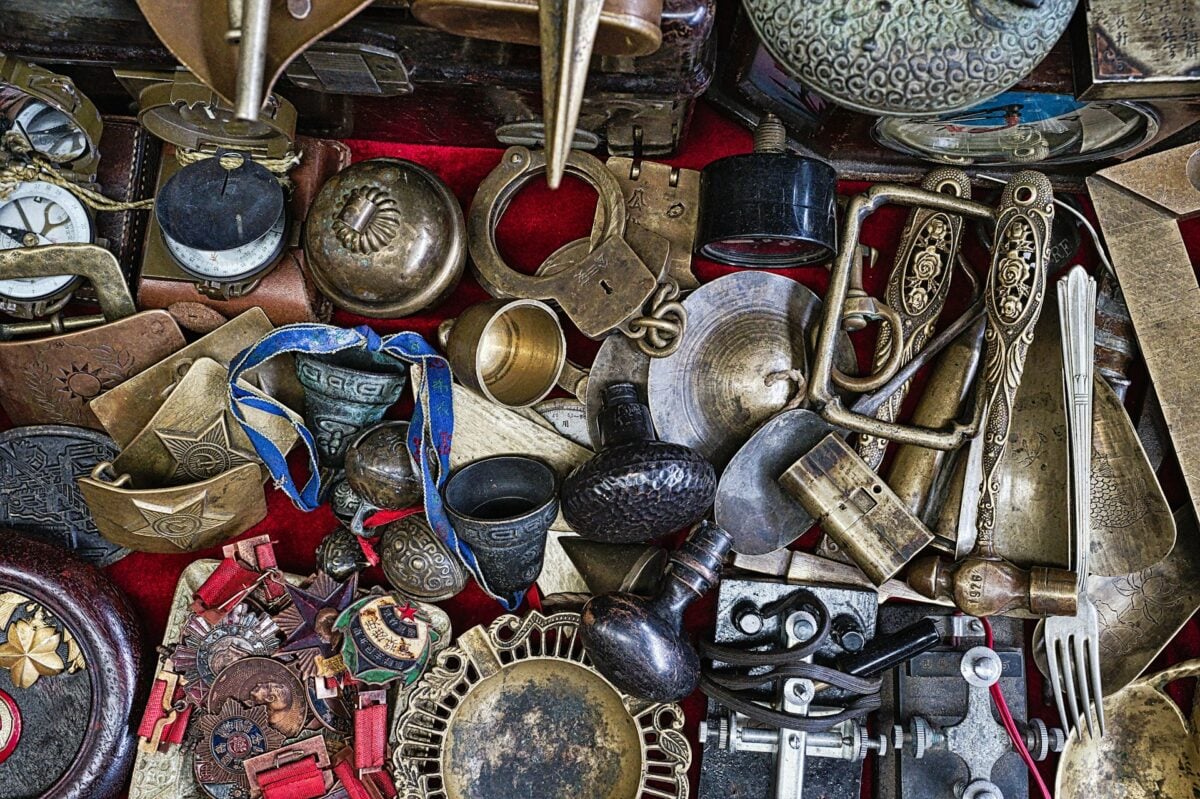
These worn places are accidental monuments to ordinary life, proof that persistence changes everything, even stone and steel. They remind us that our daily routines, repeated thousands of times, have the power to reshape the physical world around us in small but permanent ways.
More from Go2Tutors!

- The Romanov Crown Jewels and Their Tragic Fate
- 13 Historical Mysteries That Science Still Can’t Solve
- Famous Hoaxes That Fooled the World for Years
- 15 Child Stars with Tragic Adult Lives
- 16 Famous Jewelry Pieces in History
Like Go2Tutors’s content? Follow us on MSN.