Photos of Vintage Instruments Worth Extreme Fortunes
Walking into a music store these days, you might pass right by the most valuable items without realizing it. That battered guitar hanging on the wall or the dusty piano tucked in the corner could represent someone’s entire retirement fund.
The vintage instrument market has exploded into territory that would make fine art collectors nervous, with certain pieces commanding prices that rival Manhattan real estate.
The rarity, provenance, and sheer craftsmanship of historical instruments create a perfect storm of value. Musicians who played these instruments decades ago had no idea they were handling what would become liquid gold.
A violin made in a small Italian workshop 300 years ago now sells for more than most people’s houses. The photographs of these instruments tell stories of both musical genius and staggering wealth.
1946 Martin D-28
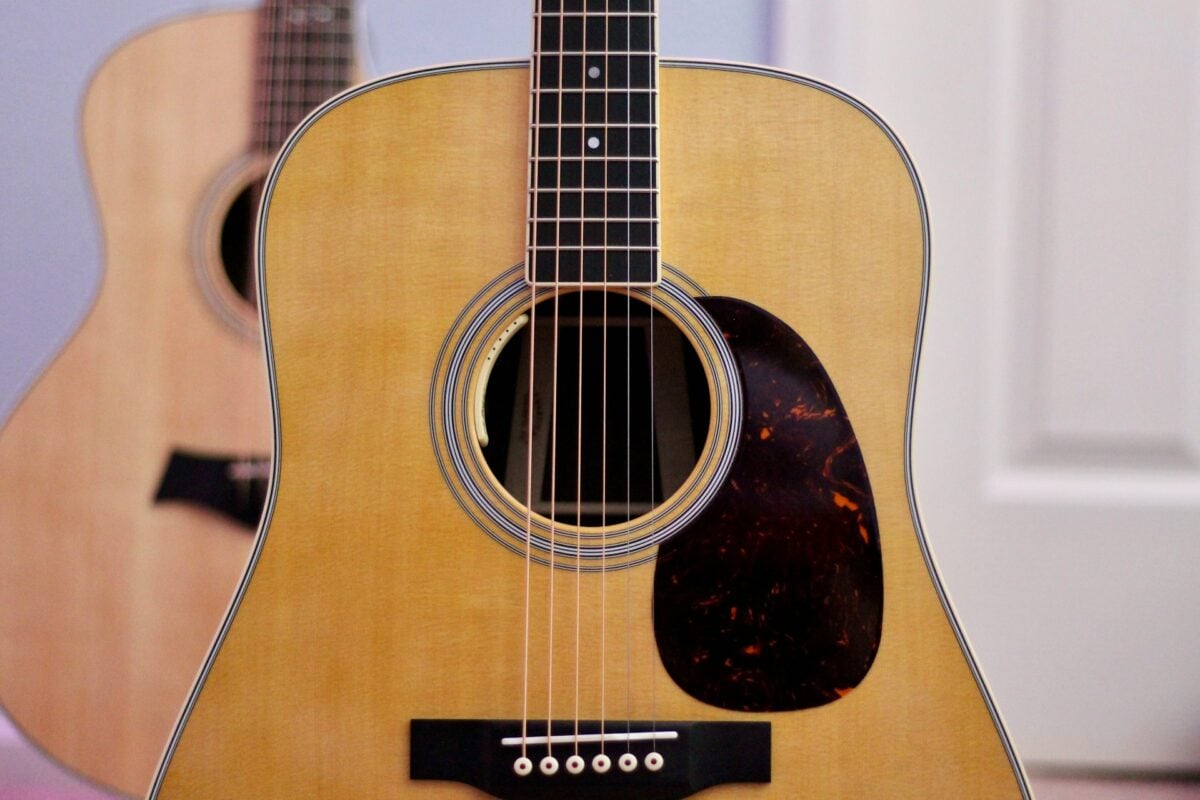
Martin’s post-war D-28 models represent everything collectors hunt for. The herringbone purfling, the forward-shifted X-bracing, the Brazilian rosewood back and sides that you simply cannot find anymore.
These guitars sound like thunder and whisper combined. A clean 1946 example recently sold for $85,000, and that number keeps climbing.
Stradivarius Violins from the Golden Period
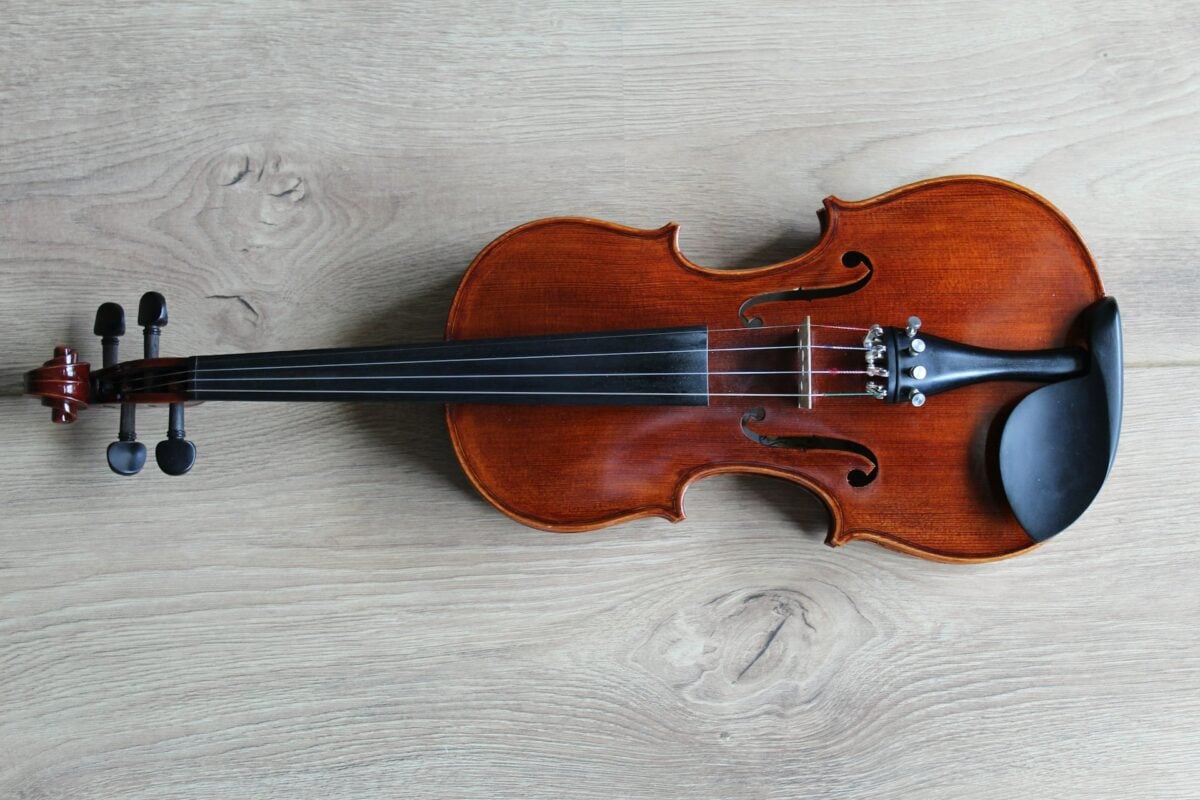
The violin market operates on a different planet than any other instrument category, and Antonio Stradivari’s instruments from 1700 to 1720 represent the peak of that astronomical pricing (though some argue his earlier work from the 1690s actually surpasses the so-called “golden period” instruments, which creates an interesting debate among collectors who have the luxury of splitting hairs over $15 million violins). These instruments don’t just command high prices because they’re old—and here’s where it gets complicated—they represent a convergence of perfect wood, ideal climate conditions, and a craftsman working at the absolute height of his abilities during a time when Cremona’s violin-making tradition was reaching its zenith.
The “Lady Blunt” Stradivarius sold for $15.9 million in 2011. But here’s the thing about Stradivarius pricing: every sale sets a new benchmark, and the really exceptional examples have moved well beyond what most institutions can afford to acquire, which means they’re increasingly concentrated in private collections where the public may never see them again.
1958 Gibson Explorer
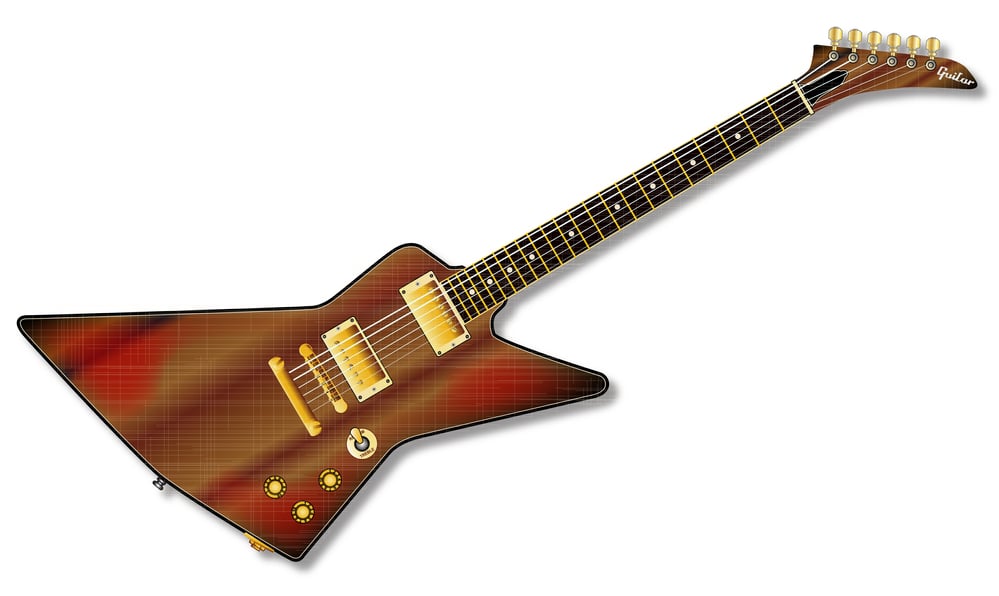
Gibson released the Explorer in 1958 with the confidence of a company that had no idea they were creating a commercial disaster. Only around 100 were made before Gibson pulled the plug on what they considered a failed experiment.
Those “failed” guitars now sell for $200,000 or more. The Explorer’s radical design was simply too far ahead of its time, landing in a market that wanted familiar shapes and traditional looks.
Decades later, that same radical design became exactly what made it priceless.
Guarneri del Gesù Violins
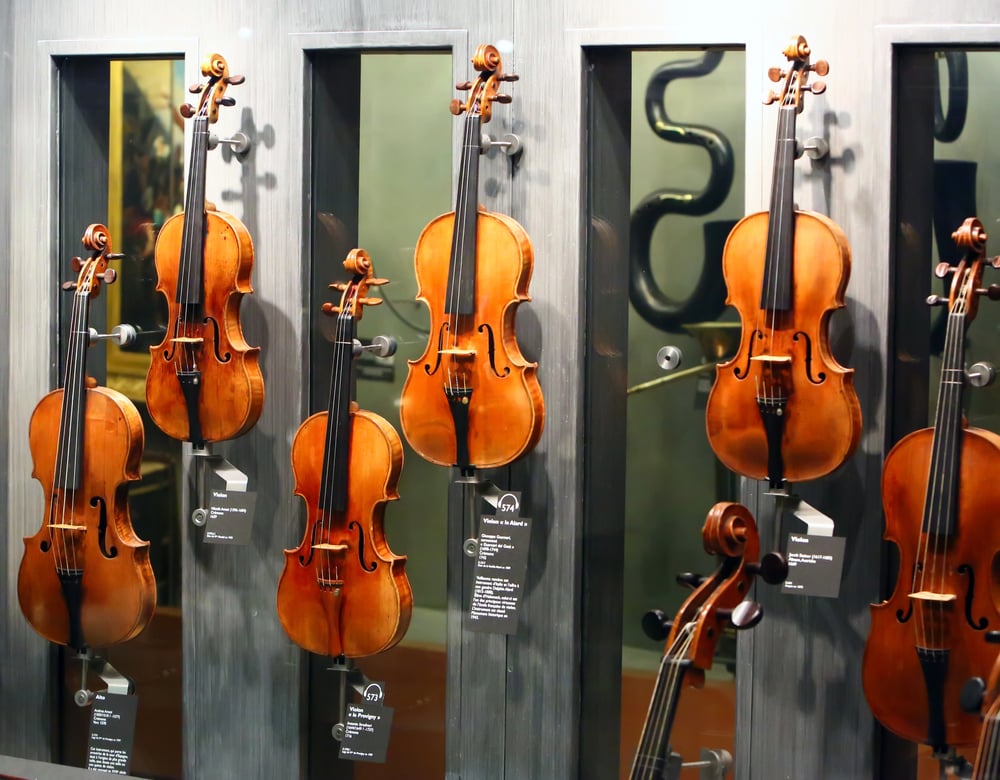
There’s something almost supernatural about watching a Guarneri violin under auction lights—the way the varnish catches and throws back illumination feels like looking at captured lightning. Giuseppe Guarneri, working in the shadow of the Stradivarius family reputation, developed an approach that was less methodical, more intuitive, as if he were having conversations with each piece of wood rather than following a predetermined blueprint.
The “Vieuxtemps” Guarneri sold privately for $16 million, but that figure represents more than market value. It represents the price of touching something that Paganini himself might have held, of owning a voice that sang before your great-great-grandparents were born.
These instruments age like fine wine, except wine eventually gets consumed and disappears, while a Guarneri only becomes more precious with each passing decade, each performance, each careful hand that learns its particular temperament.
1954 Fender Stratocaster
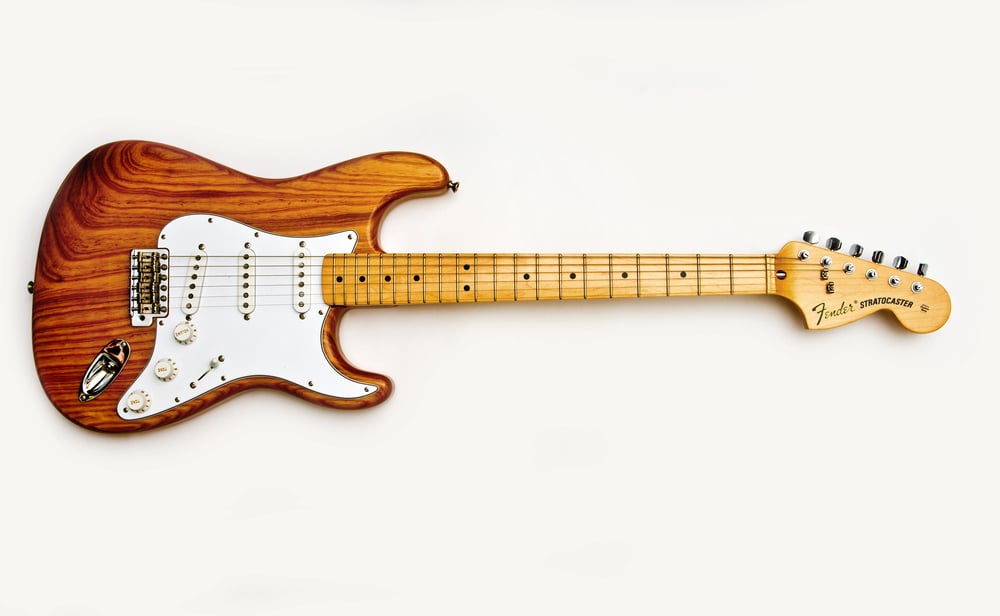
The first-year Stratocaster carries weight beyond its actual construction. Leo Fender’s design revolutionized electric guitar manufacturing, introducing the tremolo bridge, three-pickup configuration, and that distinctive body shape that everyone now takes for granted.
A pristine 1954 Strat in original condition commands around $150,000. The irony cuts deep—Fender designed these guitars for working musicians who needed reliable, affordable instruments.
Now those same guitars cost more than most people’s houses.
Amati Family Violins
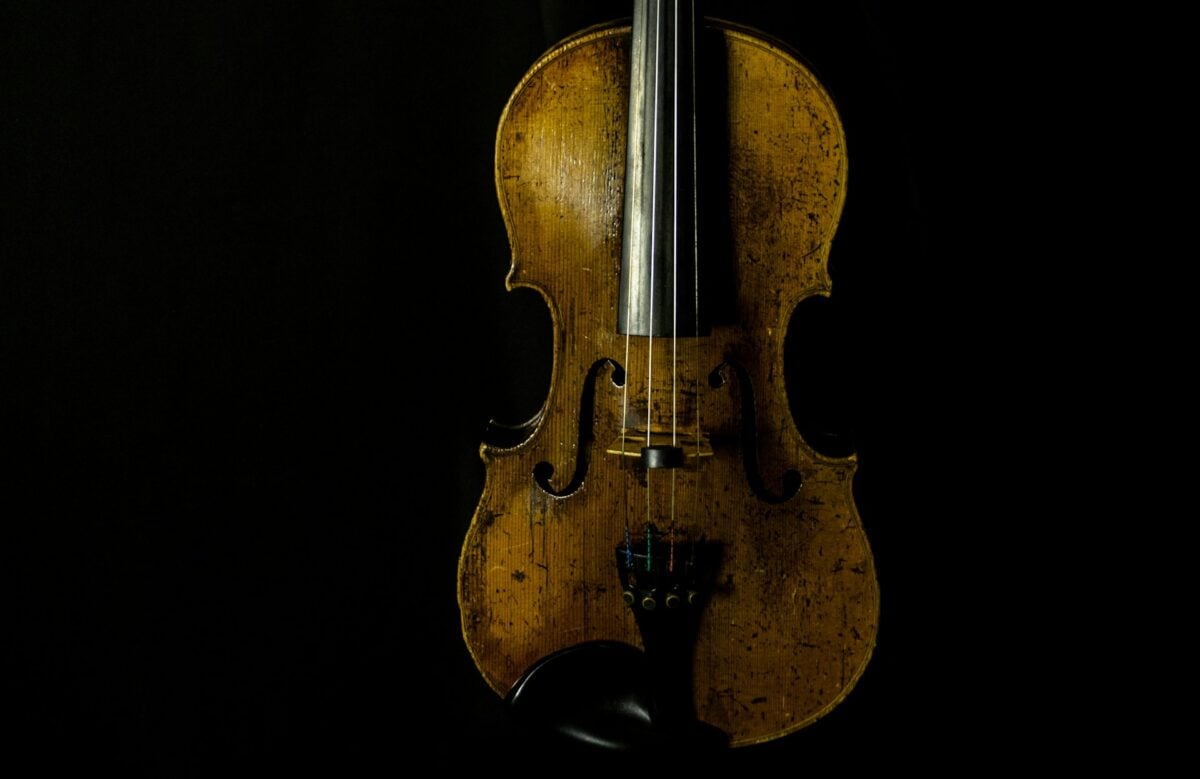
The Amati workshop represents violin-making royalty, stretching across generations like a musical dynasty where each craftsman refined and perfected techniques passed down through bloodlines that treated wood and varnish as sacred materials (and while Nicolò Amati was Stradivari’s contemporary, there is no documented evidence that an Amati formally trained Stradivari. Stradivari’s training lineage traces to Andrea Guarneri, not the Amati family, which adds layers of provenance that collectors find irresistible).
Andrea Amati, the patriarch, created instruments in the 1500s that still play beautifully today, while his descendants continued the tradition well into the 1700s, each generation adding subtle improvements and personal touches that experts can identify at a glance. The “King” Amati, made by Nicolò Amati in 1672, sold for $1.2 million, but that represents the lower end of what exceptional Amati instruments command at auction—the really spectacular examples, particularly those with documented royal provenance or connections to famous performers, regularly exceed $3 million.
And here’s what makes Amati instruments particularly fascinating: they represent the foundation upon which all subsequent violin-making traditions were built, so when you’re looking at an Amati, you’re seeing the source code of the entire craft.
1959 Gibson Les Paul Standard
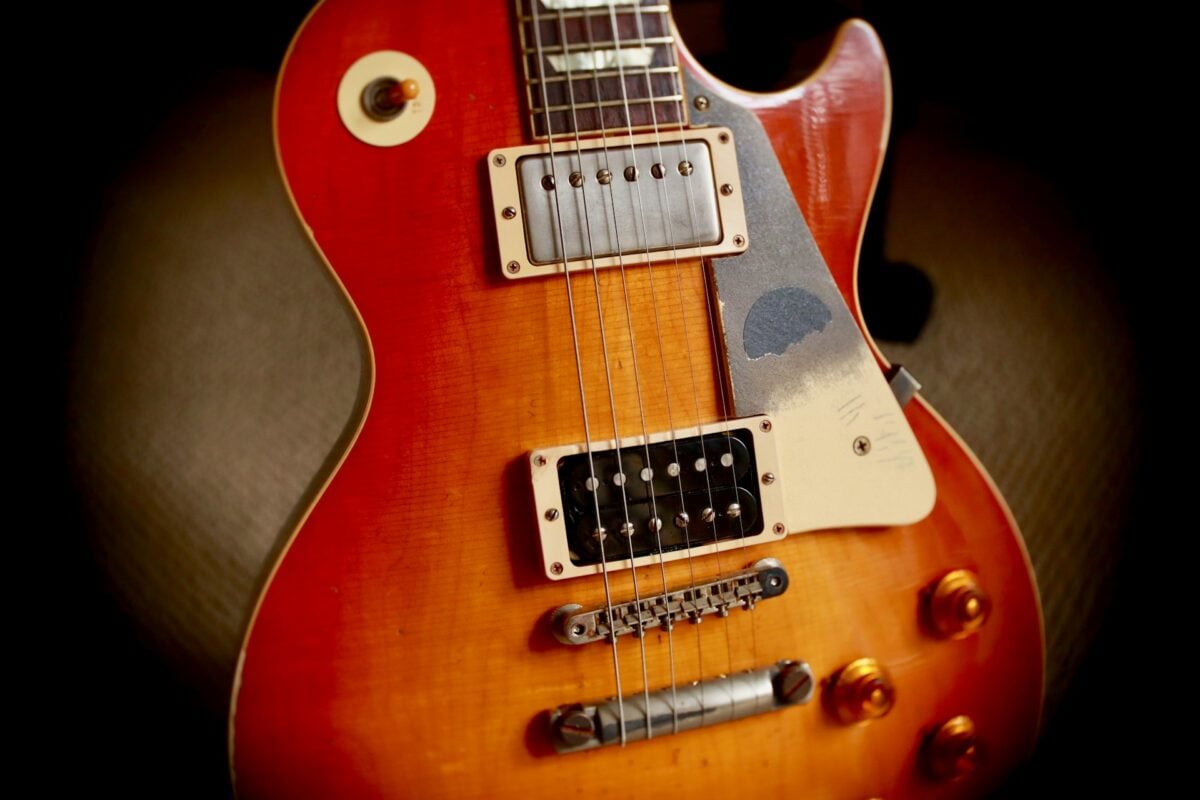
The 1959 Les Paul Standard occupies a mythical position in guitar collecting that borders on religious devotion. Gibson produced around 1,700 of these instruments before discontinuing the model, unaware they had just created the most sought-after electric guitar in history.
The combination of flame maple tops, PAF humbucking pickups, and that particular neck profile creates a perfect storm of tone and playability. Clean examples now sell for $500,000 or more, with exceptional flame tops pushing well beyond that figure.
Musicians mortgage houses to own these guitars.
Steinway Model D Concert Grands from the 1920s
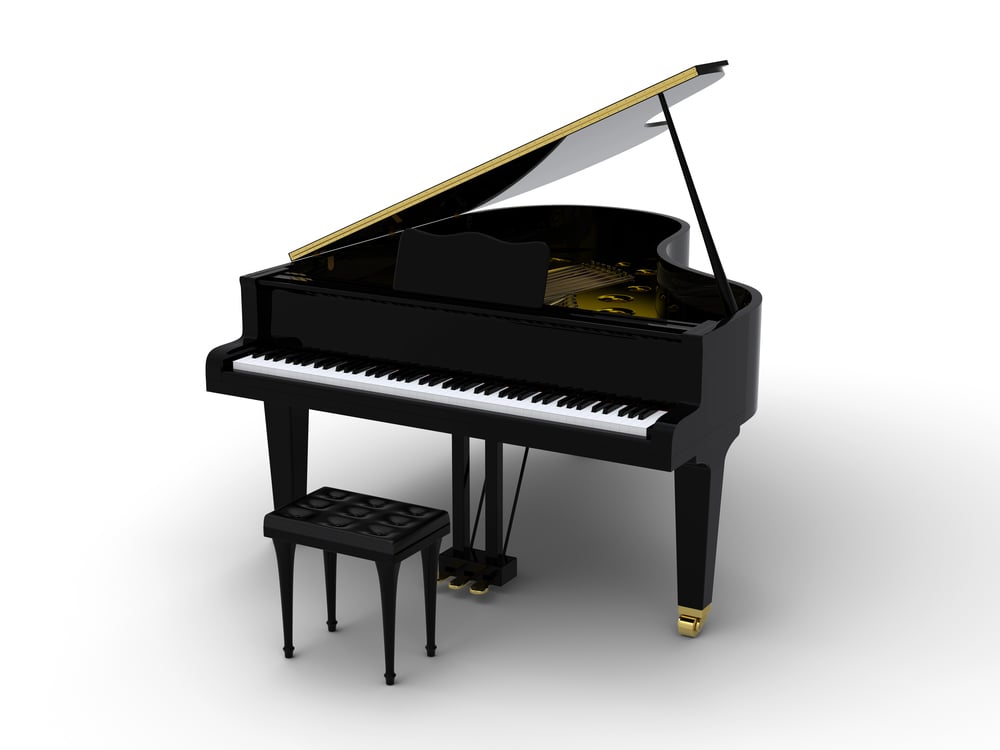
Piano collecting operates in a universe where transportation costs alone can exceed most people’s annual salaries, but the 1920s Steinway Model D represents something approaching perfection in acoustic engineering—massive, complex, and built during an era when Steinway’s Hamburg and New York factories were engaged in friendly competition that pushed both facilities toward unprecedented levels of craftsmanship. These instruments stretch nearly nine feet in length and contain over 12,000 individual parts, each one selected and assembled by craftsmen who understood that a concert grand piano needs to project clearly to the back row of Carnegie Hall without amplification (which is a harder engineering challenge than it sounds, requiring precise calculations of string tension, soundboard resonance, and hammer density that took decades to perfect).
A restored 1920s Model D can command $300,000 or more, depending on provenance and condition, but the really exceptional examples—those with documented concert hall histories or famous pianist connections—regularly exceed $500,000 at specialized auctions. And the maintenance costs run about $5,000 annually, assuming you have climate-controlled storage and access to a piano technician who actually understands these instruments, which eliminates most potential owners before they even make an offer.
1930s National Style O Resonator Guitar
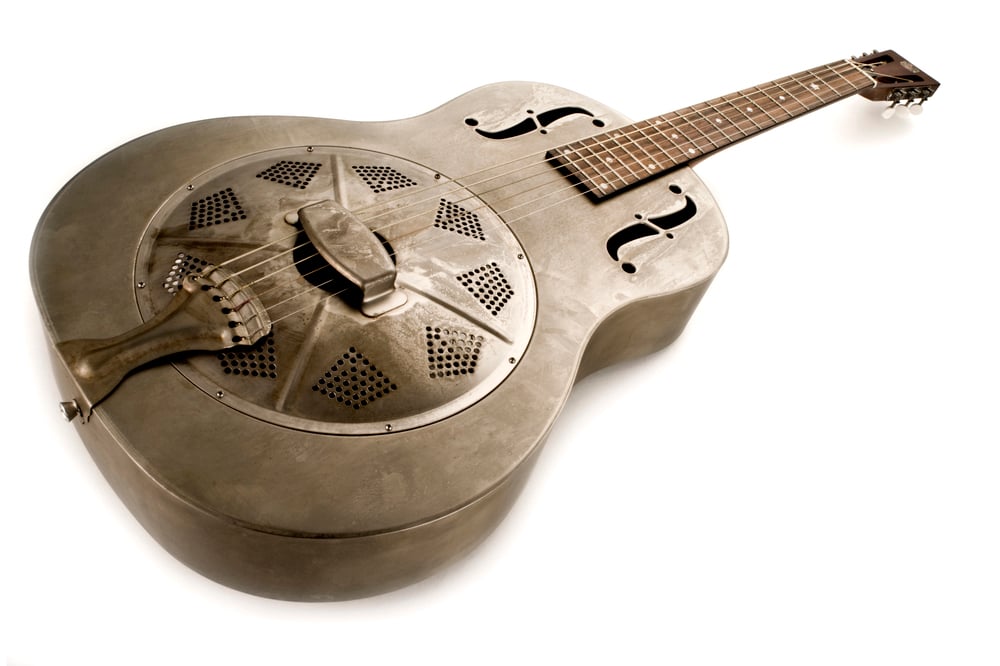
National’s metal-bodied resonators were built for volume in an era before electric amplification existed. The Style O, with its engraved Hawaiian scenes and distinctive cone resonator, became the choice of blues legends who needed their guitars to cut through crowded juke joints.
These instruments now sell for $15,000 to $25,000 in good condition, with exceptional examples pushing higher. The irony runs thick—guitars built for working musicians who earned dollars per night now cost more than luxury cars.
Vintage Saxophones by Henri Selmer Paris
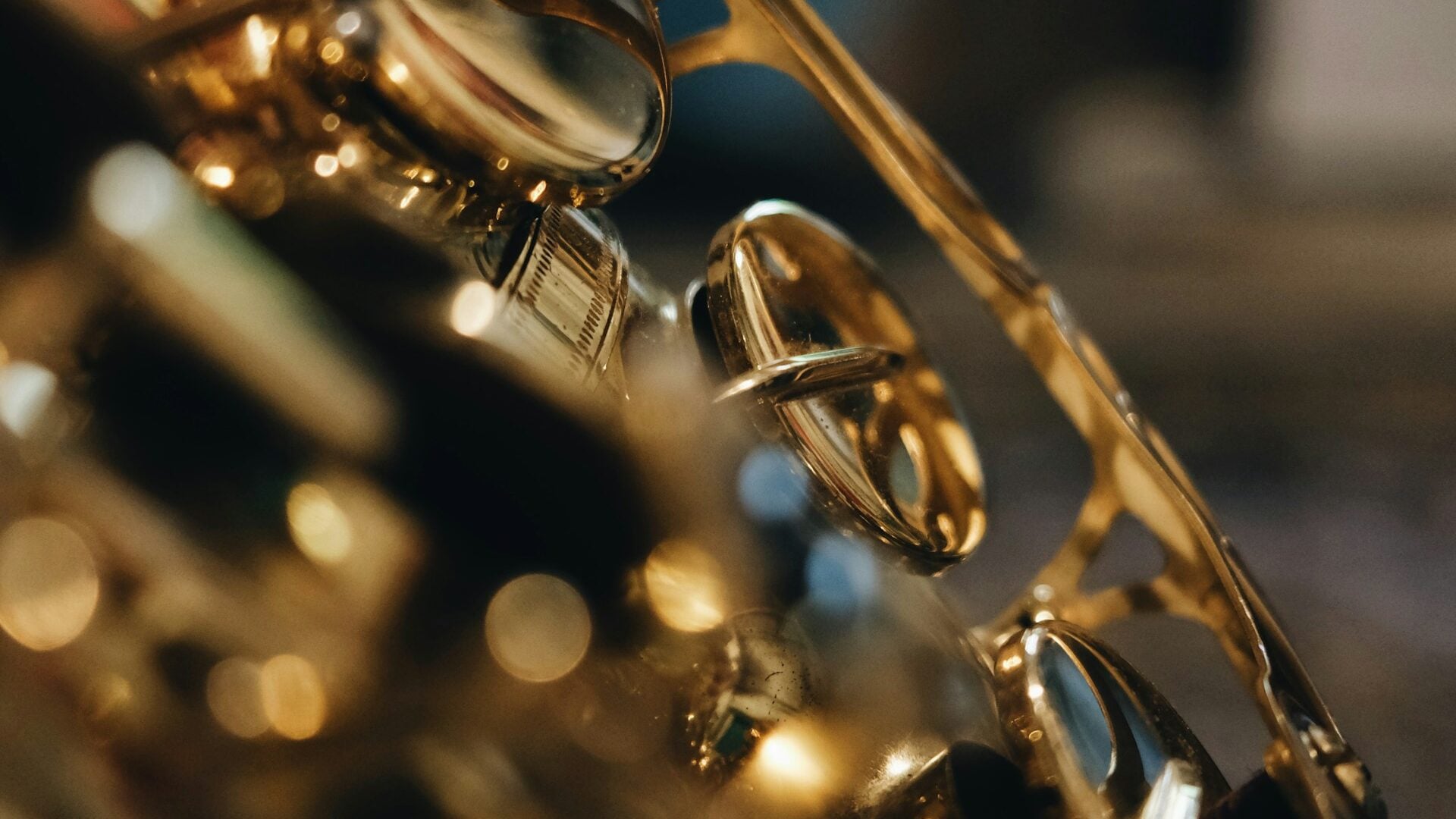
There’s something almost mystical about how a piece of bent brass can hold decades of musical history in its curves and dents, and the Henri Selmer Mark VI saxophones from the 1950s and 1960s represent that phenomenon at its most concentrated. Professional jazz musicians speak about these instruments with the kind of reverence usually reserved for religious artifacts, claiming they can hear the difference between a Mark VI and any modern saxophone within the first few notes (and while some of this might be psychological, enough world-class players swear by these instruments that the market has responded accordingly).
John Coltrane played a Mark VI tenor, Charlie Parker preferred Selmer altos from the 1940s, and that lineage creates a provenance that transcends mere manufacturing quality.
A vintage Mark VI tenor in excellent condition commands $8,000 to $12,000, while alto versions run slightly higher, but the really exceptional examples—those with original lacquer, perfect mechanics, and documented professional histories—can reach $20,000 or more at specialized auctions.
1960s Rickenbacker 360/12
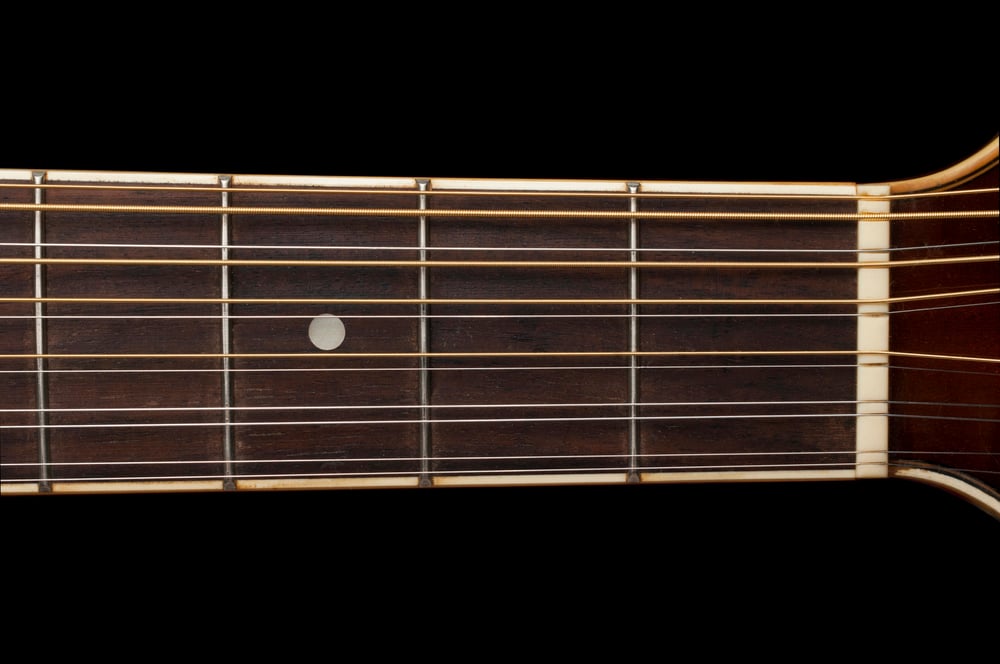
Rickenbacker’s 12-string electric guitars defined an entire era of popular music, but the company produced relatively few of them during the crucial 1960s period when bands like The Beatles and The Byrds made the distinctive jangle sound famous.
The combination of rarity and cultural significance drives prices into the $15,000 to $25,000 range for clean examples. These guitars capture the essence of 1960s rock in a way that reproduction models simply cannot replicate.
The original pickups, the specific wood choices, even the manufacturing inconsistencies contribute to a sound that modern production methods have never quite matched.
Bösendorfer Imperial Grand Pianos from the 1890s
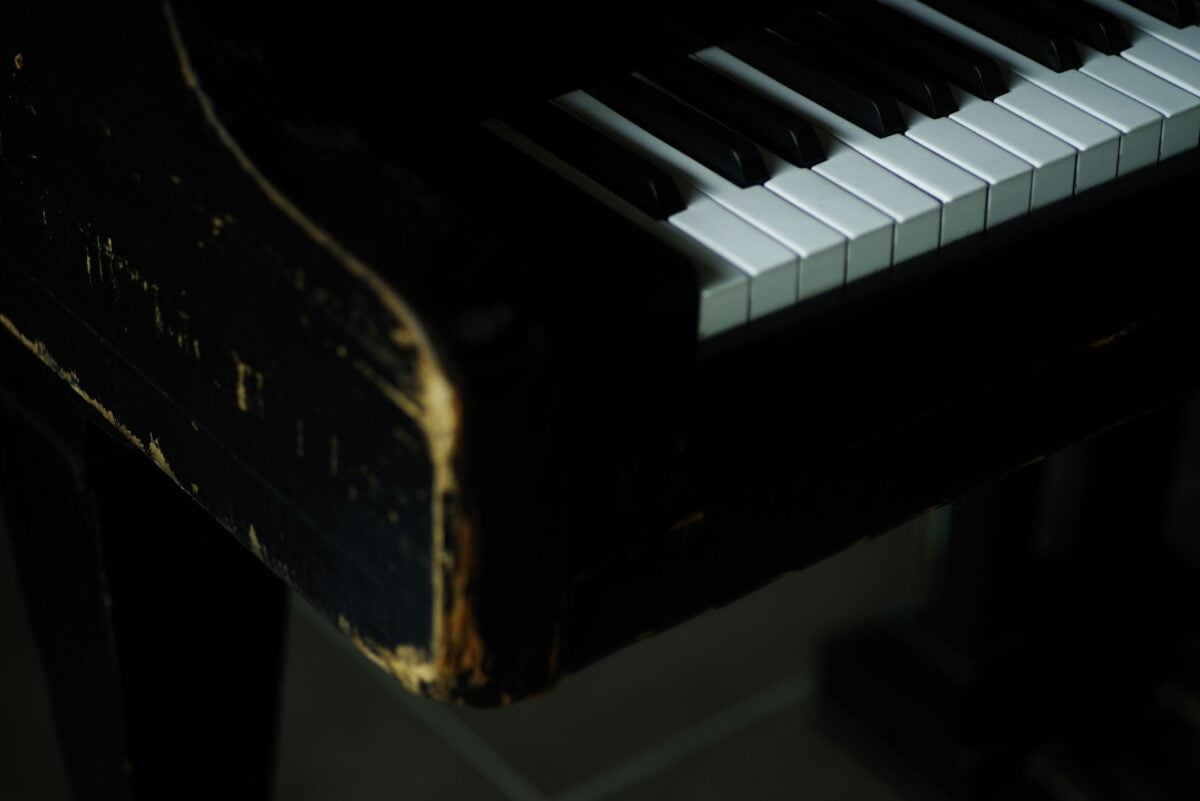
Piano manufacturing reached a peak of craftsmanship in the late 19th century that modern production methods struggle to match, and Bösendorfer’s Imperial grands from this era represent the absolute pinnacle of that tradition—massive instruments that stretch over nine feet in length and contain an extra nine keys in the bass register that most pianists never use but every serious musician appreciates having available (because those extra strings create sympathetic resonances that enrich the entire instrument’s tonal palette, even when you’re playing in the standard 88-key range). These pianos were hand-built by craftsmen who understood wood in ways that modern factory workers simply cannot replicate, selecting and aging materials according to techniques that took decades to master and which died out when mass production became the industry standard.
An 1890s Bösendorfer Imperial in restored condition commands $400,000 or more, depending on provenance and the quality of restoration work, but the really exceptional examples—those with documented concert hall histories or connections to famous composers—regularly approach $750,000 at specialized auctions. And here’s the thing about owning one: you need a house built around the piano, not the other way around, because these instruments weigh over 1,300 pounds and require specific climate control, specialized moving equipment, and regular maintenance by technicians who actually understand 19th-century craftsmanship techniques.
1930s Epiphone Emperor Archtop
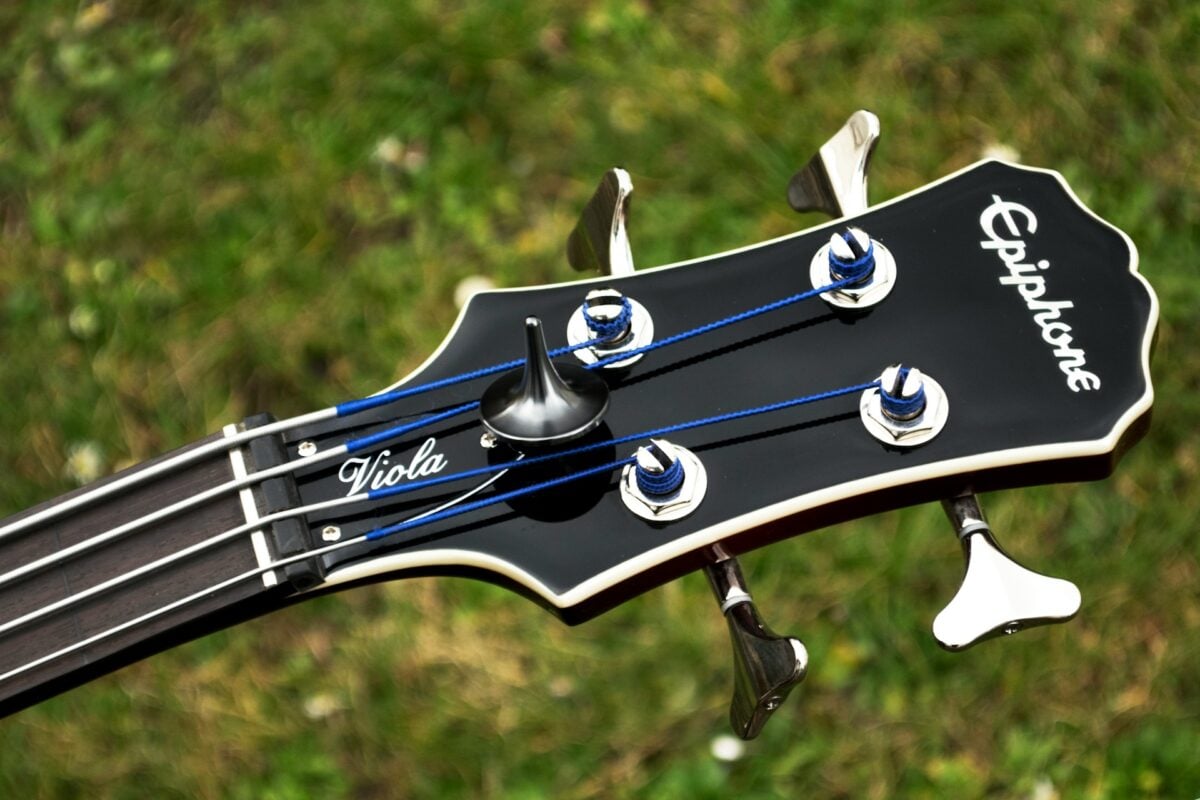
Before Gibson acquired Epiphone, the company produced archtop guitars that rivaled anything coming out of Kalamazoo. The Emperor, with its 18-inch body and elaborate appointments, represented Epiphone’s flagship model during the golden age of jazz guitar.
These instruments now command $25,000 to $40,000 for exceptional examples. The hand-carved tops, intricate inlay work, and that particular prewar tone quality make them highly sought after by collectors and players alike.
Vintage Trumpet by Vincent Bach
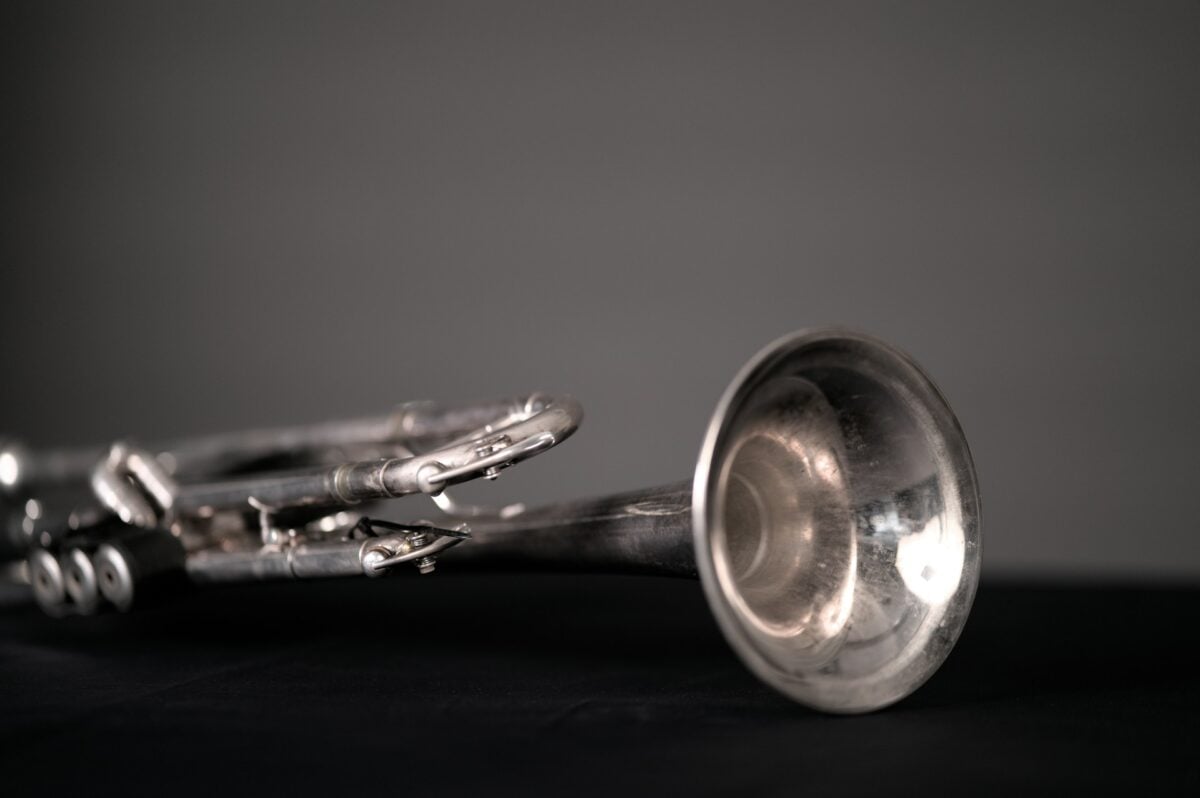
Professional brass players understand that certain instruments possess qualities that transcend their physical construction, and Vincent Bach trumpets from the 1920s and 1930s occupy that rarified territory where craftsmanship meets something approaching magic. Bach, working in New York during jazz’s golden age, created instruments that could handle the technical demands of emerging bebop while maintaining the warm, singing tone that classical players required (which is a harder balance to achieve than it sounds, requiring precise bore calculations and metal work that took Bach years to perfect).
These trumpets were played by everyone from Harry James to Maurice André, creating a professional lineage that adds immeasurable value to already exceptional instruments. A vintage Bach Stradivarius from the 1920s in original condition commands $8,000 to $15,000, depending on the specific model and condition, but the really exceptional examples—those with documented professional histories or unusual specifications—can reach $25,000 or more among serious collectors.
The irony cuts particularly deep here: instruments built for working musicians who earned modest salaries now cost more than most people’s cars, and the players who could best appreciate these horns often cannot afford to own them.
When the Music Stops Playing
The photographs of these instruments capture more than monetary value—they document the moment when functional tools transform into cultural artifacts. A guitar stops being something you play and becomes something you preserve. The hands that once created music with these instruments are replaced by gloved archivists who handle them like museum pieces.
Perhaps the real fortune lies not in owning these instruments but in the music they created when they were just tools in the hands of working musicians. The recordings remain accessible to anyone with a streaming service, while the instruments themselves disappear into private collections, climate-controlled and silent.
More from Go2Tutors!

- The Romanov Crown Jewels and Their Tragic Fate
- 13 Historical Mysteries That Science Still Can’t Solve
- Famous Hoaxes That Fooled the World for Years
- 15 Child Stars with Tragic Adult Lives
- 16 Famous Jewelry Pieces in History
Like Go2Tutors’s content? Follow us on MSN.