15 Historical Firsts That Changed Everything
History turns on moments. Not the grand battles or the speeches everyone remembers, but the quiet firsts — the day someone tried something that had never been tried before.
These moments didn’t announce themselves with fanfare. They slipped into the world quietly, and then everything was different.
The fifteen moments that follow aren’t just interesting footnotes. They’re the hinges on which human civilization swung from one way of being to another.
Some took centuries to fully unfold. Others changed everything overnight.
The First Written Word
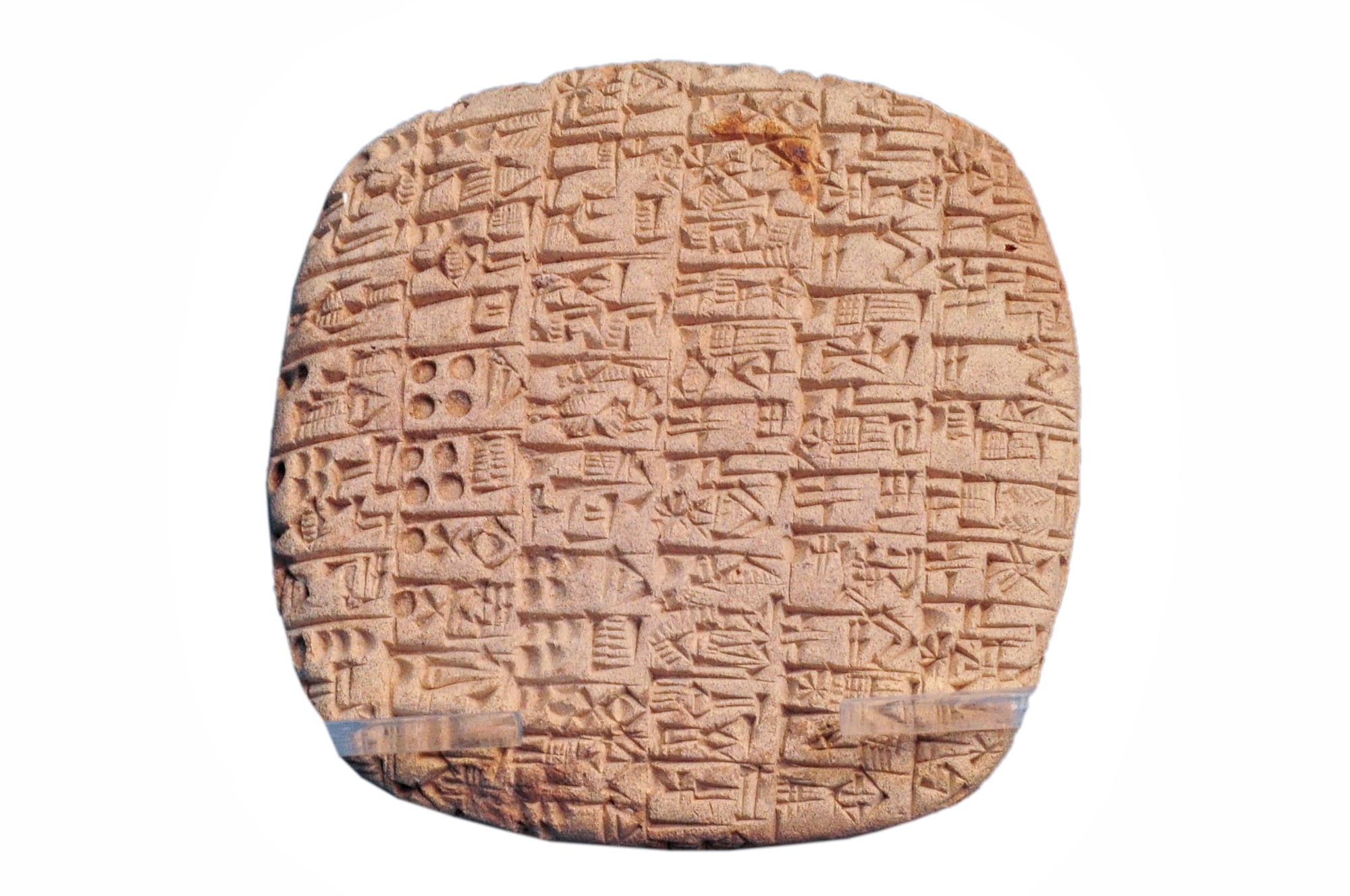
Cuneiform appeared in ancient Mesopotamia around 3200 BCE. Wedge-shaped marks pressed into clay tablets.
Nothing fancy. Before this, human knowledge died with the people who held it.
After this, ideas could outlive their creators. The first permanent human thoughts, frozen in clay.
The First Wheel
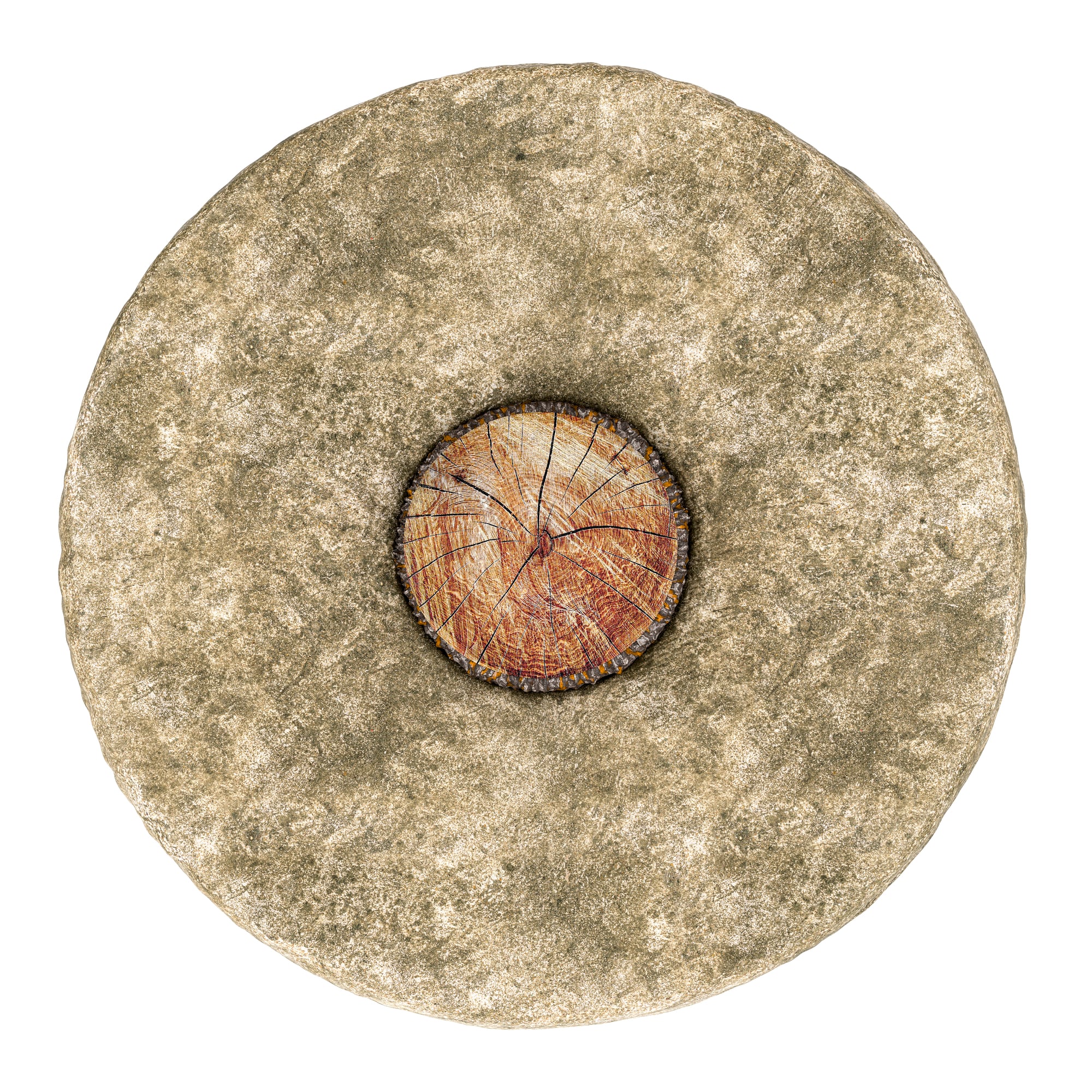
The wheel showed up around 3500 BCE in Mesopotamia. Not for transportation — that came later.
The first wheels were potter’s wheels, spinning clay into perfect circles. Transportation wheels appeared 300 years later.
Suddenly, distance became negotiable. Heavy things could move.
The world got smaller, which meant it got bigger at the same time.
The First Agricultural Revolution

When the last ice age ended around 10,000 BCE, some humans (and it’s worth noting that this happened independently in several places, which suggests something inevitable about it) stopped following animals around and started growing their own food instead — grains in the Fertile Crescent, rice in China, corn in the Americas.
But here’s the thing that gets overlooked: agriculture wasn’t obviously better than hunting and gathering, at least not at first.
Early farmers were shorter, less healthy, and worked harder than their nomadic cousins. So why did they stick with it?
Because agriculture creates surplus. And surplus changes everything, even when (especially when) you don’t realize it’s happening.
Extra food means some people don’t have to spend all day finding their next meal — they can specialize, think, build, create problems that didn’t exist before.
The first planted seed wasn’t just the beginning of farming. It was the moment humans stopped adapting to the world and started making the world adapt to them.
The First Metal Tool
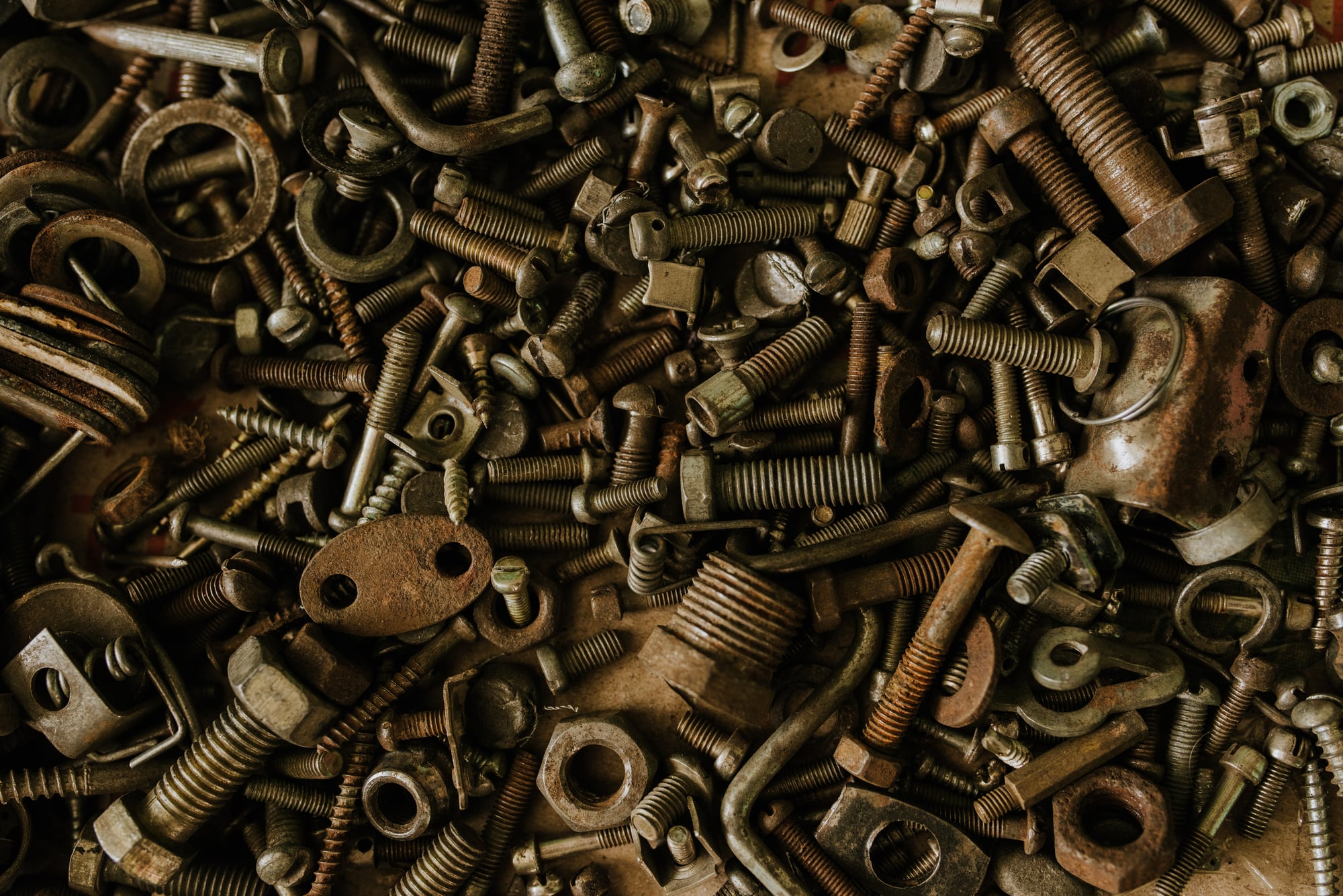
Bronze tools appeared around 3300 BCE in the Near East. Before bronze, tools broke.
Stone chipped, wood rotted, bone cracked. Bronze bent instead of breaking.
It could be melted down and reformed. For the first time, humans had tools that improved with use instead of deteriorating.
This wasn’t just technological progress — it was the beginning of the idea that things could get better instead of just wearing out.
The First Money
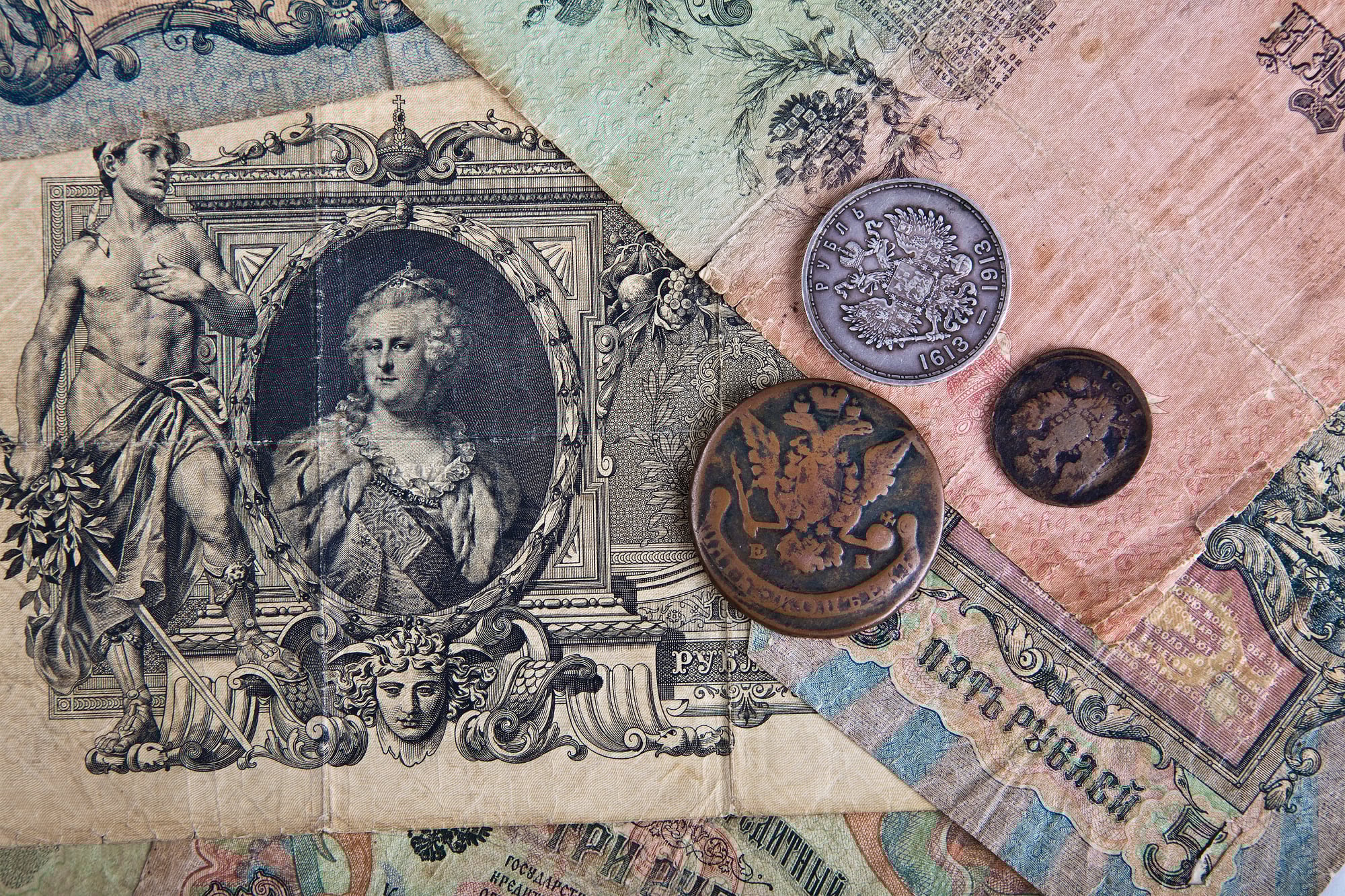
Money works like a language everyone speaks but no one invented. Before coins appeared in Lydia around 650 BCE, trade required coincidence — you needed to want what someone else had at exactly the moment they wanted what you had, which happened about as often as you’d expect.
But money (and those first Lydian coins were nothing fancy: lumps of electrum with official stamps) created something unprecedented: stored value that everyone agreed to pretend meant something.
The psychological shift runs deeper than economics, though. Money transforms effort into abstraction.
Your work becomes a number that can buy someone else’s work. Time becomes exchangeable.
The distance between making something and having something stretches until it disappears entirely.
And here’s the part that still shapes how we think: money makes it possible to want things you’ve never seen, from people you’ll never meet, using wealth you might not even have yet.
The First Alphabet
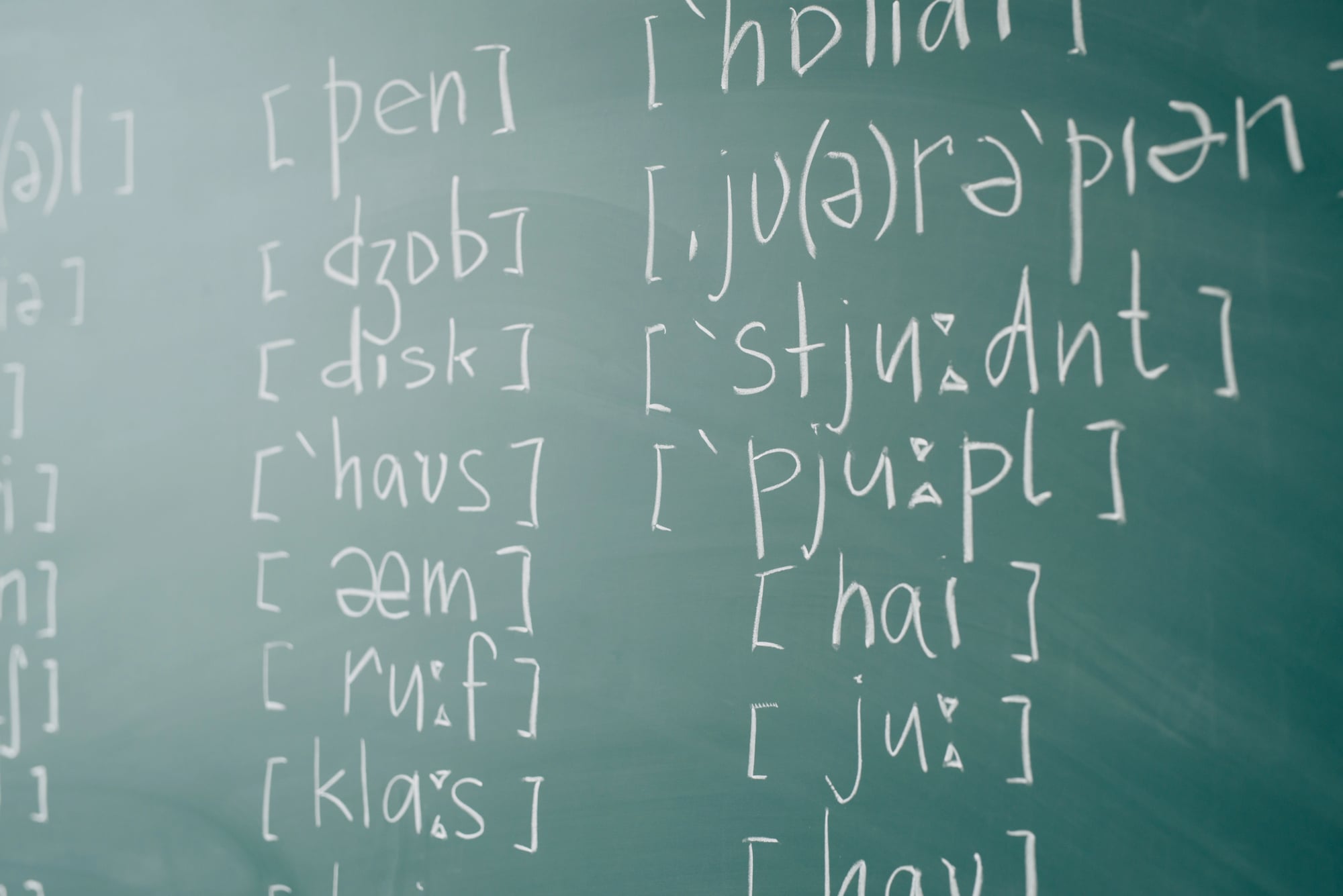
The Phoenicians created the first alphabet around 1200 BCE. Twenty-two letters.
No vowels. This sounds boring until you realize what it replaced: systems with hundreds or thousands of symbols that took years to master.
Suddenly, literacy wasn’t a specialized skill. Anyone could learn to read and write in months instead of decades.
The First Printed Book
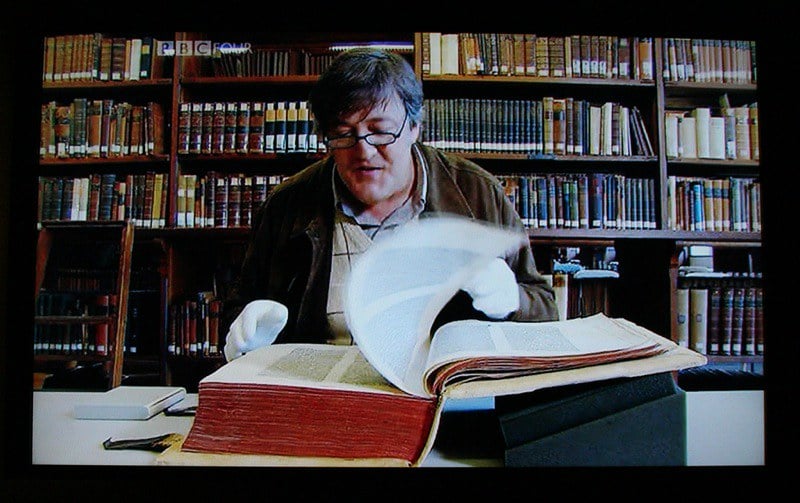
Gutenberg’s Bible rolled off the press around 1455. Books went from rare treasures to mass-produced objects.
Knowledge became cheap. This terrified authorities for good reason.
When information spreads freely, power shifts. The printing press didn’t just make books — it made revolutions possible.
The First Steam Engine
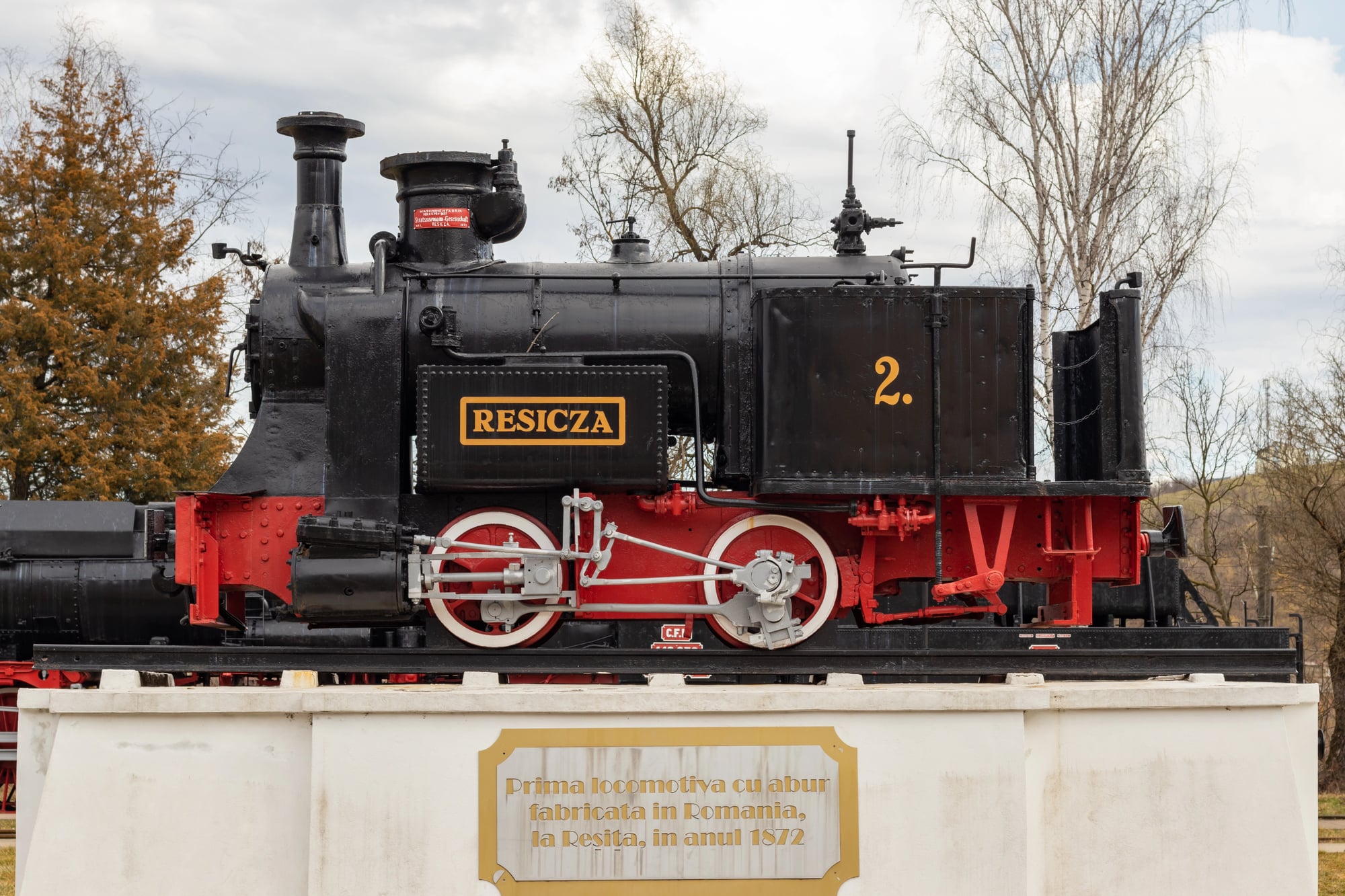
James Watt’s improved steam engine in 1769 captured something humans had watched for millennia: boiling water creates pressure, and pressure can do work.
But turning that observation into controlled, sustained power — that required the kind of precision thinking that treats natural forces like tools rather than mysteries.
Steam engines didn’t just power the Industrial Revolution, they changed how humans think about energy itself. Before steam, power came from muscles, wind, or flowing water — forces you had to work around.
Steam power could be generated on demand, anywhere fuel could burn. The deeper shift: humans stopped depending on nature’s schedule and started imposing their own.
Night shifts became possible. Factories could run regardless of weather, season, or geography.
Time itself became industrialized.
The First Photograph
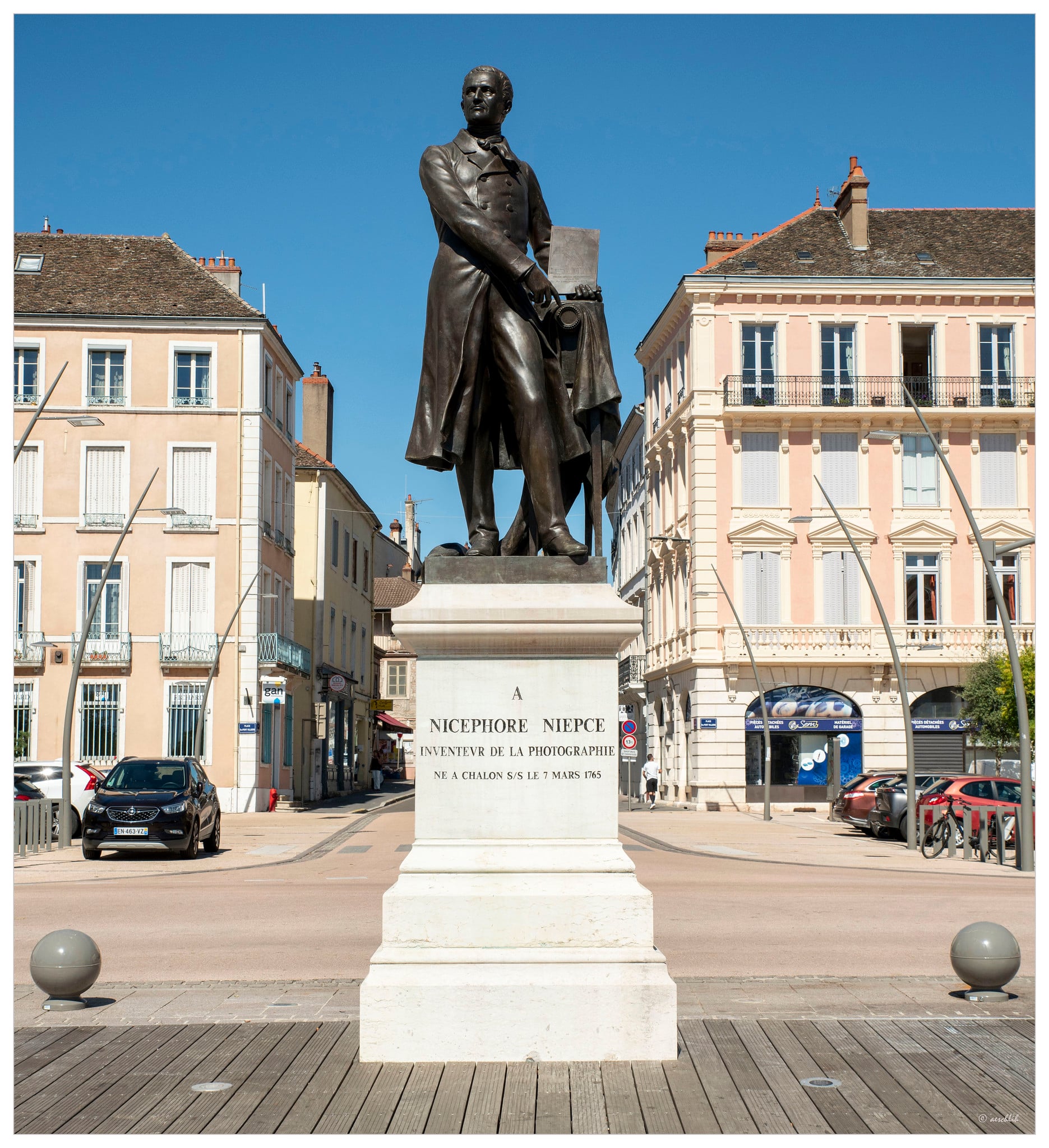
Nicéphore Niépce captured the first permanent photograph in 1826. Eight hours of exposure to create a blurry image of rooftops.
It looked like almost nothing. But for the first time in human history, light itself could create permanent records.
Reality could be captured and preserved exactly as it appeared. This changed everything about how humans remember, document, and understand their own experience.
The First Electric Light

Edison’s light bulb in 1879 seems obvious now. Electricity flows through a filament, the filament glows, darkness disappears.
But artificial light didn’t just illuminate rooms — it severed the connection between human activity and natural rhythms that had existed since the beginning of our species.
Night became negotiable. Work, socializing, reading, thinking could happen whenever people chose, not just when the sun allowed it.
The First Flight
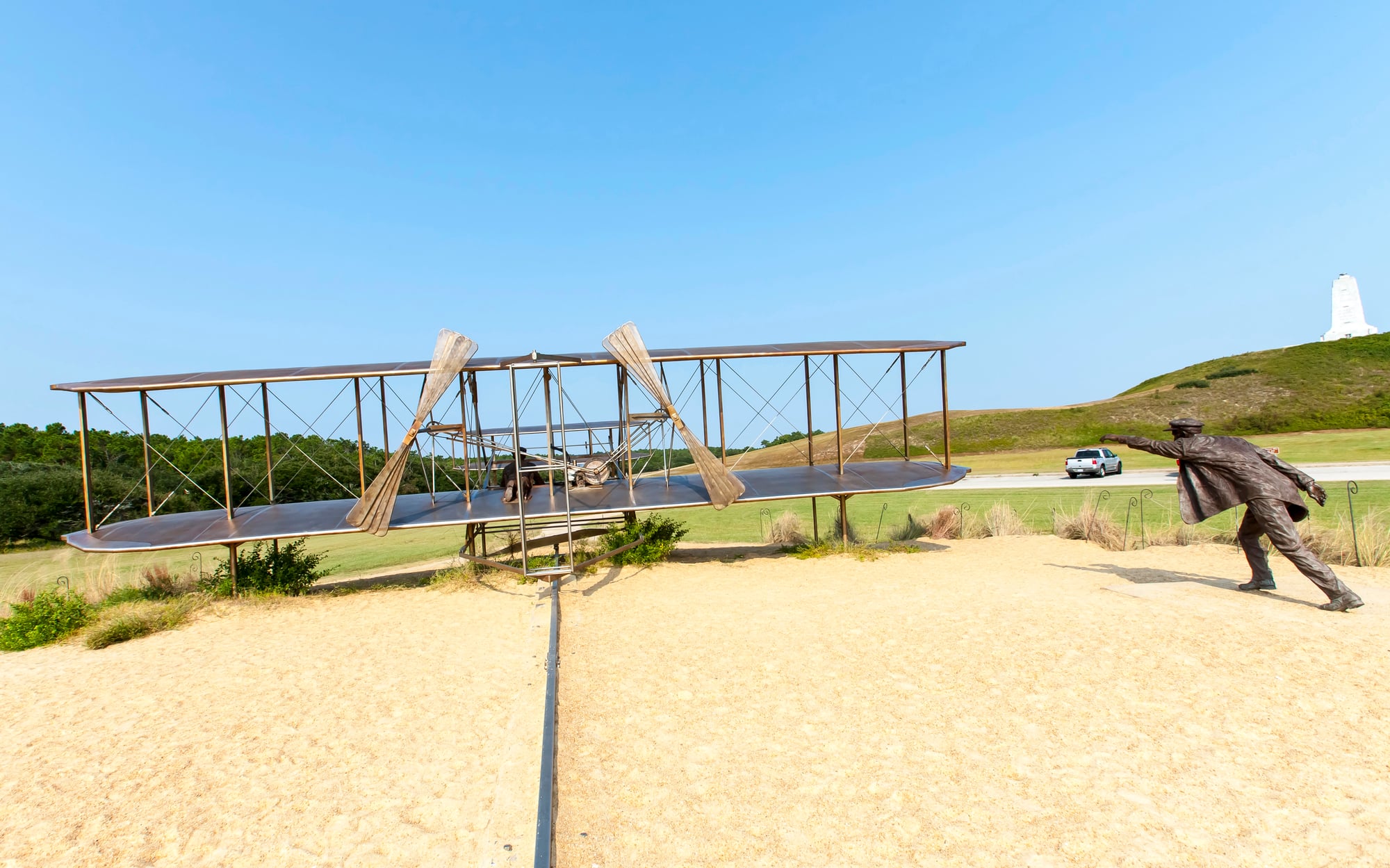
The Wright brothers lifted off at Kitty Hawk for twelve seconds in 1903. Twelve seconds.
That’s barely enough time to realize what’s happening. But those twelve seconds proved that humans could leave the ground under their own power and return safely.
Distance became three-dimensional. Geography became optional.
The world became a single connected space instead of separate places divided by oceans and mountains.
The First Radio Transmission

Marconi sent the first wireless radio signal across the Atlantic in 1901. Three dots.
The letter “S” in Morse code. Those three dots proved that information could travel instantly across any distance without wires, cables, or physical connection.
Human communication was no longer limited by geography. For the first time, everyone could potentially hear the same message at the same moment, regardless of where they were.
The First Computer
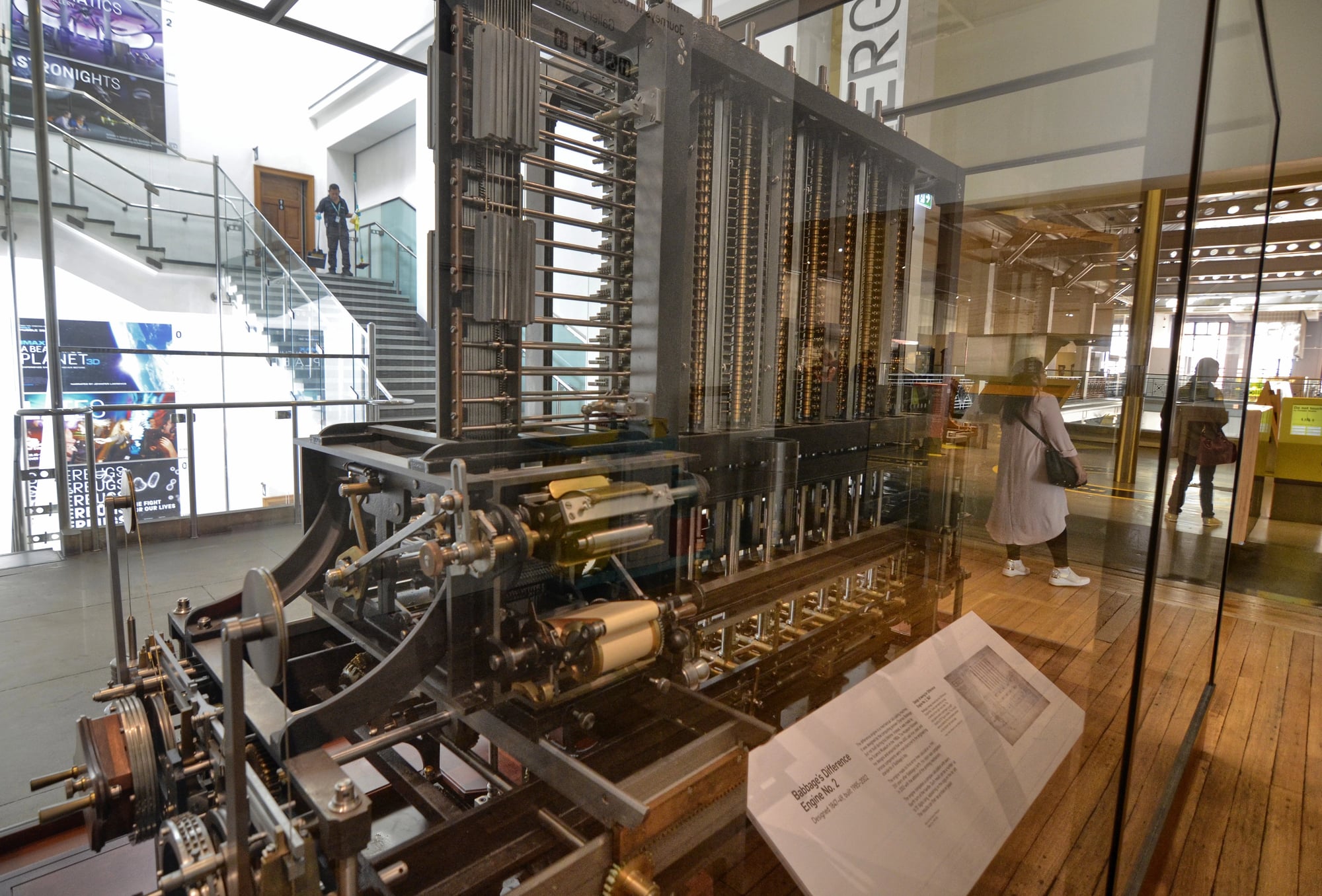
ENIAC came online in 1946, filling an entire room with vacuum tubes and requiring a team of operators. It could perform calculations that would take humans weeks to complete.
But the real breakthrough wasn’t speed — it was the idea that logical processes could be mechanized.
Thinking itself could be broken down into steps simple enough for machines to follow. This wasn’t just a new tool; it was a new way of understanding intelligence.
The First Internet Connection
ARPANET sent its first message in 1969. Two computers, hundreds of miles apart, exchanging information through telephone lines.
This created something unprecedented: a network that could grow without central planning.
Each new connection made the whole system more valuable. Information became fluid, flowing instantly between any connected points.
Distance became irrelevant for communication, collaboration, and access to knowledge.
The First Moon Landing
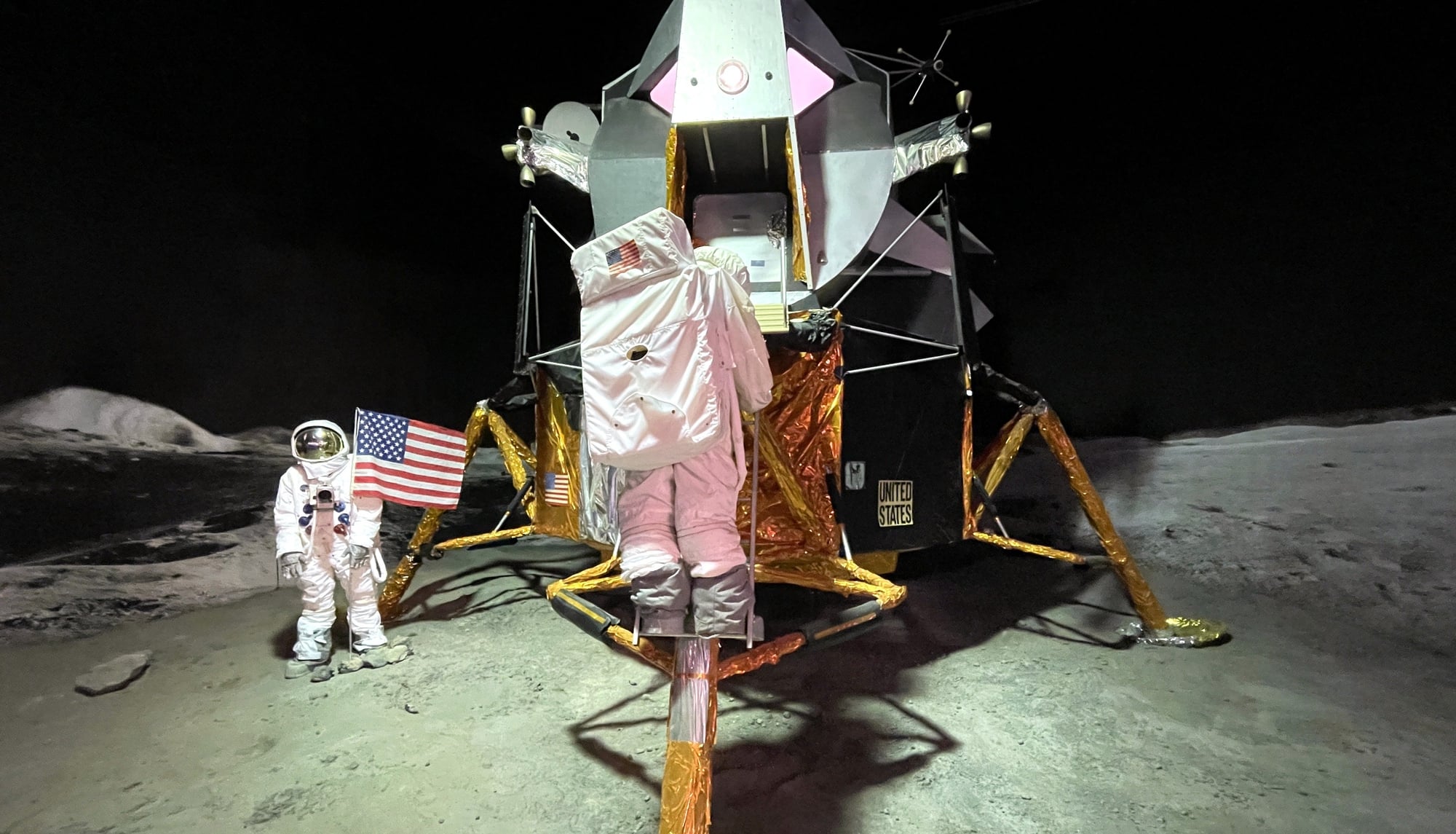
Armstrong’s foot touched lunar soil in 1969. Humans had left Earth and returned safely.
For the first time, our entire planet became visible as a single object floating in space.
This wasn’t just technological achievement — it was a fundamental shift in human perspective. Earth became home in a way it had never been before.
A small, fragile place that humans could leave, which made it precious in ways that staying put never could.
When Everything Changes at Once
These moments share something that’s easy to miss: none of them were recognized as world-changing when they happened. The first photograph looked like a smudgy failure.
The first flight lasted twelve seconds. The first computer filled a room and could barely add numbers faster than a skilled clerk.
But each moment contained the seed of everything that came after. The blurry photograph led to Instagram.
Twelve seconds of flight led to international travel. Room-sized computers led to smartphones.
Every transformation that matters starts with someone trying something that seems impossible until it becomes inevitable.
More from Go2Tutors!

- The Romanov Crown Jewels and Their Tragic Fate
- 13 Historical Mysteries That Science Still Can’t Solve
- Famous Hoaxes That Fooled the World for Years
- 15 Child Stars with Tragic Adult Lives
- 16 Famous Jewelry Pieces in History
Like Go2Tutors’s content? Follow us on MSN.



