Rare Animals With Extraordinary Senses
The natural world is full of creatures that experience reality in ways humans can barely imagine. While people rely mostly on sight and sound to navigate daily life, some animals have developed senses so powerful and unusual that they seem almost like superpowers.
These abilities help them survive in extreme environments, hunt in complete darkness, or communicate across vast distances. Let’s take a closer look at some of the most interesting animals whose senses go far beyond what most creatures possess.
Star-nosed mole
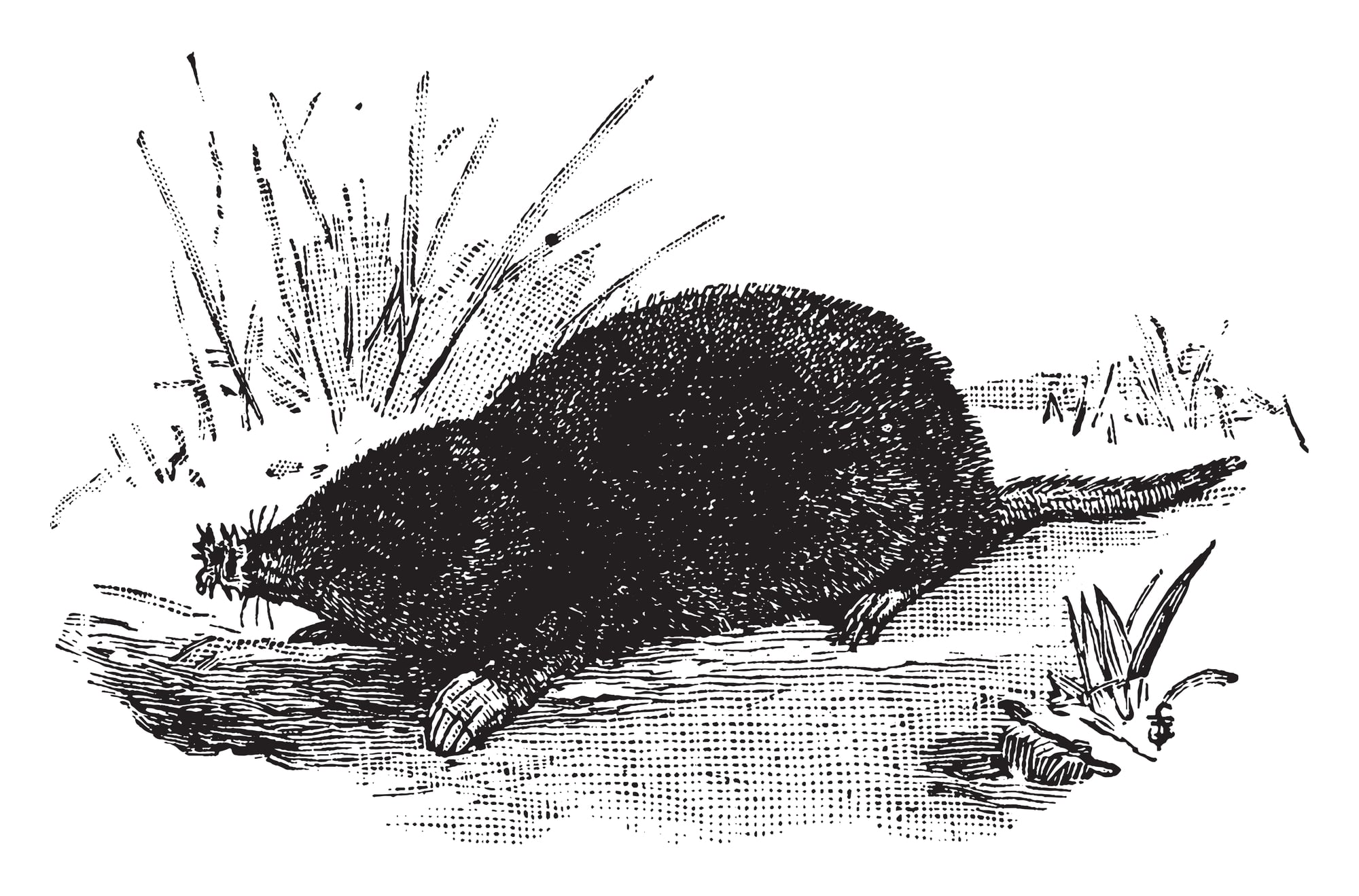
This small mammal lives underground in wet, marshy areas of North America and has one of the strangest noses in the animal kingdom. The star-shaped organ on its snout contains over 25,000 tiny sensory receptors called Eimer’s organs, making it the most sensitive touch organ of any mammal.
The mole can identify and eat prey in less than a quarter of a second, which makes it one of the fastest eaters on Earth. It uses its bizarre nose to feel its way through dark tunnels, detecting earthworms and insects with incredible precision.
Platypus
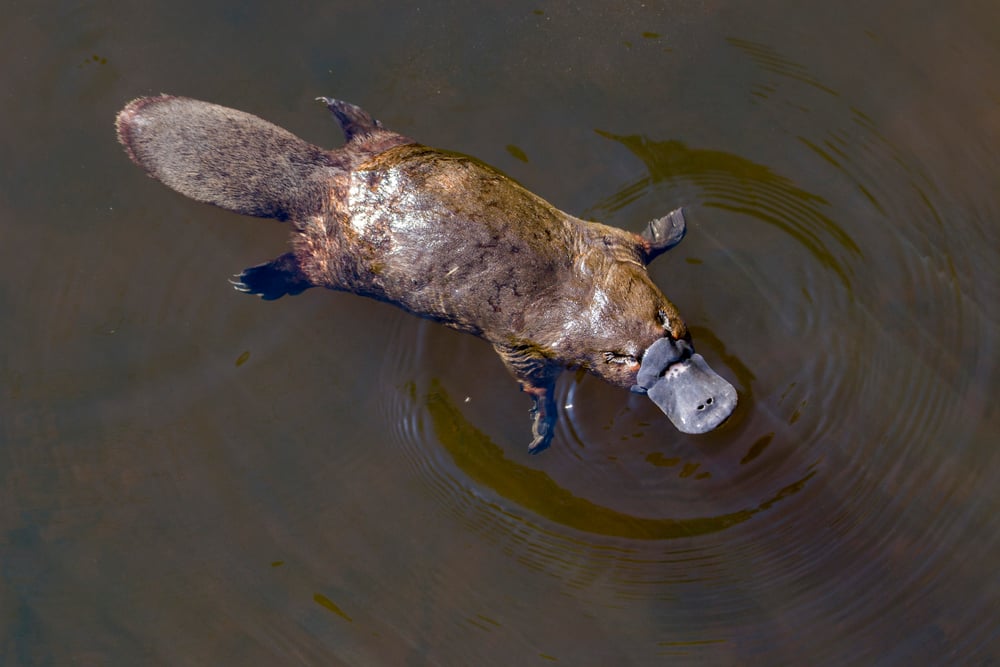
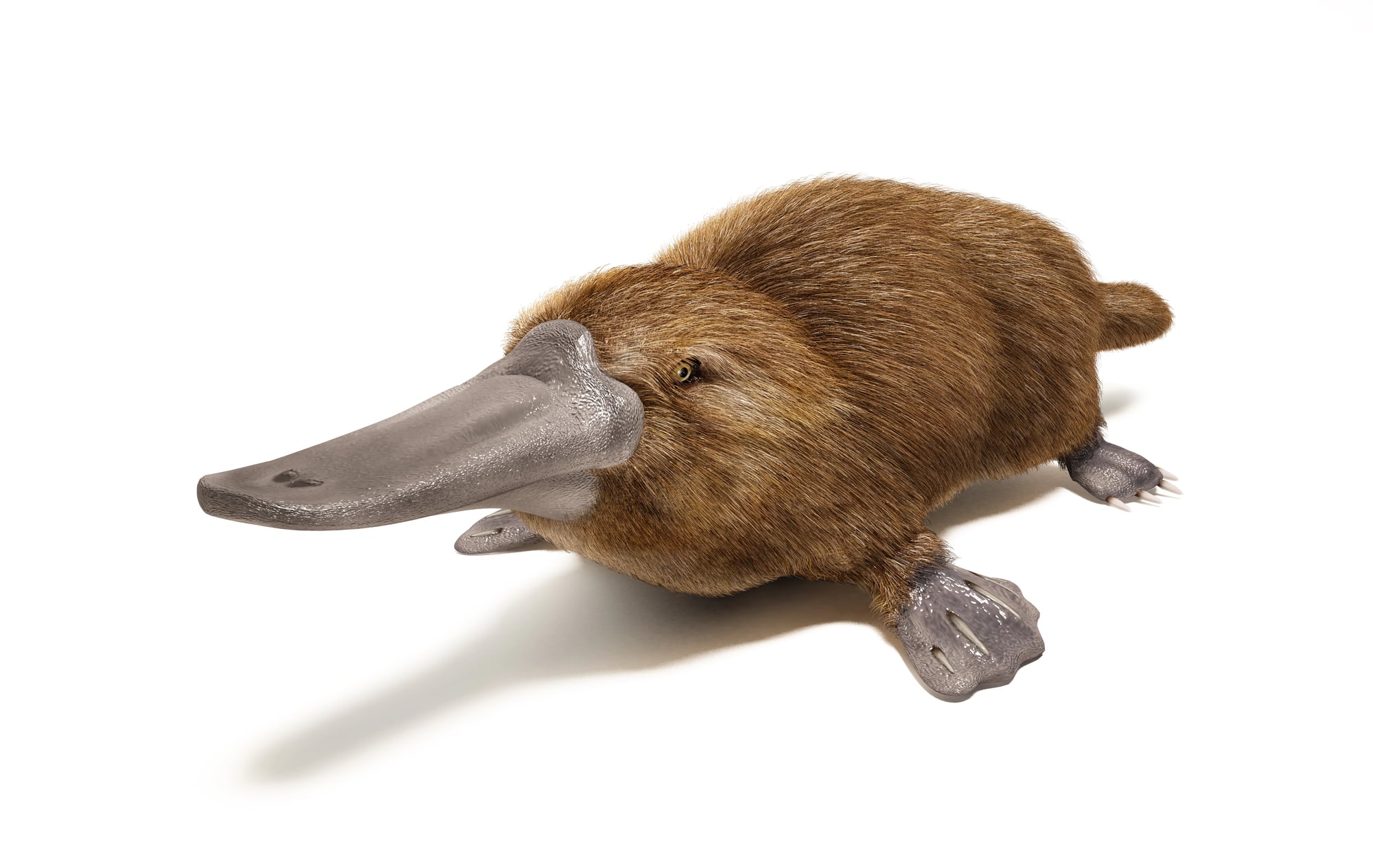
The platypus already looks like nature couldn’t decide what animal to create, but its sensing abilities are just as unusual as its appearance. This Australian mammal hunts underwater with its eyes, ears, and nostrils completely closed, relying instead on electroreception.
Special sensors in its duck-like bill detect the tiny electrical fields produced by muscle contractions in prey animals. The platypus can find hidden shrimp and insects buried in mud at the bottom of rivers, navigating murky water where sight would be useless.
Mantis shrimp
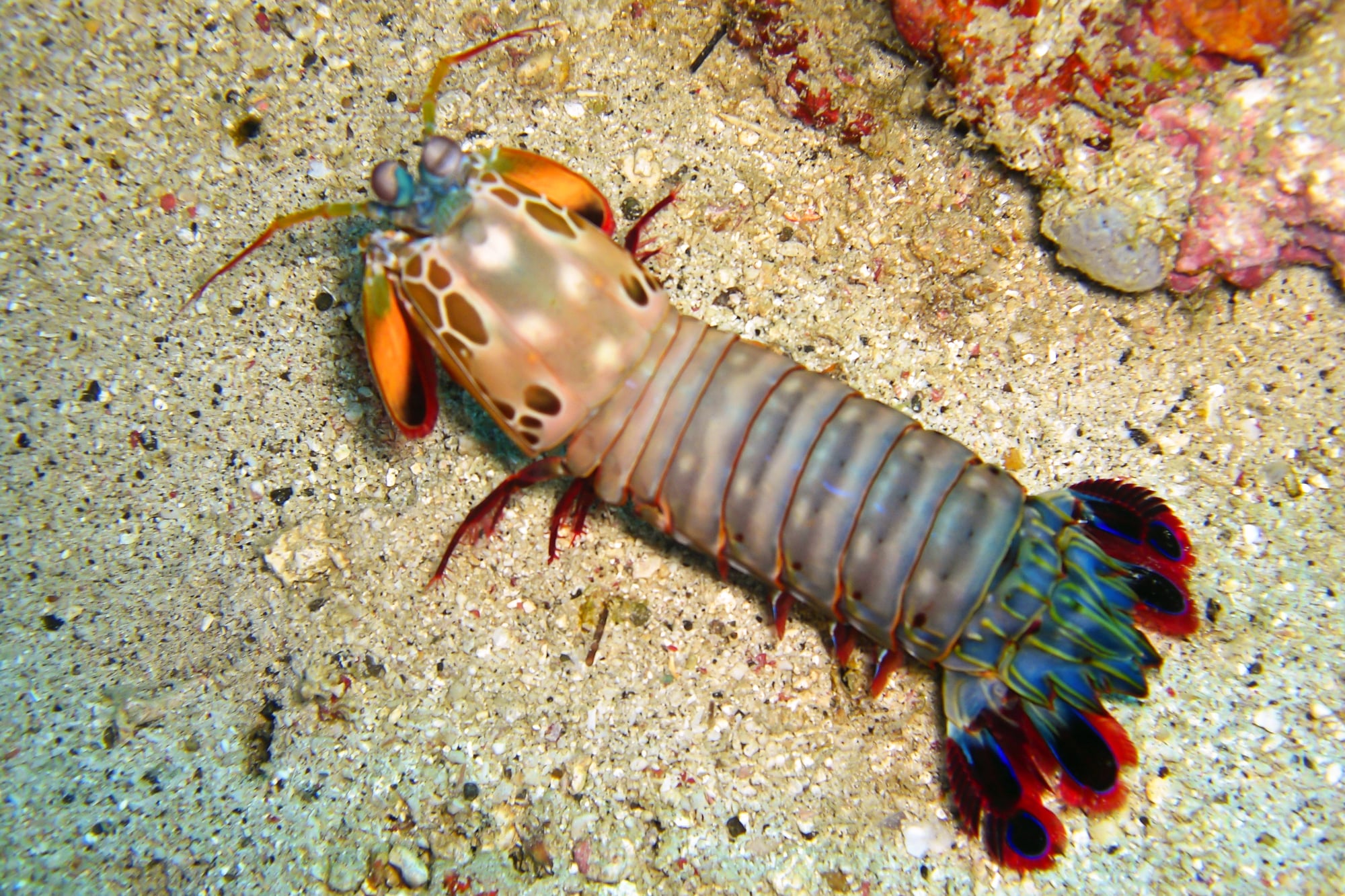
These colorful marine creatures have the most complex eyes known to science, with 16 types of color receptors compared to just three in humans. They can see ultraviolet light, infrared light, and polarized light all at once, perceiving colors and patterns that exist completely outside human experience.
Their eyes move independently and can process images faster than any other animal, allowing them to track multiple fast-moving prey at the same time. Scientists still don’t fully understand how their brains make sense of all this visual information.
Spookfish
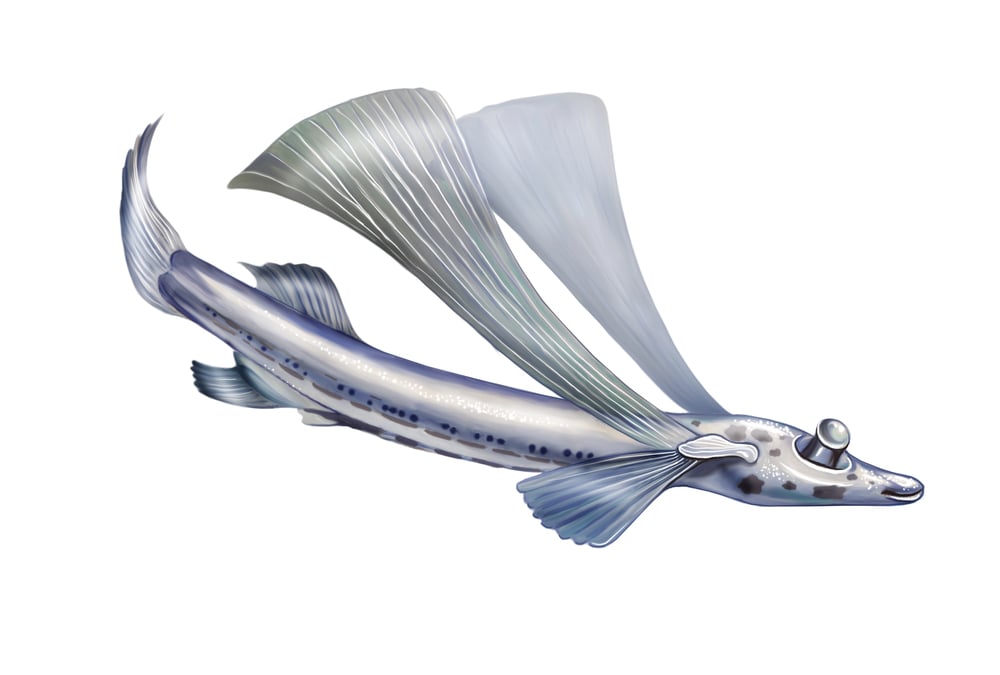
Living in the deep ocean where sunlight never reaches, the spookfish has developed a truly unique solution to seeing in darkness. This rare fish is the only vertebrate known to use mirrors instead of lenses in its eyes.
Tiny crystals in its eyes reflect and focus the faintest traces of light from bioluminescent creatures, allowing it to see both above and below simultaneously. The spookfish basically has four functional eyes in two, giving it a huge advantage in the pitch-black depths where it lives.
Egyptian fruit bat
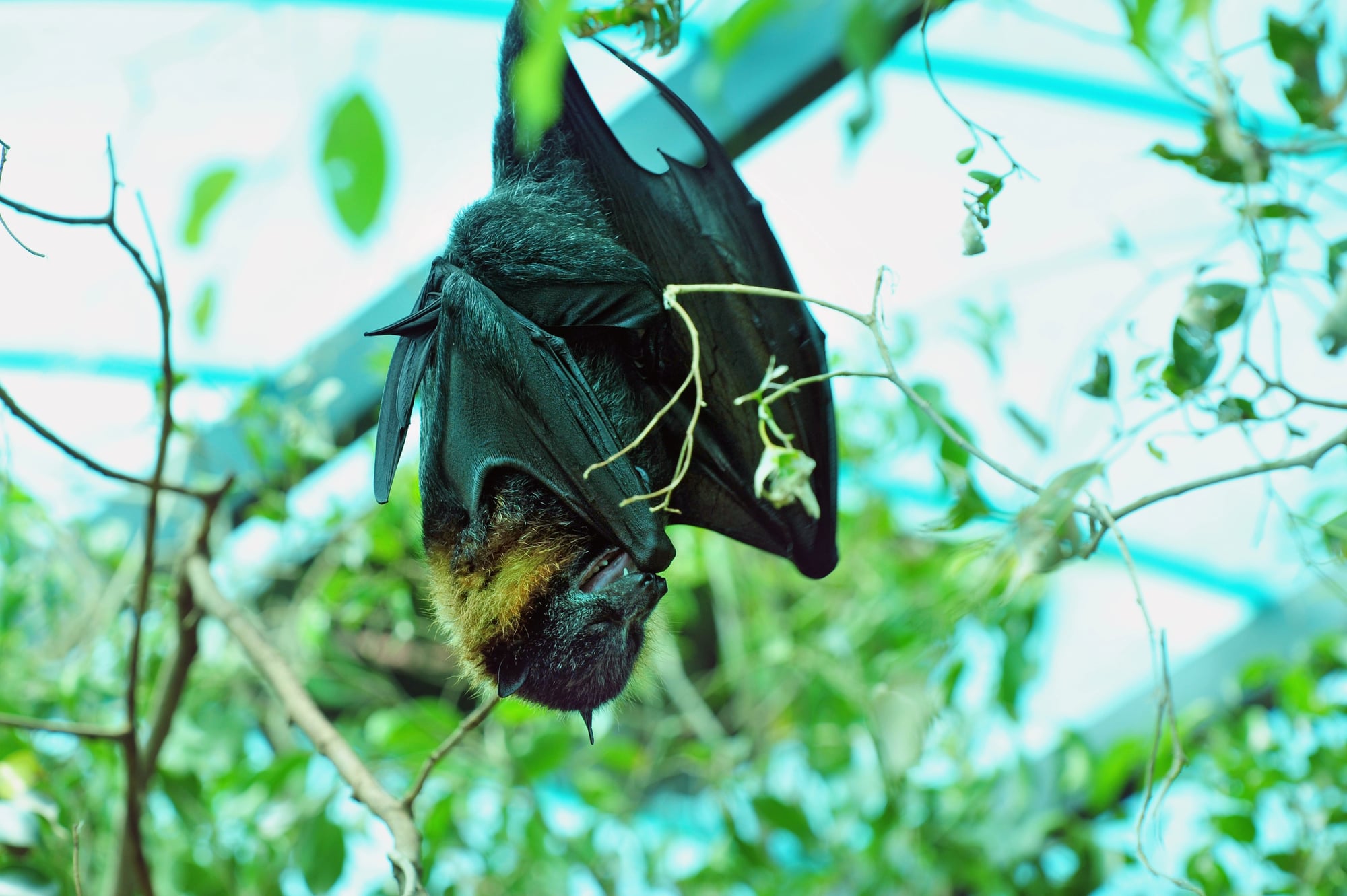
Unlike most bats that use echolocation, Egyptian fruit bats rely heavily on their extraordinary sense of smell to find food. They can detect ripe fruit from over a mile away, picking up on the specific chemical compounds released as fruits ripen.
Their nasal cavity contains millions of scent receptors that create a detailed smell map of their surroundings. These bats also have excellent vision for a nocturnal animal, using both sight and smell together to navigate forests at night.
Elephants
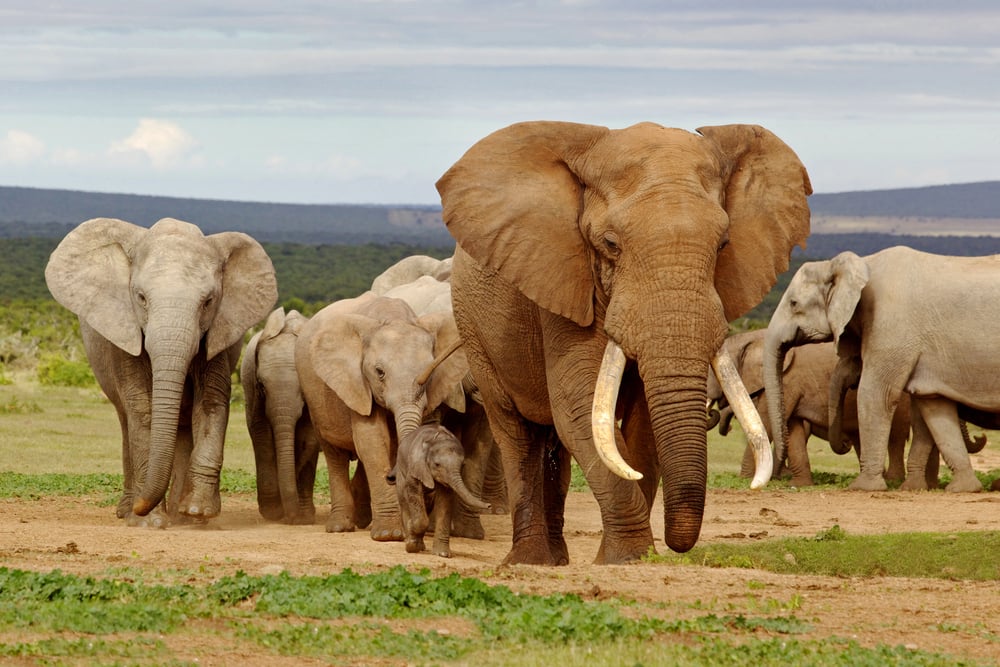
These giants can detect seismic vibrations through their feet, feeling sounds and movements traveling through the ground from miles away. Special fat pads in their feet act like built-in sensors that pick up low-frequency rumbles other elephants make to communicate.
This ability lets herds coordinate movements across vast distances and warns them of approaching danger like thunderstorms or even tsunamis. Elephants also use their trunks as incredibly sensitive smell detectors, with more scent receptors than any other mammal.
Vampire bat
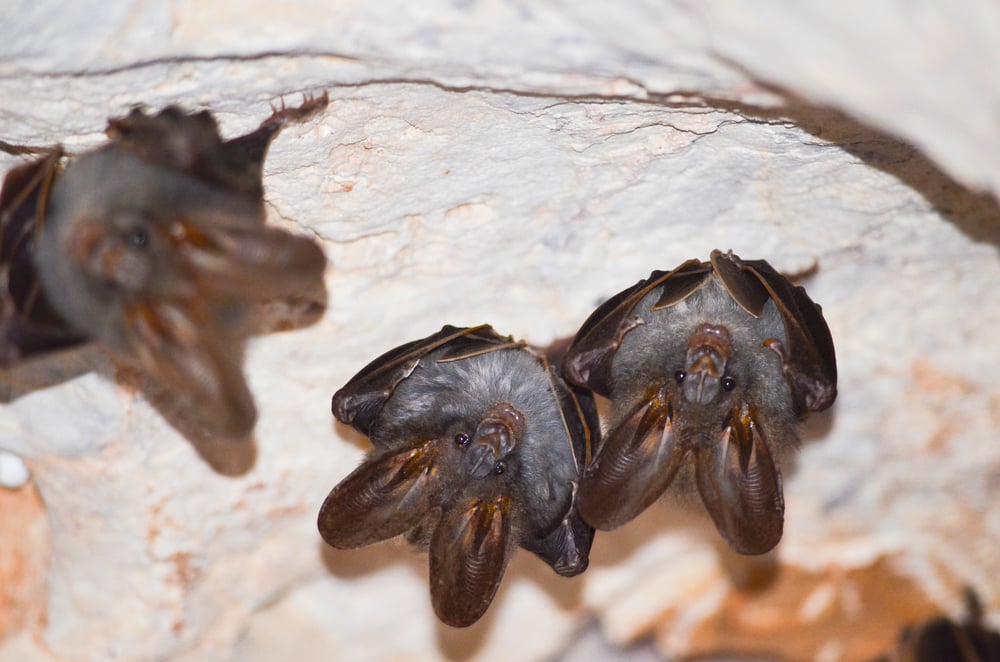
The vampire bat has heat-sensing organs on its nose that detect infrared radiation from warm-blooded animals. These sensors are so sensitive they can locate blood vessels beneath the skin of sleeping prey, helping the bat find the best spot to feed.
The pits on its nose contain nerve endings that respond to temperature changes as small as a fraction of a degree. This thermal vision works in complete darkness and guides the bat to its meal with remarkable accuracy.
Box jellyfish
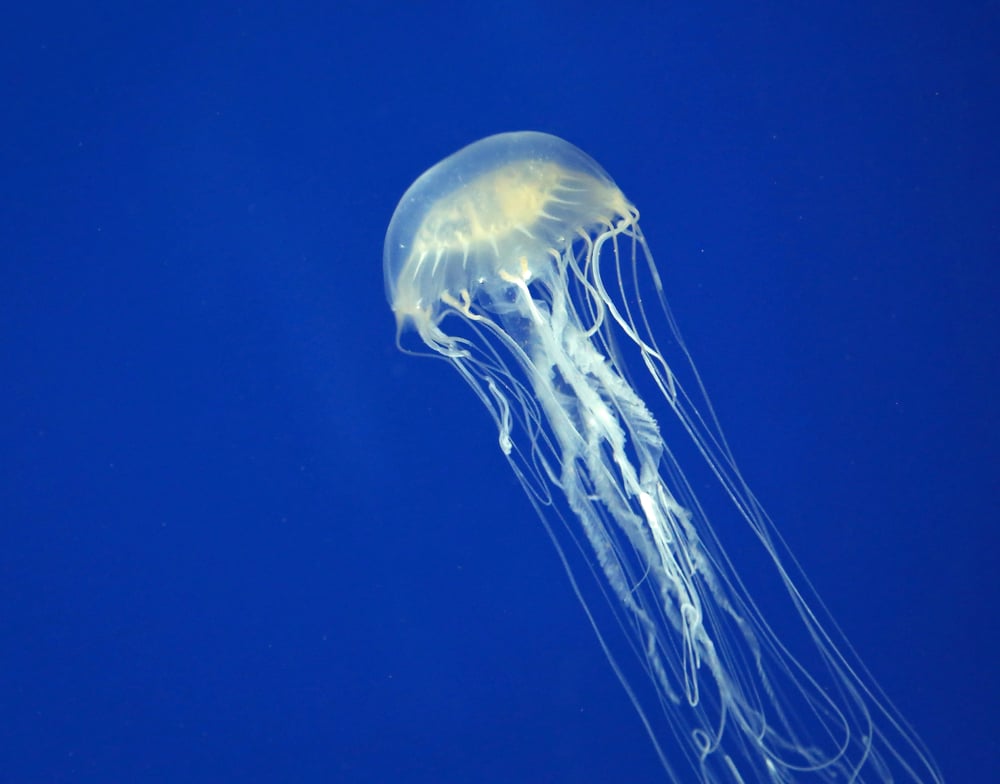
Despite having no brain, box jellyfish possess 24 eyes arranged in clusters on their bell-shaped body. Four of these eyes are remarkably similar to human eyes, with lenses, retinas, and corneas that form actual images.
Scientists believe these jellyfish use their complex eyes to navigate through mangrove roots and avoid obstacles while swimming. The other 20 eyes likely detect light levels and help the jellyfish orient itself, proving that sophisticated vision doesn’t require a sophisticated brain.
Jewel beetle
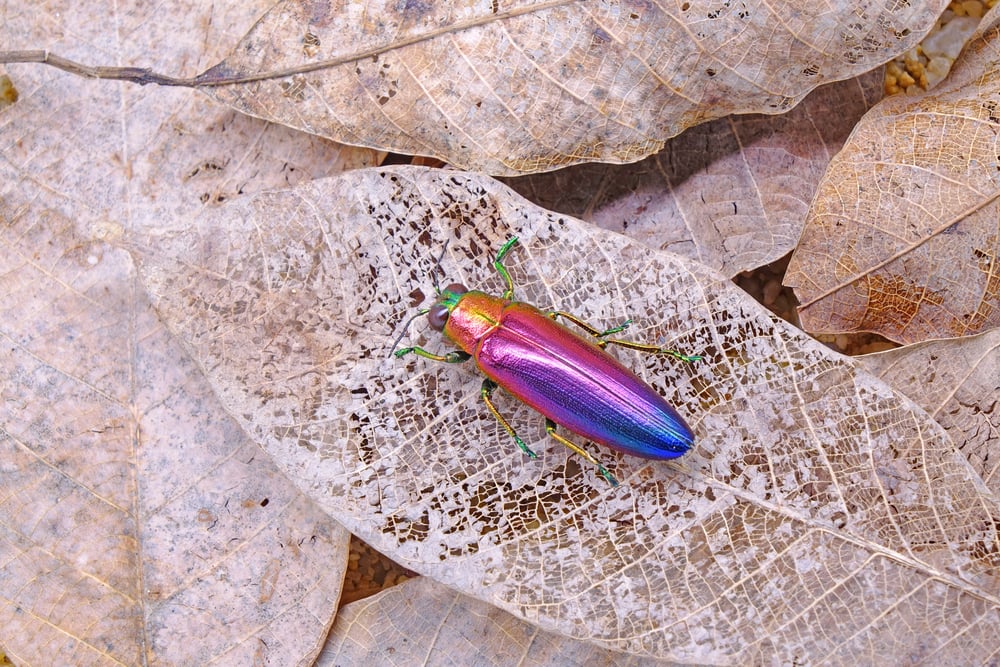
This Australian insect can detect forest fires from distances of up to 50 miles away using special infrared sensors on its body. The beetles are attracted to burnt wood where they lay their eggs, and their heat-detecting organs help them find recent burn sites before other insects arrive.
These sensors are so precise they can distinguish between different types of fires and even detect hot spots within a cooling fire zone. The technology has inspired engineers designing new types of infrared detectors for firefighting equipment.
Salmon
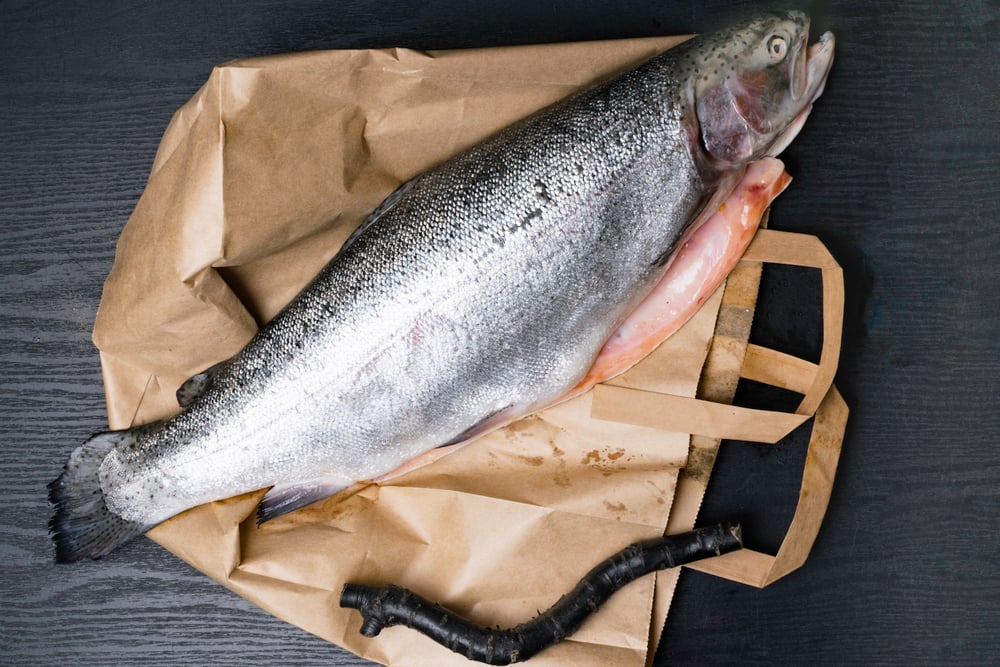
These fish navigate thousands of miles across open ocean and then find their way back to the exact stream where they were born using their sense of smell. A salmon can detect and remember the unique chemical signature of its home stream, identifying it among thousands of other waterways.
Their olfactory system is so powerful they can sense specific compounds at concentrations as low as one part per billion. This incredible smell memory guides them upstream to spawn in the same location their parents did.
Turkish Angora cat

While not as rare as other animals on this list, Turkish Angora cats with odd eyes (one blue, one amber) often have exceptionally sharp hearing that exceeds typical feline abilities. These cats can hear frequencies up to 64,000 Hz, much higher than the 20,000 Hz limit for humans.
They can pinpoint the exact location of a mouse rustling under leaves from several yards away by processing the tiny differences in sound reaching each ear. Many white Turkish Angoras with blue eyes are deaf, making those with functioning hearing even more unusual.
Portia spider
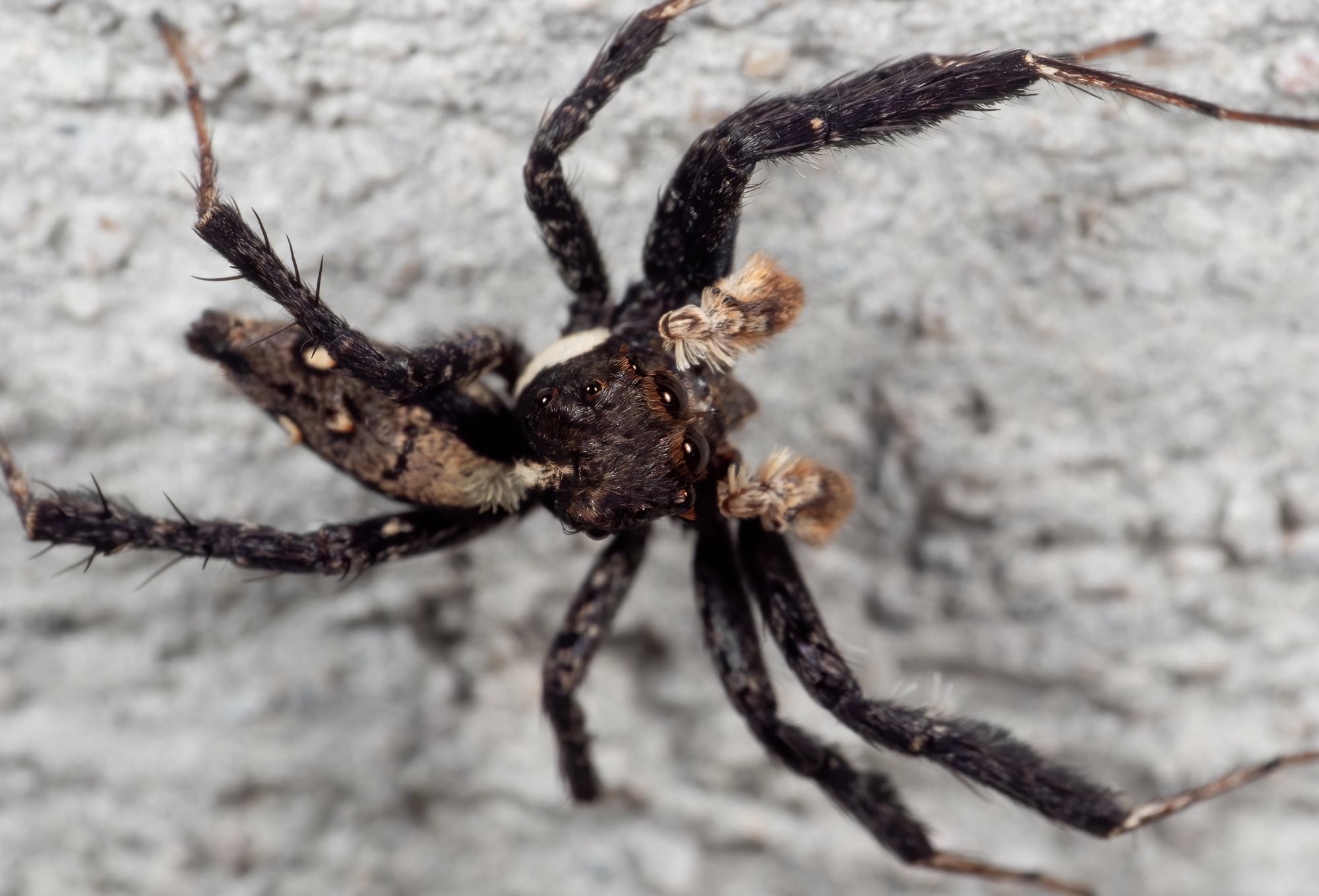
This little jumper sees so well it picks out single targets, then plots smart ways to strike. Instead of just charging in, Portia uses its eight eyes – watching many angles at once – to build sharp 3D views around it.
From afar, they scan rival webs carefully, working out how to sneak close without getting caught. Not only that, but they recall what worked before, tweaking their moves when needed.
Leafcutter ant

These hardworking bugs track smell paths left by fellow ants with surprising accuracy – yet some carry an extra trick up their sleeves. Instead of relying only on odors, leafcutters pick up polarized sunlight through the haze above.
Their multi-lensed eyes sort out light patterns that show where the sun hides behind clouds. Because they’ve got both methods, getting to snacks and back home stays quick and smooth.
Black dragonfish

Down in the dark ocean, where nearly every animal spots things using just blue glow, the black dragonfish makes its own red light – and can detect it too. Because of this odd trick, it lights up dinner without warning targets.
A lot of deep-water life doesn’t pick up on red wavelengths, so this sense sets the predator apart when chasing meals. It’s like having hidden flashlights in total darkness – while everyone else stumbles around clueless.
Duck-billed platypus – also seen in tadpole shrimp form
This old-school sea creature’s stuck around mostly the same for more than 200 million years – thanks to super sharp senses. Instead of just waiting, the shrimp picks up chemical shifts in short-lived puddles, knowing exactly when to pop out of tough eggs after dry spells.
While others struggle, its split eyes catch UV trails on water, guiding it straight to tiny meals floating by. On top of that, these built-in detectors give it a full update on what’s happening in its wild, shifting desert home.
Ribbon eel
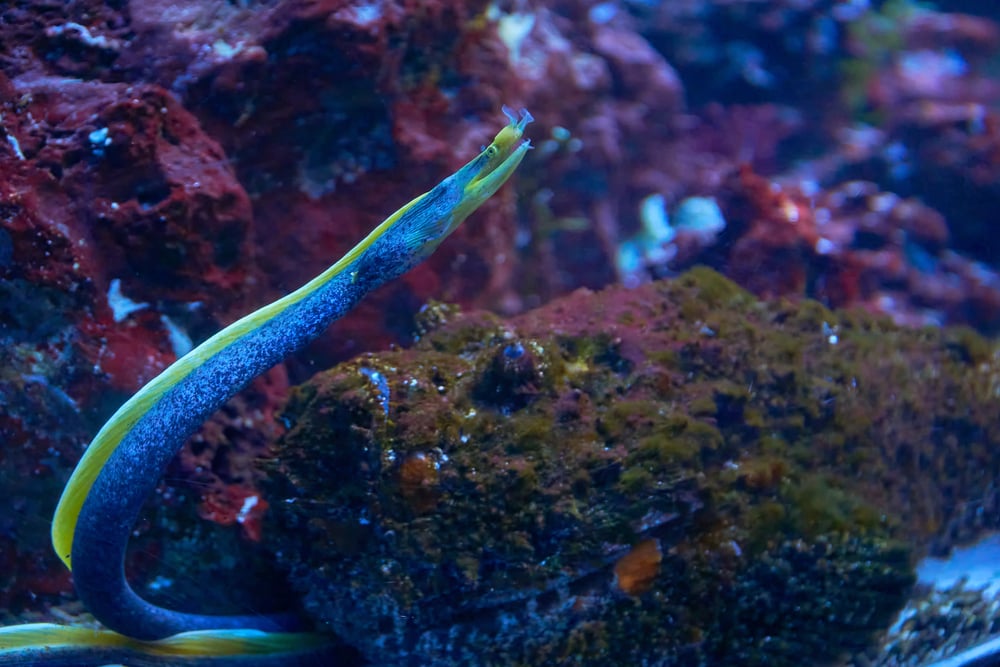
These thin, snake-like eels rely heavily on their sharp sense of smell along with a knack for picking up electric signals – much like sharks do. When vision fails, they track tiny fish tucked into cracks in coral by sensing their natural body currents.
Instead of seeing, they “feel” prey through weak electrical pulses given off by living creatures nearby. In busy reef zones packed with neighbors, ribbon eels tell each other apart using scent trails left behind in the water.
By blending electric clues with chemical cues, these predators navigate tight spaces easily while hunting across layered underwater landscapes.
Greater wax moth
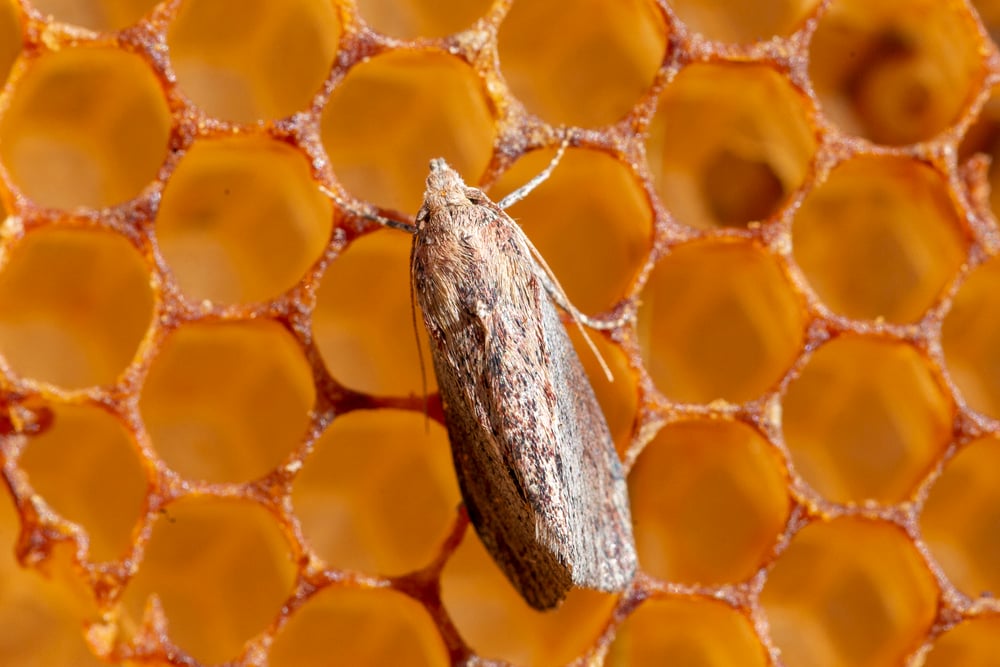
This little bug beats every animal when it comes to picking up super high-pitched noises. These wax moths catch sounds as sharp as 300,000 Hz – way past what others sense.
Because bats hunt them, they’ve developed ultra-keen ears over time, helping them dodge attacks just in time. Their eardrums are so fine-tuned, they tell one bat’s cry apart from another’s.
Nature’s sensory achievements
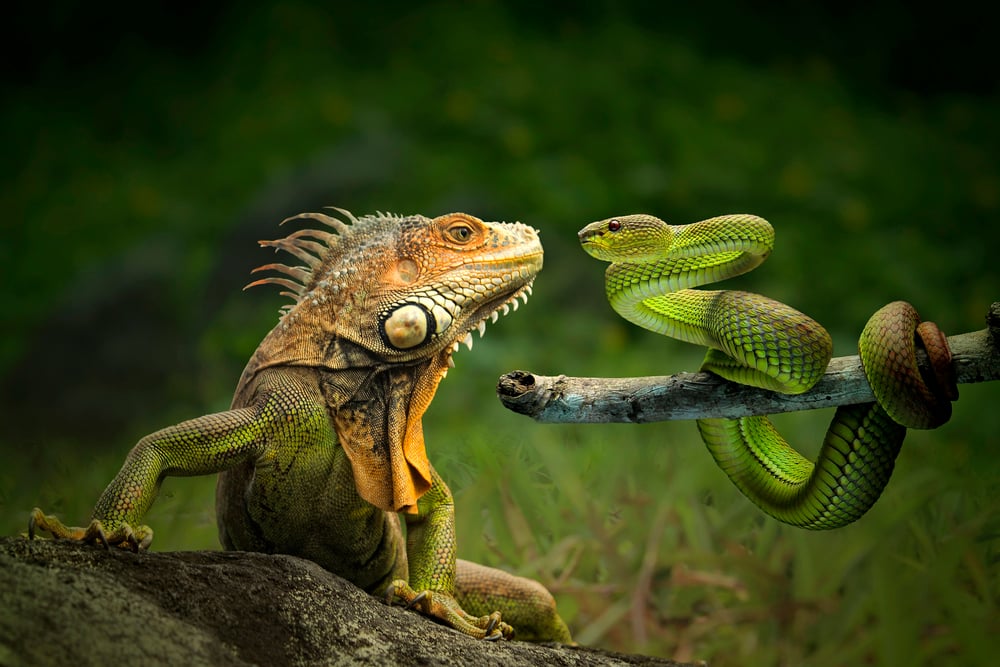
The creatures we’re talking about show how nature finds ways tailored exactly to what each one faces. Not just sight or sound – some pick up electric signals, heat patterns, even invisible scent paths.
People miss all this stuff because our senses don’t reach that far. These odd skills prove there’s way more going on around us than we realize.
Staying alive sometimes means noticing things most others simply can’t.
More from Go2Tutors!

- The Romanov Crown Jewels and Their Tragic Fate
- 13 Historical Mysteries That Science Still Can’t Solve
- Famous Hoaxes That Fooled the World for Years
- 15 Child Stars with Tragic Adult Lives
- 16 Famous Jewelry Pieces in History
Like Go2Tutors’s content? Follow us on MSN.



