15 Dishes Only Expert Chefs Dare Attempt
Some recipes exist to humble even the most confident cook. These are the dishes that separate home cooks from seasoned professionals — the ones that require years of training, perfect timing, and nerves of steel.
While anyone can attempt them, only those with genuine expertise should expect to succeed. Here are the culinary challenges that make even veteran chefs break into a cold sweat.
Beef Wellington
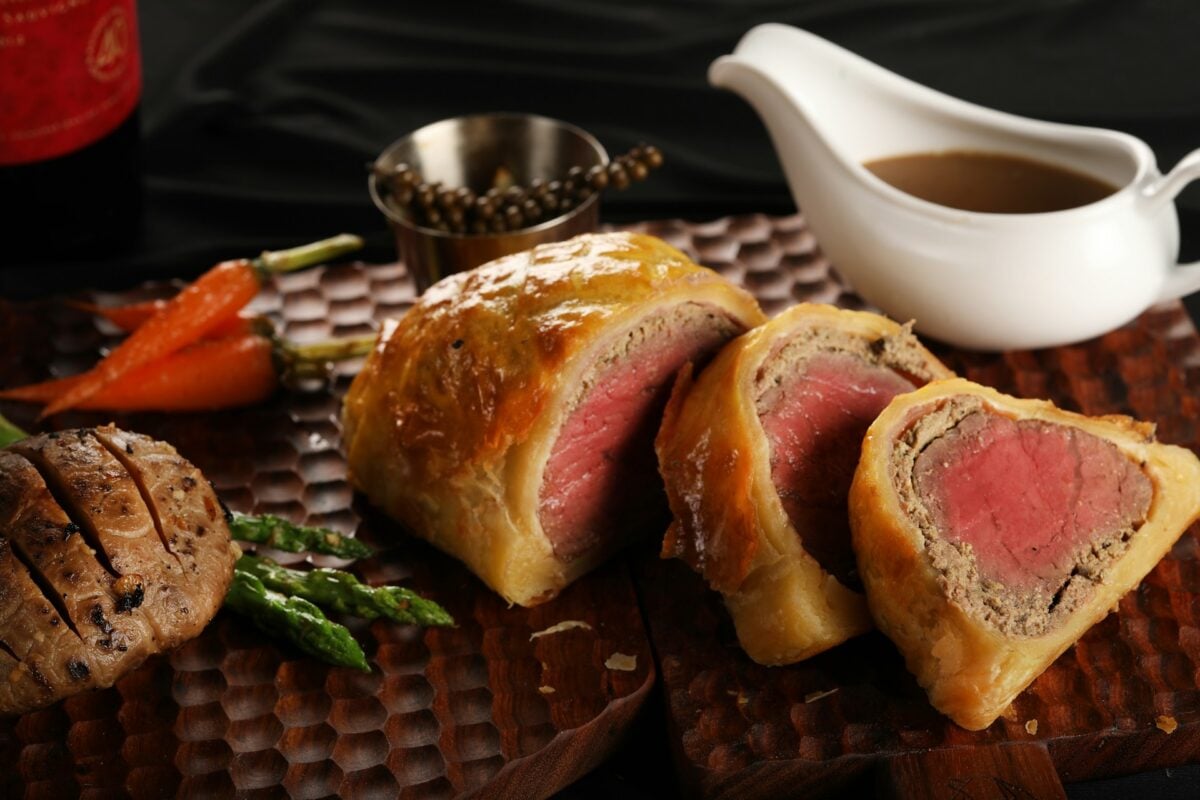
The pastry has to be perfect. Too thick and it steals the show.
Too thin and it falls apart. The beef needs to hit medium-rare without fail, which means calculating backwards from doneness while accounting for carryover heat, pastry baking time, and the insulation effect of the duxelles layer.
Croquembouche
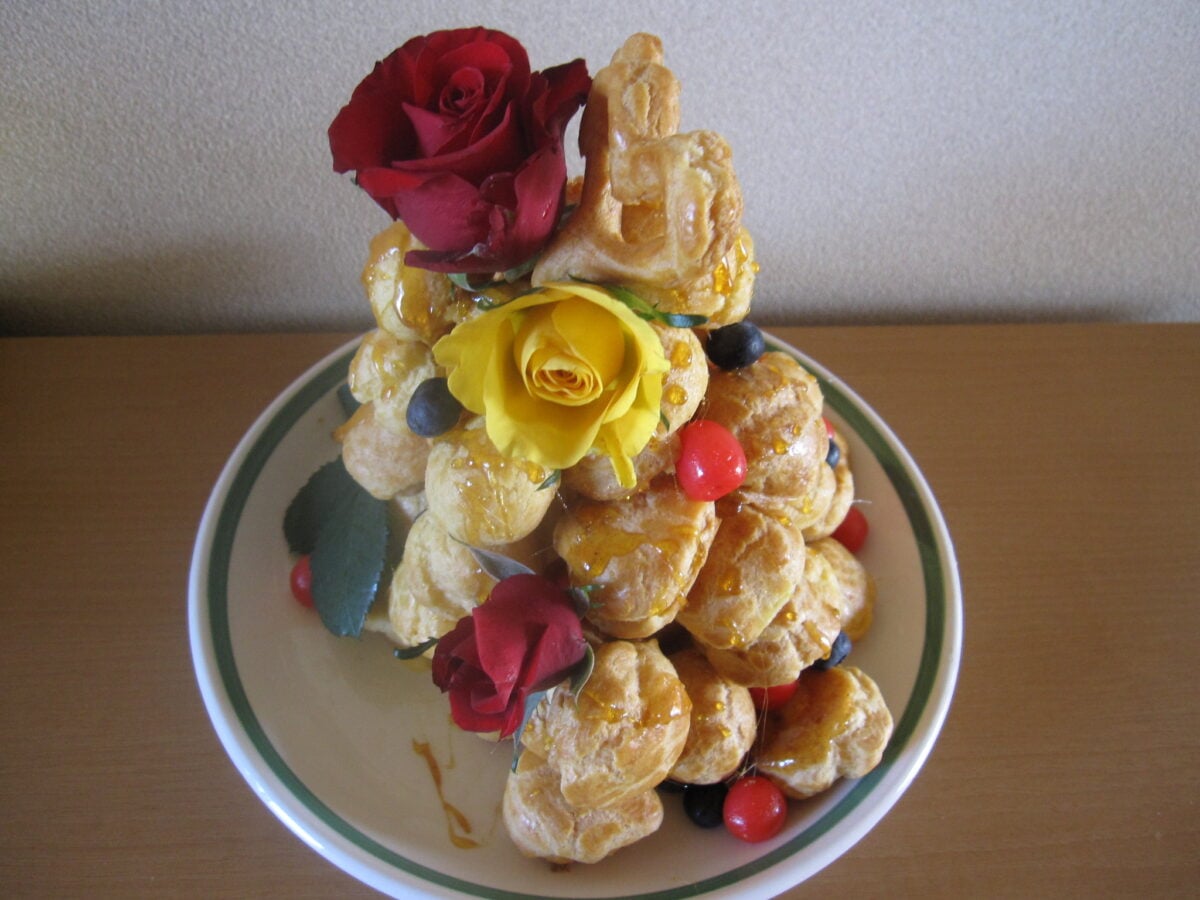
Building a tower of cream puffs held together with molten sugar sounds whimsical until you’re actually doing it — and the caramel (which reaches hard crack stage around 300-310°F) starts hardening before you can position the next choux. The whole thing can collapse if one puff is poorly placed, and there’s no fixing it once the sugar sets.
So you work fast, despite knowing that haste usually ruins everything in pastry work.
Soufflé
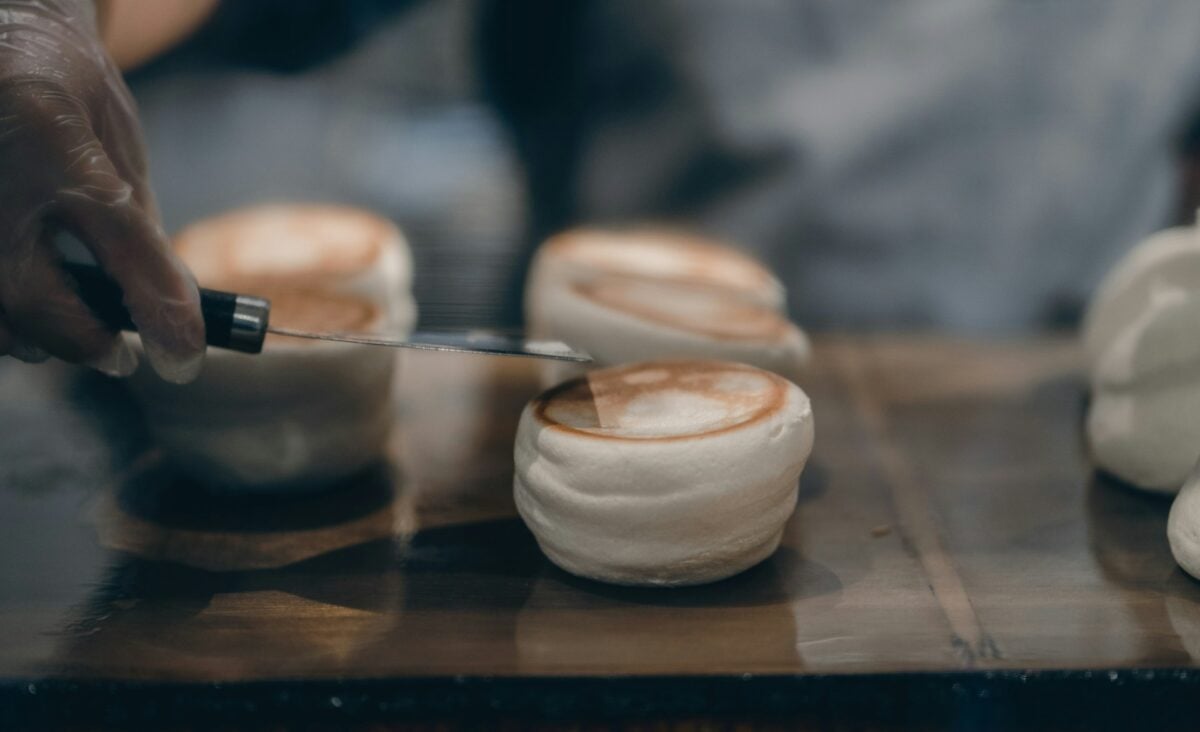
There’s something almost vindictive about how a soufflé punishes the smallest mistake. The egg whites demand perfect peaks — not under-whipped, not broken from overzealousy — and the base must be the exact temperature to fold without deflating the whole enterprise.
Then comes the oven door dilemma: peek too early and it falls, wait too long and it’s overdone. The soufflé doesn’t negotiate.
It either rises triumphantly or becomes an expensive scrambled egg, and it makes this decision without consulting you.
Duck Confit
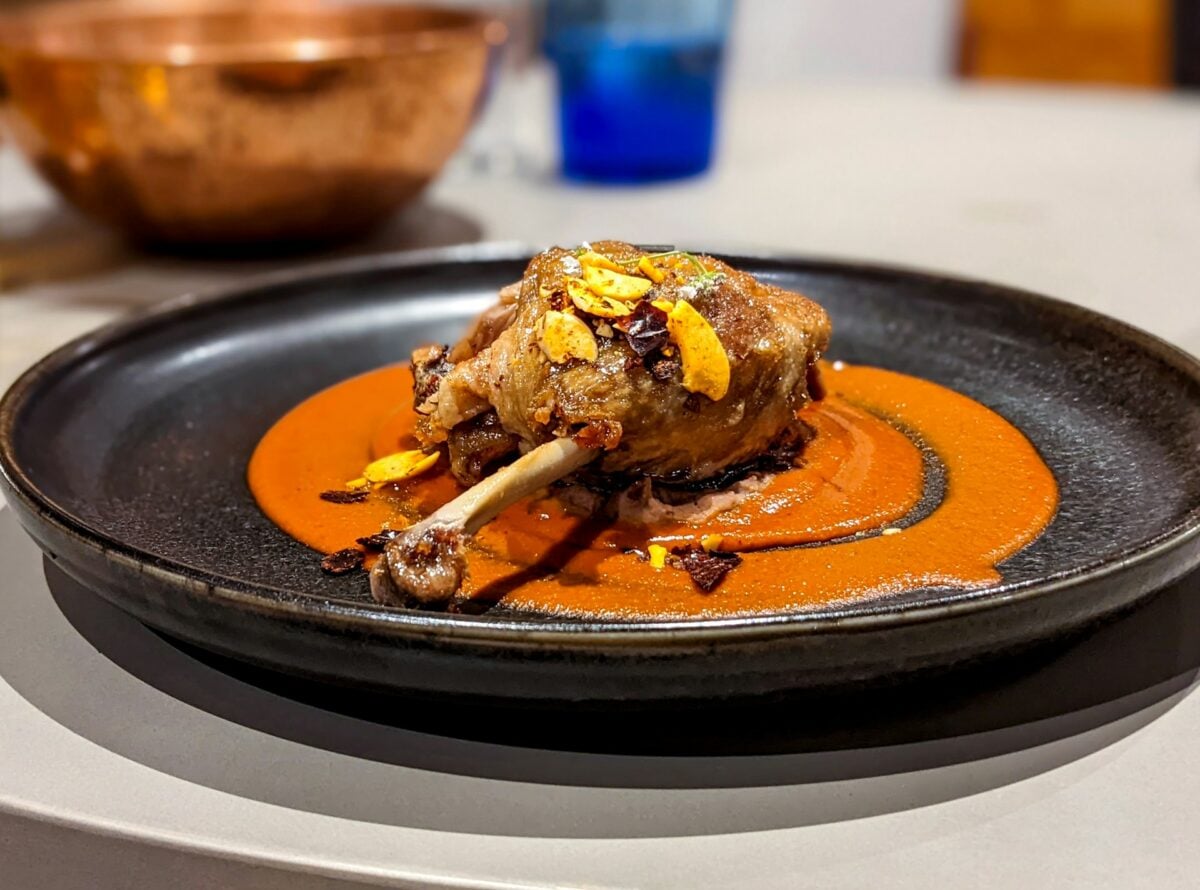
Duck confit demands the patience of a monk and the precision of a surgeon. The duck legs cure for twenty-four hours minimum, then cook in their own fat at 200°F for hours — low enough that a slight temperature swing ruins months of work.
Most home ovens can’t maintain that steady heat, and the fat temperature is everything.
Consommé
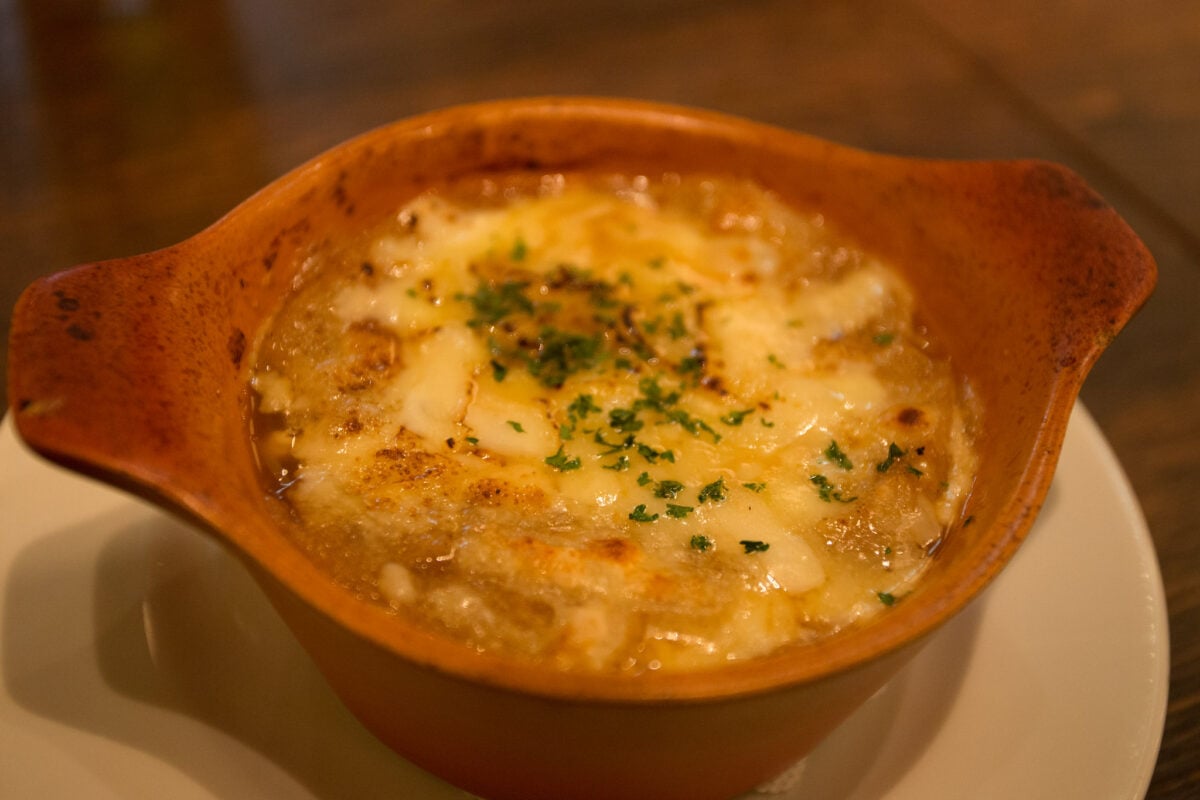
A perfect consommé should be crystal clear. That clarity comes from a technique called clarification, where egg whites and aromatics form a “raft” that slowly filters the stock as it simmers.
Disturb that raft even slightly and the whole batch turns cloudy (the culinary equivalent of a muddy pond, which is exactly as appetizing as it sounds). The process takes hours and cannot be rushed, corrected, or faked.
Lobster Thermidor
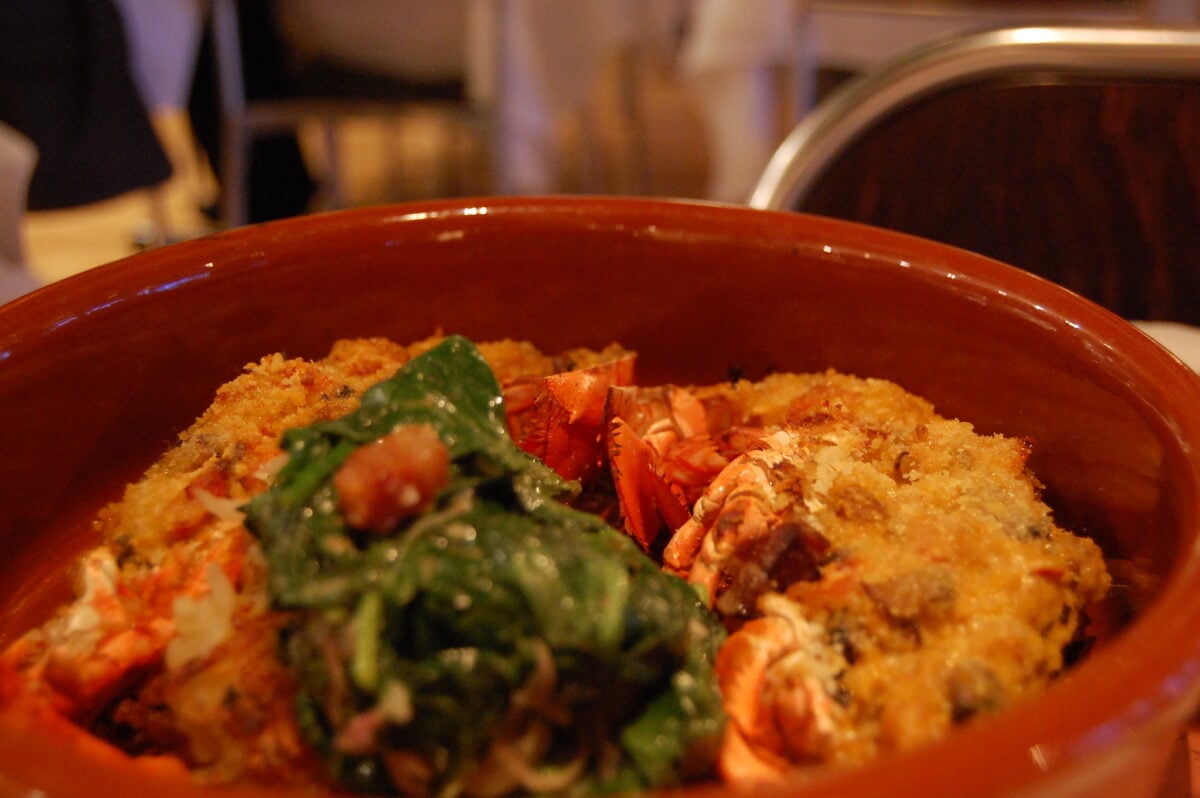
The lobster meat gets removed from the shell, mixed with a cream sauce, then returned to the shell and finished under the broiler — but lobster goes from perfectly cooked to rubber in about thirty seconds. And that cream sauce (a béchamel enriched with egg yolks and wine) breaks if it gets too hot, curdles if the acid balance is wrong, and turns grainy if the eggs cook too fast.
So you’re managing multiple moving parts, all with different failure points, all happening simultaneously.
Croissants
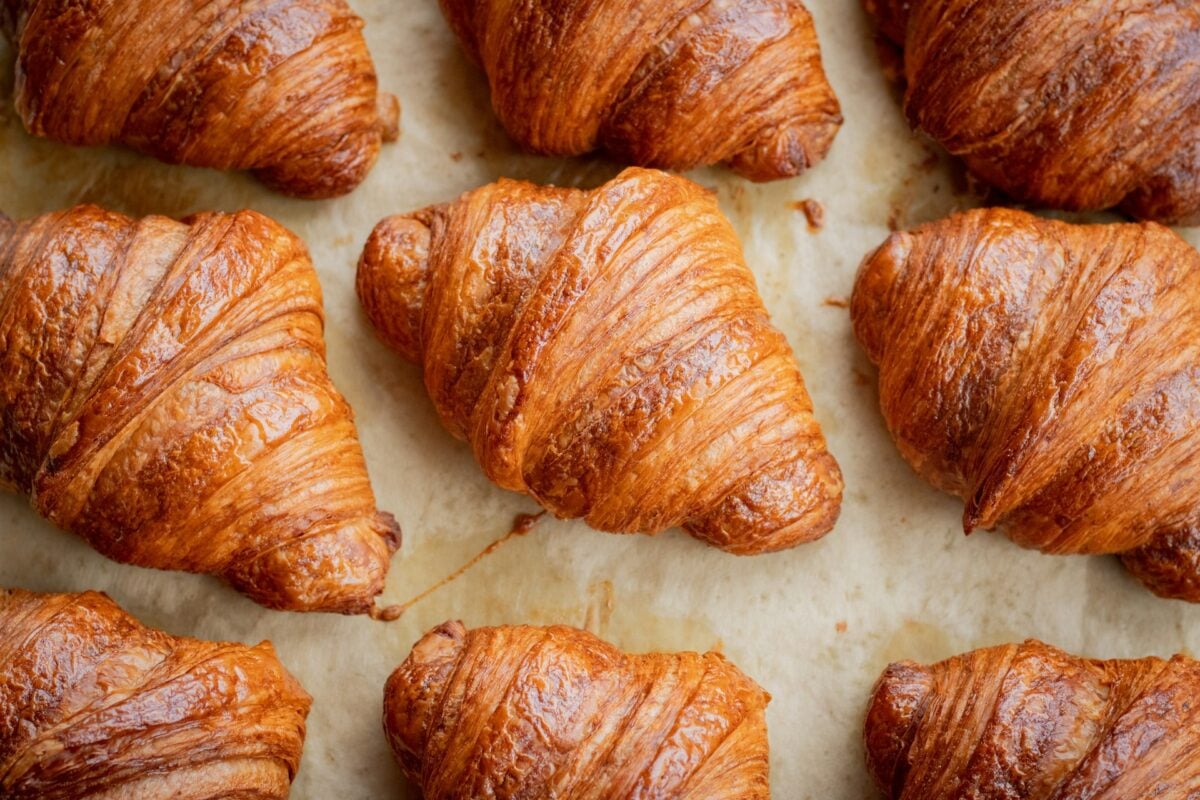
Laminated dough is an exercise in controlled chaos. The butter has to be exactly the right temperature — pliable enough to roll but firm enough not to melt into the dough.
Too warm and it breaks through the dough, creating greasy bread. Too cold and it shatters, leaving you with buttery chunks instead of layers.
The process requires three separate folds over several hours, with precise resting times between each. Room temperature matters.
Humidity matters. The phase of the moon probably matters.
Coq au Vin
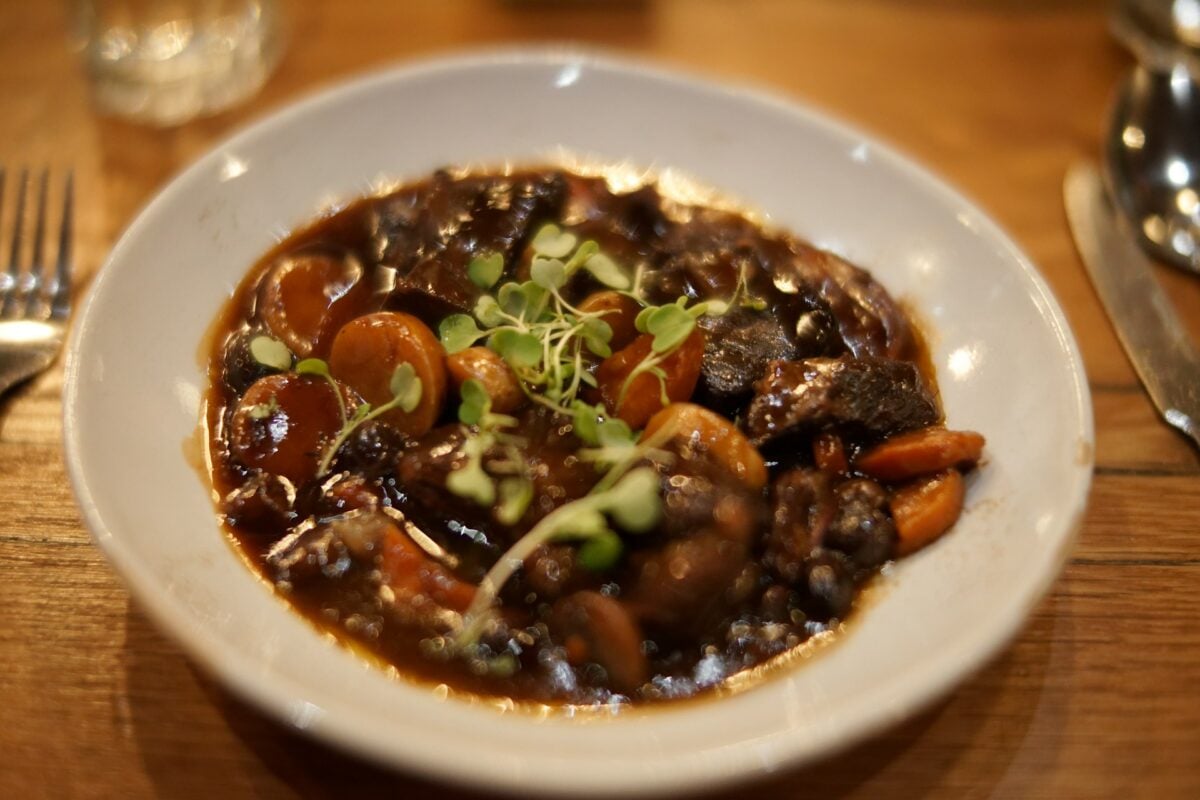
Coq au Vin pretends to be rustic French comfort food, but it’s actually a masterclass in building flavors without masking them. The wine reduction has to concentrate the alcohol away while keeping the fruit, the chicken must stay moist while absorbing the sauce, and the garnish vegetables need to be perfectly cooked without falling apart.
Get the balance wrong and it tastes like chicken soup with a wine problem.
Baked Alaska
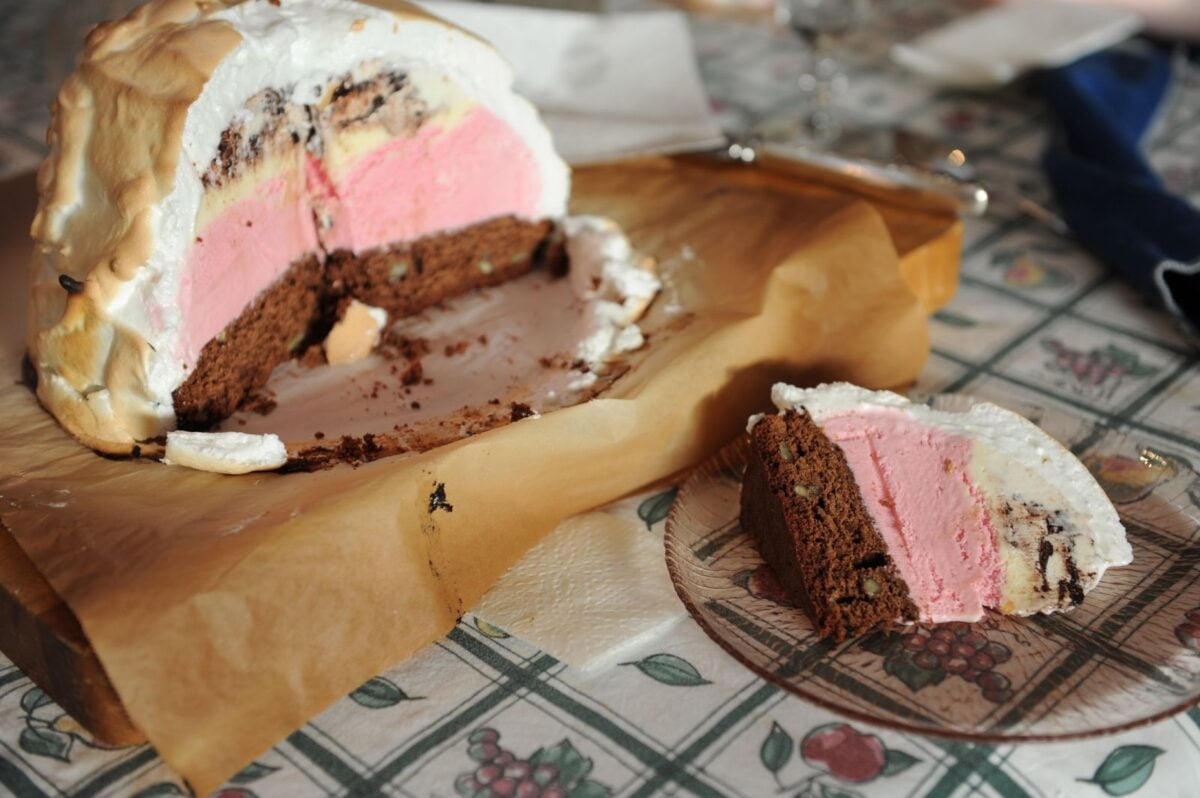
Fire and ice rarely cooperate, which makes Baked Alaska either spectacular or catastrophic. The ice cream has to stay frozen while the meringue browns under the broiler — a neat trick that requires perfect insulation and precise timing.
Most attempts end with either melted ice cream or burnt meringue, occasionally both. The temperature differential alone should make this impossible, yet somehow it works when done correctly.
Risotto
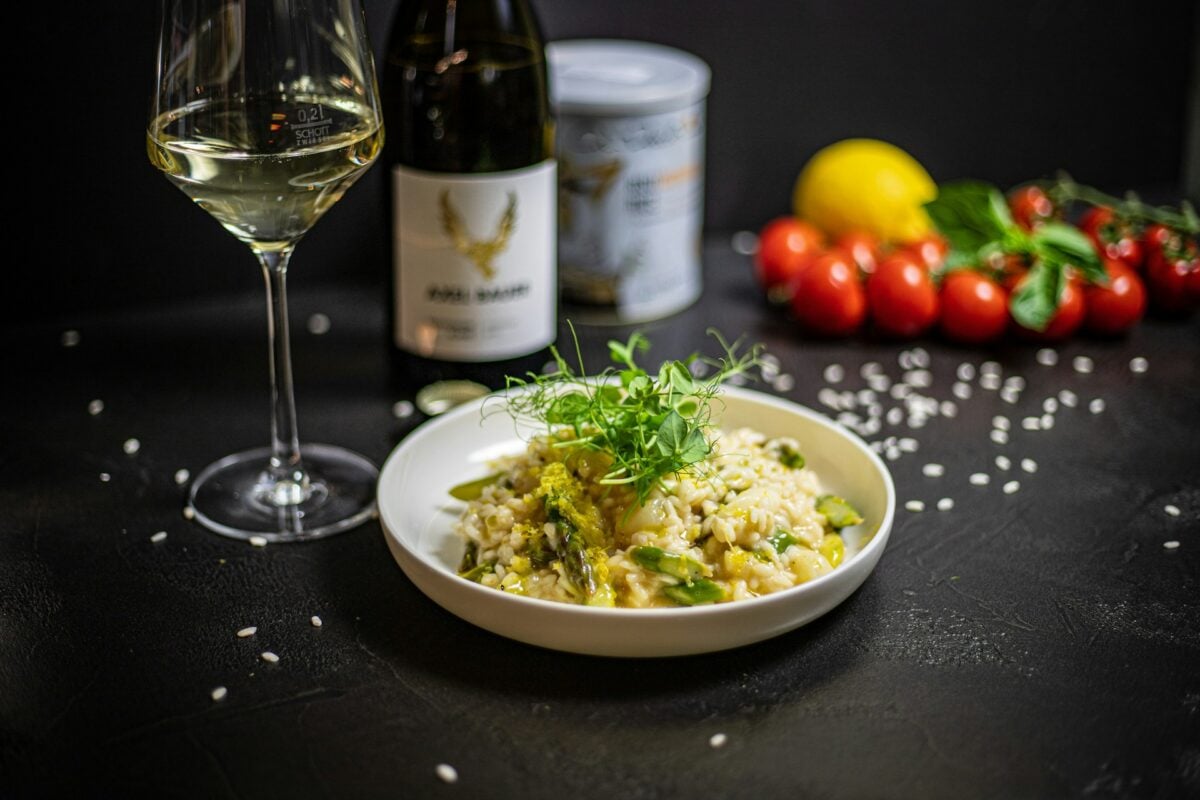
Risotto teaches patience to people who don’t want to learn it. The rice gets toasted first, then liquid gets added one ladle at a time, stirred constantly, waiting for each addition to absorb before adding the next.
This takes roughly twenty minutes of continuous stirring — no multitasking, no shortcuts. Stop stirring and it sticks.
Add liquid too fast and it becomes soup. Add it too slow and it seizes up.
The final texture should be creamy but with each grain still distinct, which sounds simple until you’re trying to achieve it.
Eggs Benedict
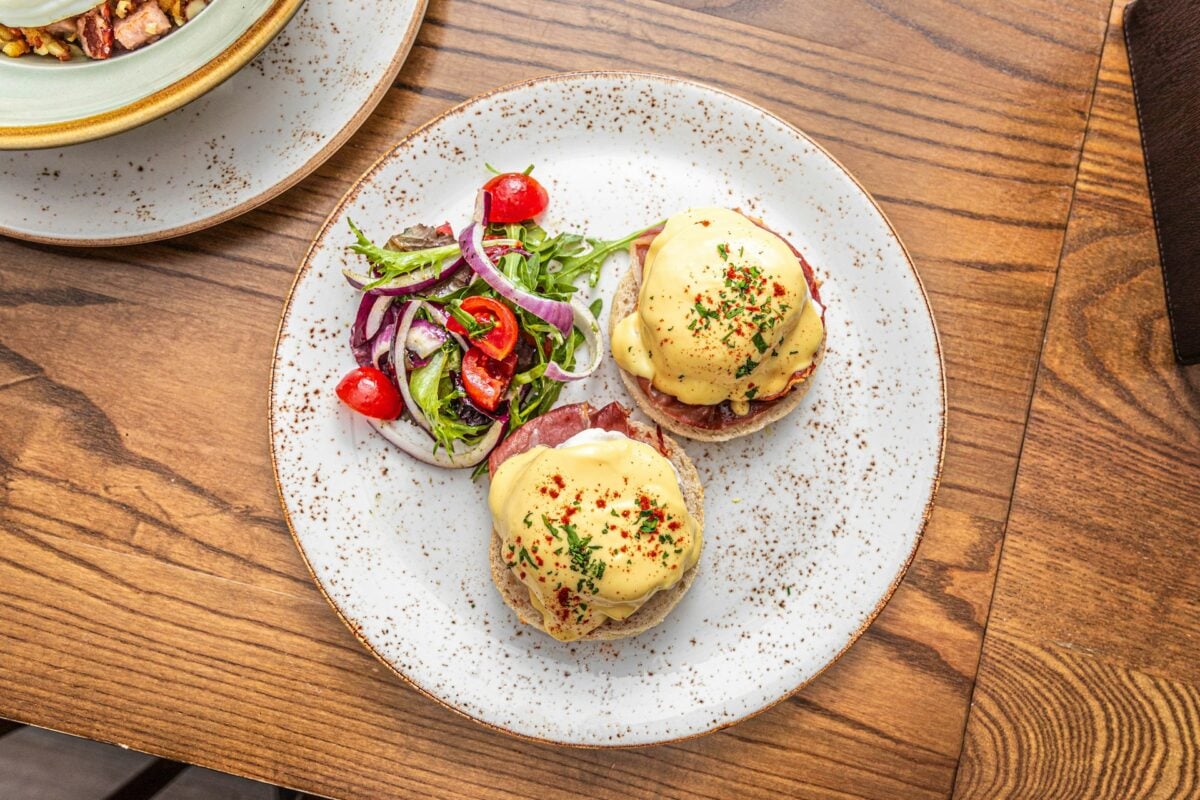
Hollandaise sauce is basically controlled mayonnaise made with hot butter instead of oil — which means it has all the failure modes of mayonnaise plus the additional challenge of temperature control. Too hot and the eggs cook, too cool and it won’t emulsify.
The poached eggs need to be perfect, the English muffins toasted just right, and everything has to come together simultaneously because hollandaise doesn’t wait and poached eggs don’t reheat.
Turducken
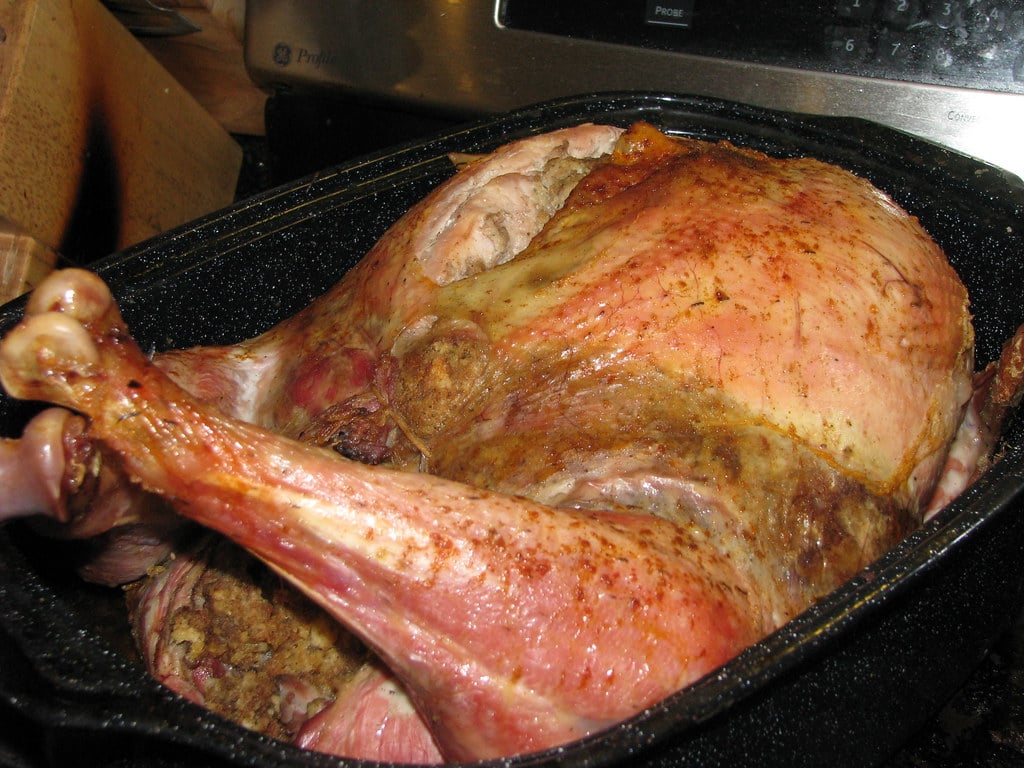
Deboning three birds without tearing the skin requires the steady hands of a surgeon and the anatomical knowledge to match. Then comes the stuffing and rolling, which has to be tight enough to hold together but not so compressed that it won’t cook evenly.
The real challenge is getting the turkey cooked through while keeping the duck and chicken from drying out — three different proteins with three different cooking requirements, all nested inside each other.
Macarons
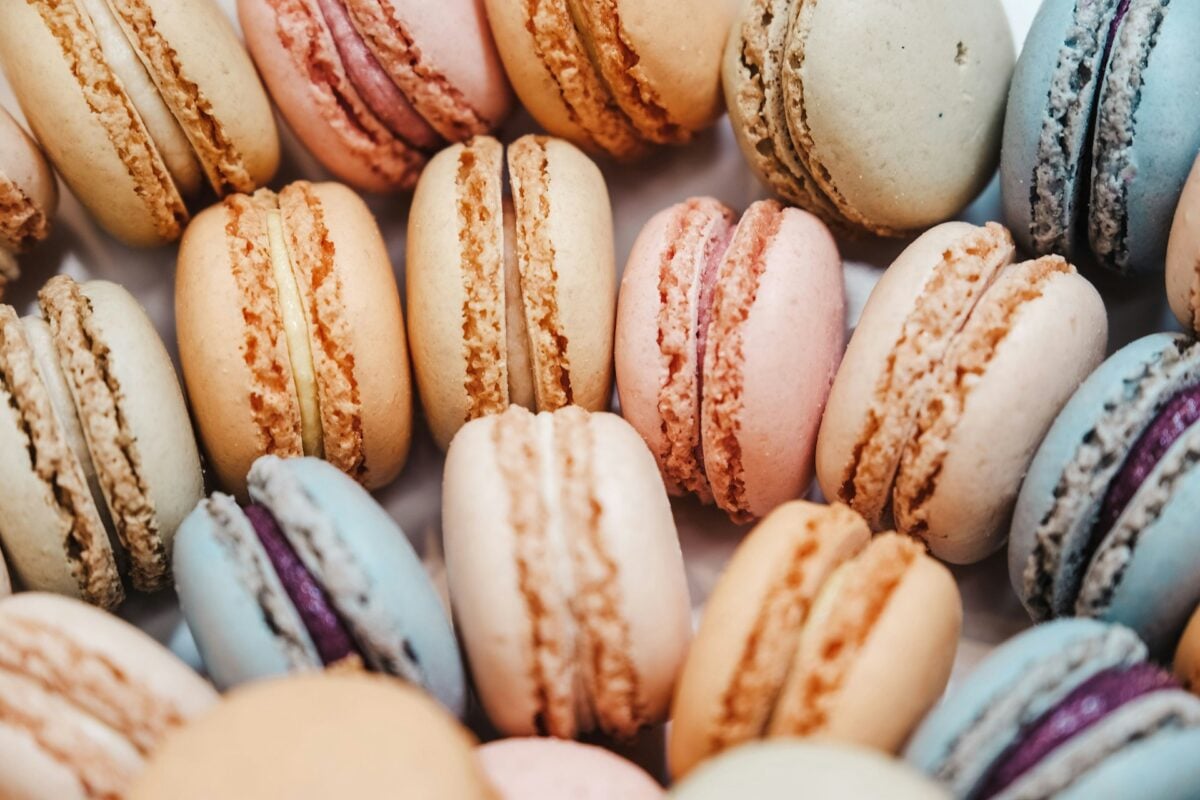
French macarons are basically edible chemistry experiments. The almond flour has to be aged and sifted to specific consistency, the meringue whipped to exact peaks, and the macaronage (the folding technique) done with precisely the right number of strokes — too few and they don’t develop properly, too many and they deflate.
Then they need to develop a skin before baking, which depends on humidity, temperature, and factors that seem almost mystical. Even experienced pastry chefs have batches fail for reasons they can’t explain.
Beef Bourguignon
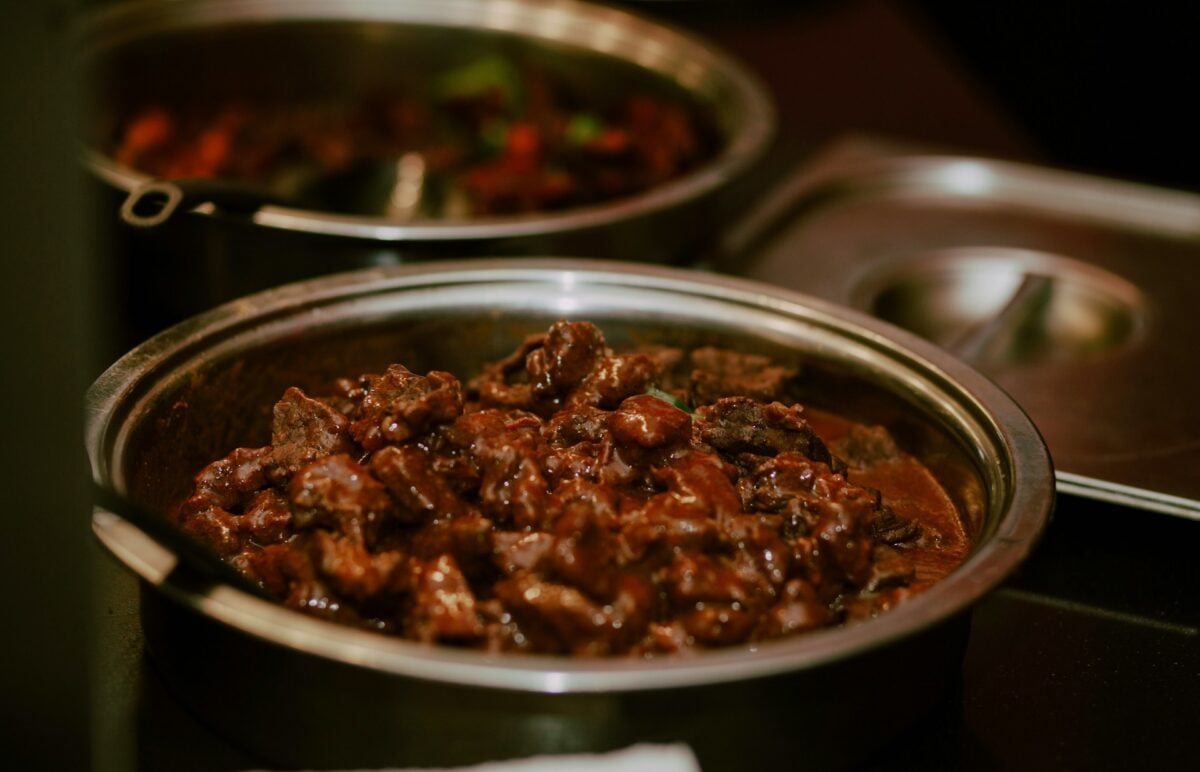
This isn’t just beef stew with wine. The beef gets seared, then braised in red wine that’s been reduced separately, with pearl onions and mushrooms added at precisely the right moment so they don’t turn to mush.
The sauce needs to be rich enough to coat the back of a spoon but not so thick it becomes gravy. Julia Child’s recipe runs to several pages for good reason — every step matters, and shortcuts lead to disappointment.
Chocolate Soufflé
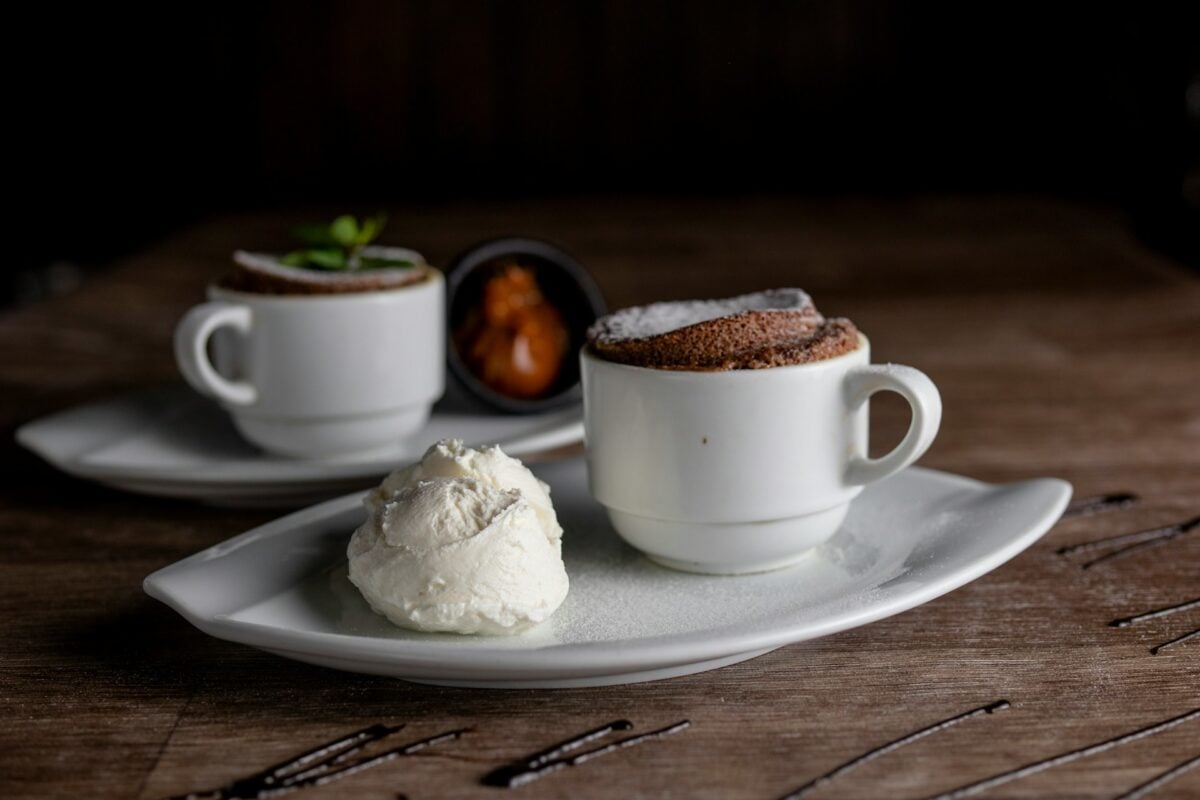
If regular soufflés are temperamental, chocolate soufflés are downright moody. The chocolate base has to be the perfect consistency before the egg whites get folded in — too thick and the whites won’t incorporate, too thin and the whole thing collapses.
The oven temperature is critical, the timing is unforgiving, and chocolate burns more easily than vanilla bases. Even when everything goes right, you have about a three-minute window between perfect and deflated.
The Courage to Fail
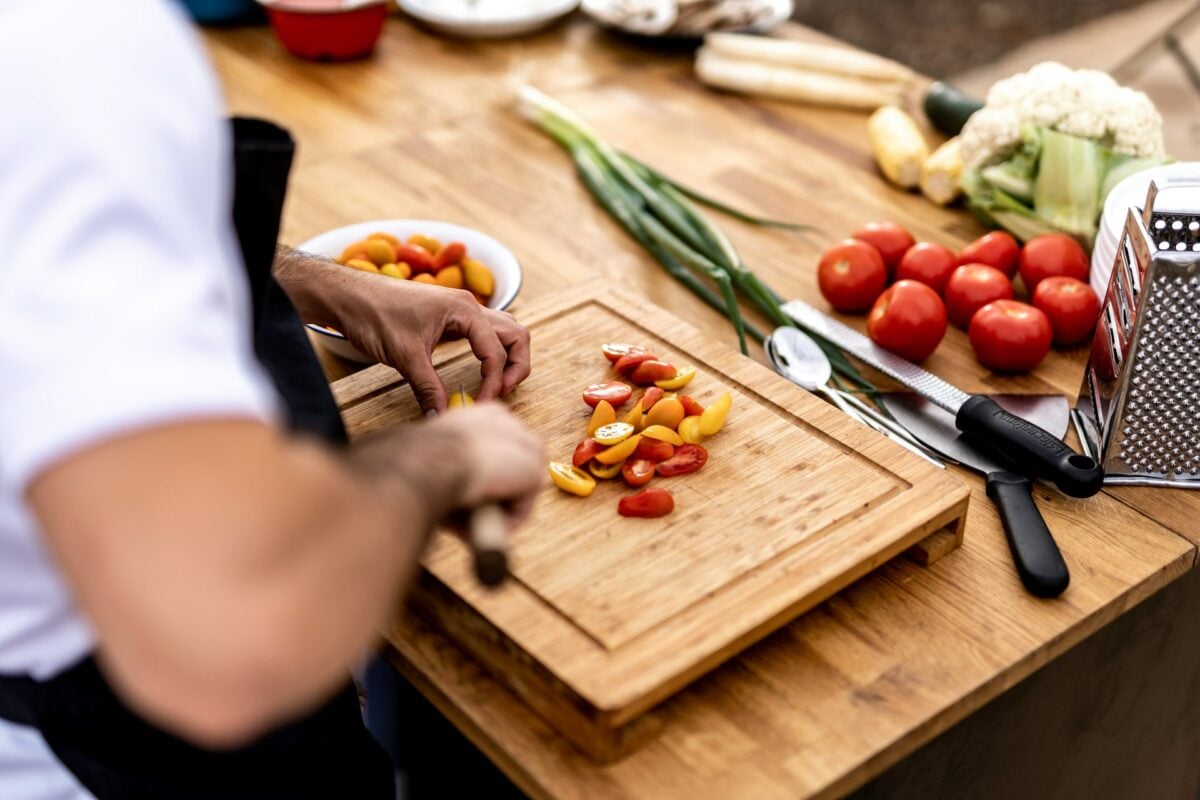
These dishes don’t just test technique — they test nerve. Every professional chef has stories about the Wellington that leaked, the consommé that went cloudy, the soufflé that fell five minutes before service.
But that’s exactly why they’re worth attempting. They don’t just separate amateur from professional; they separate those who cook from fear from those who cook despite it.
More from Go2Tutors!

- The Romanov Crown Jewels and Their Tragic Fate
- 13 Historical Mysteries That Science Still Can’t Solve
- Famous Hoaxes That Fooled the World for Years
- 15 Child Stars with Tragic Adult Lives
- 16 Famous Jewelry Pieces in History
Like Go2Tutors’s content? Follow us on MSN.