16 Rare Cars From the 70s You Never See Anymore
The automotive sector had an interesting time in the 1970s. Manufacturers created some very unique cars in the 1980s, sandwiched between the fuel-efficient revolution and the muscle car boom of the 1960s.
With their geometric designs, striking hues, and occasionally dubious engineering decisions, several of these vehicles helped to define the time. Many of these iconic vehicles have suffered from the passage of time, but they once dominated American highways.
This is a list of sixteen rare 1970s cars that are now all but extinct on our roads.
AMC Pacer

The AMC Pacer stood out with its fishbowl design and asymmetrical doors when it debuted in 1975. Often called ‘the world’s first wide small car,’ its unusual proportions and massive glass area made it instantly recognizable.
Production ended after just five years with fewer than 280,000 units made, and rust issues claimed many survivors.
Bricklin SV-1
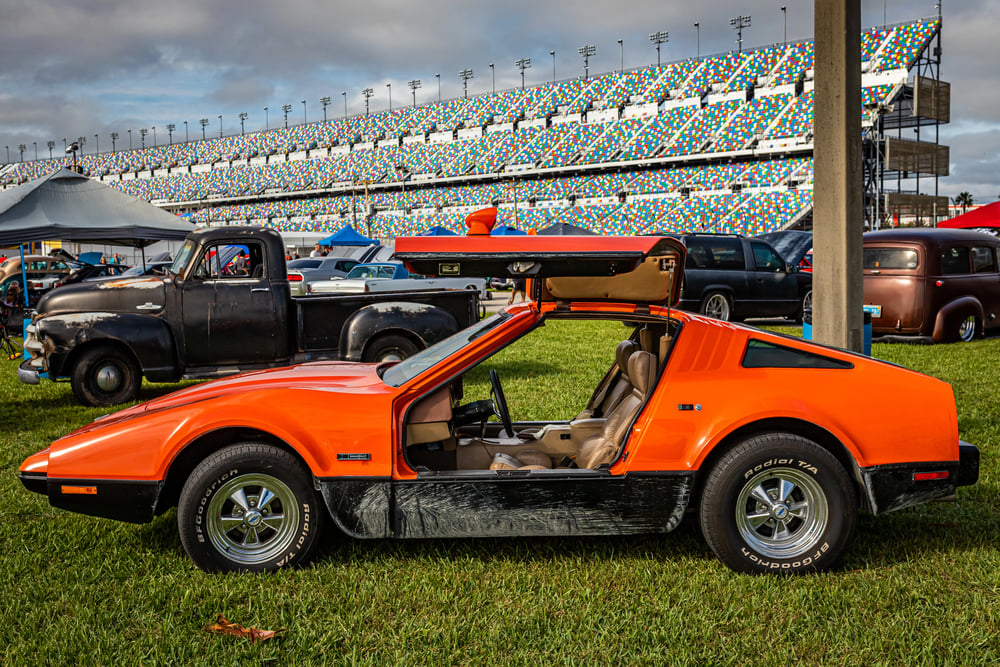
The safety-focused Bricklin SV-1 featured gull-wing doors and an integrated roll cage years before the DeLorean. Canadian entrepreneur Malcolm Bricklin envisioned it as the safest sports car ever built, with its name literally standing for ‘Safety Vehicle One.’
Only about 2,850 were produced between 1974 and 1976 before the company went bankrupt.
Chevrolet Monza
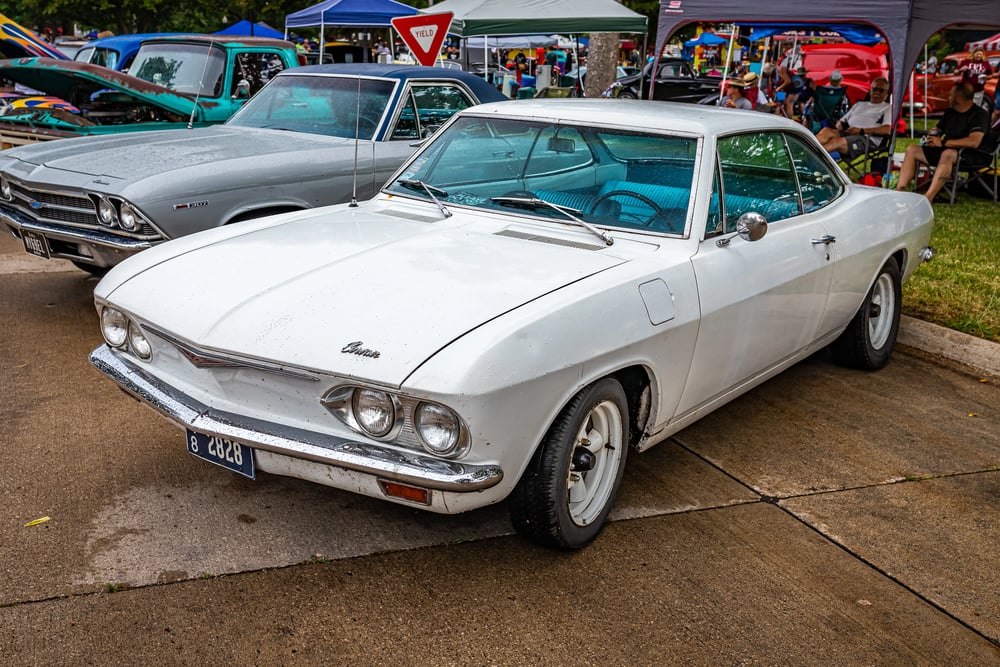
The Monza, a sportier, smaller alternative, debuted in 1975 and was based on the infamous Chevy Vega platform. At first, its streamlined design drew customers seeking European flair without the cost.
Even though it sold over 300,000 units in its peak year, surviving examples are becoming harder to find due to engine fires and difficult maintenance procedures.
Datsun F10

With its dramatically sloping front end and round headlamps, the Datsun F10 may be the most visually striking vehicle on this list. Customers were immediately divided by the economical car’s strange stylistic choices when it was first introduced in 1976.
Although its front-wheel-drive design was cutting edge for its day, rust issues and low production volumes have rendered it nearly extinct now.
De Tomaso Pantera
This Italian-American hybrid paired exotic styling with Ford’s reliable 351 Cleveland V8. Available through Lincoln-Mercury dealerships from 1971-1975, the Pantera offered supercar performance at a fraction of Ferrari prices.
Around 5,500 were imported to America, but their tendency to rust and mechanical complexity means few remain roadworthy today.
Ford Pinto Cruising Wagon
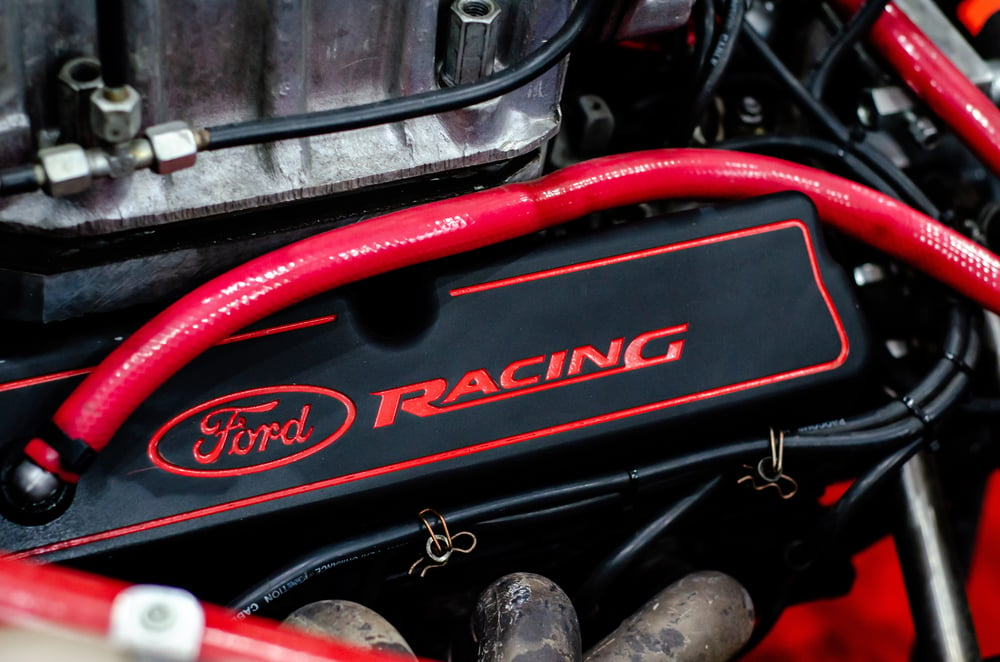
Ford’s attempt to make the humble Pinto cool resulted in this quirky ‘mini-van’ with porthole windows and wild custom paint options. Marketed toward young buyers, this compact wagon offered van-like utility with car-like handling.
The controversial reputation of the standard Pinto plus low production numbers has made surviving examples incredibly rare.
Jensen Interceptor
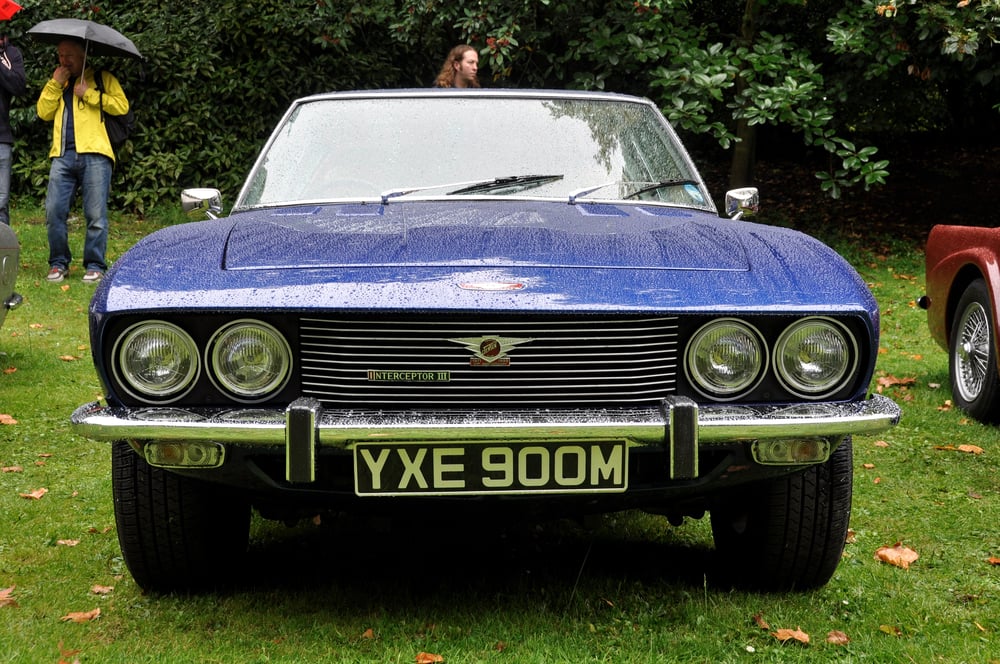
This British grand tourer combined European polish with American muscle by way of handcrafted coachwork and V8 power from Chrysler. Interiors included full leather-upholstered seats, wood veneers, and air conditioning as an option on all.
There were approximately 6,400 of all versions built, but maintenance issues and rust concerns have cut their numbers in half.
Lancia Beta
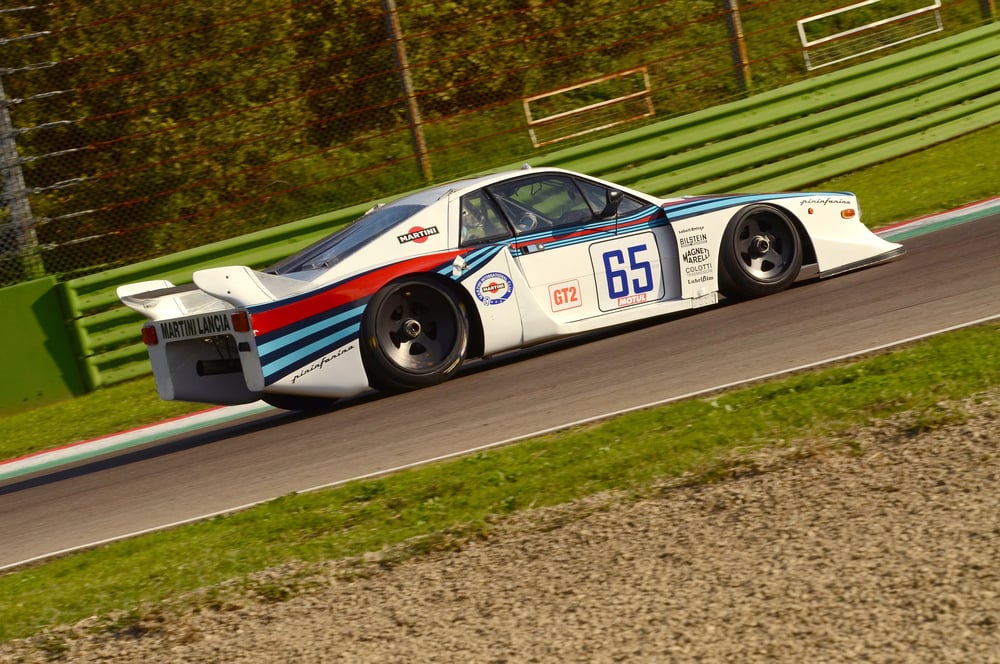
The Italian-made Beta represented Lancia’s first major project after Fiat’s takeover. Available in multiple body styles including coupes, sedans, and the innovative HPE shooting brake, these cars featured advanced engineering for their era.
Catastrophic rust problems even resulted in a UK buyback program, effectively wiping them from British roads within a decade.
Mazda RX-3

The rotary-powered RX-3 delivered sports car performance in a compact, affordable package when it arrived in 1971. Its Wankel engine produced impressive power from little displacement, making the lightweight coupe surprisingly quick.
Engine seal issues and the tendency for amateur racers to modify them heavily means unaltered examples are virtually nonexistent today.
Mercury Bobcat

This luxury version of the Ford Pinto added woodgrain trim and slightly nicer appointments to the compact platform. Introduced in 1974 as Mercury’s smallest offering, it never achieved the sales figures of its Ford counterpart.
The combination of limited production, the Pinto’s safety controversies, and natural attrition has made the Bobcat a rarely seen collector’s item.
Oldsmobile Starfire

Oldsmobile’s sporty compact shared its platform with the Chevrolet Monza but added more luxury touches and exclusive styling elements. Produced from 1975 to 1980, the Starfire represented Oldsmobile’s attempt to attract younger buyers.
Engine issues and the brand’s older demographic meant sales disappointed, with fewer than 125,000 total units produced.
Plymouth Cricket
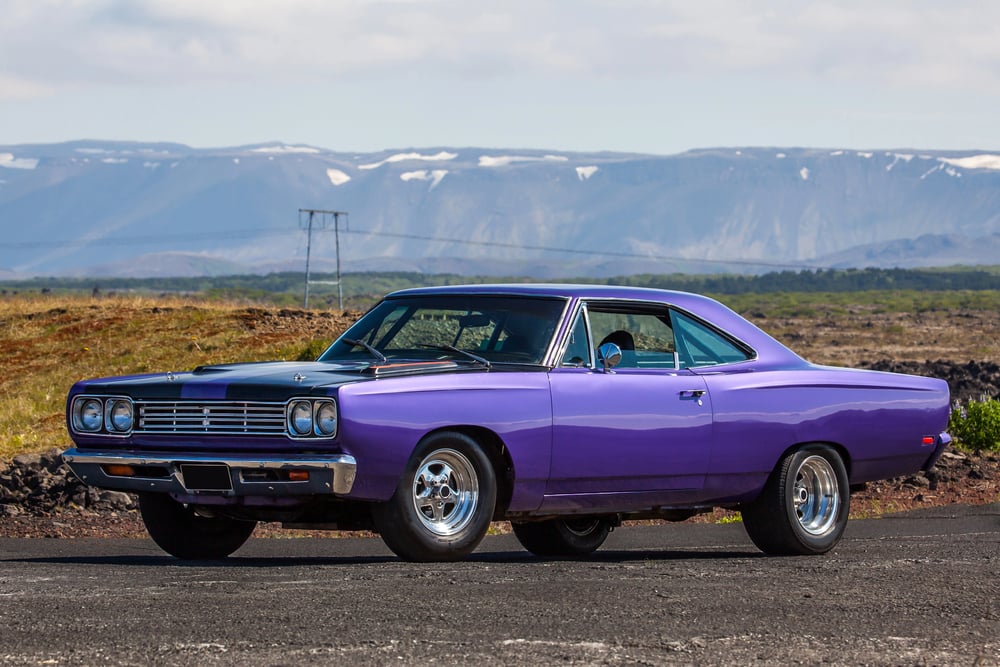
Essentially a rebadged British Hillman Avenger, the Cricket was Plymouth’s hasty answer to the import car boom. Introduced in 1971, this compact sedan suffered from quality control issues and struggled to compete with Japanese rivals.
Plymouth pulled it from the American market after just three years, making survivors extraordinarily rare.
Porsche 914

This mid-engine sports car was a joint venture between Porsche and Volkswagen, often maligned as ‘not a real Porsche’ during its production run. The entry-level 914/4 used a VW-sourced flat-four engine, while the more desirable 914/6 featured a proper Porsche six-cylinder.
Around 119,000 were built from 1969 to 1976, but rust issues and years of neglect have claimed many examples.
Triumph Stag

This elegant British convertible featured distinctive T-bar styling and a melodious V8 engine. Unfortunately, that same engine proved notoriously unreliable, with overheating problems and timing chain failures common from the factory.
Many surviving examples have been converted to Ford or Rover power, making original-specification Stags exceedingly rare finds.
TVR 2500M

This hand-built British sports car combined a lightweight fiberglass body with reliable Triumph mechanics. Production numbers were tiny, with fewer than 950 of all M-Series TVRs built during the entire 1970s.
The small manufacturer had limited distribution networks, making these cars rare even when new and virtual unicorns today.
Vector W2
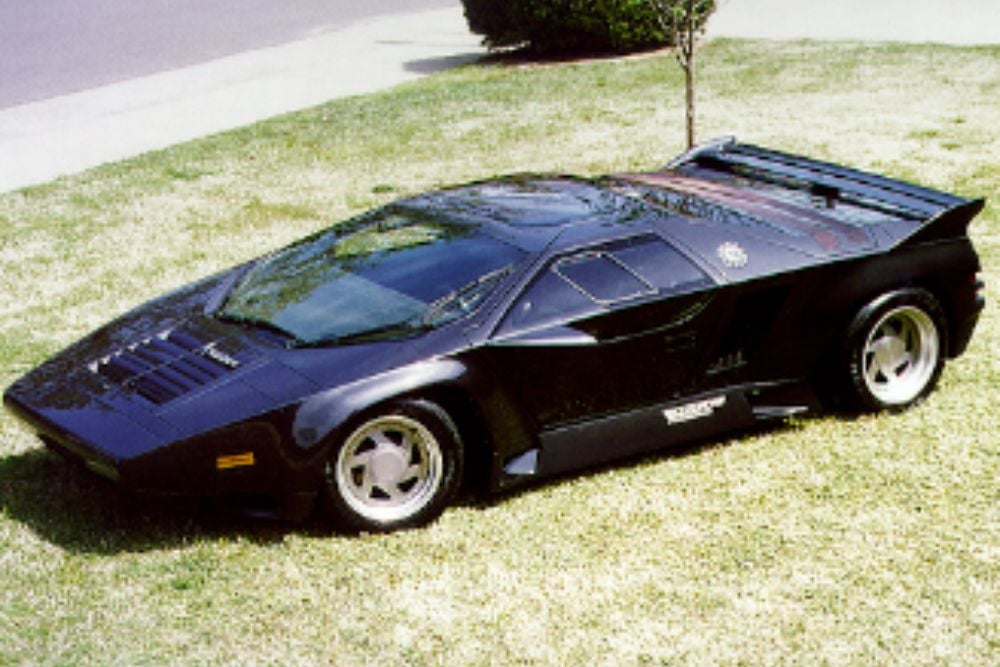
The Vector W2 prototype represented America’s ambitious attempt to create a homegrown supercar to rival the Europeans. Designer Gerald Wiegert unveiled this wedge-shaped concept in 1978, featuring aerospace materials and a claimed top speed of over 230 mph.
While only one functioning prototype was completed in the 1970s, it set the stage for the limited production models that followed years later.
Automotive Time Capsules

These fascinating vehicles represent more than just transportation—they embody the design philosophy, engineering capabilities, and cultural trends of a distinctive automotive era. Their rarity today makes each surviving example a rolling museum piece.
The next time you spot one of these forgotten classics at a car show or cruise night, take a moment to appreciate these automotive time capsules from a decade that gave us some of the most unique cars ever made.
More from Go2Tutors!

- The Romanov Crown Jewels and Their Tragic Fate
- 13 Historical Mysteries That Science Still Can’t Solve
- Famous Hoaxes That Fooled the World for Years
- 15 Child Stars with Tragic Adult Lives
- 16 Famous Jewelry Pieces in History
Like Go2Tutors’s content? Follow us on MSN.