Highest Grossing Horror Films of The 2000s
The 2000s marked a golden era for horror at the box office. Terror wasn’t just confined to midnight showings and cult followings anymore — it was breaking into mainstream success, pulling in audiences who normally wouldn’t dare step foot in a darkened theater for a good scare.
From supernatural chillers to torture-heavy thrillers, the decade produced some of the most financially successful horror films in cinema history. These movies didn’t just frighten audiences; they made studios very, very wealthy.
Hannibal
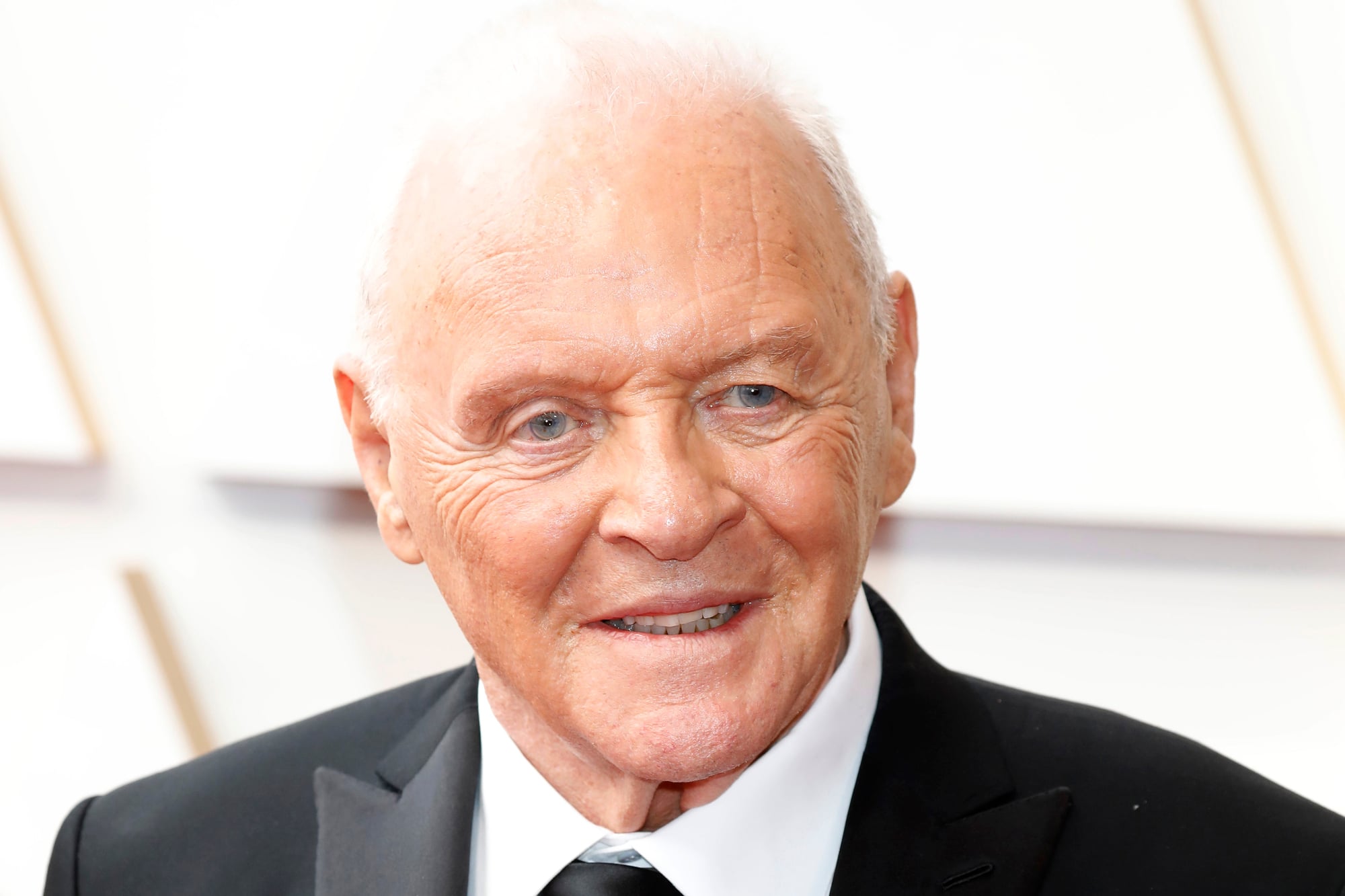
Following up The Silence of the Lambs was always going to be profitable, and this sequel delivered financially even if critics were less enthusiastic. The film grossed $351 million worldwide, proving that audiences couldn’t resist another helping of Dr. Lecter.
Anthony Hopkins returned to his most famous role with relish (and that’s probably the right word, given the character’s dining preferences). The movie leaned heavily into the grotesque elements that the original only hinted at, and audiences showed up in droves to watch the carnage unfold.
Signs
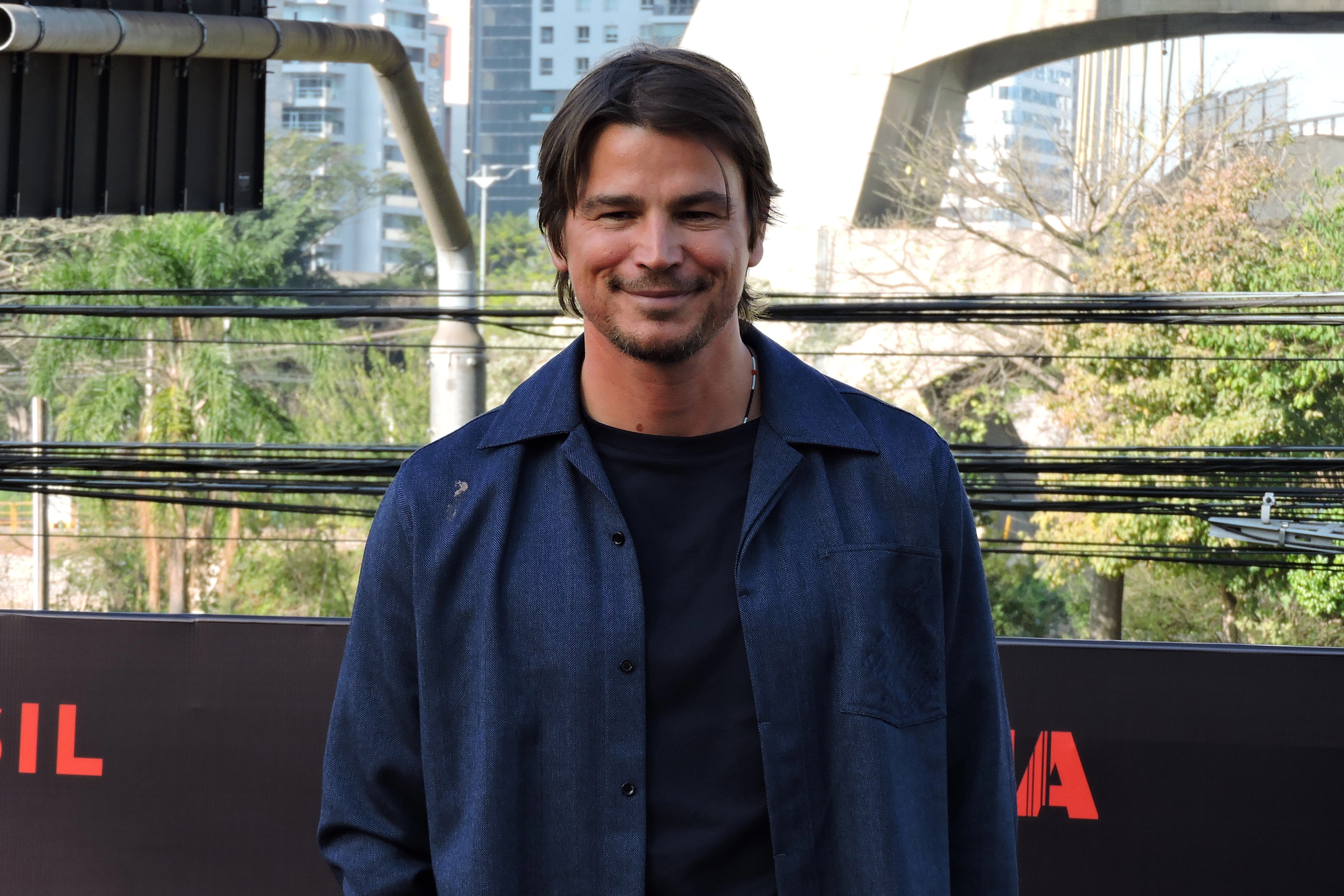
Shyamalan struck gold twice in the same decade, though this alien invasion thriller felt like a completely different beast from his earlier supernatural success. The film earned $408 million globally, cementing his reputation as a director who could make cerebral horror profitable.
The genius here was in what the film didn’t show — those aliens remained largely hidden, existing more as suggestion than spectacle (which helped the budget considerably). And there’s something deeply unsettling about cornfields that this movie understood better than most.
The family dynamics grounded all the otherworldly terror in something recognizably human, which made the stakes feel personal rather than simply cosmic. Joaquin Phoenix’s paranoid performance anchored the whole thing, turning every creak and rustle into potential doom.
I Am Legend
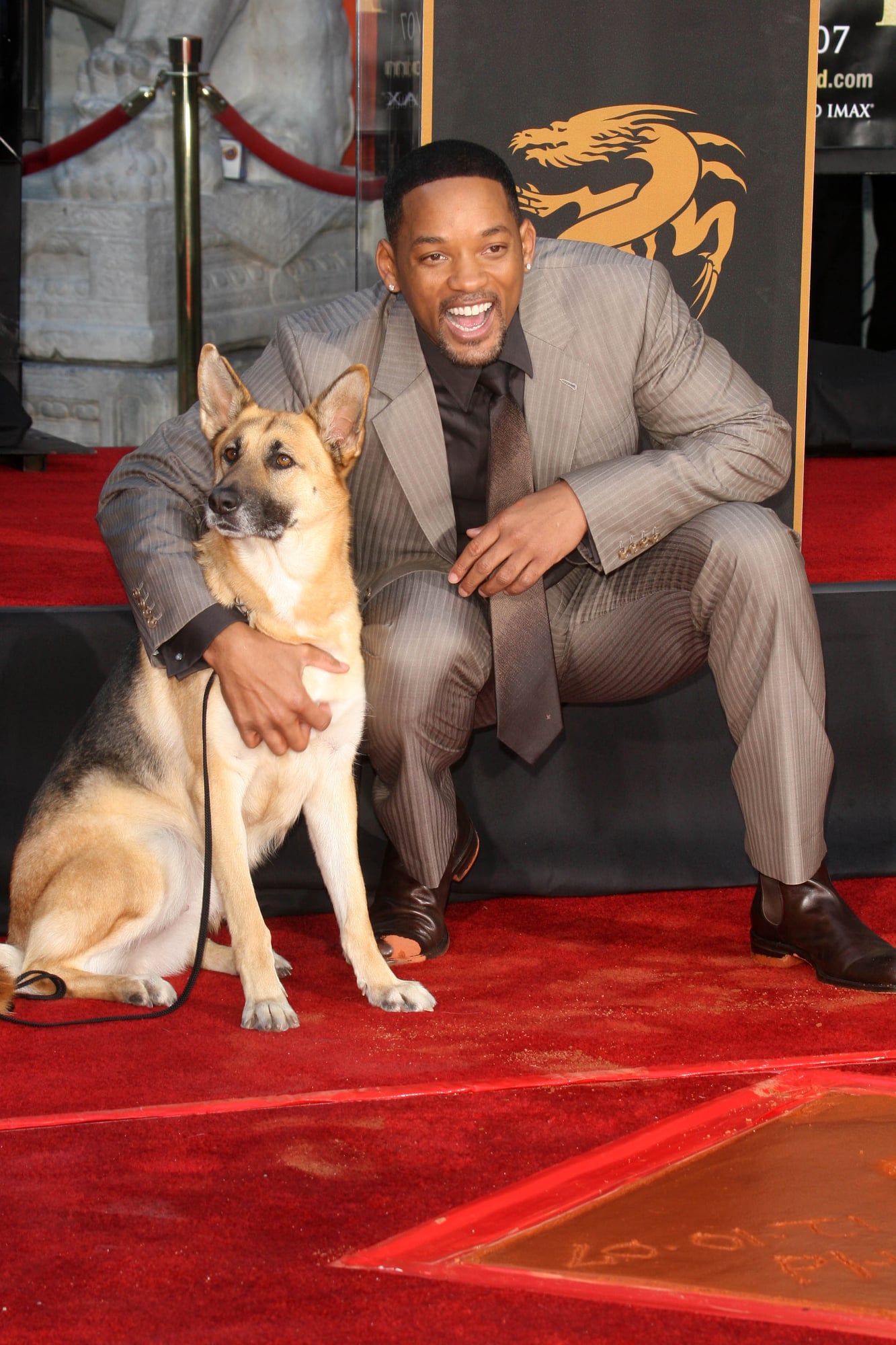
Will Smith fighting vampiric mutants in an empty New York City was always going to be a crowd-pleaser, and the $585 million worldwide gross proved it. The film tapped into post-apocalyptic fears while giving audiences a familiar star to anchor the chaos.
The movie worked because it understood loneliness as horror. Smith’s character talking to mannequins wasn’t just quirky — it was genuinely disturbing.
The empty city became a character itself, every abandoned street carrying the weight of what was lost.
War of the Worlds
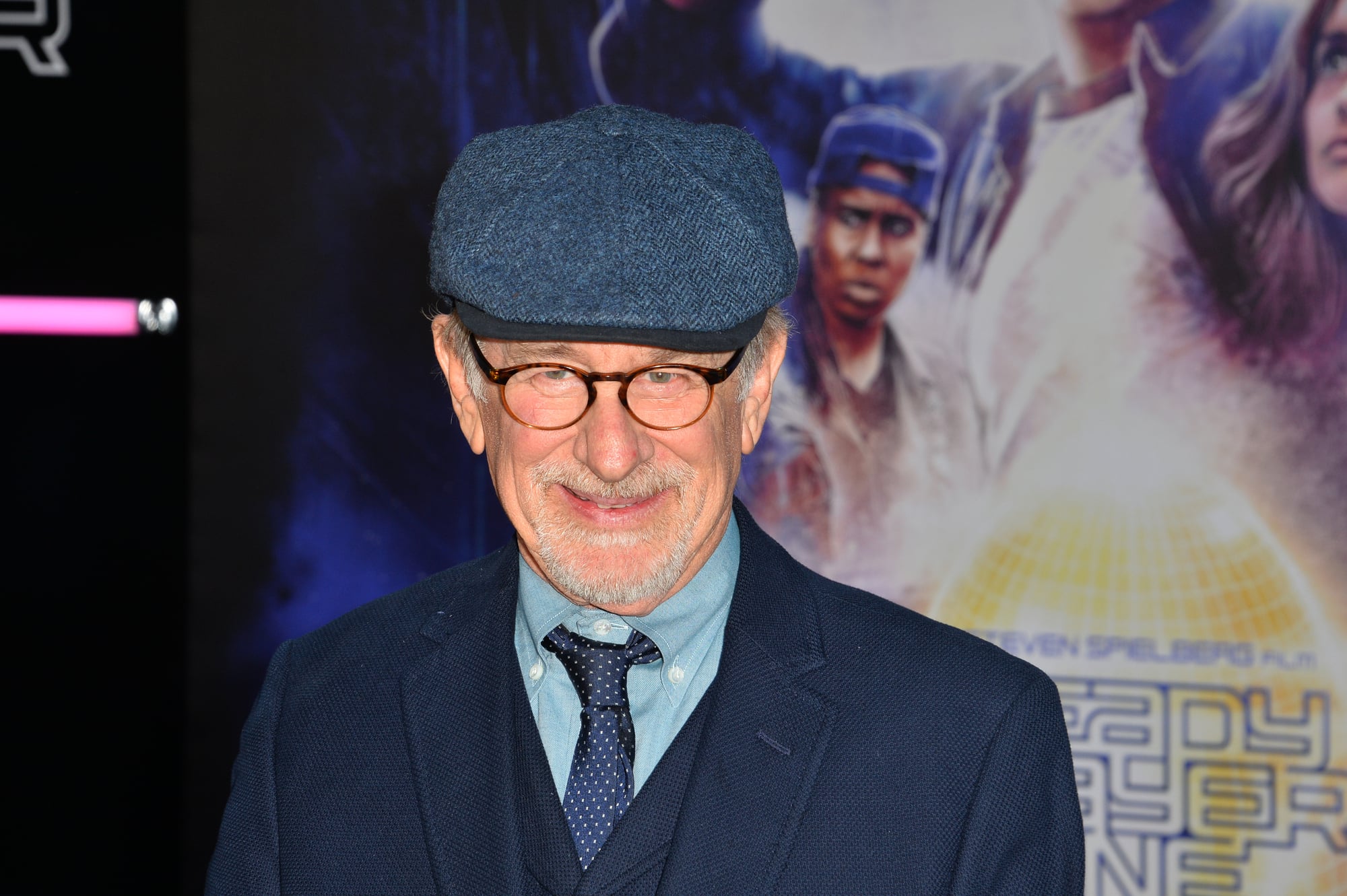
Steven Spielberg’s take on the H.G. Wells classic earned $603 million worldwide, proving that alien invasion stories never really go out of style. Tom Cruise’s star power didn’t hurt either.
The film succeeded by focusing on one family’s survival rather than trying to show the entire global conflict. This intimate approach made the massive destruction feel personal.
Those tripods emerging from underground remain genuinely terrifying — mechanical nightmares that moved with predatory intelligence.
The Ring

This American remake of the Japanese horror film Ringu earned $249 million worldwide and launched the J-horror remake trend that would define much of the decade’s horror landscape.
The movie’s central conceit — watch this video, die in seven days — was brilliantly simple and absolutely terrifying. Everyone who saw the film left wondering what would happen if they actually encountered that cursed tape.
Naomi Watts delivered a committed performance that sold every moment of escalating dread.
The Grudge

Sarah Michelle Gellar’s venture into J-horror territory proved financially successful, earning $187 million worldwide. The film brought the distinctive Japanese approach to supernatural horror to American multiplex audiences.
This haunted house story worked because it subverted expectations about safe spaces. Usually, you can escape a haunted location — just leave the house, right?
But this curse followed you wherever you went, making every location potentially dangerous. That scratchy throat noise still haunts anyone who heard it in theaters (and probably will forever, which seems appropriate given the film’s themes about inescapable supernatural vengeance).
The film’s non-linear structure initially confused some viewers, but it perfectly captured the disorienting nature of encountering something beyond rational explanation.
Scary Movie
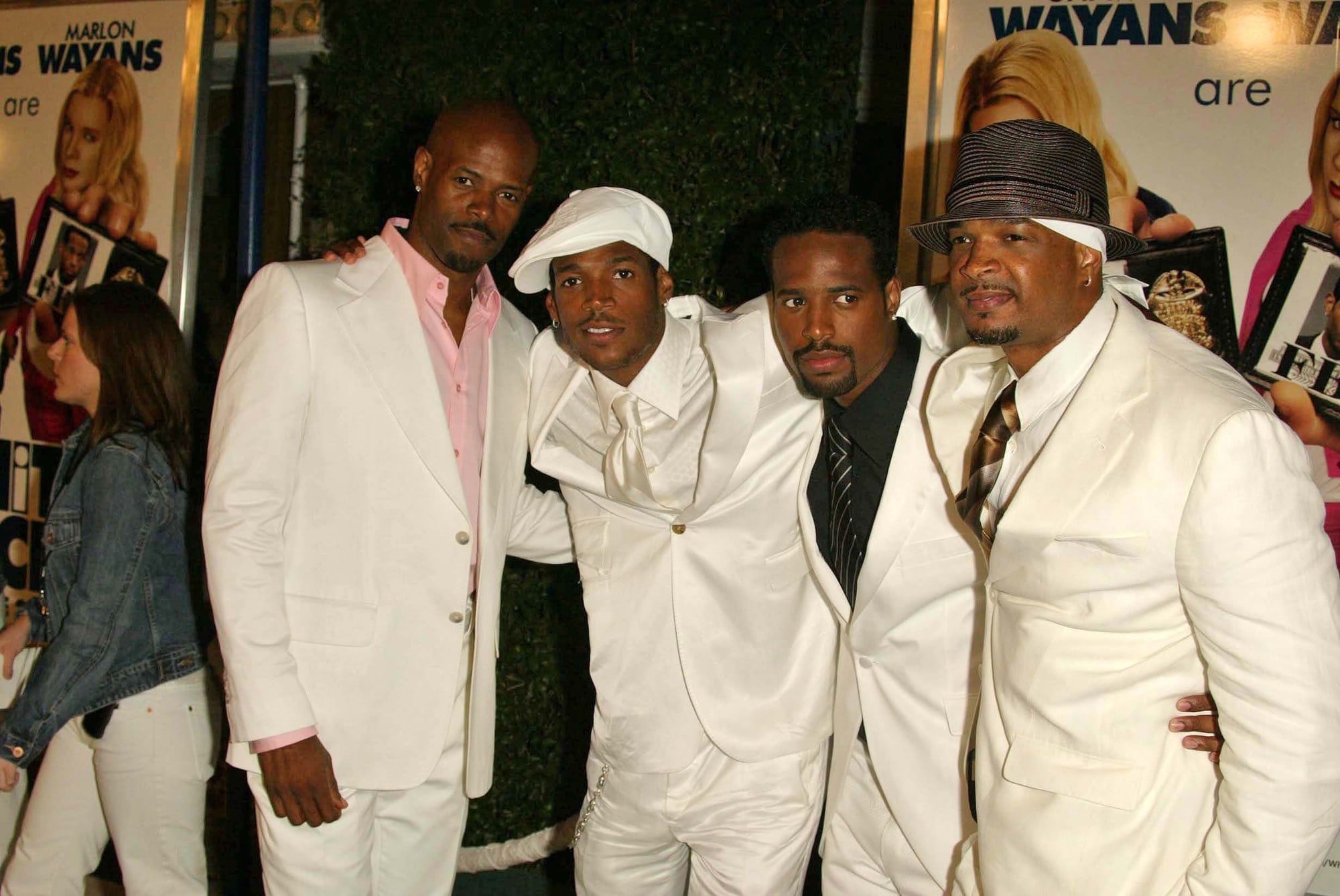
This horror parody earned $278 million worldwide, proving that audiences were just as eager to laugh at horror tropes as they were to be frightened by them. The Wayans Brothers’ irreverent take on Scream and other contemporary horror films struck a perfect balance between affection and mockery.
The movie worked because it genuinely understood the films it was spoofing. These weren’t cheap shots — they were loving takedowns from people who clearly appreciated the genre.
Anna Faris emerged as a gifted comedic actress, playing the final girl role with just the right mix of cluelessness and determination.
The Others

Nicole Kidman’s supernatural thriller earned $209 million worldwide, proving that atmospheric horror could still draw crowds in an increasingly gore-heavy landscape. The film’s twist ending rivaled The Sixth Sense for sheer audacity and emotional impact.
Set in a dark, isolated mansion during World War II, the movie created dread through suggestion rather than spectacle. Every shadow held potential menace, every creaking floorboard suggested unwelcome presence.
The film’s exploration of grief and loss gave the supernatural elements genuine emotional weight.
Scream 3

The final installment of the original Scream trilogy earned $161 million worldwide, concluding the meta-horror saga that had redefined the genre in the 1990s. While critics were less enthusiastic than they’d been about the first two films, audiences still showed up to see how Sidney Prescott’s story would end.
The Hollywood setting allowed the film to satirize the movie industry itself, with the fictional Stab franchise serving as a commentary on horror sequels and their diminishing returns. The self-aware humor that had made the series famous was still present, though it felt slightly more forced this time around.
Final Destination
This inventive thriller earned $112 million worldwide and launched a franchise based on elaborate death sequences and the inescapability of fate. The film’s premise — a teenager has a premonition of a plane crash and saves several passengers, only to have Death come for them anyway — was brilliantly simple.
What made the movie work was its understanding that everyday objects could become instruments of doom. After watching this film, audiences looked at everything from kitchen knives to shower heads with newfound suspicion.
The death sequences were elaborate Rube Goldberg machines of destruction, turning mortality into a twisted form of entertainment.
Jeepers Creepers
This creature feature earned $59 million worldwide, but its cultural impact was larger than its box office might suggest. The film introduced the Creeper, a monster that fed on fear and harvested body parts from its victims every 23 years.
The movie’s first half worked as a road trip thriller, with siblings encountering something terrible in rural America. Once the Creeper was fully revealed, the film became a more traditional monster movie, but that initial buildup of dread was expertly crafted.
The film understood that monsters are most frightening before you get a good look at them.
What Lies Beneath
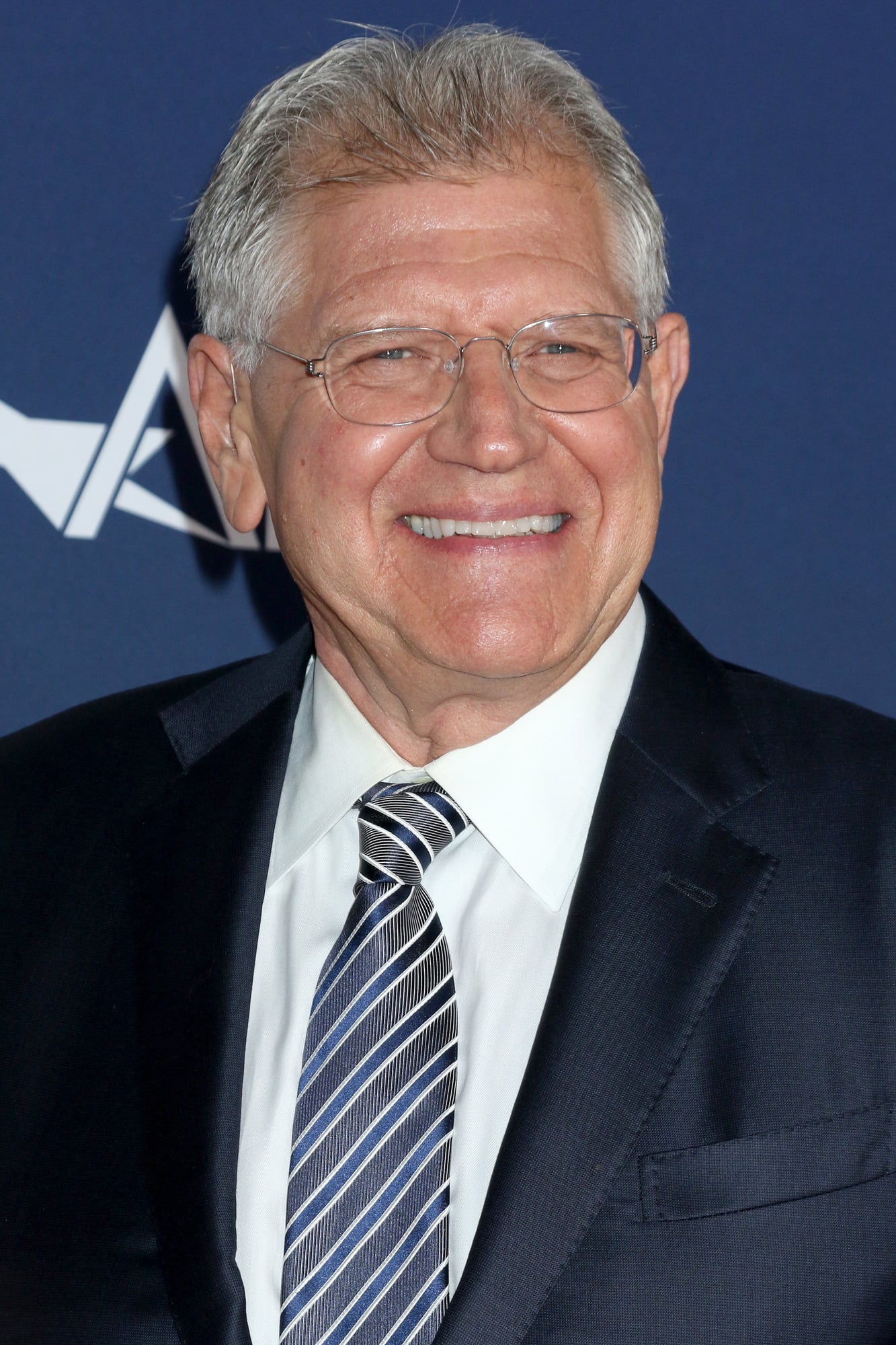
Robert Zemeckis directed this supernatural thriller starring Harrison Ford and Michelle Pfeiffer, and it earned $155 million worldwide. The film played like a greatest hits collection of haunted house tropes, executed with mainstream Hollywood polish.
The movie worked because it took its supernatural elements seriously while building them on a foundation of marital discord. The ghost story became a metaphor for secrets and guilt, giving the paranormal activity emotional resonance.
Pfeiffer’s committed performance sold every moment of escalating supernatural terror (and there were plenty of them, each one calibrated for maximum jump-scare effectiveness). And the bathtub sequence remains one of the decade’s most effectively terrifying set pieces.
Echoing Through Time
These films didn’t just succeed financially — they shaped the horror landscape for years to come. The decade’s biggest horror hits established templates that filmmakers are still following today: the twist-ending supernatural thriller, the J-horror remake, the self-aware meta-horror film, and the elaborate death-trap franchise.
They proved that horror could be both critically respected and massively profitable, setting the stage for the genre’s continued evolution in the decades that followed. More importantly, they reminded Hollywood that audiences have an endless appetite for being scared — as long as the scares are worth the price of admission.
More from Go2Tutors!

- The Romanov Crown Jewels and Their Tragic Fate
- 13 Historical Mysteries That Science Still Can’t Solve
- Famous Hoaxes That Fooled the World for Years
- 15 Child Stars with Tragic Adult Lives
- 16 Famous Jewelry Pieces in History
Like Go2Tutors’s content? Follow us on MSN.