14 Historic Cruise Lines That Went Bankrupt
The ocean has always been unforgiving to those who underestimate its power. But sometimes the real storms that sink cruise lines happen in boardrooms, not at sea.
The cruise industry’s glossy brochures rarely mention the companies that once promised endless voyages only to disappear beneath waves of debt, mismanagement, and bad timing. These aren’t just business failures — they’re the maritime equivalent of ghost towns, leaving behind empty berths, stranded passengers, and employees who showed up to work only to find the doors locked.
Some of these companies sailed for decades before their final voyage. Others barely made it out of port.
Premier Cruises
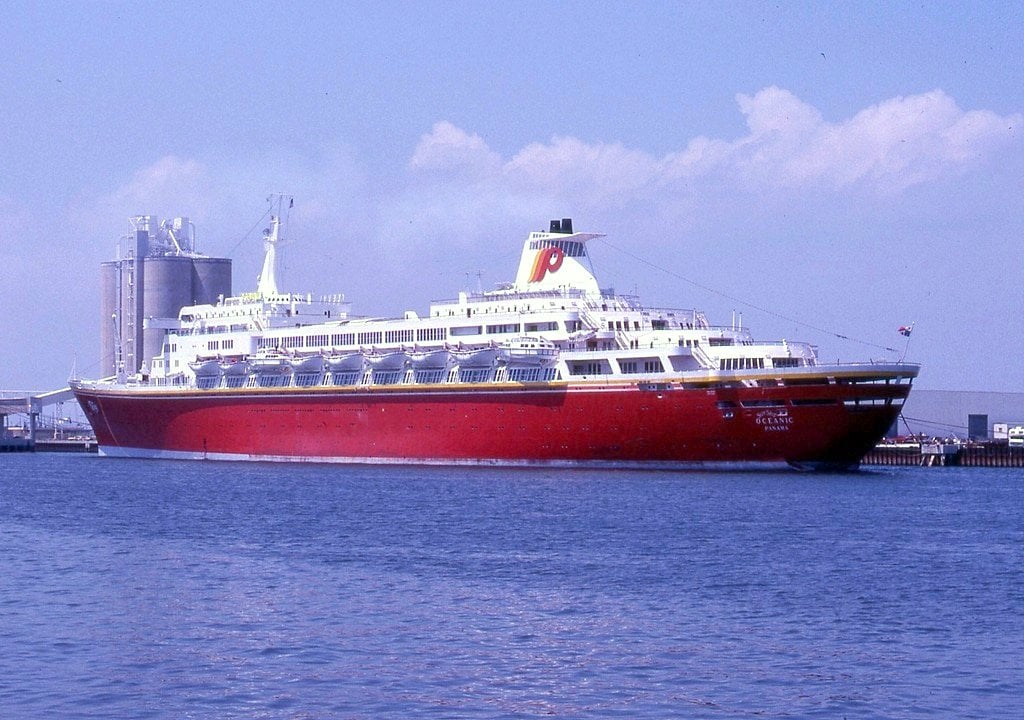
Premier Cruises built its reputation on family-friendly voyages and partnerships with Disney before the entertainment giant launched its own fleet. The company operated from 1983 to 2000, running Caribbean itineraries that promised affordable luxury for middle-class families seeking their first cruise experience.
But partnerships can be fragile things (especially when your biggest client decides to become your biggest competitor), and Premier found itself caught between rising operational costs and a brand identity crisis that never quite resolved itself. When Disney ended their licensing agreement to focus on their own ships, Premier lost both revenue and the magical marketing appeal that had distinguished them from budget competitors.
The company declared bankruptcy in September 2000, and passengers who had booked future cruises discovered their vacation deposits had evaporated along with the company’s assets, which is exactly the kind of surprise that turns cruise enthusiasts into cruise skeptics overnight.
American Hawaii Cruises
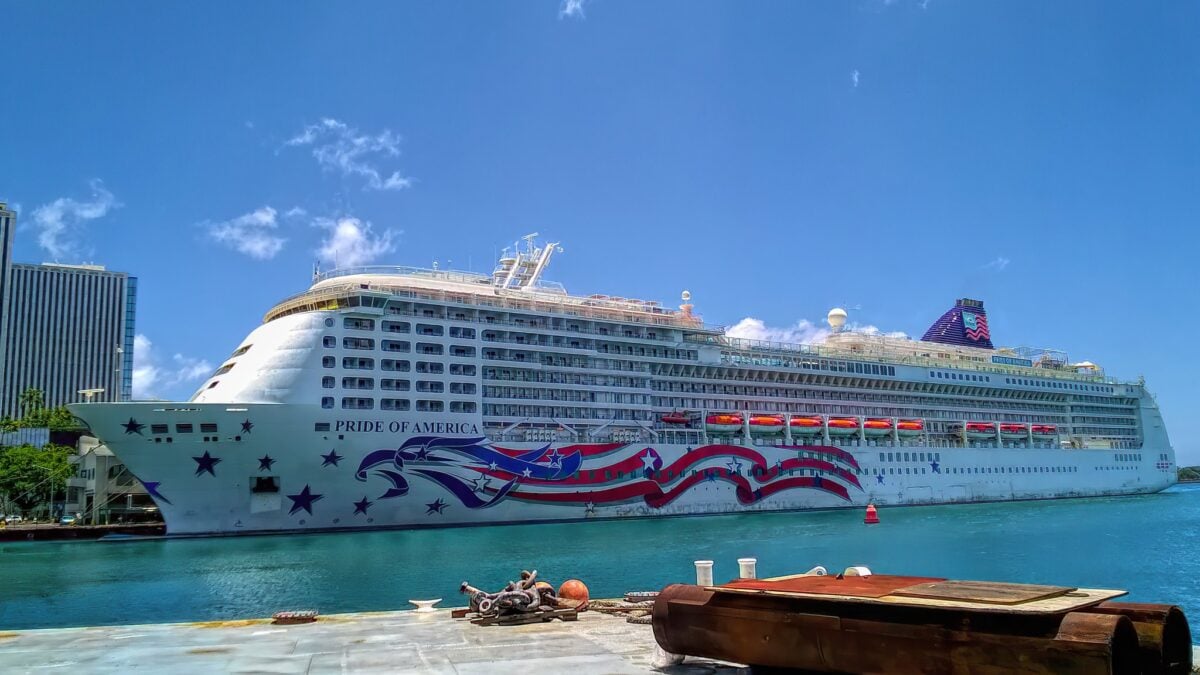
American Hawaii Cruises carved out a specific niche that seemed bulletproof. Only U.S.-flagged vessels could operate inter-island Hawaiian cruises, and American Hawaii owned that market from 1980 to 2001.
The company should have thrived. Hawaii never goes out of style, and cruise passengers who could island-hop without dealing with multiple flights represented a perfect target market.
American Hawaii operated two ships that offered week-long voyages between the islands, avoiding the international waters requirement that complicated other operators. Turns out, regulatory protection doesn’t automatically translate to profitability.
The company struggled with aging ships, high labor costs, and competition from land-based Hawaiian vacations that offered more flexibility. They filed for bankruptcy in 2001, proving that even monopolies can fail when the fundamentals don’t work.
Regency Cruises
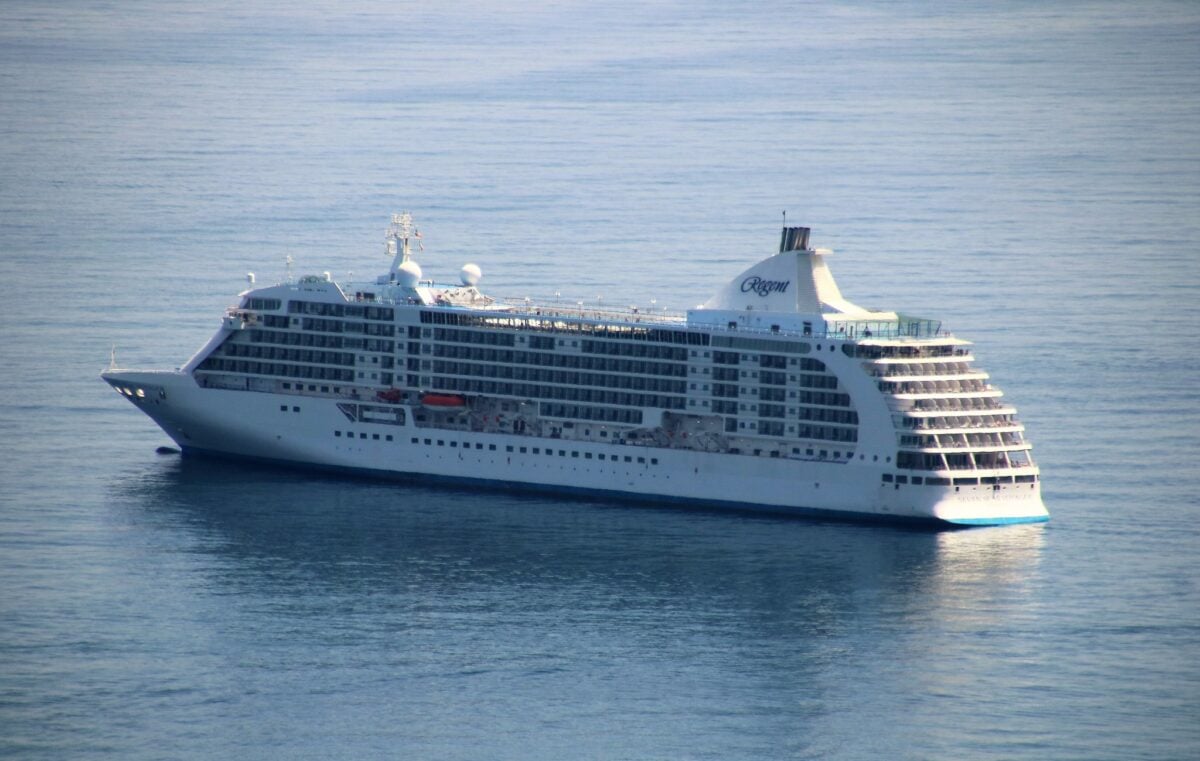
Regency Cruises embodied the kind of ambitious optimism that defined the cruise industry’s expansion in the 1980s and early 1990s. The company positioned itself as an affordable alternative to premium lines, operating older ships on Caribbean and Mediterranean itineraries that promised European elegance without European prices.
Like a house built on sand, Regency’s business model relied heavily on charter agreements and seasonal bookings that provided inconsistent cash flow throughout the year. The company operated ships that had been purchased from other lines — vessels that carried the operational challenges and maintenance costs that come with maritime hand-me-downs.
And the cruise industry has never been forgiving to companies that cut corners on ship maintenance or guest services. When Regency suddenly ceased operations in October 1995, thousands of passengers found themselves stranded in ports across the Mediterranean.
The images of confused tourists standing on docks with their luggage became a cautionary tale about the risks of choosing cruise lines based purely on price. Some lessons in this industry are learned the hard way.
Commodore Cruise Line
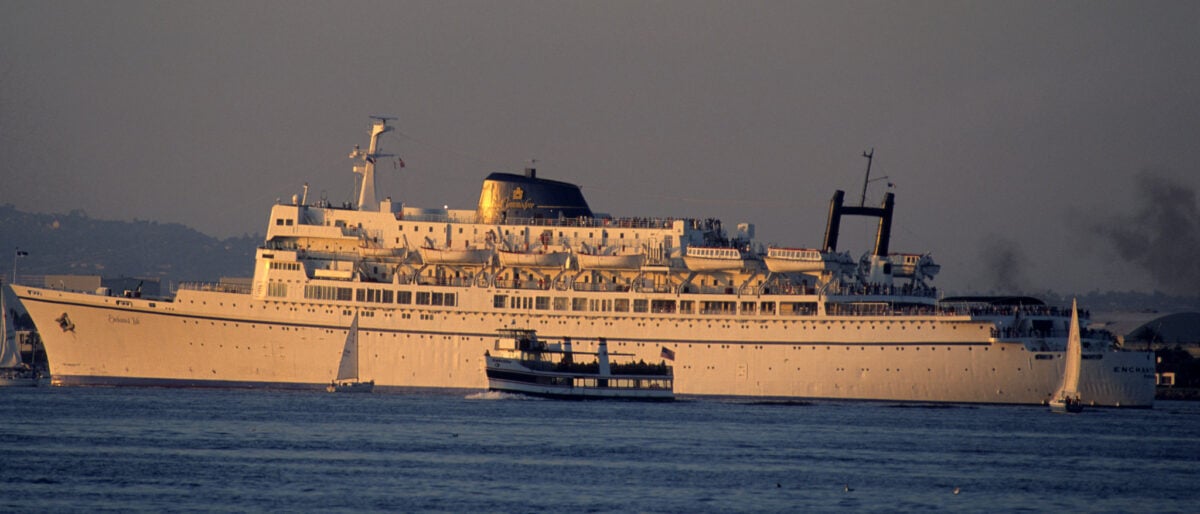
Commodore Cruise Line represents exactly what happens when ambition outpaces execution. The company operated from 1966 to 2001, which sounds impressive until you realize those 35 years were marked by frequent financial crises, ownership changes, and operational problems that should have been warning signs to anyone paying attention.
Commodore’s ships were floating contradictions — vessels that promised luxury experiences while operating on budgets that made luxury impossible. The company specialized in Caribbean cruises from Florida ports, competing directly with established lines that had better ships, better marketing, and better financial backing.
The end came in 2001 when Commodore filed for bankruptcy and ceased operations with little warning to passengers or crew. The company’s final voyage ended not at a tropical port, but in a courtroom where creditors discovered that Commodore’s debts far exceeded its assets.
Fair enough — at least they were consistent.
Renaissance Cruises
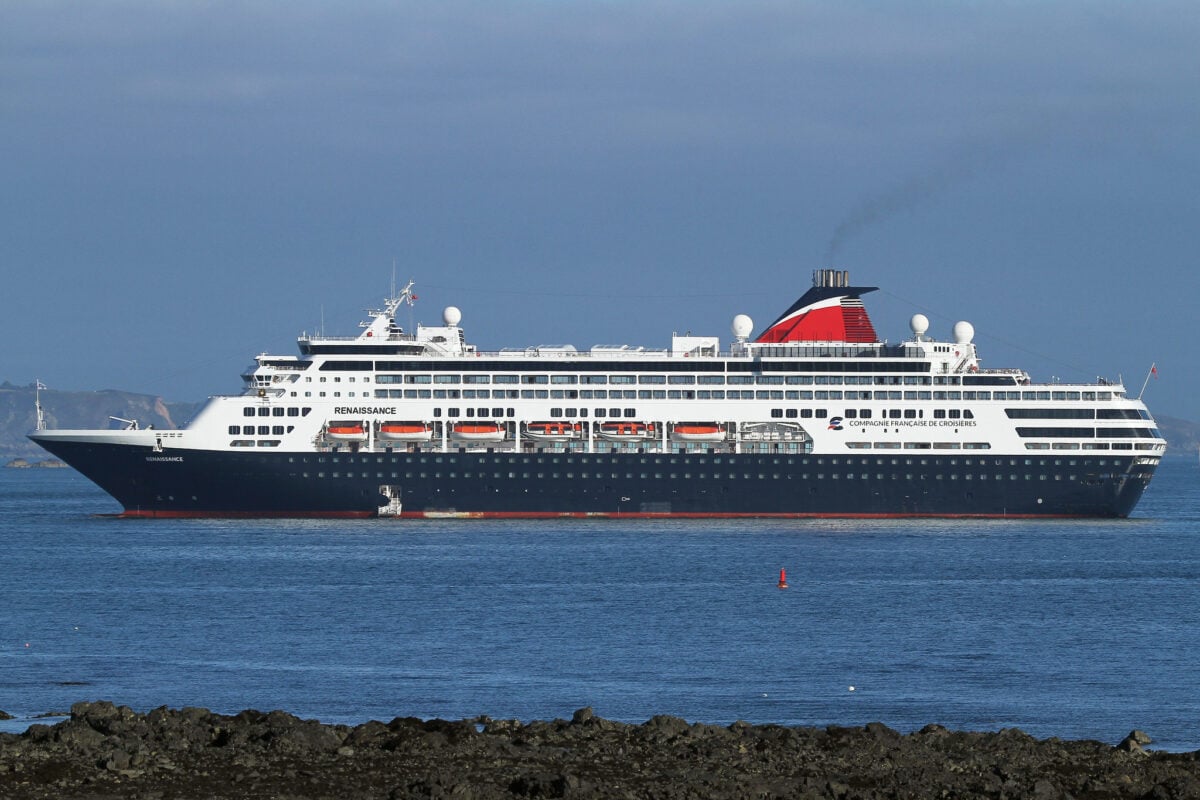
Renaissance Cruises had the right idea at the wrong time. The company operated a fleet of small, intimate ships designed for upscale travelers who wanted to avoid the crowded mega-ships that were becoming the industry standard in the 1990s.
Their vessels carried fewer than 700 passengers each, featured high crew-to-passenger ratios, and offered itineraries that focused on cultural destinations rather than theme park attractions (which should have been exactly what sophisticated travelers were seeking). Renaissance positioned itself as the thinking person’s cruise line, targeting educated, affluent passengers who viewed cruising as a means of cultural exploration rather than entertainment consumption.
But sophisticated positioning doesn’t pay the bills when your operating costs per passenger exceed what the market will bear, and Renaissance discovered that smaller ships create smaller economies of scale that make profitability nearly impossible. The company ceased operations in September 2001, a timing that couldn’t have been worse for any travel company, but particularly devastating for a line that depended on international itineraries and affluent travelers who suddenly had other priorities.
The September 11 attacks didn’t cause Renaissance’s bankruptcy, but they certainly accelerated it.
American Classic Voyages
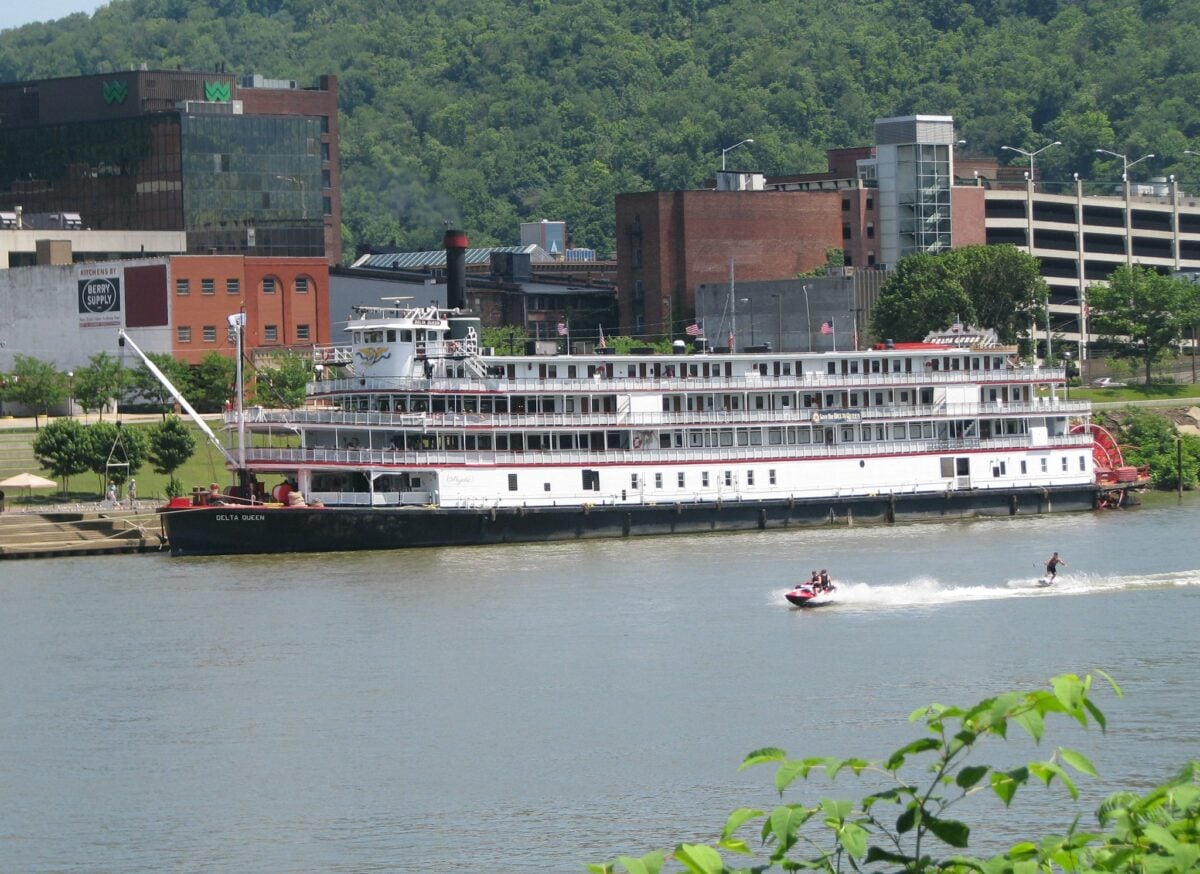
American Classic Voyages attempted something audacious: reviving the classic American steamship experience for modern travelers. The company operated coastal cruises along the U.S. mainland and Hawaiian inter-island voyages, using ships that evoked the golden age of American maritime travel.
The concept had genuine appeal (there’s something romantically appealing about cruising American waters on American-flagged ships with American crews), and American Classic Voyages initially attracted passengers who appreciated both the patriotic angle and the cultural authenticity of avoiding international cruise ship protocols. Their ships offered a distinctly American alternative to the Caribbean party boat experience that dominated the industry.
But nostalgia makes for better marketing than business planning. The company struggled with the same fundamental challenges that have plagued U.S.-flagged cruise operations for decades: higher labor costs, stricter regulations, and limited routing options that prevented the operational flexibility needed for year-round profitability.
American Classic Voyages filed for bankruptcy in 2001, ending an experiment that proved American cruise passengers prefer foreign-flagged ships with lower prices over domestic operations with higher authenticity. Which says something about our priorities, though probably not what the company’s founders hoped it would say.
Crown Cruise Line
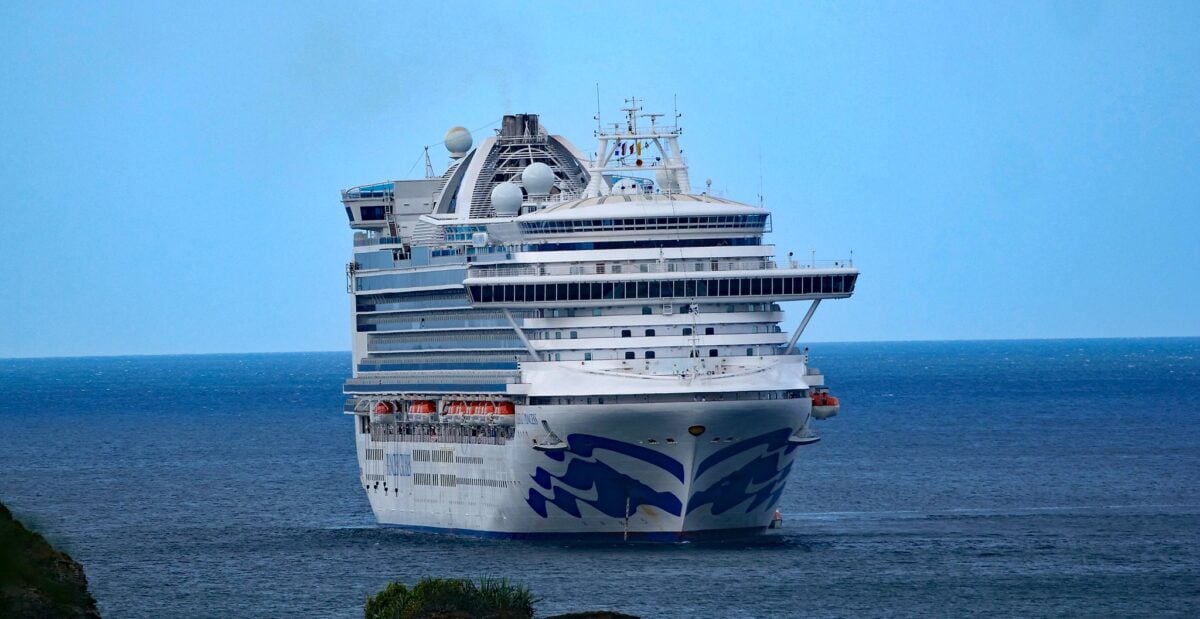
Crown Cruise Line operated like a discount retailer of the seas. The company offered Caribbean cruises at prices that seemed too good to be true — and eventually proved exactly that.
Crown’s business model depended on filling ships with passengers who prioritized affordability over amenities, service, or even basic comfort. The company operated older vessels that had been purchased from other cruise lines, ships that carried the maintenance challenges and operational limitations that come with maritime bargains.
The company ceased operations in 1997 after years of financial struggles that culminated in bankruptcy proceedings and stranded passengers. Crown’s failure illustrated a fundamental truth about the cruise industry: there’s a minimum threshold of quality below which cost savings become counterproductive.
Passengers who book the cheapest cruise available still expect their ship to float, their cabin to be clean, and their meals to be edible. The Crown couldn’t consistently deliver even those basic expectations.
Sun Cruises
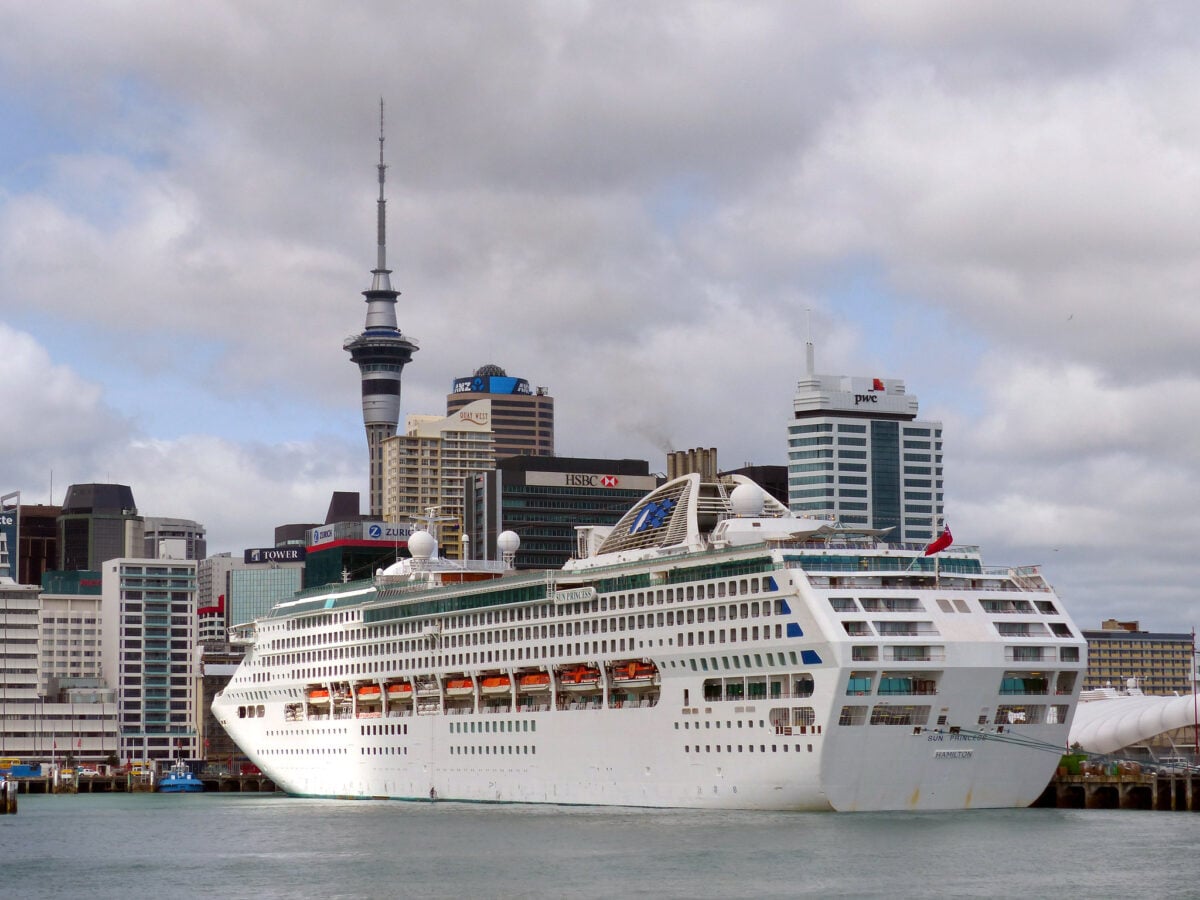
Sun Cruises promised British holidaymakers affordable Mediterranean and Caribbean vacations aboard ships that emphasized value over luxury. The company positioned itself as a no-frills alternative to premium cruise lines, targeting price-conscious travelers who wanted the cruise experience without the premium price tag.
Like many budget cruise operations, Sun Cruises discovered that “affordable” and “profitable” don’t always align, especially when your target market consists of passengers who compare shops based primarily on price. The company operated in an increasingly competitive market where established cruise lines could offer promotional rates that undercut Sun Cruises’ regular prices.
Sun Cruises ceased operations in 1995, leaving passengers with worthless bookings and the cruise industry with another reminder that competing solely on price rarely works in a business where fixed costs — fuel, port fees, crew wages, ship maintenance — remain constant regardless of what you charge passengers. The mathematics of cruise economics are unforgiving to companies that can’t find the right balance between affordability and sustainability.
Festival Cruises
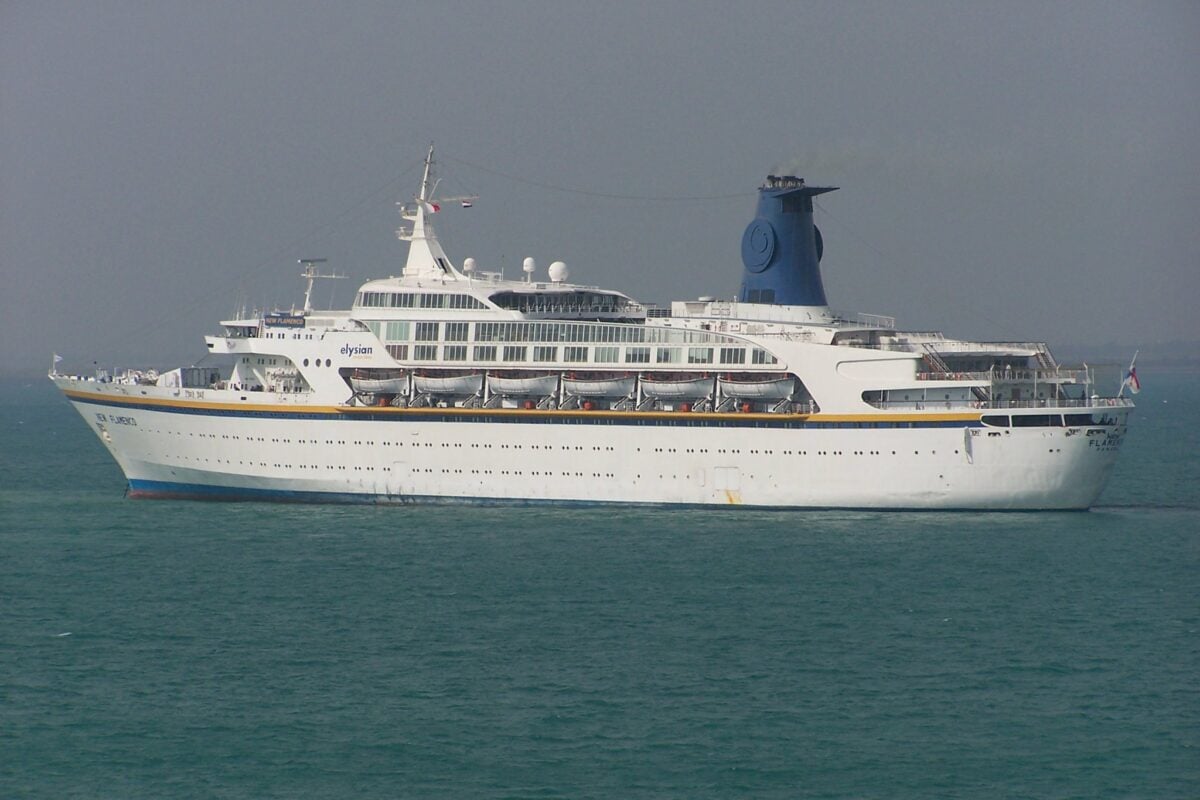
Festival Cruises emerged from the European cruise market with ambitions that exceeded their financial foundation. The company operated modern ships on Mediterranean and Caribbean itineraries, targeting European passengers who wanted alternatives to the American-dominated cruise industry.
Festival’s ships were impressive — newer vessels that offered contemporary amenities and European sensibilities rather than the Vegas-style entertainment that characterized many American cruise lines. The company seemed positioned to capture European passengers who appreciated cruising but preferred cultural sophistication over poolside entertainment (which represented a legitimate market niche that other companies had largely ignored).
But impressive ships require impressive financing, and Festival’s rapid expansion created debt obligations that their passenger revenue couldn’t sustain. The company filed for bankruptcy in 2004, proving that even good ships, good itineraries, and good intentions can’t overcome bad financial planning.
Their failure was particularly frustrating because Festival had identified a real market opportunity — they just couldn’t execute the business model needed to serve it profitably. So close, yet so far.
Orient Lines
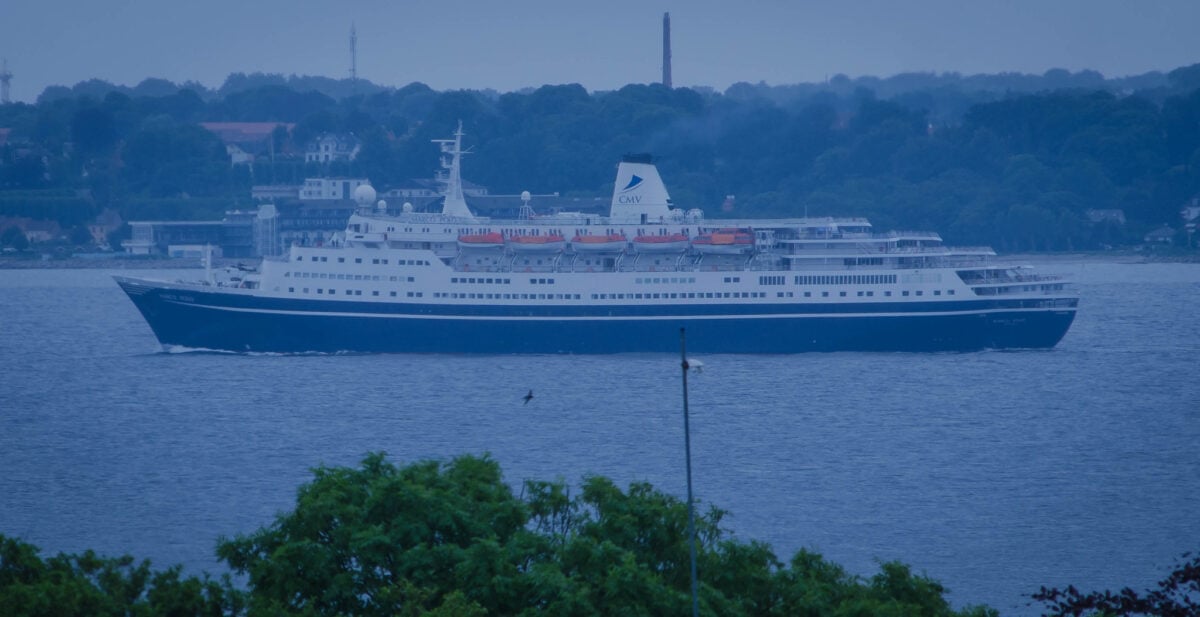
Orient Lines carved out a thoughtful niche in the cruise industry by focusing on destination-focused itineraries and cultural immersion rather than shipboard entertainment. The company attracted educated, affluent travelers who viewed cruising as a means of exploration rather than relaxation.
Their approach was refreshingly different: longer port stays, guest lecturers, cultural programming, and itineraries designed around historical and cultural significance rather than shopping opportunities and beach time. Orient Lines understood that some cruise passengers want to learn something during their vacation beyond the location of the buffet and the pool deck.
Marco Polo, their primary vessel, was an older ship that prioritized comfort and functionality over flashy amenities — exactly what their target market preferred. But niche markets have limited growth potential, and Orient Lines struggled to achieve the scale necessary for long-term viability.
The company ceased independent operations in 2005 when it was absorbed by Norwegian Cruise Line, ending an experiment in intellectual cruising that deserved better support from travelers who claimed to want more sophisticated vacation options. Turns out, talking about wanting cultural enrichment and actually paying for it are different things.
Windjammer Barefoot Cruises
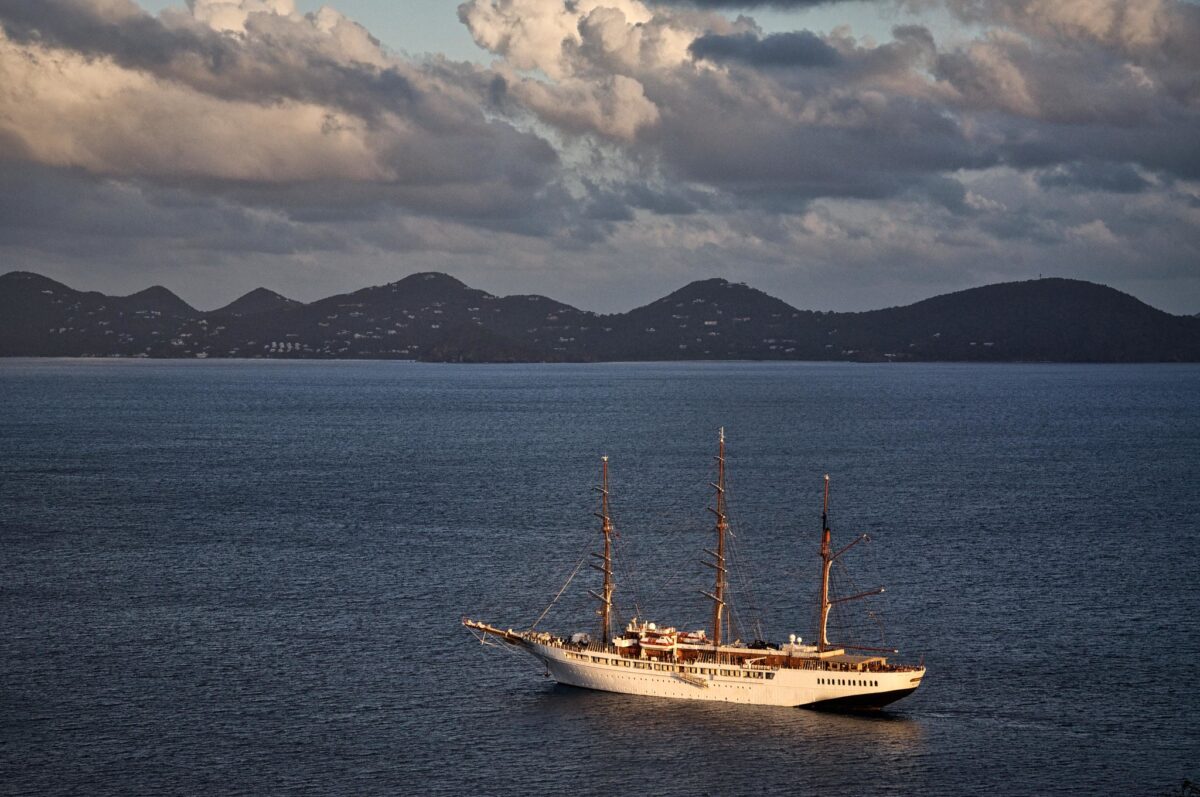
Windjammer Barefoot Cruises offered something genuinely unique: casual sailing adventures aboard tall ships that emphasized relaxation over luxury. The company operated a fleet of sailing vessels that provided Caribbean island-hopping experiences for passengers who wanted to avoid the mega-ship crowds and formal dining requirements.
Windjammer’s ships were working sailing vessels, not floating hotels, and the company attracted passengers who appreciated authenticity over amenities. No tuxedos, no assigned dining times, no Broadway-style shows — just sailing between Caribbean islands with stops at beaches and ports that larger ships couldn’t access.
The concept had devoted followers who returned repeatedly for the laid-back sailing experience that Windjammer provided better than anyone else in the cruise industry. But devoted followings don’t necessarily translate to financial stability, especially when your ships require specialized maintenance and your target market consists of passengers who actively avoid the amenities that allow other cruise lines to generate additional revenue.
Windjammer ceased operations in 2007 after Hurricane Omar damaged several ships, but the company’s financial troubles predated the storm. Sometimes even the most authentic experiences can’t survive the mathematics of modern tourism.
StarLauro
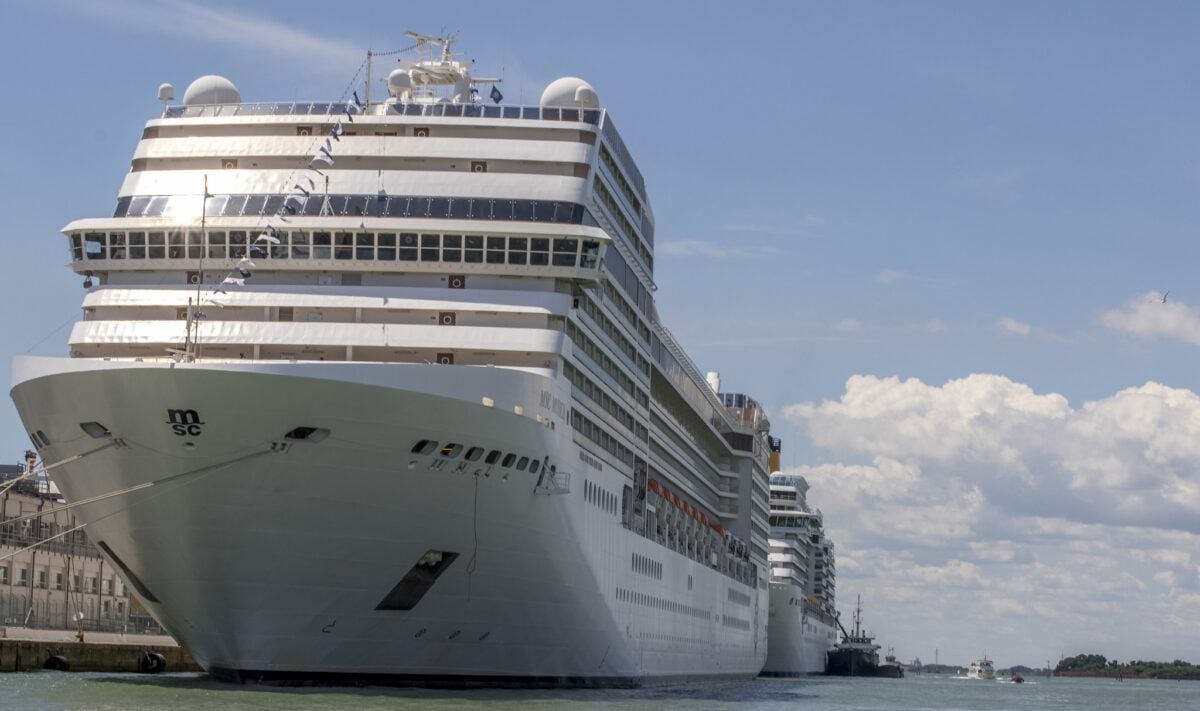
StarLauro represented the Italian approach to cruising: stylish ships, Mediterranean itineraries, and an emphasis on cuisine and cultural sophistication rather than entertainment spectacles. The company operated primarily in European waters, serving passengers who appreciated the Continental sensibilities that distinguished StarLauro from American cruise operators.
Their ships featured Italian design, Italian crews, and Italian attitudes toward dining and service — which created a distinctly European cruise experience that appealed to passengers who found American cruise culture too aggressive or artificial (and there’s definitely a market for that preference, though apparently not a large enough one).
StarLauro’s challenge was operating in a market where cruise passengers increasingly expected American-style amenities and entertainment options regardless of the cruise line’s cultural origins. The company struggled to balance authentic Italian hospitality with the international expectations of cruise passengers who wanted familiar experiences in unfamiliar destinations.
StarLauro was eventually absorbed into other cruise operations, ending an experiment in cultural authenticity that couldn’t compete with the standardized cruise experience that dominates the industry today.
Classical Cruises
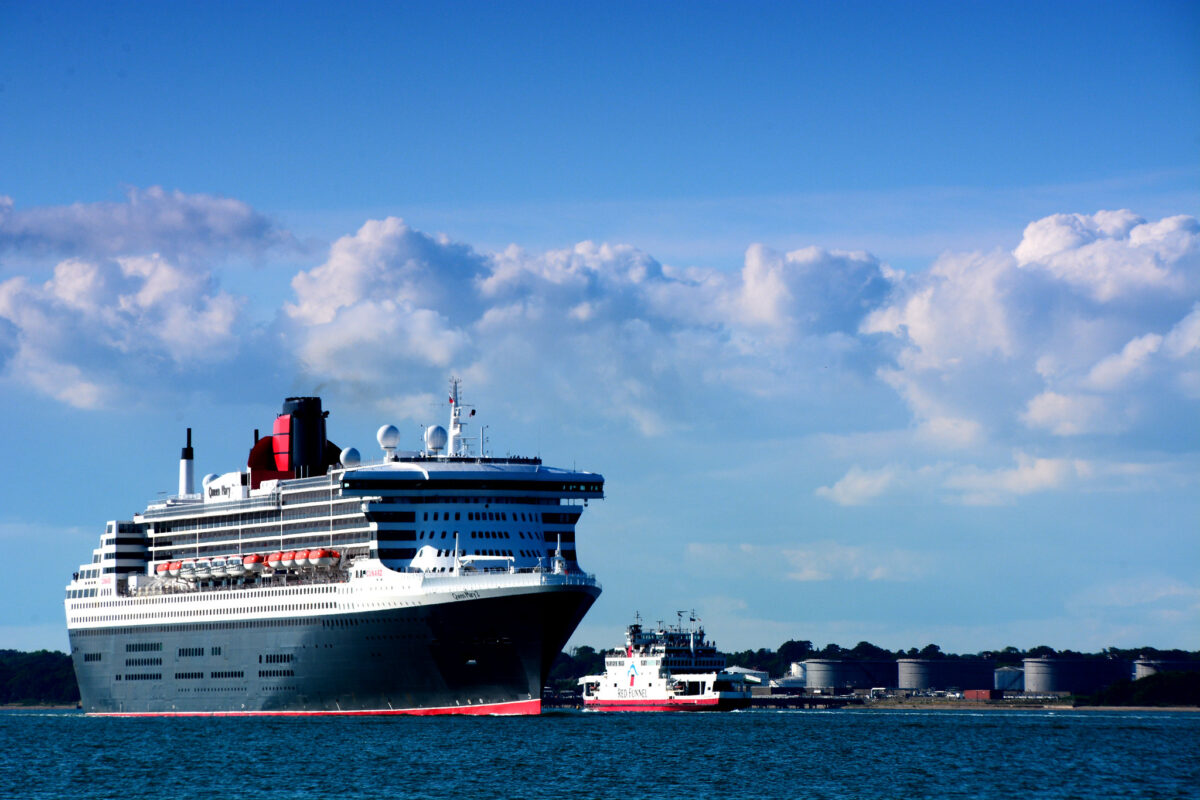
Classical Cruises positioned itself as the thinking person’s cruise line, offering educational voyages that emphasized historical and cultural destinations over typical cruise entertainment. The company operated smaller ships that could access ports unavailable to mega-ships, creating itineraries focused on archaeological sites, historical significance, and cultural immersion.
Their passengers were typically well-educated, well-traveled individuals who viewed cruising as an extension of lifelong learning rather than a vacation from thinking. Classical Cruises featured guest lecturers, historical programming, and shore excursions designed around educational rather than recreational objectives.
But educational cruising occupies a small market niche, and Classical Cruises discovered that operating expenses don’t decrease just because your passengers prefer lectures to Las Vegas-style shows. The company ceased operations, leaving a gap in the market for intellectually curious travelers who wanted substantive travel experiences.
The cruise industry has never adequately replaced what Classical Cruises offered, which suggests that either the market was too small to sustain or other companies haven’t figured out how to serve educated travelers profitably.
Bermuda Star Line
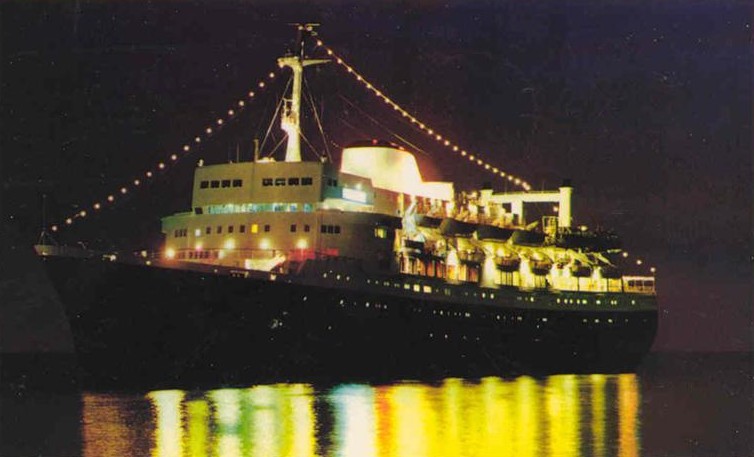
Bermuda Star Line attempted to revive direct cruise service between New York and Bermuda using a single ship that offered weekly round-trips during the summer season. The concept seemed logical: Bermuda remains a popular destination, and New York provides a large population of potential cruise passengers.
The company operated the Bermuda Star, a ship that had been refurbished specifically for the New York-Bermuda route. Weekly departures from Manhattan offered convenience for East Coast passengers who wanted to reach Bermuda without flying, and the ship’s size was appropriate for Bermuda’s limited port facilities.
But seasonal operations create cash flow challenges that year-round cruise lines don’t face, and Bermuda Star Line struggled with the economics of operating a single ship on a route that generated revenue only during summer months. The company ceased operations after a few seasons, proving that even popular destinations and convenient departures can’t overcome the fundamental challenge of seasonal profitability.
Bermuda cruise service continues today, but through established cruise lines that can absorb the seasonal limitations within their larger fleet operations.
When dreams meet mathematics
The cruise industry’s graveyard contains ambitions as much as companies. Each bankruptcy represents someone’s vision of what cruising could become — more affordable, more authentic, more educational, more intimate.
These failures weren’t usually the result of bad ideas, but rather the gap between good ideas and sustainable business models. The ocean doesn’t care about marketing plans or passenger satisfaction surveys.
It demands ships that float, crews that show up, and fuel bills that get paid. The cruise lines that survive understand this mathematics.
The ones that don’t become cautionary tales about the difference between dreams and reality in an industry where both matter, but only one pays the bills.
More from Go2Tutors!

- The Romanov Crown Jewels and Their Tragic Fate
- 13 Historical Mysteries That Science Still Can’t Solve
- Famous Hoaxes That Fooled the World for Years
- 15 Child Stars with Tragic Adult Lives
- 16 Famous Jewelry Pieces in History
Like Go2Tutors’s content? Follow us on MSN.