Lost Treasures Discovered in Unexpected Places
You’d think that finding ancient treasures or historically significant artifacts would require years of planning, sophisticated equipment, and teams of experts systematically excavating carefully selected sites. Sometimes that’s true.
But surprisingly often, some of the most important archaeological discoveries in history were stumbled upon by complete accident—farmers digging wells, kids exploring caves, construction workers doing their jobs, or amateur treasure hunters who just happened to be in the right place with a metal detector. These accidental discoveries have rewritten history, filled museums, and occasionally made regular people very wealthy.
Here are some of the most incredible finds.
The Dead Sea Scrolls in Qumran Caves

A Bedouin shepherd named Muhammed edh-Dhib was looking for a lost goat in 1947 when he tossed a rock into a cave near the Dead Sea and heard something break. Inside were clay jars containing ancient scrolls.
These turned out to be the Dead Sea Scrolls—Hebrew Bible texts and other manuscripts dating from around 250 BCE to 68 CE, roughly 1,000 years older than any previously known copies. The discovery sparked a treasure hunt, and over the next decade, more scrolls and fragments were found in 11 different caves in the area.
The texts included copies of every book of the Hebrew Bible except Esther, along with previously unknown hymns, prayers, and community rules. Some of the scrolls were sold to antiquities dealers before their true significance was understood (for pretty low prices, all things considered).
The scrolls are now housed in the Israel Museum and remain one of the most important archaeological discoveries of the 20th century.
Terracotta Army Found by Farmers Digging a Well
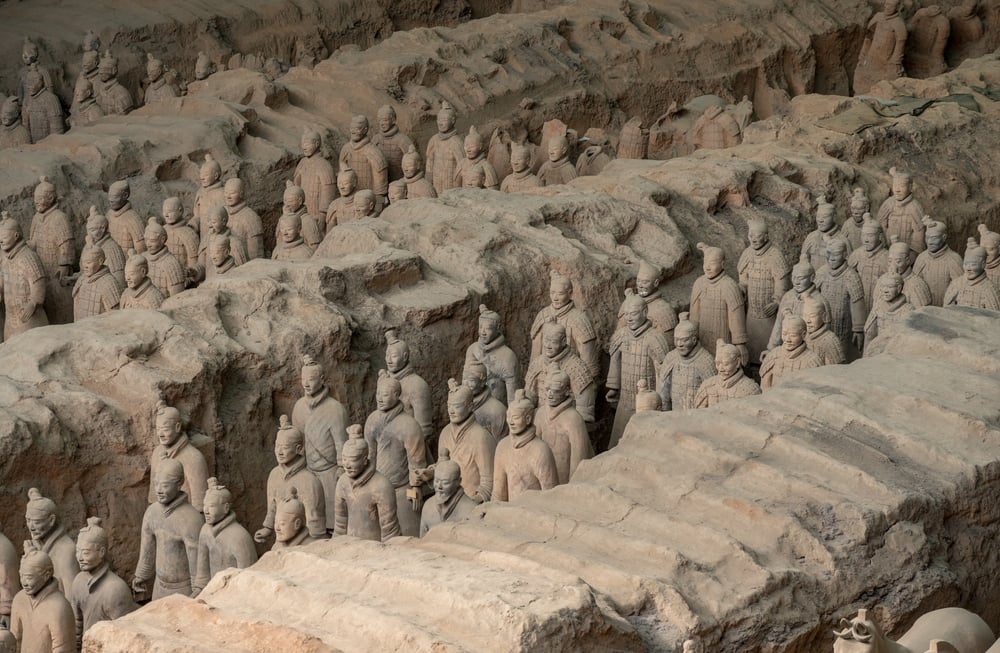
In March 1974, farmers drilling a well in Shaanxi Province, China, hit something hard about five meters down. They’d uncovered fragments of terracotta figures. Turns out they’d stumbled onto one of the most spectacular archaeological sites in the world—the tomb complex of China’s first emperor, Qin Shi Huang.
The site contains over 8,000 life-sized terracotta soldiers, 670 horses, and 130 chariots, all created around 210 BCE to guard the emperor in the afterlife. Each soldier has unique facial features, hairstyles, and expressions (they were mass-produced but individualized, which is kind of mind-blowing).
The complex covers about 98 square kilometers, and large portions remain unexcavated. The emperor’s actual burial mound has never been opened—ancient texts claim it contains rivers of mercury, booby traps, and crossbows set to fire at intruders, and modern testing has detected unusually high mercury levels in the soil, so maybe those texts weren’t exaggerating.
Staffordshire Hoard Discovered by an Amateur Metal Detectorist
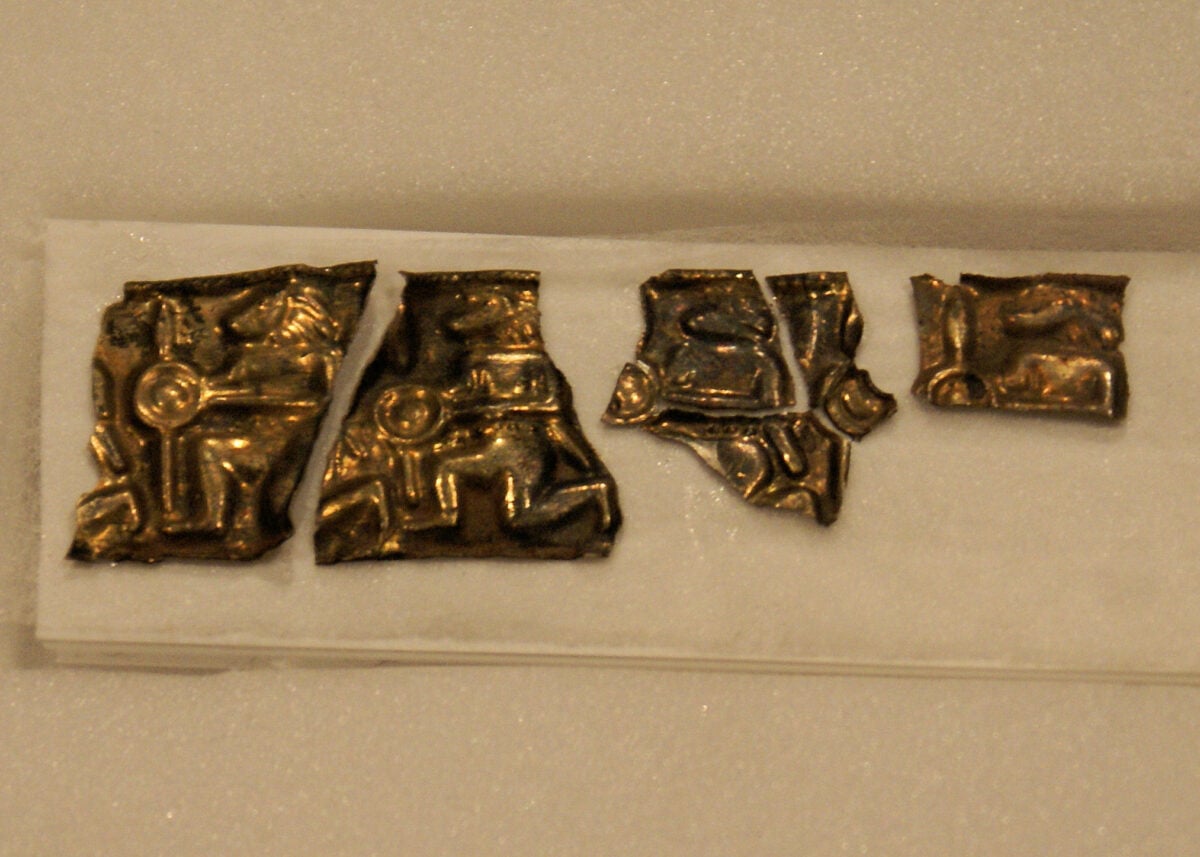
Terry Herbert was using his metal detector in a farmer’s field in Staffordshire, England, in July 2009 when he started finding gold objects. Lots of them.
Over five days, he recovered more than 3,500 items—the largest hoard of Anglo-Saxon gold ever found. The collection includes sword fittings, helmet pieces, and crosses, mostly military items dating from the 7th or 8th century CE.
Almost all the objects are gold or silver, many decorated with garnets. The craftsmanship is exceptional. The total weight of the gold is over 5 kilograms.
Herbert and the landowner split the £3.3 million valuation. Not a bad day’s work with a metal detector.
Lascaux Cave Paintings Found by Teenagers and a Dog
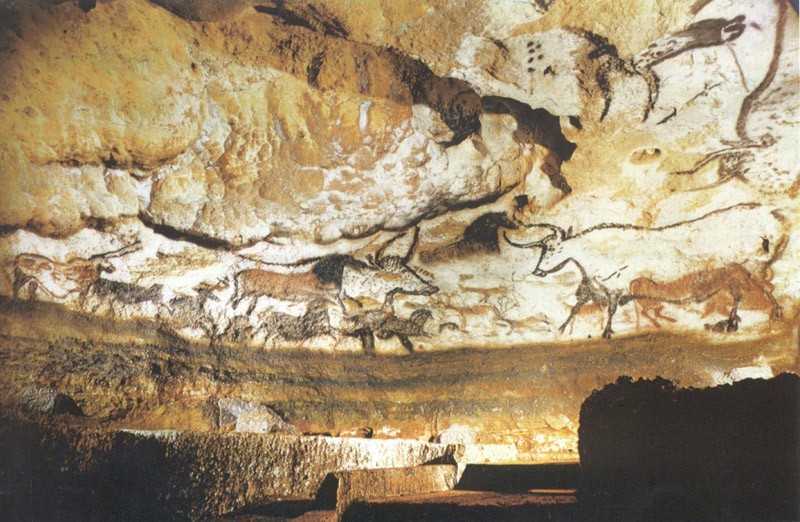
Four teenagers were exploring near Montignac, France, in September 1940 when their dog disappeared down a pit. Following the dog (whose name was Robot, which is a great dog name), they discovered a cave system containing some of the finest examples of Paleolithic cave art in the world.
The Lascaux paintings date to around 17,000 years ago and depict horses, cattle, deer, and other animals rendered with remarkable skill and movement. The pigments used—ochres, charcoal, and iron oxide—have remained vivid for millennia.
Unfortunately, the cave had to be closed to the public in 1963 because the carbon dioxide from visitors’ breath was damaging the paintings (fungus and algae were growing). A replica cave was built nearby for tourists, which honestly seems like a reasonable compromise given that we’d destroyed part of the art just by breathing near it.
The Rosetta Stone During Napoleon’s Egyptian Campaign
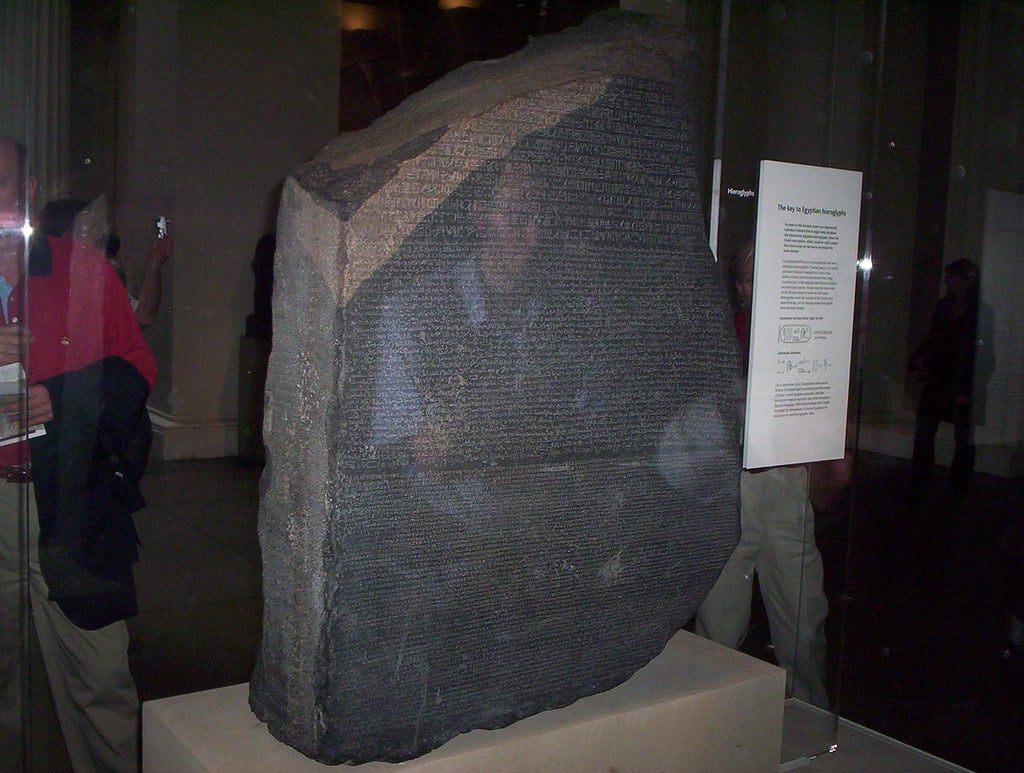
French soldiers were demolishing an old wall in the town of Rosetta (now Rashid) in Egypt in 1799 to clear ground for fortifications when an officer named Pierre-François Bouchard noticed a stone with inscriptions in three different scripts. This turned out to be the key to deciphering Egyptian hieroglyphs.
The stone contains a decree from 196 BCE written in ancient Greek, Demotic script, and hieroglyphs—essentially the same text in three languages. Scholars could read ancient Greek, so they used it to crack the hieroglyphic code, a process that took decades and involved multiple researchers (though Jean-François Champollion gets most of the credit).
The British seized the stone when they defeated the French in Egypt in 1801, and it’s been in the British Museum ever since (which Egypt would very much like changed).
Pompeii Rediscovered Under Volcanic Ash
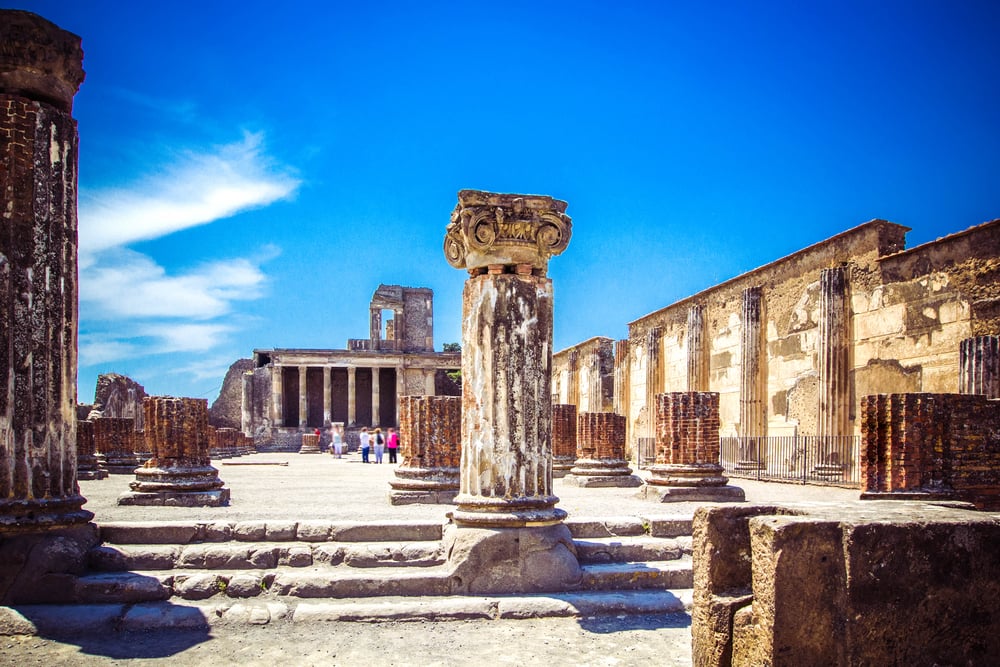
Pompeii was buried by the eruption of Mount Vesuvius in 79 CE, and its location was eventually forgotten. In 1748, workers digging a canal discovered the remarkably preserved ruins, though they didn’t immediately realize what they’d found.
The volcanic ash had sealed the city like a time capsule (though obviously a horrifying one for the residents). Buildings, frescoes, mosaics, and even loaves of bread were preserved.
The hollows left by decomposed bodies could be filled with plaster to create casts showing people in their final moments. Excavations have continued for centuries, and about two-thirds of the city has now been uncovered.
You can walk down Roman streets, see ancient graffiti, visit homes with their furniture and decorations still in place. It’s one of the most important sites for understanding daily life in the Roman Empire (and also a sobering reminder of how quickly everything can end).
Sutton Hoo Ship Burial in a Suffolk Garden
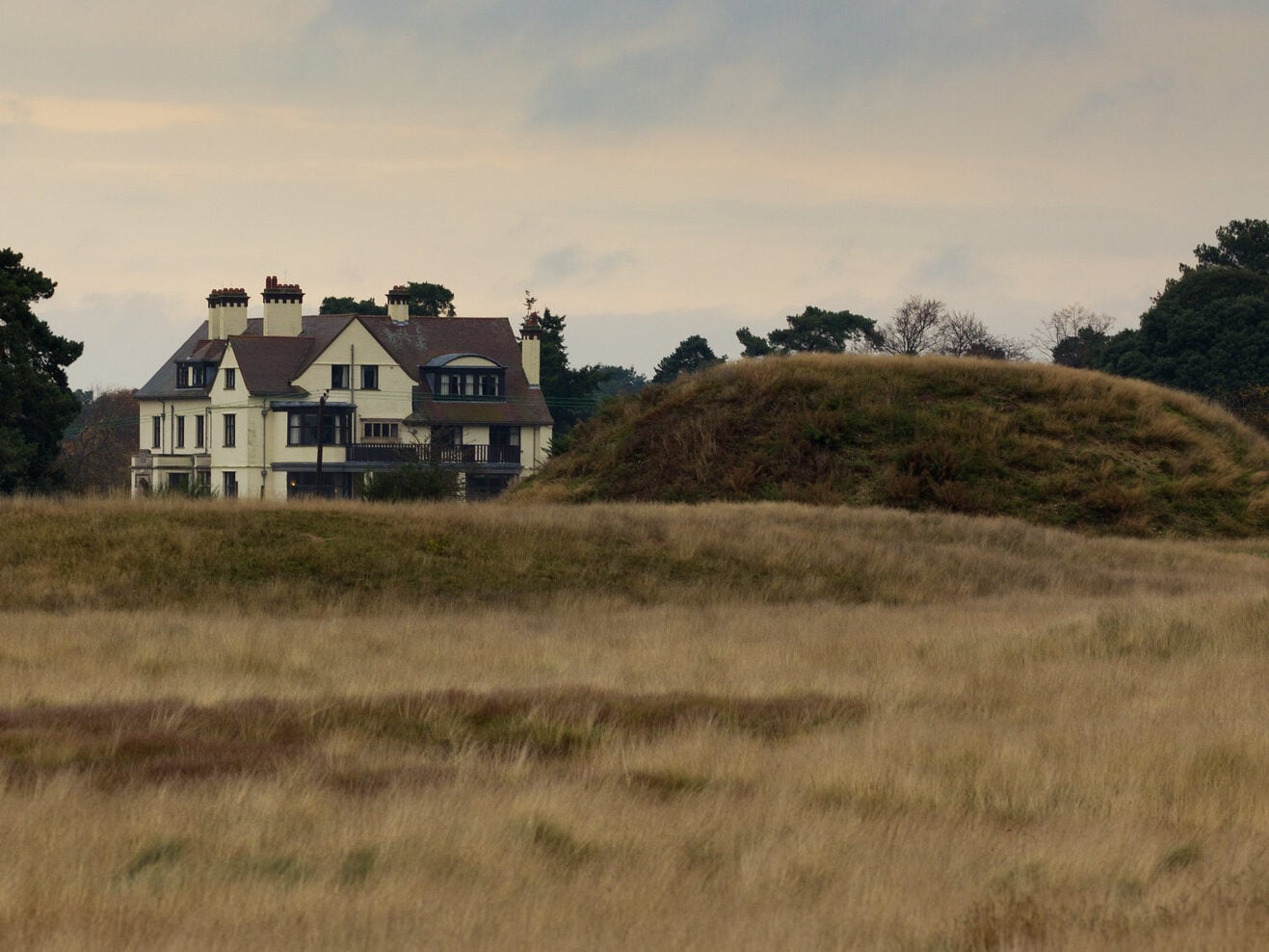
Edith Pretty owned a large estate in Suffolk, England, and noticed some mounds on her property. In 1939, she hired local archaeologist Basil Brown to investigate. He discovered an Anglo-Saxon ship burial from around 625 CE containing one of the richest archaeological finds in British history.
The ship itself had rotted away, but its impression remained in the soil, along with an astonishing collection of gold jewelry, weapons, silver plate, a helmet, and Byzantine artifacts. The burial is believed to be that of King Rædwald of East Anglia (though the body had completely dissolved in the acidic soil, so there’s no way to confirm).
The findings transformed understanding of the Anglo-Saxon period. Pretty donated everything to the British Museum. There’s a 2021 film about the discovery called “The Dig” starring Ralph Fiennes and Carey Mulligan if you want the dramatized version.
Antikythera Mechanism Salvaged by Sponge Divers
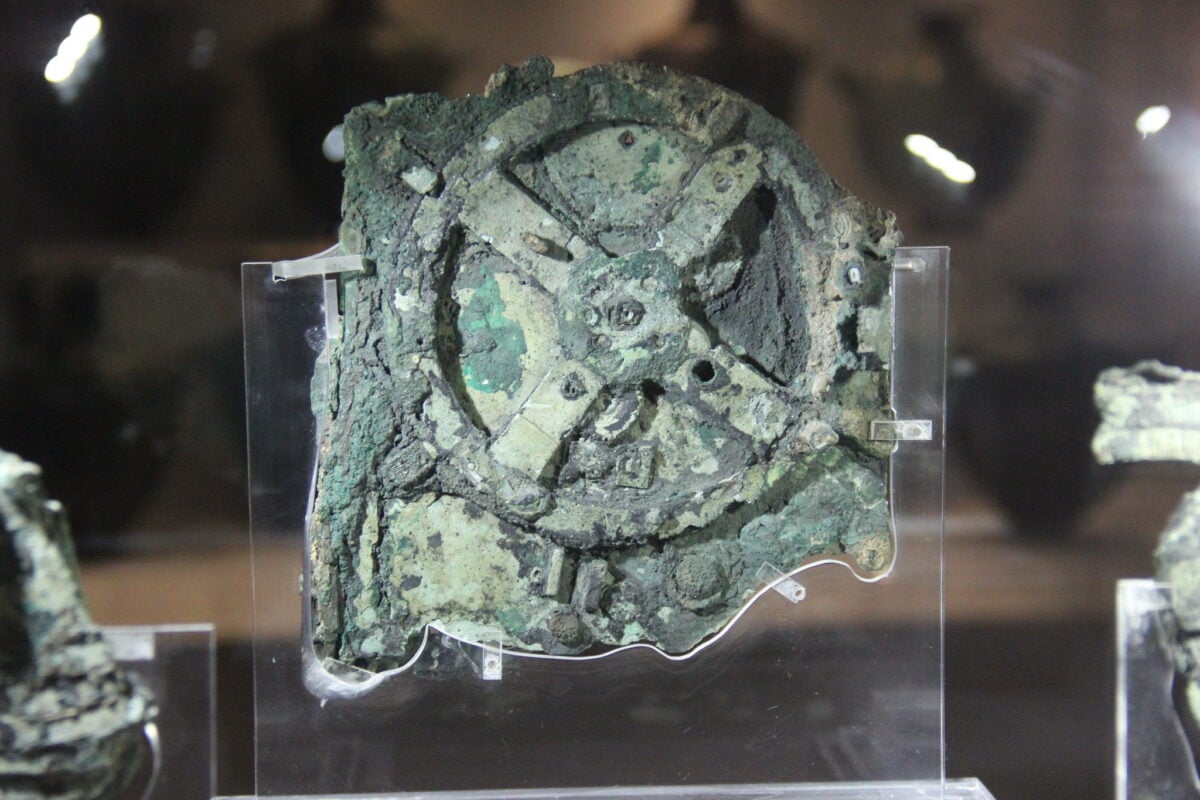
Greek sponge divers discovered an ancient shipwreck off the island of Antikythera in 1901 and started recovering artifacts—statues, pottery, coins. But the most significant object was a corroded lump of bronze that nobody paid much attention to at first.
When it was cleaned and examined, it turned out to be an incredibly sophisticated astronomical calculator from around 150-100 BCE. The Antikythera mechanism has at least 30 bronze gears and could predict eclipses, track the Olympic Games cycle, and model the irregular orbit of the Moon.
Nothing remotely like this complex appears again in the historical record for over a thousand years. Modern reconstructions using X-ray and CT scanning have revealed inscriptions and functions still being decoded.
It basically proves that ancient Greek technology was far more advanced than anyone suspected.
Hoxne Hoard Found by a Lost Hammer
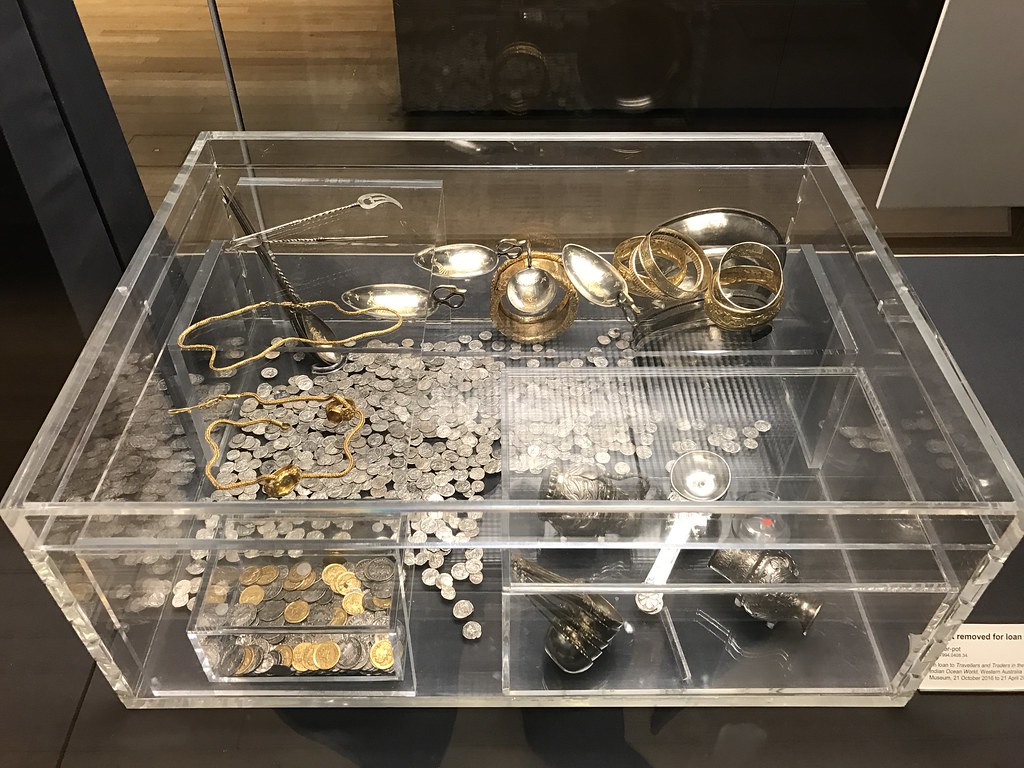
Eric Lawes was searching for his friend’s lost hammer with a metal detector in a field in Suffolk, England, in 1992. He never found the hammer, but he did find the Hoxne Hoard—the largest cache of late Roman gold and silver ever discovered in Britain.
The hoard contained 14,865 Roman gold, silver, and bronze coins, plus around 200 items of silver tableware and gold jewelry, buried around 407-408 CE. Everything was in remarkable condition because it had been carefully packed in a wooden chest (which had rotted away but left its impression).
Lawes did everything right—he stopped digging and called archaeologists, who excavated the site properly. He and the landowner received the full market value as a reward, which was over £1.75 million.
Tutankhamun’s Tomb in the Valley of the Kings
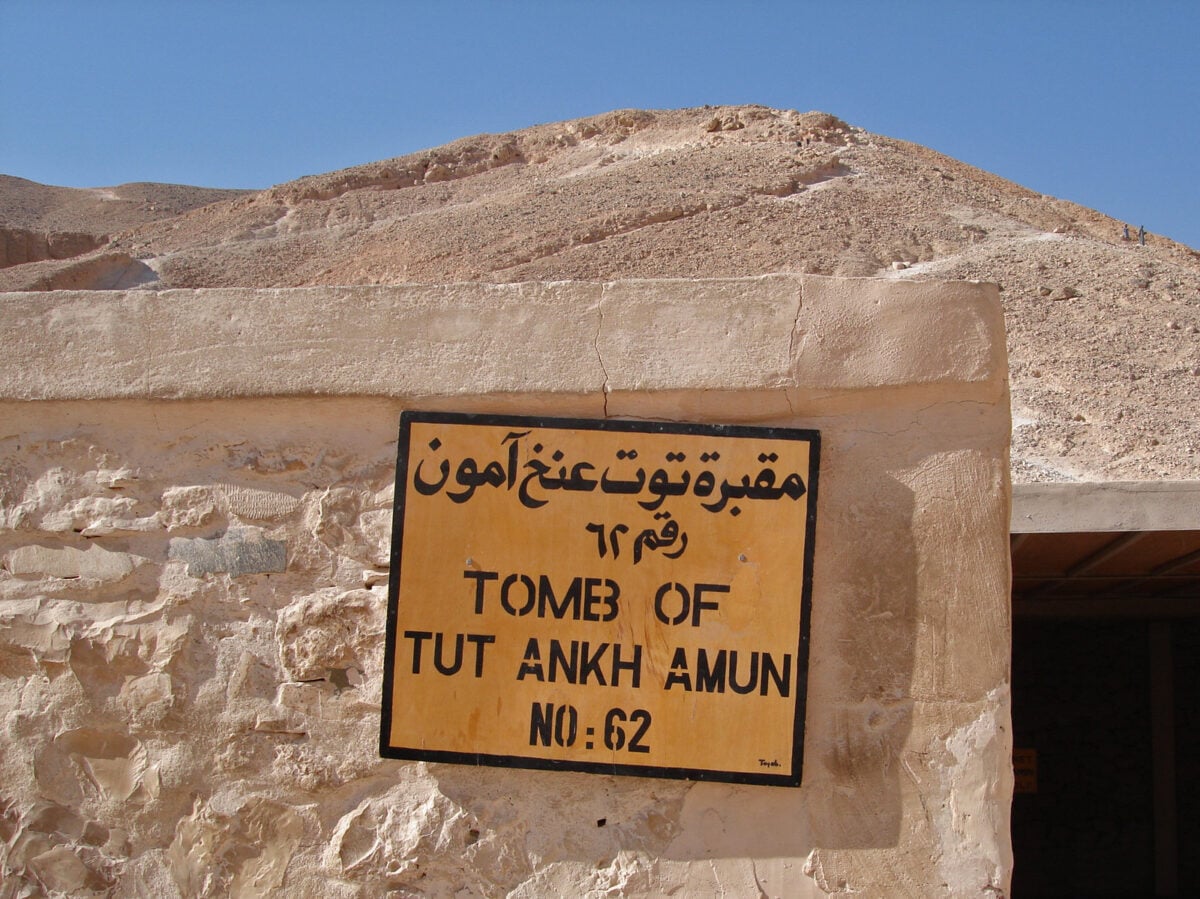
Howard Carter had been searching the Valley of the Kings for years with funding from Lord Carnarvon, and they were about to give up when a water boy working at the site discovered a step cut into the bedrock in November 1922. It led to a staircase, then a sealed doorway, and eventually to the most intact pharaonic tomb ever found.
Tutankhamun died around 1323 BCE at approximately 18 years old (nobody’s entirely sure why—theories range from malaria to a chariot accident). His tomb contained over 5,000 objects including the famous gold death mask, chariots, furniture, clothes, food, wine, and basically everything he might need in the afterlife.
The tomb had been entered and partially robbed in antiquity, then resealed and forgotten. If it had been a more important pharaoh, the tomb probably would’ve been emptied completely—Tut’s relative insignificance saved his treasures.
The discovery caused a global sensation and sparked “Egyptomania” in fashion and design during the 1920s.
Cave of Crystals Discovered During Mining Operations
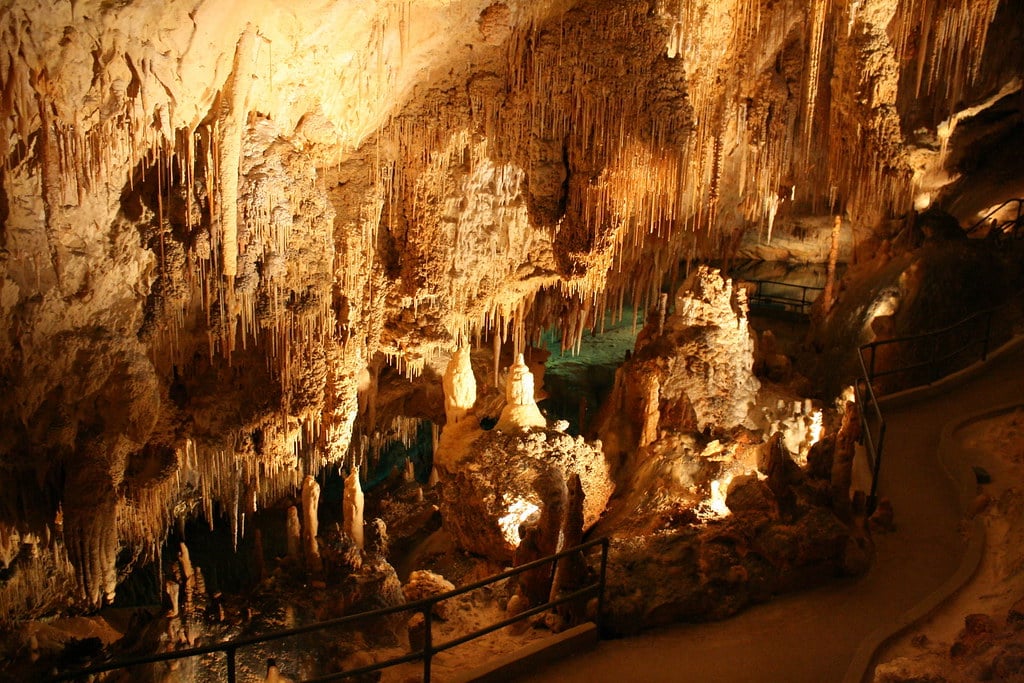
In 2000, miners at Naica Mine in Chihuahua, Mexico, were drilling a new tunnel about 300 meters underground when they broke through into a cave containing some of the largest natural crystals ever found. The selenite (a form of gypsum) crystals are enormous—some over 11 meters long and weighing 55 tons.
The cave is incredibly hostile to humans. The temperature is around 58°C with 99% humidity, so you can only survive inside for about 10 minutes without special cooling equipment.
The crystals formed over 500,000 years in a stable environment with mineral-rich water at just the right temperature. When the mine pumped out the water to access the cave, the crystals stopped growing.
The mine closed in 2017 and the cave has reflooded, which is probably better for the crystals but means nobody can visit anymore (which is fine, honestly, because people were already damaging them).
Scrolls at Herculaneum Carbonized by Vesuvius
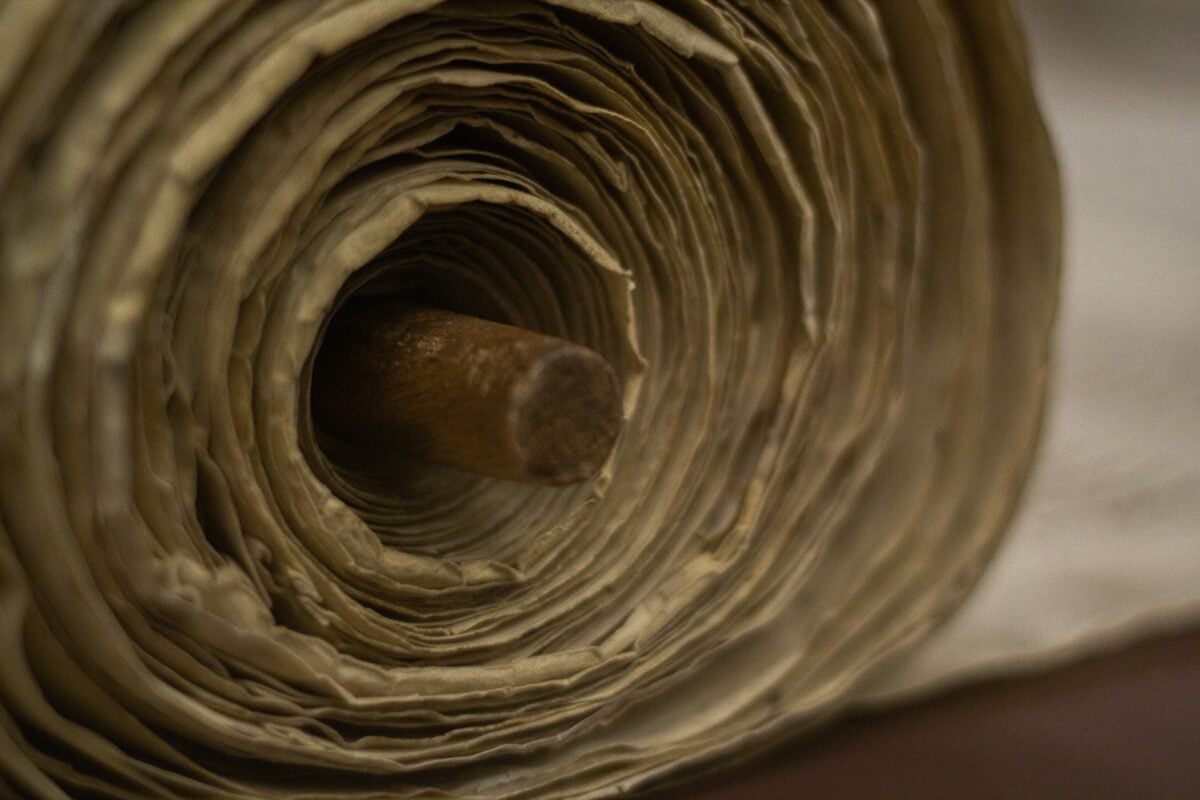
Herculaneum, a town near Pompeii, was also destroyed by the eruption of Mount Vesuvius in 79 CE, but it was buried under superheated mud that carbonized organic materials instead of preserving them. This included the Villa of the Papyri, which contained a library of around 1,800 papyrus scrolls.
The scrolls were discovered in the 1750s but were so fragile that opening them would destroy them—they were essentially charcoal. For centuries, they sat in museums, unreadable. Recent developments in X-ray imaging and AI have finally allowed researchers to read some texts without unrolling the scrolls.
They’ve found philosophical texts by Epicurean writers, including works by Philodemus that were otherwise lost. The villa likely belonged to Julius Caesar’s father-in-law, and scholars believe more rooms (possibly with more scrolls) remain unexcavated.
It’s a time capsule from a private Roman library, which is extraordinary.
Copper Scroll Among the Dead Sea Scrolls
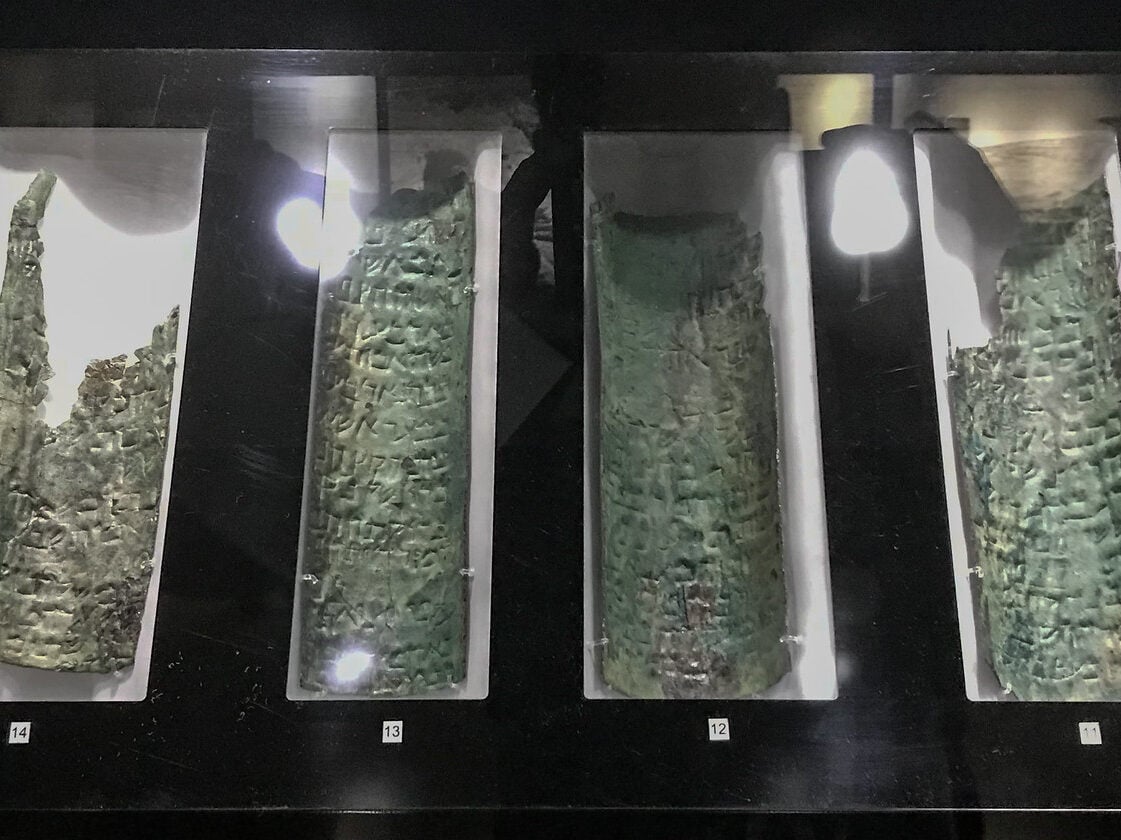
Unlike the other Dead Sea Scrolls written on parchment or papyrus, one scroll discovered in 1952 in Cave 3 near Qumran was inscribed on copper sheets. The text is a list of 64 locations where gold, silver, and other treasures were supposedly hidden, with quantities that seem impossibly large (like 65 tons of gold and silver in various locations).
Nobody knows if the treasure locations are real, symbolic, or complete fiction. The language is unusual and includes terms not found in other texts from the period.
Some think it’s an inventory of Temple treasures hidden before the Romans destroyed Jerusalem in 70 CE. Others think it’s folklore or a literary device. Various expeditions have searched for the treasures mentioned—none have been found, though that hasn’t stopped people from trying.
The scroll is now in two pieces in the Jordan Museum in Amman after being cut apart to read it (there was no other way at the time).
Viking Silver Found in Gardens and Fields
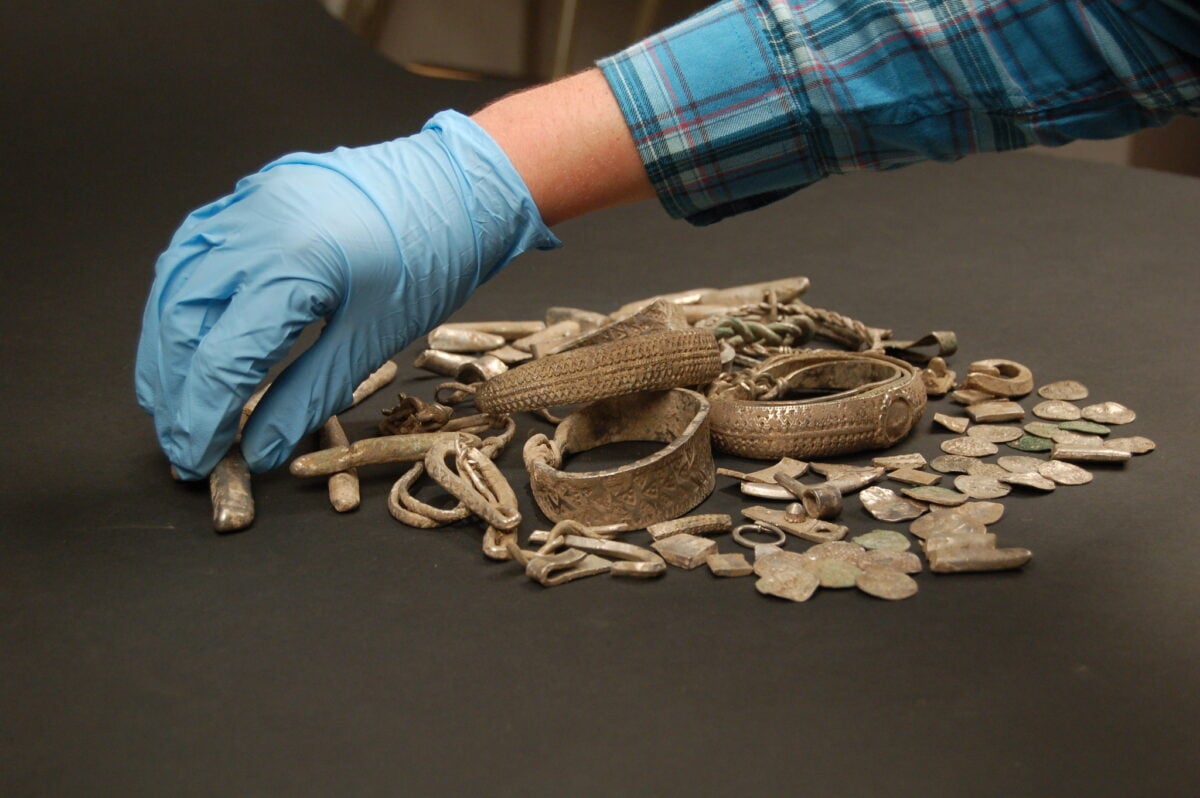
Multiple Viking hoards have been discovered by accident across Britain and Scandinavia, often by people gardening or using metal detectors. The Cuerdale Hoard found in Lancashire in 1840 contained over 8,600 items including silver coins and ingots, making it one of the largest Viking hoards ever discovered. It was found by workers repairing a riverbank.
The Vale of York Hoard, discovered by metal detectorists in 2007, contained 617 silver coins and other items in a gilt silver cup. The Galloway Hoard, found in Scotland in 2014, includes silver, gold, and rare artifacts from across Europe and the Middle East.
These hoards were buried in times of danger (wars, raids, or when owners died without telling anyone where they’d hidden their wealth) and never recovered. Metal detecting has become controversial in archaeology because amateurs don’t always report finds properly, but it has also led to discoveries that might otherwise never have been made.
When Luck Meets History
What’s interesting about all these discoveries is the role of pure chance—combined, admittedly, with someone actually recognizing that what they found was significant (plenty of artifacts have probably been discovered and discarded because nobody realized what they were). It makes you wonder what else is out there, buried under fields or hidden in caves or sealed in walls, just waiting for some kid with a dog or a farmer with a shovel to stumble across it.
The next great archaeological discovery could happen tomorrow, found by someone who wasn’t even looking for it.
More from Go2Tutors!

- The Romanov Crown Jewels and Their Tragic Fate
- 13 Historical Mysteries That Science Still Can’t Solve
- Famous Hoaxes That Fooled the World for Years
- 15 Child Stars with Tragic Adult Lives
- 16 Famous Jewelry Pieces in History
Like Go2Tutors’s content? Follow us on MSN.