Fictionalized Vintage Aesthetics Created by Teens
Vintage never left—it just got reinvented. Today’s teenagers aren’t merely shopping at thrift stores or collecting vinyl records; they’re creating entirely imagined versions of decades they never lived through.
Armed with smartphones and endless creative platforms, Gen Z has become master architects of nostalgic worlds that exist somewhere between historical reality and pure fantasy. These aren’t faithful recreations of the past.
Instead, they’re emotional interpretations—curated glimpses into decades that feel more appealing than the present moment. The result is a generation that’s simultaneously looking backward and pushing forward, using vintage aesthetics as both escape and self-expression.
Dark Academia

Tweed blazers and leather-bound books. Dim library corners and handwritten notes.
The aesthetic borrows from elite boarding schools that most teenagers have only seen in movies, but the appeal runs deeper than surface-level imagery. Dark academia romanticizes intellectual pursuit in a way that regular high school rarely delivers.
It transforms studying into something mysterious and meaningful—less standardized testing, more secret societies devoted to poetry and philosophy.
Cottagecore
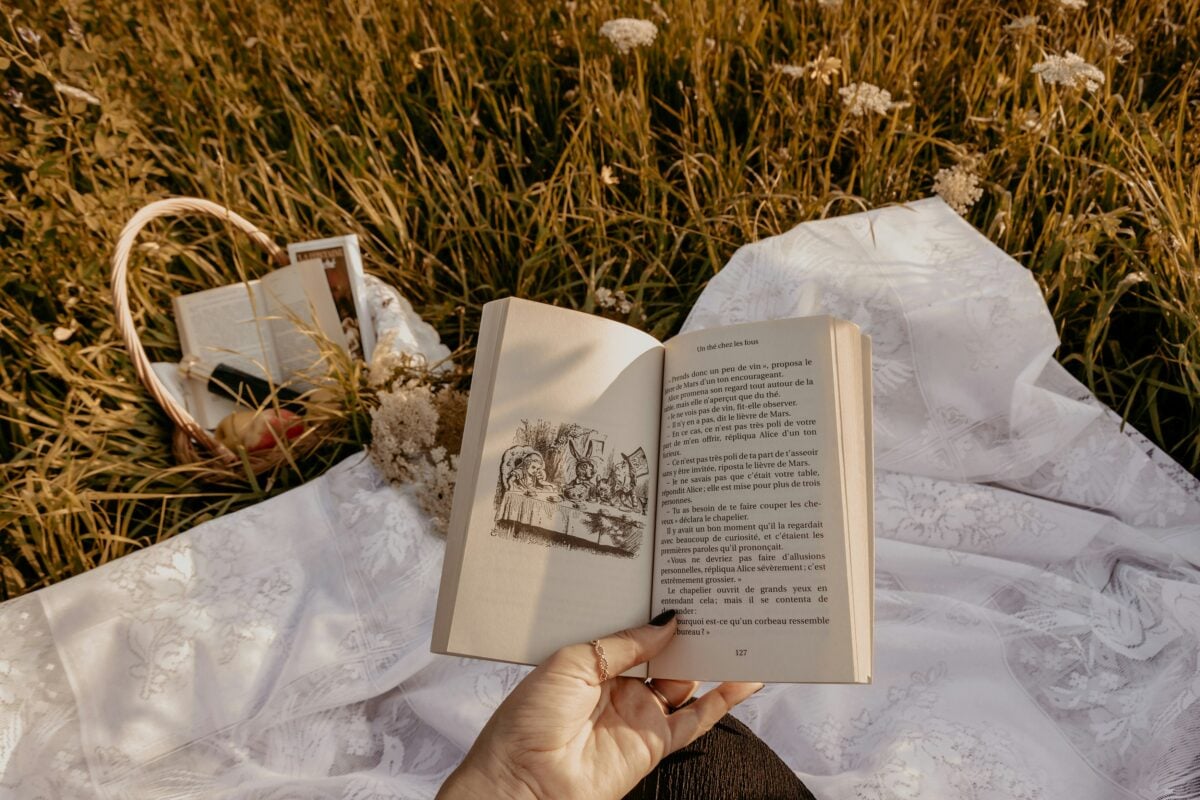
Life slows down in cottagecore. Bread rises in wooden bowls, wildflowers get pressed between book pages, and laundry hangs on lines instead of tumbling in machines.
The aesthetic pulls from a rural past that largely exists in imagination—most actual farm life involved significantly more hardship and considerably less Instagram-worthy lighting. But cottagecore isn’t really about farming (though plenty of teens have started keeping sourdough starters as a direct result).
It’s about rejecting the pace and complexity of modern life in favor of something that feels simpler and more connected to natural rhythms. And yet the irony remains: this longing for disconnection spreads primarily through social media platforms that represent everything cottagecore supposedly stands against. Go figure.
Goblincore

Shiny rocks collected in mason jars. Mushroom photography that borders on obsessive.
Jewelry made from bottle caps and interesting twigs. Goblincore takes the collecting instincts that most people grow out of around age seven and elevates them into a full aesthetic philosophy.
The vintage element here isn’t about any specific decade—it’s about reaching back to something more primal, to the part of human nature that finds joy in small treasures and simple pleasures. Like a child who values a smooth stone as much as any expensive toy, goblincore enthusiasts find beauty in things that capitalism has deemed worthless.
The aesthetic becomes a quiet rebellion against a world that insists everything valuable must also be purchasable.
Y2K Revival

Frosted eyeshadow and butterfly clips have returned with a vengeance. Platform shoes that could cause actual injury.
Digital cameras with grainy, overexposed photos that look nothing like today’s crisp smartphone images. The early 2000s revival might seem recent enough to avoid the “vintage” label, but for teenagers born after 2005, Y2K culture feels as distant as the 1970s once did to millennials.
This aesthetic cherry-picks the most visually striking elements of the era while conveniently ignoring others. The optimism about technology, the belief that the internet would solve more problems than it created, the general confidence that the future would be better than the present—all of that gets filtered through a lens of current knowledge about how those promises turned out.
Fairycore

Flower crowns never looked so deliberate. Ethereal makeup tutorials that require forty-seven different highlighters.
Clothing that appears to have been borrowed from woodland creatures with excellent taste. Fairycore creates a fantasy version of nature that’s more enchanted forest than actual ecosystem.
The aesthetic draws from fairy tales and folklore, but it’s specifically the sanitized versions—Disney rather than Brothers Grimm. Real fairy tales involve considerably more violence and moral ambiguity than fairycore suggests.
But teenagers aren’t trying to recreate authentic folklore; they’re building something that feels magical enough to counterbalance the decidedly unmagical experience of growing up during a global pandemic while climate change accelerates in the background.
1970s Bohemian
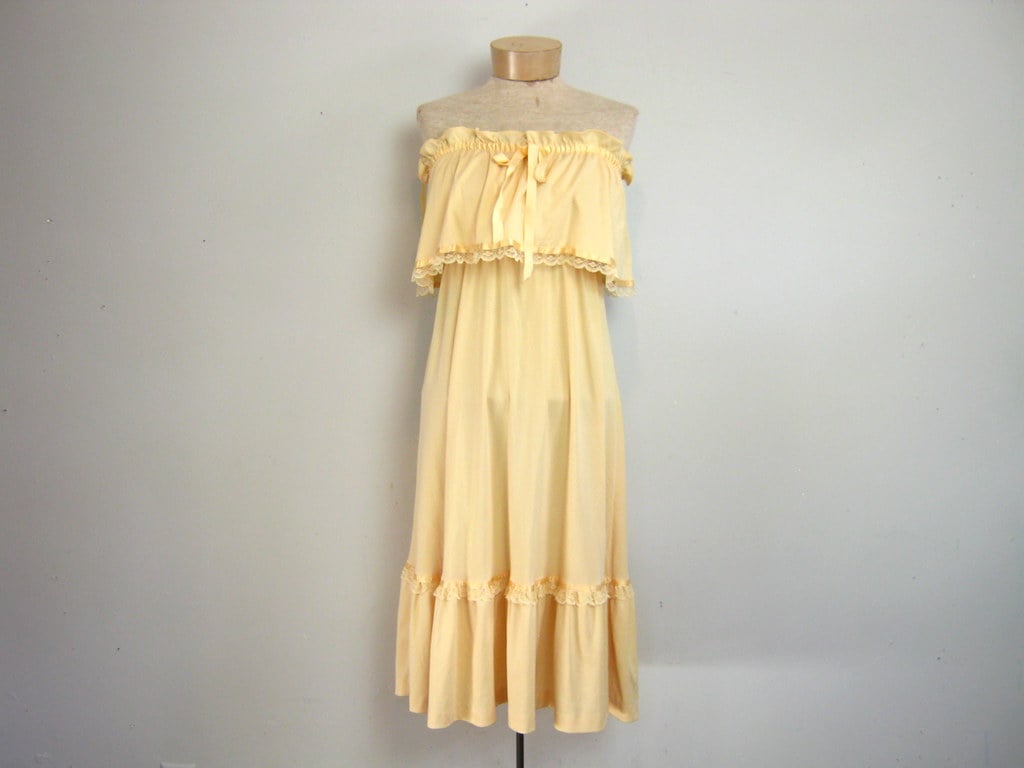
Macrame wall hangings and vintage band t-shirts. Bell-bottom jeans and round sunglasses that belong in a music festival from fifty years ago.
The seventies revival focuses heavily on the counterculture elements—the peace signs and flower power—while glossing over the economic problems and social tensions that defined much of the decade. Teenagers today seem drawn to the idea of a time when rebellion felt more straightforward, when social change seemed possible through the right combination of music, fashion, and idealism.
The fact that many of those movements ultimately fell short doesn’t diminish their current appeal (and most teens constructing seventies-inspired aesthetics aren’t particularly concerned with historical accuracy anyway). So the revival continues, built on vibes rather than facts. Which is probably exactly how it should be.
1950s Americana
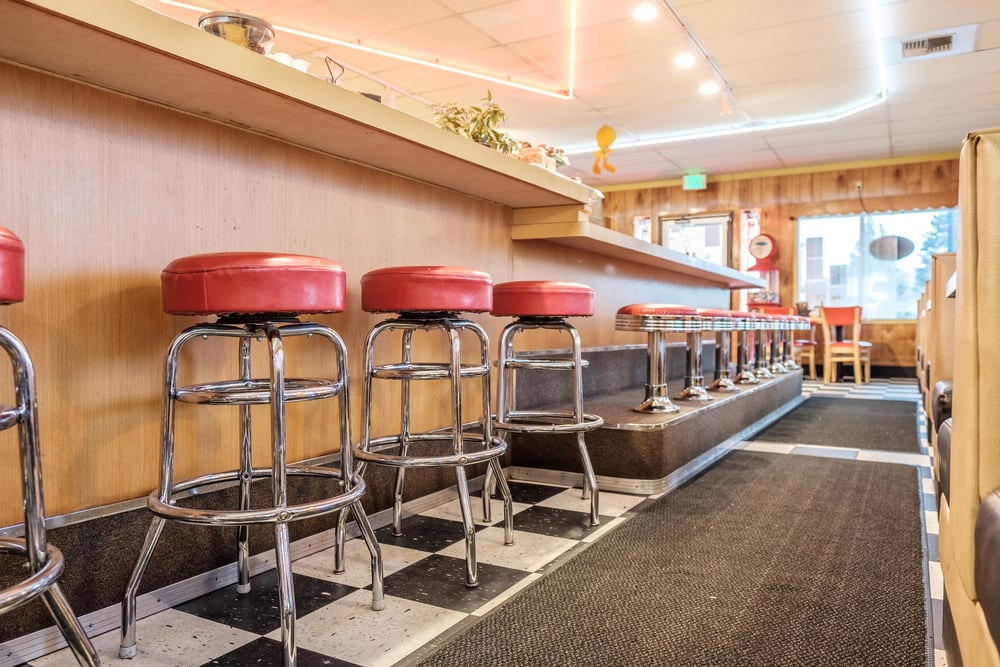
Checkered patterns and cherry motifs. Diners that serve milkshakes in actual glass containers.
Cars with enough chrome to blind approaching aircraft. The fifties aesthetic that teenagers create today focuses almost exclusively on the visual elements—the clean lines, the bold colors, the sense of optimism embedded in everyday objects.
What gets left out is obvious: the social restrictions, the limited opportunities for anyone who wasn’t white and male, the Cold War anxiety that lurked beneath all that suburban perfection. And yet there’s something appealing about the aesthetic’s confidence, the way it suggests that design decisions mattered, that someone cared enough to make even mundane objects beautiful.
Modern teenagers living through an era of planned obsolescence and disposable everything find that attention to visual detail genuinely refreshing.
Art Deco Revival
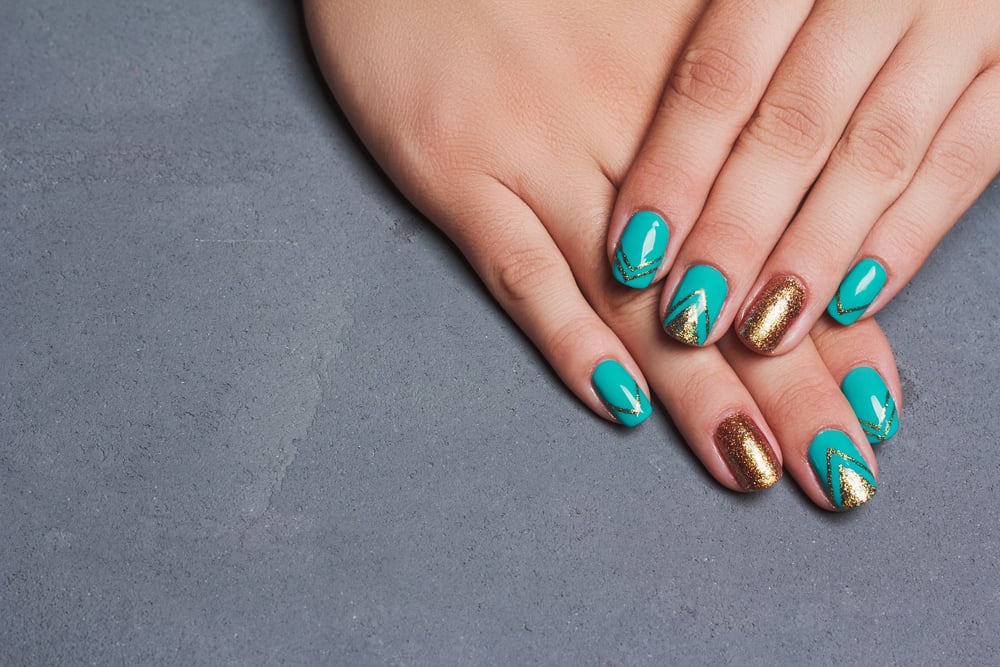
Geometric patterns that demand attention. Gold accents on everything from phone cases to nail art. Typography that looks like it was designed for luxury hotels in 1920s Manhattan.
Art Deco represents sophistication and glamour in a way that feels both timeless and completely inaccessible to actual teenagers. But that’s exactly the point—the aesthetic allows them to imagine themselves into a world of cocktail parties and jazz music, where getting dressed up was a regular occurrence rather than something reserved for prom and graduation.
The economic inequality that made such luxury possible for a small percentage of people while leaving others in poverty doesn’t factor into the fantasy, but then again, it doesn’t need to. Aesthetics aren’t history lessons.
1960s Mod
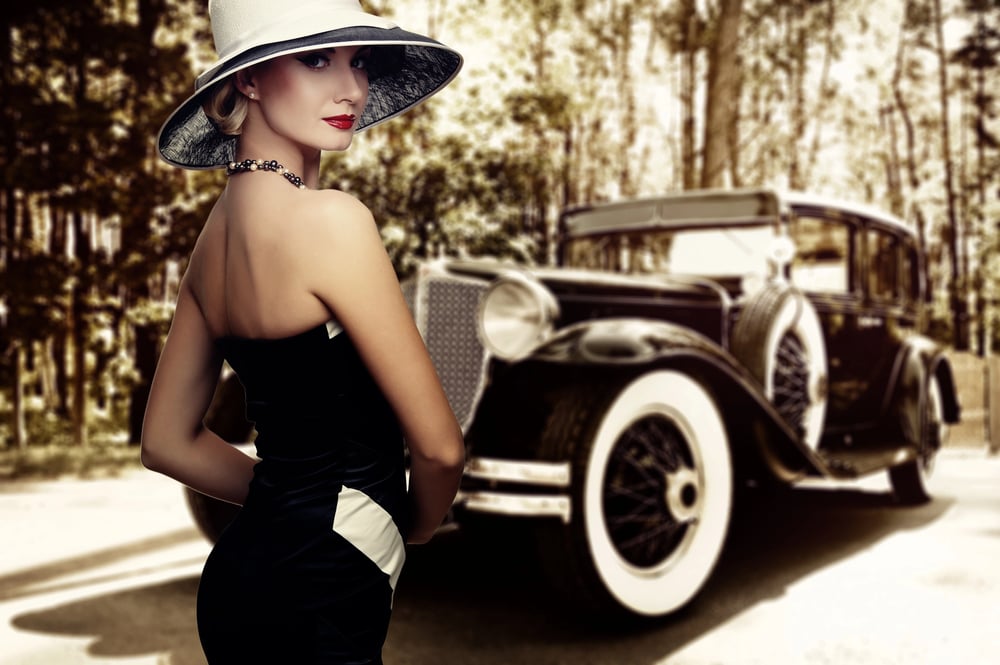
Clean lines and bold patterns. Shift dresses and go-go boots.
Furniture that looks like it was designed for a space station rather than a suburban living room. The mod revival takes the most visually striking elements of sixties design and strips away the political context that originally drove much of the movement.
The result is fashion and decor that feels simultaneously retro and futuristic—which makes sense, because much of sixties design was about imagining what the future might look like. Teenagers today are essentially creating a vintage version of someone else’s vision of the future, which creates an interesting temporal loop that probably shouldn’t be analyzed too closely.
Victorian Gothic

Lace and velvet in combinations that would make actual Victorians deeply uncomfortable. Jewelry that incorporates tiny skulls and pressed flowers in equal measure.
Makeup tutorials that require enough black eyeliner to supply a small theatrical production. Victorian gothic takes the most dramatic elements of 19th-century fashion and amplifies them beyond anything that would have been socially acceptable at the time.
The aesthetic romanticizes an era known for strict social codes and limited personal freedom, but it focuses specifically on the visual drama while ignoring the behavioral restrictions. Modern teenagers get to wear the corsets without having to follow the etiquette rules, which seems like a reasonable trade-off.
1980s Neon

Colors that shouldn’t exist in nature but somehow work perfectly on clothing. Synthesizer music that sounds like robots falling in love.
Makeup techniques that treat the face like a canvas for geometric experimentation. The eighties revival is less about nostalgia and more about pure visual energy—everything loud, everything bright, everything designed to be noticed from across a crowded room.
This particular aesthetic revival makes more sense than most, because teenagers today share something significant with teenagers from the 1980s: they’re both living through times when the future feels uncertain and potentially catastrophic. The difference is that eighties teens were worried about nuclear war, while current teens are dealing with climate change and social media anxiety.
But the response is similar—if the world might end anyway, might as well dress like you’re having fun while you wait.
Romantic Academia
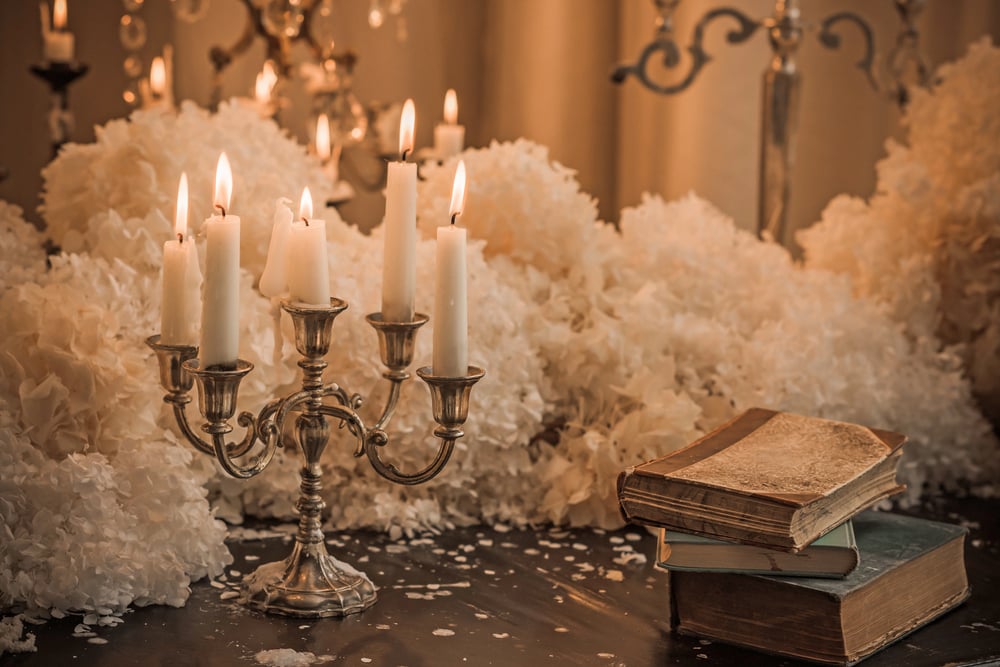
Dark academia’s softer cousin focuses on poetry and art history rather than secret societies and mystery novels. Cream-colored clothing that photographs beautifully in golden hour light.
Handwritten letters and vintage fountain pens that make even grocery lists look important. The aesthetic suggests a world where education is about beauty and meaning rather than test scores and college applications.
Like dark academia, romantic academia transforms intellectual pursuit into something aspirational and aesthetically pleasing. But where dark academia feels secretive and exclusive, romantic academia feels open and inviting—less forbidden library, more sunny study space filled with fresh flowers and good lighting.
Space Age Retro
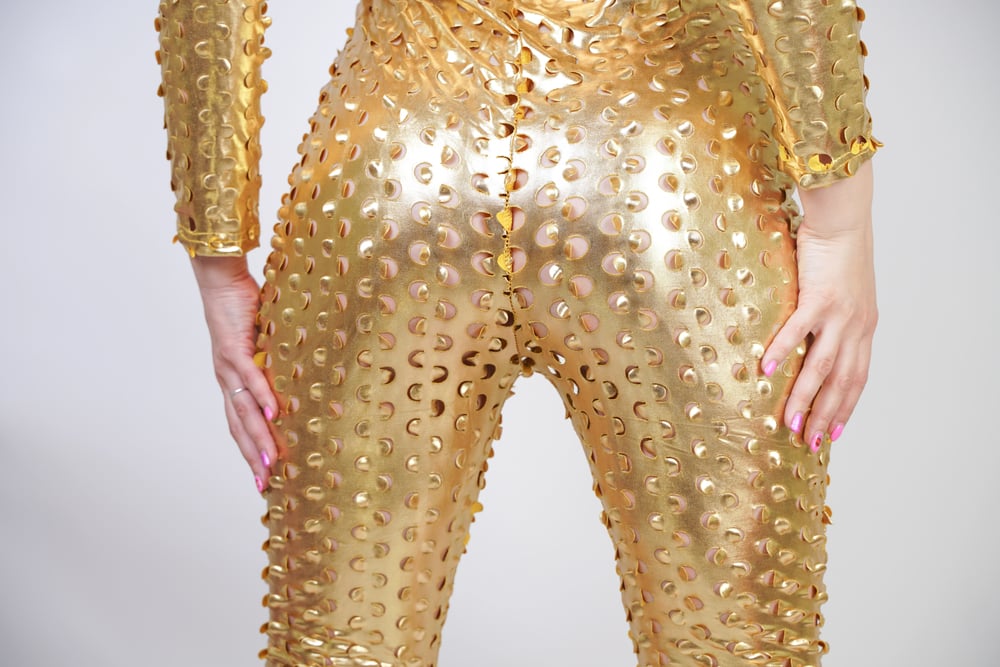
The future as imagined by people who thought we’d all be living in chrome cities by now. Metallic fabrics and furniture that looks like it was designed for a spaceship.
Color schemes dominated by silver and white, with occasional bursts of electric blue or orange. Space age retro takes the optimistic futurism of the 1960s and 70s and turns it into a nostalgic aesthetic.
There’s something both hopeful and melancholy about teenagers today embracing a vision of the future that never quite materialized. The aesthetic celebrates technological optimism while acknowledging that the promised utopia didn’t arrive on schedule.
But the visual elements remain compelling—clean lines, bold colors, and a sense that design can make everyday life feel more exciting.
When nostalgia becomes invention

These aesthetics work because they’re not really about the past—they’re about using historical imagery to build something entirely new. Today’s teenagers understand instinctively that they’re not trying to recreate the 1950s or the 1970s with perfect accuracy.
They’re borrowing visual elements from different eras and recombining them into something that serves their current emotional needs. The result is a generation that’s simultaneously more historically aware and more willing to ignore historical context than any that came before.
They know enough about the past to pull specific design elements from different decades, but they’re not bound by the social or political realities that originally shaped those aesthetics. Which might be exactly the right approach—taking what’s useful from history while leaving behind what isn’t.
More from Go2Tutors!

- The Romanov Crown Jewels and Their Tragic Fate
- 13 Historical Mysteries That Science Still Can’t Solve
- Famous Hoaxes That Fooled the World for Years
- 15 Child Stars with Tragic Adult Lives
- 16 Famous Jewelry Pieces in History
Like Go2Tutors’s content? Follow us on MSN.