14 After-School Rituals That Shaped a Generation
Remember those golden hours between the last school bell and dinner? They offered a special kind of freedom.
Throughout the 80s and 90s, children – particularly Gen Xers and millennials – developed distinctive habits during this time that profoundly influenced how they connected with others, played, and matured. Before smartphones dominated our daily existence, those post-class hours had an entirely different rhythm and feeling.
Here’s a look at 14 after-school rituals that once defined growing up – many now mere artifacts from a pre-digital era.
The Mad Dash for Afternoon Cartoons
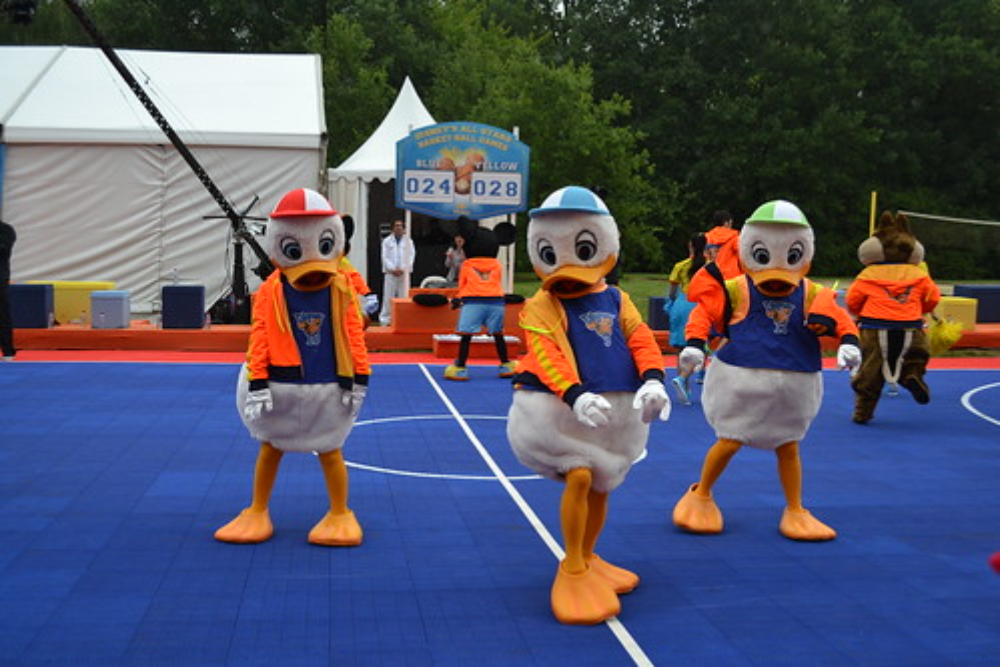
The school day’s end triggered a frantic race to the TV set. Shows like Darkwing Duck or Batman: The Animated Series were broadcast at precise times – if you missed them, you’d have to wait another week!
Backpacks would hit the floor (shoes often staying on), cereal bowls appeared despite it being mid-afternoon, and the television became the center of attention. There wasn’t any streaming or pause button back then – just pure, unfiltered urgency.
The Landline Ritual

Staying connected meant calling your friend’s house before texting and group chats existed. Kids memorized phone numbers by heart – then crossed their fingers hoping someone friendly would answer.
Perching on the kitchen counter while twisting that coiled cord became second nature. The limitations were real, though; most families shared just one line, which inevitably led to squabbles or strict time limits whenever someone else needed the phone.
Wandering Malls Without Cash

Shopping centers weren’t primarily for purchasing things – they functioned as bustling social hubs. Teenagers drifted through mall corridors without buying much of anything.
Food courts transformed into unofficial meeting spots, even when the entire group could only scrape together enough coins for a single order of fries. Security guards quickly recognized regular faces, yet they generally tolerated this harmless hanging around.
Navigation by Bicycle – No GPS Required

Getting around was straightforward – you had two wheels and relied on your internal compass. Everyone knew the quickest routes, secret alley shortcuts, and exactly which fences could be hopped without trouble.
No tracking apps existed, nor were there turn-by-turn directions – just mental maps etched through experience. Days typically concluded when streetlights flickered on, a universally understood curfew requiring no verbal reminders.
Outdoor Adventures Until Dusk
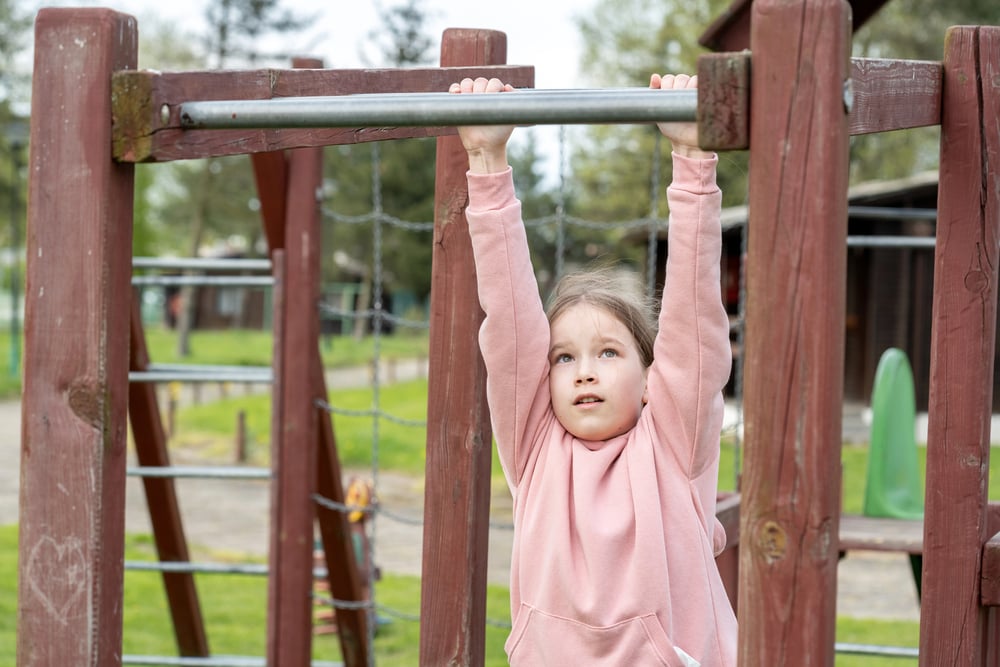
Neighborhoods vibrated with shouts of children calling each other’s names, punctuated by basketballs thumping against pavement. Games like tag or hide-and-seek unfolded without grown-up supervision.
Rules emerged spontaneously – sometimes disputed, frequently adjusted. The primary guideline?
Head home when darkness fell. Nobody needed watches to recognize that moment.
Friday’s Video Store Pilgrimage
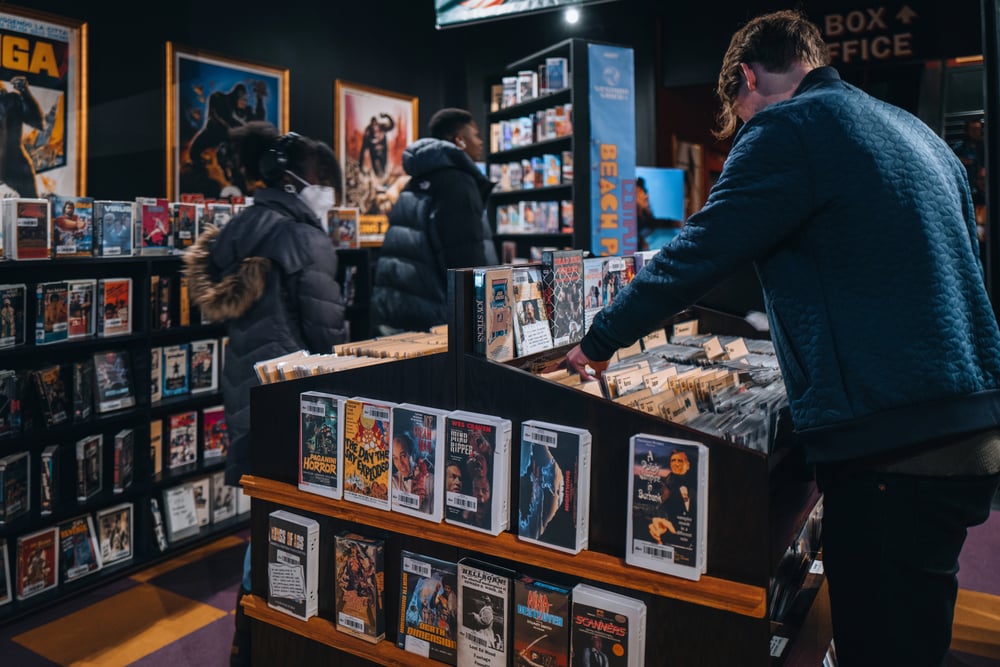
After-school Fridays often included trips to local video rental shops. Selecting the right VHS tape could consume ages – especially if someone had already snagged your first choice.
Kids studied covers intensely; siblings bickered over options; decisions sometimes happened minutes before checkout. Forgetting to rewind tapes meant getting scolded, while late returns guaranteed financial penalties.
Radio Recording Mastery

Creating the ideal mixtape demanded precision, endless patience, and a dash of luck. Kids positioned themselves beside radios, fingers hovering over “record,” ready to pounce the instant a beloved song began.
DJs had an infuriating habit of talking through intros – ruining what should’ve been perfect openings. Nevertheless, the results felt deeply personal.
These handcrafted playlists, complete with static and imperfections, often carried greater emotional weight than anything professionally produced.
Homework Without Internet Access
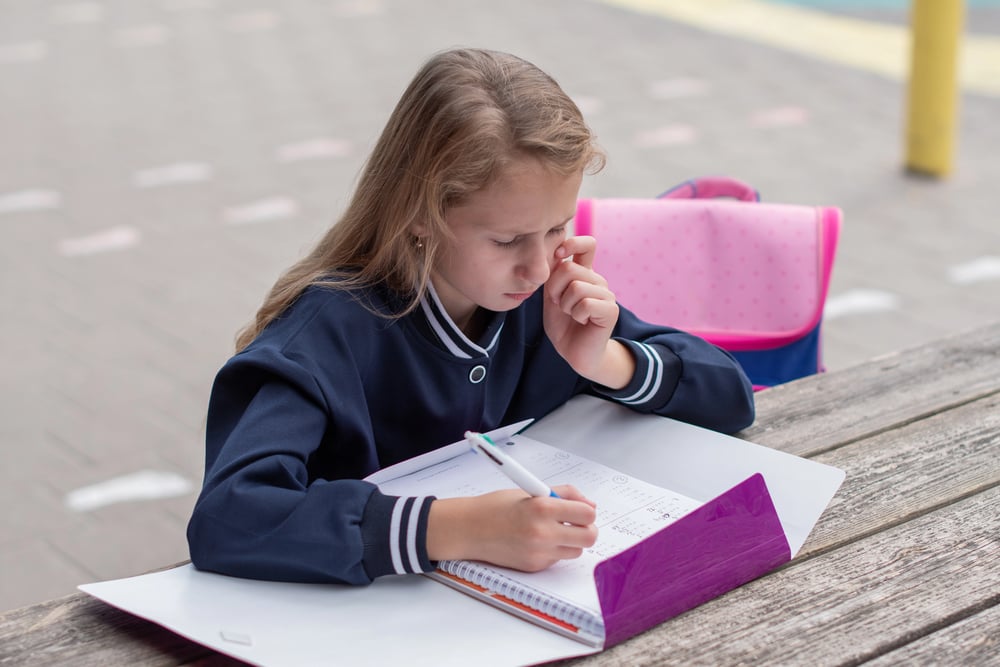
Academic assignments meant leafing through encyclopedias, library books, or whatever reference materials happened to be around the house. Serious research required actual journeys to libraries.
When challenges arose, phoning classmates represented your best hope for assistance. Search engines weren’t available to rescue you, and occasionally, answers simply remained elusive.
Garden Hose Hydration Stations

Quenching thirst during play didn’t necessitate going indoors. Quick sips from garden hoses were standard practice – despite their plastic flavor and unpredictable temperature fluctuations.
Everyone understood you had to let water run briefly before drinking, as the initial burst often came out scalding hot. Contemporary parents might question this practice’s safety, but back then, nobody thought twice about it.
Architectural Wonders From Household Items

Living spaces transformed into magnificent forts using nothing more than blankets, couch cushions, and chairs. These improvised structures became private realms – sometimes illuminated by flashlights or protected by strict access protocols.
Parents typically permitted this temporary chaos, provided everything returned to normal before bedtime. For brief periods, these homemade forts meant everything to their young architects.
The Economics of Trading Cards

School bags contained more than just textbooks—they housed meticulously organized collections of trading cards and stickers. Children gathered to negotiate trades during lunch breaks, after school dismissal, or while riding buses home.
Unspoken rules governed these exchanges, along with heated debates about fair value. This wasn’t merely recreation but rather an introduction to concepts of worth, strategic thinking, and negotiation tactics.
The Quest to Conquer Impossible Video Games

Video games weren’t designed with convenience in mind. Save points and built-in hints simply didn’t exist. Each attempt presented a fresh challenge, with progress coming gradually through persistence.
Kids clustered around consoles after school, taking turns or closely observing to absorb techniques. Successfully completing difficult levels earned serious playground credibility—sometimes conferring legendary status at school the next day.
The Scheduled Music Video Experience

Since YouTube changed the face of how we watch content, music videos went by the tightly controlled broadcast roster. MTV and VH1 decided what played when—and teenagers paid close attention in hopes of spotting favorite performers in glimpses.
Dance steps were learned and recreated, clothes dissected, lines learned with devotional fervor. These vids influenced day-after watercooler chatter, especially when something that didn’t meet expectations or crossed lines aired.
The Sugar Rush Era

Snack time usually meant astronomical levels of sugar. Cheese puffs that left orange fingerprints to fluorescent-colored slushies that left tongue-staining marks behind – the selection seemed to have no limits.
Health concerns came up for discussion occasionally, although these foods were inexpensive and everywhere. In some way, most children survived this sugar gauntlet in fairly good shape.
The Enduring Impact of Unstructured Freedom
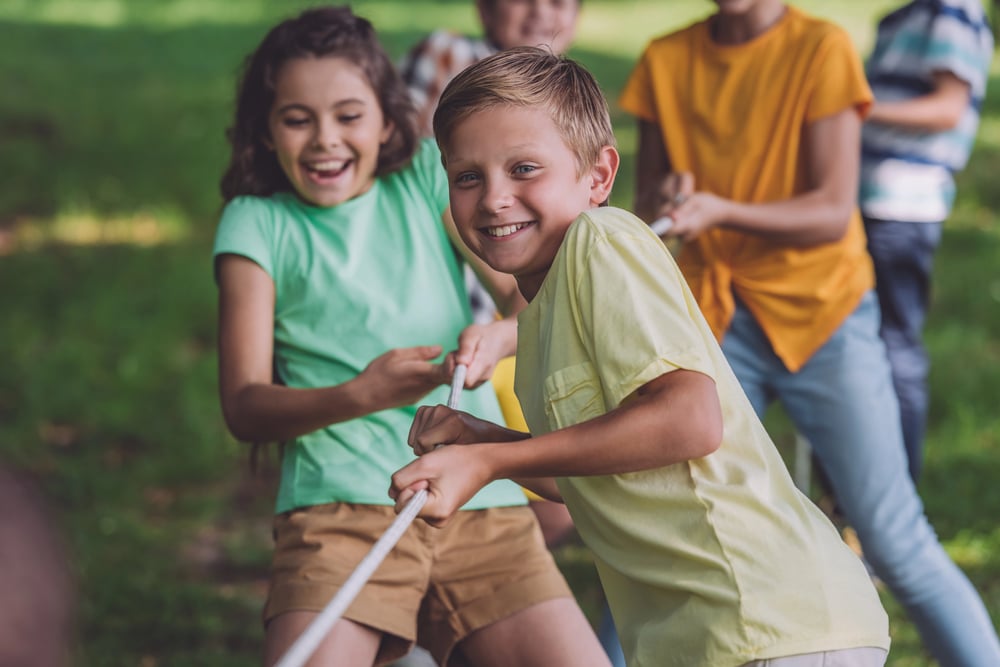
With neither relentless adult oversight nor screen temptations, children simply learned to deal with boredom, practice self-direction, and regulate their own time. Contemporary habits are very different, defined by technology and more structured agendas.
But there is something about those loosely organized hours that continues to speak so deeply. They encouraged independence through countless little day-to-day experiences—and created memories that are just as vivid decades on.
More from Go2Tutors!

- The Romanov Crown Jewels and Their Tragic Fate
- 13 Historical Mysteries That Science Still Can’t Solve
- Famous Hoaxes That Fooled the World for Years
- 15 Child Stars with Tragic Adult Lives
- 16 Famous Jewelry Pieces in History
Like Go2Tutors’s content? Follow us on MSN.