Most Powerful Ancient Empires in the Middle East and Their Legacy
The Middle East has always been the crossroads of civilization, a place where empires rose and fell like waves against the shore. Some conquered with swift brutality, others endured for centuries, leaving traces that still shape how people live today.
Each empire tells a different story about power, ambition, and the strange ways that ancient decisions echo through modern life. You can walk through cities today and see their fingerprints everywhere, from the legal systems that govern daily life to the languages people speak when they argue in the marketplace.
Sumerian City-States
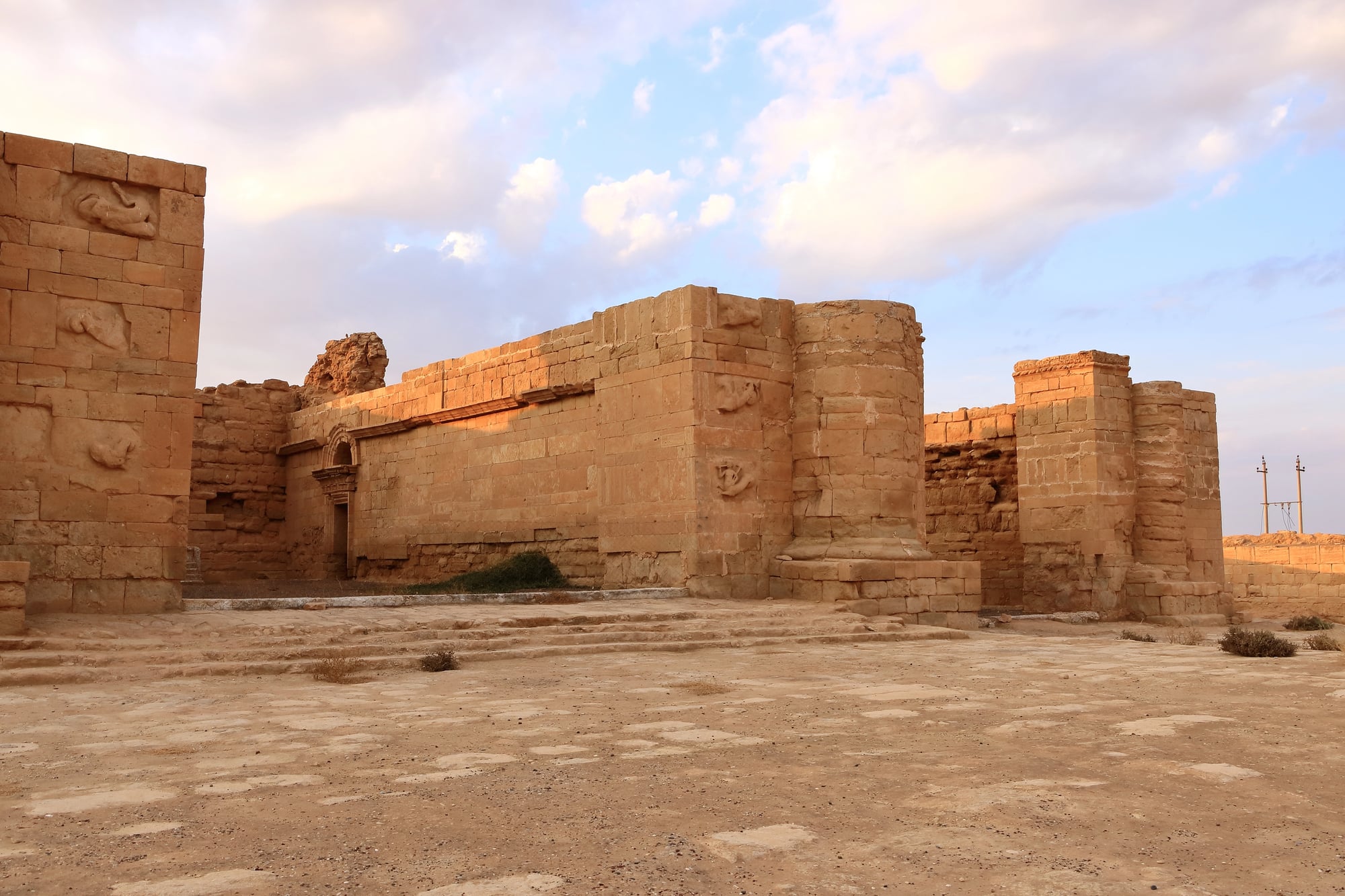
The Sumerians got there first. Around 4500 BCE, when most of the world was still figuring out agriculture, they’d already built cities and invented writing.
Their city-states — Ur, Uruk, Babylon — operated like independent countries that happened to share a culture. Each had its own king, its own patron deity, its own way of doing business.
Writing changes everything, and the Sumerians knew it. Once you can record laws, debts, and stories, civilization becomes portable.
The cuneiform tablets they left behind read like the world’s first bureaucracy — trade agreements, court cases, grocery lists carved in stone. Every modern legal system owes something to those first attempts at writing down what people owe each other.
Akkadian Empire
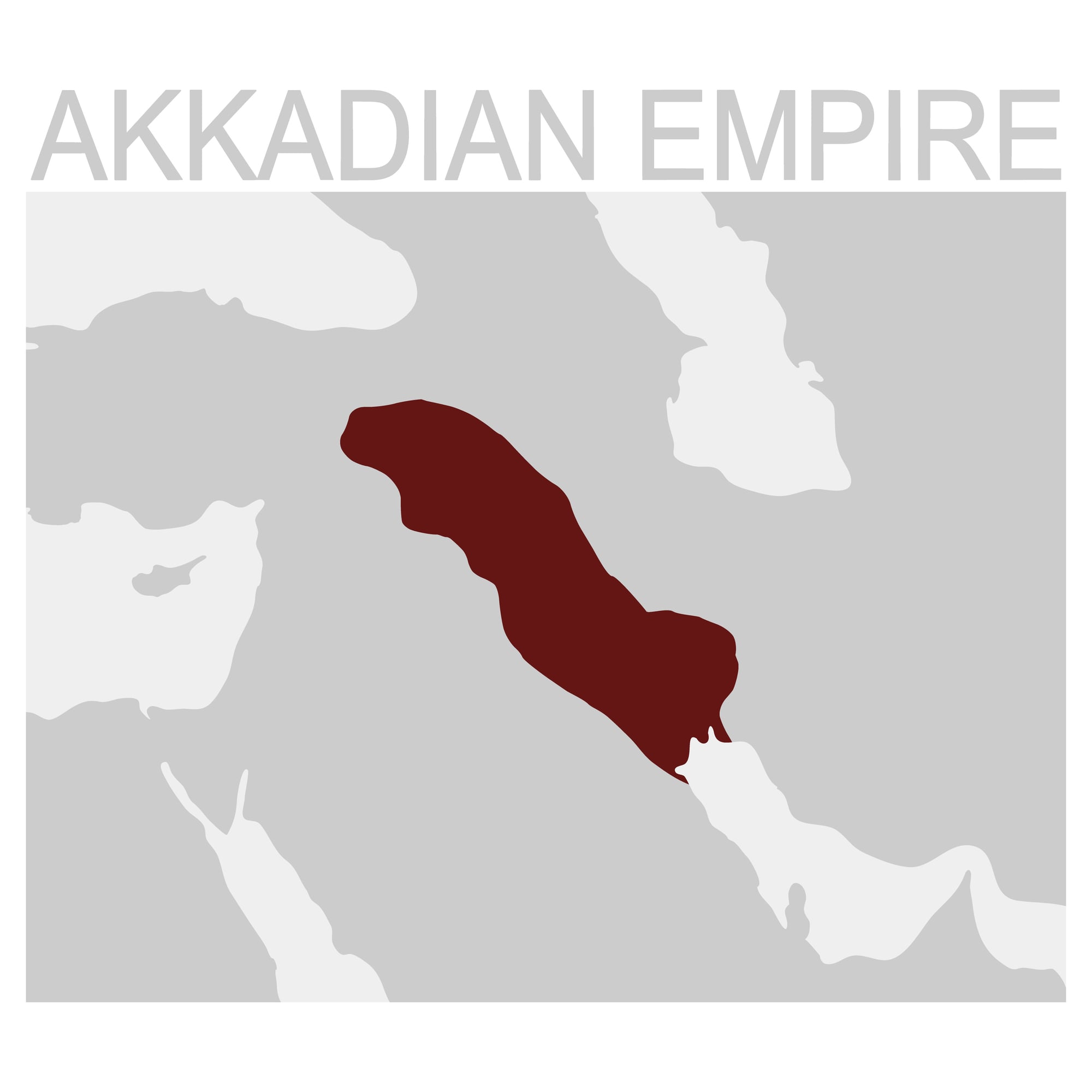
Sargon of Akkad took the Sumerian model and scaled it up around 2334 BCE. This was the first true empire in human history — not just a collection of allied cities, but one ruler controlling multiple peoples across a vast territory.
The Akkadians solved the fundamental problem of empire: how do you control people who don’t want to be controlled? Their answer was efficient brutality combined with cultural absorption.
Conquer the Sumerians, then adopt their gods and writing system. Let the conquered people keep their customs as long as they paid taxes and acknowledged Akkadian authority.
That flexibility became the blueprint every successful empire would follow. Pure oppression creates rebellions.
Pure tolerance creates chaos. The sweet spot lies somewhere between the two, and the Akkadians found it first.
Modern federal systems still grapple with the same balance — local autonomy within imperial (or national) unity.
Babylonian Empire
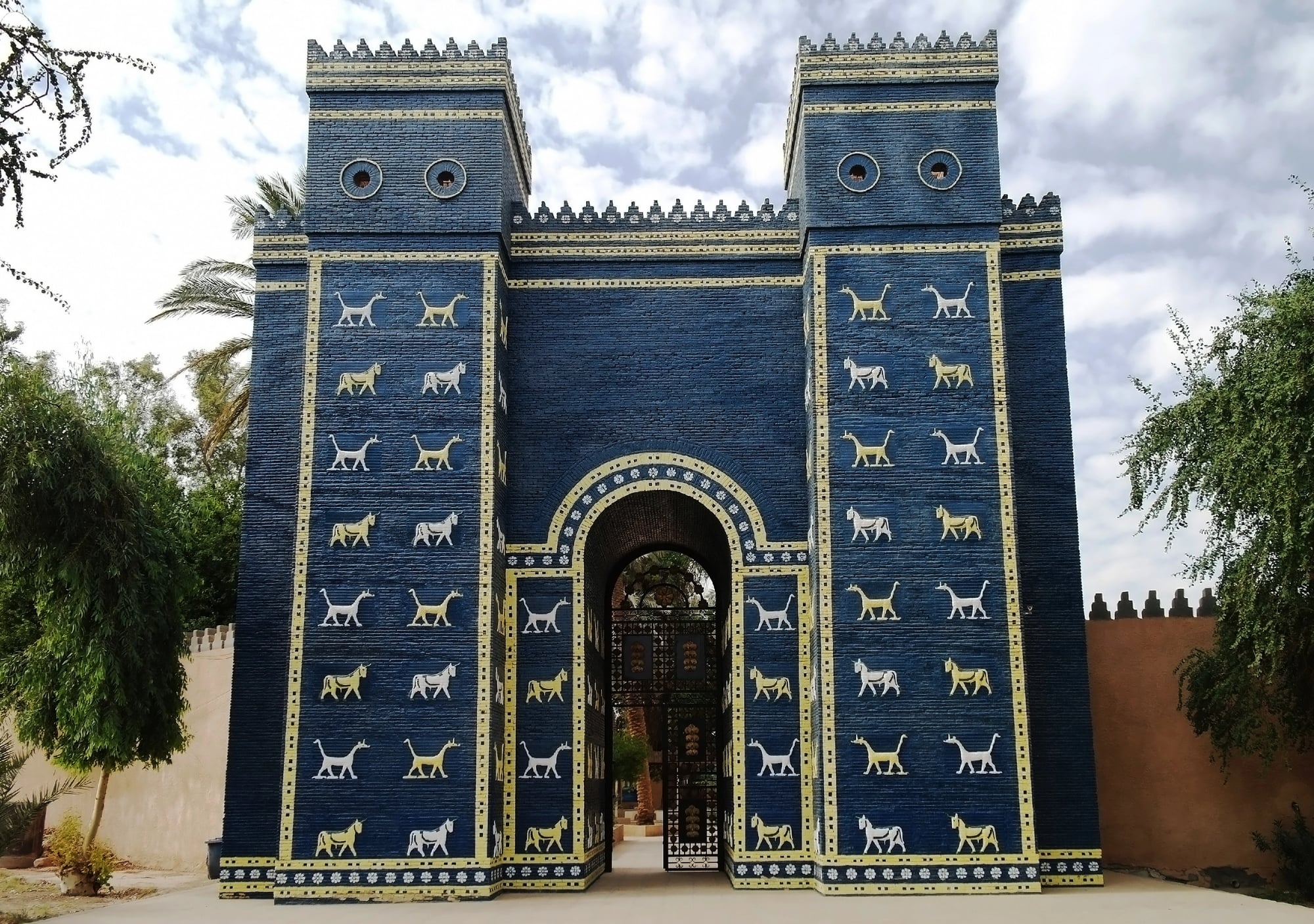
Babylon turned empire-building into an art form. Under Hammurabi (1792-1750 BCE), they created the first comprehensive legal code — 282 laws covering everything from property disputes to family relationships.
But here’s what made it revolutionary: the laws applied to everyone, regardless of social status. Well, sort of.
The punishments varied dramatically based on class (you got a harsher sentence for assaulting a nobleman than a slave), but the principle was established — written law that applied universally within the empire’s borders. And they didn’t hide these laws away; they carved them on stone pillars and placed them in public squares where anyone could read them.
Assuming they could read, which wasn’t common then. The psychological impact was enormous.
Knowing what the rules are ahead of time changes how people behave, how they plan their lives, how they relate to authority. Every modern constitution traces its lineage back to Hammurabi’s Code, though few people realize it.
That pillar in the public square became the courthouse, the legislature, the very idea that law should be knowable and predictable. But Babylon’s influence runs deeper than legal systems — they essentially created the idea of the city as a center of learning and culture.
The Hanging Gardens (if they actually existed) weren’t just a pretty display; they represented the empire’s wealth being channeled into beauty and innovation rather than pure military might. That idea — that a great civilization should produce great art — became the standard by which all subsequent empires would be measured.
Assyrian Empire
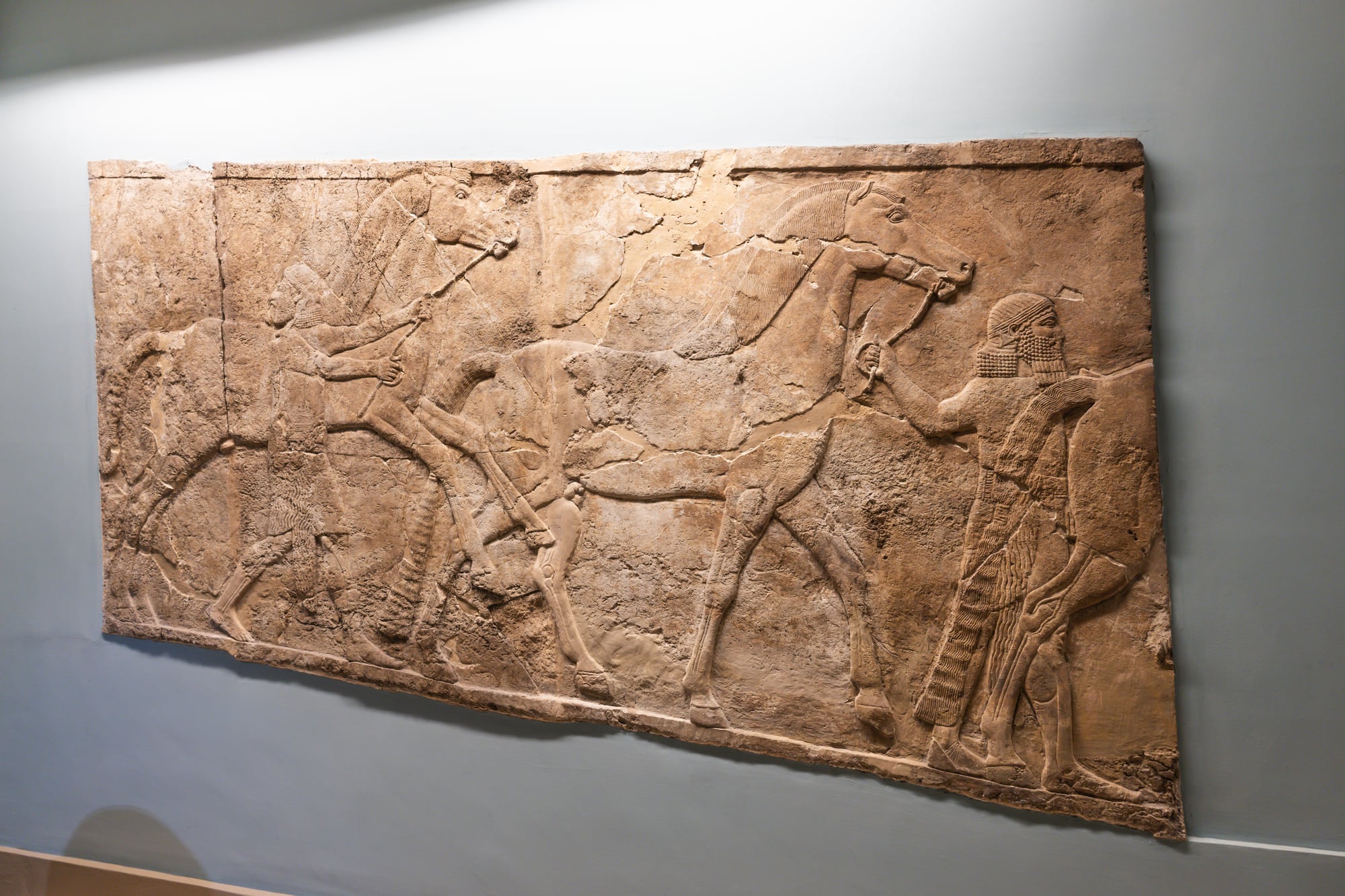
The Assyrians perfected the machinery of conquest like no one before or since. From roughly 900 to 600 BCE, they built an empire that stretched from Iran to Egypt through a combination of military innovation and systematic terror.
Their army wasn’t just larger than their enemies’ — it was technologically superior and ruthlessly professional. Iron weapons, siege engines, cavalry units, specialized engineering corps: the Assyrians approached warfare like a science.
But their real innovation was psychological. They didn’t just defeat enemies; they made examples of them. Cities that resisted faced complete destruction, their populations deported to distant corners of the empire. Word traveled.
After a few spectacular destructions, most cities surrendered without a fight. And yet their harshness contained the seeds of their own destruction.
When the empire finally weakened, every suppressed people rose simultaneously. There was no loyalty to draw upon, no goodwill to sustain them through difficult times.
The Assyrian Empire collapsed as quickly as it had risen, leaving behind mainly a reputation for cruelty. Still, their administrative innovations — professional armies, provincial government, intelligence networks — became standard features of every subsequent empire.
Persian Empire
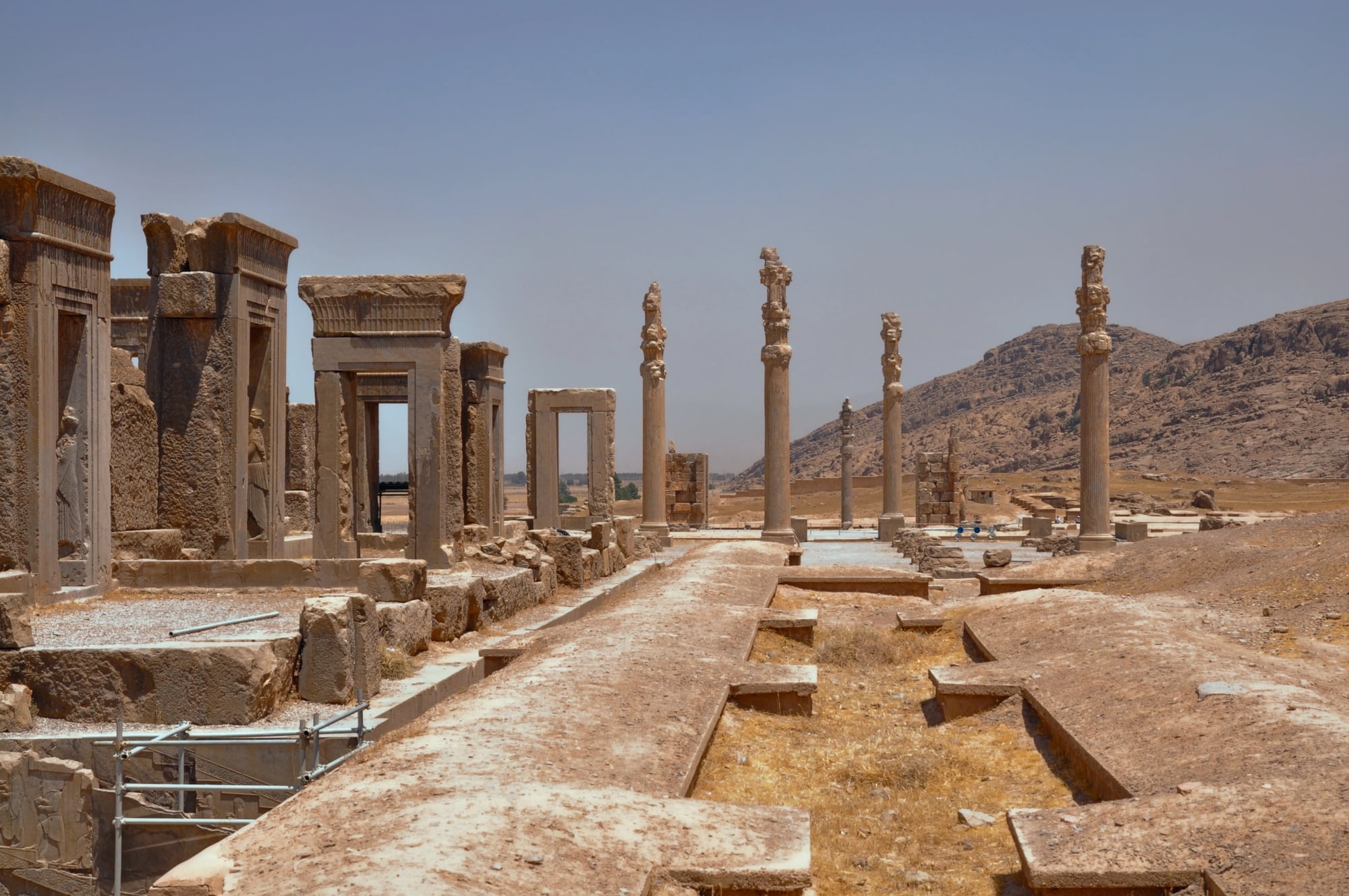
Persian tolerance was a revolutionary concept (and not just because it sounds like a contradiction). When Cyrus the Great conquered Babylon in 539 BCE, he did something unprecedented: he freed the Jewish exiles and funded the rebuilding of their temple in Jerusalem.
This wasn’t charity — it was a calculated strategy that worked brilliantly. The Persian approach flipped the Assyrian model completely.
Instead of ruling through fear, they governed through accommodation. Local customs, religions, and laws were not just tolerated but actively protected.
The empire was divided into satrapies (provinces), each governed by a satrap who was usually from the local nobility. As long as taxes flowed to the center and external relations remained under Persian control, local autonomy was extensive.
This created something historically rare: an empire that many of its subjects actually preferred to the alternatives (and when your alternative might be Assyrian rule, that preference makes sense). The Persian system was so successful that it lasted for over two centuries, an extraordinary lifespan for an ancient empire.
But perhaps their most important innovation was the idea of universal principles. Zoroastrianism, the Persian religion, emphasized concepts like good versus evil, divine judgment, and an afterlife based on moral choices.
These ideas spread throughout the empire and beyond, influencing Judaism, Christianity, and Islam. The notion that history has a moral direction, that individual choices matter in a cosmic sense — these Persian concepts shaped how half the world thinks about existence.
Ancient Egyptian Empire

Egypt wasn’t just an empire; it was a civilization that happened to conquer its neighbors from time to time. The distinction matters because Egyptian power flowed from cultural superiority rather than military innovation, though they could certainly fight when necessary (the Nubian and Levantine campaigns prove that).
What made Egypt different was continuity. While other empires rose and fell, Egypt endured for over three thousand years, adapting and surviving through conquest, internal collapse, foreign rule, and cultural transformation.
That kind of persistence teaches different lessons than flash-in-the-pan military conquests. Their secret was geographic: the Nile created a natural fortress protected by deserts on both sides, with a reliable water source and annual floods that renewed the soil.
This geographic advantage allowed them to develop a stable agricultural base, which supported a complex society with elaborate religious and governmental systems. Other empires had to constantly expand to maintain their wealth; Egypt could focus on depth rather than breadth.
The cultural influence was massive. Egyptian art, architecture, and religious concepts spread throughout the ancient world.
The idea of divine kingship — that the ruler was literally a god rather than merely chosen by gods — became a standard imperial concept. More subtly, their approach to death and the afterlife influenced religious thinking across the Mediterranean and beyond.
Modern nation-states owe something to the Egyptian model: the idea that political entities can maintain their essential character across centuries, adapting to changing circumstances while preserving core cultural values. In a world of constant change, Egypt demonstrated the power of institutional continuity.
Neo-Babylonian Empire

The Neo-Babylonians proved that sometimes you get a second chance to remake the world. Rising from the ashes of Assyrian collapse around 626 BCE, they rebuilt Babylon into the most magnificent city of the ancient world — or at least that’s how they wanted it remembered.
Under Nebuchadnezzar II, Babylon became synonymous with urban sophistication. The Hanging Gardens, the Ishtar Gate with its brilliant blue glazed bricks, the ziggurat that inspired the Tower of Babel story — this wasn’t just architecture, it was propaganda built in stone and bronze.
The message was clear: this is what civilization looks like when it reaches its peak. But the real innovation was economic.
The Neo-Babylonians created some of history’s first international banking systems. Merchants could deposit silver in Babylon and withdraw the equivalent in Egypt.
Standardized weights, measures, and currency made trade predictable across vast distances. The business archives they left behind read like modern commercial law: letters of credit, partnership agreements, bankruptcy procedures.
That economic sophistication outlasted the empire itself. When Cyrus conquered Babylon in 539 BCE, he kept the Babylonian administrative and commercial systems largely intact.
The techniques developed in Neo-Babylonian counting houses spread throughout the Persian Empire and beyond, eventually reaching Greece and Rome. Every modern banking system traces some of its practices back to those Babylonian merchants figuring out how to move money safely across dangerous distances.
Hittite Empire
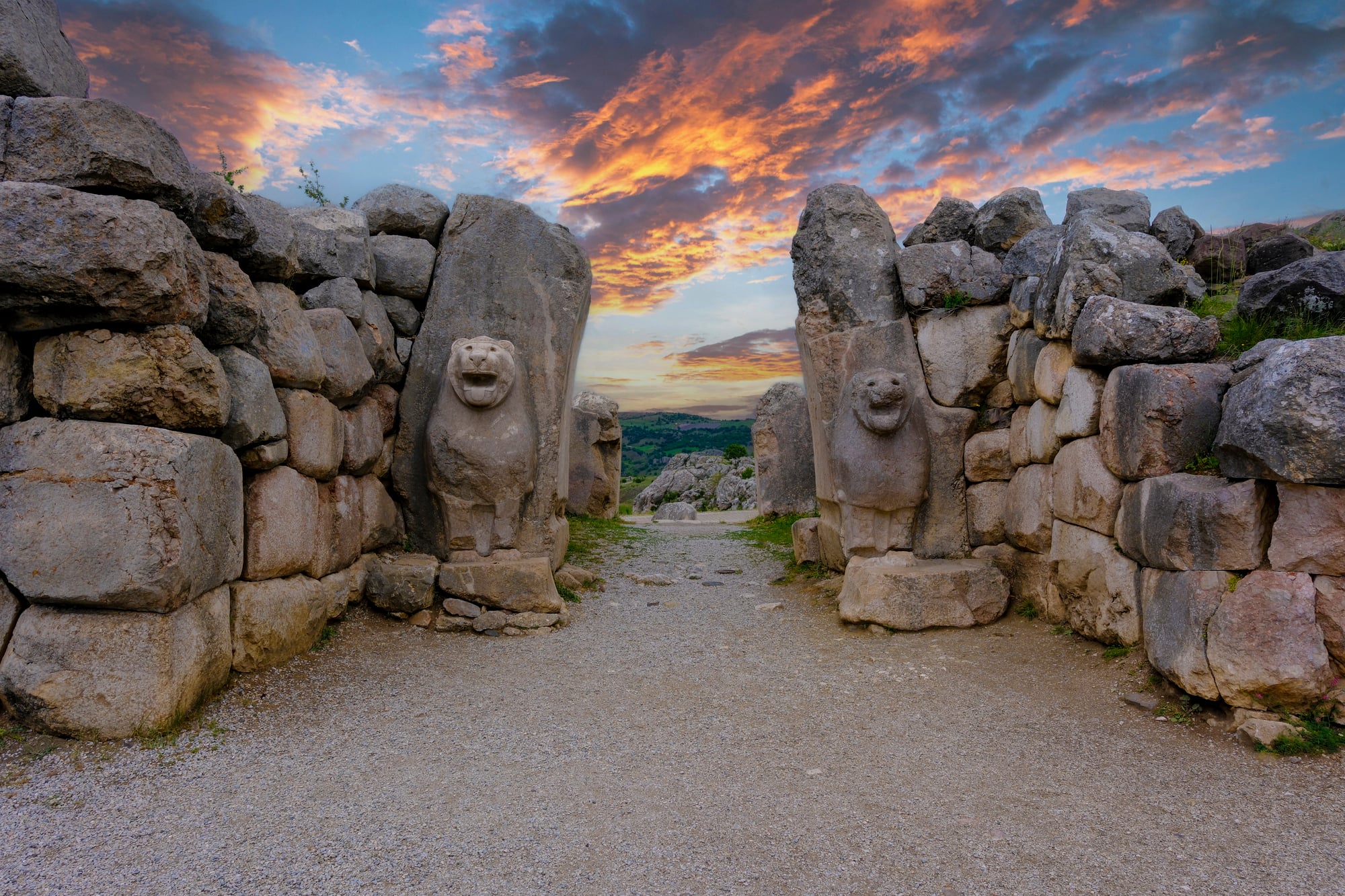
The Hittites mastered the art of controlled expansion, building an empire that lasted from roughly 1650 to 1200 BCE through a combination of military innovation and diplomatic finesse. They were among the first to weaponize iron effectively, giving them a significant advantage over bronze-age opponents, but their real genius lay in knowing when to fight and when to negotiate.
They perfected the treaty system. Rather than simply conquering and occupying territory, the Hittites preferred to create networks of allied states bound by detailed agreements that specified mutual obligations, trade relationships, and military support.
The Treaty of Kadesh with Egypt (1259 BCE) is considered the world’s first comprehensive peace treaty, complete with extradition clauses and mutual defense provisions. Their legal system was remarkably progressive for its time.
The Hittite laws show a society moving away from harsh physical punishments toward compensation-based justice. Instead of “an eye for an eye,” Hittite law often specified monetary payments or service obligations.
This practical approach to justice — focusing on making the victim whole rather than satisfying abstract notions of revenge — influenced legal thinking throughout the ancient world. The Hittites also left behind something else important: the first international diplomatic archive.
The tablets found at their capital, Hattusa, contain correspondence with rulers across the known world. These letters reveal a sophisticated understanding of international relations, complete with intelligence networks, trade negotiations, and alliance management.
Modern diplomatic protocol owes more to Hittite practices than most people realize.
Median Empire

Media often gets overshadowed by Persia, which eventually conquered and absorbed it, but the Median Empire deserves recognition for solving one of the ancient world’s most persistent problems: how to unite nomadic and settled peoples into a single political entity.
The Medes were originally nomadic, but they settled in the Iranian plateau and gradually brought neighboring tribes under their control. Their innovation was creating a confederation that allowed both nomadic and agricultural peoples to maintain their traditional ways of life while contributing to a larger political structure.
Nomadic groups provided cavalry and military service; settled populations provided agricultural surplus and manufactured goods. This wasn’t just practical politics — it was a recognition that different peoples have different strengths and that trying to force everyone into the same mold wastes human potential.
The Median model influenced Persian imperial organization and, through Persia, affected how all subsequent empires thought about diversity within unity. Their most lasting contribution might be the concept of the noble lie in politics.
Herodotus tells us that the Medes created elaborate origin stories and royal genealogies to justify their rule, complete with prophecies and divine mandates. Whether these stories were true mattered less than whether people believed them.
This understanding of political mythology — that legitimacy depends as much on narrative as on force — became a standard feature of imperial ideology.
Lydian Kingdom

Lydia invented money, which changed everything about how civilizations interact. Around 650 BCE, Lydian merchants began using standardized coins made from electrum (a gold-silver alloy) instead of relying on barter or weighed precious metals.
This innovation spread quickly throughout the ancient world because it solved so many practical problems. Before coins, trade required either bartering (cumbersome and inefficient) or weighing and testing precious metals for purity (time-consuming and subject to fraud).
Coins backed by royal authority provided a standardized medium of exchange that people could trust. This dramatically reduced transaction costs and made complex commercial relationships possible.
The economic effects rippled outward in ways the Lydians probably never anticipated. Standardized currency enabled more sophisticated banking, made long-distance trade more practical, and allowed for the accumulation of liquid wealth in ways that hadn’t been possible before.
The rise of merchant classes, urban commercial centers, and eventually capitalism itself all trace back to those first Lydian coins. But money also changed warfare and politics.
Armies could be paid in cash rather than plunder, making professional military service possible. Taxes could be collected in currency rather than goods, making imperial administration more efficient.
The relationship between rulers and subjects shifted when both sides began thinking in terms of monetary value rather than traditional obligations.
Phoenician City-States

The Phoenicians proved that military conquest isn’t the only path to empire. From roughly 1200 to 300 BCE, they created a commercial network that stretched from Lebanon to Spain, establishing trading posts and colonies throughout the Mediterranean.
Their empire was built on ships and ledgers rather than swords and spears. Their alphabet was their secret weapon — a streamlined writing system that could represent any language with just 22 characters, compared to the hundreds of symbols required by Egyptian hieroglyphs or Mesopotamian cuneiform.
This made literacy accessible to merchants and sailors, not just professional scribes. Business correspondence, navigation records, and trade agreements could be maintained efficiently across vast distances.
But the real innovation was the trading post model of expansion. Instead of conquering territory and occupying it with armies, the Phoenicians established small settlements along coastlines where they could repair ships, store goods, and conduct business with local populations.
These posts required minimal military investment but generated enormous commercial returns. This approach created something like the world’s first multinational network.
Phoenician merchants operated under a common legal and commercial framework but adapted to local conditions wherever they settled. They married into local families, learned local languages, and adjusted their business practices to local customs while maintaining their core Phoenician identity.
The legacy is everywhere: the alphabet you’re reading right now derives from Phoenician script. The commercial law that governs international business traces its principles back to Phoenician trading practices.
The very idea of voluntary commercial relationships crossing ethnic and political boundaries — what we now call globalization — started with Phoenician merchants figuring out how to do business with anyone, anywhere.
Kingdom of Israel
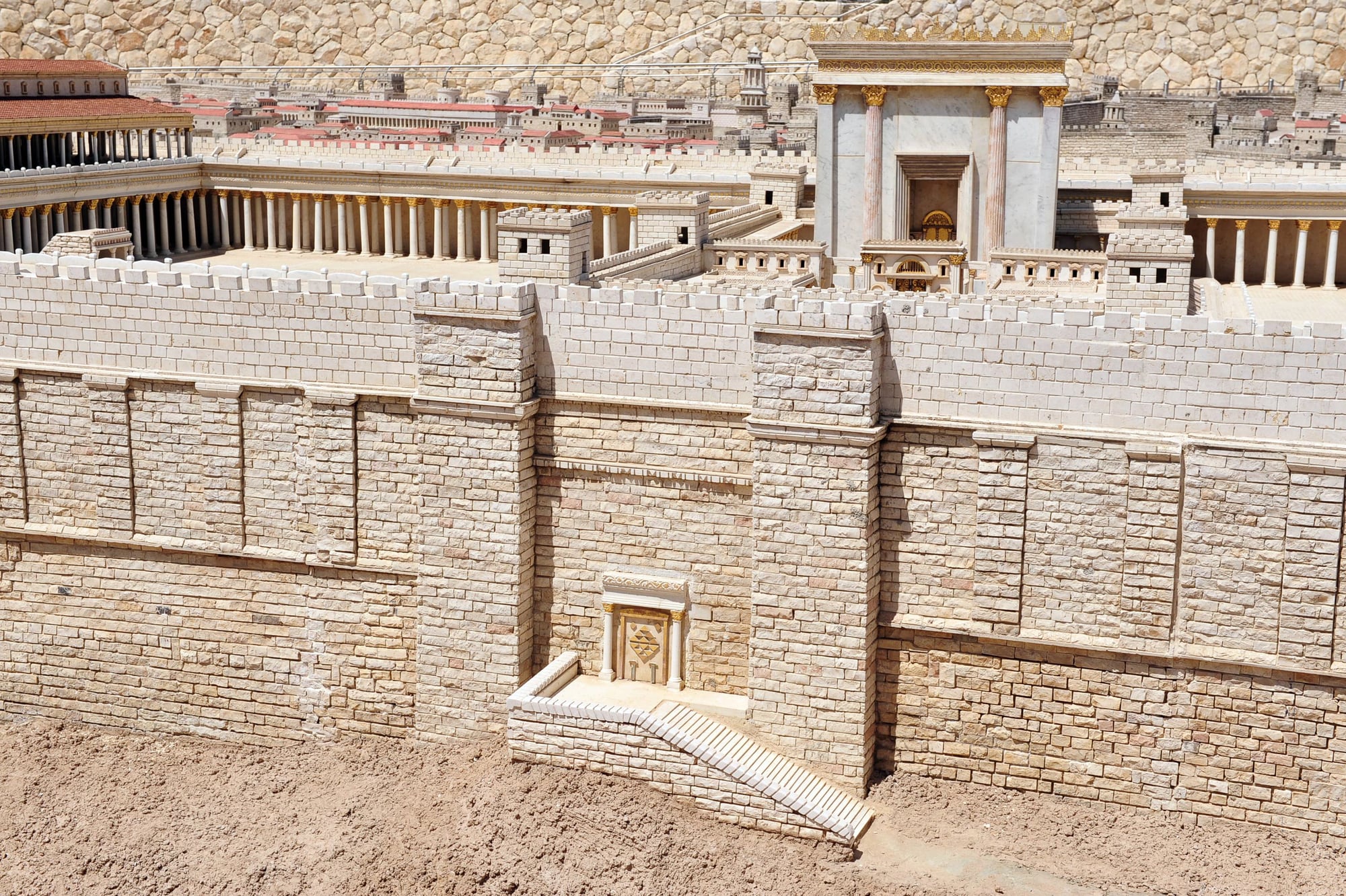
The Kingdom of Israel’s political power was limited and short-lived, but its cultural influence exceeded any ancient empire’s military reach. Existing roughly from 1050 to 586 BCE, it created ideas about law, ethics, and divine purpose that still shape how billions of people understand their place in the world.
The innovation was monotheism — not just the worship of one god, but the insistence that only one god exists and that this god makes moral demands on human behavior. This wasn’t merely a religious concept; it was a revolutionary approach to law and governance.
If divine law supersedes human authority, then even kings can be held accountable for their actions. The Hebrew Bible preserves a remarkable collection of political theory disguised as religious instruction.
The idea that authority must be justified, that power comes with moral obligations, that ordinary people have rights that rulers cannot violate — these concepts emerged from Hebrew theology but became foundational principles of Western political thought. But perhaps the most important contribution was the historical perspective.
The Israelites saw human events as part of a larger divine plan moving toward ultimate justice. This linear view of history — the idea that time has direction and purpose — replaced cyclical thinking throughout much of the world.
Progress, evolution, development, destiny — all these concepts trace back to Hebrew historical thinking.
Armenian Empire
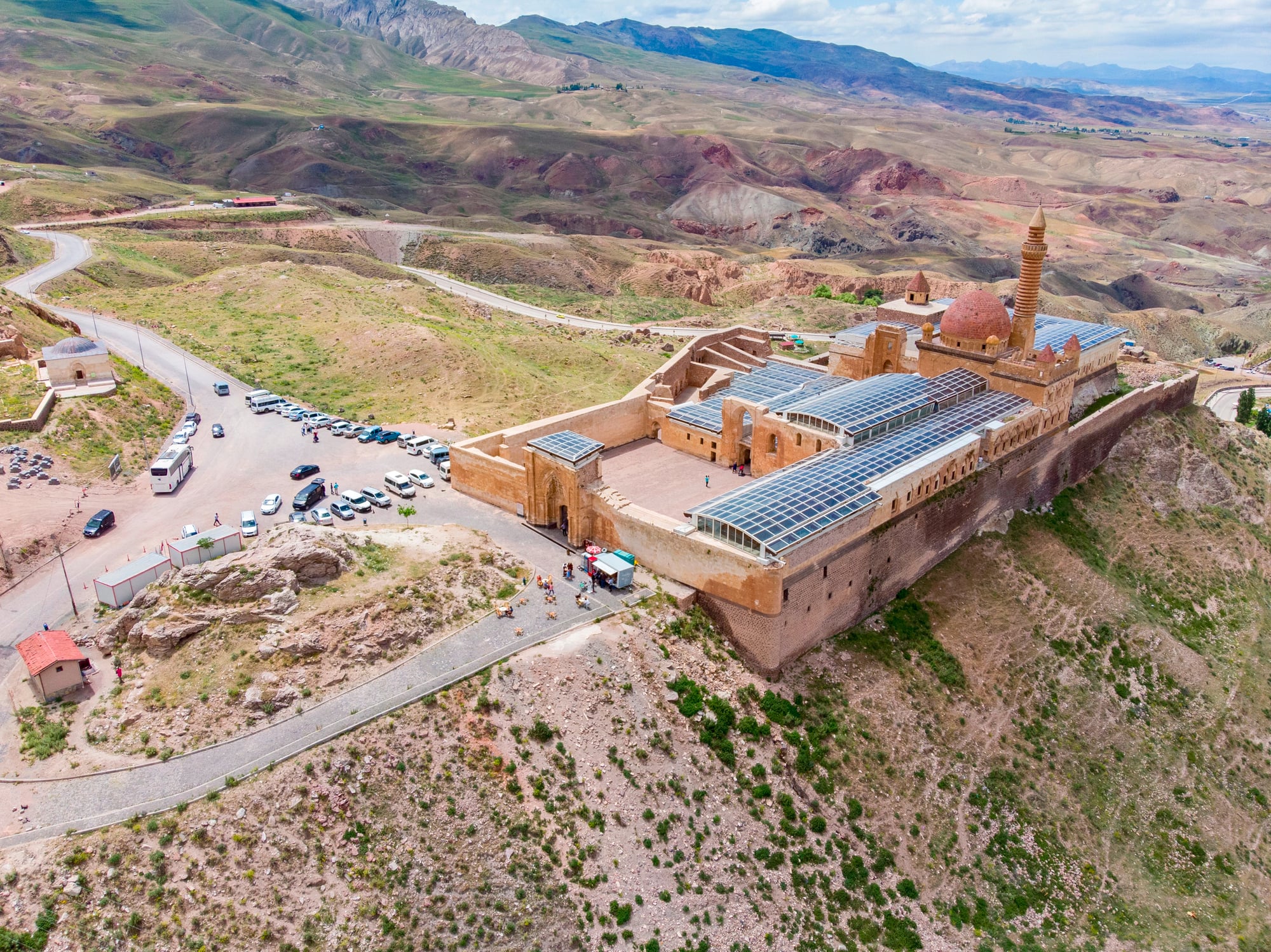
Under Tigranes the Great (95-55 BCE), Armenia briefly became one of the most powerful states in Western Asia, stretching from the Caspian Sea to the Mediterranean. But Armenia’s real significance lies not in its moment of military glory but in its role as a cultural bridge between different civilizations.
Positioned between the Roman, Persian, and later Islamic empires, Armenia developed a unique ability to absorb influences from all directions while maintaining its distinct identity. This wasn’t just cultural flexibility — it was a survival strategy that worked for over two millennia.
Their most important innovation was in religious and cultural preservation. When Armenia became the first nation to officially adopt Christianity in 301 CE, it created a template for how minority communities could maintain their identity within larger imperial systems.
The development of a distinct Armenian alphabet, literature, and ecclesiastical tradition provided tools for cultural continuity that survived centuries of foreign domination. The Armenian model influenced how other small nations thought about survival in a world of empires.
The combination of religious distinctiveness, cultural institutions, and diplomatic flexibility became a standard approach for maintaining national identity under foreign rule. Modern concepts of cultural autonomy and minority rights owe something to Armenian precedents.
The Weight of Ancient Choices

These empires didn’t just disappear when their armies were defeated and their capitals burned. They left behind ways of thinking about power, law, money, and human relationships that became so fundamental to civilization that we barely notice them anymore.
The legal code posted in the courthouse, the coins in your wallet, the alphabet used for this sentence — all of them carry forward decisions made by people who died thousands of years ago.
More from Go2Tutors!

- The Romanov Crown Jewels and Their Tragic Fate
- 13 Historical Mysteries That Science Still Can’t Solve
- Famous Hoaxes That Fooled the World for Years
- 15 Child Stars with Tragic Adult Lives
- 16 Famous Jewelry Pieces in History
Like Go2Tutors’s content? Follow us on MSN.



