14 Massive Rogue Planets Wandering Space
There’s something deeply unsettling about the idea of entire worlds drifting through the darkness of space with no star to call home. These rogue planets—ejected from their birth systems or formed in isolation—represent some of the most mysterious objects in our galaxy.
They cruise through the cosmic void, untethered and alone, carrying with them stories of violent encounters and gravitational chaos that sent them spinning into the endless night. Scientists estimate there could be billions of these wandering worlds scattered throughout the Milky Way, far outnumbering the planets that orbit stars.
Some are small and rocky, while others are massive gas giants that dwarf Jupiter. Each one tells a tale of cosmic upheaval, and studying them helps us understand how planetary systems form, evolve, and sometimes fall apart entirely.
PSO J318.5-22
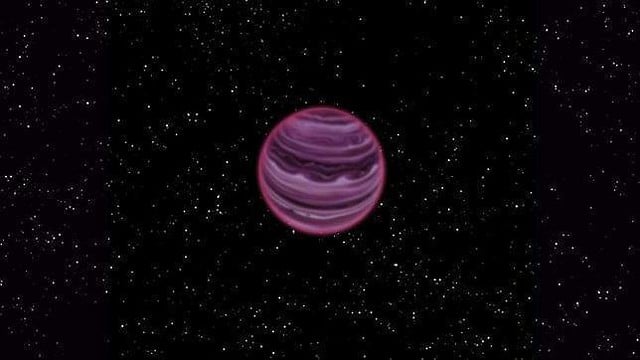
This rogue planet floats roughly 80 light-years away, and it’s a beast. Six times more massive than Jupiter, PSO J318.5-22 glows faintly in infrared light from the heat leftover from its formation.
No star warms its atmosphere, yet it radiates energy like a dim ember cooling in space.
CFBDSIR 2149-0403
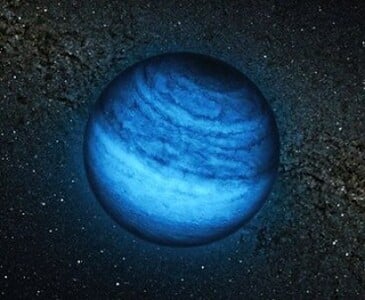
Located about 100 light-years from Earth, this wandering giant presents astronomers with a puzzle they’re still trying to solve. CFBDSIR 2149-0403 might be a rogue planet, or it could be a brown dwarf—one of those failed stars that never quite managed to ignite nuclear fusion in their cores.
The distinction matters (brown dwarfs form differently than planets do, and understanding which category this object falls into tells us something important about how these massive, isolated bodies come to exist in the first place), but the object itself remains stubbornly difficult to classify. And yet the uncertainty makes it more intriguing, not less.
So astronomers keep watching, waiting for more data to settle the question.
2MASS J1119-1137
The loneliest objects in the universe aren’t dead stars—they’re rogue planets like this one, drifting through space with no gravitational anchor to anything larger than themselves. 2MASS J1119-1137 embodies that cosmic solitude perfectly.
It moves through the galaxy like a ship without a port, carrying whatever secrets formed in its atmosphere during those first violent millennia after its birth. The silence around it is absolute.
OTS 44
Brown dwarfs get all the attention, but OTS 44 proves that rogue planets can be just as interesting. This object sits right on the boundary between planet and brown dwarf, which makes it a perfect test case for understanding where we draw those lines.
The mass is borderline, the formation story is unclear, and the current behavior splits the difference between what we expect from each type of object.
Cha 110913-773444
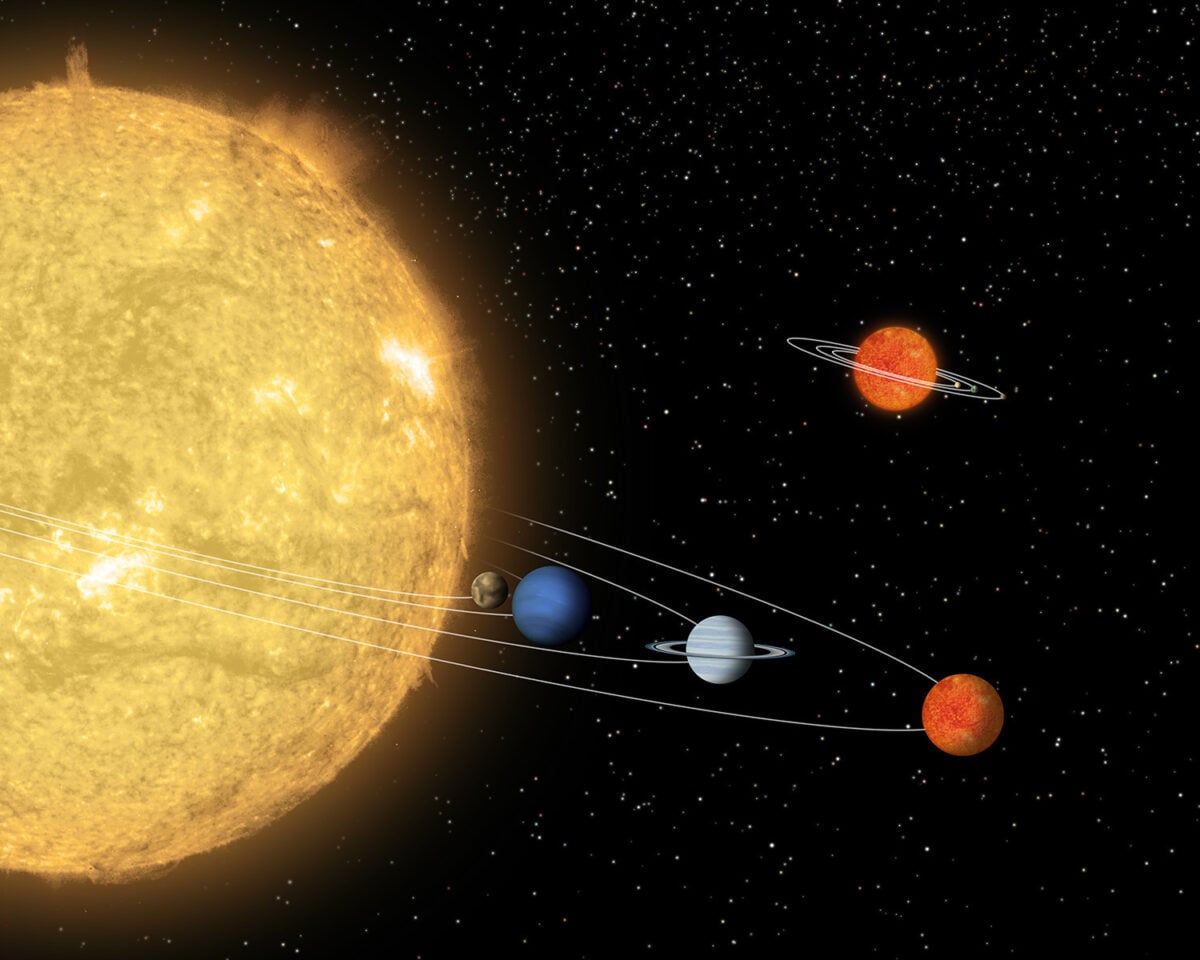
Deep in the Chamaeleon constellation, roughly 500 light-years away, this rogue planet challenges everything astronomers thought they knew about planetary formation. Cha 110913-773444 (astronomers really need to work on catchier names) appears to have formed the same way stars do—through the collapse of a gas cloud—rather than through the gradual accumulation of material in a protoplanetary disk.
But here’s where it gets strange (which is saying something, considering we’re already talking about a homeless planet floating through space): it seems to have its own miniature planetary disk, as if it’s trying to form its own little solar system in the middle of nowhere. The audacity of it is almost charming.
S Ori 52
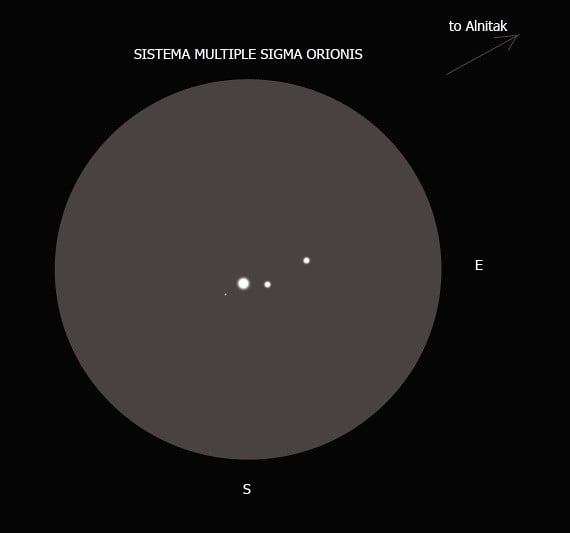
Sometimes the universe has a sense of irony. S Ori 52 was likely born in the same stellar nursery as the other stars in the Sigma Orionis cluster, but something went wrong—or perhaps spectacularly right, depending on how you look at it. This rogue planet got kicked out of its birth system and now wanders the galaxy alone, but it’s still loosely associated with its stellar siblings.
It’s like being permanently exiled from your hometown while never quite managing to leave the county. The planet is small, only about five times Jupiter’s mass, but it represents something larger: proof that planetary formation can go sideways in ways that still produce stable, long-lived objects.
S Ori 52 has been wandering for millions of years and shows no signs of slowing down.
WISE 0855-0714
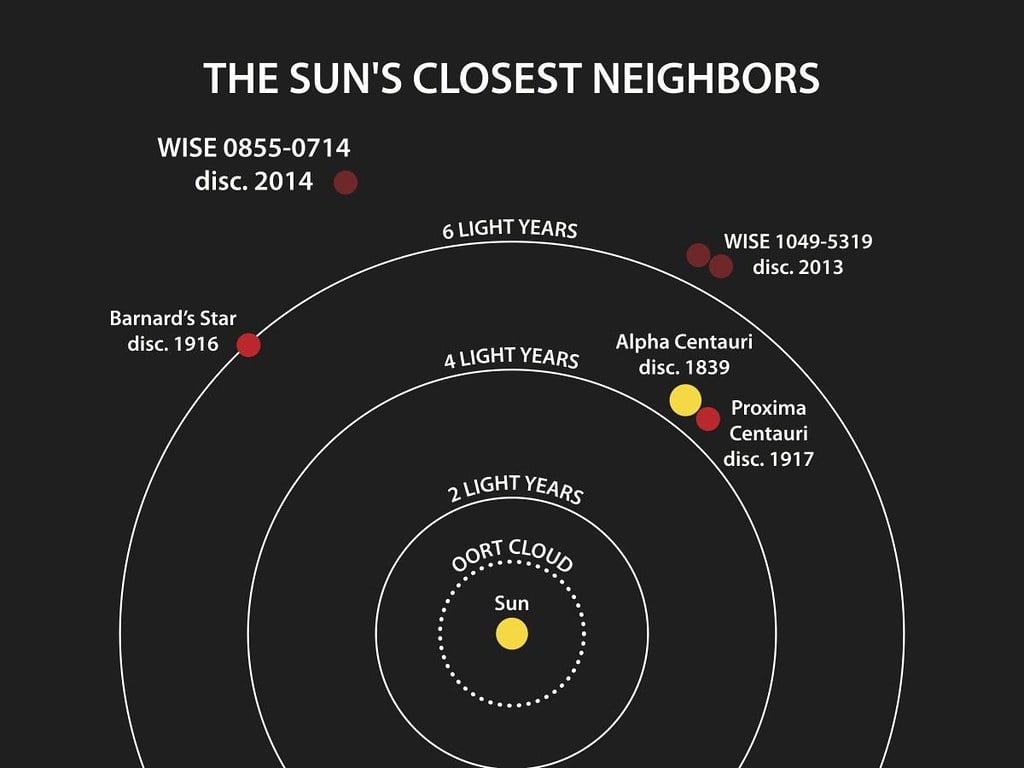
Picture a world colder than Antarctica in the depths of winter, where the atmosphere is so frigid that water clouds freeze solid and drift through methane skies. WISE 0855-0714 exists in that perpetual winter, orbiting nothing, warmed by nothing except the fading heat of its own formation.
The temperature hovers around -48 degrees Fahrenheit on the surface—balmy compared to what you’d expect from a planet with no star. That remaining warmth is all that’s left from the violent collapse that formed it billions of years ago, still radiating into space like breath in cold air.
WISE J085510.83-071442.5
The thing about rogue planets is that they force us to reconsider what makes a world worth studying. WISE J085510.83-071442.5 has no chance of harboring life as we understand it, no seasons, no day-night cycle, no weather patterns driven by stellar radiation.
Just a slow, steady cooling as it drifts through space. And yet astronomers find it fascinating precisely because it strips away all the variables that complicate planetary science.
No stellar wind, no radiation pressure, no tidal forces from a nearby star. What remains is a planet in its purest form—just gravity, internal heat, and whatever chemistry unfolds in the darkness.
Turns out there’s plenty to learn from that simplicity.
SIMP J013656.5+093347
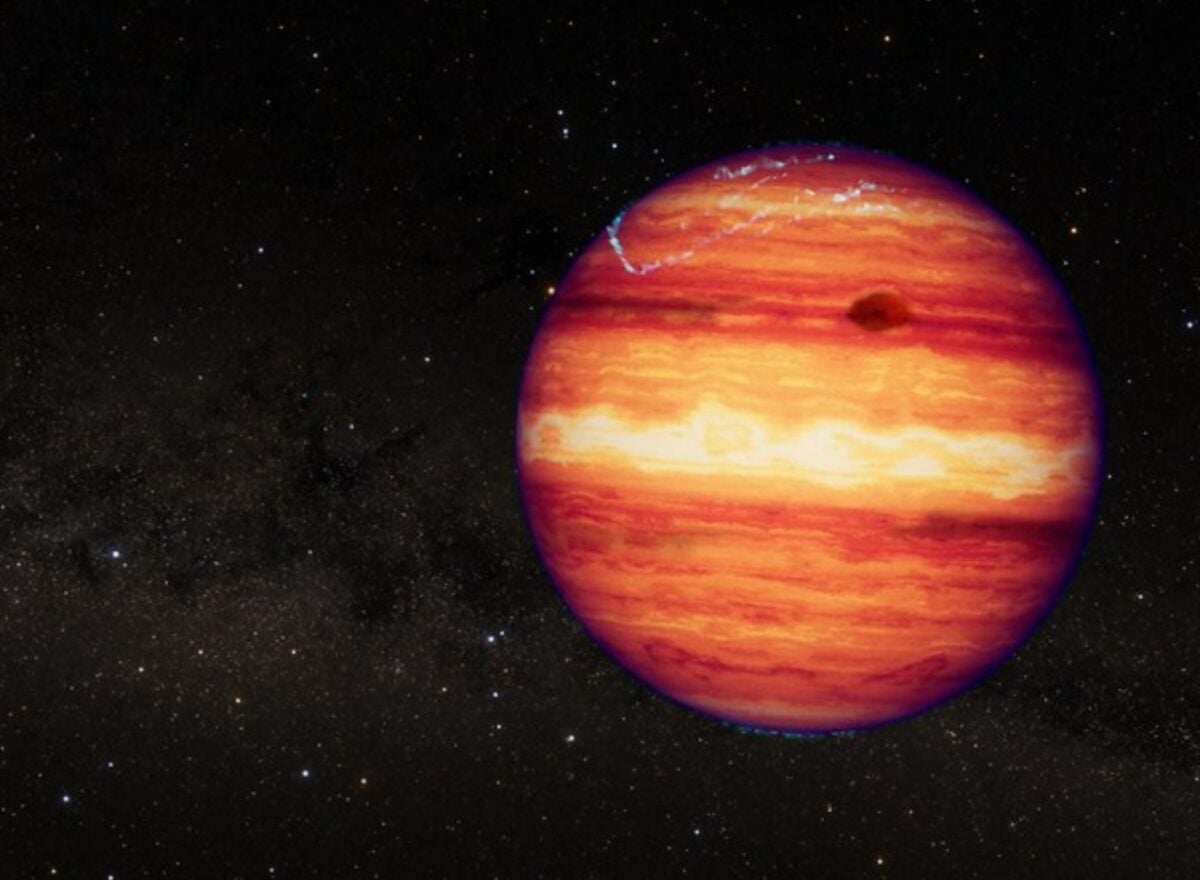
Rogue planets aren’t supposed to have magnetic fields strong enough to detect from Earth, but SIMP J013656.5+093347 apparently didn’t get the memo. This wandering giant generates radio emissions that suggest a magnetic field 200 times stronger than Jupiter’s—strong enough that it might actually produce aurora-like phenomena in its upper atmosphere, even without a star to provide the charged particles that usually drive such displays.
The planet rotates once every 2.4 hours, which is incredibly fast for something 12.7 times more massive than Jupiter. That rapid spin might be what generates the powerful magnetic field, or it could be evidence of how this world got ejected from its original system.
Fast rotation often results from close gravitational encounters—the kind that can fling a planet into interstellar space.
2MASS J2126-8140
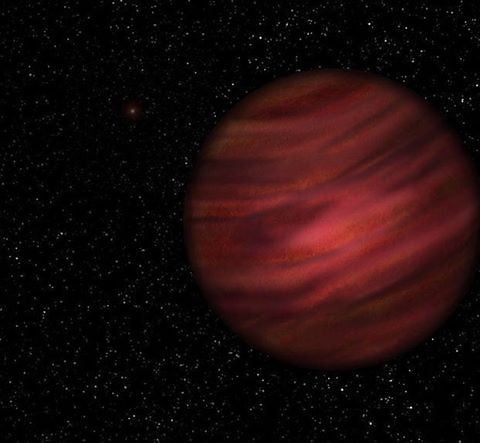
Distance has a way of putting cosmic relationships into perspective, but 2MASS J2126-8140 takes that to an extreme. This rogue planet orbits a red dwarf star called TYC 9486-927-1, but the orbit is so wide that it takes roughly one million years to complete a single revolution.
The distance between planet and star is nearly 7,000 times greater than the distance between Earth and the Sun. At that range, the star’s gravitational influence is barely stronger than that of passing objects, and the planet receives virtually no heat or light from its distant companion.
For all practical purposes, it’s a rogue planet that just happens to be gravitationally bound to something far away. But that connection, tenuous as it is, hints at the complex dance of gravitational forces that shaped the early solar system—and occasionally flung planets into the outer darkness.
CFBDSIR J214947.2-040308.9
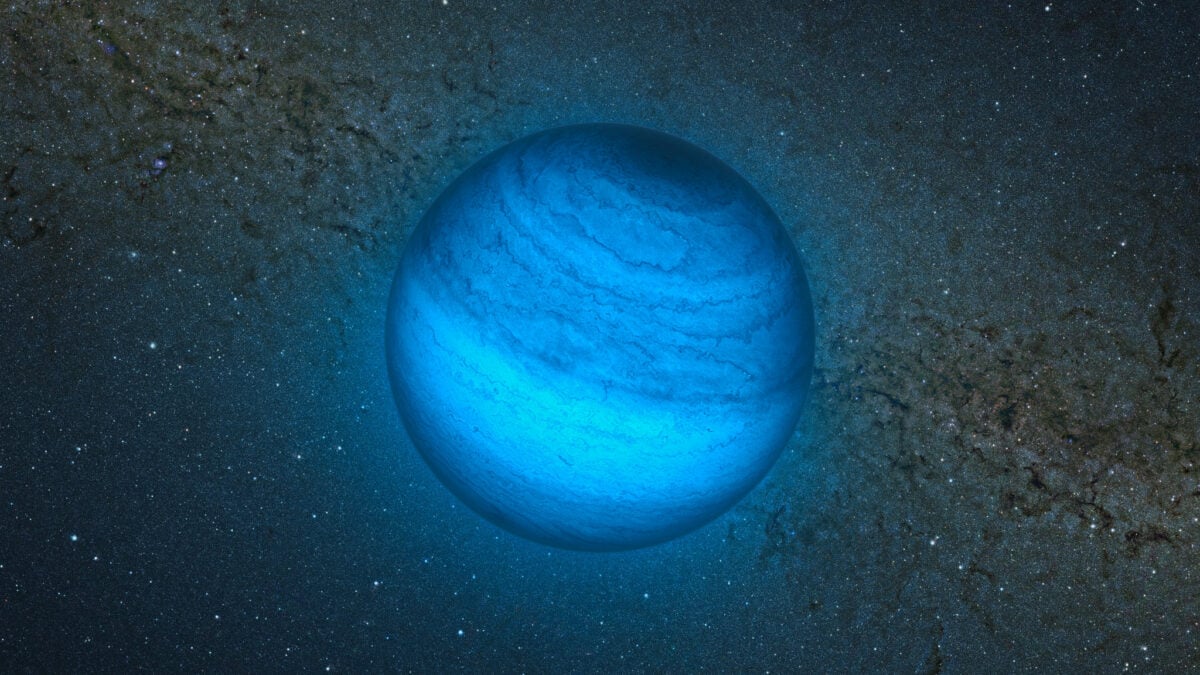
The hardest part about studying rogue planets isn’t finding them—it’s figuring out what they actually are once you’ve spotted them. CFBDSIR J214947.2-040308.9 illustrates this problem perfectly.
The object has a mass somewhere between 4 and 7 times that of Jupiter, which puts it firmly in planetary territory, but its formation history remains unclear. Did it form like a planet and get ejected, or did it form like a star and simply fail to accumulate enough mass to ignite fusion?
The distinction matters for understanding how common these objects are and how they end up wandering through space. But the object itself doesn’t care about our classification schemes.
It just keeps drifting through the galaxy, carrying its secrets with it.
2MASS J11193254-1137466
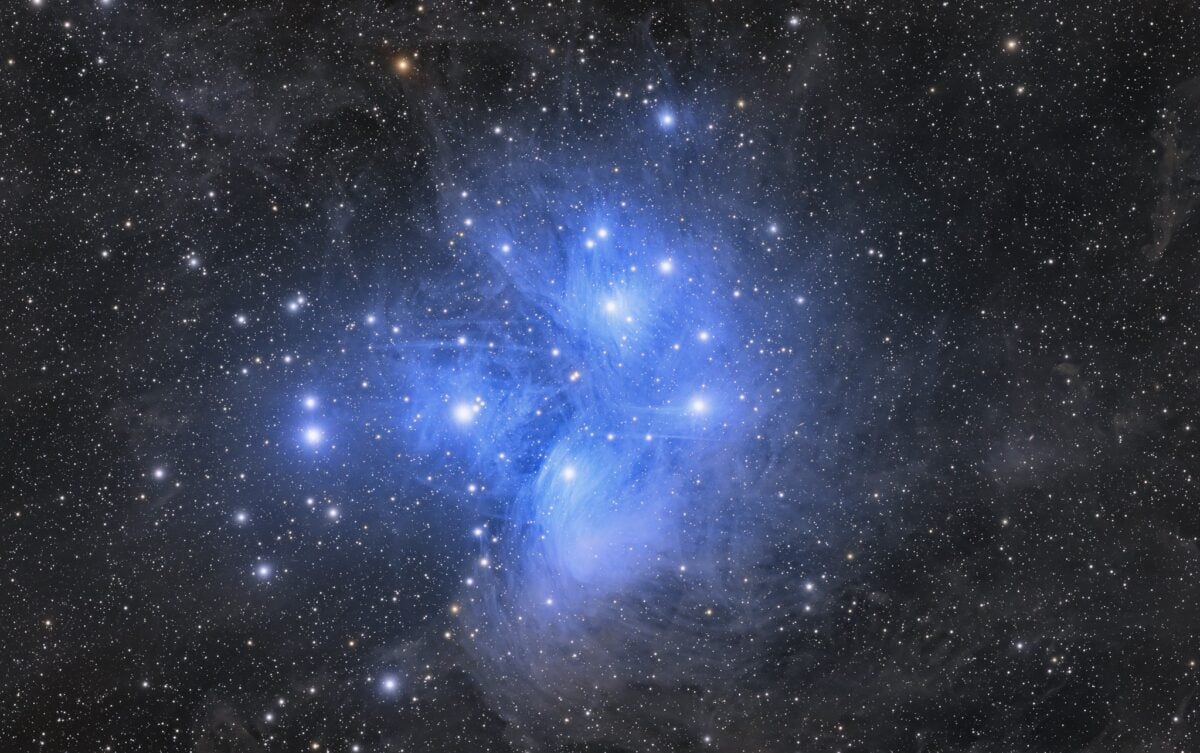
Some rogue planets wander alone through space, but 2MASS J11193254-1137466 might have company. This object appears to be part of a loose association of stars and brown dwarfs moving through the galaxy together—the remnants of a stellar nursery that has gradually dispersed over time.
The planet is like a distant relative at a family reunion, technically part of the group but keeping its distance. The gravitational ties are weak, but they’re still there.
This suggests that not all rogue planets are completely isolated; some maintain tenuous connections to their stellar siblings even after being ejected from their original orbits. It’s a reminder that the galaxy is full of subtle gravitational relationships that we’re only beginning to understand.
WISE J0304-2705
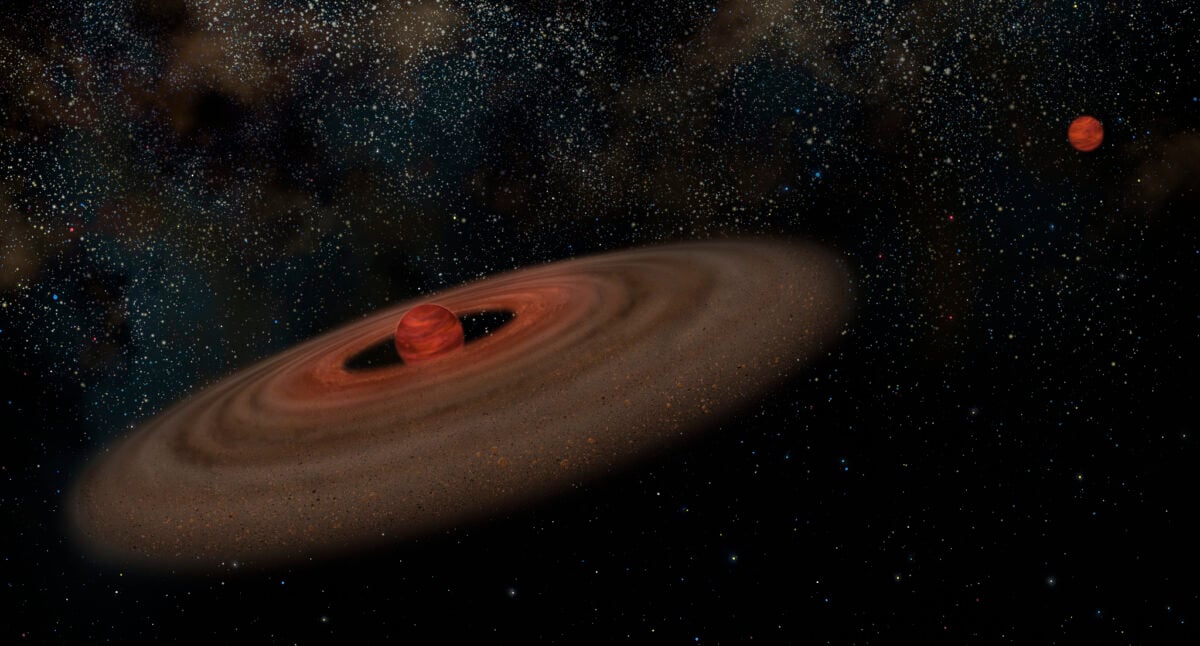
WISE J0304-2705 sits at the boundary between planet and brown dwarf, which makes it a perfect laboratory for understanding how these objects differ. The mass is right at the borderline—heavy enough that it might have formed like a star through gravitational collapse, but light enough that it could plausibly be a planet that was ejected from another system.
What makes this object particularly interesting is its isolation. Brown dwarfs often form in regions of active star formation, surrounded by other stellar objects.
But WISE J0304-2705 appears to be alone in its corner of space, with no obvious stellar companions nearby. That isolation could be evidence of a violent ejection from its birth system, or it could suggest a different formation mechanism entirely.
LP 944-20
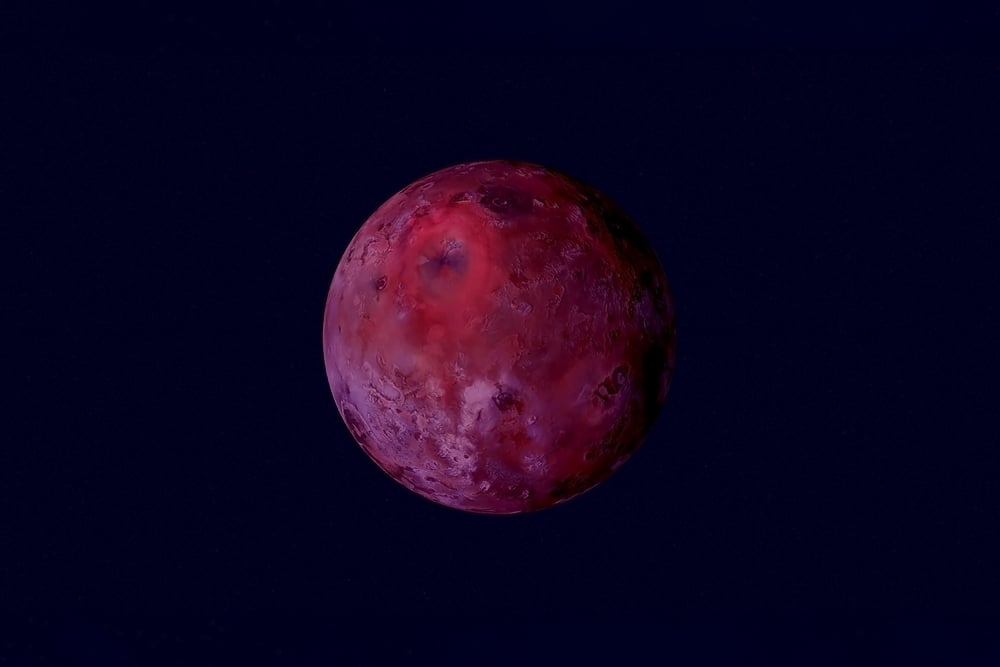
The galaxy is full of objects that don’t fit neatly into our classification schemes, and LP 944-20 is a perfect example. Technically classified as a brown dwarf rather than a rogue planet, it behaves in ways that blur the distinction between the two.
It’s too massive to be a planet by most definitions, but too small to sustain nuclear fusion like a proper star. What makes LP 944-20 worth including in this list is its behavior.
It produces radio emissions and has weather patterns in its atmosphere—clouds that form, dissipate, and reform over time. These characteristics make it more planet-like than most brown dwarfs, which tend to be more stable and predictable. It’s a reminder that the universe doesn’t always respect the neat categories we create for understanding it.
Beyond the Wanderers
These fifteen massive rogue planets represent just the tip of the iceberg. For every wandering world we’ve managed to detect and study, there are likely thousands more drifting through the galaxy unnoticed.
They cruise through the darkness between stars, carrying with them the stories of solar systems that fell apart, gravitational encounters that went wrong, and formation processes we don’t yet fully understand. The existence of rogue planets changes how we think about planetary formation and the stability of solar systems.
Our own solar system might look orderly and stable now, but these wandering worlds remind us that chaos played a role in shaping every planetary system in the galaxy. Some planets survived the violence of formation and found stable orbits around their stars.
Others were less fortunate and now spend eternity wandering the cosmic void, homeless but not forgotten.
More from Go2Tutors!

- The Romanov Crown Jewels and Their Tragic Fate
- 13 Historical Mysteries That Science Still Can’t Solve
- Famous Hoaxes That Fooled the World for Years
- 15 Child Stars with Tragic Adult Lives
- 16 Famous Jewelry Pieces in History
Like Go2Tutors’s content? Follow us on MSN.