Bizarre Phobias People Actually Have
Most people are familiar with common fears, such as a fear of heights or spiders. On some level, these fears make sense—falling from a height can hurt, and spiders can bite.
However, the human mind can create severe anxiety about almost anything, and some of these reactions are so out of the ordinary that they may initially appear to be fabricated. Even when the cause of their fear appears innocuous to others, those who suffer from these conditions deal with actual anxiety, panic attacks, and disruptions to their daily lives.
Recognizing these lesser-known fears enables us to appreciate the diversity and individuality of our anxieties. These 15 strange phobias are real.
Arachibutyrophobia

The fear of peanut butter sticking to the roof of your mouth is a colloquial term rather than an official diagnosis, but it describes a real experience for some people. Those who report this fear often struggle with broader concerns about choking or have strong aversions to sticky textures.
The anxiety around that particular sensation can be intense enough to make people avoid peanut butter entirely, though it’s more accurately understood as part of pseudodysphagia or texture-related food aversion.
Nomophobia

This modern phenomenon describes the anxiety people feel when separated from their mobile phones—whether the battery dies, they lose signal, or they simply can’t find their device. While ‘nomophobia’ has become a popular term, it’s not an official DSM diagnosis and is better understood as a form of separation anxiety or problematic smartphone use.
Still, the panic some people experience when disconnected from their devices is genuine and can interfere with daily functioning.
Ablutophobia

The fear of bathing or washing goes beyond simply disliking shower time. Ablutophobia causes such severe anxiety around water and cleaning that people avoid bathing altogether, which creates obvious social and hygiene problems.
This phobia most commonly appears in children and usually resolves with age, but when it persists into adulthood, it’s often linked to a traumatic water-related incident from the past.
Chromophobia
While fear of specific colors exists, xanthophobia—the fear of yellow—is exceptionally rare and falls under the broader category of chromophobia. People with color-related phobias experience intense anxiety when encountering particular hues, and yellow objects like school buses or flowers can trigger these reactions.
Since colored objects are unavoidable in daily life, this fear can be particularly disruptive.
Globophobia
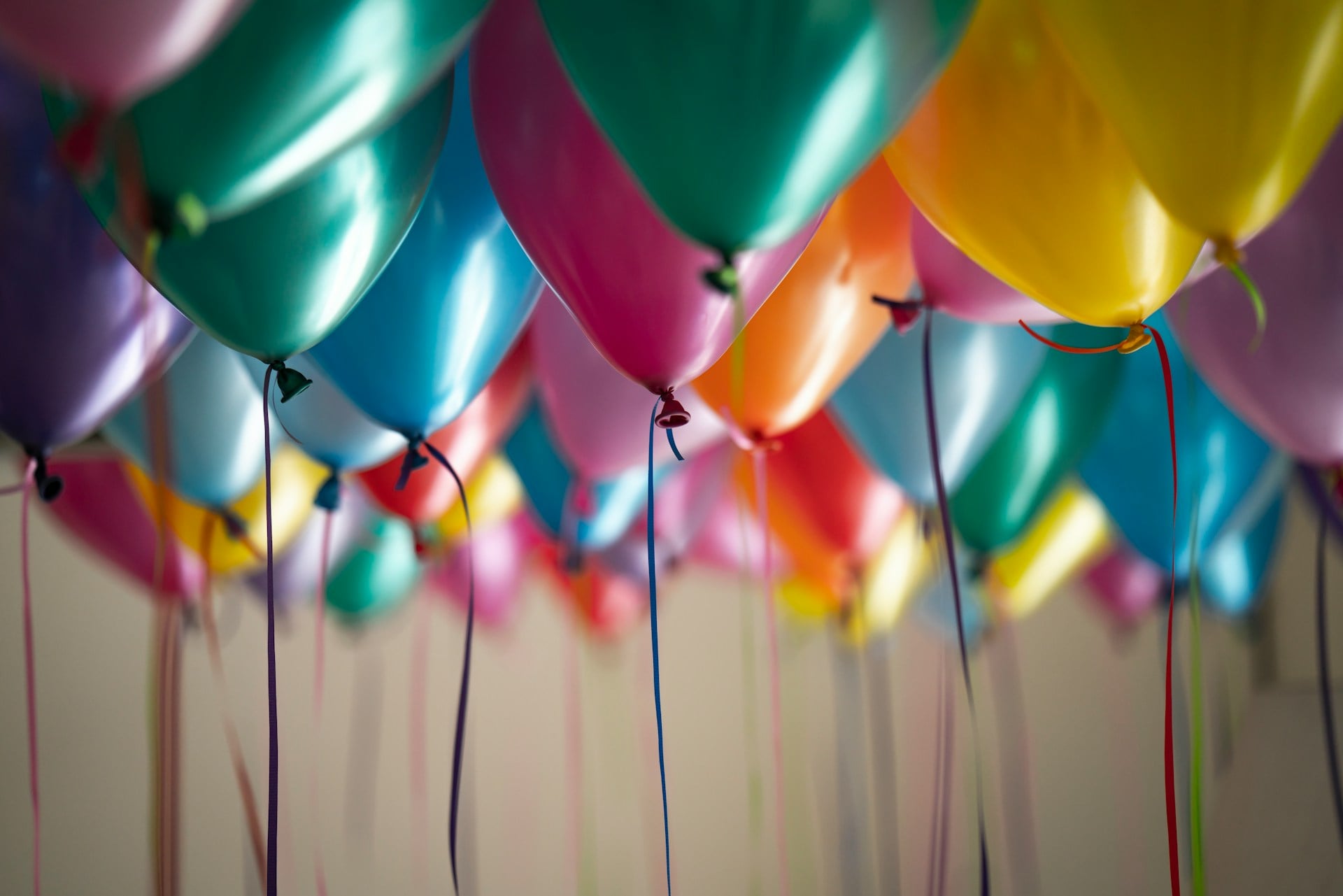
The fear of party balloons affects more people than you might expect. The phobia often develops after experiences with popping balloons in childhood, and the loud sound becomes associated with danger or threat.
People with globophobia often struggle at children’s birthday parties where balloons are unavoidable, and some public figures have mentioned similar aversions to everyday objects that trigger unexpected anxiety.
Trypophobia

Patterns of clustered openings—think honeycombs, bubble wrap, or lotus seed pods—trigger disgust and anxiety in many people. While trypophobia is better described as a strong aversion response rather than an official specific phobia in the DSM-5-TR, the reaction is undeniably intense for those who experience it.
Some researchers suggest this response might connect to unconscious associations with disease or danger signals.
Triskaidekaphobia
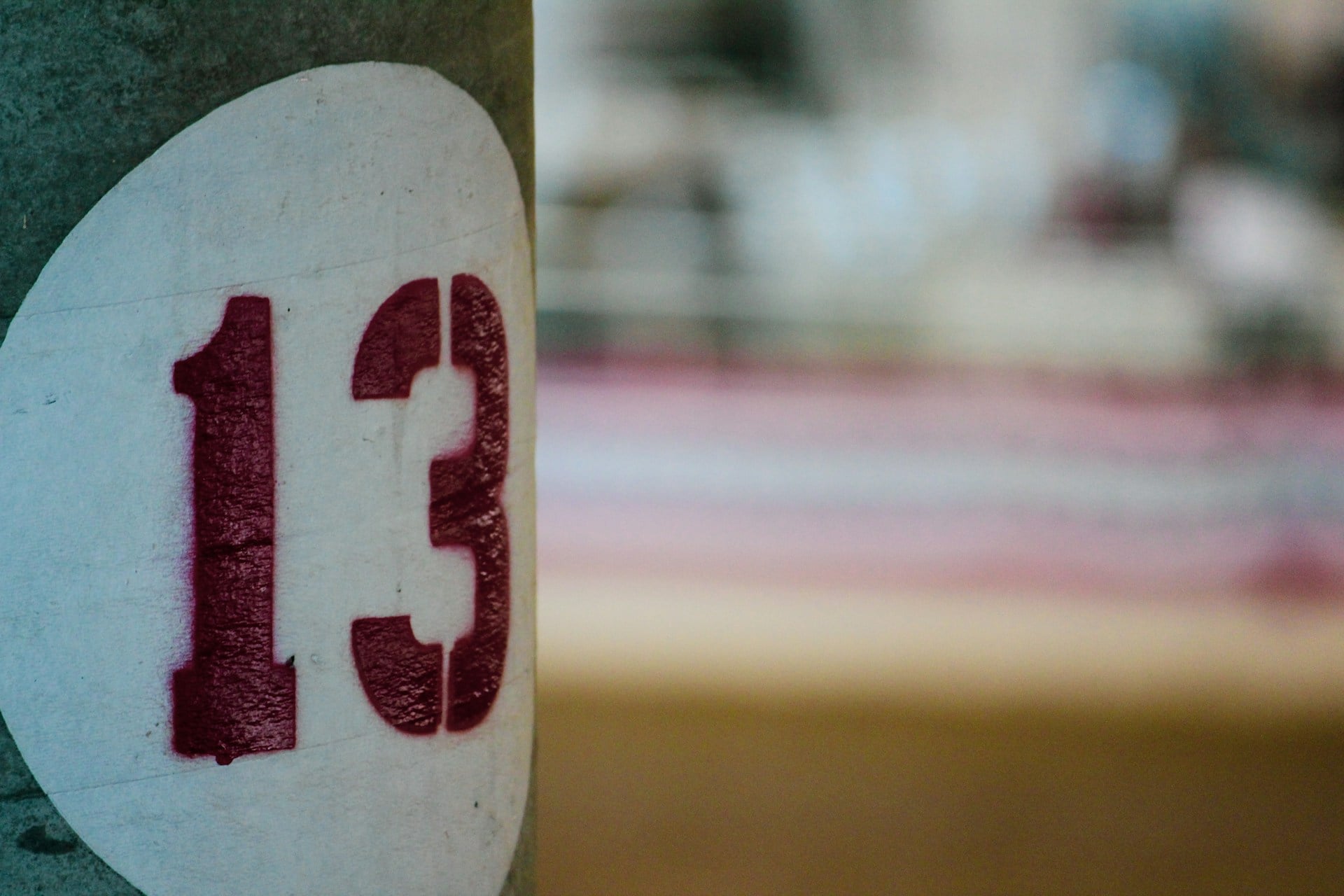
The number thirteen has caused anxiety across cultures for centuries. Triskaidekaphobia is well-documented and affects everything from building floor numbering to airline seating arrangements.
Hotels often skip the thirteenth floor entirely, and some people genuinely avoid important activities on the thirteenth day of the month. This fear has deep cultural roots and remains one of the most recognized number-related phobias.
Omphalophobia
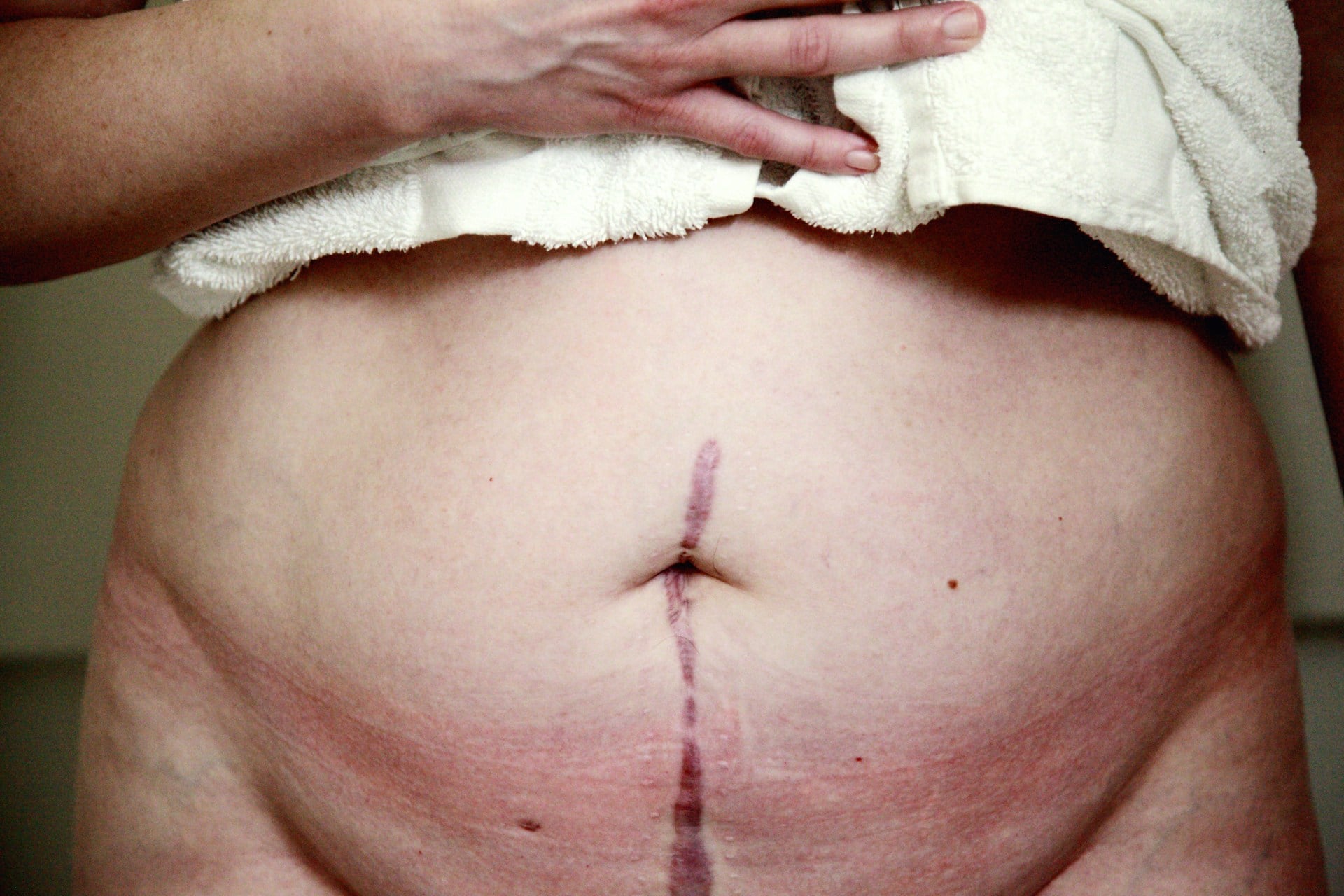
Belly buttons cause rarely reported but genuine distress for some people. Omphalophobia involves intense discomfort around navels—whether it’s your own or someone else’s—and sufferers can’t bear to touch, look at, or even think about them.
People with this condition might avoid beaches and swimming pools where navels are visible, though documented cases remain sparse in clinical literature.
Spectrophobia

The fear of mirrors and reflections causes people to avoid seeing themselves or being around reflective surfaces entirely. This condition can stem from various underlying issues including body dysmorphic disorder, PTSD, or OCD, rather than existing as a simple standalone phobia.
In severe cases, people remove all mirrors from their homes and experience genuine panic when confronted with unexpected reflections.
Chaetophobia

The fear of hair is rarely reported but causes genuine distress in those who experience it. Chaetophobia can involve anxiety around both human and animal hair, particularly loose strands or thick textures.
Possible origins include traumatic experiences involving hair, though documented cases are sparse and the condition isn’t widely recognized in clinical settings.
Somniphobia

The fear of sleep goes beyond simple insomnia and involves genuine terror about falling asleep. People with somniphobia may experience panic attacks at bedtime or stay awake to the point of exhaustion.
This fear often connects to underlying sleep disorders like night terrors, sleep paralysis, or sleepwalking, which create frightening experiences that people desperately want to avoid.
Genuphobia

Knees become the source of rarely documented fear for some people, whether it’s their own knees, someone else’s, or even the act of kneeling. This unusual reaction can potentially develop after knee injuries or traumatic experiences involving the knee area, though clinical reports remain limited.
Phobophobia

This condition creates a difficult cycle—it’s the fear of experiencing fear itself. People with phobophobia become so anxious about the physical sensations of fear that they develop panic attacks just thinking about becoming afraid.
They worry intensely about symptoms like rapid heartbeat or shortness of breath, sometimes believing these reactions might cause permanent harm. This condition frequently appears alongside other anxiety disorders and creates what researchers describe as free-floating anxiety.
Koumpounophobia

Buttons on clothing trigger anxiety in people with koumpounophobia, who feel distressed by the sight, sound, or texture of buttons. Some people with this fear opt for clothing with zippers or velcro instead, though avoiding buttons completely proves challenging in daily life.
The condition is treatable through therapy, and while it might sound unusual, it can genuinely interfere with normal activities.
Emetophobia

The discomfort associated with vomiting itself is only one aspect of the fear. Extreme anxiety about throwing up, hearing others mention it, or even being around people who say they feel ill is experienced by those who suffer from emetophobia.
People may cook only “safe” meals with few ingredients, avoid restaurants, or avoid certain foods completely as a result of this fear. It’s interesting to note that because they take so many precautions, people with this phobia are actually less likely to throw up than the general population.
Progress Through Understanding

When people commit to evidence-based treatment, the success rate for specific phobias ranges from 60 to 90 percent, making them one of the most treatable anxiety disorders. The gold standard is still cognitive behavioral therapy with graduated exposure, which is frequently used in conjunction with response prevention and psychoeducation to help people comprehend their fear reactions.
In addition to therapy, drugs such as beta-blockers or SSRIs can offer extra support for severe cases or performance-related triggers. Working with mental health professionals who take their concerns seriously can help many people find relief from what seemed like an uncontrollable fear.
More from Go2Tutors!

- The Romanov Crown Jewels and Their Tragic Fate
- 13 Historical Mysteries That Science Still Can’t Solve
- Famous Hoaxes That Fooled the World for Years
- 15 Child Stars with Tragic Adult Lives
- 16 Famous Jewelry Pieces in History
Like Go2Tutors’s content? Follow us on MSN.